What buyers actually need from a PVC roof panel factory
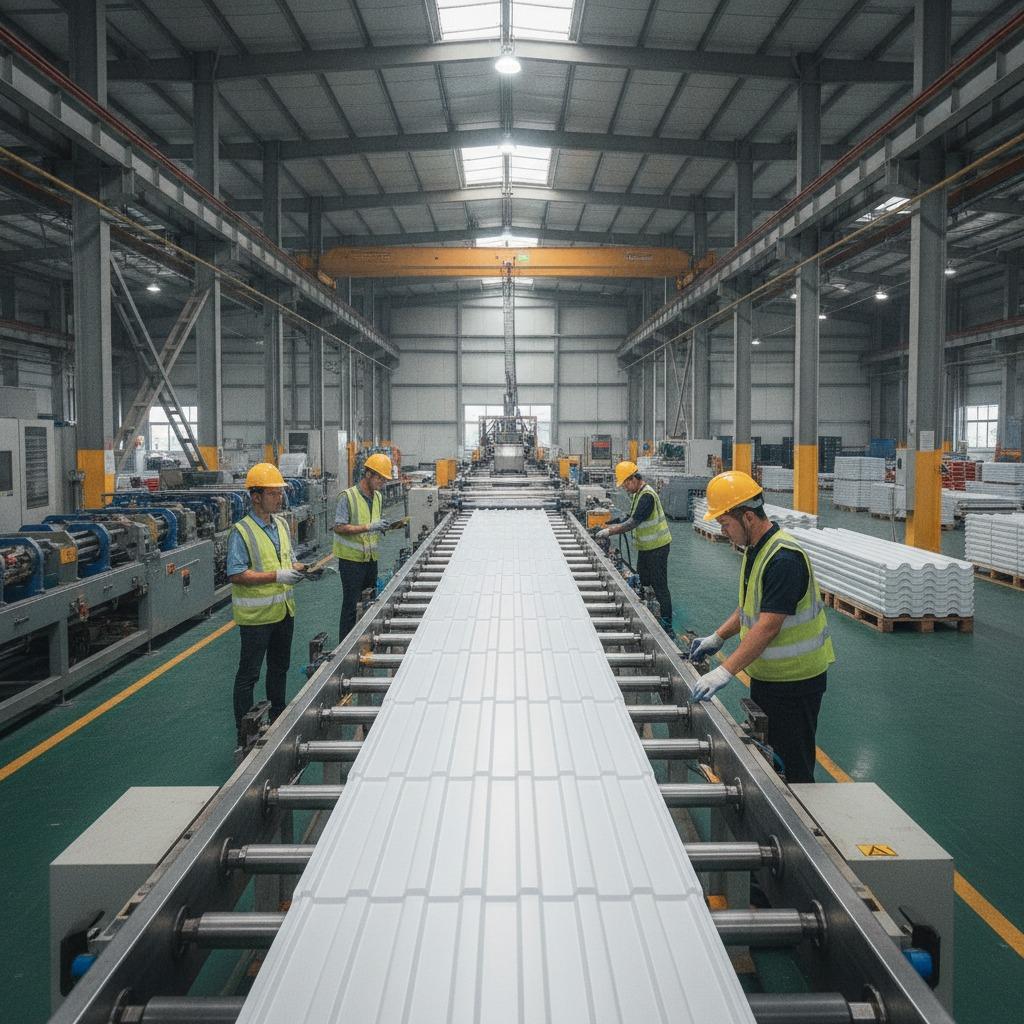
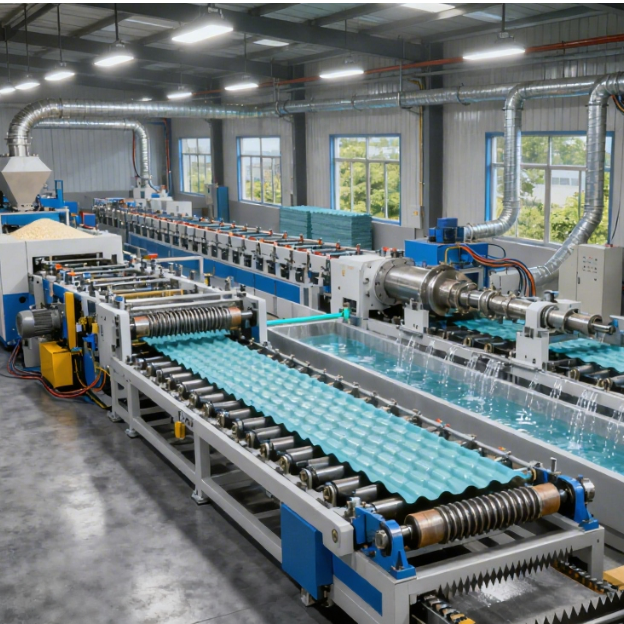
When sourcing from a PVC roof panel factory, most buyers are not just looking for a supplier that can make sheets. They are trying to solve a narrower problem: how to get a roof panel that holds up to weather, installs cleanly, and arrives with consistent dimensions from batch to batch. That matters whether you are planning a warehouse roof, a lightweight industrial canopy, or a retrofit job where the existing structure cannot carry much weight.
In practice, the decision is less about the word “PVC” and more about how the panels are formulated, profiled, packed, and supported by the factory behind them. A panel that looks fine on paper can still create trouble if the coating, thickness consistency, or fastening behavior is off. And roofing projects rarely forgive small manufacturing shortcuts.
Why PVC roofing panels are specified in the first place
PVC roofing is usually considered when buyers need a balance of corrosion resistance, low weight, and simple installation. Compared with heavier traditional roofing materials, PVC panels can be easier to handle on site and may reduce structural load. That is especially relevant for refurbishments, temporary structures, utility buildings, and covers for agricultural or industrial spaces.
That said, PVC panels are not a universal answer. Their suitability depends on the roof geometry, exposure conditions, expected service environment, and local building requirements. A responsible PVC roofing panel manufacturer should be able to discuss those limits plainly rather than oversell the material.
Key points to compare between suppliers
For sourcing teams, the real comparison is usually among product consistency, profile options, and factory discipline. Two suppliers may both claim to sell durable PVC panels for roof, but one may deliver better color stability, cleaner edge finishing, or more reliable packaging for export.
1. Material formulation and intended use
Ask what kind of roof environment the panel is designed for. Some panels are better suited to light-duty coverings, while others are built for more demanding outdoor exposure. If the factory uses additives for weather resistance, UV protection, or impact behavior, that should be described in practical terms, not vague marketing language.
2. Dimensional consistency
Roof panels need predictable width, length, thickness, and profile depth so they align on the roof and fasten properly. Small variation can create installation headaches, especially across large projects. This is one of those unglamorous details that separates a dependable factory from a merely busy one.
3. Surface finish and handling behavior
The finish influences not only appearance but also dirt pickup, water runoff, and how the panel behaves in transit. Buyers often overlook packaging, yet damaged corners and scuffed surfaces can cause rejection on arrival. It is worth asking how the panels are bundled and protected before shipment.
4. Technical support and application guidance
A serious supplier should help with roof slope compatibility, fastening recommendations, and installation cautions. Even a good panel can fail early if it is fixed incorrectly or used outside its intended range. That kind of support is part of the product, whether procurement teams count it that way or not.
Common mistakes when selecting a factory
One common mistake is treating all PVC roofing as interchangeable. Another is focusing only on unit price and ignoring waste, breakage, and installation time. A cheaper panel that cracks during handling or requires more labor on site can become the expensive option very quickly.
Buyers also sometimes skip asking about the factory’s quality-control routine. You do not need a long certificate list to make a sensible sourcing decision, but you do need a clear explanation of how the factory checks consistency from run to run. If the answer is vague, that is information in itself.
Practical buyer questions to ask early
Before sending drawings or requesting a quotation, buyers should ask a few direct questions: What roof applications is the panel intended for? What profile options are available? How does the factory package long panels for transport? What guidance is provided for fastening and overlap? Can the supplier support repeat orders with consistent specifications?
These questions help separate a capable manufacturing partner from a trading-only source with limited control over product quality. They also reduce the chance of late-stage surprises, which tend to show up only after the first container or first installation crew has already started work.
What a good sourcing decision looks like
The best choice is usually not the cheapest panel and not the most elaborate one. It is the factory that can match the roof environment, communicate honestly about limitations, and supply panels that are consistent enough for efficient installation. For engineers and sourcing managers, that is the practical test.
If you are evaluating a PVC roof panel factory now, start by comparing application fit, manufacturing consistency, and support quality. Then request samples, review how they are packed, and check whether the supplier’s answers are specific or generic. Those early signals are often more useful than a polished brochure.
FAQ
Are PVC roof panels suitable for all roofing projects?
No. They can work well for certain low-weight or corrosion-sensitive applications, but suitability depends on the building design and environment.
What should I verify first with a PVC roofing panel manufacturer?
Start with intended application, profile options, consistency controls, and packaging method.
Why does packaging matter so much for PVC panels for roof use?
Because long panels can be scratched, bent, or corner-damaged in transit, and those defects often become site problems.
If you are comparing suppliers, prepare a short specification sheet and request product details directly from the factory. That makes the conversation sharper and usually gets you a more useful answer than a generic inquiry ever will.