What buyers really need from a PVC roof sheet factory
Choosing a PVC roof sheet factory is less about finding the cheapest supplier and more about reducing risk on the roof. For engineers, sourcing managers, and product teams, the real question is whether a plant can produce stable sheet quality, consistent color, and the right profile for the job without creating installation headaches later. A roof sheet may look simple on paper, but once it is exposed to heat, rain, wind uplift, and long service cycles, small differences in formulation and manufacturing discipline start to matter.
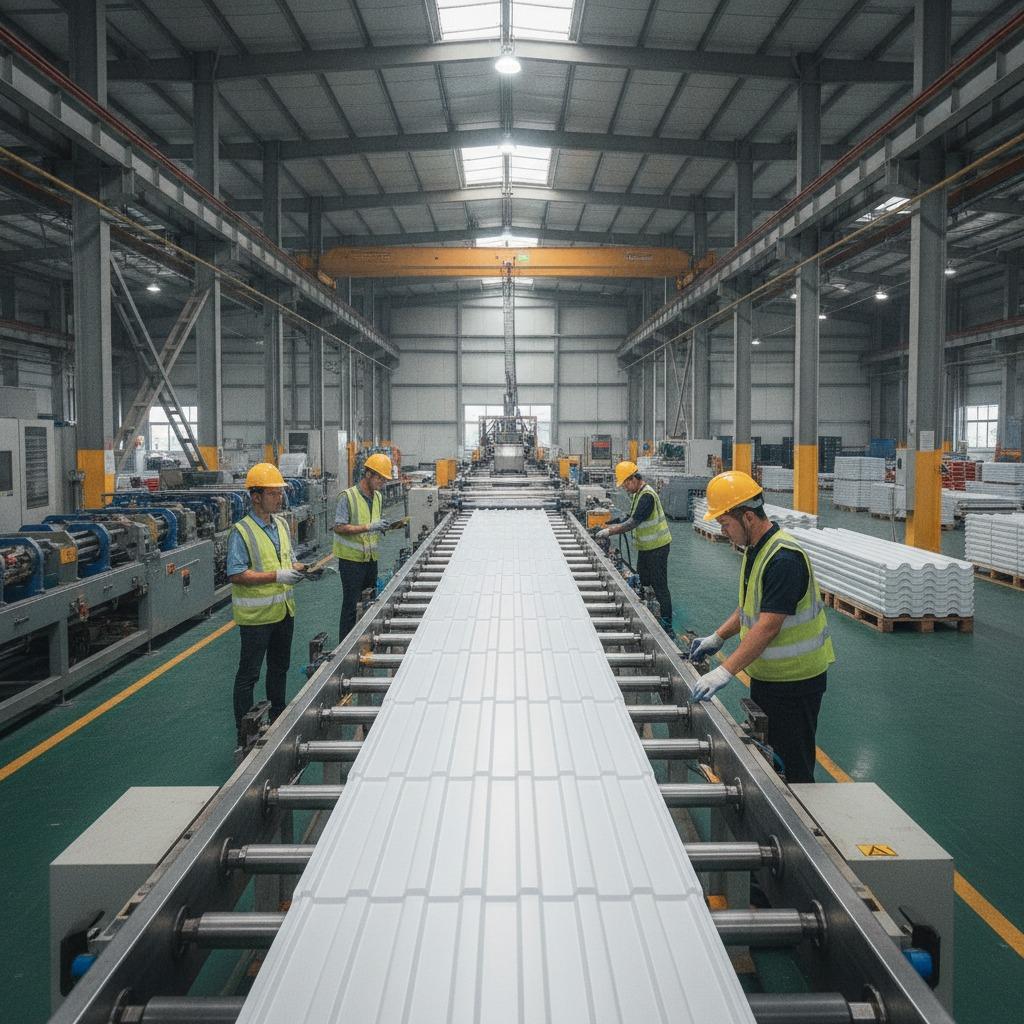
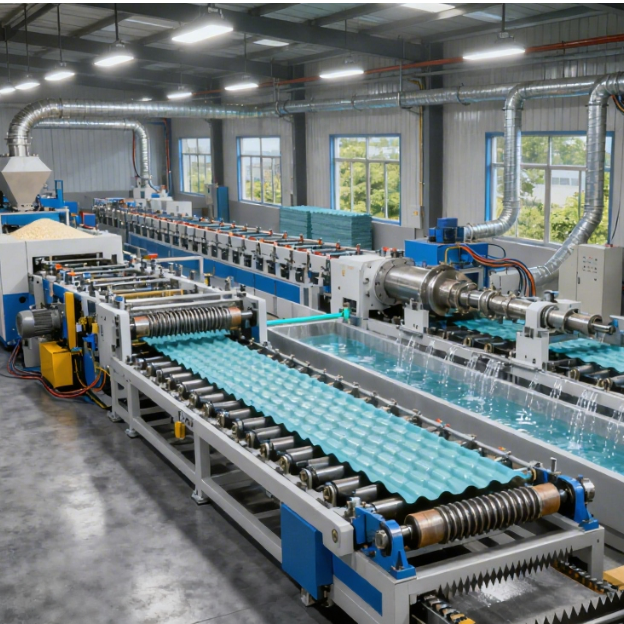
That is why buyers often compare a PVC roofing sheet factory against other roof sheet makers by looking beyond catalog photos. They want to know how the sheet is made, what grade of raw material is used, whether the sheets hold their shape during transport, and how the factory manages batch consistency. If the project involves industrial buildings, farm structures, warehouses, or lightweight retrofit roofs, those details influence both performance and total installed cost.
Why PVC roof sheets are specified in the first place
PVC roof sheet systems are often selected for their combination of weather resistance, low maintenance needs, and practical handling. In many projects they serve as a cost-conscious alternative to heavier roofing materials. A well-made sheet can reduce structural load, simplify installation, and suit buildings where speed matters. That said, the material is not magic. Selection still depends on climate, span, support spacing, and the project’s tolerance for thermal movement.
The buyer’s job is to separate the basic product category from the actual manufacturing quality. Two sheets with similar dimensions can behave very differently if one comes from a disciplined line and the other from a factory that allows wider variation in thickness, surface finish, or profile geometry.
What to compare between factories
When evaluating a roofing sheet pvc factory, start with the profile and material construction. Some suppliers focus on simple corrugated sheets, while others offer shaped profiles for different aesthetic or load requirements. Corrugated products are often used where drainage and economy are priorities, which is why the PVC corrugated roofing sheet factory search term remains common among procurement teams.
Also look at whether the factory offers variants for different operating environments. For example, an ASA PVC roof sheet factory may serve buyers who want a more weatherable outer layer for exposed applications. The exact performance depends on the formulation and production control, so it is better to ask for the structure of the sheet, the intended use case, and the manufacturing process rather than rely on the product name alone.
Quick comparison points
Here is a practical way to compare suppliers without turning the process into a paperwork exercise:
First, check dimensional consistency. Sheets that vary too much in width, thickness, or profile depth can create alignment problems on site.
Second, ask about raw material handling and batch control. Variations here often show up later as color drift or uneven performance.
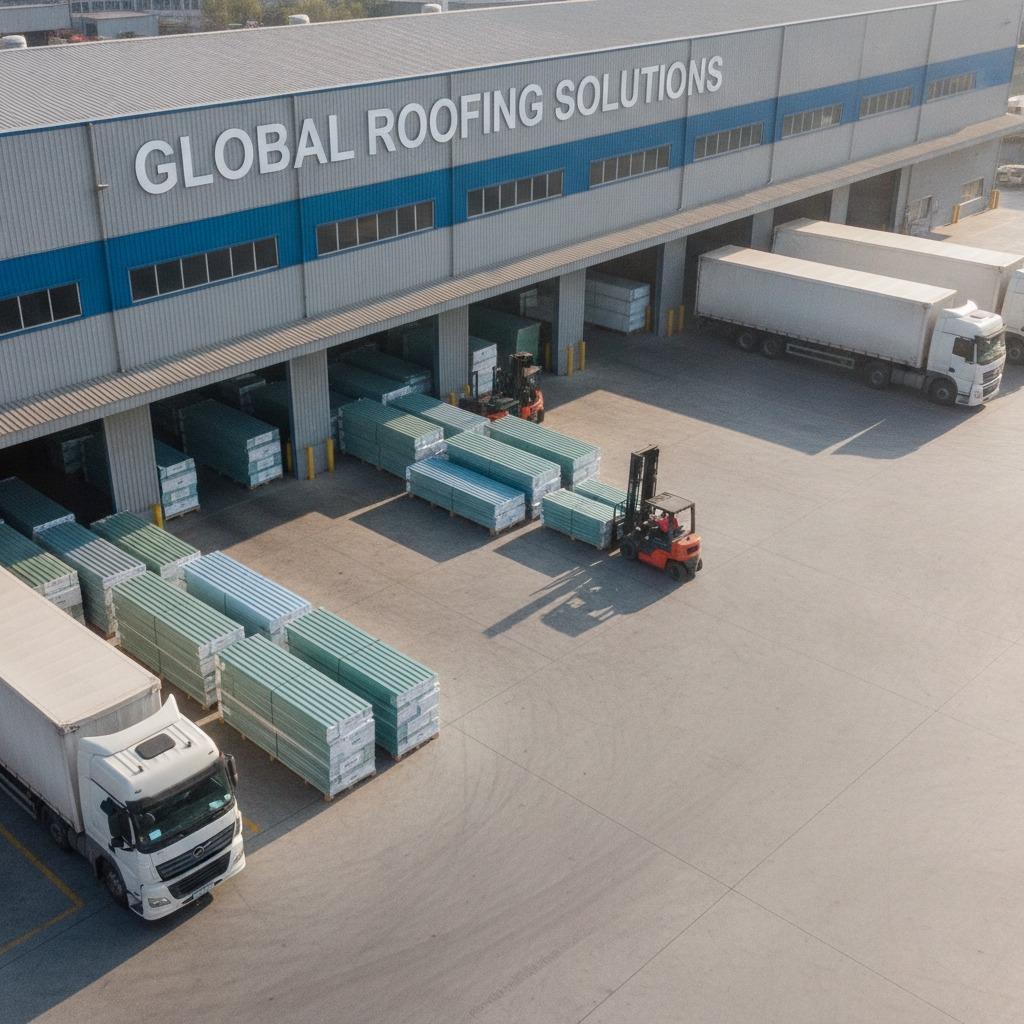
Third, review packaging and loading methods. Roof sheets can be damaged in transit if they are stacked or strapped poorly.
Fourth, confirm which profile types are standard and which are customized. Custom tooling may affect procurement timing and total cost, even when the sales quote looks attractive.
Common buyer mistakes
One frequent mistake is treating all PVC sheets as interchangeable. They are not. A sheet for a shaded utility building is not automatically suitable for a hotter, more exposed roof. Another mistake is focusing only on price per sheet and ignoring the cost of broken edges, site waste, or installation delays caused by inconsistent fit.
A second issue is overlooking the roof structure itself. The sheet must work with purlin spacing, fixing method, and local wind conditions. If those basics are ignored, even a decent product can perform badly. This is one of those areas where a small engineering conversation early on saves a lot of complaint handling later.
Questions to ask before placing an order
If you are shortlisting a PVC roof sheet factory, ask for samples and confirm how they compare with production stock. Request clear drawings or profile details. Ask what applications the factory recommends for each sheet type. If the supplier offers more than one product line, clarify which one is intended for industrial roofing, which is for decorative use, and which is for harsh outdoor exposure.
It also helps to ask how the factory manages color matching and repeat orders. For multi-building projects, that issue can become more visible than buyers expect. A roof that changes shade between phases looks unplanned, even if the product is technically acceptable.
Practical takeaway for sourcing teams
The best supplier is usually the one that can explain the product in plain manufacturing terms. A reliable PVC roofing sheet factory should be able to describe sheet structure, profile options, and use cases without overpromising. If the answers are vague, that is a signal to dig deeper. Roofing material is one of those purchases where the cost of a wrong decision shows up slowly, then all at once.
For buyers comparing a roofing sheet pvc factory, a PVC corrugated roofing sheet factory, or an ASA PVC roof sheet factory, the decision should come down to fit-for-purpose design, production consistency, and how much risk you are willing to carry into installation. Ask for samples, check profile details carefully, and make sure the factory can support repeatable supply before you commit the project.
FAQ
Are PVC roof sheets suitable for all climates?
Not necessarily. Climate, sun exposure, and structural design all matter. Ask the supplier how the sheet is intended to perform in your conditions.
Why choose corrugated sheets?
Corrugated profiles are often chosen for drainage, ease of installation, and cost control. They are common in industrial and utility roofing.
What should I request from a supplier?
Samples, profile drawings, material description, and clear guidance on recommended applications are the basics. Those documents tell you more than a polished sales brochure usually does.