What buyers actually mean when they search for an UPVC roof panel factory
When engineers, contractors, and sourcing teams look for an UPVC roof panel factory, they are usually not just shopping for a material. They are trying to solve a roof performance problem: heat, rain noise, corrosion, installation speed, and long-term maintenance. In many projects, the real decision is whether the roof covering can stay stable in demanding weather without turning the jobsite into a repair cycle a year later.
That is why the factory behind the panel matters. A roofing sheet is easy to describe on paper, but the quality of resin selection, extrusion control, profile consistency, and packaging often decides whether the product lands flat, locks properly, and survives handling. The same logic applies to any UPVC roofing panel factory: the plant is not just a supply source, it is part of the product.
Why UPVC roof panels are used in the first place
UPVC roof panels are commonly chosen for industrial sheds, agricultural buildings, warehouses, utility structures, and other roofs where lightweight construction and weather resistance matter. They are attractive because they can reduce structural load compared with heavier roof systems, and they are generally easier to install in long runs. For many buyers, that translates into fewer support requirements and a quicker roof close-in schedule.
There is also a practical comfort angle. UPVC is widely used where corrosion resistance is important, especially in humid or chemically active environments. Metal roofing can be excellent in the right specification, but some sites simply punish coated steel too aggressively. In those cases, a UPVC system can be a sensible alternative, provided the design matches the application.
What a serious factory should be able to control
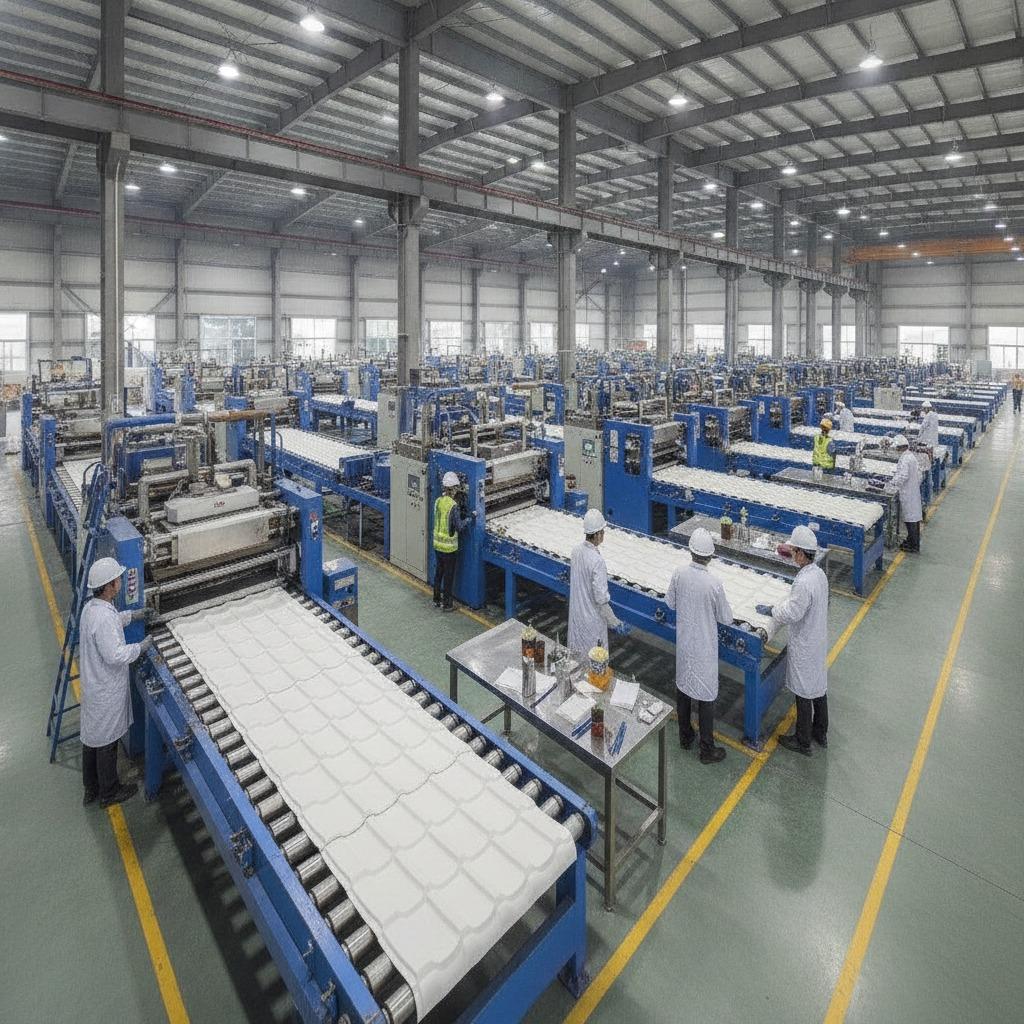
Not every extrusion line produces the same roof panel. A capable factory should be able to maintain consistent profile geometry, stable material formulation, and visual uniformity across batches. Buyers usually need to ask how the plant manages raw material sourcing, color stability, and surface finish, because those points show up later as fit-up issues or premature aging.
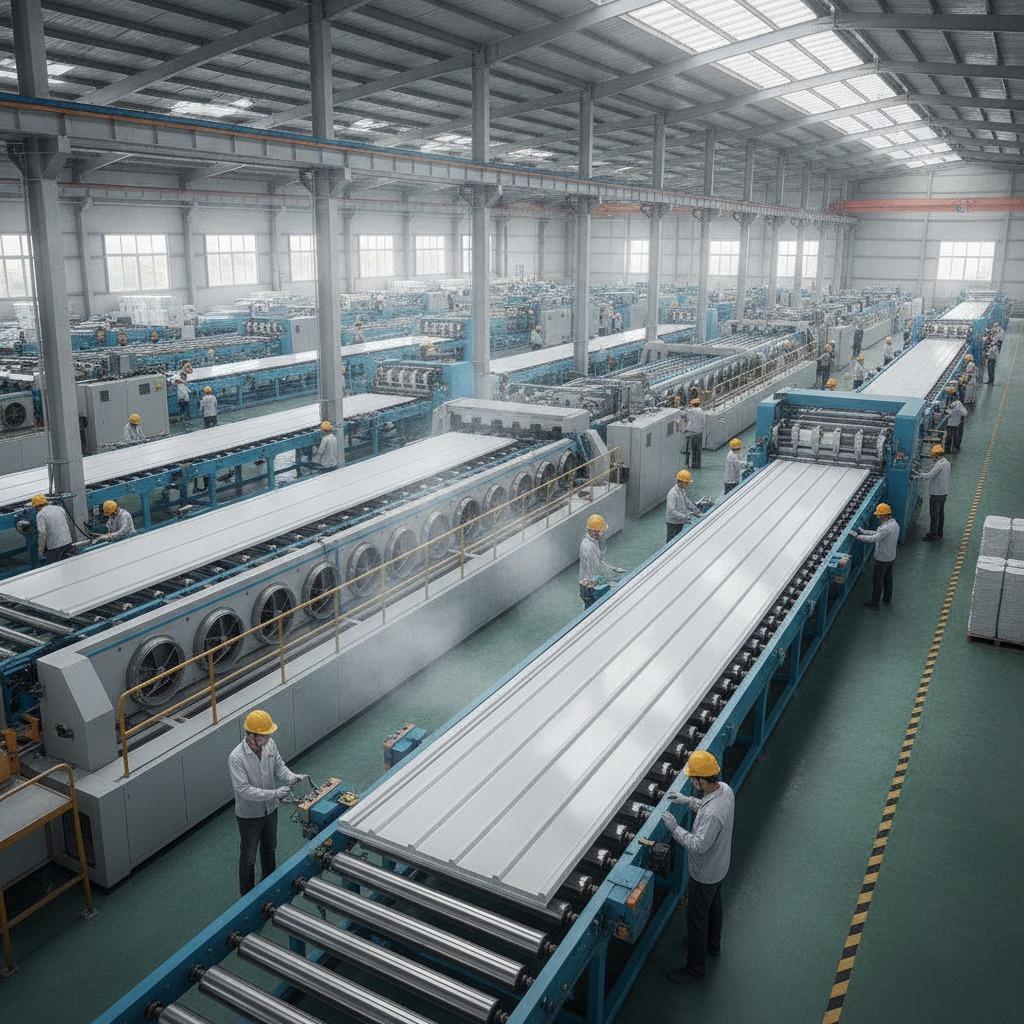
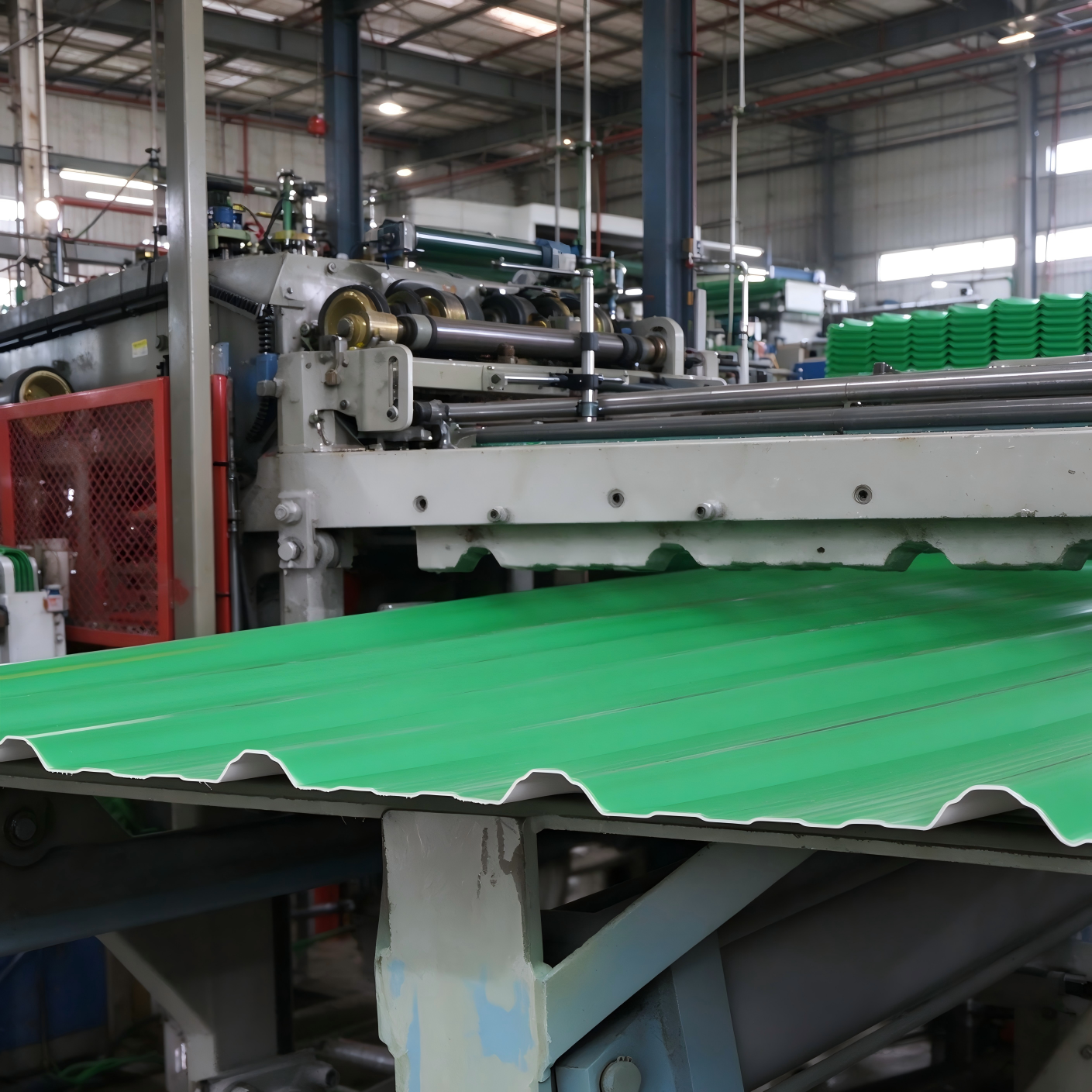
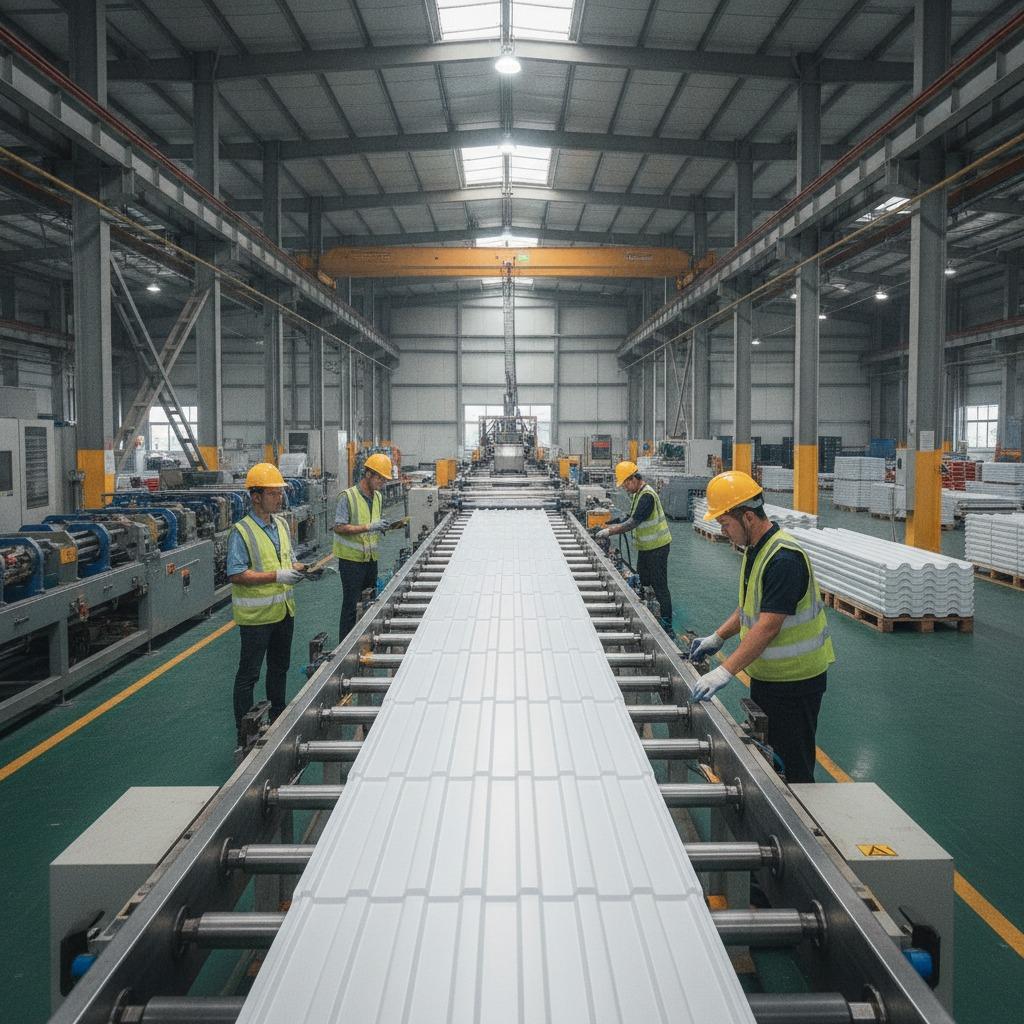
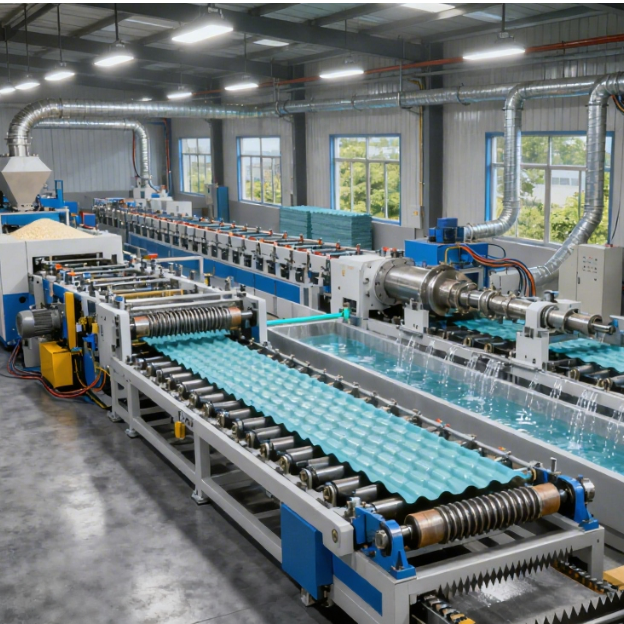
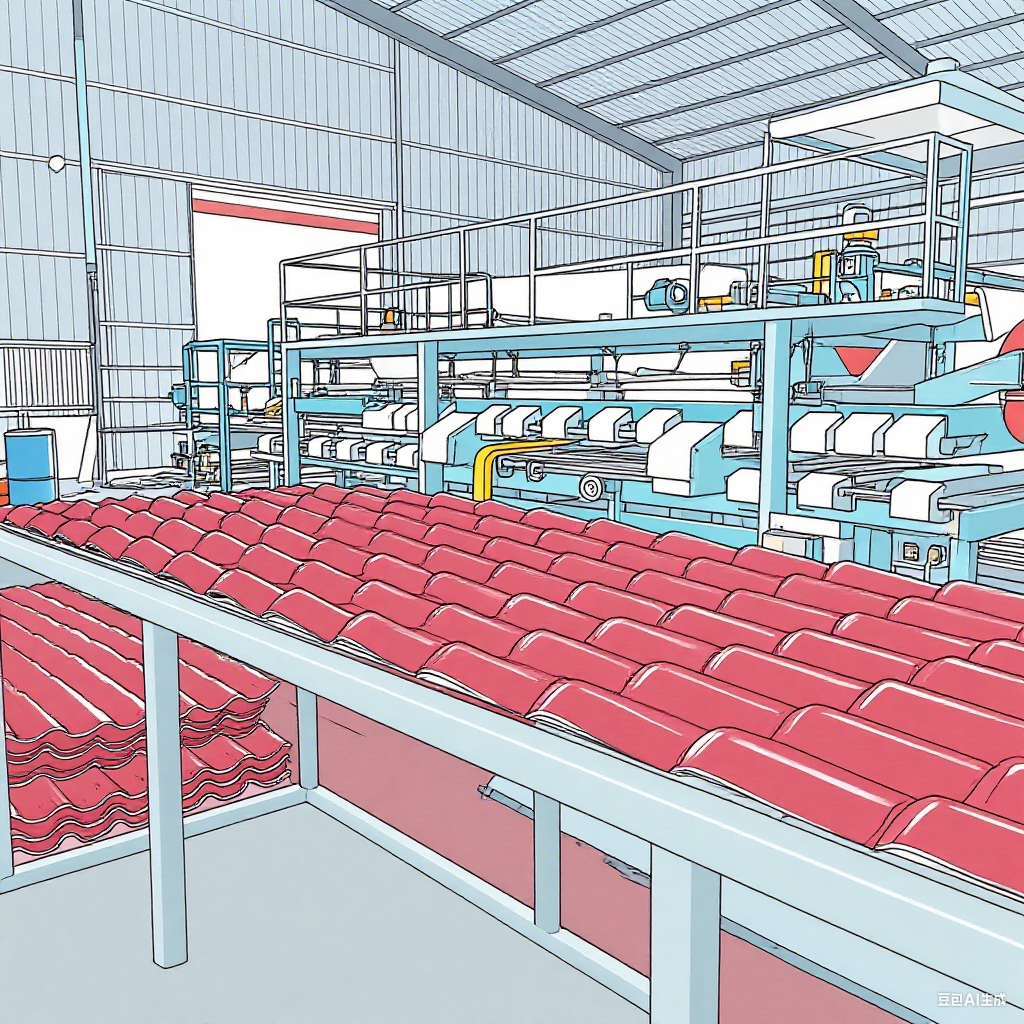
It also helps to understand how the panels are made. UPVC roofing is typically produced through extrusion, where the compound is heated and formed into a shaped section. That sounds straightforward, but the details matter: temperature control, die design, cooling, and cutting accuracy all affect the finished sheet. If those controls drift, the roof may still arrive on time, but it may not perform as expected once it is loaded, fastened, and exposed to sunlight and wind.
Quick buyer checklist
Before approving a supplier, buyers usually want to confirm a few basic points: panel profile consistency, thickness options if available, UV exposure handling, packaging for transport, and whether the factory can support project-specific lengths or colors. Not every project needs custom work, but when it does, the factory should explain limits clearly rather than overpromising.
Selection criteria that matter more than the brochure
A glossy catalog can hide a lot. When comparing roof panel suppliers, focus on the details that affect installation and service life. One of the first is whether the panel profile suits local weather and fastening methods. Another is the supplier’s willingness to discuss edge cases: hot climates, large spans, high-wind zones, or aggressive chemical exposure nearby. These are the conditions that reveal whether a product is genuinely fit for purpose.
Weight is another practical issue. Lighter panels are easier to handle, but ultra-light products can sometimes feel fragile if the formulation or section design is not robust. Buyers should look for the balance between ease of installation and confidence under load. That balance is not a slogan; it is what keeps crews from rejecting material on site.
Common mistakes buyers make
The most common mistake is treating all UPVC panels as interchangeable. They are not. Two products with similar dimensions can behave quite differently once exposed to heat, fastener stress, or long-term weathering. Another mistake is overfocusing on unit price while ignoring packaging quality and dimensional repeatability. A cheaper sheet that arrives warped or damaged is not cheap at all.
A smaller but persistent error is failing to align the roof panel with the rest of the building envelope. Drainage, overlap details, ventilation, and fastener strategy all need to be planned together. The factory can produce a sound panel, but it cannot rescue a poor roof design after the fact.
What to ask before placing an order
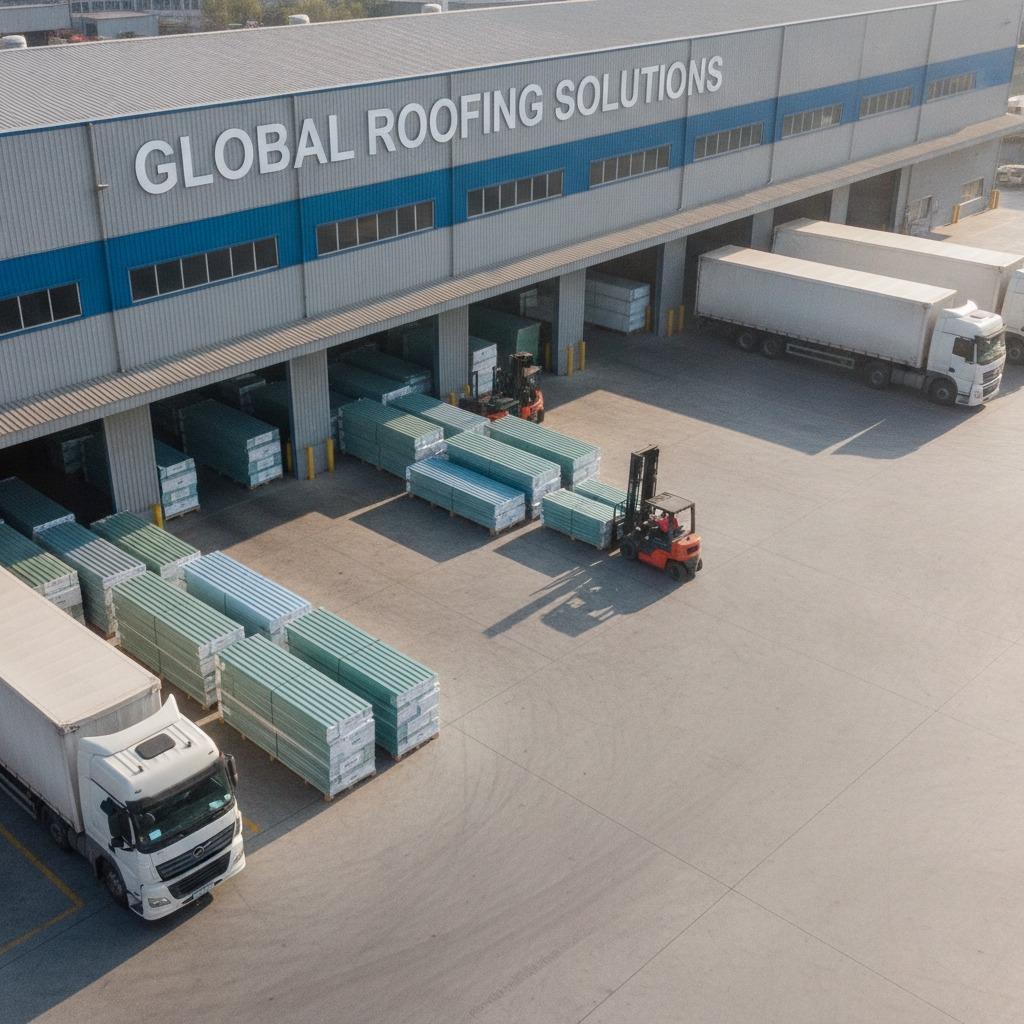
Buyers usually make better decisions when they ask direct, practical questions. What roof span is the product intended for? How is the panel protected during transport? Can the supplier support repeat orders with consistent appearance? What installation guidance is available? If the supplier answers in vague marketing language, that is worth a pause.
For project teams comparing an UPVC roof panel factory against other roofing sources, it is also useful to request sample sections and installation notes. A physical sample tells you more than a polished photo ever will. You can feel the rigidity, inspect the locking profile, and judge whether the panel looks suitable for the job rather than merely acceptable on a screen.
Where these panels fit best, and where caution is sensible
UPVC roof panels are often a strong fit for buildings that need corrosion resistance, relatively low weight, and straightforward installation. They are less ideal when the roof must carry heavy mechanical loads or when the design demands very specific structural performance that another roofing system may handle better. That is not a defect; it is just a material choice with boundaries.
In practice, the best sourcing outcome comes from matching the factory’s capabilities to the project’s real conditions, not its brochure headline. If the supplier can explain how the panel is produced, how quality is managed, and what the product is meant to do, the buying process becomes much clearer.
Next step for sourcing teams
If you are shortlisting an UPVC roofing panel factory, start with the sample, the profile data, and the factory’s answers to installation and logistics questions. Those three things usually reveal more than a page of specifications. The right supplier should help you avoid surprises, not create a few new ones.