What buyers are really looking for in an UPVC roof tiles factory
When people search for an UPVC roof tiles factory, they are often trying to answer a practical question: who can supply roofing products that hold up outdoors, stay consistent from batch to batch, and make sense for a real building project? The phrase can point to different manufacturing setups, and that is where buyers need to slow down a little. In many cases, the discussion is not only about the factory itself, but also about the production line, the material behavior, and whether the supplier can deliver roofing components suited to industrial sheds, warehouses, agricultural buildings, or other building-envelope uses.
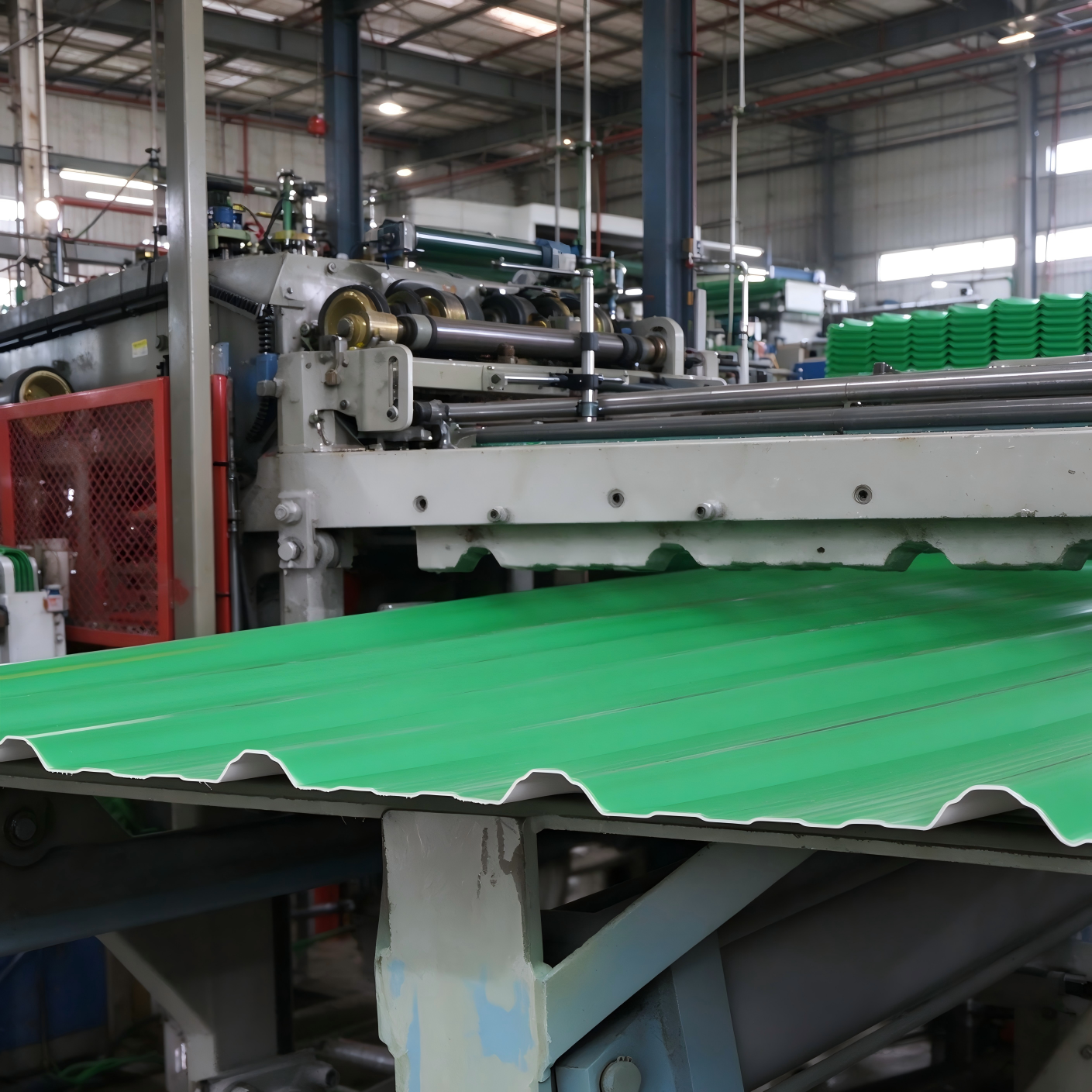
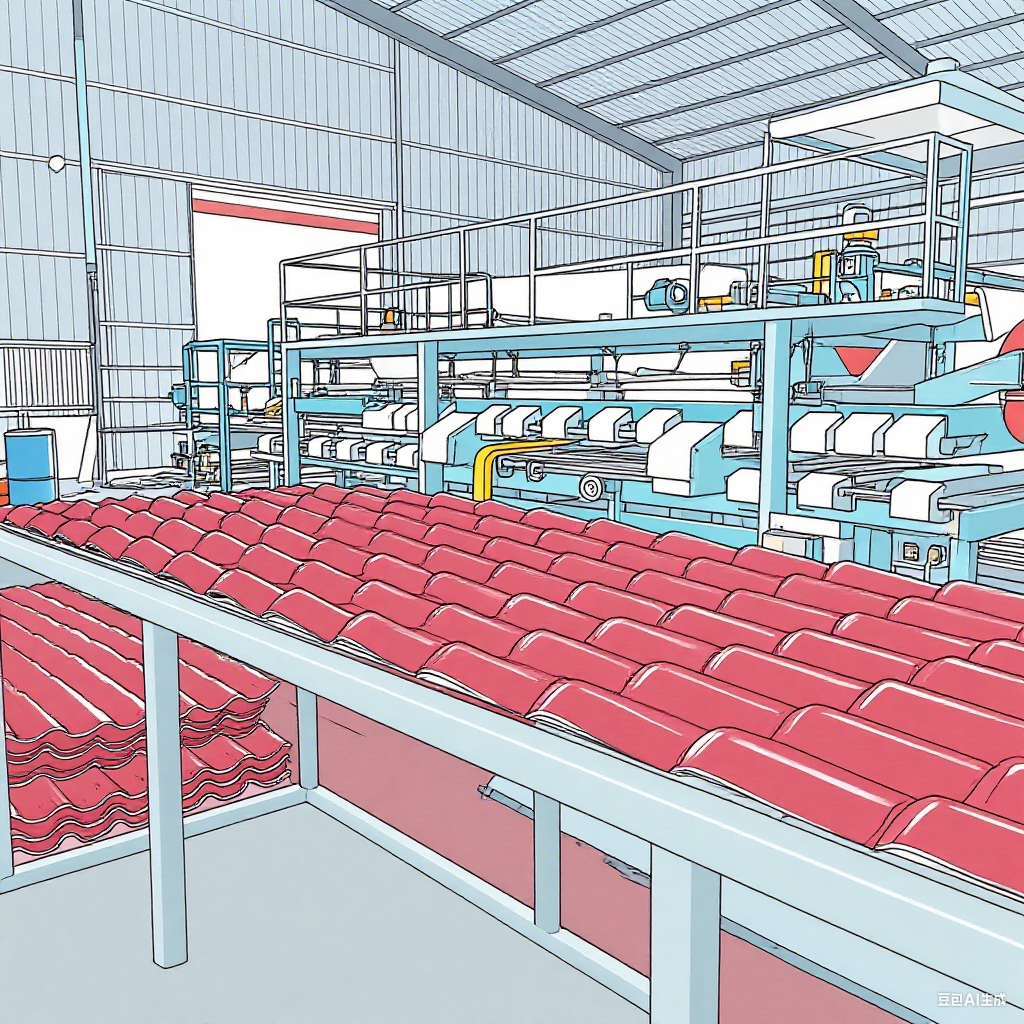
The visible manufacturing equipment provided here shows a continuous roll-forming line shaping coated sheet into corrugated roofing or wall cladding profiles. That is not UPVC in the strict material sense, so a careful buyer should treat the search term as a starting point rather than a final specification. In sourcing terms, that distinction matters. Roof systems made from UPVC, coated steel, and other polymer-based or metal-based products may serve similar jobs on a site, but they do not behave the same way under heat, impact, loading, or installation conditions.
Why the factory setup matters as much as the finished roof panel
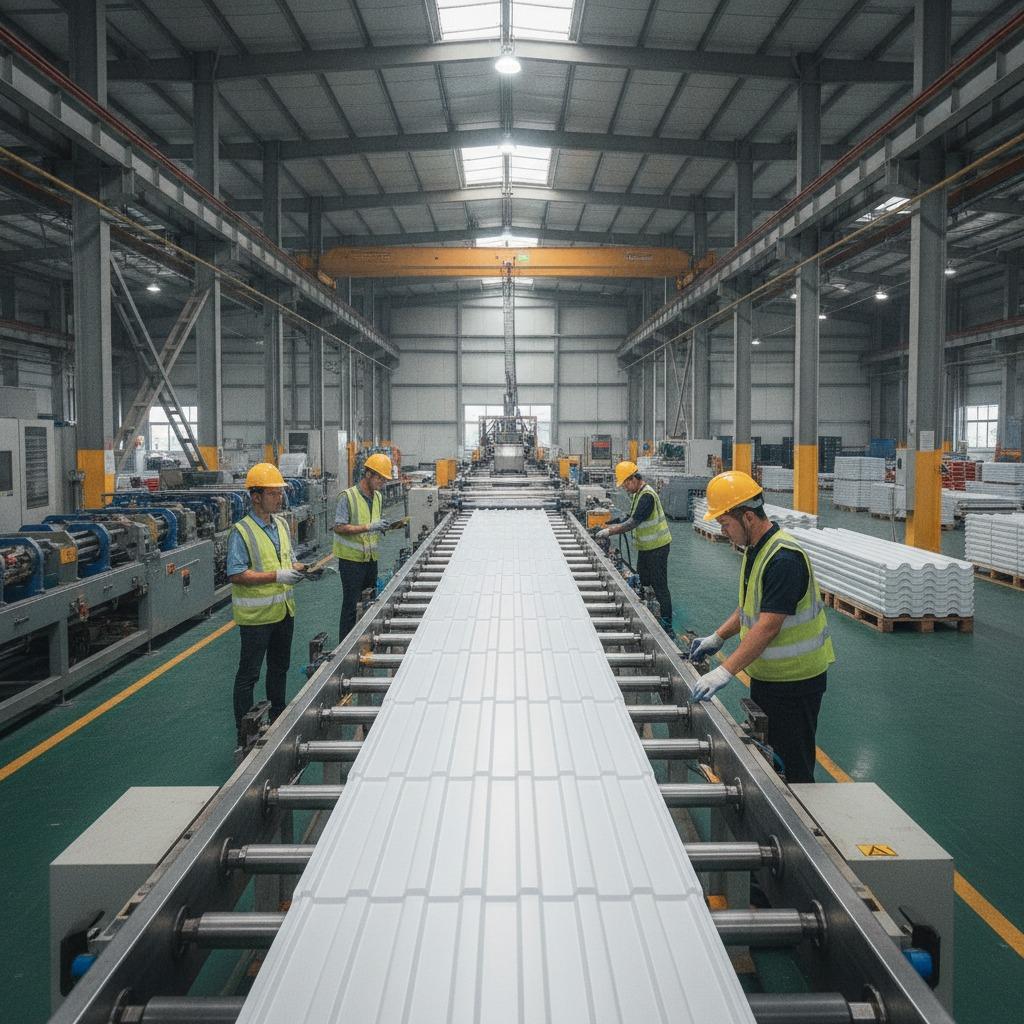
Roofing products are rarely judged by appearance alone. A panel can look clean in a catalog photo and still disappoint if its profile drifts, its surface finish marks easily, or the line cannot keep a steady form across long runs. That is why the production equipment behind the product deserves attention. The roll-forming line visible in the supplied product data uses steel rollers, guide rails, a frame structure, and an output table to carry the formed sheet forward in a continuous process. For a buyer, that suggests an in-line manufacturing flow designed for repeatable profile formation, which is one of the main reasons contractors like factory-made roofing systems in the first place.
For roofing buyers, consistency is not a marketing word. It is the difference between panels that fit cleanly at the ridge and panels that create headaches during installation. When panels are formed continuously from coated sheet, the profile can be more uniform than site-cut alternatives. That said, the exact quality still depends on the material feed, roller design, setup discipline, and quality checks inside the plant.
UPVC roofing tiles factory, UPVC roofing tiles factory, or roll-forming line?
Search terms in this space are often messy, and buyers should expect some overlap. A customer may type UPVC roofing tiles factory when they are really looking for a source of durable roof sheets, while another may use UPVC roofing factory to mean any roofing manufacturer with factory supply. The visible equipment here points more clearly to a metal roll-forming operation than to a classic UPVC tile plant. That does not make the information useless; it makes it useful in a different way. It tells you the supplier may be set up for corrugated or trapezoidal panel production rather than molded plastic tile production.
If you are comparing suppliers, the first question is simple: what exact roofing material are they making? If the answer is UPVC, ask how the product is formed, what profile it uses, and how it is intended to perform in heat and weather exposure. If the answer is coated steel, then you should be talking about surface finish, forming quality, panel geometry, and the line’s ability to handle long continuous output without damaging the coating.
What to check before you place an order
Material fit
Confirm whether the product is UPVC, coated steel, or another roofing material. The manufacturing method, fastening system, and service life expectations will differ. This sounds basic, but it is a common source of avoidable confusion, especially when buyers are sourcing internationally.
Profile consistency
For corrugated roofing, the profile needs to stay true through the length of the panel. Even small variation can complicate lap joints, flashings, and water shedding. The visible machine setup suggests a line built to produce a consistent formed shape, which is a useful sign, though not a substitute for sample inspection.
Surface condition
The supplied image shows a bright green coated sheet with a glossy appearance. That kind of finish is attractive for building envelopes, but buyers should still inspect how the material looks after forming. Scratches, scuffing, and coating marks can become installation or durability issues later.
Application match
Roofing for a warehouse is not the same as roofing for a greenhouse annex or agricultural shed. Load conditions, exposure, and maintenance expectations all vary. A factory should be able to explain where its panel type is commonly used and where it is not a good fit.
Common buyer mistakes
One frequent mistake is treating a factory photo as proof of product suitability. A neat production line is encouraging, but it does not answer every technical question. Another mistake is assuming that all “roofing factory” suppliers mean the same thing. They do not. Some produce molded UPVC tiles, others produce formed metal sheets, and others do both. If you are sourcing for a project, make the supplier define the product clearly before you discuss price or logistics.
It is also wise not to over-specify only by appearance. Green, glossy, ribbed panels can be very practical, but finish alone does not tell you how the product will stand up to local weather, structural spans, or maintenance practices.
Practical buyer advice
Ask for the product category in plain language, then request a sample or technical sheet that matches it. If the supplier says UPVC, confirm that the material, forming method, and intended application all line up. If the supplier is actually a roll-forming operation for coated metal roofing, that may still be a strong fit for industrial buildings, but it is a different procurement conversation.
For sourcing teams, the real decision is not just “which factory?” It is “which manufacturing process gives us the right roof for this project, with the least risk at installation and in service?” That framing saves time and, more importantly, prevents mismatched expectations between buyer and supplier.
Next step
If you are evaluating an UPVC roof tiles factory or comparing a roofing line against a coated metal profile operation, start by confirming the material and the panel type. From there, you can move on to profile geometry, surface finish, handling, and application fit. That sequence is usually faster than chasing a quote first and sorting out the product later.