What buyers really mean when they search for an ASA resin roof tiles factory
When engineers, sourcing managers, or building-product teams search for an asa resin roof tiles factory, they are usually not looking for a brochure. They are trying to answer a harder question: which supplier can turn a weather-facing roofing material into a consistent, shippable product that will hold its shape, color, and appearance once it is on the roof for years rather than months.
That matters because roofing is unforgiving. A tile can look fine on a pallet and still disappoint once it sees heat, UV exposure, wind uplift, thermal cycling, and the daily mismatch between expansion and fastener restraint. For buyers comparing an asa resin roofing tiles factory against another source, the decision is rarely about one headline feature. It is about whether the material stack, production control, and quality discipline line up with the climate and installation method.
Why ASA resin roof tiles are used in the first place
ASA resin is popular in roofing applications because it is built for outdoor service. The material is known for weather resistance and color stability, which is why it appears in roofing systems that need to resist fading and surface aging better than more basic plastics. In practical terms, the buyer is usually trying to avoid a roof that chalks, warps, or loses visual uniformity too quickly.
That does not mean ASA is a magic answer. The finished performance depends on formulation, sheet or tile structure, and the way the factory controls temperature, cooling, and dimensional consistency. A good resin roof tile factory will treat the resin as only one part of the finished product. The production process matters just as much.
What a capable resin roof tile factory should be able to control
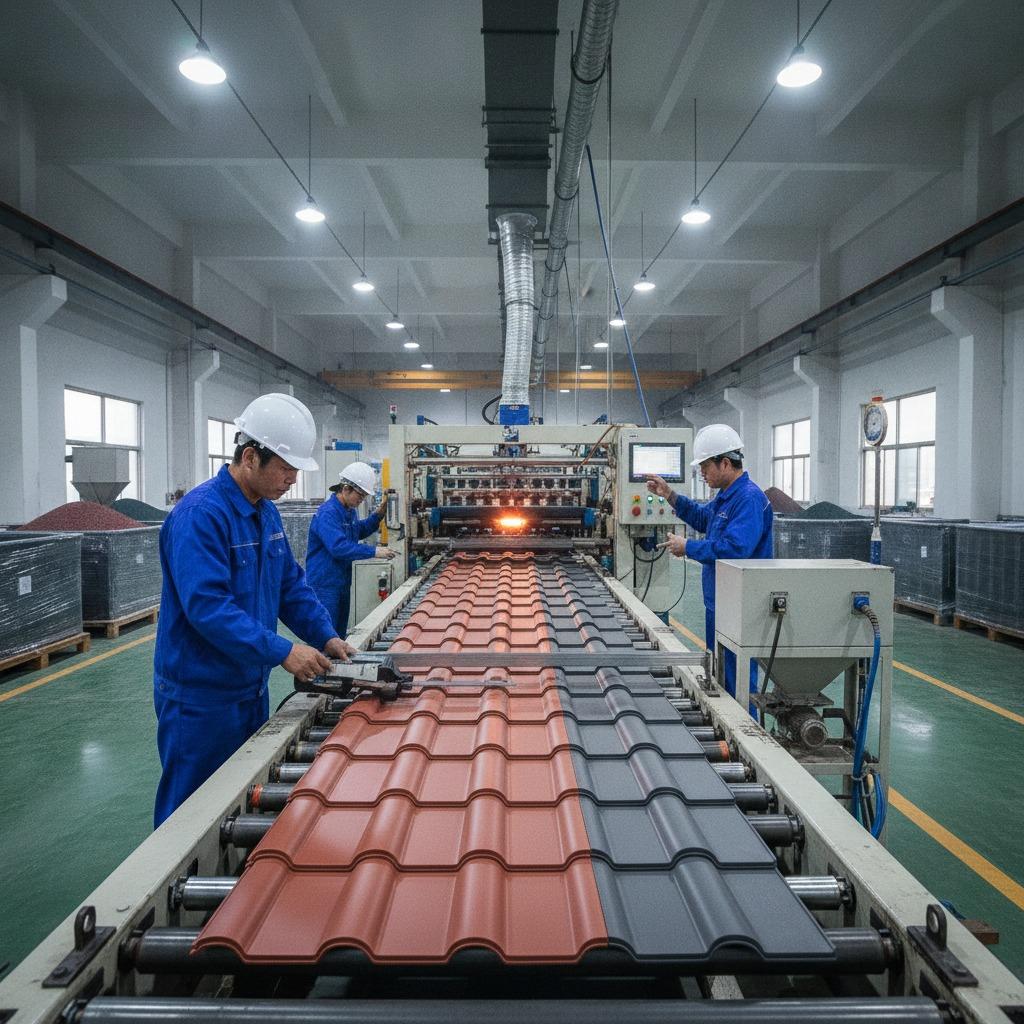
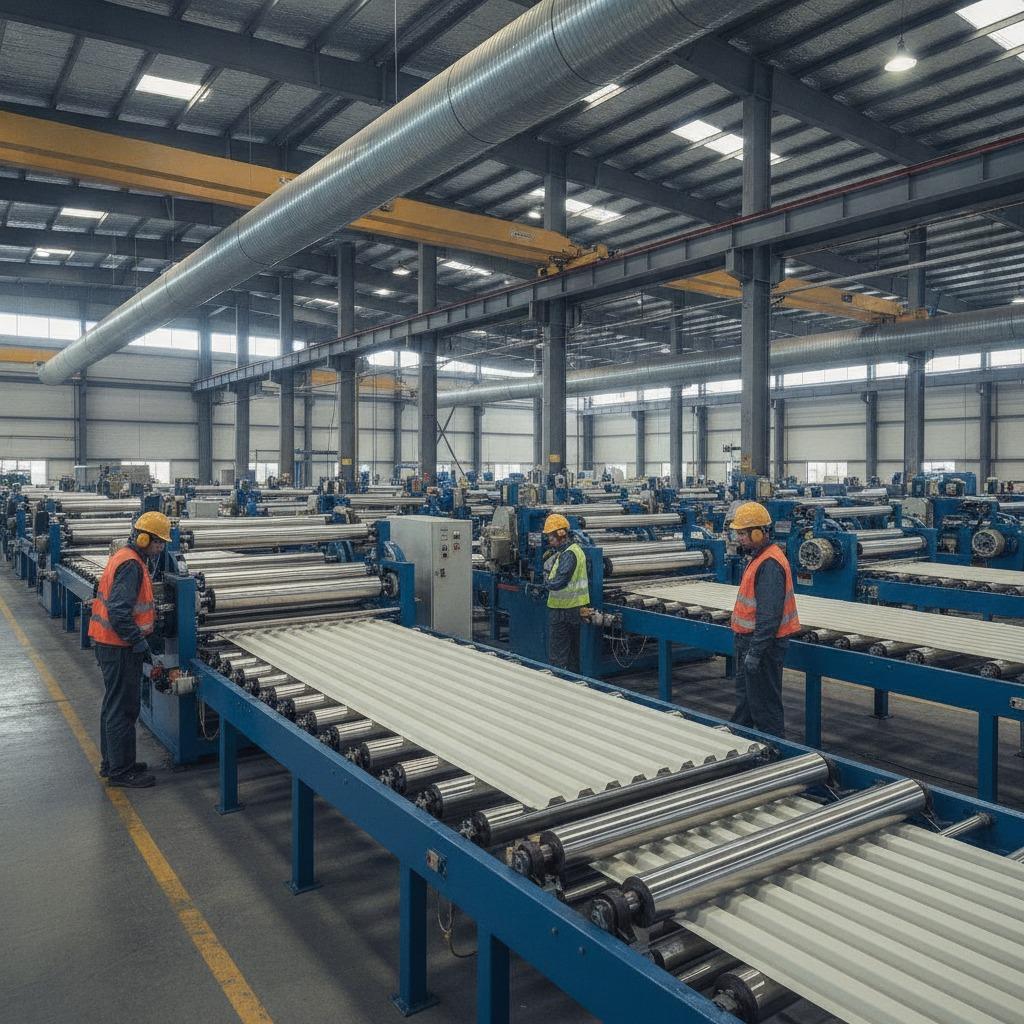
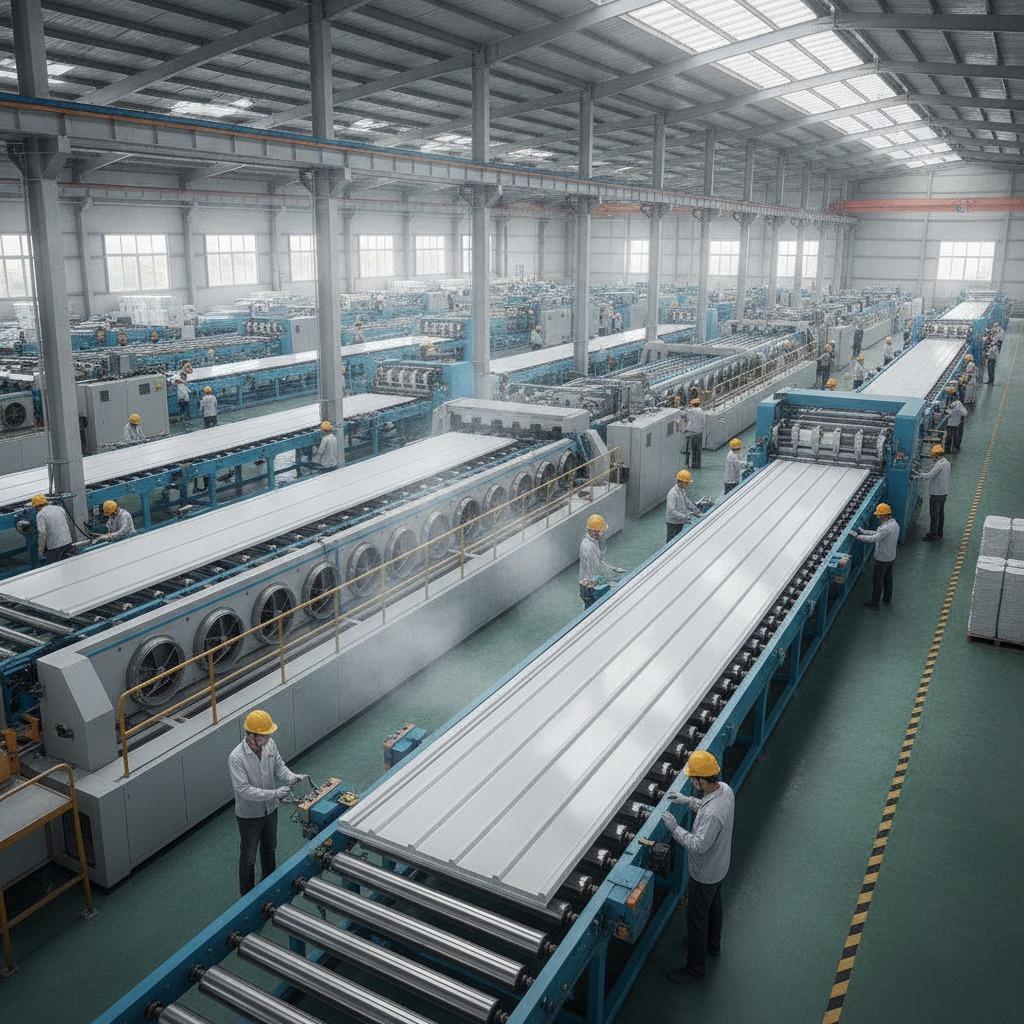
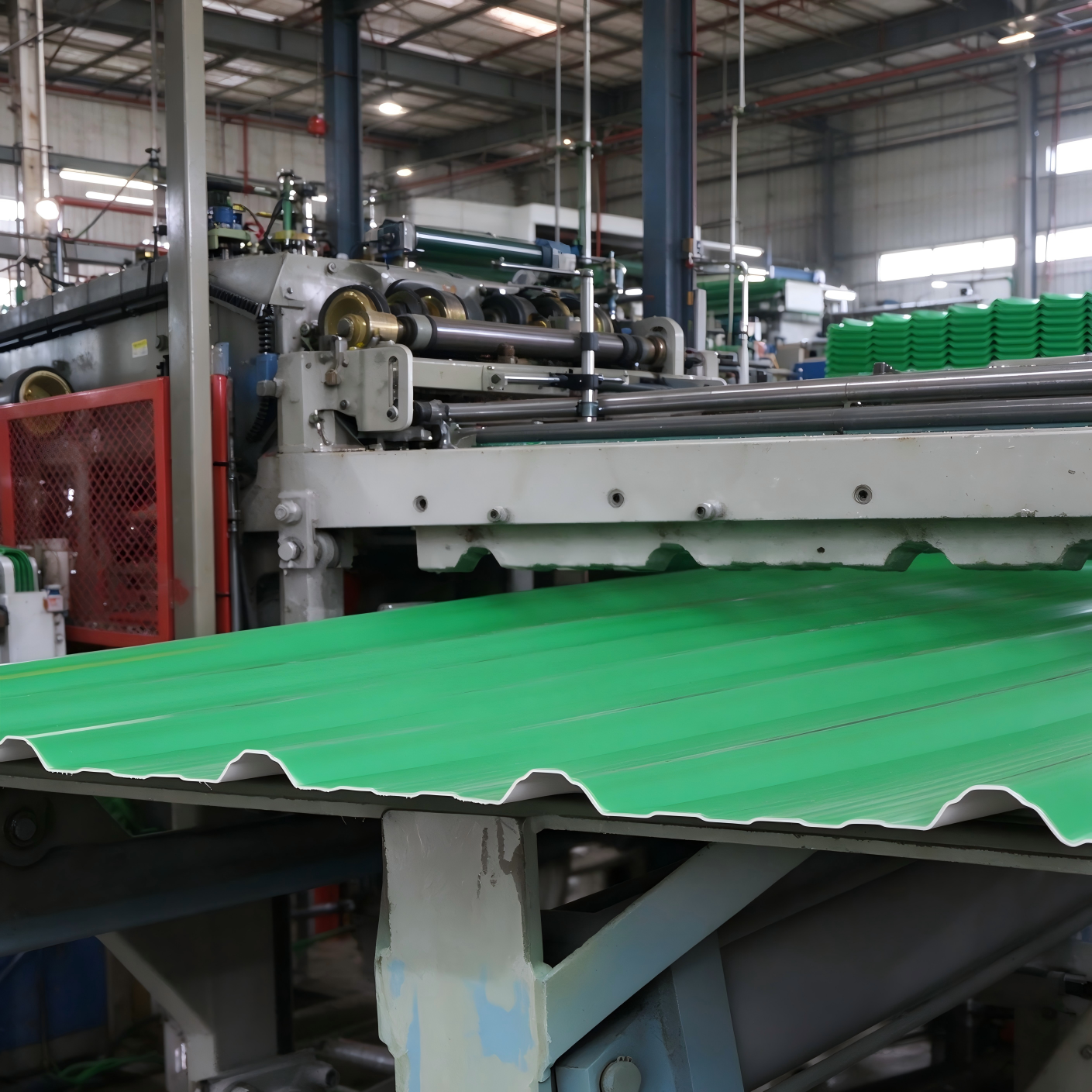
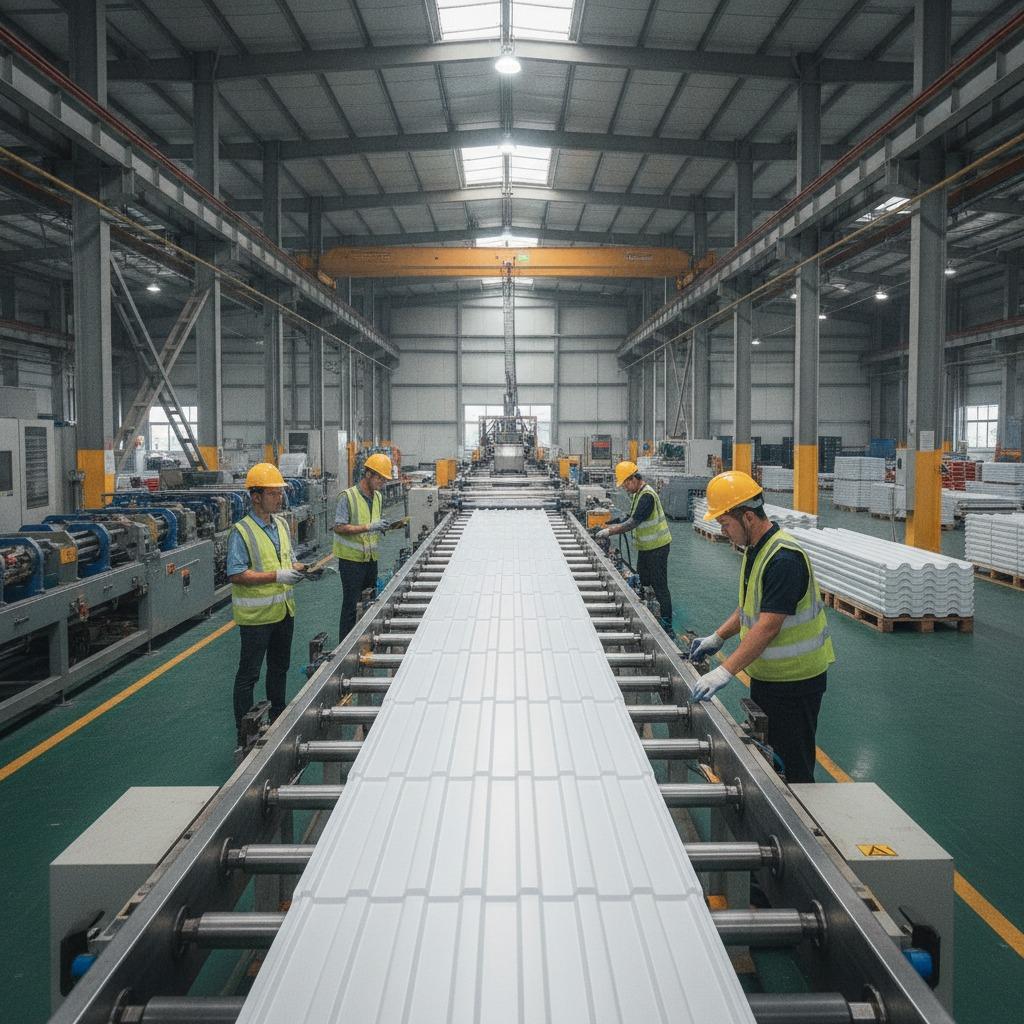
A serious resin roof tile factory has to manage more than output volume. The real questions are industrial ones:
Material consistency
The base resin must be handled in a way that supports repeatable appearance and mechanical behavior. If the formulation is unstable or poorly blended, even small batch differences can show up as surface variation or fit issues.
Forming and thickness control
Roof tiles depend on geometry. If thickness drifts, the tile may not sit correctly, and installation crews will feel that immediately. Buyers should ask how the factory keeps profile and surface uniform from run to run.
Weather-facing surface quality
Because roofing sits in the open, the outer layer is not decorative in the trivial sense; it is the first defense against sun and rain. A good factory should be able to explain how the surface is designed for outdoor exposure rather than simply saying the product is “durable.” That word is cheap if it is not backed by process control.
Packaging and transport protection
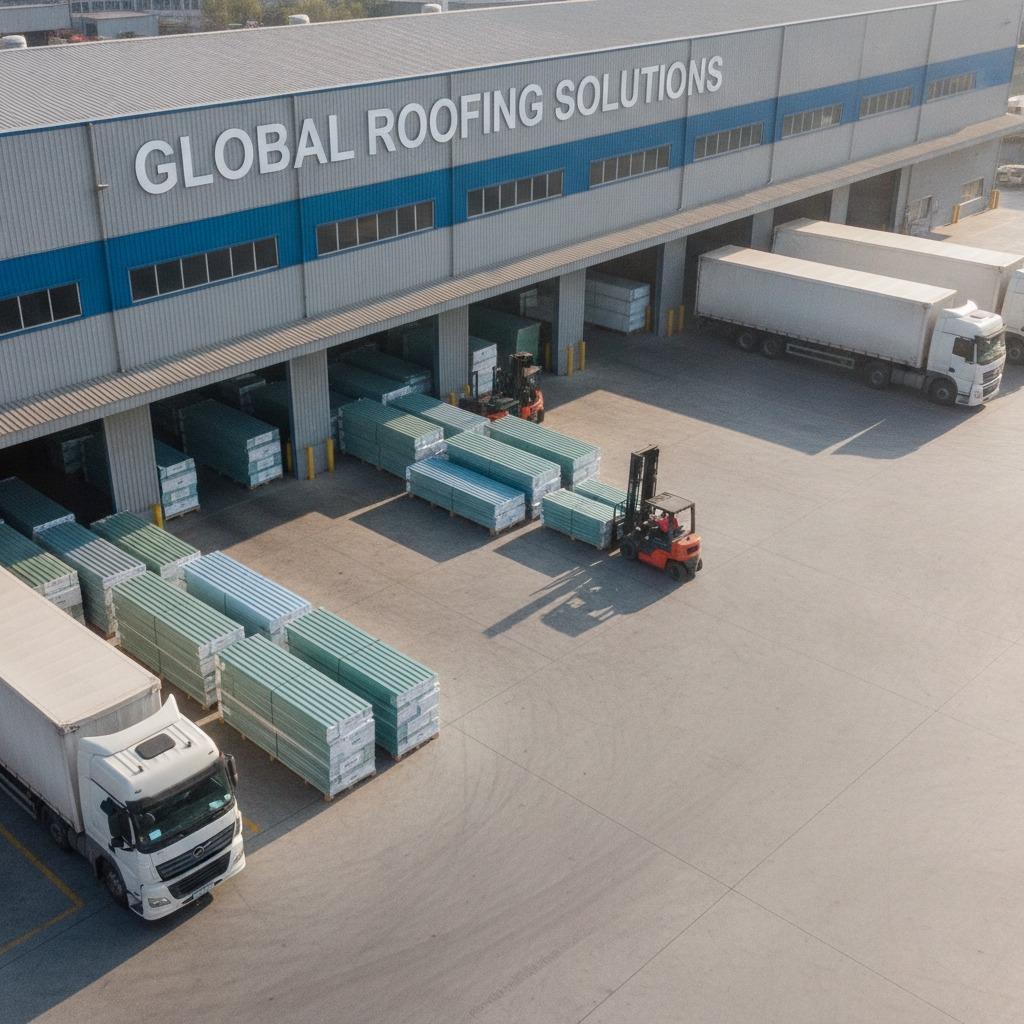
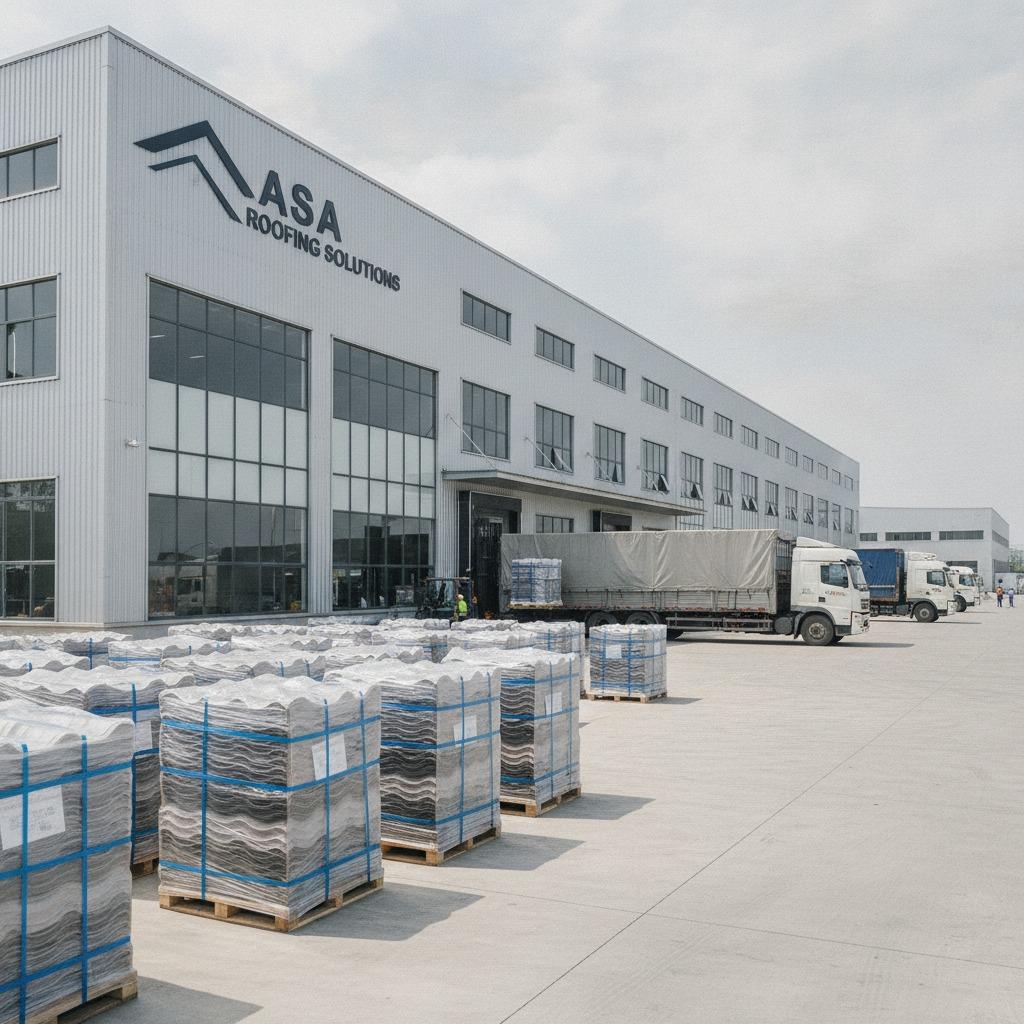
Roof tiles can be damaged in transit before they ever reach a jobsite. Cracking at the corners, edge damage, and scuffing are all procurement problems, not just logistics problems. An experienced factory will think about pallet design, stacking method, and shipment protection.
ASA versus PVC and other resin options
Some buyers also compare an asa resin roofing tiles factory with suppliers working in other polymer systems, including products described as pvc resin roof tiles fact in search terms. The comparison usually comes down to the intended environment, appearance expectations, and cost pressure.
PVC-based roof tile products may suit certain applications, but buyers should not assume the two materials are interchangeable. The right choice depends on exposure conditions, local building practices, and what the end customer values most: long-term appearance, price sensitivity, installation convenience, or a specific profile.
A useful purchasing habit is to compare not only the resin name, but also the factory’s actual manufacturing discipline. Two products can share a material category and perform very differently once installed.
Questions to ask before selecting a supplier
If you are vetting an ASA roof tile source, these questions usually cut through the marketing noise:
How does the factory control dimensional consistency across batches?
What is the expected outdoor exposure profile the product was designed for?
How are color and surface variation monitored during production?
What packaging method is used to reduce edge damage in transit?
Can the supplier provide clear installation guidance for the tile profile?
The best answers are usually plain and operational. If a supplier speaks only in slogans, that is worth noting.
Common buyer mistakes
One common mistake is to overfocus on resin type and underfocus on the finished tile geometry. Another is to treat the factory as a commodity source when roofing is really a systems purchase. The substrate, fasteners, roof pitch, and climate all influence whether the tile will deliver the expected service life.
A second mistake is assuming that all outdoor plastic roofing products age the same way. They do not. Sun, heat, moisture, and installation quality can expose weak points quickly. Buyers who skip sampling or fail to review real installation detail usually pay for that later.
Practical buying advice for engineers and sourcing teams
For project teams, the safest approach is to compare suppliers on evidence, not adjectives. Ask for technical documentation, installation recommendations, and product samples. Review how the tile looks and feels in hand. Check whether the profile seems forgiving enough for routine field installation, because a roof product that is difficult to install cleanly creates hidden labor costs.
If you are sourcing for multiple climates, it is worth separating performance needs by region rather than forcing one universal spec. A product that works well in a mild, dry market may need a different conversation when used in hotter or more humid conditions.
A short checklist before you move forward
A solid decision usually comes from answering three questions clearly: does the material suit the environment, does the factory control the geometry and appearance, and can the product be installed without creating avoidable site problems?
If the answer is yes, you are probably looking at a supplier worth a deeper technical review. If the answer is vague, keep searching. Roofing is not the place to buy on assumption.
What to do next
If you are shortlisting an asa resin roof tiles factory or comparing it with other resin roof tile suppliers, prepare a simple request: product samples, technical data, installation guidance, and packaging details. That small bundle will tell you far more than a polished sales pitch, and it will help your team compare sources on practical grounds instead of surface claims.