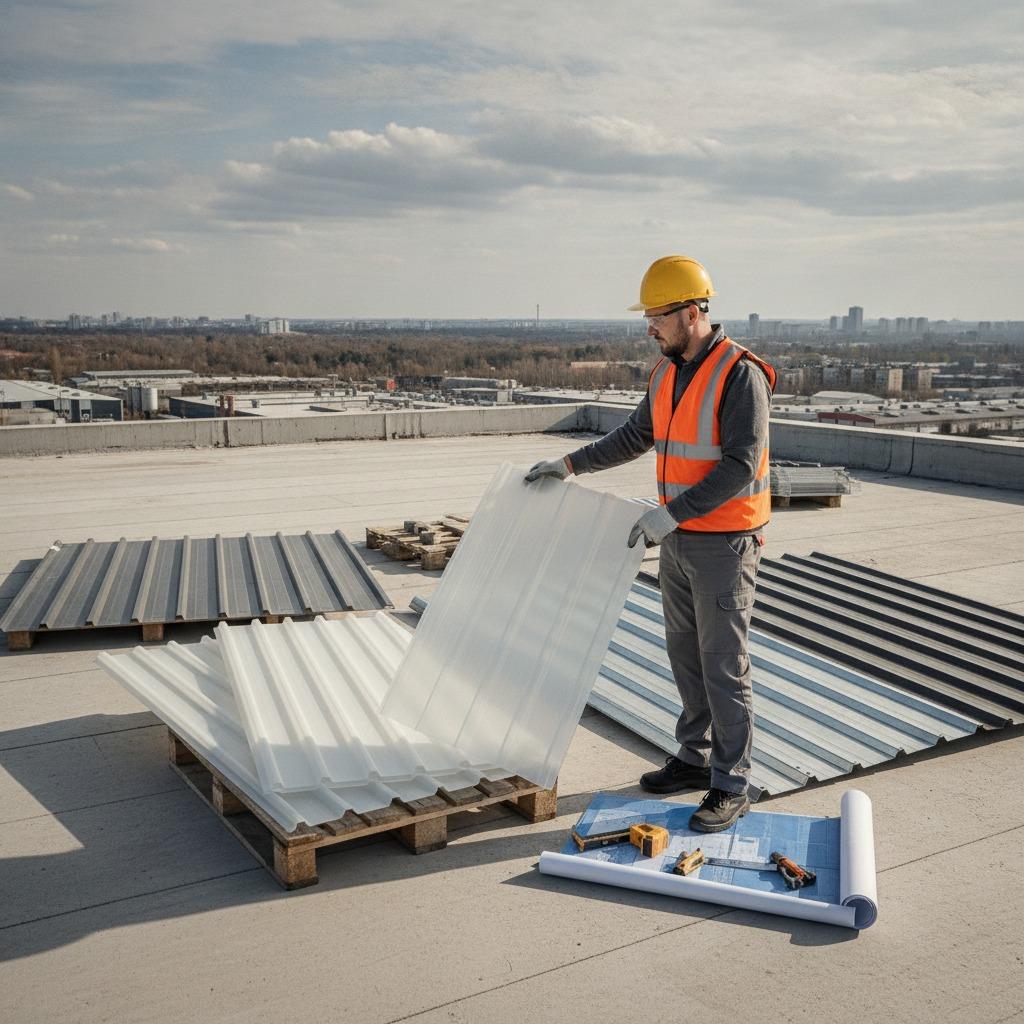
Why PVC Roof Sheets Keep Showing Up on Buyer Shortlists
PVC roof sheets are not the flashiest material on a spec sheet, but they often solve a very practical problem: how to cover a building without inviting corrosion, excess weight, or frequent maintenance. For engineers, sourcing managers, and product teams, that matters because the roof is rarely the place where you want surprises. A poor choice can affect service life, condensate control, installation time, and even the behavior of the structure below.
In workshops, agricultural buildings, light industrial sheds, and temporary structures, PVC roofing sheets are usually considered when metal is vulnerable, weight is a concern, or the buyer wants a simpler installation path. They are not a universal answer, and they should not be treated that way. But in the right setting, they can be a sensible, cost-aware option.
What Buyers Usually Want to Know First
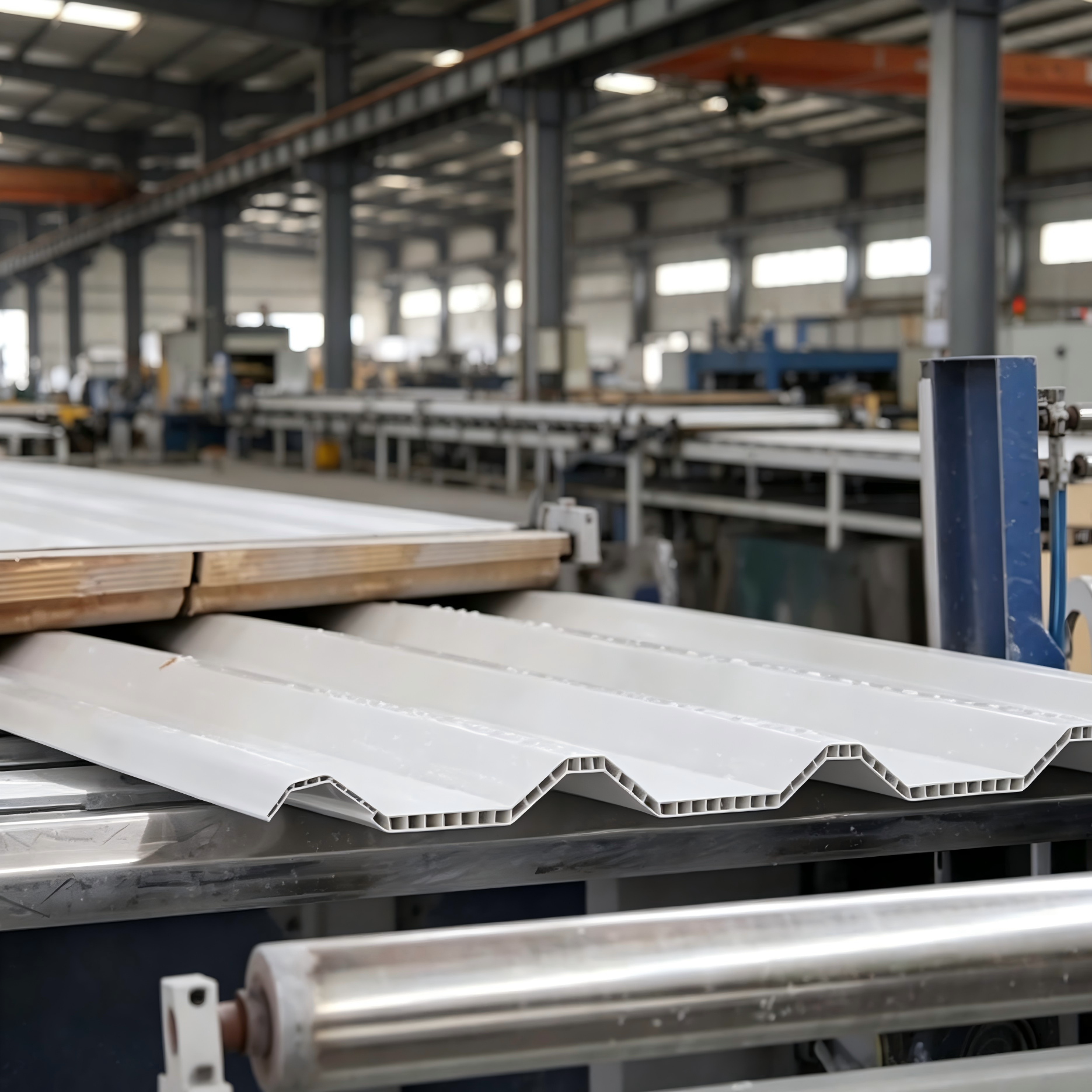
The immediate question is not whether pvc sheet roofing is available. It is whether the sheet fits the environment. Heat, moisture, chemical exposure, wind load, and daylight needs all influence the decision. A pvc corrugated roofing sheet may work well on a covered walkway or a utility structure, while other plastic roofing sheets may be better suited to applications where light transmission or lower weight matters more.
In practice, the buyer is balancing three things: durability, installability, and operating cost. That balance is often overlooked when a project team focuses only on the initial purchase price.
Where PVC Roofing Sheets Tend to Make Sense
Corrosive or wet environments
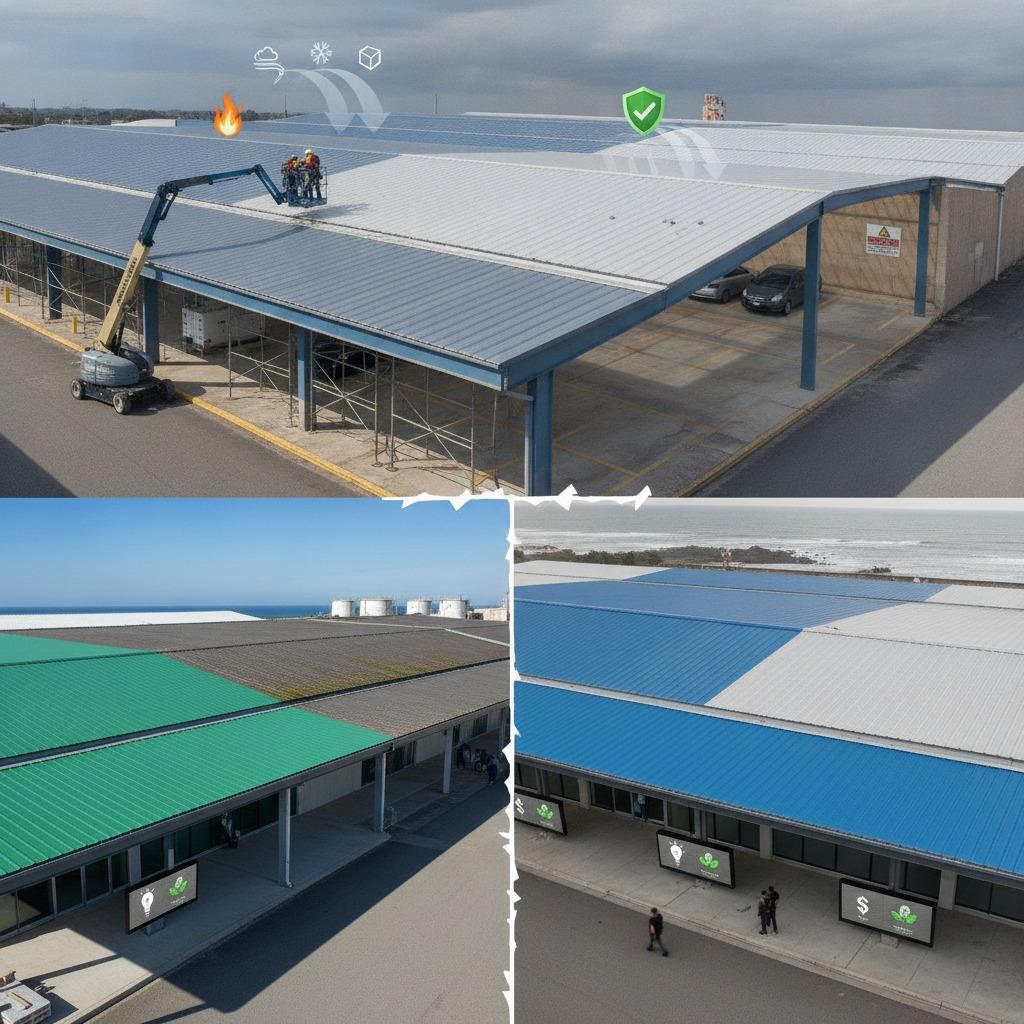
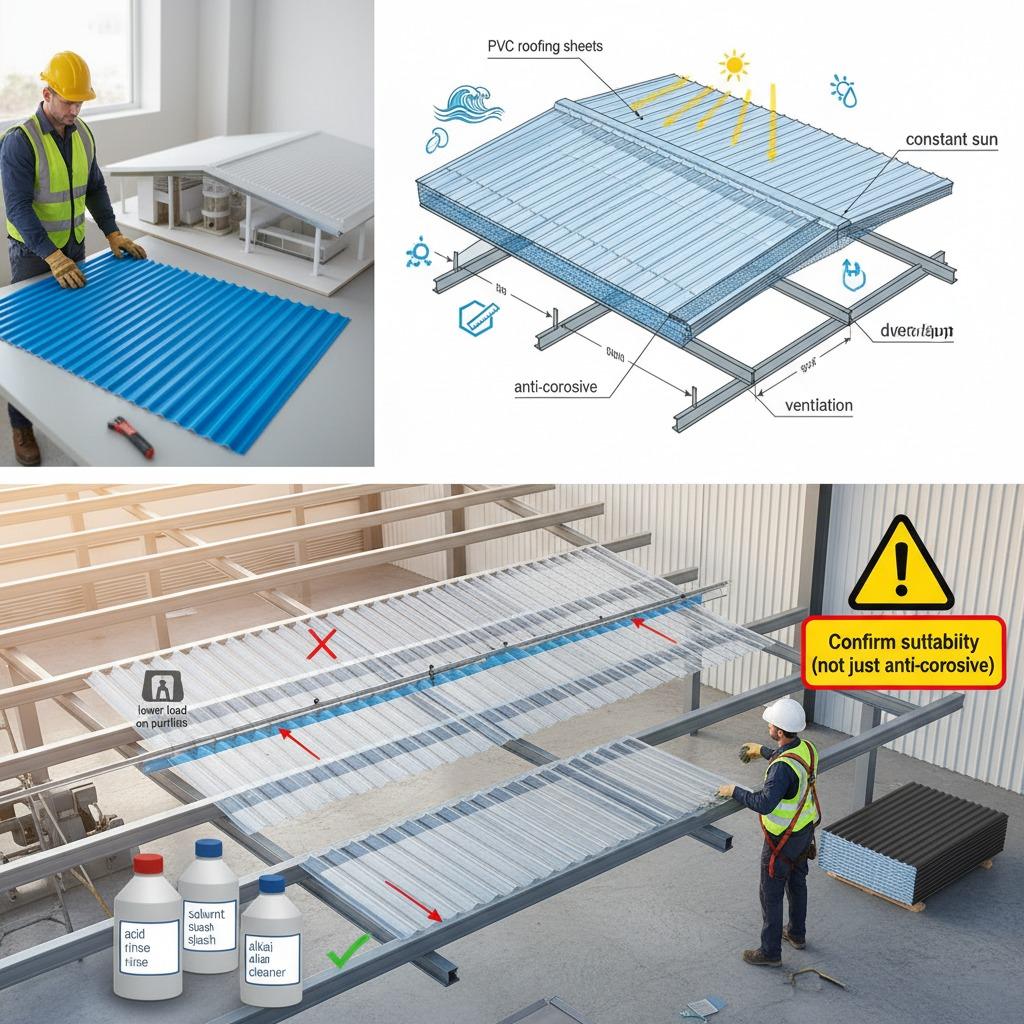
The anti-corrosive advantage is one of the main reasons these products stay relevant. In buildings where moisture, salt air, or chemical splash are concerns, corrugated PVC roofing can be more forgiving than materials that depend on coatings alone.
Lightweight structures
Compared with heavier roofing systems, plastic roofing sheets can reduce the load on purlins and supporting members. That can simplify the frame design, though it does not eliminate the need to check fixing details and wind resistance carefully.
Fast-moving projects
For projects with short installation windows, the handling characteristics of PVC roof sheets may be attractive. Crews often appreciate materials that are easier to lift, cut, and place. Still, ease of installation should not become an excuse to skip detailing around laps, fasteners, and edge trim.
Selection Criteria That Actually Matter on the Shop Floor
Buyers sometimes compare roof sheets by thickness or price alone. That is too narrow. The better approach is to ask how the sheet will behave over time. Is the roof exposed to constant sun? Will it sit over a humid process area? Does the building need daylight, or is opacity preferred? Is the structure permanent or temporary?
It also helps to check profile shape, sheet span, and compatibility with the existing support system. A corrugated profile can be easy to specify, but the details still matter: fastener spacing, overlap, and local climate all influence performance. Small mistakes here are expensive later, usually in the form of leaks or premature wear.
Common Buyer Mistakes
One frequent error is assuming all PVC roofing sheets behave the same. They do not. Formulation, profile, and intended use can vary, and those differences show up in service. Another mistake is choosing a sheet without thinking through ventilation and heat buildup. That issue becomes obvious only after installation, which is exactly when it is most annoying.
A second caution: if the project involves aggressive chemicals, confirm suitability rather than relying on a general “anti-corrosive” label. Industrial buyers know the difference between a material that is resistant in principle and one that is proven in a specific environment.
Practical Takeaway for Sourcing Teams
If you are evaluating pvc roofing sheets, start with the environment, then the roof geometry, then the installation method. That sequence usually produces a better shortlist than comparing catalog photos. PVC roof sheets can be a practical choice for the right building, especially where corrosion resistance and manageable weight are priorities. The value is not just in the material itself, but in how well it fits the job.
Before placing an order, ask for the exact product profile, intended application, and installation guidance. That small step can save more time than any post-purchase correction ever will.
What to Ask Before You Buy
Ask whether the sheet is intended for industrial roofing, agricultural use, or general-purpose covering. Confirm the profile, the recommended support spacing, and whether accessories are available for edges, overlaps, and fastening points. If your project is exposed to chemicals or strong weathering, request application guidance in writing rather than relying on assumptions.
That is usually the difference between a roof that disappears into the background and one that becomes a maintenance item.