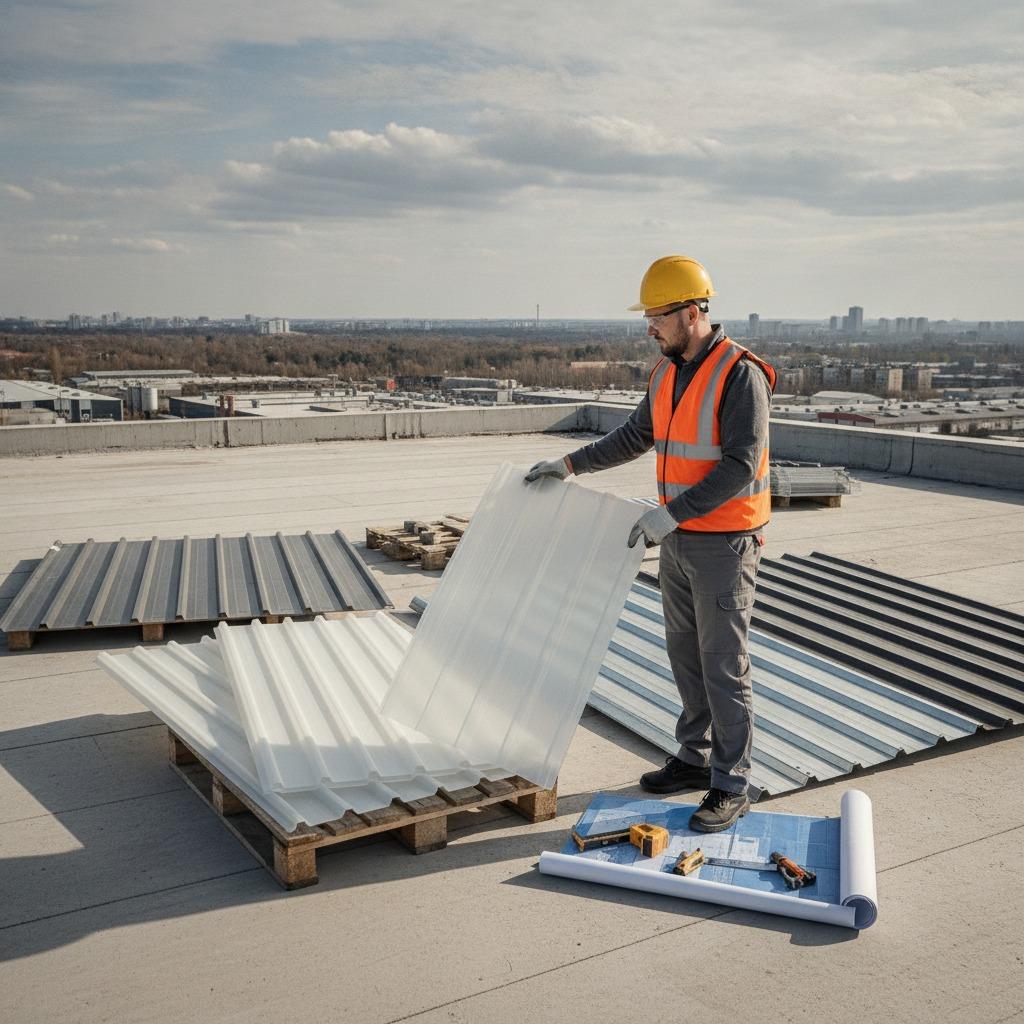
What a PVC Roof Tile Is and Why Buyers Keep Comparing It to Metal and Clay
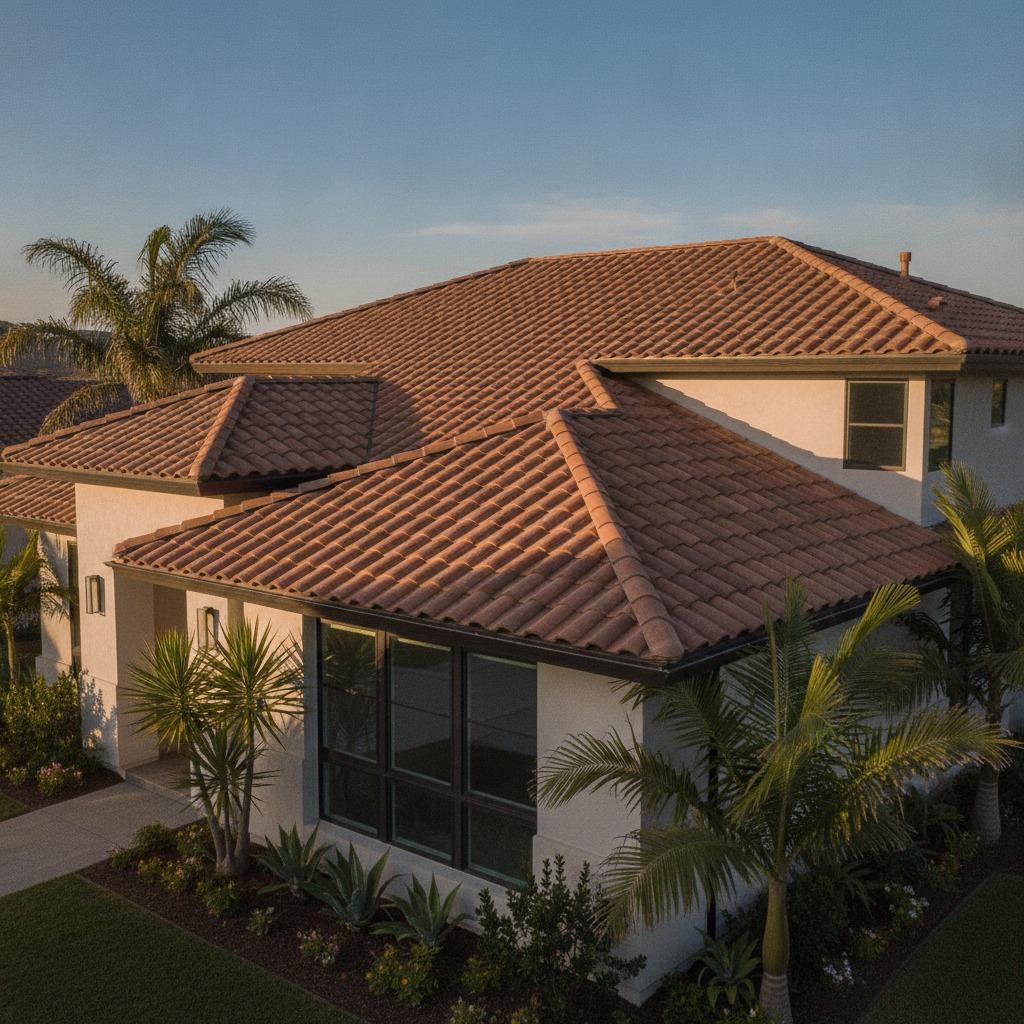
A pvc roof tile is usually considered when a project needs a light, weather-resistant roofing option that is easier to handle than heavy clay or concrete products. For engineers, sourcing managers, and builders, the real question is not whether the material looks good in a brochure. It is whether the roof system can hold up under sun, rain, wind, and the kind of corrosive exposure that often shortens service life in industrial or coastal settings.
That is why pvc roofing tiles are often evaluated alongside coated steel, fiber-reinforced sheets, and other synthetic roofing products. The decision is rarely just about appearance. It comes down to installation speed, load on the structure, resistance to moisture, and whether the roof needs better anti-corrosive performance over time.
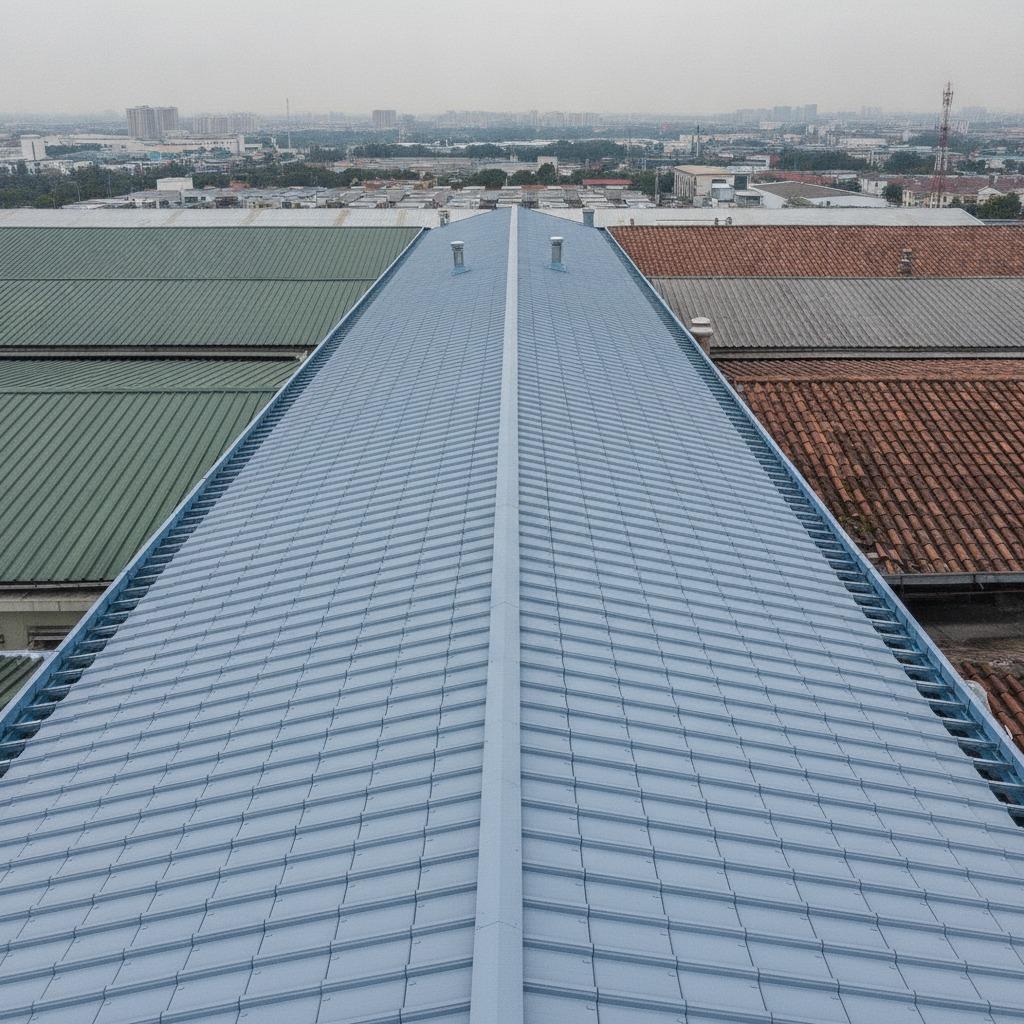
Start with the Application, Not the Catalog
Before comparing product lines, define where the roof will be used. A warehouse in a humid region has different demands from a farmhouse, a light industrial shed, or a retrofit project over an aging frame. If the building already has limited structural capacity, the lighter weight of pvc roofing can be a practical advantage. If chemical vapors, salt air, or constant dampness are part of the environment, anti-corrosive behavior matters even more.
This is also where buyers sometimes rush. A roof tile that works well on a decorative residential building may not be the best fit for a plant building or storage structure. Ask how the system behaves in heat, how it drains, and how it is fastened. Small details affect long-term performance more than a polished product photo ever will.
Where ASA PVC Roof Tile Fits in the Decision
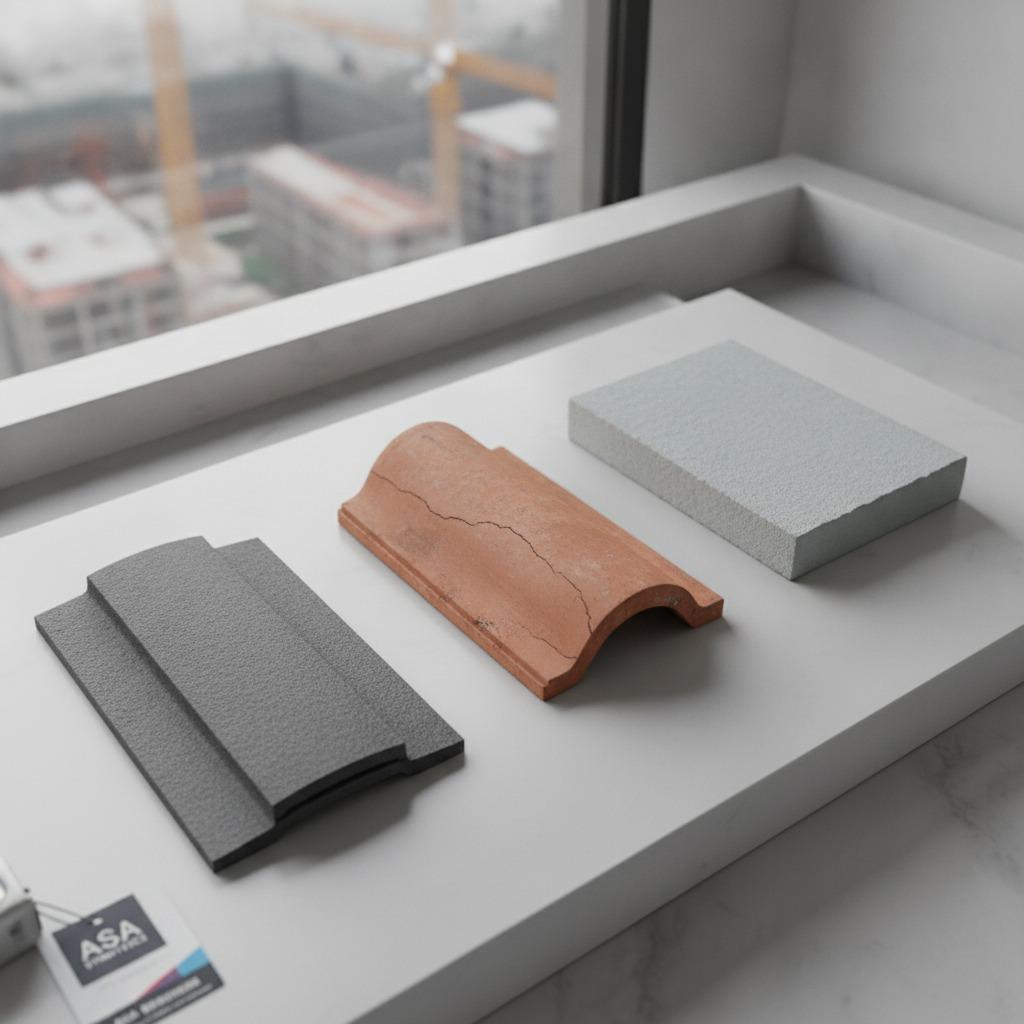
Among synthetic roofing options, ASA PVC roof tile is often discussed when weathering resistance is a priority. The ASA layer is generally used to improve surface durability and help the roof maintain appearance under sun exposure. That does not make it a universal answer, but it does make the category worth reviewing for projects that need better outdoor aging performance than basic plastic roofing.
For buyers, the key is to separate surface claims from system needs. A roof is not just a sheet or tile profile. It includes overlaps, fasteners, slope, and the installer’s workmanship. Even a capable product can disappoint if the installation details are sloppy. That sounds obvious, yet it is one of the most common failure points.
A Practical Selection Guide
1. Check structural load first
Lightweight roofing helps reduce stress on the frame, but the supporting structure still needs to be reviewed. This is especially important in retrofit jobs where the original design was never intended for heavy roofing materials.
2. Match the roof to the exposure
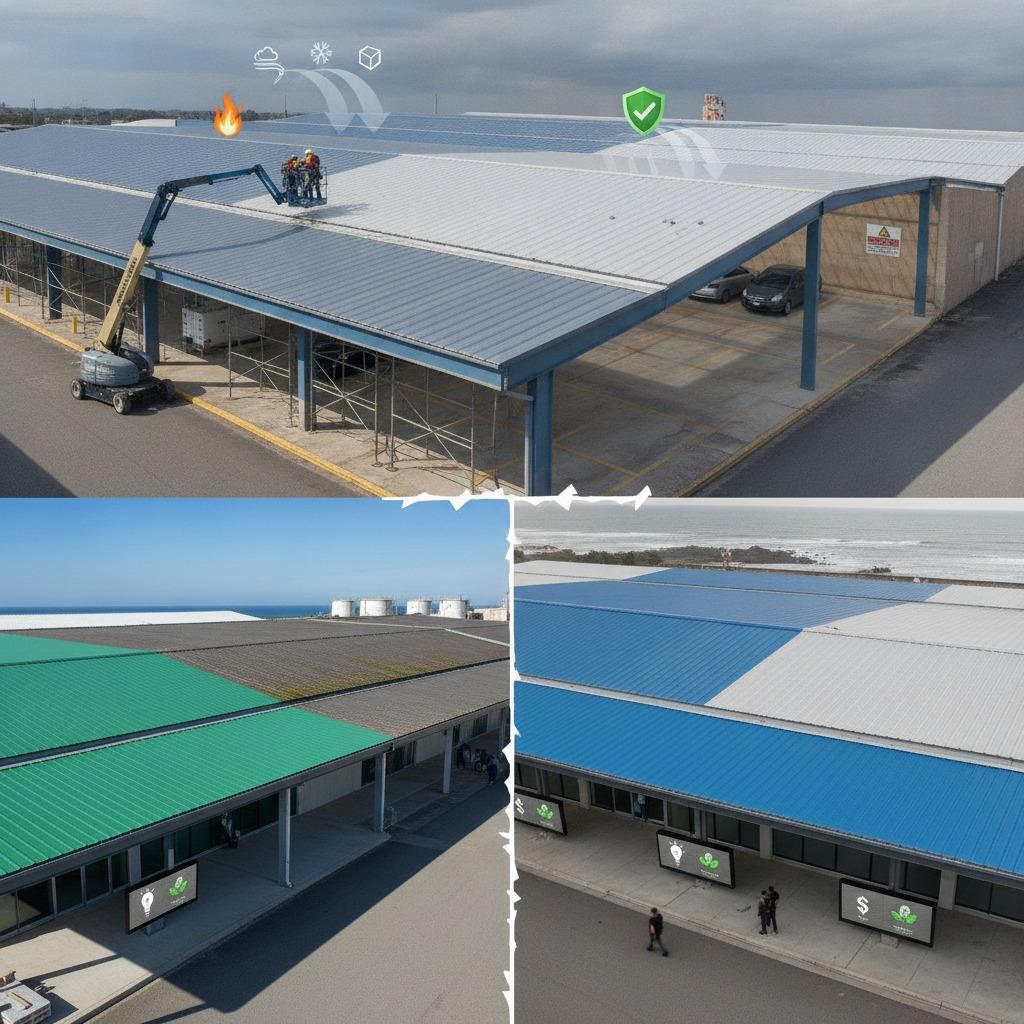
If the site sees high moisture, airborne salts, or general corrosion risk, prioritize anti-corrosive performance and fastening compatibility. In mild conditions, appearance and cost may carry more weight.
3. Look at installation practicality
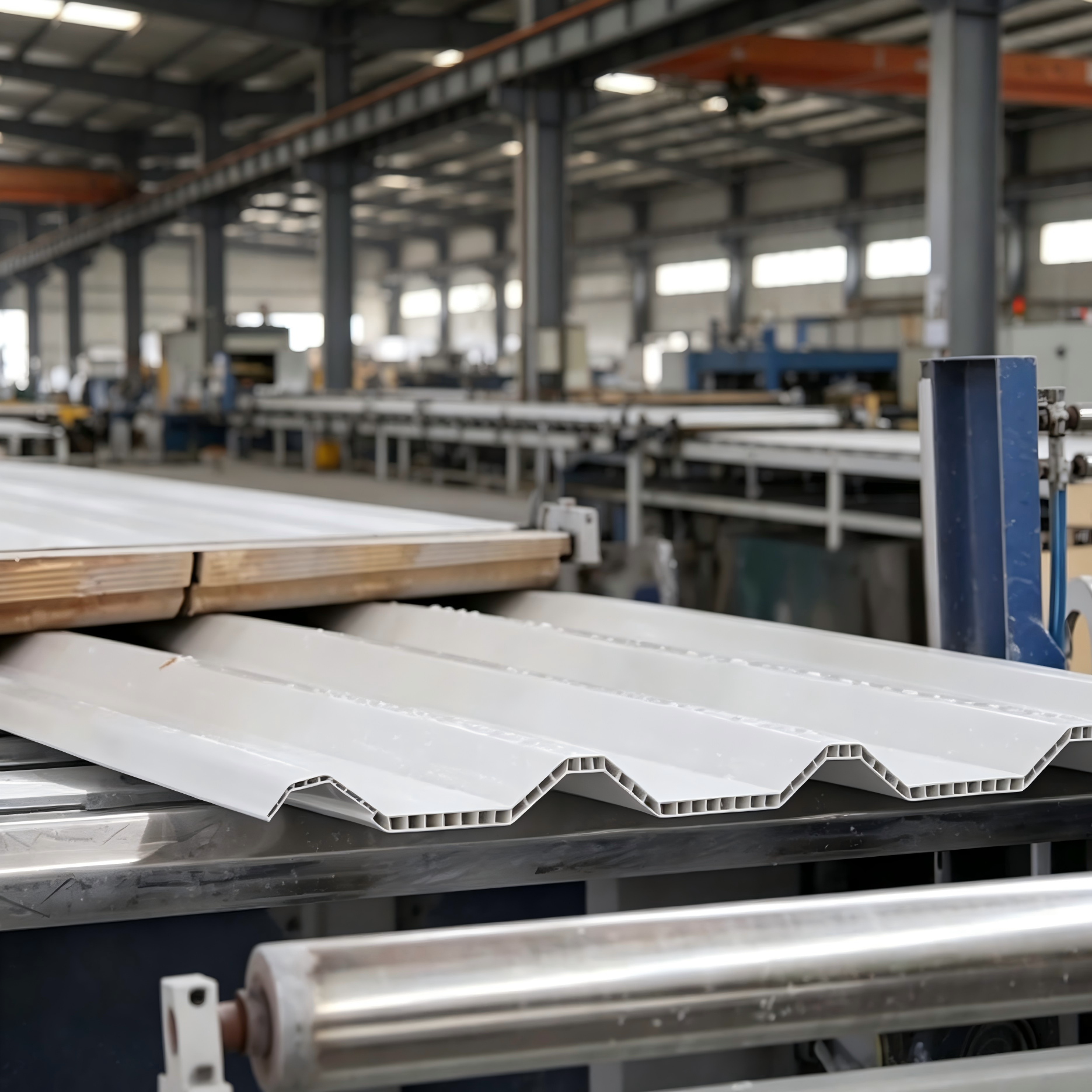
Some pvc roofing tiles are easier to cut, carry, and align than traditional materials. That can reduce labor time, but only if the crew is familiar with the fastening pattern and overlap method.
4. Think about maintenance access
If the roof may need periodic inspection, choose a profile that allows replacement or localized repair without disturbing large areas. That is often overlooked until the first service call.
Common Mistakes Buyers Make
One mistake is assuming all pvc roofing products perform the same. They do not. Profile design, layer structure, and installation quality all matter. Another mistake is focusing only on upfront material cost while ignoring the structure below the roof. A cheaper tile can become expensive if it requires repeated repair or extra substructure work.
Buyers also sometimes under-specify the environment. A roof for a dry inland site is not the same as one exposed to chemical splash, sea air, or long periods of heat. That is where careful review pays off.
Quick Buyer Advice
If you are shortlisting pvc roof tile options, ask for clear product descriptions, application limits, and installation guidance. Compare not only the tile profile but also the fastening method and expected service conditions. If the supplier mentions ASA PVC roof tile, clarify what the surface layer is intended to do and what it does not guarantee. Practical questions now can prevent a costly roof replacement later.
FAQ
Is pvc roof tile only for residential projects?
No. It can also be used on warehouses, light industrial buildings, agricultural structures, and retrofit projects, depending on the design requirements.
Why do people choose pvc roofing over heavier materials?
Mainly for lower weight, easier handling, and potential resistance to corrosive environments. The exact fit depends on the building and exposure conditions.
What should I verify before placing an order?
Confirm the intended application, fastening details, roof slope, and whether the product is suited to the site’s weather and corrosion risk.
Next Step
If you are comparing pvc roof tile options for a current project, build your shortlist around environment, structure, and installation method first. The right product is usually the one that fits the roof system cleanly, not the one with the loudest marketing claim.