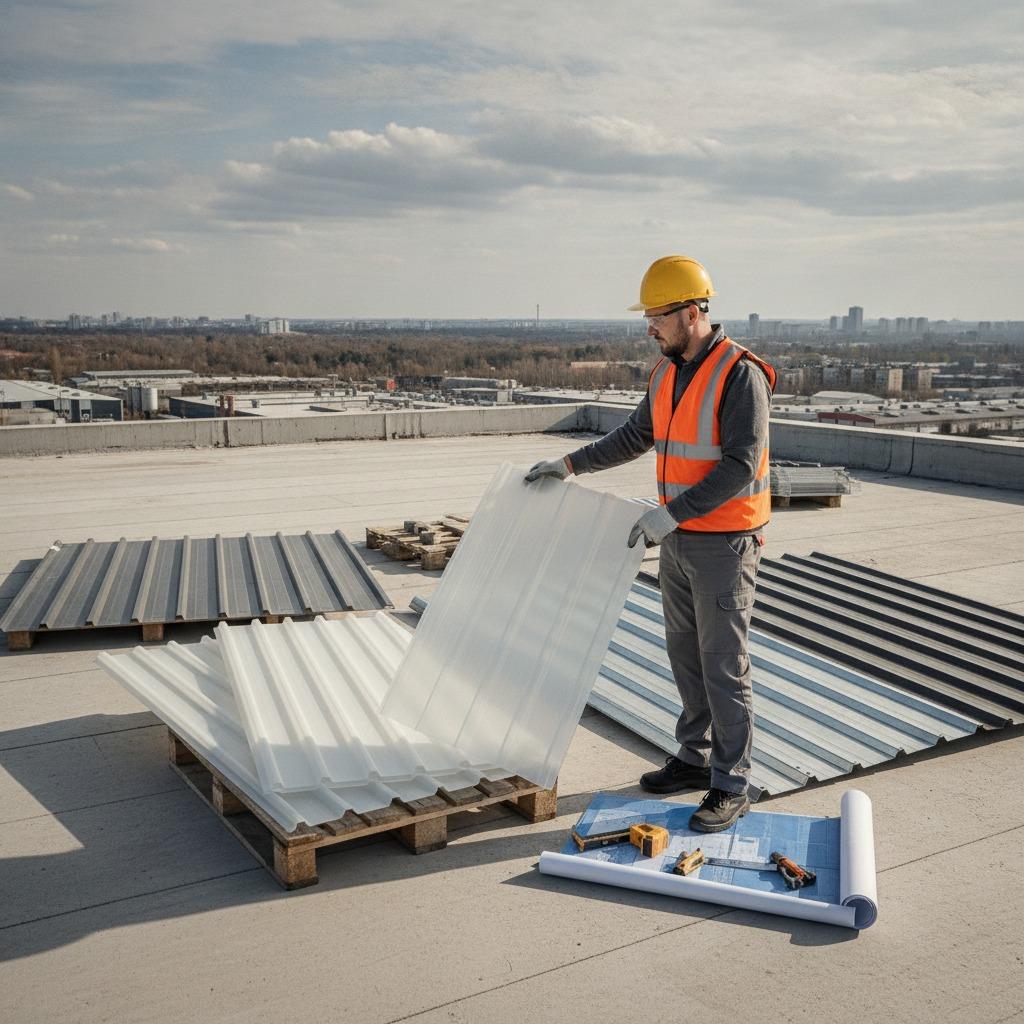
Why a resin roof is showing up in more bid specs
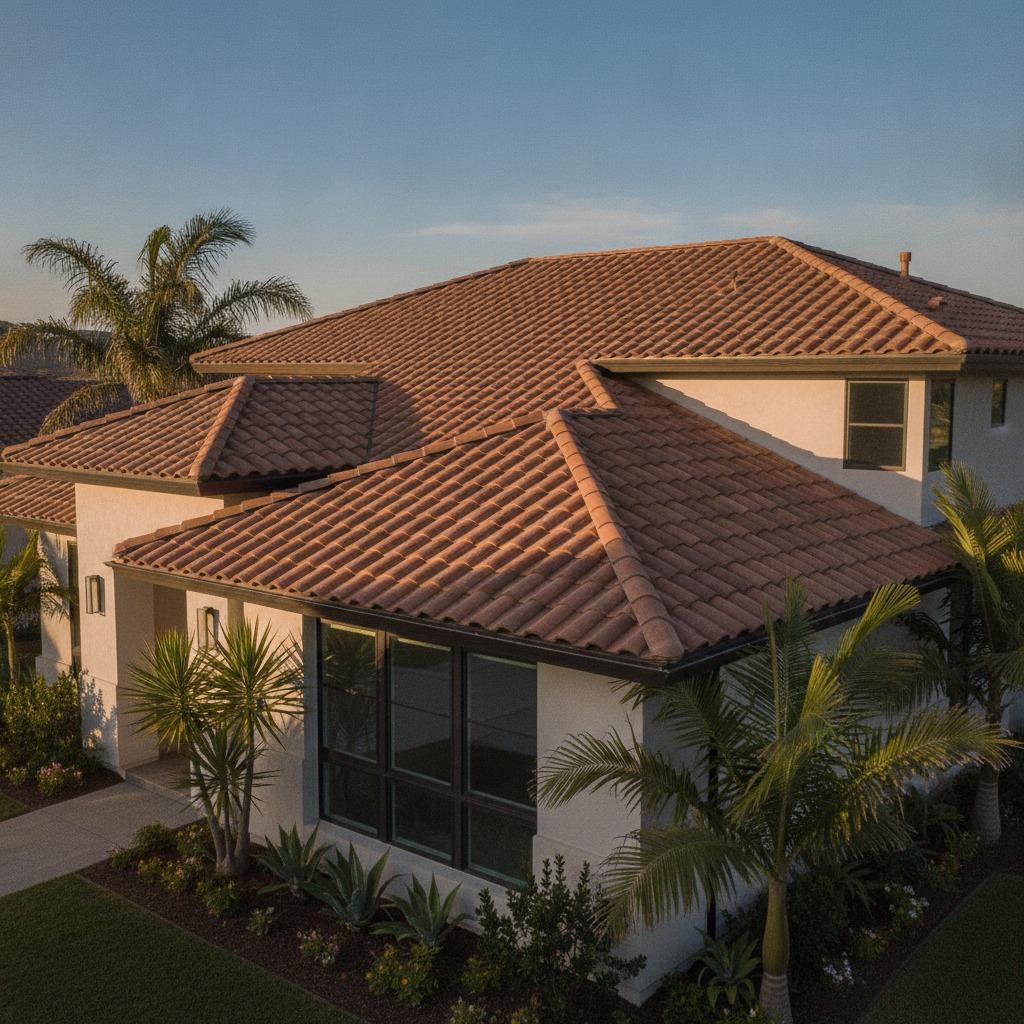
A resin roof is no longer a niche option reserved for a few lightweight builds. It keeps coming up in projects where owners want a roof that is easier to handle than heavy clay or concrete, more forgiving than bare metal in corrosive environments, and less fussy about long-term appearance. For engineers and sourcing teams, the real question is not whether the material sounds modern; it is whether it fits the building, the climate, and the maintenance plan.
That decision matters because the roof is not a decorative finish. It is a weather barrier, a thermal and acoustic layer, and often one of the few components a facility manager will notice only when something has gone wrong. A smart comparison now can prevent a costly replacement cycle later.
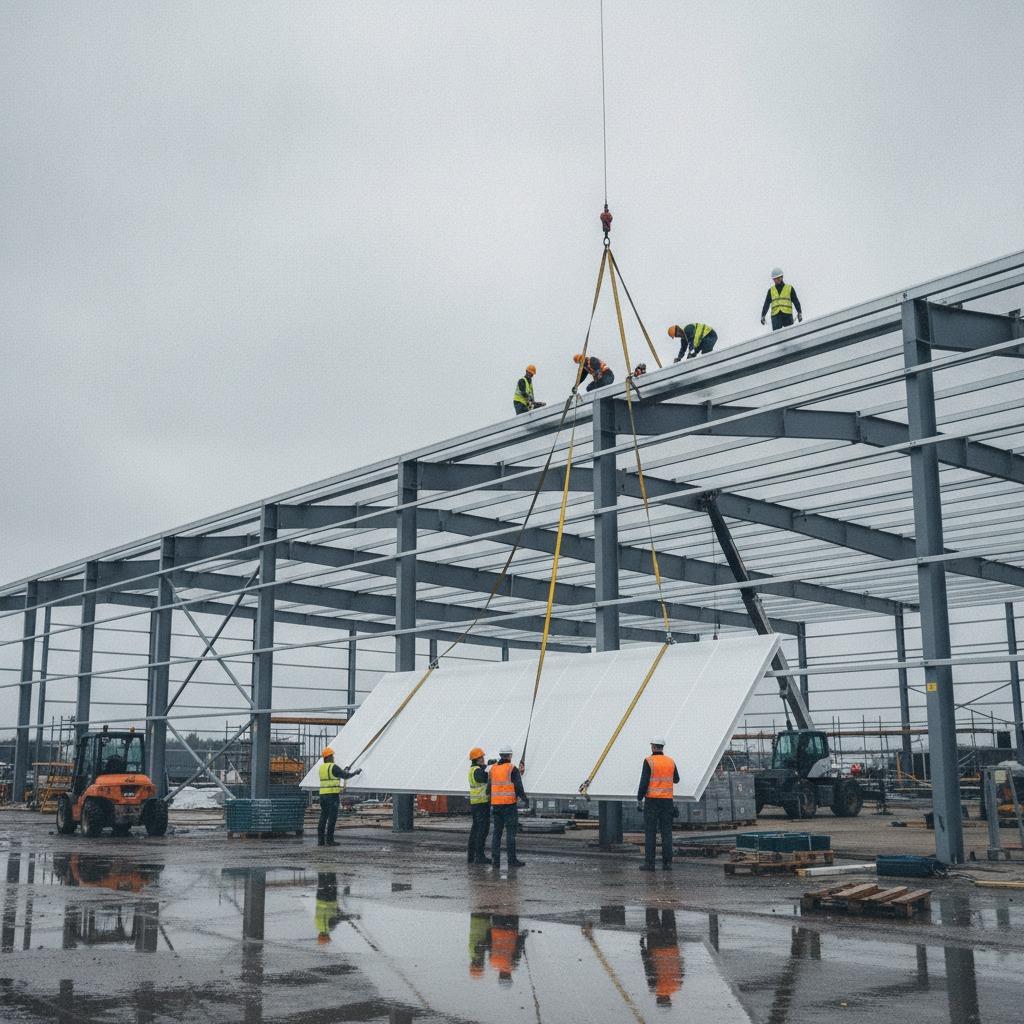
What buyers are usually trying to solve
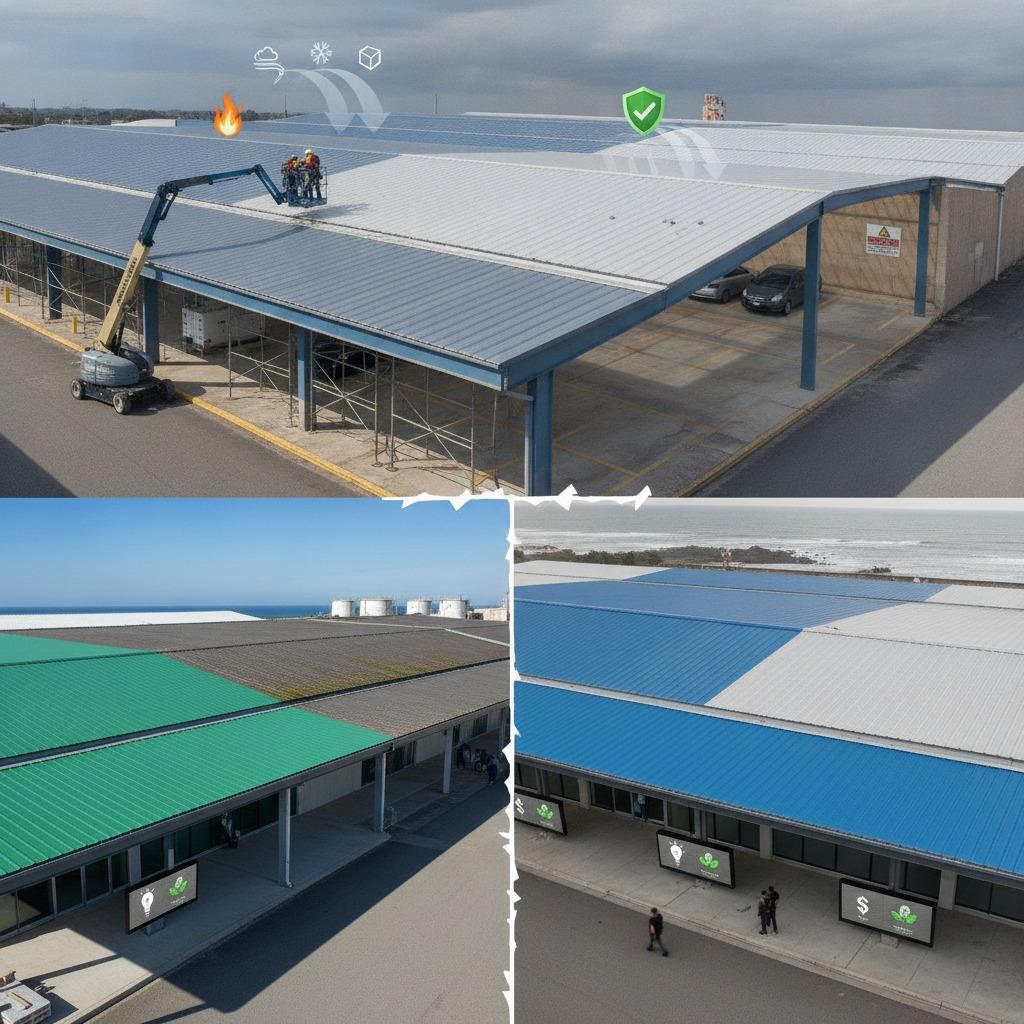
Most buyers looking at resin roof tile options are dealing with one of three problems: corrosion, weight, or upkeep. Coastal sites and chemical plants tend to focus on anti-corrosive performance. Warehouses and retrofit projects often care about structural load. Commercial owners, meanwhile, want a surface that holds its color and shape without constant repainting.
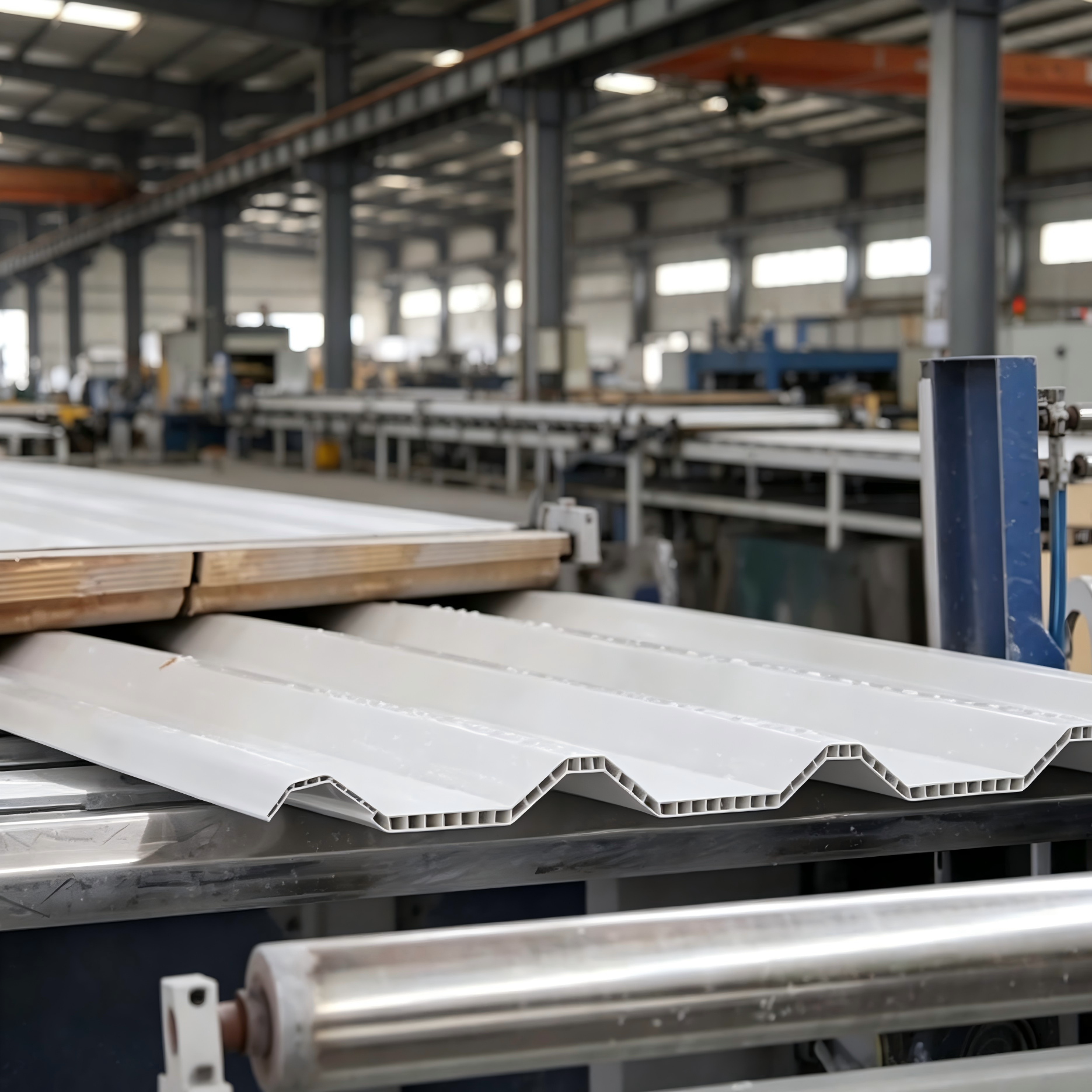
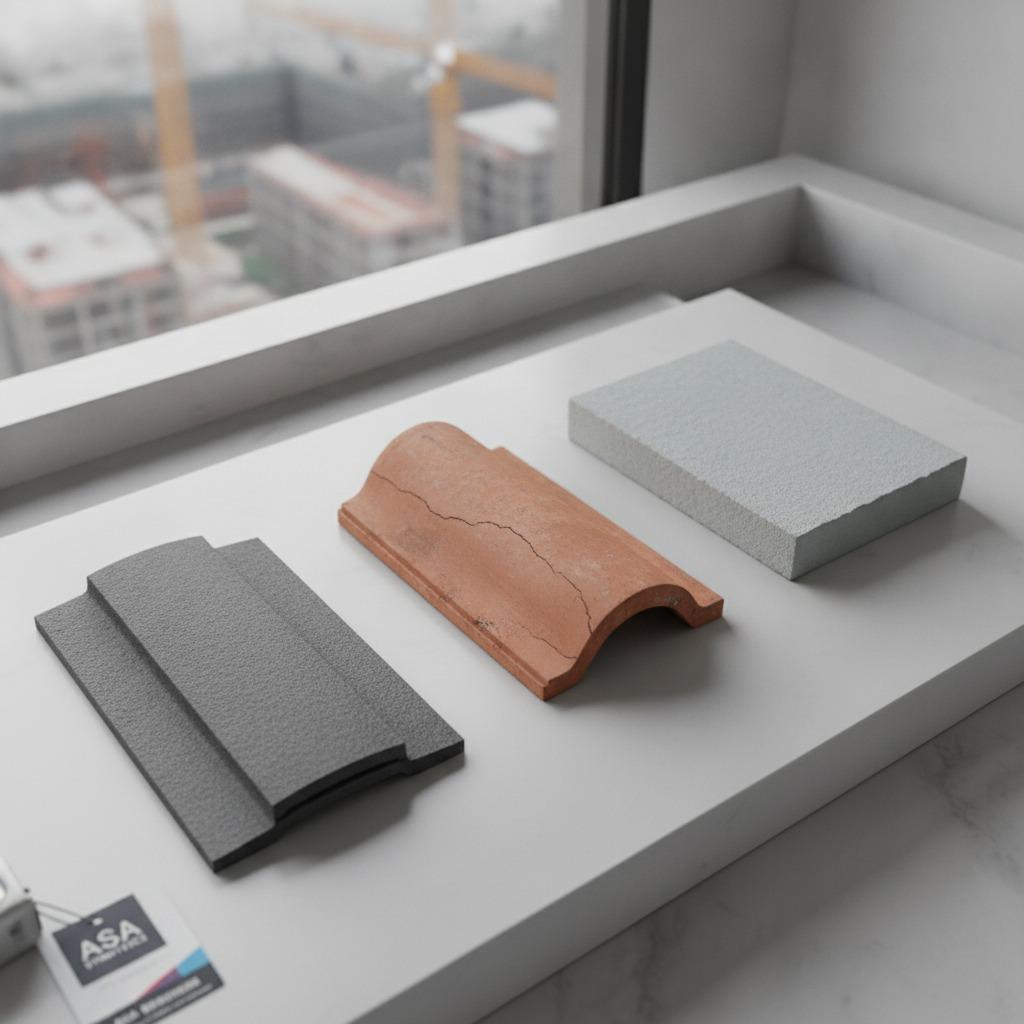
That is where terms like pvc resin roof tile and ASA resin roof tile enter the conversation. They are not interchangeable in every project, and that is worth saying plainly. PVC-based options may be attractive for cost-sensitive work, while ASA formulations are often discussed for better UV resistance and appearance retention in sun-exposed installations. The right choice depends on the environment, not just the catalog page.
Key traits to review before you sign off
UV resistance and weathering
If the roof will live under strong sunlight, UV resistance is not a marketing line item. It is a service-life issue. A roof that chalks, fades, or embrittles early can create maintenance headaches long before the rest of the building is ready for attention.
Anti-corrosive behavior
Resin systems are often selected because they do not behave like exposed steel in salty air or mildly aggressive industrial atmospheres. That said, “anti-corrosive” should be read carefully. It helps with corrosion-related problems, but installation details, fasteners, and underlying structure still matter.
Weight and installation handling
A lighter roofing product can simplify logistics and reduce strain during installation. For retrofit work, that can be a practical advantage. Still, lighter does not automatically mean better; the profile, fixings, and local wind conditions must be checked together.
Practical selection advice for buyers
If you are comparing resin roof tile products, start with the building environment, not the brochure. Ask where heat, moisture, salt spray, or chemical exposure will be highest. Then confirm whether the supplier can explain how the material performs in those conditions. If they cannot talk clearly about UV resistance or anti-corrosive behavior, keep walking.
One common mistake is choosing by appearance alone. Another is assuming a resin roof will solve every roof problem without attention to ventilation, slope, fastening method, and drainage. Roof failures are rarely caused by one factor, and buyers who forget that usually end up paying twice.
When a resin roof is a strong fit
It tends to make sense in industrial sheds, seaside facilities, agricultural buildings, and retrofit projects where weight control and corrosion risk are both on the table. It may be less attractive where the design calls for a very rigid architectural profile or where local code and structural conditions favor another roofing system. A good sourcing decision starts with fit, not fashion.
What to ask before you source
Ask for the material type, the intended exposure range, and any practical guidance on installation and maintenance. If the supplier offers multiple resin roof tile variants, compare them by application instead of assuming the highest-spec item is always the best buy. Sometimes the safer choice is the one that matches the roof’s actual duty cycle.
If you are still narrowing options, build a short comparison sheet for PVC resin roof tile and ASA resin roof tile candidates, then check them against site conditions, budget, and expected service life. That small exercise usually reveals the real winner faster than a dozen marketing claims.
Next step
For the final selection, treat the roof as a system. Material, fastening, slope, and environment all need to line up. Once those pieces are clear, a resin roof can be a sensible, low-drama choice for the right project.