Navigating the Market for Durable Roofing: Choosing an ASA Resin Roofing Tiles Manufacturer
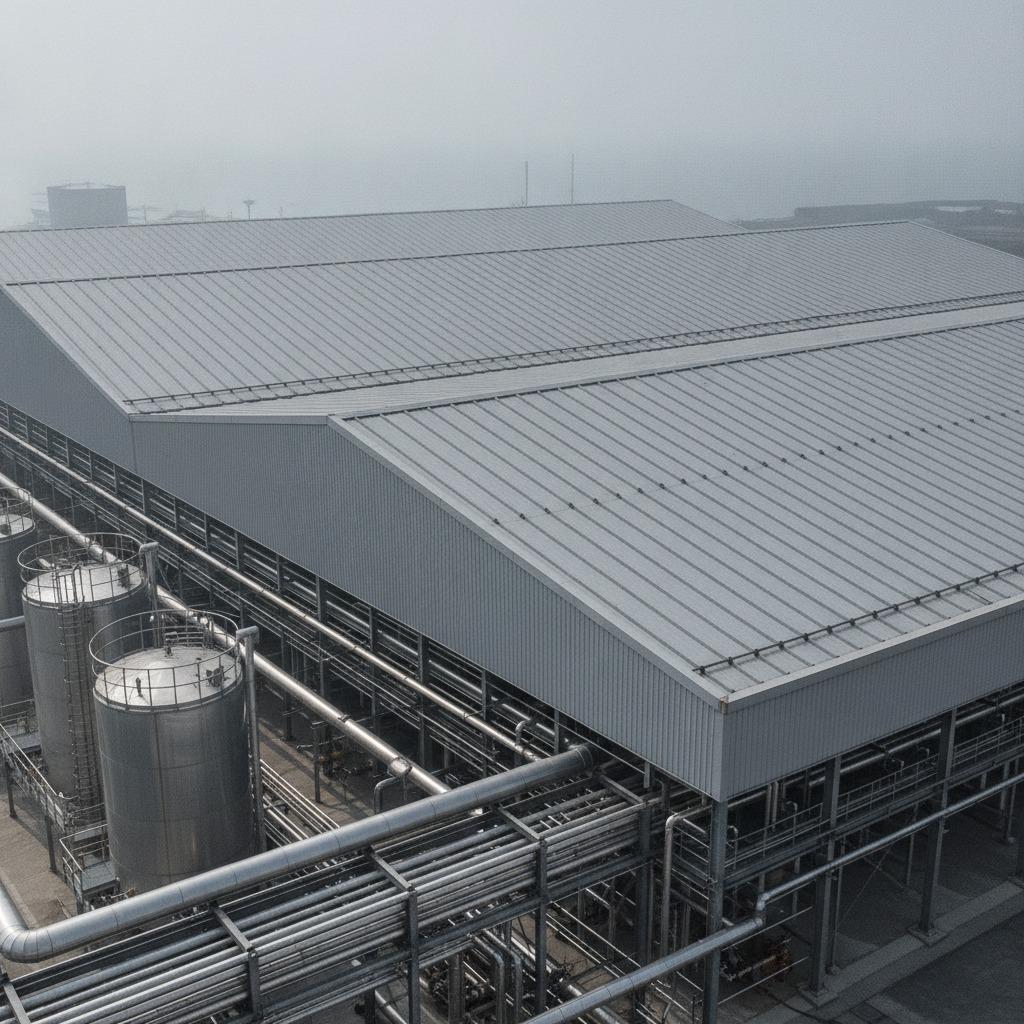
Selecting a reliable ASA resin roofing tiles manufacturer is a significant decision for project managers and industrial developers who need a balance between longevity and cost-efficiency. As modern construction moves away from traditional heavy materials like clay or metal in favor of synthetic alternatives, Acrylonitrile Styrene Acrylate (ASA) resin has emerged as a front-runner. These tiles are prized for their resistance to chemical corrosion, UV degradation, and extreme temperature fluctuations. However, the quality of these tiles depends entirely on the manufacturing process and the grade of the raw materials used.
Understanding the Role of ASA in Modern Roofing
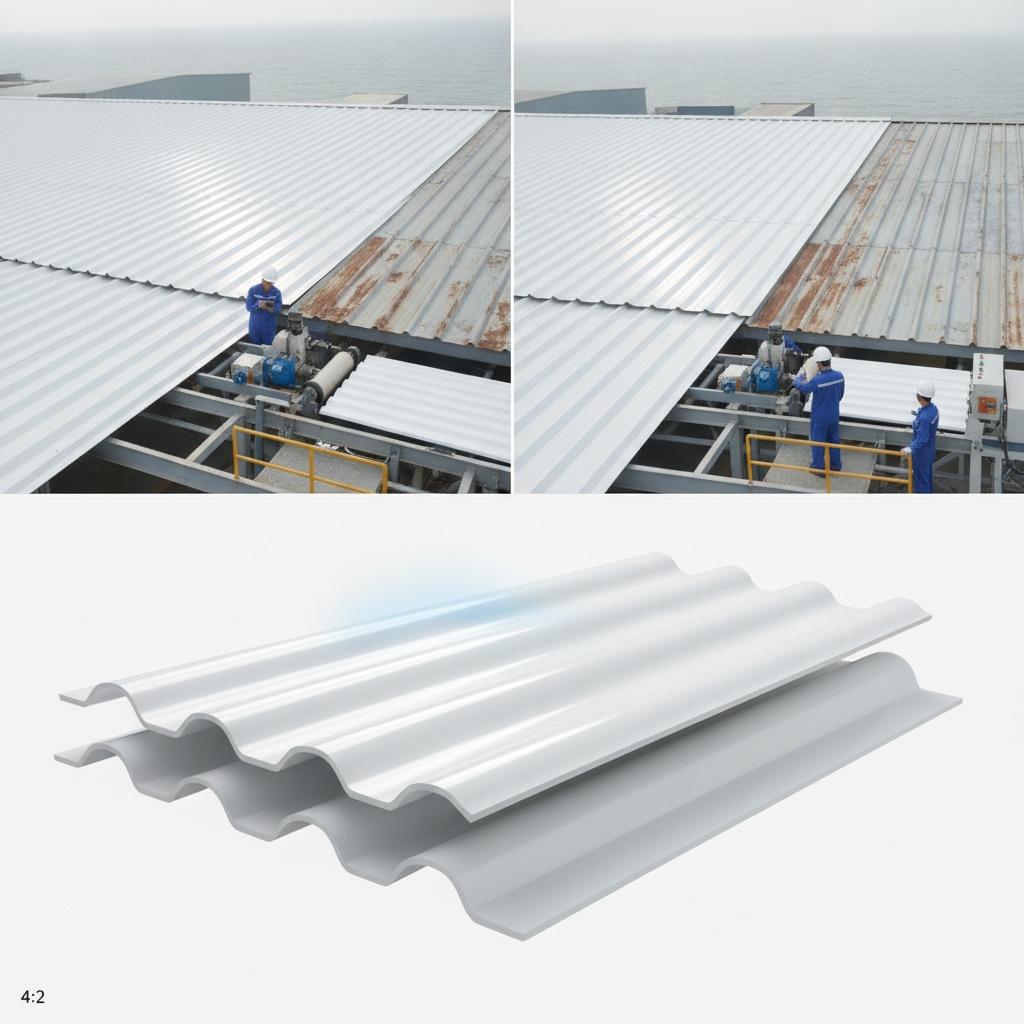
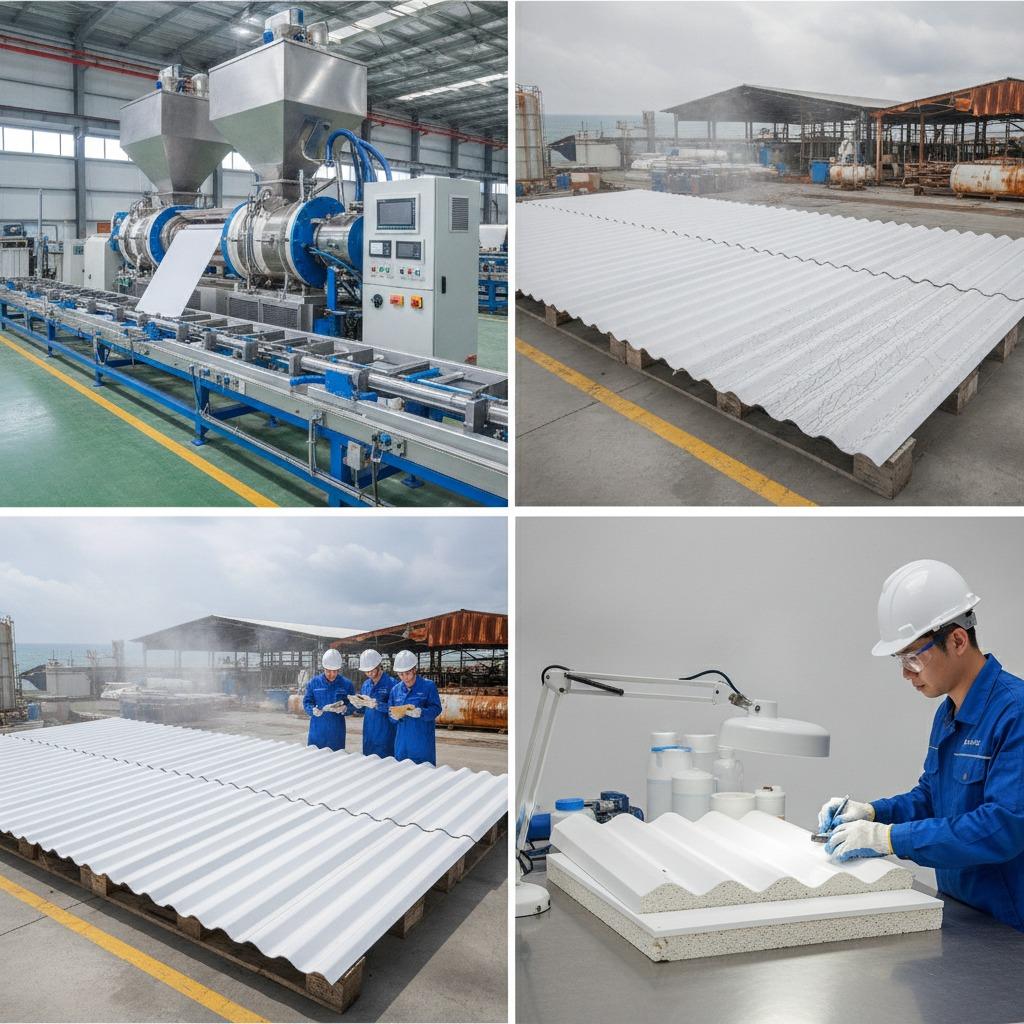
The acronym ASA stands for Acrylonitrile Styrene Acrylate, a terpolymer that serves as the protective outer layer for resin-based tiles. Unlike standard PVC materials, which can turn brittle and fade under harsh sunlight, ASA is specifically engineered for outdoor stability. When you evaluate an ASA resin roof tiles manufacturer, you should focus on their co-extrusion technology. This process involves bonding the protective ASA surface layer to the structural PVC core. If this layer is too thin or poorly bonded, the structural integrity of the roof will likely fail within a few years of installation. A reputable manufacturer will prioritize the chemical stability of this outer coating, as it is the primary barrier against the elements.
Comparing Materials: ASA vs. Standard PVC
While a PVC resin roof tiles manufacturer may offer a lower entry price, the long-term performance profile often differs significantly from ASA-coated options. Standard PVC tiles are excellent for moisture resistance but often struggle with long-term UV resistance unless they are heavily modified with high-end stabilizers. Many sourcing managers find that while resin roof tiles manufacturer specifications can look similar on paper, the presence of genuine ASA coating is the most reliable indicator of how the roof will look a decade later.
When reviewing bids or product data sheets, pay close attention to the thickness of the ASA layer. A thinner layer may save on production costs, but it leaves the substrate vulnerable to cracking. It is always wise to request a cross-section sample to inspect the bond quality between the two materials before committing to a large-scale order.
Key Factors for Procurement Professionals
Before finalizing a contract with an ASA resin roofing tiles manufacturer, there are several operational benchmarks to consider:
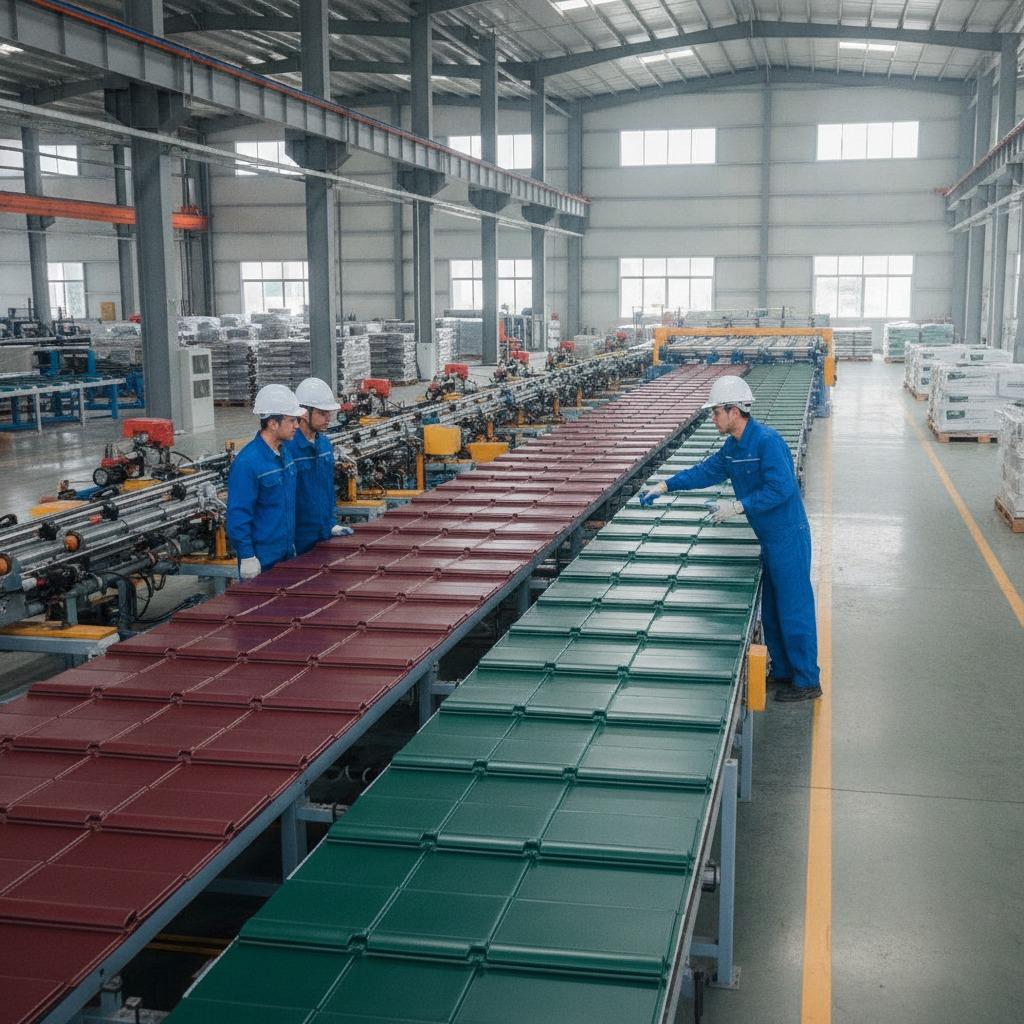
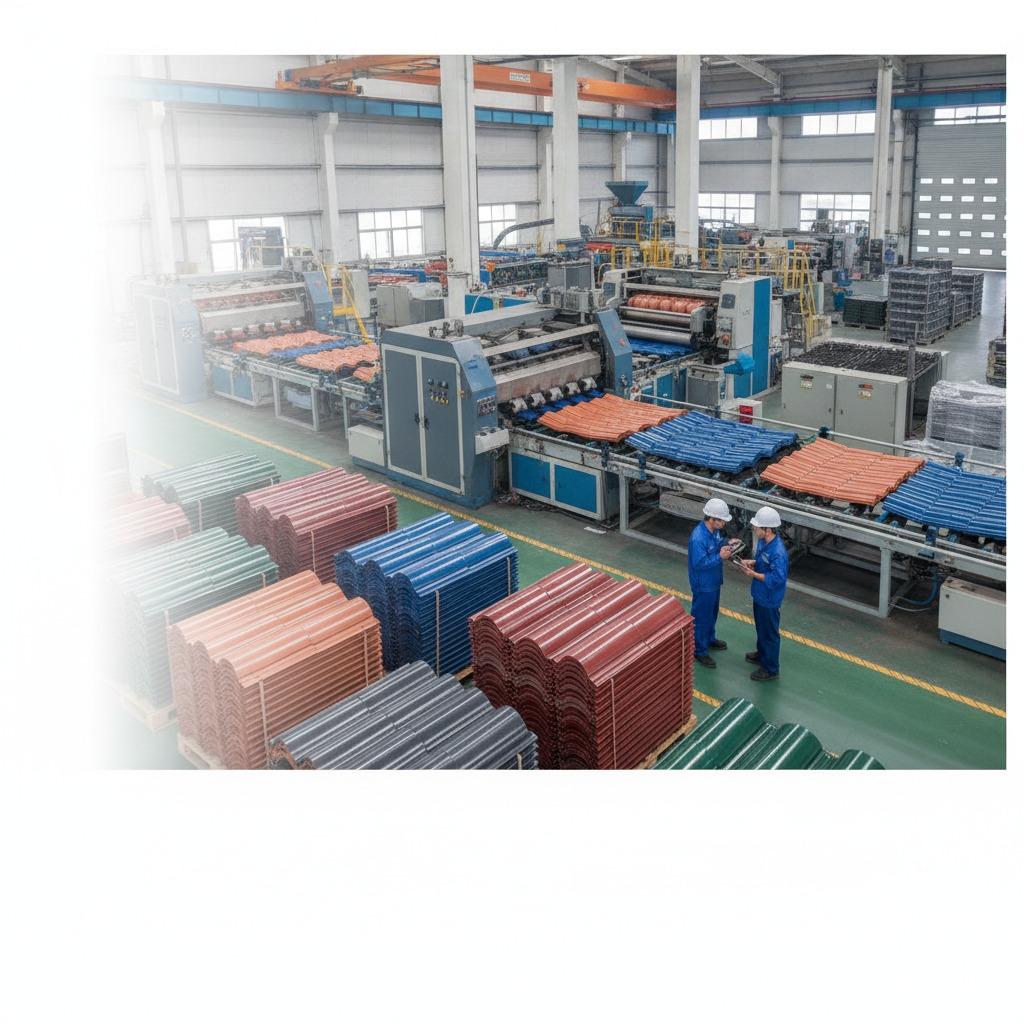
1. Production Capacity: Does the facility have the throughput to handle your project timeline without rushing the extrusion process? High-speed production can sometimes lead to uneven material distribution in the tile profiles.
2. Material Purity: Ensure the manufacturer uses virgin materials rather than recycled fillers, which can compromise the tensile strength of the tiles.
3. Testing Data: Experienced suppliers should provide independent testing reports on weatherability, fire resistance, and load-bearing capacity. These documents serve as a baseline for the performance you can expect in your specific climate.
Common Pitfalls in Sourcing
A frequent mistake procurement teams make is focusing solely on the weight of the tiles. While light weight is a selling point for synthetic roofing—reducing the structural requirement for the building frame—ultra-light tiles can sometimes indicate a porous inner structure that lacks impact resistance. Always look for a balance between weight and density. Furthermore, be wary of manufacturers who cannot detail their coloring process; high-quality ASA tiles should maintain color consistency through deep-layer pigment integration, not just a surface-level finish that can scratch off.
Selecting a Long-Term Partner
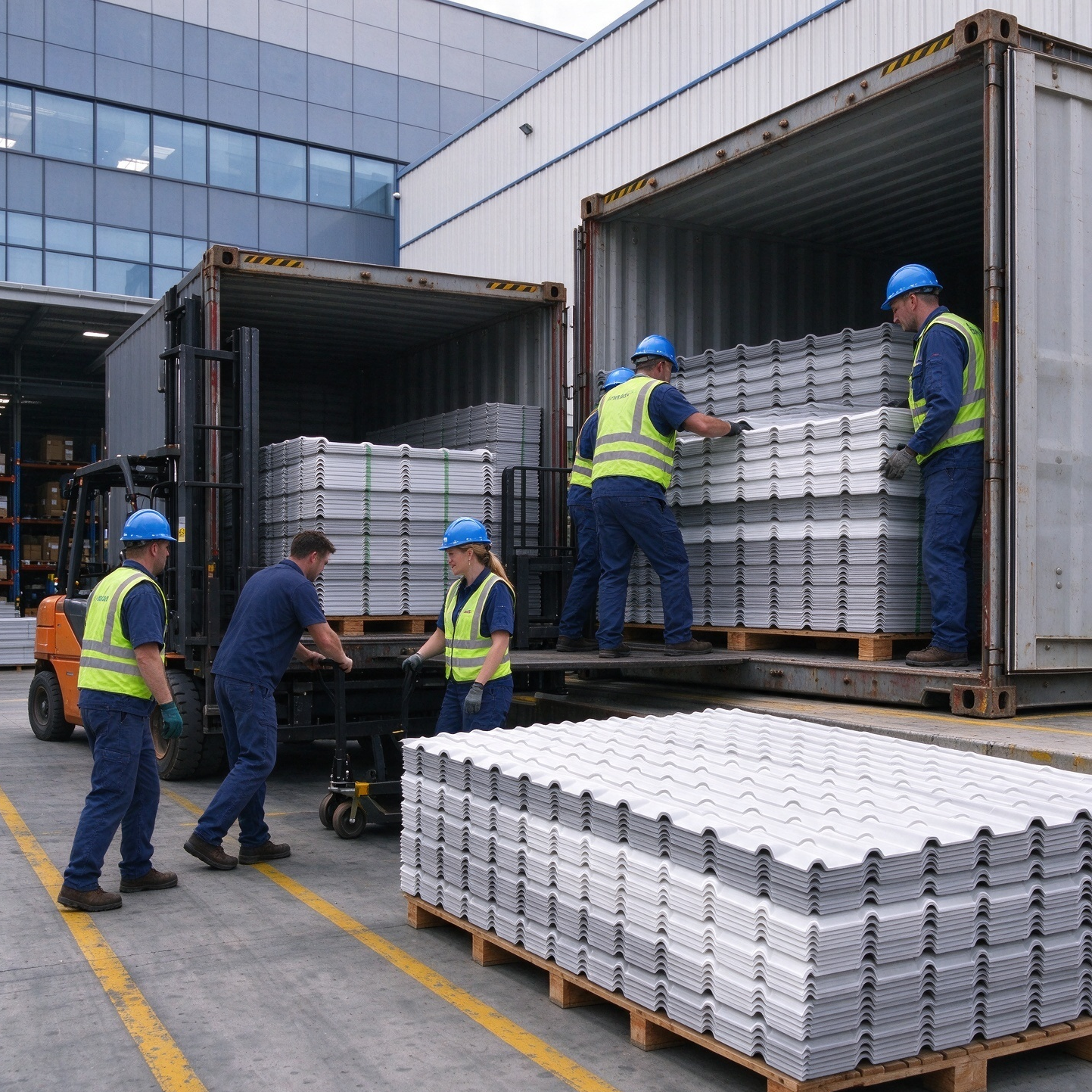
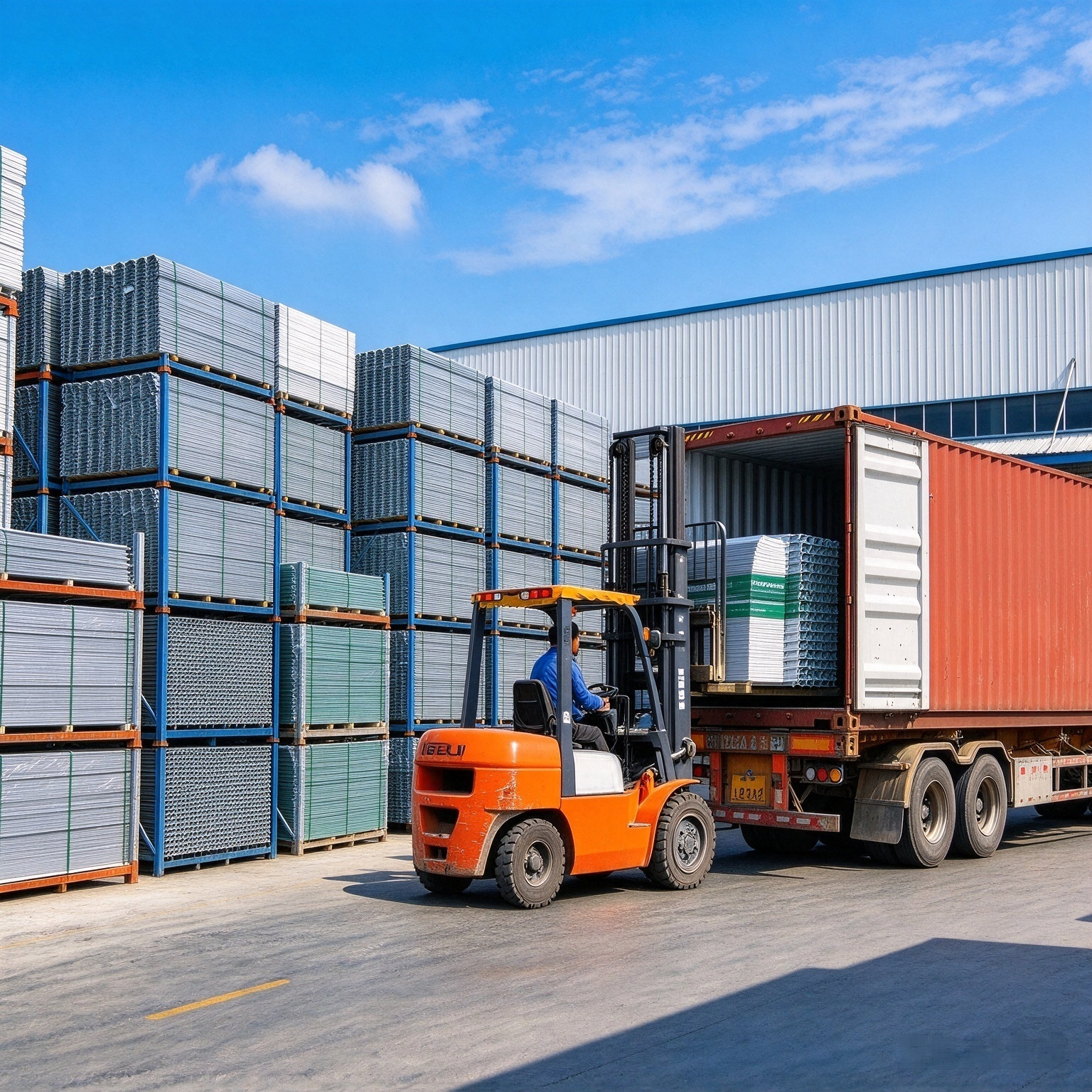
Ultimately, the goal is to secure a supply chain that provides consistency. Whether you are dealing with a specialized ASA resin roofing tiles manufacturer or a broader resin roof tiles manufacturer, look for clear communication regarding lead times and quality control protocols. If you are in the planning phase for an industrial facility, an agricultural warehouse, or a residential development, clear specifications are your best defense against project delays. We recommend requesting documented evidence of factory output and, whenever possible, a site visit or third-party audit to ensure the facilities align with international manufacturing standards. If you need further assistance navigating technical specifications for your next building project, contact our team to discuss your specific requirements.