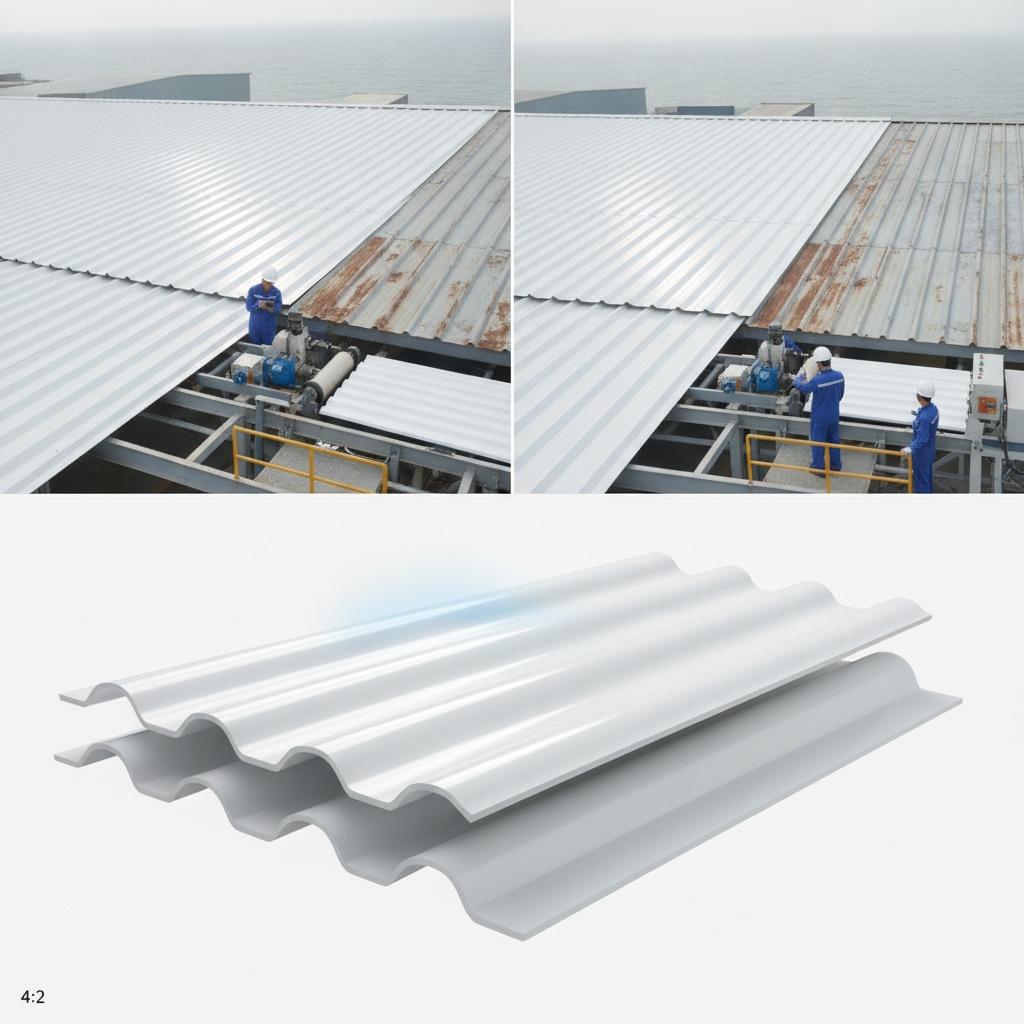
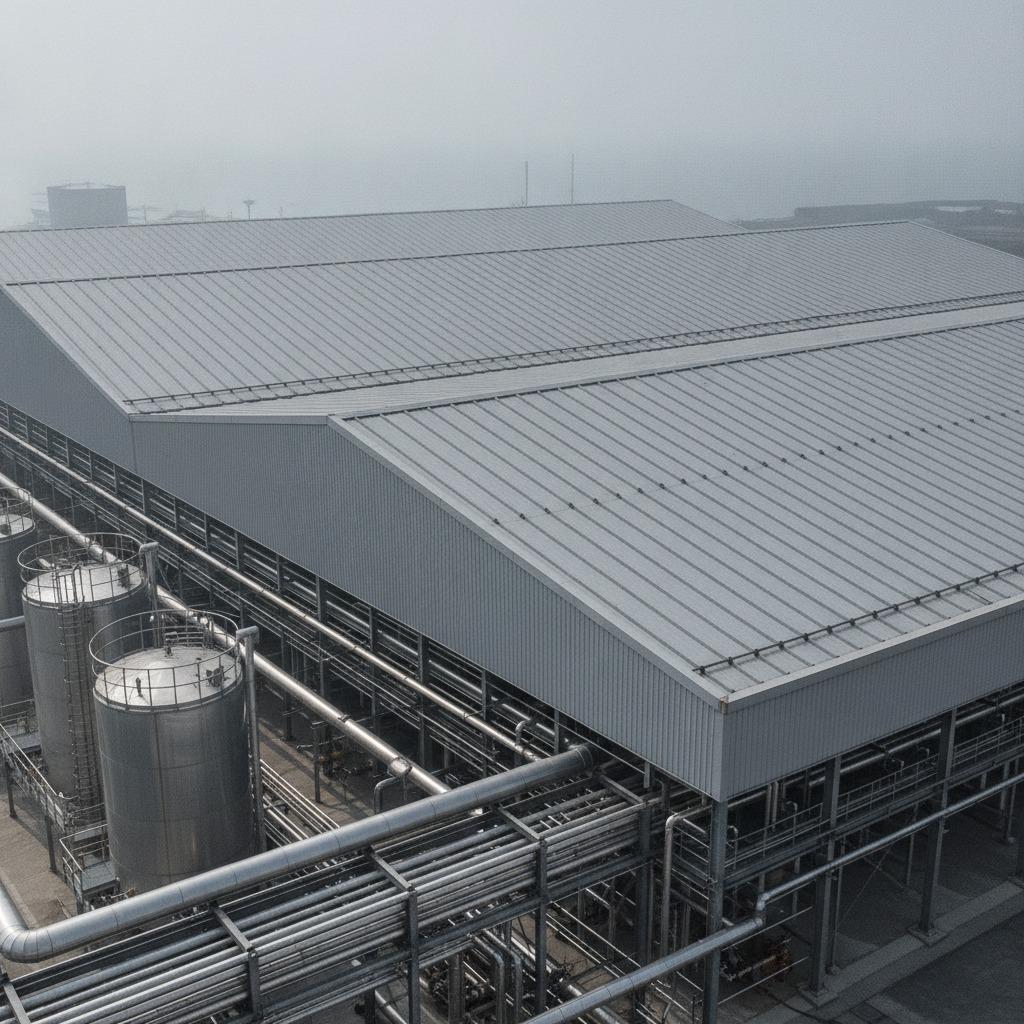
Industrial roofing decisions often come down to an operational calculation: how quickly will corrosive gases, coastal salt air, or chemical washdowns destroy sheet metal? When the answer is "less than five years," facilities turn to polymer alternatives. Yet selecting the right UPVC roof panel manufacturer is where many procurement teams stumble into an expensive trap. The difference between an unplasticized polyvinyl chloride panel that lasts twenty-five years and one that chalks, embrittles, and cracks within three years usually comes down to hidden formulation choices that rarely appear on standard product datasheets.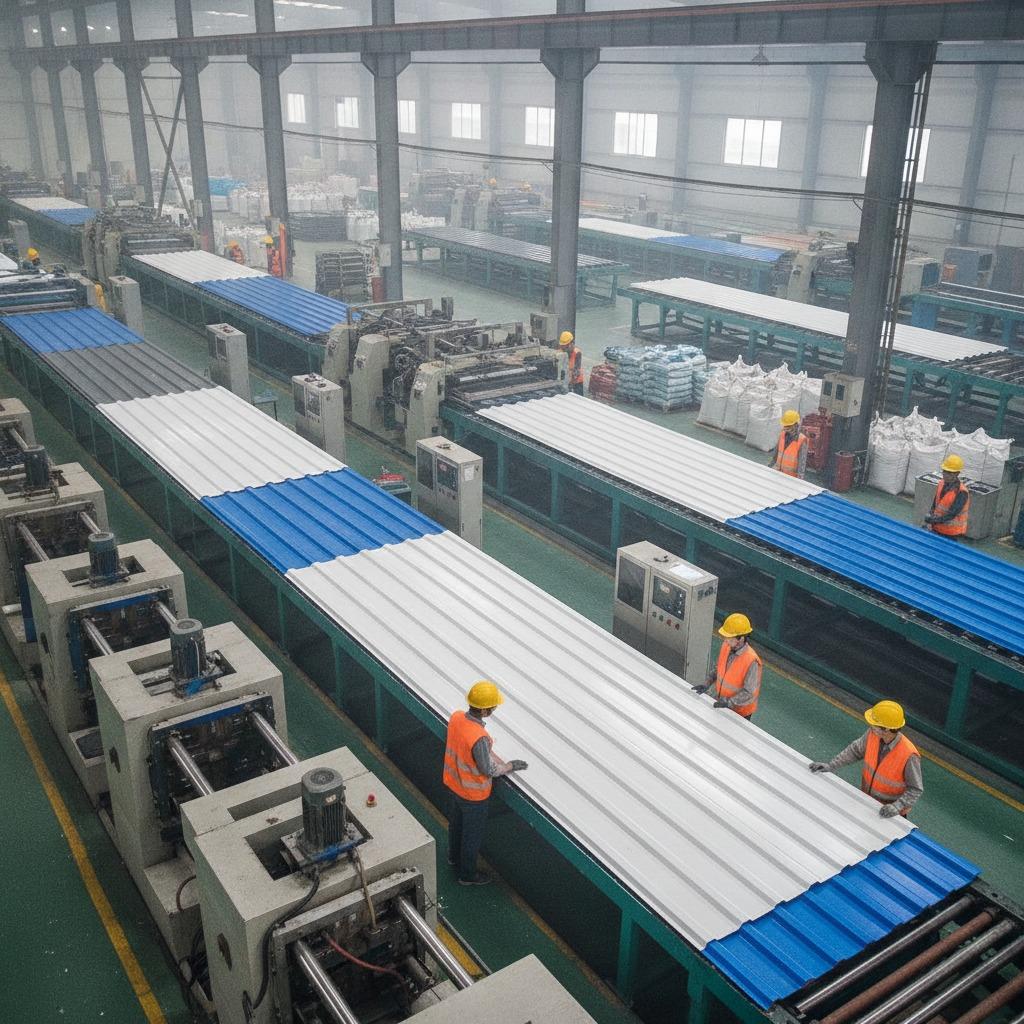
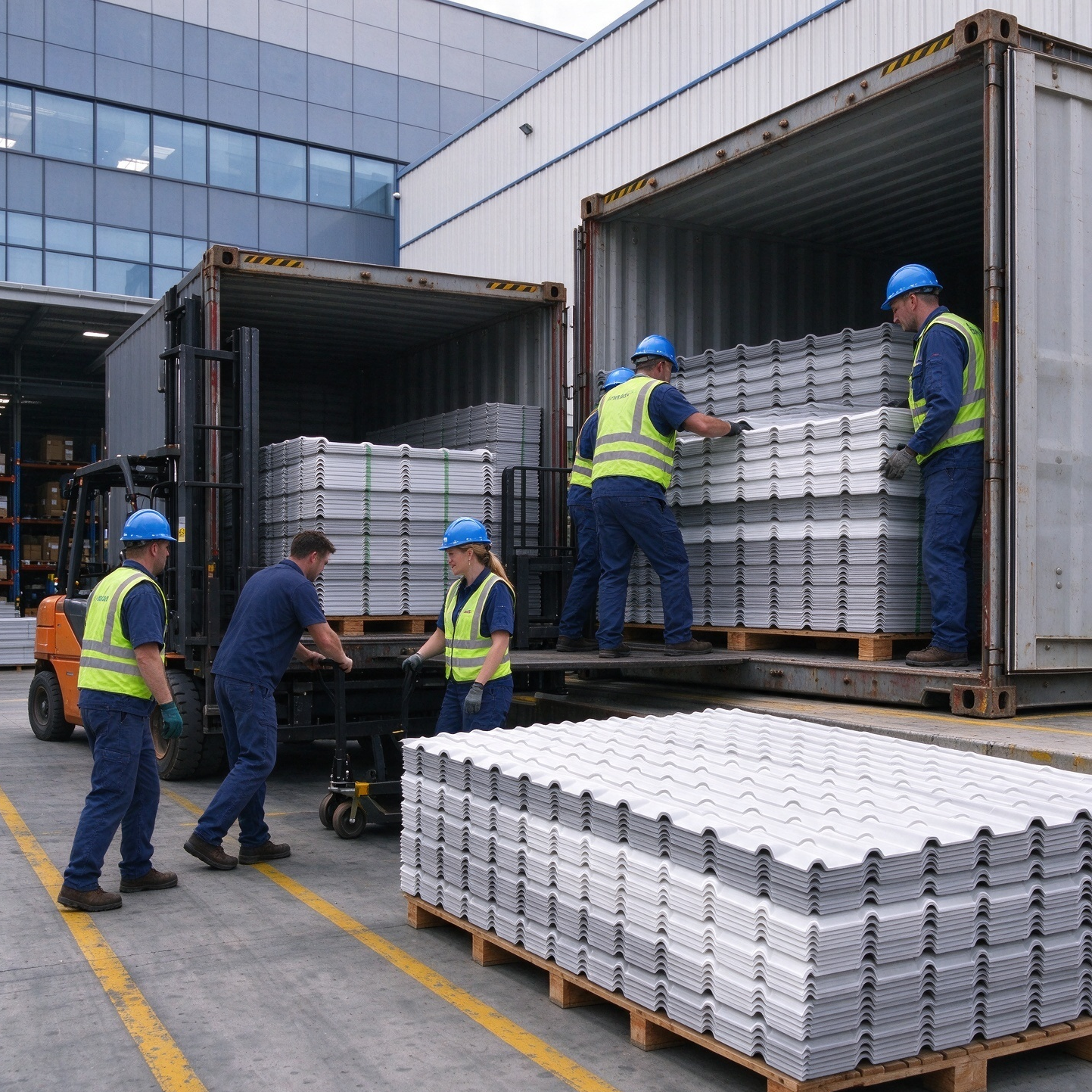
Treating UPVC panels as an off-the-shelf commodity is a procurement mistake. To protect long-term plant uptime, buyers need to inspect the manufacturing chemistry, layer architecture, and production disciplines before committing to container-load orders.
The Formulation Trap: How Budget Manufacturers Cut Corners
Polyvinyl chloride resin is inherently rigid, durable, and naturally flame-retardant. However, raw virgin PVC resin is expensive compared to inert mineral fillers like calcium carbonate (CaCO3). In an effort to win competitive tenders on price per square meter, low-tier extruders alter this balance.
A quality industrial-grade panel maintains a tightly controlled filler ratio—typically below 15% to 20% depending on the specific profile and mechanical requirement. Highly compromised panels, by contrast, can contain filler loadings exceeding 40% or 50%. On delivery day, both panels look virtually identical: clean, white or colored, rigid sheets. Within eighteen months of severe ultraviolet exposure and thermal cycling, the over-filled sheet begins to micro-fissure. The mineral filler leaches out, leaving a chalky surface that turns brittle under normal wind load or light maintenance foot traffic.
Equally problematic is the uncontrolled use of post-consumer regrind. While factory-closed-loop regrind of clean edge trim is standard practice, blending degraded, uncharacterized scrap polymer destroys the molecular chain length required for structural impact resistance.
Layer Architecture: Why Co-Extrusion Outperforms Mono-Extrusion
If you are specifying panels for high-UV or corrosive environments, panel construction is non-negotiable. Industrial buyers should understand the difference between basic mono-extrusion and multi-layer co-extrusion:
- Mono-Extruded Panels: A single homogeneous melt stream. The formulation must balance cost, color stability, core rigidity, and UV resistance in one single compound. Inevitably, performance is compromised on all fronts to keep the overall sheet price down.
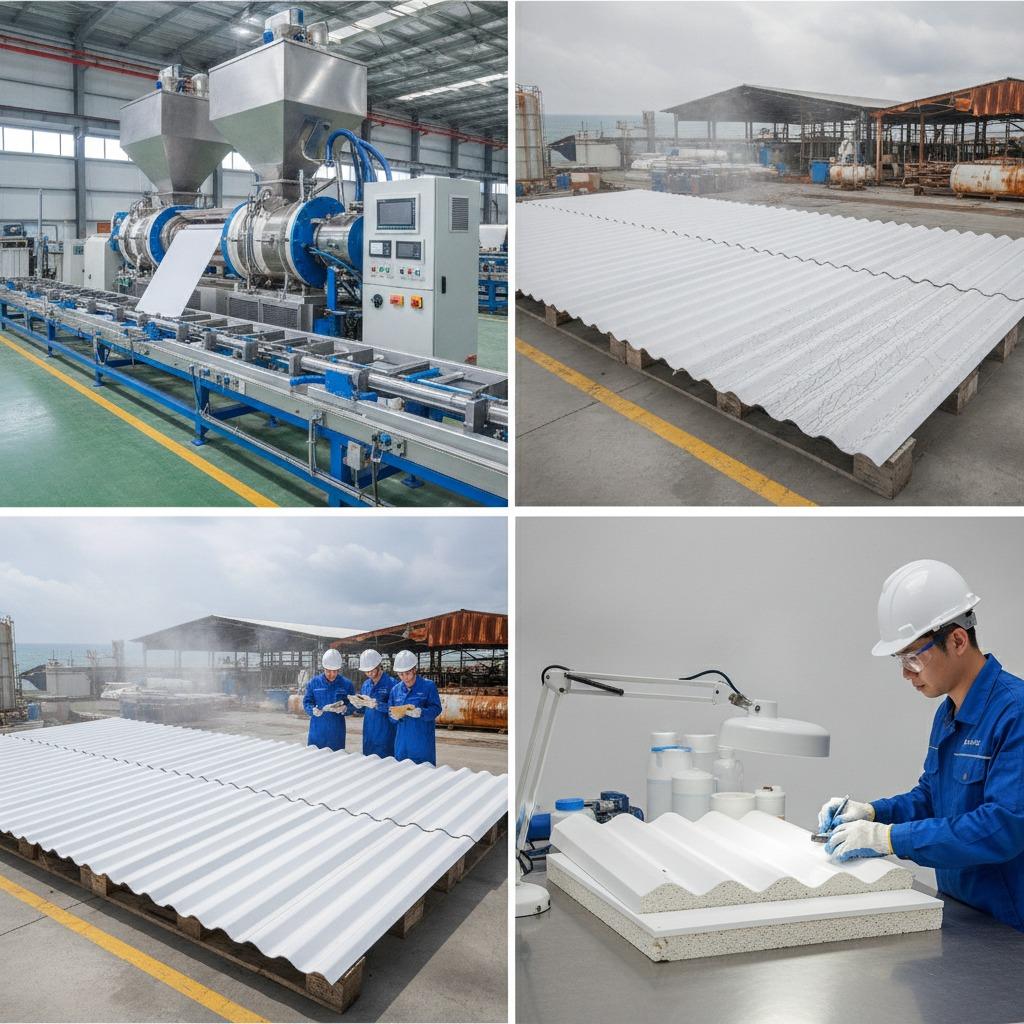
- Co-Extruded Multi-Layer Panels (typically 3-layer or 4-layer): A specialized co-extrusion tool divides duties among dedicated formulations. The core layer focuses on mechanical stability, rigidity, and thermal insulation (often utilizing microscopic closed-cell foamed PVC). The bottom layer resists internal fumes, ammonia, or acid mist. Crucially, the exterior surface is capped with a pure weather-grade polymer.
For outdoor durability, ensure the exterior cap layer contains ASA (Acrylonitrile Styrene Acrylate) or a dedicated high-grade acrylic blend. ASA provides exceptional resistance to color fading and UV degradation. If a prospective UPVC roofing panel manufacturer tells you their mono-layer panel offers the same UV warranty as a co-extruded ASA-capped profile, ask to see their accelerated xenon-arc weathering data under ASTM or ISO standards. The physics of polymer weathering simply does not support that claim.
Three Non-Negotiable Audits for Sourcing Teams
Before awarding a contract to any UPVC roof panel manufacturer, run through these pragmatic verification steps:
1. Ask for the Ash Content Test (ASTM D5630 / ISO 3451)
Do not rely solely on tensile strength spec sheets, which can be manipulated with temporary processing aids. An ash content test burns away the organic polymer matrix and leaves the residual mineral filler behind. A high ash percentage immediately exposes an over-filled, low-polymer formula.
2. Clarify Thermal Movement and Hole Clearance Recommendations
UPVC has a substantially higher coefficient of linear thermal expansion than galvanized steel or fiber cement. A knowledgeable manufacturer will not just sell you profiles; they will supply engineered fastener details, oversized pre-drilling guidelines, and self-centering sealing washers. If a supplier treats thermal fastening as an afterthought, expect leaking screw penetrations and warped spans during seasonal temperature swings.
3. Inspect Profile Consistency and Die Maintenance
Uneven wall thickness across corrugation crests and valleys reveals poor extrusion die control. The crests—which bear the brunt of sun exposure and bending moments—should maintain consistent gauge without thinning. Ask for wall thickness tolerances and audit quality logs across multiple production shifts.
Frequently Asked Questions
Can UPVC panels completely replace corrugated steel in chemical plants?
Yes, and they frequently do. In pickling lines, fertilizer storage, and electroplating workshops where acid fumes attack zinc and paint coatings within months, UPVC remains chemically inert. However, structural purlin spacing must be calculated specifically for polymer load-deflection profiles rather than copying legacy steel purlin tables.
How do UPVC panels perform in heavy hail or impact conditions?
Impact performance depends entirely on formulation flexibility and temperature. At freezing temperatures, low-grade, high-filler panels shatter easily. Panels formulated with proper acrylic impact modifiers absorb impact energy without cracking, retaining structural integrity even in severe weather.
Is an ASA cap layer mandatory for indoor or warehouse cladding?
No. For interior partitions, ceiling liners, or corrosive processing bays shielded from direct sunlight, a standard anti-corrosive UPVC surface without an expensive UV-absorbing cap layer is usually cost-effective and chemically sufficient.
A Smarter Path to Sourcing Durable Roofing
Roofing failure rarely announces itself on day one. It presents three years down the line when warranties are expired, supplier contacts have shifted, and plant equipment is threatened by unexpected leaks. Vetting a UPVC roofing panel manufacturer on resin integrity, cap-layer engineering, and verified filler ratios may require extra effort upfront, but it ensures your building envelope survives the harsh environments for which polymer roofing was invented in the first place.