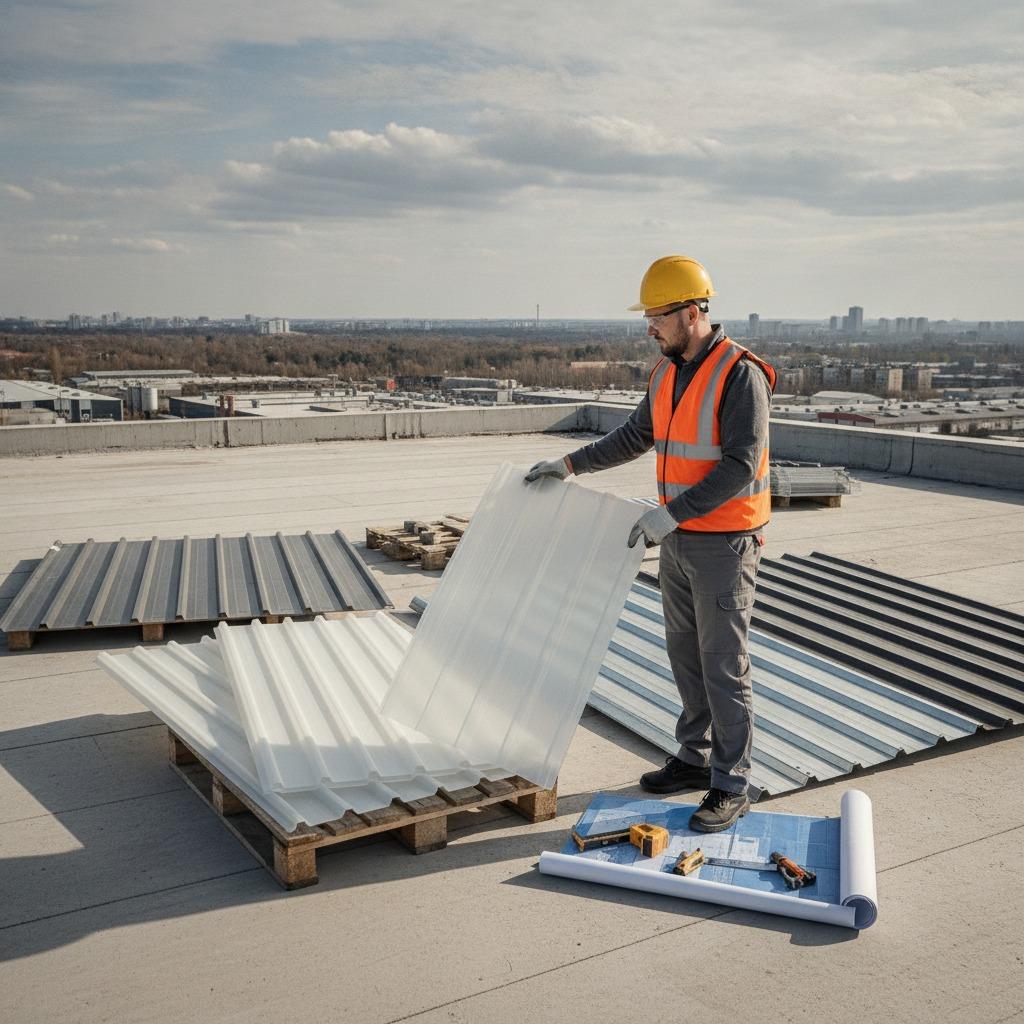
Why ASA synthetic resin roof tile keeps showing up in replacement specs
When buyers start comparing roofing options for warehouses, farm buildings, villas, or small industrial blocks, the discussion often lands on ASA synthetic resin roof tile. The reason is simple enough: people want a roof that looks tidy, handles weather without constant repainting, and avoids the corrosion issues that can trouble metal sheets in harsher environments. That does not make it a universal answer, but it does make it a serious candidate when the brief is durability with a lighter visual profile.
In practice, the decision is rarely about one feature alone. Engineers and sourcing managers usually want to know how the tile behaves under heat, sun, rain, and chemical exposure, whether it suits the building’s slope and support structure, and how much maintenance the owner is willing to accept later. That is where synthetic resin roof tiles tend to earn attention. They are not a miracle material, but they can solve a specific set of roofing problems quite neatly.
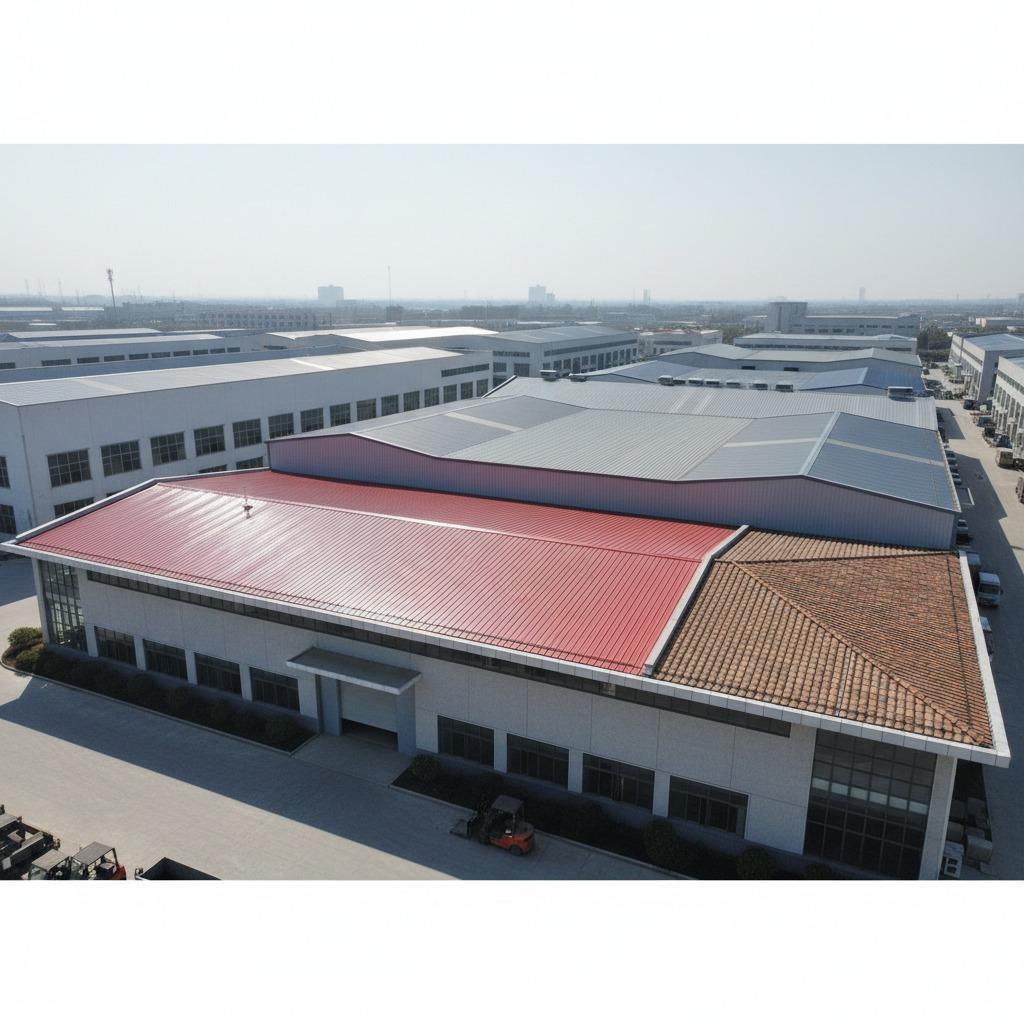
What buyers usually compare first
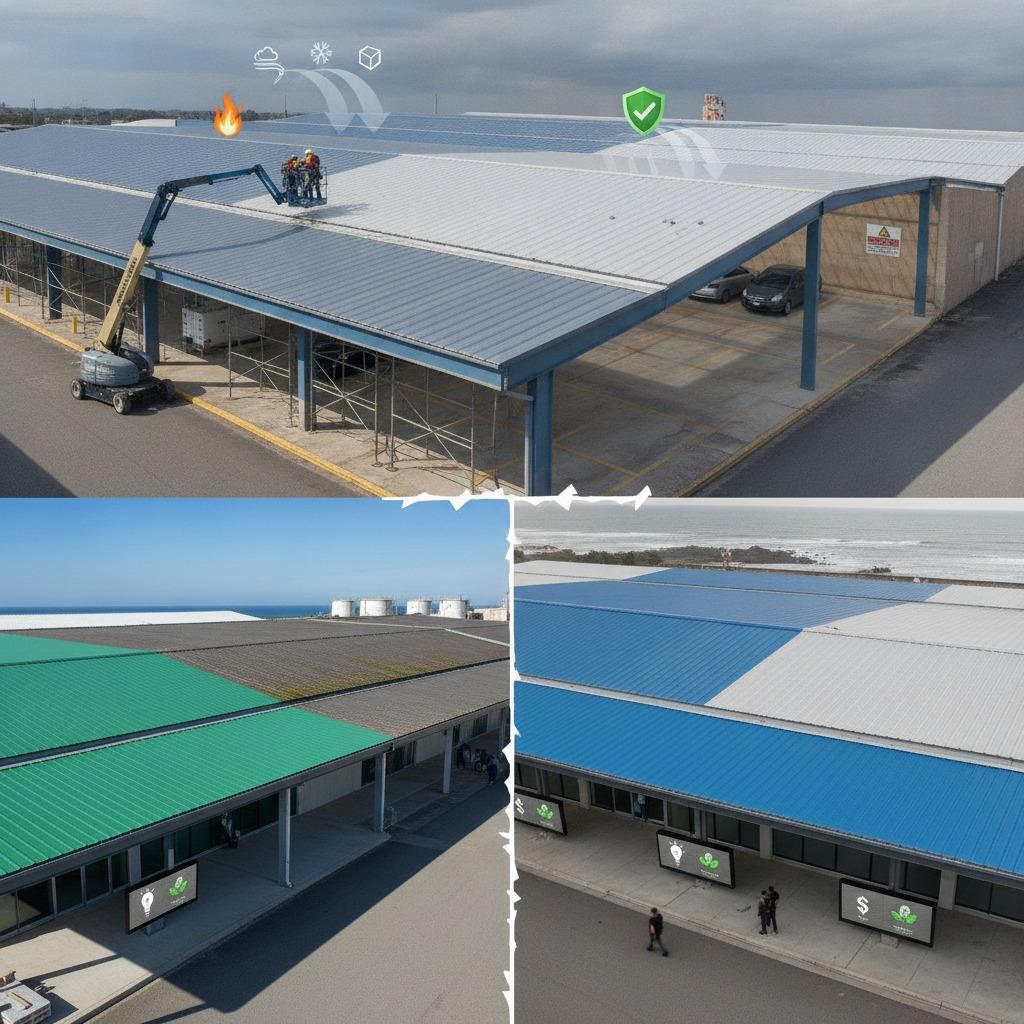
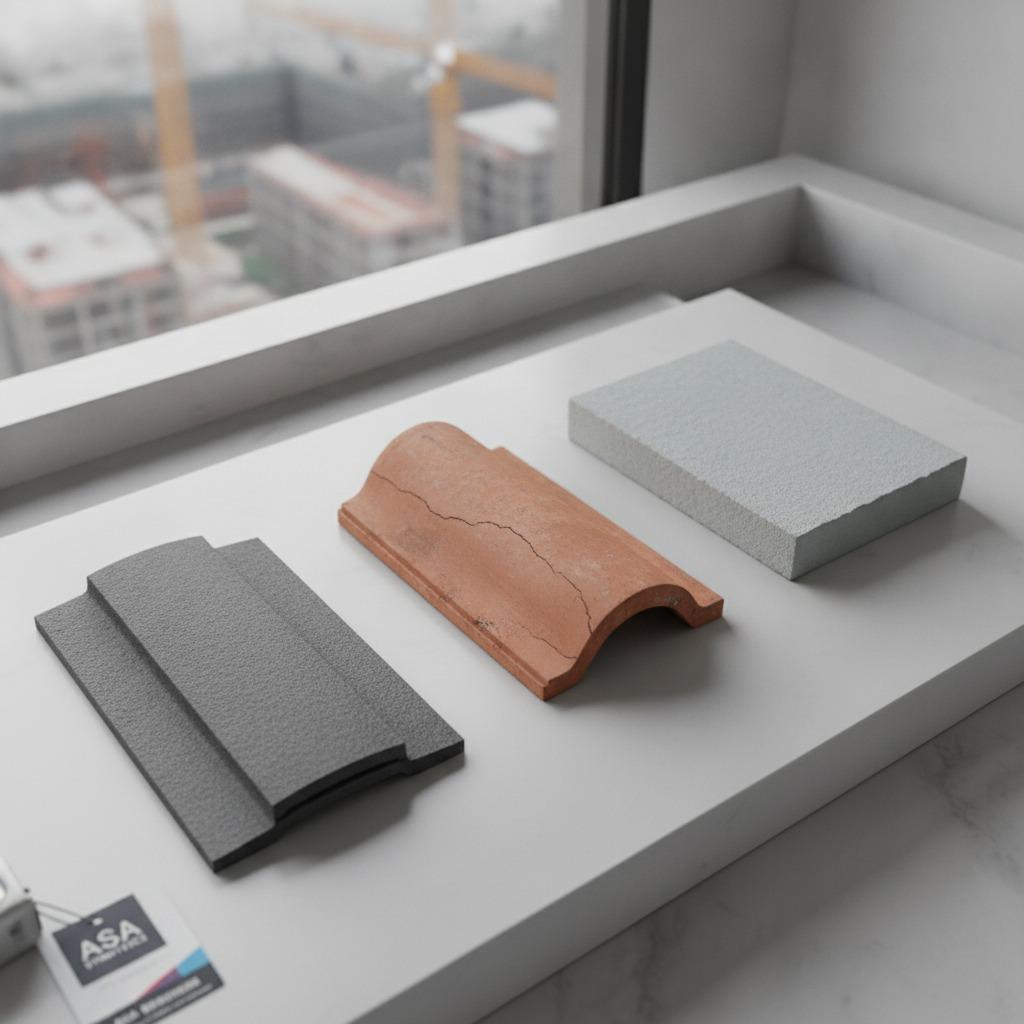
The fastest comparison is often between traditional clay, painted steel, and synthetic resin roof tiles. Clay has a familiar appearance and strong weathering history, but it is heavy. Steel is efficient and fast to install, yet corrosion and surface aging can become real concerns depending on the site. An anti-corrosive roofing option matters in coastal zones, chemical plants, and humid regions where the environment is less forgiving than the brochure suggests.
ASA-based roofing products are often chosen because they combine a decorative finish with practical weather performance. The term “uv resistance” gets used a lot, sometimes too loosely, but it remains central here. A roof tile that stays stable under sunlight is easier to specify for long-term appearance, especially when the building owner cares about color retention. That is also why some projects ask for a colourful synthetic resin pvc roof tile look, even when the underlying product structure is built around resin layers rather than simple visual coating.
Where the material makes sense
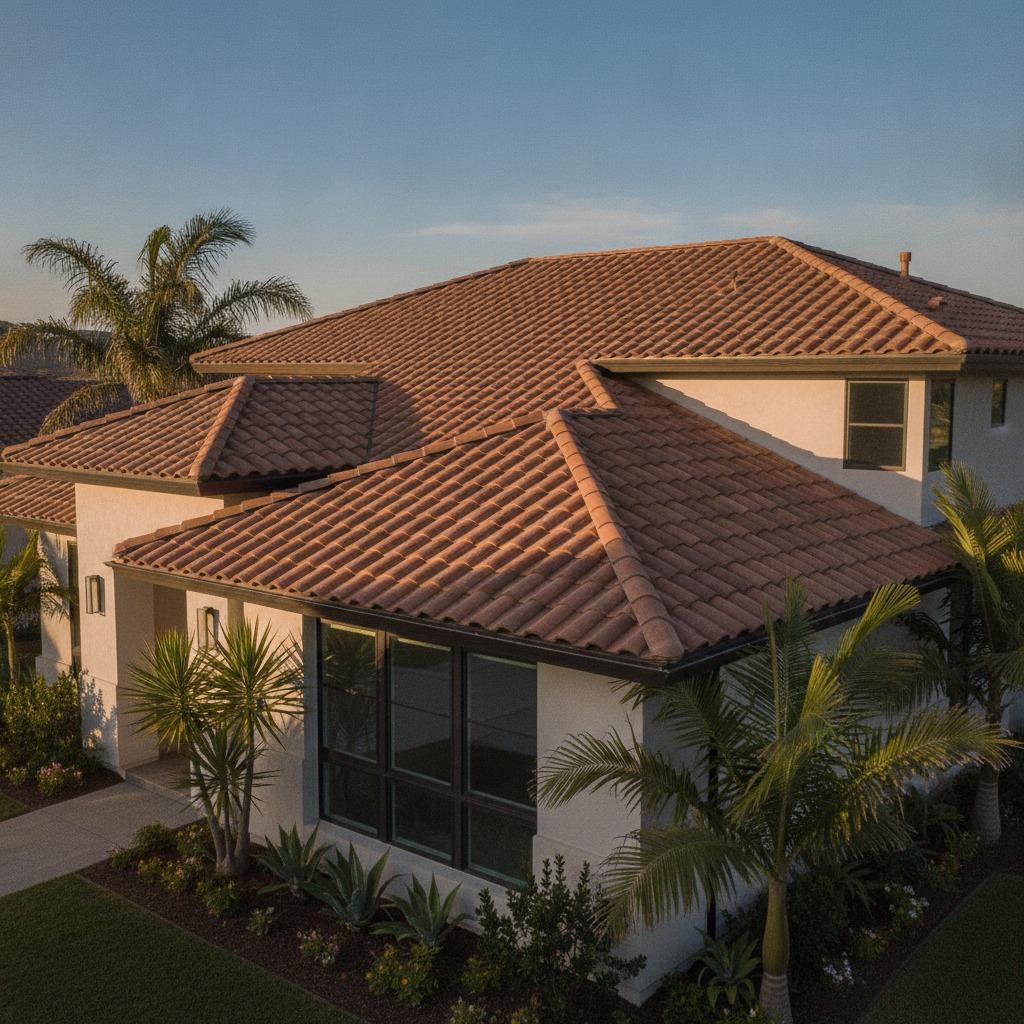
These tiles are often used on villas, garden buildings, commercial pavilions, factories, and renovation projects where appearance matters as much as function. They can suit projects that need a cleaner architectural finish than plain metal sheet, but without the weight and fragility of more traditional roofing materials. In that sense, the product sits between decorative roofing and practical industrial covering.
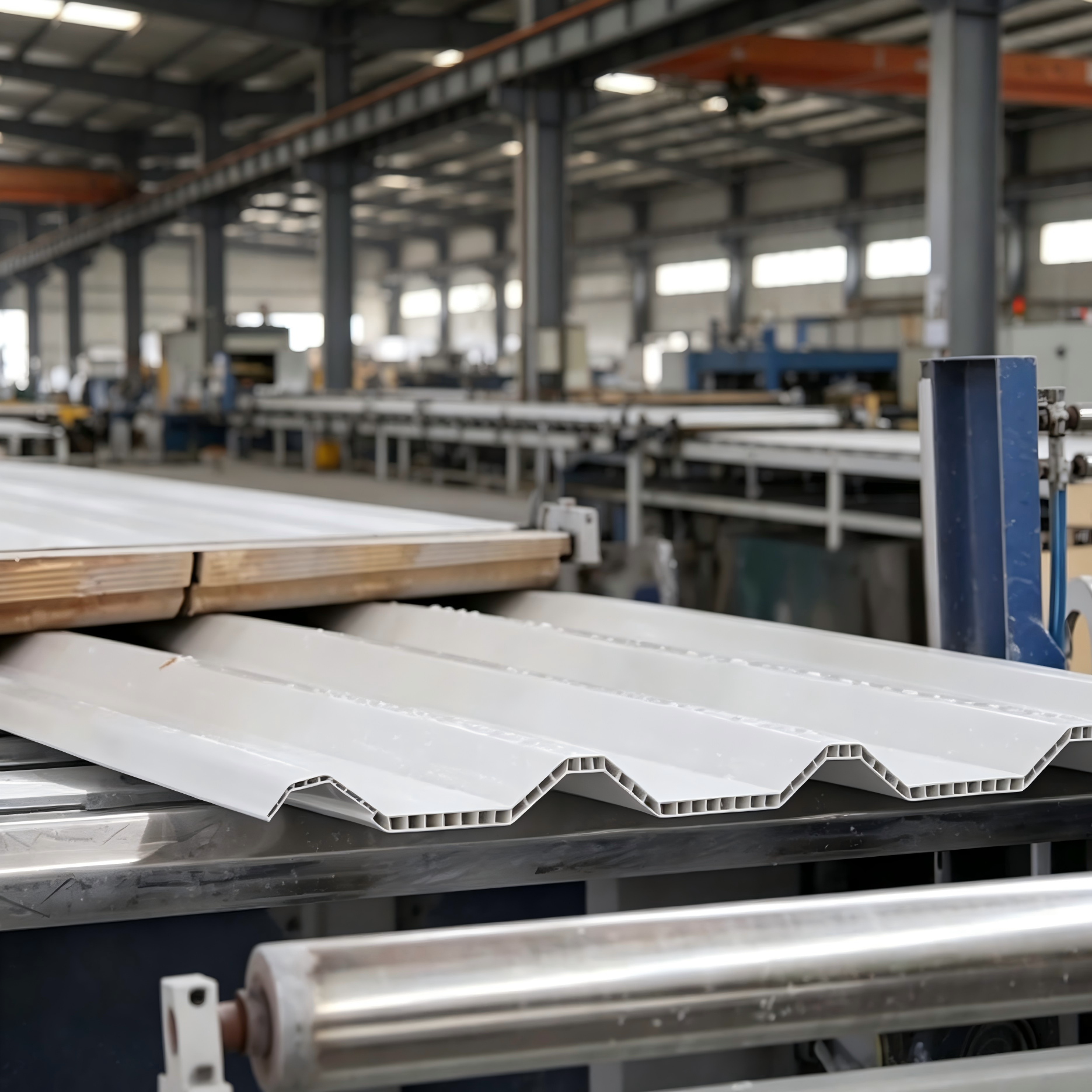
There is a catch, of course. A buyer should not assume every resin roof tile is identical. Formulation, thickness, profile, and installation method all matter. A tile marketed as uv resistant may still perform differently from another product with similar wording if the raw material mix or production control is weaker. That is why sample review and application matching are worth the time.
Selection points that are worth a hard look
1. Weather exposure
If the roof will face strong sun, salt air, or regular chemical drift, the request should focus on UV stability and anti-corrosive performance, not just price.
2. Building type
Light commercial roofs and decorative residential projects do not have the same expectations. A product suitable for a villa roof may not be the best fit for an aggressive industrial site.
3. Appearance over time
Some owners are comfortable with gradual aging. Others are not. If color consistency is part of the sales promise, the roofing choice should be made with that in mind from the start.
4. Installation practicality
Any roof tile that is difficult to handle or align creates field problems. That sounds obvious, but it is one of the most common reasons a “good” product disappoints after delivery.
Common buyer mistakes
The first mistake is treating all plastic or resin roofing as the same. The second is focusing only on appearance and ignoring site conditions. The third is assuming that “resistant” means “maintenance-free.” It does not. Even a well-chosen ASA synthetic resin roof tile still needs correct installation, proper overlap, and enough structural support beneath it.
Another practical caution: ask whether the product is intended for the climate and application you actually have, not the one shown in marketing photos. A glossy roof sample can be persuasive, but the roof lives outside, all day, every day. That is where uv resistance and material stability earn their keep.
A practical way to brief suppliers
When requesting quotes or samples, it helps to describe the building use, local weather conditions, roof pitch, and whether the priority is visual appeal, anti-corrosive performance, or long service life. If the project is looking for a decorative finish, say so plainly. If it is a harsh industrial setting, say that too. Clear input usually saves time on both sides.
For teams comparing synthetic resin roof tiles, the best decision is usually the one that matches the roof’s real environment rather than the catalog image. That is a small point, but it often separates a stable specification from an expensive replacement later.
Next step
If you are shortlisting roofing materials, compare ASA synthetic resin roof tile samples against your site conditions and ask suppliers for application-specific guidance. A quick review now is easier than fixing a roof choice after installation.