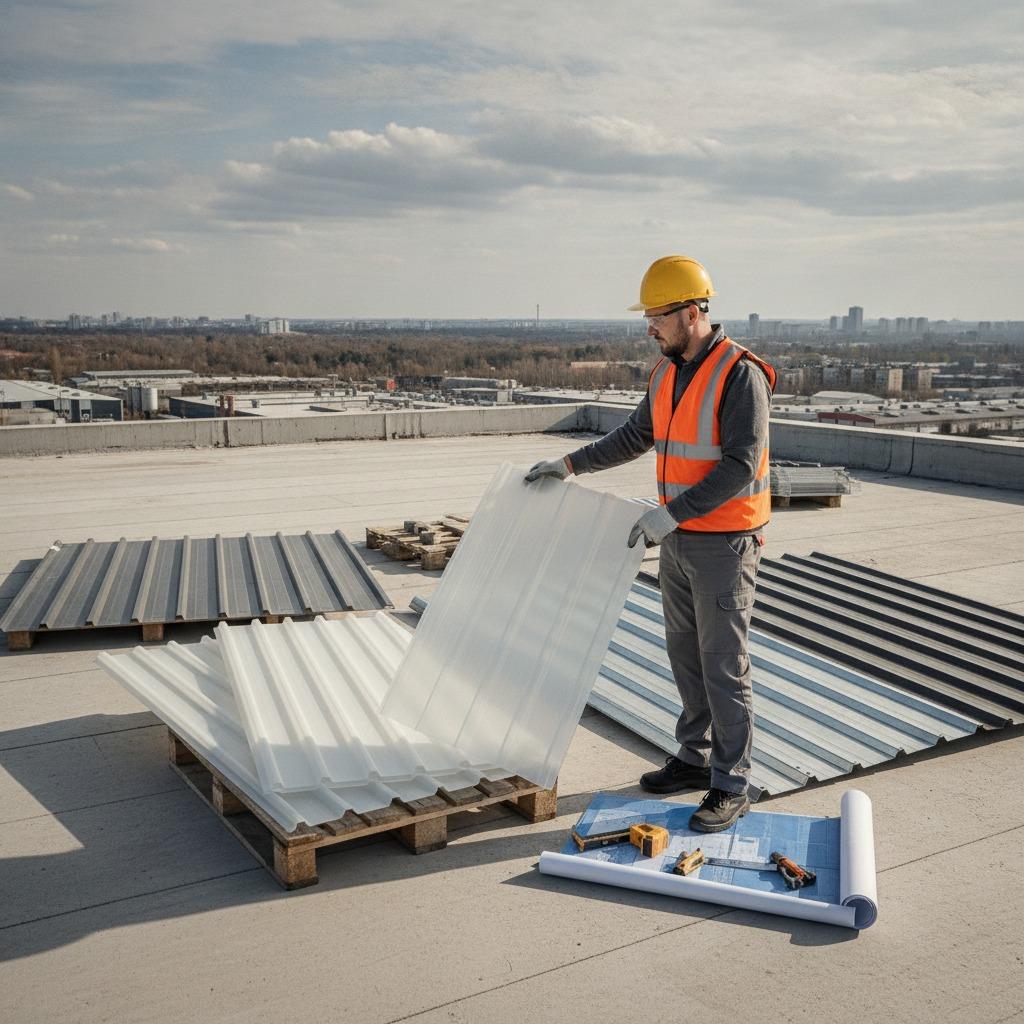
What buyers really mean when they look for an upvc roof panel
An upvc roof panel is usually not just a search for a sheet of plastic. For many buyers, it is a practical answer to a familiar problem: how to cover a building, walkway, shed, warehouse edge, or agricultural structure without inviting rust, rot, or constant repainting. That is why the question often turns less on appearance and more on durability, weather behavior, and maintenance. In the right setting, a uPVC roofing panel can be a sensible, low-drama choice. In the wrong setting, it can become a compromise that looks fine on day one and troublesome after the first hard season.
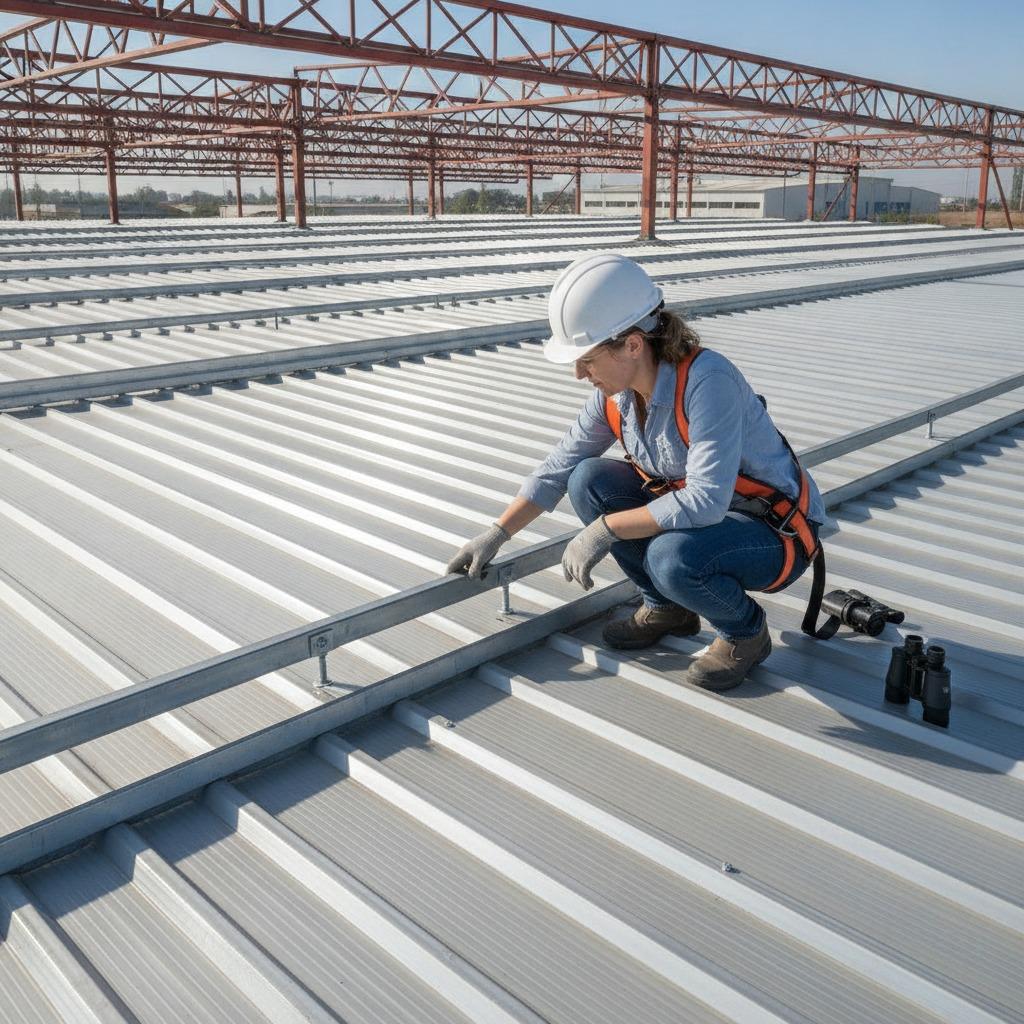
The decision matters because roofing is one of those purchases that is expensive to revisit. Once the panels are up, nobody wants to discover that the profile traps debris, the surface weathers faster than expected, or the installation details were too optimistic. So the real job here is not to pick the cheapest sheet. It is to match the panel to the structure, the climate, and the level of exposure.
Where uPVC roofing tends to make sense
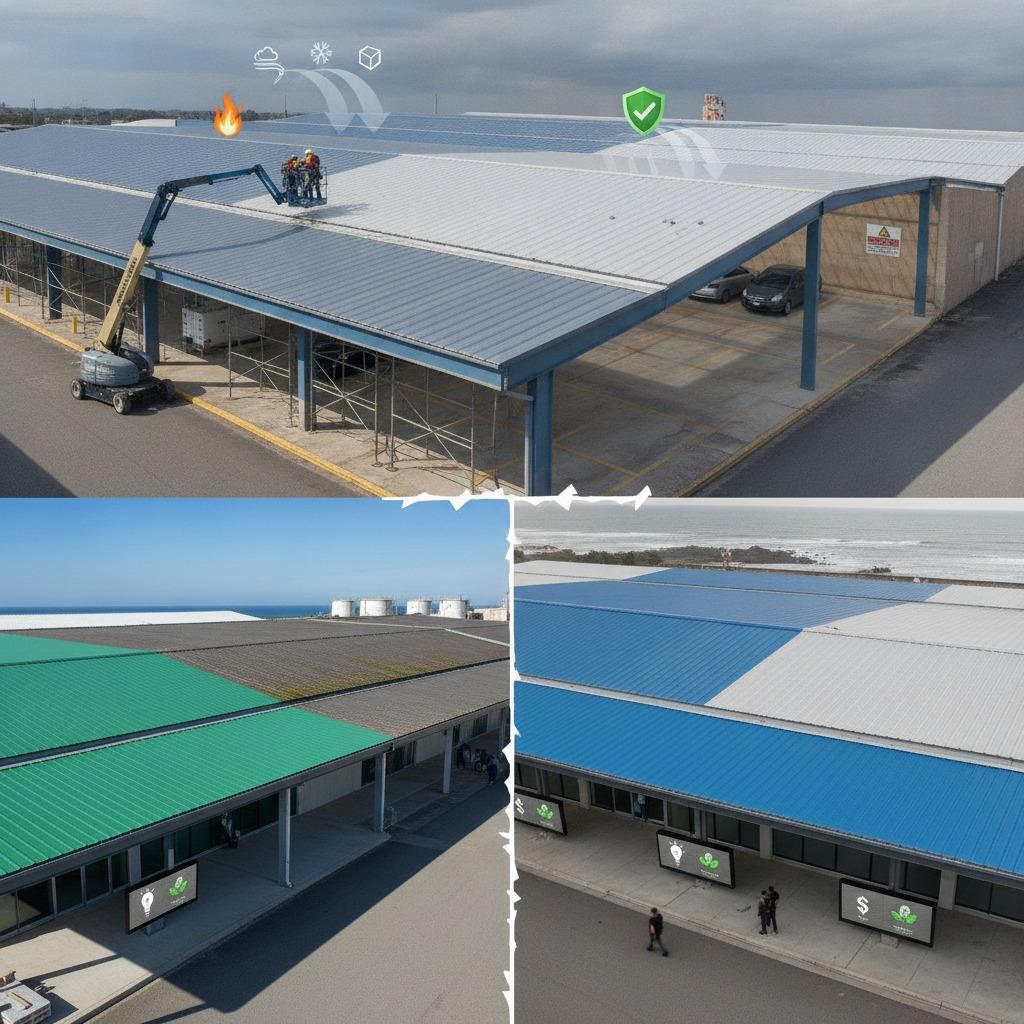
uPVC roofing is often chosen for buildings that need an anti-corrosive surface and a lighter-weight covering than metal. That makes it attractive in humid areas, coastal zones, chemical-adjacent environments, and utility structures where a rugged but economical roof skin is enough. It is also used where sound reduction, easy handling, or a cleaner appearance matters more than maximum structural load capacity.
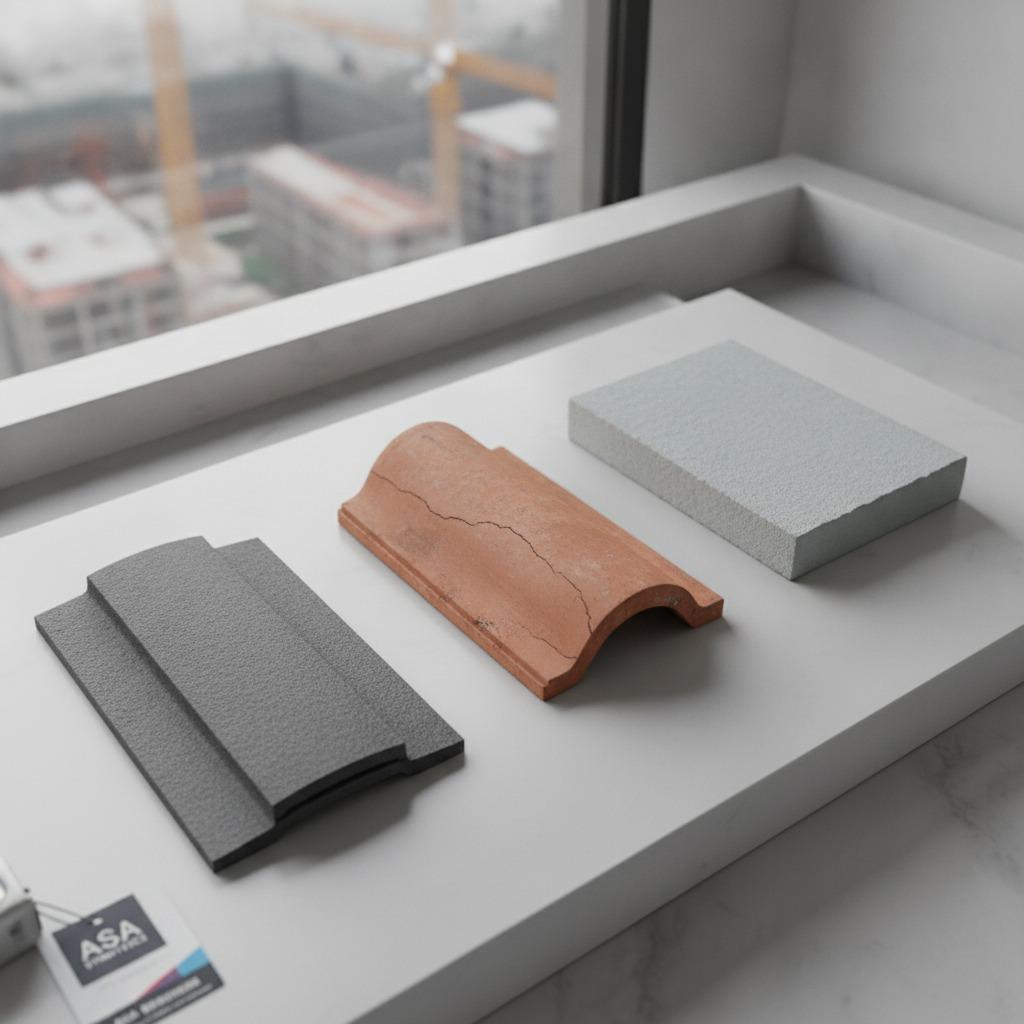
Buyers usually compare a uPVC roofing panel against metal sheet, polycarbonate, or other synthetic roofing products. Metal may offer stronger structural performance in some applications, but it can bring corrosion concerns and thermal movement issues. Polycarbonate may deliver more light, but not every roof should be translucent. uPVC sits in the middle: practical, familiar, and often easier to live with than people expect, provided the specification is honest about its limits.
Key points to check before you specify a panel
Profile and thickness
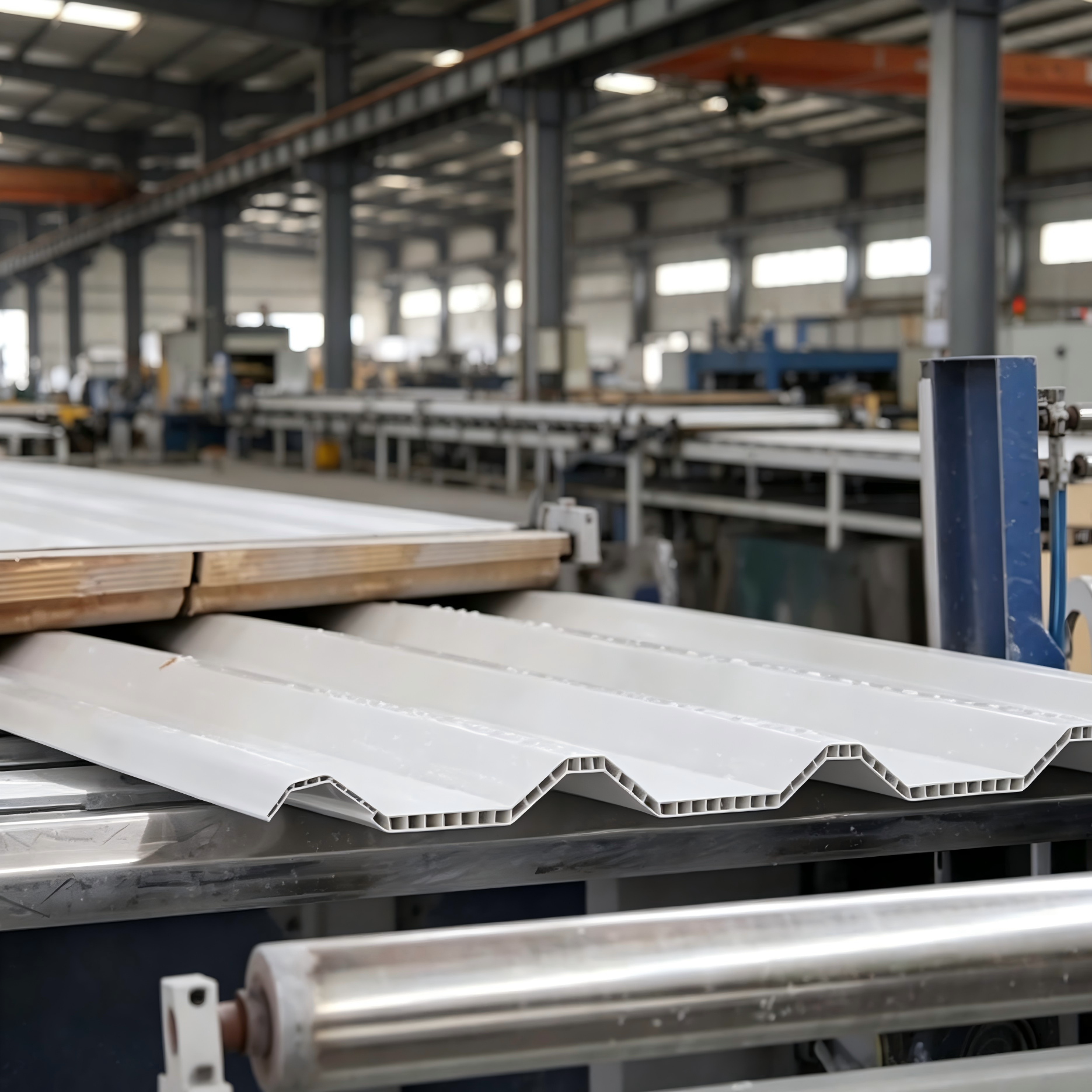
Not all profiles behave the same. Corrugation, rib geometry, and overall thickness affect stiffness, water shedding, and installation feel. A panel that looks substantial in a sample may behave differently once it spans purlins or battens. That is where buyer caution pays off. Ask how the panel is intended to be supported, not just what it looks like on the pallet.
UV exposure and weathering
A uPVC roof panel lives outdoors, so surface formulation matters. Ask how the product handles sunlight, rain, and seasonal expansion. In some projects, the roof is sheltered enough that standard weather resistance is acceptable; in others, long-term exposure is not negotiable. The mistake is assuming every uPVC roofing panel is the same because the base material sounds identical.
Compatibility with the structure
The roof is only as good as the framing beneath it. Fastener layout, overlap, slope, and edge detailing all affect performance. A panel that is technically suitable can still leak or flutter if the installation system is sloppy. This is a common buyer-facing warning: a roofing purchase is never just a sheet purchase.
Common buying mistakes
One frequent error is choosing for price alone and then discovering the panel was intended for lighter exposure than the site actually presents. Another is overlooking ventilation and thermal movement, which can matter more than expected in a large enclosed space. Some teams also confuse a uPVC roof with a universal answer to every roofing problem. It is not. It is a useful material in the right environment, not a substitute for good design.
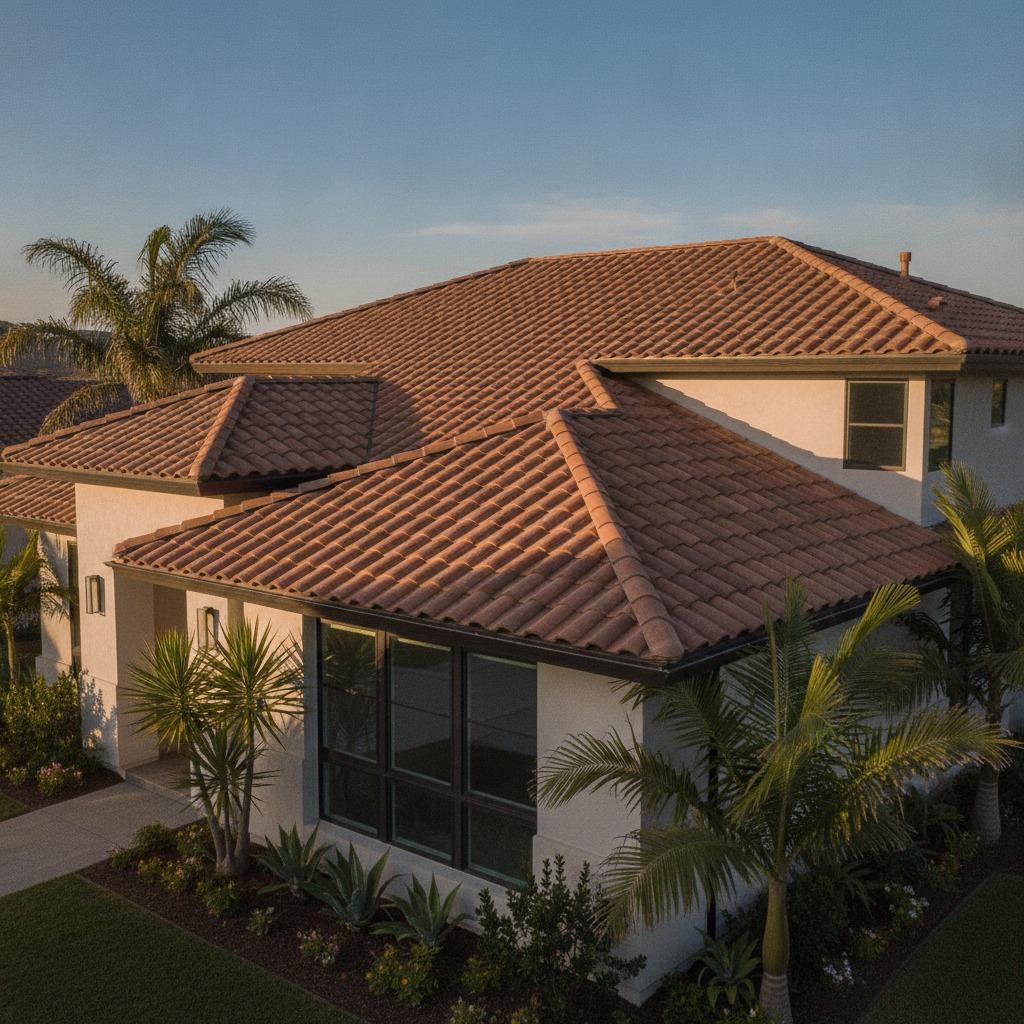
A more subtle mistake is ignoring visual impact. On commercial entrances, farm buildings visible from the road, or customer-facing service areas, the roof does shape the building’s character. If the structure needs to look clean and orderly, color stability and profile finish deserve a real look, not a passing glance.
What a practical buyer should ask the supplier
Ask where the panel is typically used, what support spacing it expects, whether it is designed as an anti-corrosive option, and how it should be handled on site. If the supplier can explain the installation logic in plain language, that is often more useful than a stack of vague claims. The best conversations sound less like a sales pitch and more like a brief engineering review.
If you are comparing a uPVC roof against other roofing choices, focus on the site conditions first: moisture, sunlight, slope, chemical exposure, and maintenance access. Then decide whether the roofing panel is being asked to do something simple and repeatable, or something more demanding. That distinction saves time, money, and a fair amount of frustration.
Next step
For sourcing teams and project engineers, the smartest next move is to build a short comparison around exposure, support structure, and service expectations. Once those are clear, the right upvc roof panel usually becomes easier to identify—and the wrong one easier to eliminate before it ever reaches the jobsite.