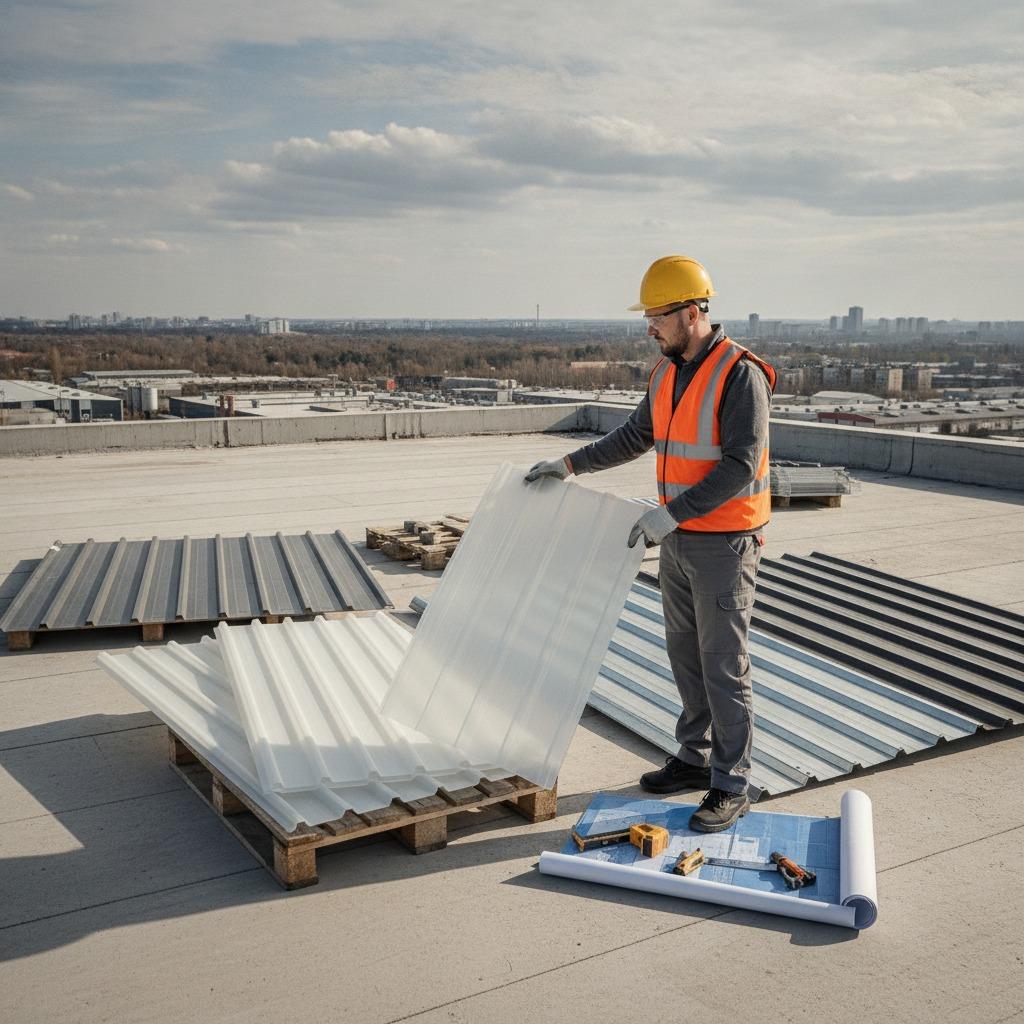
Why resin roof tiles are getting more attention
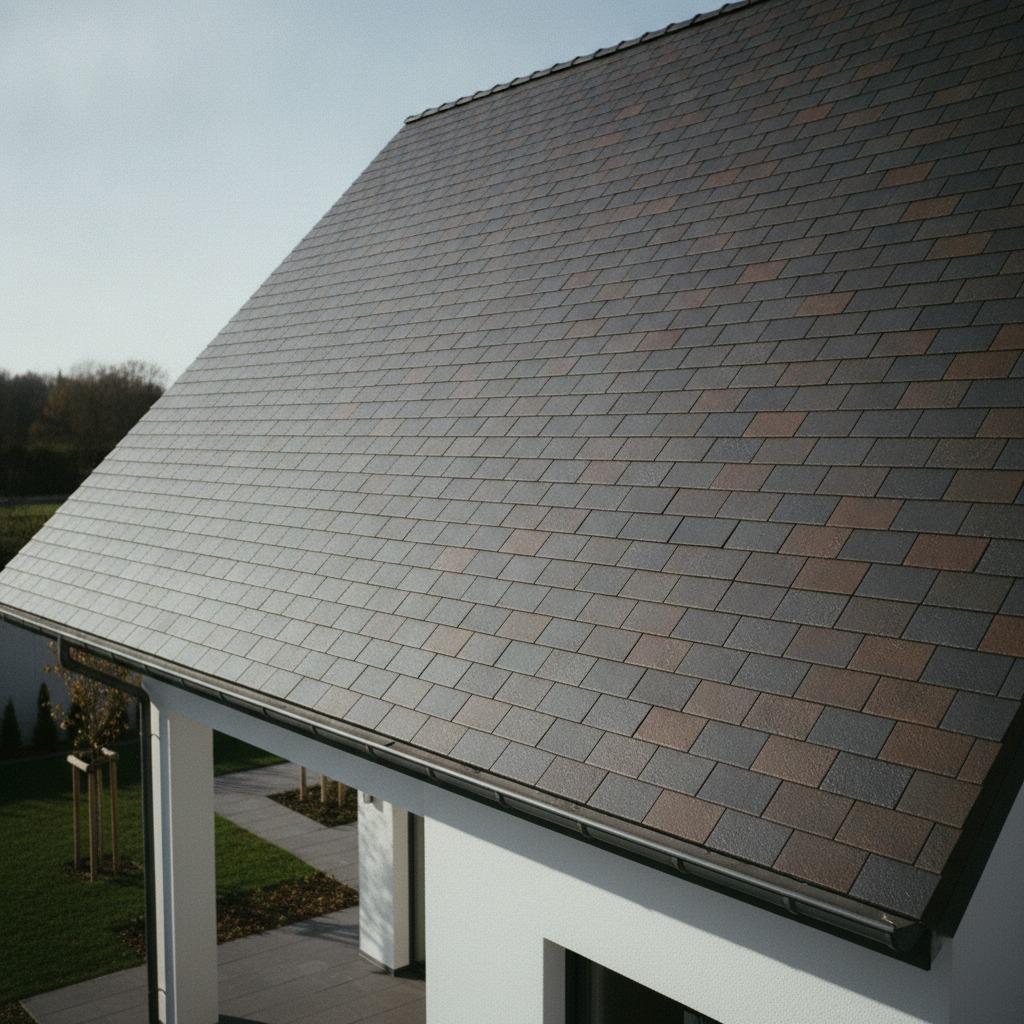
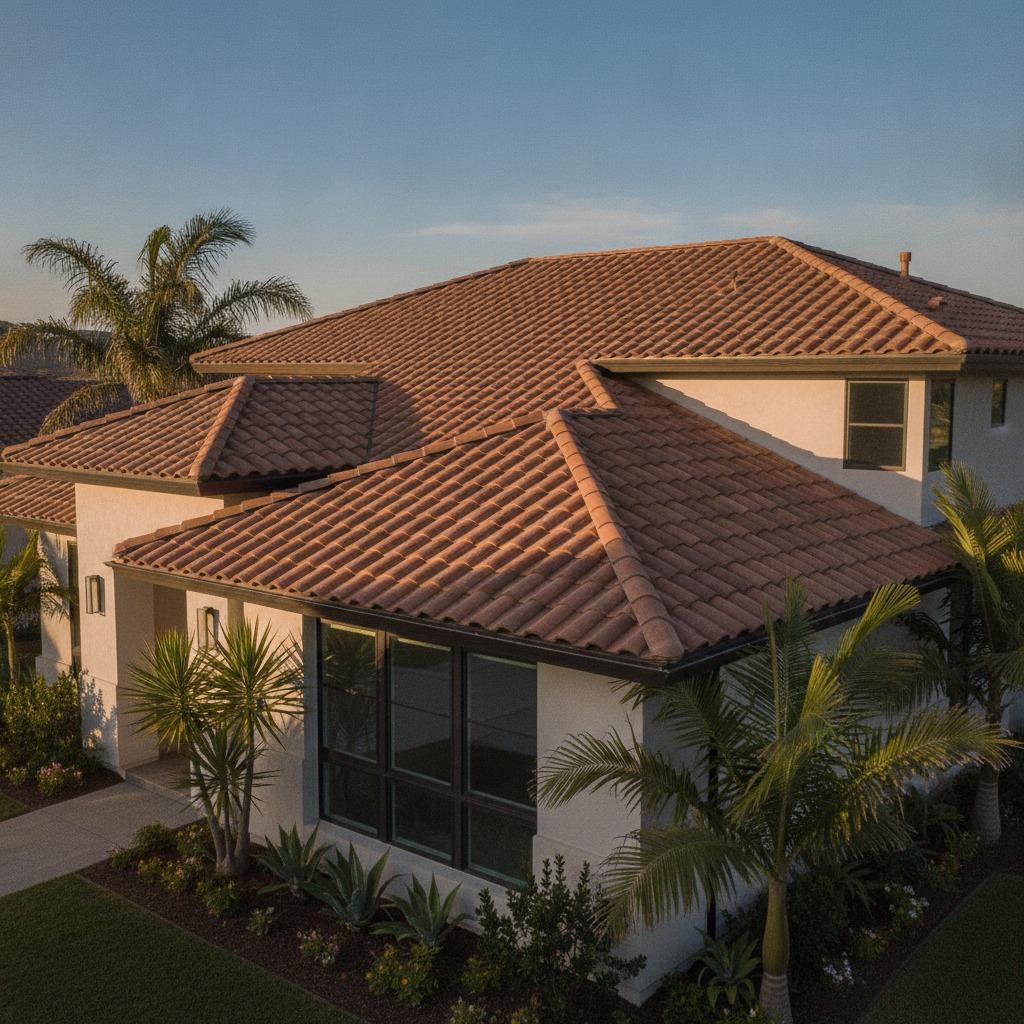
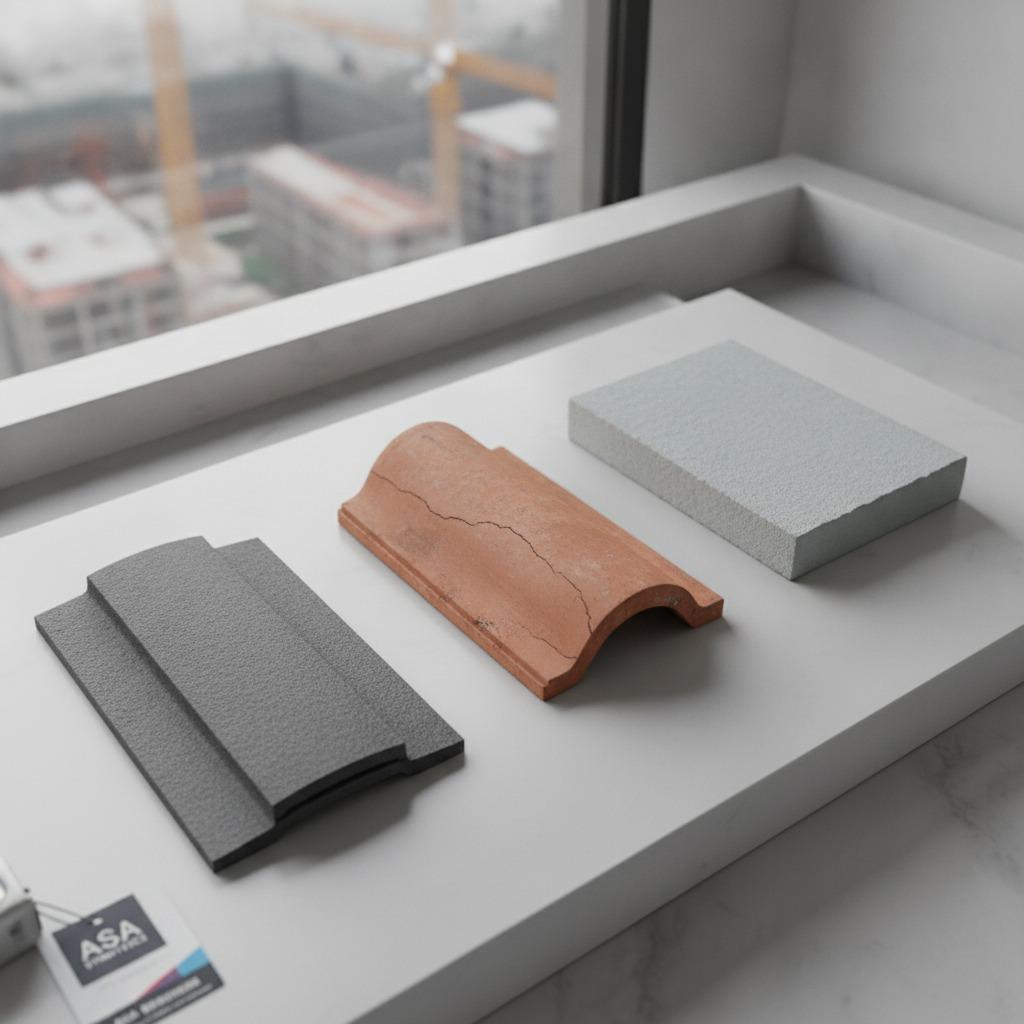
Resin roof tiles have moved from a niche option to a serious roofing choice for buyers who want a lighter, tougher alternative to clay, concrete, or metal in certain environments. The appeal is easy to understand. Roofing is expensive to install and even more expensive to revisit, so any material that reduces structural load, resists weathering, and simplifies handling deserves a close look.
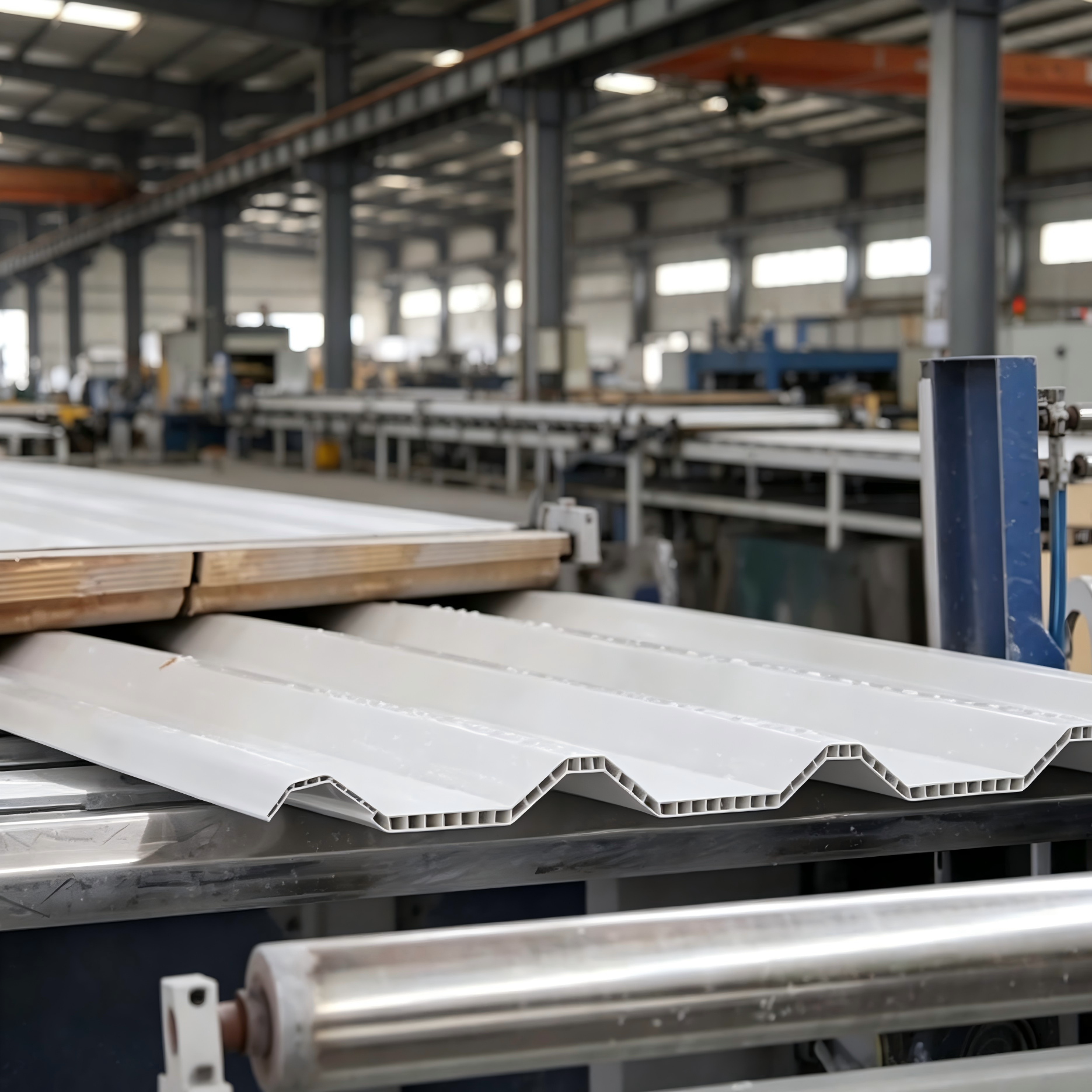
For engineers, sourcing managers, and product teams, the real question is not whether resin roofing tiles sound modern. It is whether they fit the building, the climate, and the maintenance expectations over the long run. That decision depends on a few practical things: how the tiles are made, how they perform under sun and moisture, and whether the supplier can support consistent quality from batch to batch.
What buyers usually want from resin roofing tiles
Most buyers are looking for a combination of appearance and serviceability. Resin composite roof tiles can be formulated for lighter weight, which may help on retrofits or structures where dead load is a concern. They are also often selected for their weather resistance, including anti-corrosive properties in harsh or coastal settings. That said, “resin” is a broad label. The formulation matters more than the marketing name on the brochure.
Another reason resin tile roofing attracts attention is surface durability. In exposed roofs, UV resistance is not a minor detail; it is the difference between a roof that keeps its look and one that chalks, fades, or becomes brittle too early. Buyers should ask what UV resistant materials are used in the blend and how the product is expected to age under local sunlight levels.
Selection criteria that are worth checking
A good sourcing review should start with the basics:
1. Weight and installation method
Lightweight tiles can reduce handling strain and may simplify installation, but they still need correct fastening and compatible underlayment. A lighter tile does not automatically mean a simpler roof system.
2. Weather exposure
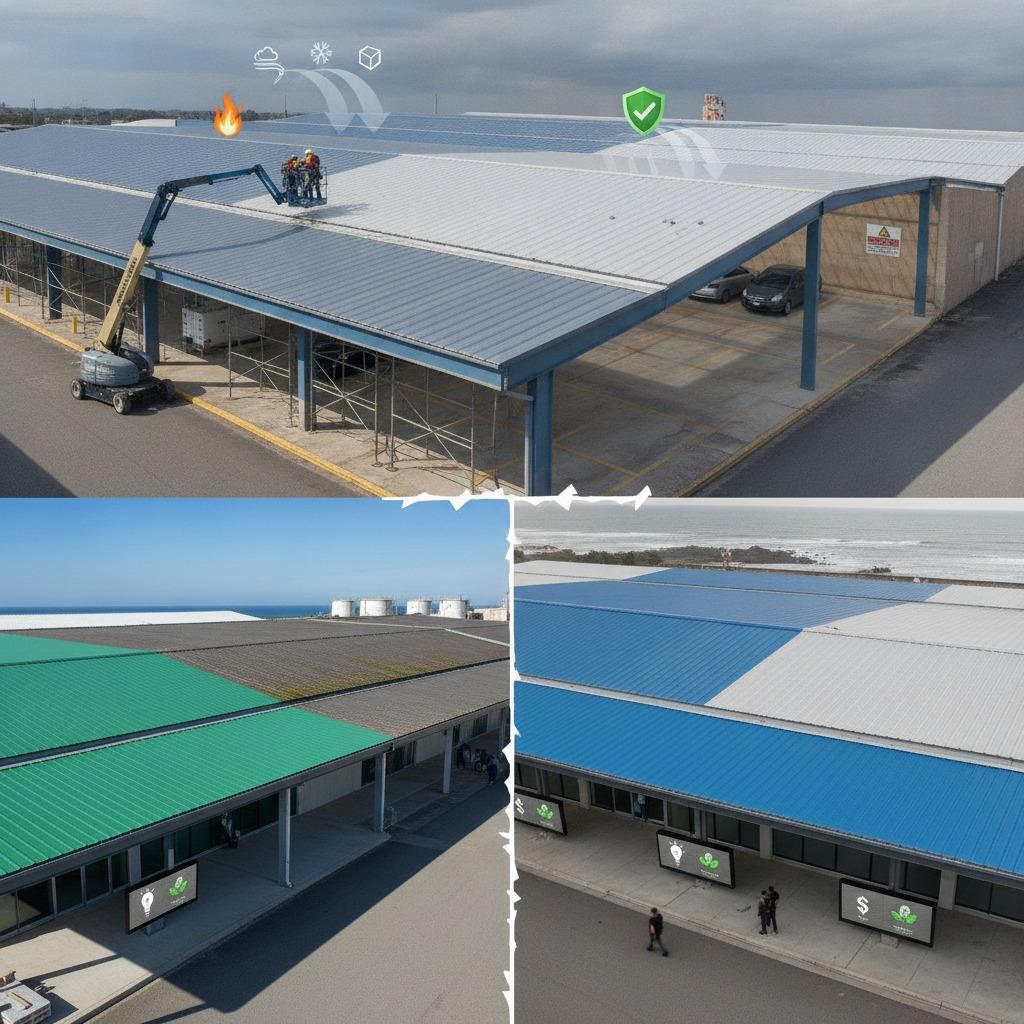
If the building sits near salt air, industrial emissions, or heavy rainfall, anti-corrosive behavior matters. Ask how the material behaves around fasteners, trims, and adjoining roof components as well as on the tile itself.
3. UV stability
UV resistance should be treated as a core specification, not a bonus feature. Sun exposure changes by region and roof pitch, and a roof that looks fine in year one may tell a different story after several summers.
4. Dimensional consistency
Even when the material performs well, poor consistency can slow installation and create visible alignment issues. This is where buyers should press for process control details and sample inspection before committing to a larger order.
Common buying mistakes
One frequent mistake is comparing resin roof tiles only on appearance. Another is assuming all resin roofing tiles have the same weathering behavior. They do not. Formulation, reinforcement, surface treatment, and manufacturing control all shape the final result.
A second misstep is underestimating the roof system as a whole. The tile is only one part of the assembly. Flashing, fixings, ventilation, and substrate compatibility all matter. A product that looks promising on paper can still fail to satisfy if the surrounding components are overlooked.
Practical advice for sourcing teams
If you are evaluating resin composite roof tiles, ask for the details that usually sit behind the brochure language. What resin system is used? What additives support UV resistance? How is the product tested for outdoor exposure? If the supplier cannot answer clearly, that is a warning sign.
For project teams, it also helps to request installed references in climates similar to yours. Field performance is rarely identical from one region to another, but it can reveal whether the product handles heat, moisture, and seasonal movement in a believable way.
Choosing the right fit
Resin roof tiles are not the universal answer for every roof, and they should not be treated as such. But for buyers who need a lighter, weather-conscious roofing material with anti-corrosive potential and strong UV resistance, they can be a practical option worth serious review. The best decisions come from checking the material, the roof assembly, and the supplier’s quality discipline together, not separately.
If you are shortlisting resin roofing tiles for a new build or replacement project, start with a specification sheet, a sample, and a few uncomfortable questions. Those three things usually tell you more than a polished sales presentation ever will.