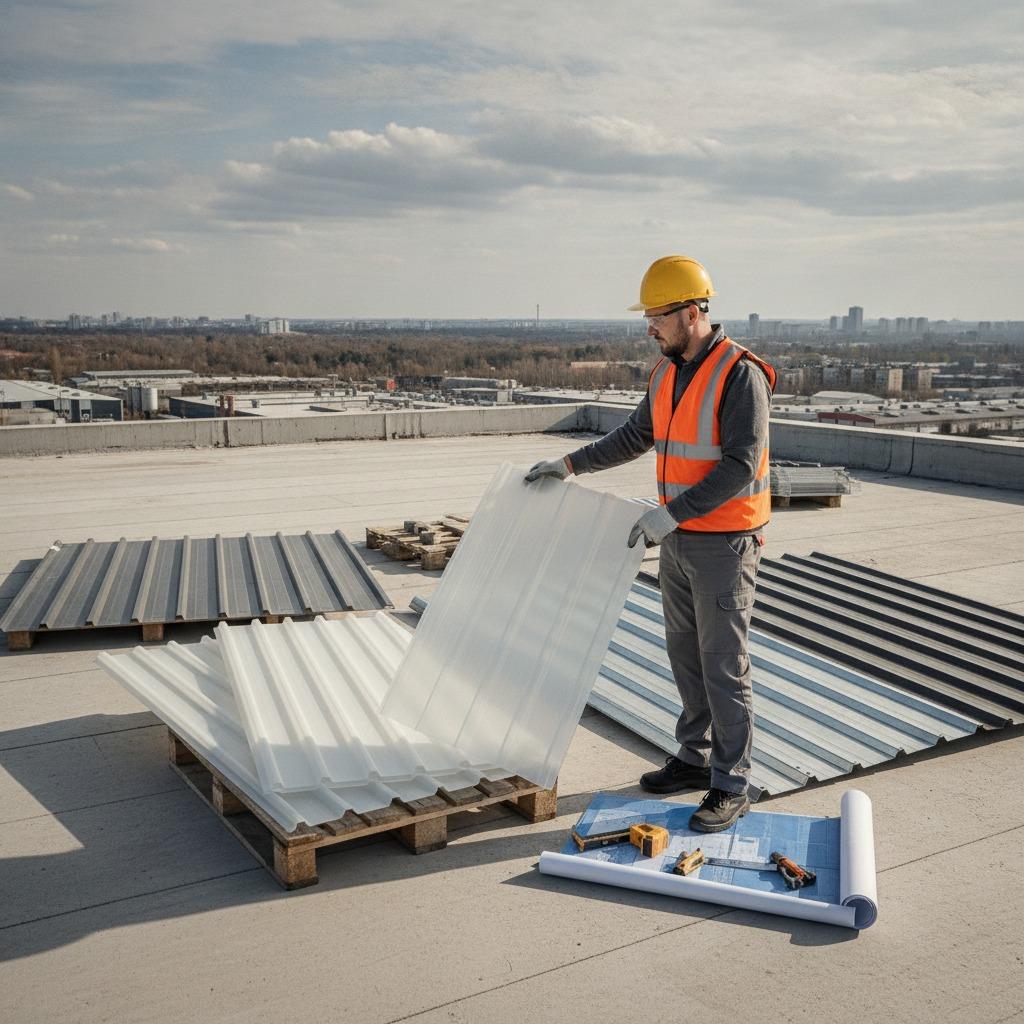
Why ASA synthetic resin roof tiles keep showing up in project specs
ASA synthetic resin roof tiles have become a practical option for projects that need a roof to look sharp, shed water reliably, and hold up in demanding weather without the weight of traditional clay or concrete. For engineers, sourcing managers, and product teams, the real question is not whether the material sounds modern. It is whether a synthetic resin roof tile can reduce maintenance risk, survive sun and rain, and fit the budget and installation method of the job at hand.
That is where these products tend to earn attention. In many applications, the combination of light weight, weather stability, and anti-corrosive performance makes them easier to specify than heavier roofing systems. Still, no roof material is a universal answer. The decision usually comes down to climate, structural load limits, appearance requirements, and how long the building must stay serviceable before major intervention.
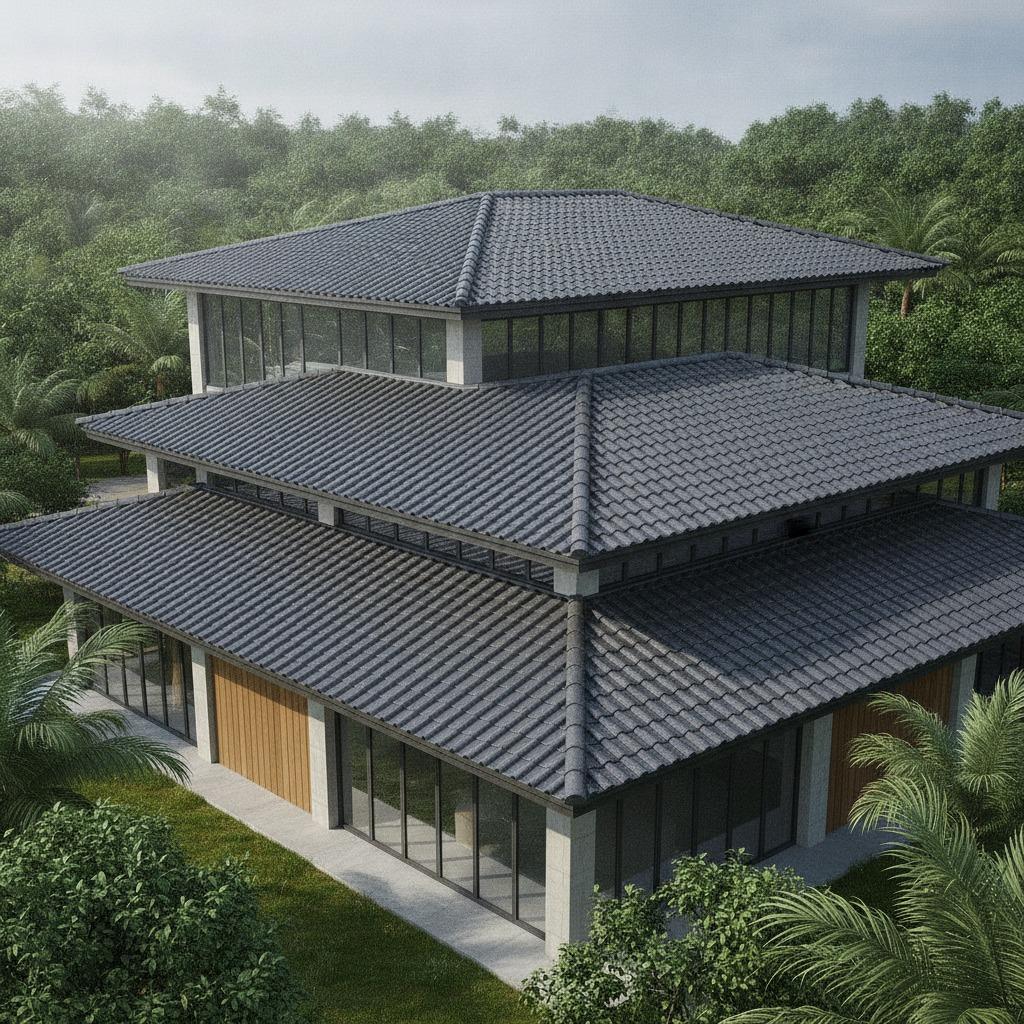
What makes the material different
ASA is typically used as a weather-resistant outer layer in synthetic resin roofing tiles. It is valued for UV resistance, which matters more than many buyers first expect. Roofs do not fail all at once; they fade, embrittle, and begin to look tired long before anyone notices a leak. A resin roof tile with better surface stability can slow that decline and keep a building looking presentable for longer.
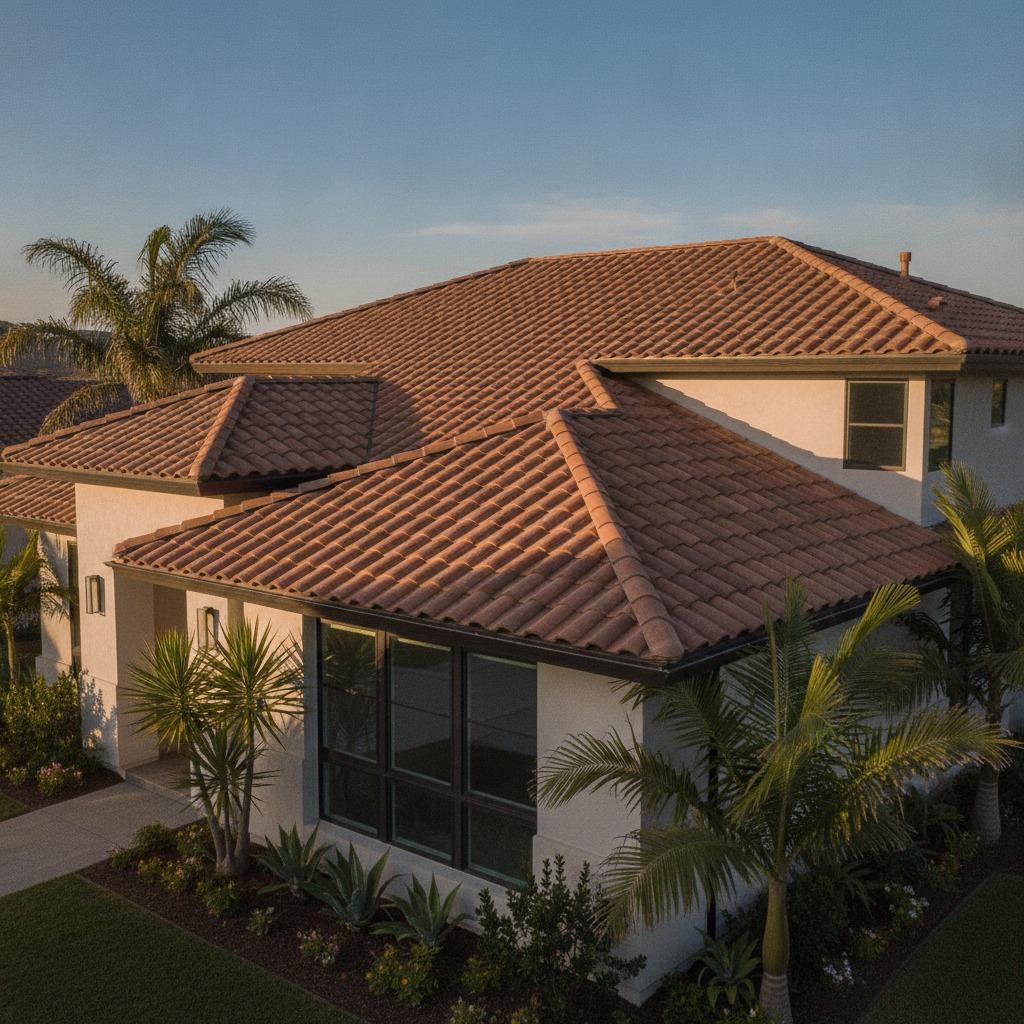
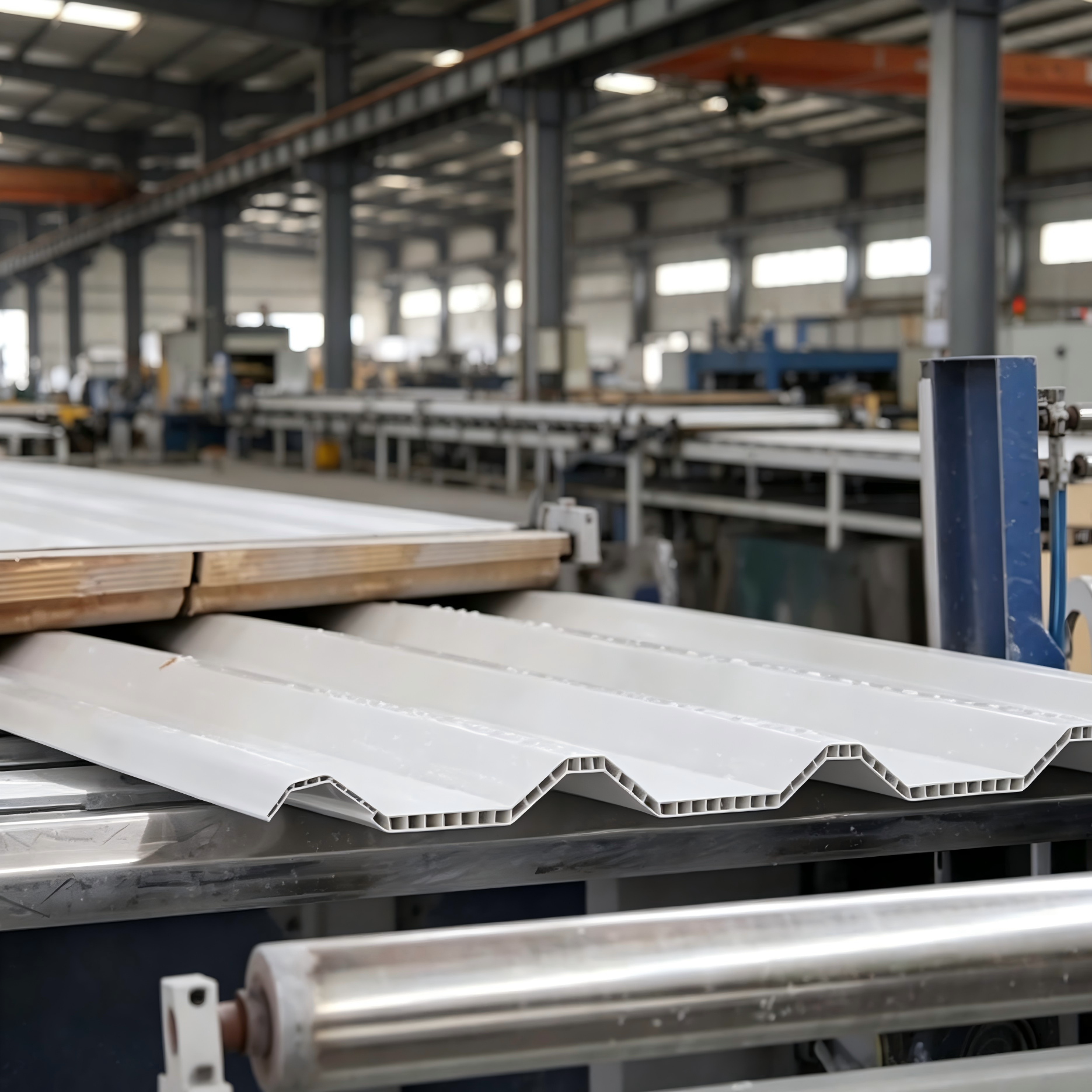
The core appeal of synthetic resin roofing tiles is fairly simple: they are lighter than many conventional roofing materials, easier to handle on site, and often easier to form into profiles that resemble traditional tile. For projects where roof load is a concern, that lightness can be a real advantage. It is not just about lifting pieces onto the roof; it can affect the overall structure below.
Quick reference: where these tiles tend to fit
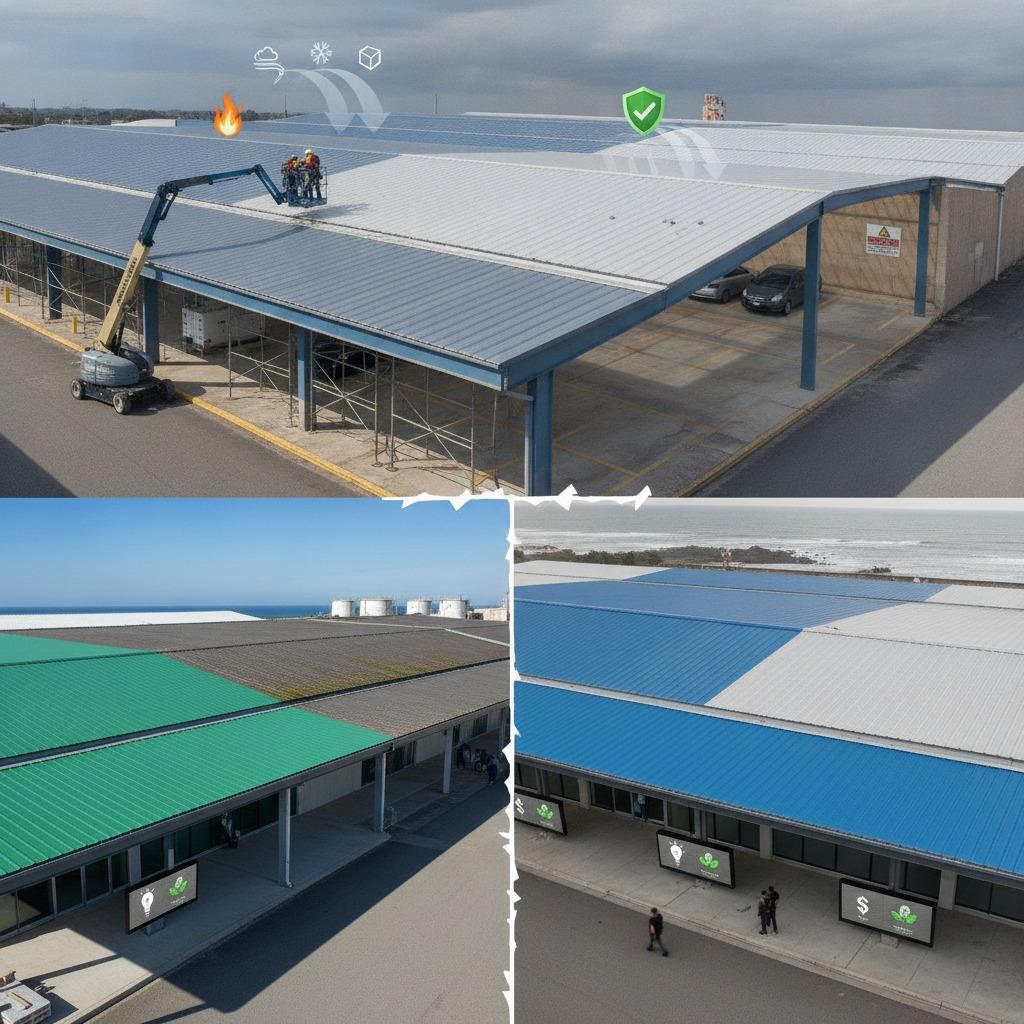
ASA resin roof tiles are often considered for industrial buildings, commercial facilities, renovations, and residential projects that want a tile-like appearance without the mass of clay or cement products. They are also worth a look where anti-corrosion performance matters, such as in humid, coastal, or chemically challenging environments. That said, buyers should still check whether the complete roofing system, not only the surface material, is suitable for the exposure conditions.
Selection criteria that matter in real purchasing
Weather exposure
Sun, wind, rain, and temperature swings will tell you more than any brochure. If the site sees strong UV or long periods of wet weather, UV resistance and anti-corrosive behavior become more than nice-to-have features. They become part of the service-life calculation.
Weight and installation
A lighter synthetic resin roof tile can simplify handling, reduce strain on installers, and help where the supporting structure has limited reserve capacity. But lightweight does not mean careless. Fastening details, underlayment, and overlap design still matter, and a poor installation can undo the benefits quickly.
Appearance over time
Some buyers focus on the day-one color and surface texture. A better question is how the roof will look after years of sun and weather. Resin roofing tiles with stronger UV resistance usually age more gracefully, though no outdoor material stays untouched forever.
Common mistakes buyers make
The first mistake is treating all resin roof tile products as interchangeable. They are not. Surface formulation, profile design, and installation method can change performance in the field. Another common error is comparing only the material price and ignoring labor, freight, handling, and potential maintenance. A cheap roof that requires constant attention is not really cheap.
Buyers also sometimes overstate the word “anti-corrosive” as if it means invulnerable. It does not. It means the roofing material is better suited to environments where metal or less stable surfaces might degrade faster, but the full assembly still needs to be specified carefully.
Practical advice for engineers and sourcing teams
Ask for the complete product structure, not just the headline material name. Confirm whether the tile profile matches the intended slope, drainage pattern, and fastening approach. For large-volume procurement, sample evaluation is worth the time, especially if the project depends on color consistency or a particular visual finish.
If the roof will be seen from street level or used on a branded facility, appearance after weathering deserves attention. If the site is harsh, priority should shift toward UV resistance, anti corrosion performance, and long-term dimensional stability. Those are the details that separate a sensible roofing decision from a decorative one.
What decision this article should help you make
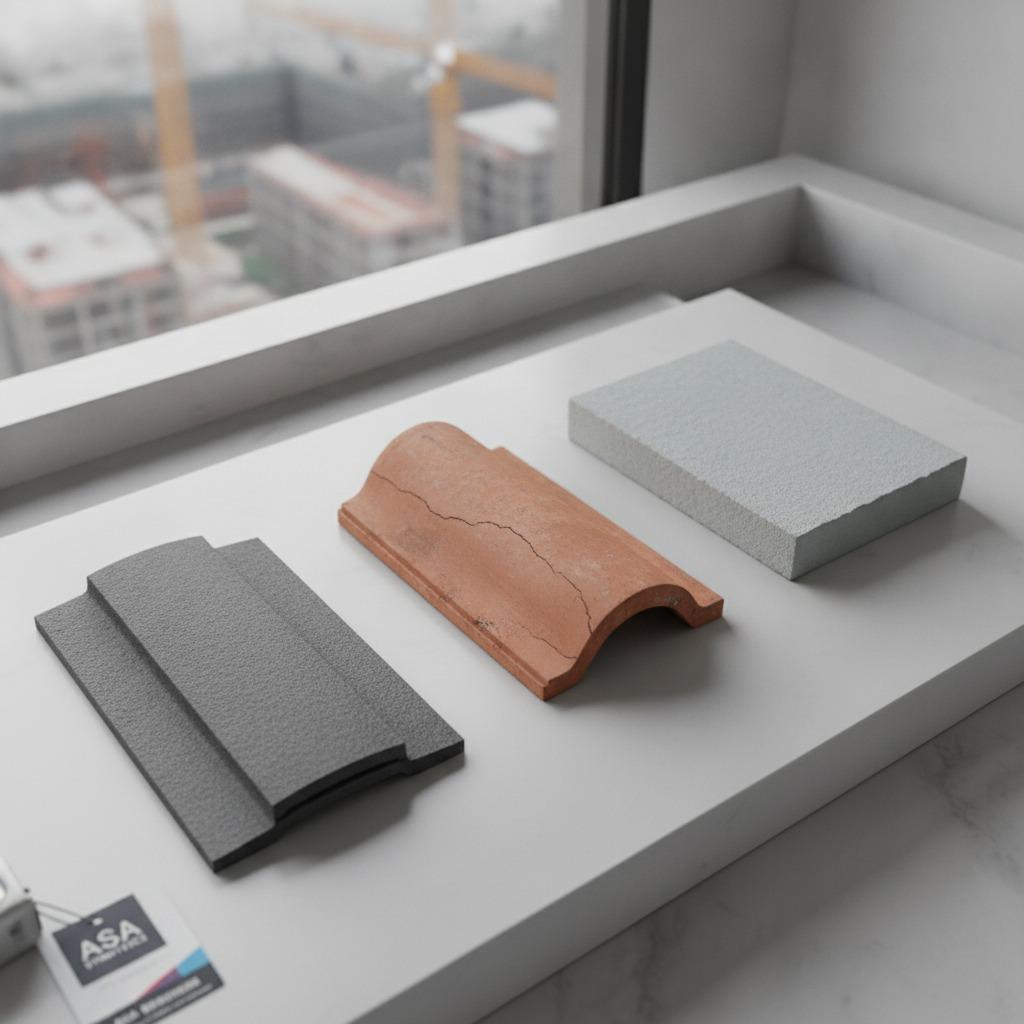
If you are comparing ASA synthetic resin roof tiles with heavier traditional options, the key question is whether you need lower structural load, better corrosion resistance, and a roofing surface that can stay presentable in outdoor exposure. For many projects, that answer is yes. For others, a different roof system may be more appropriate. The right choice is the one that matches the building, the climate, and the maintenance plan—not the one that sounds best in a catalog.
If you are preparing a spec or shortlist, start by matching the roof profile to the site conditions, then check the material’s weather resistance claims against your actual exposure. That small bit of discipline often saves far more trouble later than an aggressive first purchase ever does.