What buyers really need to know about ASA synthetic resin roof tile

If you are comparing roofing options for a new build, a warehouse, a farm building, or a renovation project that needs a lighter roof load, the choice often comes down to more than appearance. An ASA synthetic resin roof tile is usually considered when buyers want the look of traditional tile without the weight, brittleness, or installation burden that can come with clay or concrete. That decision matters because roofing is one of those purchases that is easy to underestimate and expensive to correct.
The practical question is not whether a roof tile looks good in a brochure. It is whether it can handle weather exposure, hold its shape, install cleanly on the existing structure, and keep maintenance predictable over time. For engineers, sourcing managers, and project teams, that means looking past marketing language and judging the material, profile, and application fit.
Why ASA material gets attention
ASA is used as a weather-resistant outer layer in many synthetic roofing products. In plain terms, it is valued for helping the roof face sun, rain, and long-term outdoor exposure without the same kind of surface fading or chalking that lower-grade plastics can show. That is one reason an ASA resin roof tile is often positioned for demanding exterior use.
The advantage is not just cosmetic. A roof covering that stays stable in appearance and shape can reduce complaints on handover and lower the chance of premature replacement. For commercial buyers, that consistency is worth more than a small upfront saving on a material that looks acceptable on day one but struggles after a few seasons.
There is a caveat here, though. Not every product described as “resin” is built the same way. The performance of a resin roof tile depends on the formulation, thickness, profile design, reinforcement strategy, and installation method. Buyers should treat the material family as a starting point, not a guarantee.
How synthetic resin roof tile compares with common alternatives
The most useful way to compare roofing options is by tradeoff, not by marketing headline.
An ASA-based tile is generally attractive when the project needs lower weight, faster installation, and a more uniform finish. That can make it easier to handle on lightweight structures, retrofits, and buildings where the framing should not be overloaded.
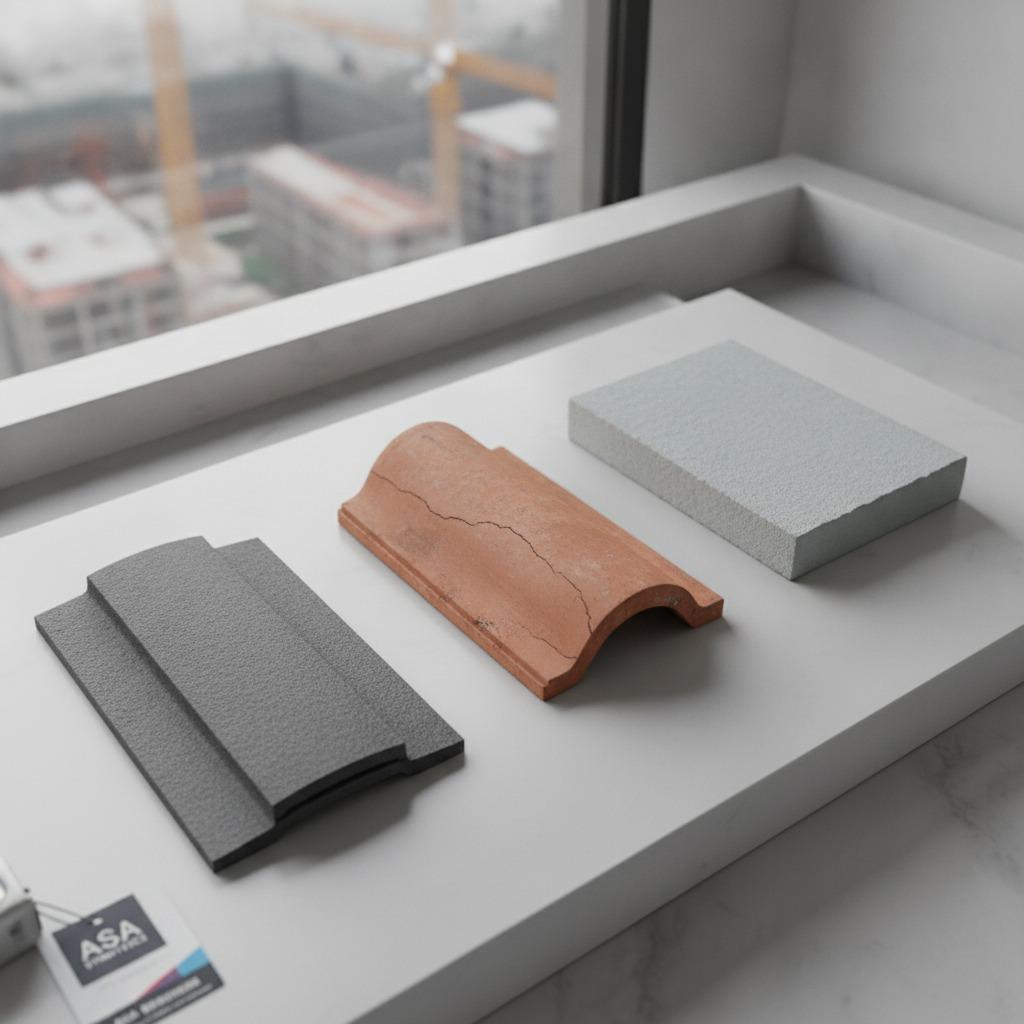
By contrast, traditional ceramic or concrete products may still appeal when the priority is familiar appearance and proven mass-market acceptance. But they are heavier, and that can complicate design, logistics, and labor. A synthetic resin roof tile often wins on practical handling, especially where crews are working at pace or on structures with simpler support systems.
Some buyers also compare a pvc resin roof tile with ASA-based options. PVC-based products can be suitable in certain applications, but selection should be careful. In outdoor roofing, the surface layer and weathering behavior matter a great deal, so buyers should ask exactly what the product is made of and what the outer layer is designed to do. A generic “resin” label is not enough to support a purchasing decision.
Where these tiles make the most sense
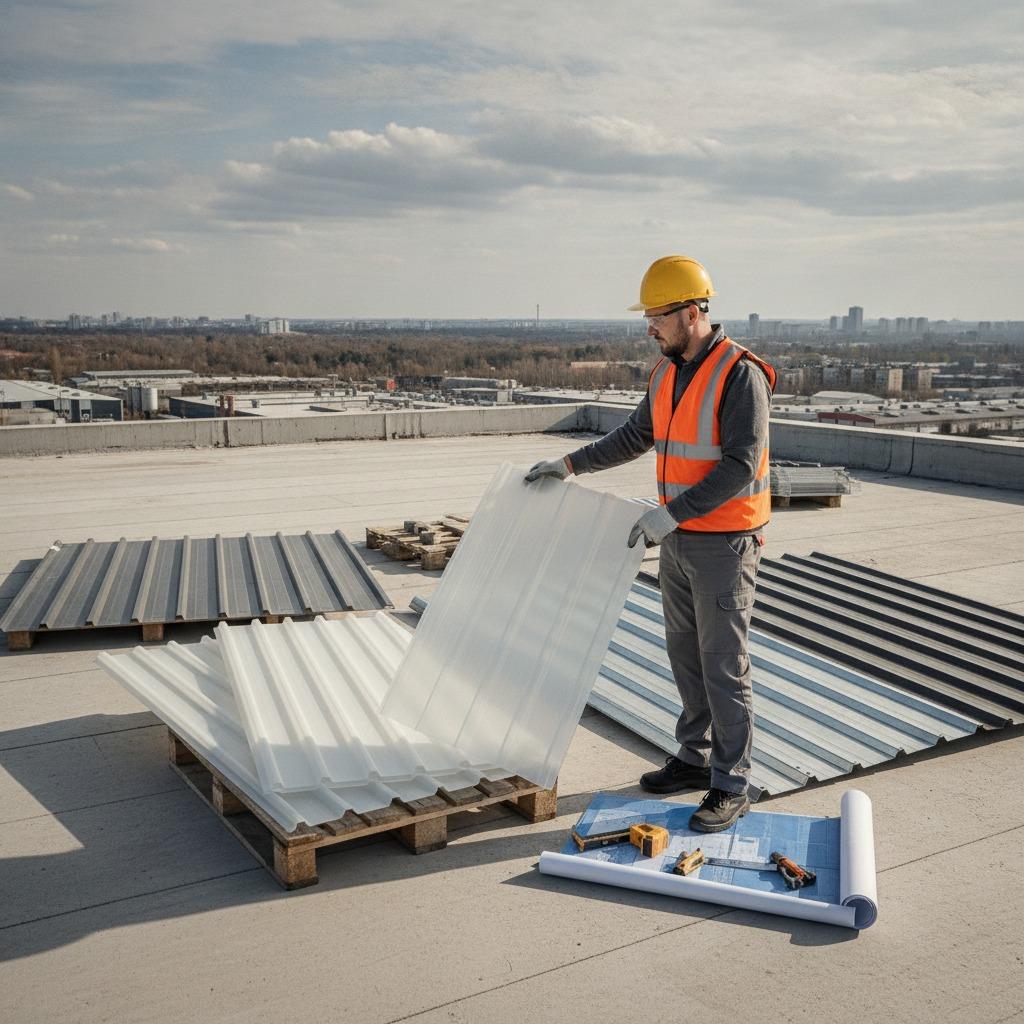
These products are often considered for villas, garden structures, light industrial roofs, agricultural buildings, and renovation jobs where the client wants a traditional tile look without a heavy assembly. They can also fit projects where roof replacement must be done with minimal disruption.
In those settings, resin roofing tiles can be appealing for another reason: predictability. If the profile locks well and the sheets or tiles are consistent, installers spend less time compensating for irregular dimensions. That is not a glamorous benefit, but it is the kind that affects labor cost and schedule reliability.
Good fit
Projects needing lighter weight, faster installation, and weather-resistant surface performance.
Less ideal fit
Projects where the buyer has not verified material composition, roof pitch compatibility, fastening requirements, or load conditions.
Selection criteria buyers should not skip
When evaluating an ASA synthetic resin roof tile, ask practical questions:
What is the exact material structure?
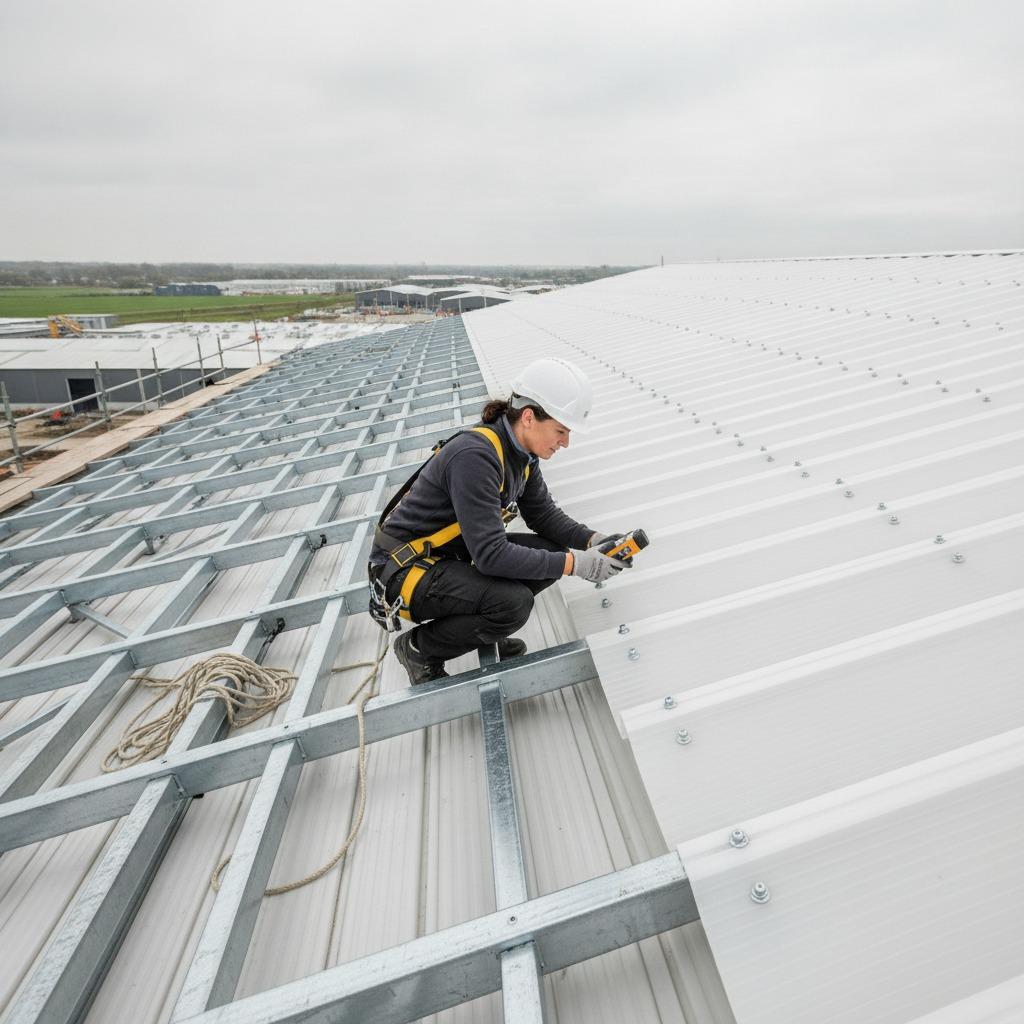
How is the product intended to be fixed to the roof deck or support structure?
Is the profile designed for the climate and rainfall conditions of the site?
Does the appearance need to match adjacent buildings or a specific architectural style?
How does the supplier describe outdoor durability, and is that description backed by clear product data?
Those questions sound basic, but they prevent expensive mismatches. Roofing is one of the easiest places to overbuy style and underbuy performance.
Common buyer mistakes
The biggest mistake is treating all resin roof products as interchangeable. They are not. Another is choosing only by color or profile and ignoring substrate behavior and installation method. A third is failing to distinguish between a true ASA-based surface and a product that merely borrows the terminology for sales purposes.
A small but important warning: if a supplier cannot explain the layer structure in plain language, that is usually a sign to slow down.
Practical next step for sourcing teams
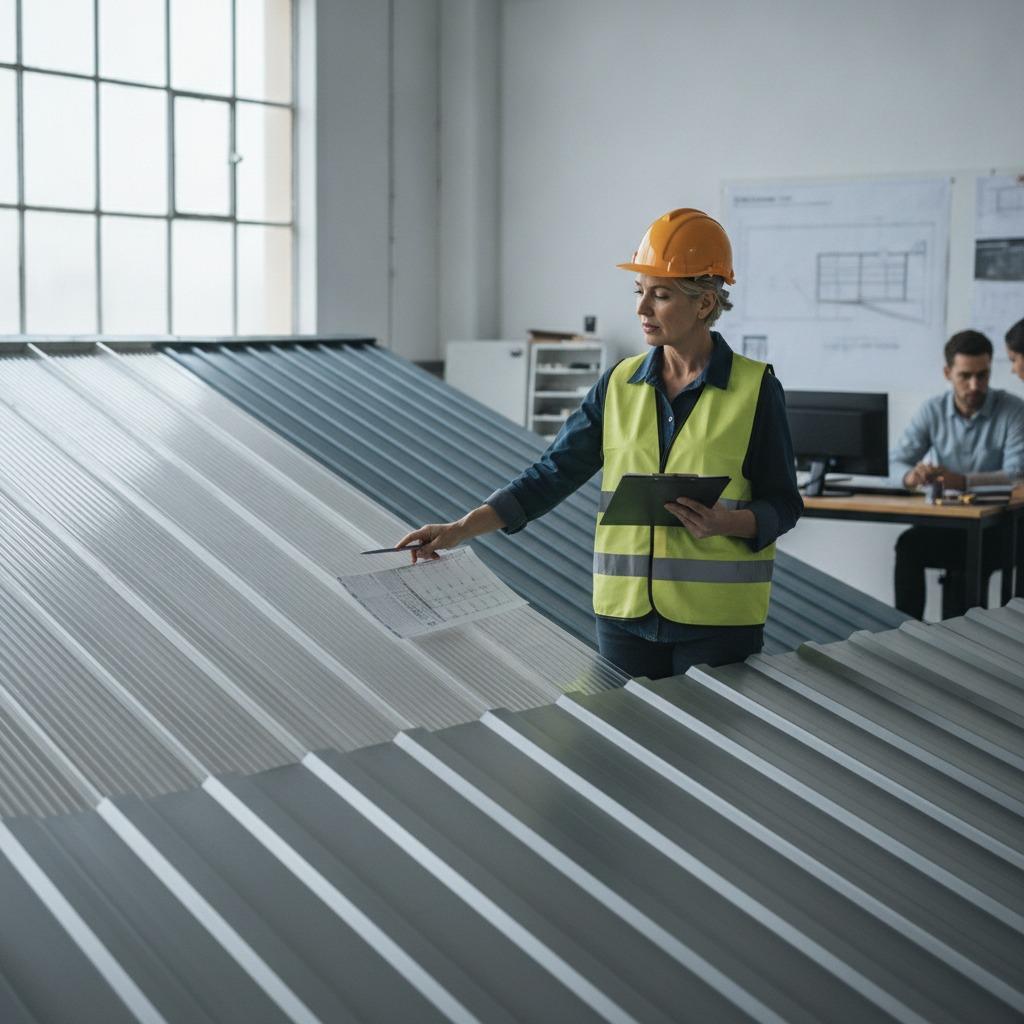
Before you place an order, build a short comparison sheet for the shortlisted products: material structure, application type, installation requirements, visual finish, and supplier documentation. That will usually separate the serious options from the rest quickly.
If you are sourcing for a project and need a roof covering that balances appearance, low weight, and outdoor performance, an ASA synthetic resin roof tile is worth a close look. The right choice is the one that fits the building, not the brochure.
FAQ
Is ASA always better than other resin roofing materials?
Not always. It depends on the project, climate, support structure, and the full product build, not just the surface material.
Are resin roofing tiles suitable for renovations?
Often yes, especially where weight reduction is helpful. Still, the existing roof structure should be checked first.
Should buyers choose by price alone?
No. With roofing, a low initial price can hide weak weathering performance or installation problems that cost more later.