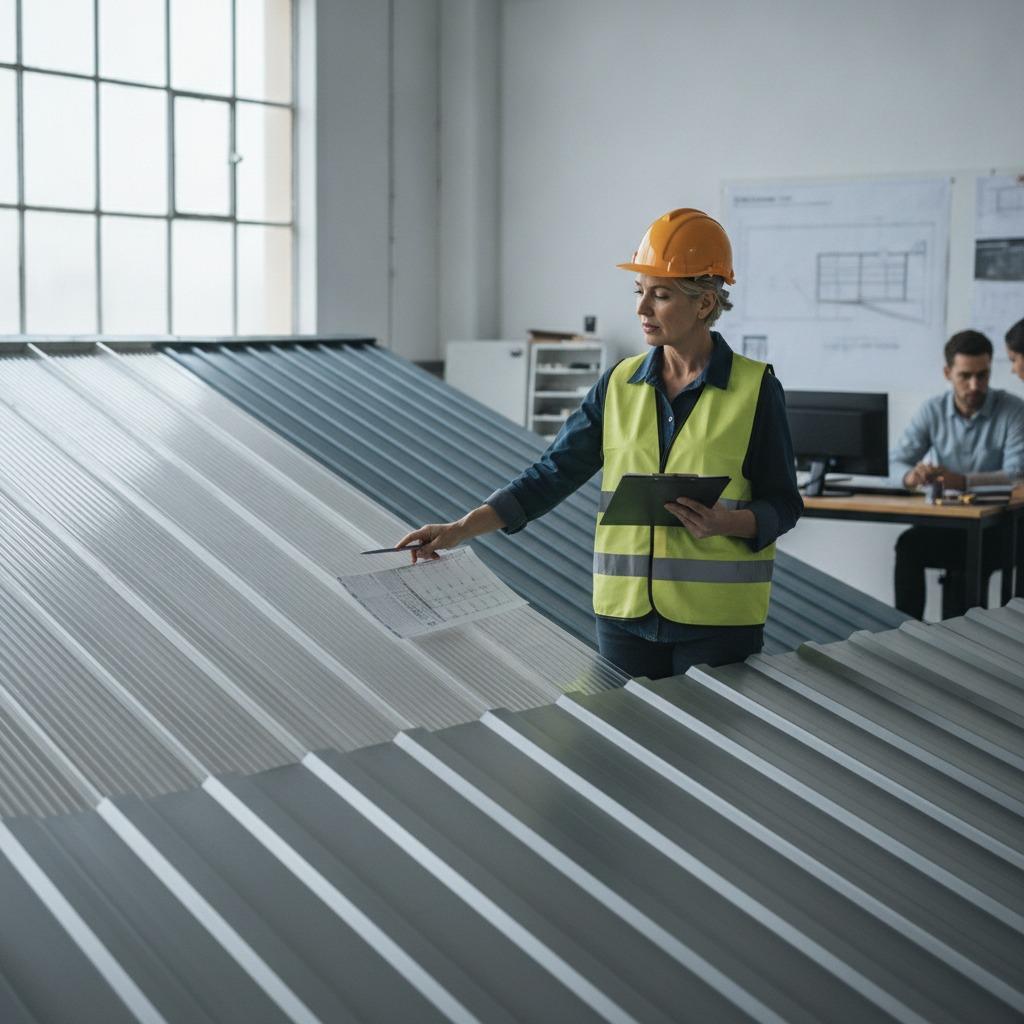
Why PVC resin roof systems keep showing up in buyer discussions
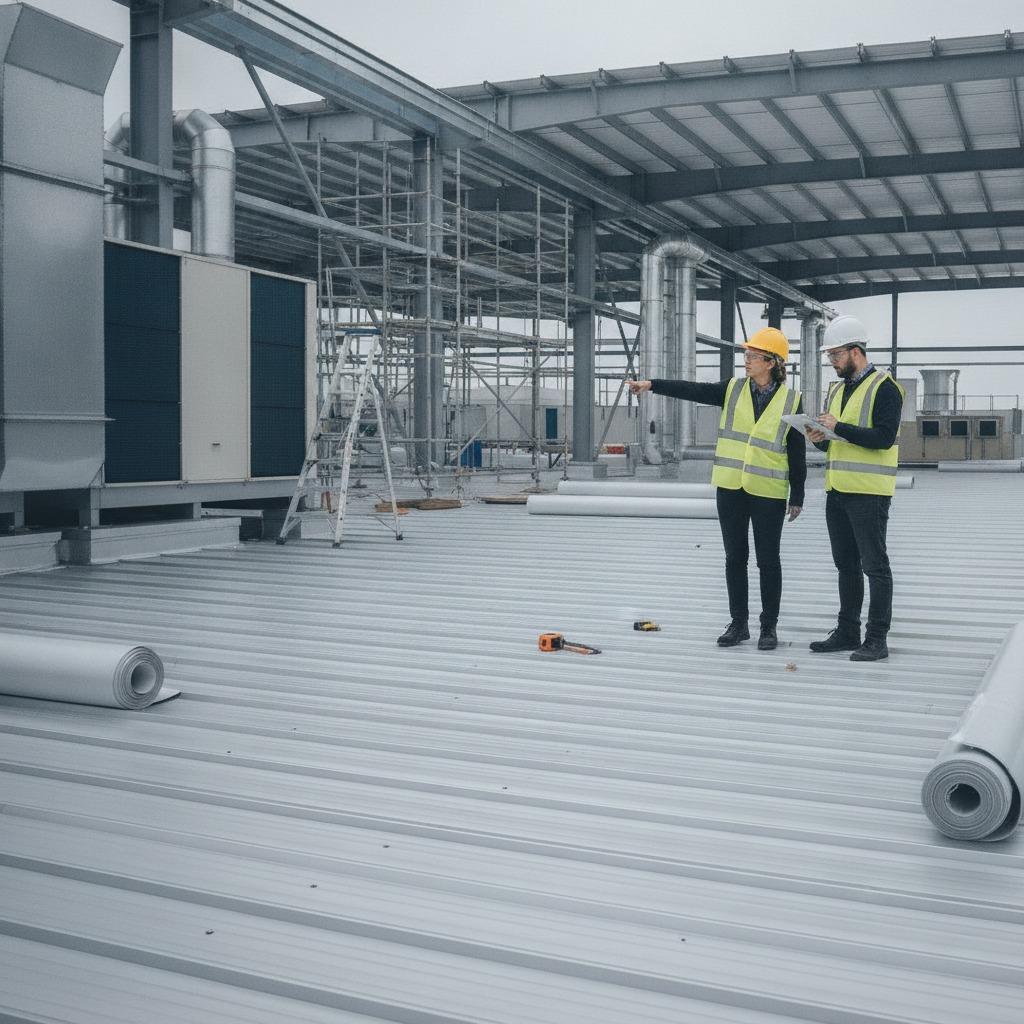
A PVC resin roof is not the sort of material that wins attention on looks alone. It comes up in procurement meetings because it solves practical problems: moisture exposure, chemical splash, lightweight handling, and the constant need to keep installation simple without giving up durability. For engineers and sourcing managers, that mix matters. It affects structural load, project speed, and long-term maintenance in a way that can be hard to ignore once a roof starts failing.
The real question is not whether a roof cover is attractive on paper. It is whether the material suits the building’s environment, whether installers can handle it cleanly, and whether the owner is buying a product or buying future repairs. That is where PVC-based roofing enters the conversation.
What buyers usually want from a PVC roof sheet
In many projects, the target is not exotic performance. It is consistency. A resin roof sheet made from PVC is often selected for a predictable balance of weather resistance, light weight, and broad usability. That makes it relevant for industrial sheds, utility structures, storage areas, and other buildings where roof failure would be expensive but full architectural complexity is unnecessary.
For sourcing teams, the appeal is straightforward: fewer complications during transport and installation, and fewer headaches when the roof is exposed to rain, heat cycles, or a demanding plant environment. That does not make the material universal. It does mean it deserves serious consideration when the brief is practical rather than decorative.
How PVC compares with other common roofing choices
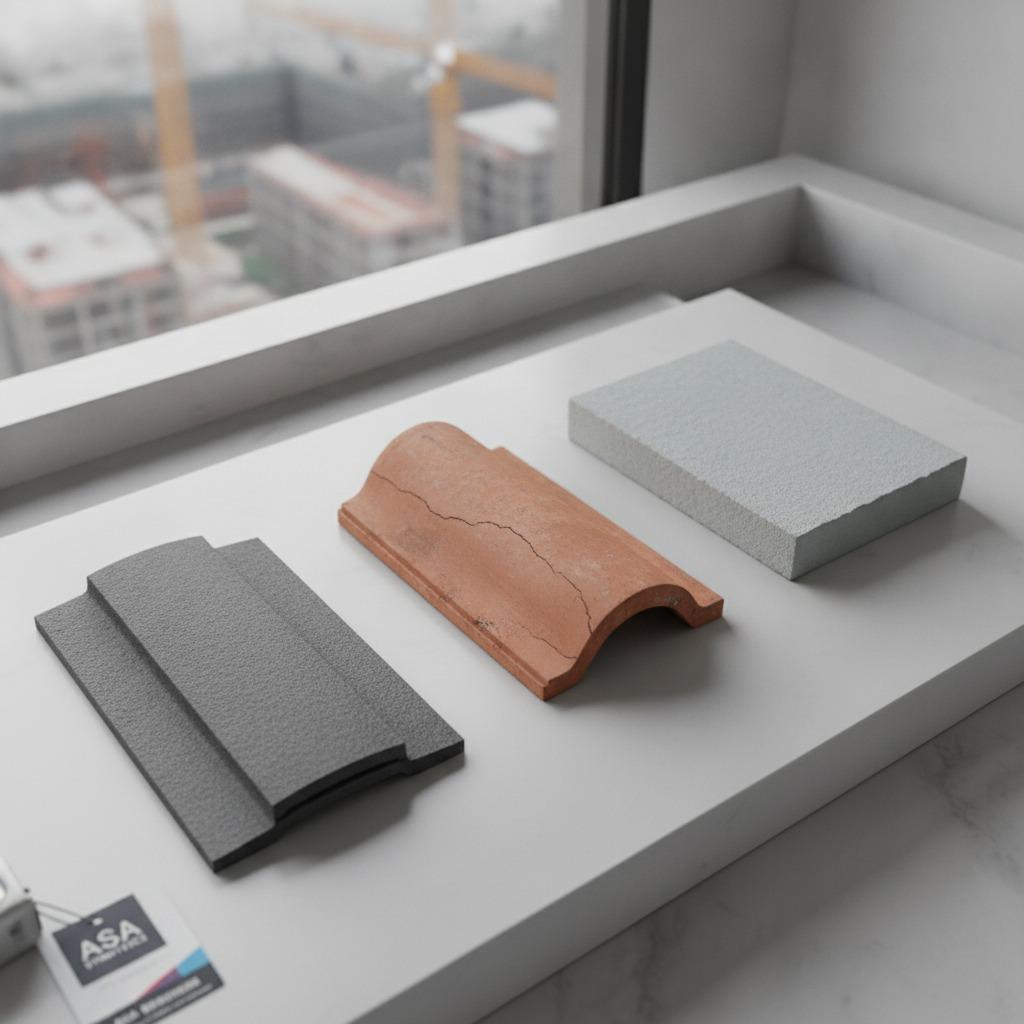
A resin roofing sheet is usually evaluated against metal, fiber-reinforced options, and other plastic-based panels. Each has its place, but the selection often turns on a handful of trade-offs.
PVC roofing tends to be attractive when weight reduction is important. Lighter sheets can simplify handling and may reduce load demands on supporting structures. That matters in retrofit work, temporary buildings, and facilities where the frame was never designed for heavy roofing.
It also tends to be chosen where corrosion is a concern. Metal can be excellent, but in some environments it brings coating maintenance, fastener issues, or edge corrosion into the lifecycle conversation. PVC is not a cure-all, yet it can reduce those specific concerns.
That said, buyers should not assume every resin roofing sheet performs the same way. Thickness, profile design, additives, and installation quality all influence the final result. A cheap panel that looks acceptable at delivery can become an expensive mistake once it is exposed to real site conditions.
Selection criteria that matter more than the brochure
1. Environment first
Before comparing prices, define the roof’s actual exposure. Will it see strong sunlight, chemical vapors, frequent cleaning, wind uplift, or standing moisture? The answer affects material suitability more than most sales sheets admit.
2. Structural compatibility
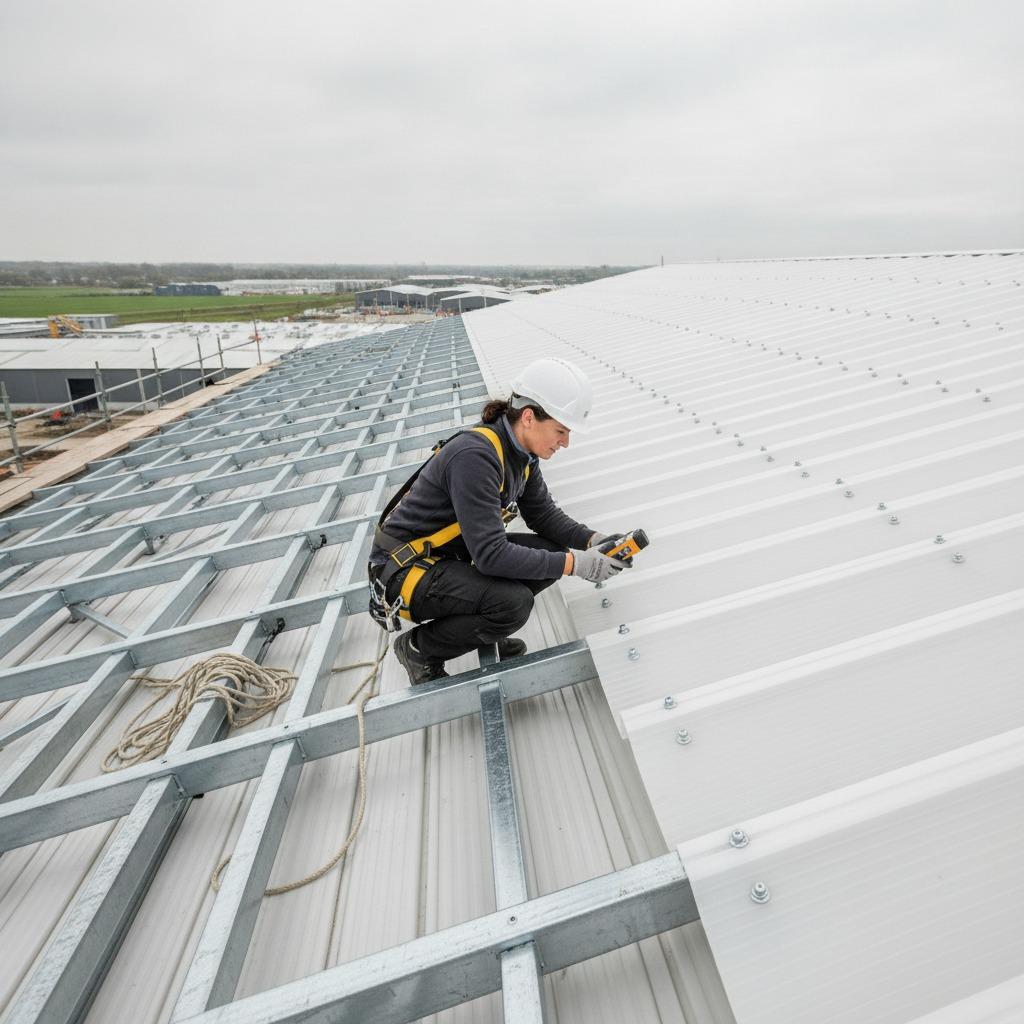
A light roof is only useful if the support system matches it. Check span requirements, fixing methods, and whether the existing structure can handle the profile without unusual reinforcement.
3. Installation behavior
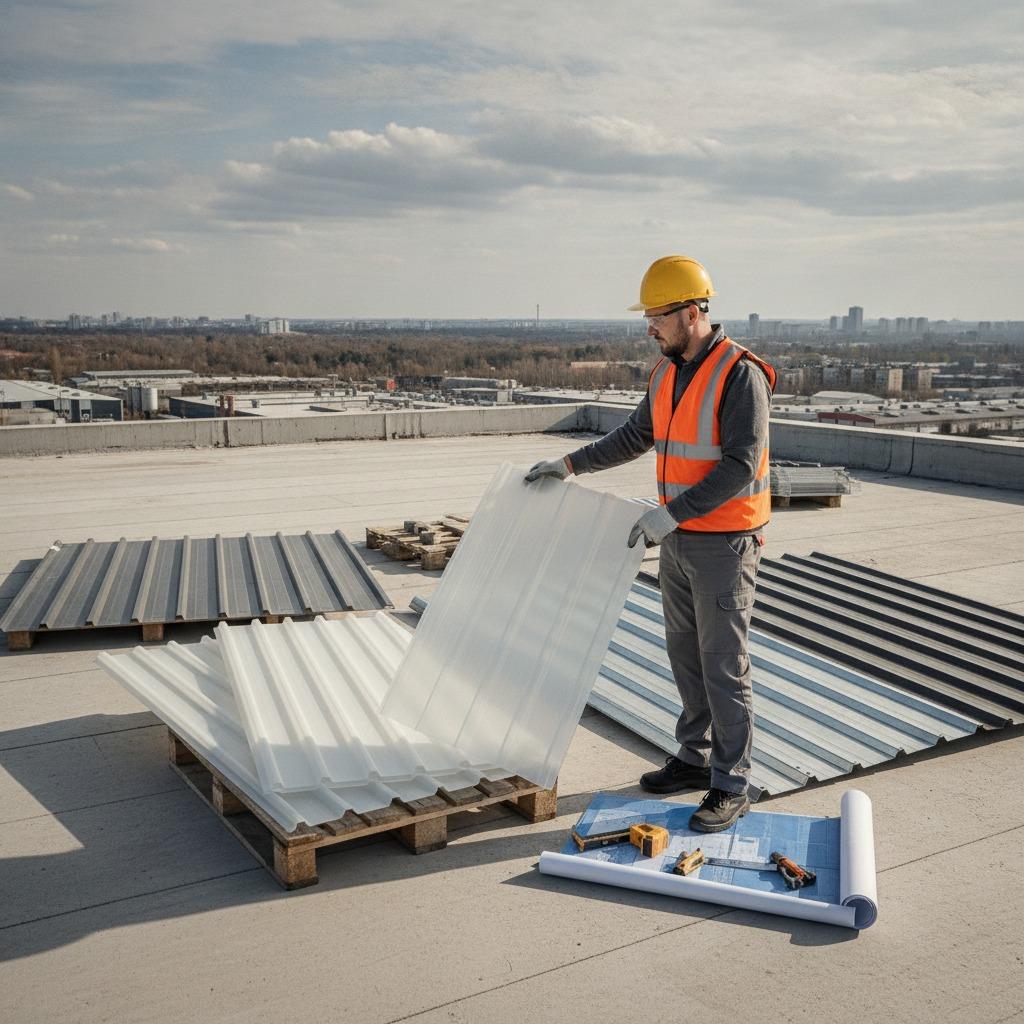
Some roofing products are technically sound but awkward on-site. A resin roof sheet that is easy to cut, align, and fasten can save real money. Installation friction is often underestimated in purchasing decisions, especially when labor is tight.
4. Appearance over time
Roofing is not just about day-one appearance. Ask how the surface is expected to age, whether discoloration is acceptable, and what cleaning method is practical. Buyers sometimes focus on initial finish and forget the maintenance team will own the surface later.
Common mistakes buyers make
The biggest mistake is treating all PVC roofing as interchangeable. The second is buying by thickness alone. Thickness matters, but it is only one variable. Profile shape, formulation, and installation details can be just as important.
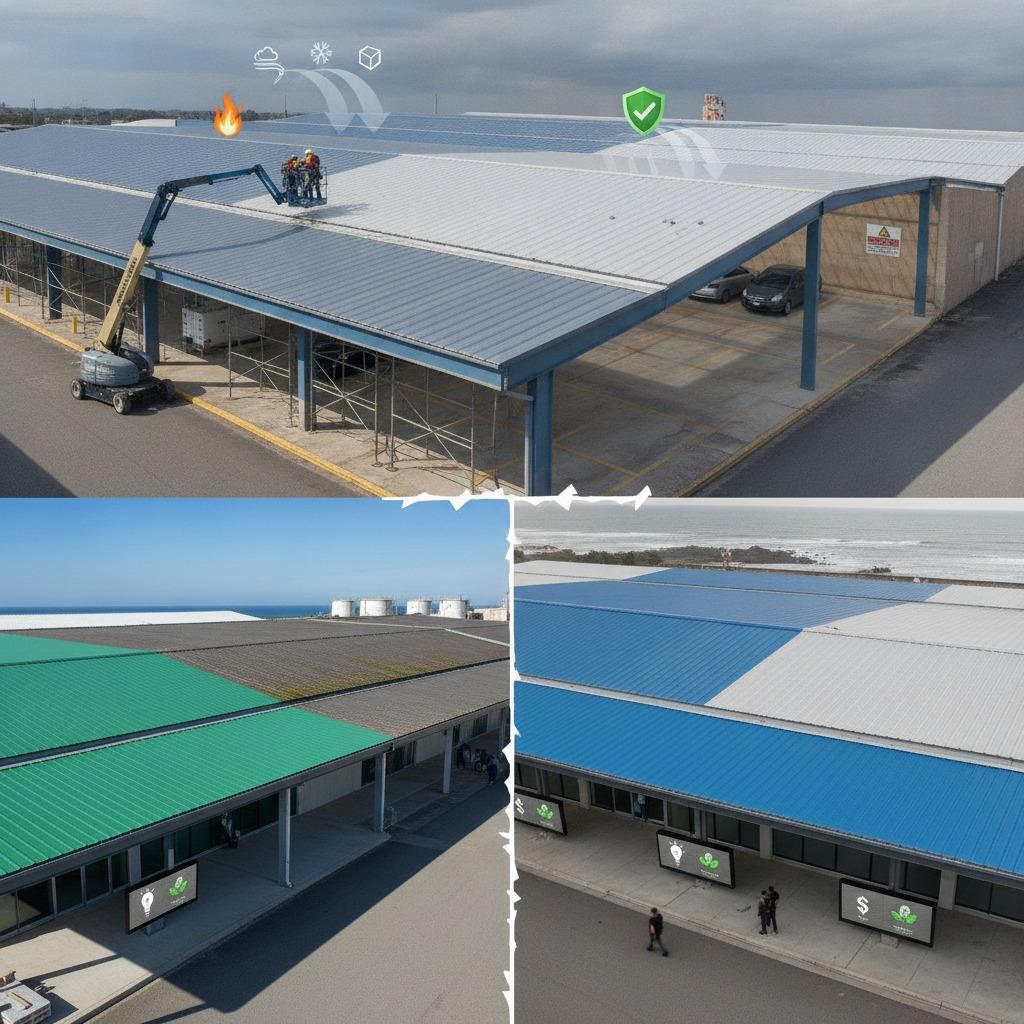
Another common error is ignoring the building’s operating conditions. A warehouse roof, a processing area, and a coastal utility structure do not present the same problem. If the roof is being specified for the wrong environment, no sheet type will rescue the project.
When a PVC resin roof makes the most sense
This material is usually worth serious attention when the buyer wants a practical roof covering with manageable weight, straightforward installation, and dependable resistance to common site stresses. It is especially relevant when the priority is operational reliability rather than premium architectural expression.
If your team is comparing a resin roofing sheet against other roof systems, it helps to make the decision around the building’s actual service conditions, not just the unit price. That is where many projects are won or lost.
Buyer-facing advice before you place an order
Request full product specifications, not just a catalog line. Confirm the profile, thickness range, installation guidance, and recommended use case. If the supplier cannot explain where the material fits and where it should not be used, that is worth treating as a warning sign.
For larger projects, ask for samples and examine how the sheet behaves under handling. Real-world suitability often shows up in the small details: edge quality, rigidity, and the way the material feels during cutting and fastening.
What to do next
If you are narrowing options for an industrial or utility roof, start by mapping the environment, structural limits, and maintenance expectations. Then compare PVC resin roof options against alternative roofing materials on those terms, not on marketing language. A careful first pass usually saves the project from a very ordinary but costly mistake later.