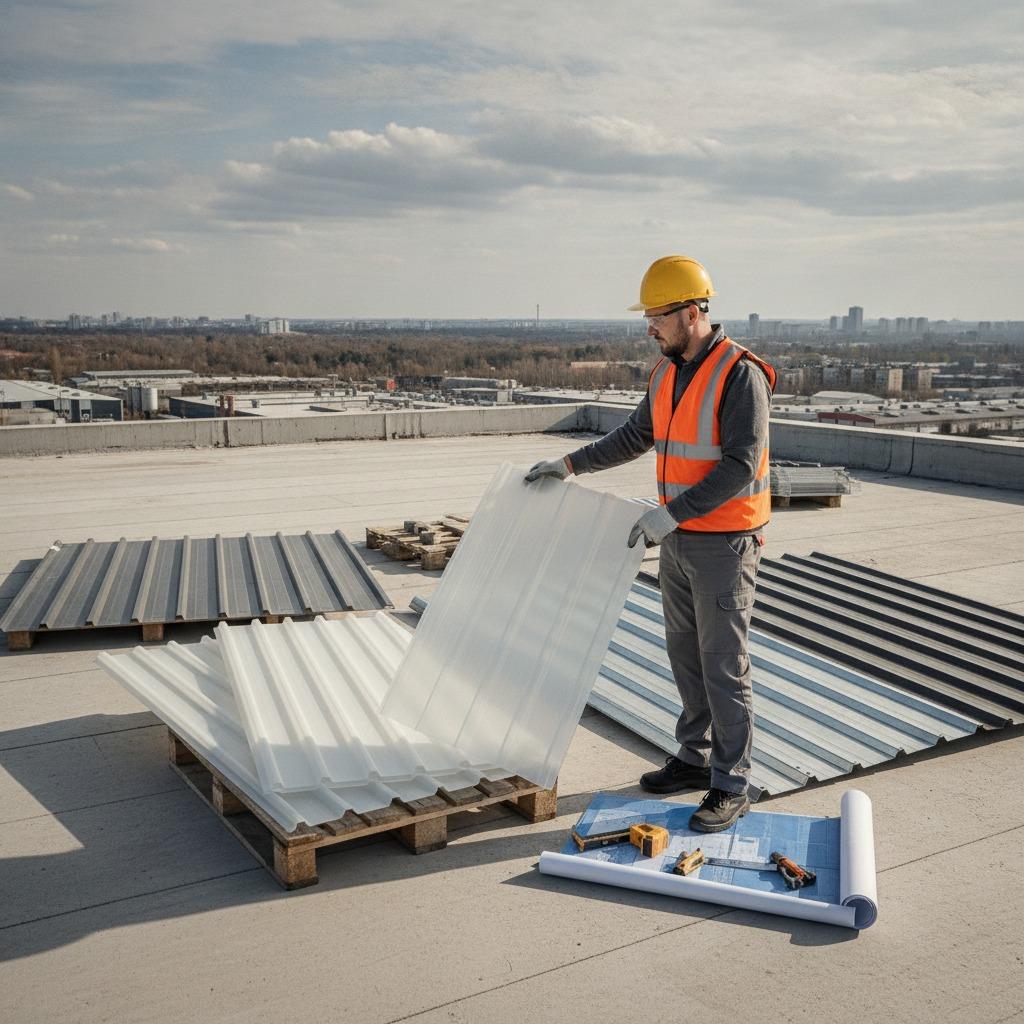
What Buyers Usually Want from an ASA PVC Roof Tile
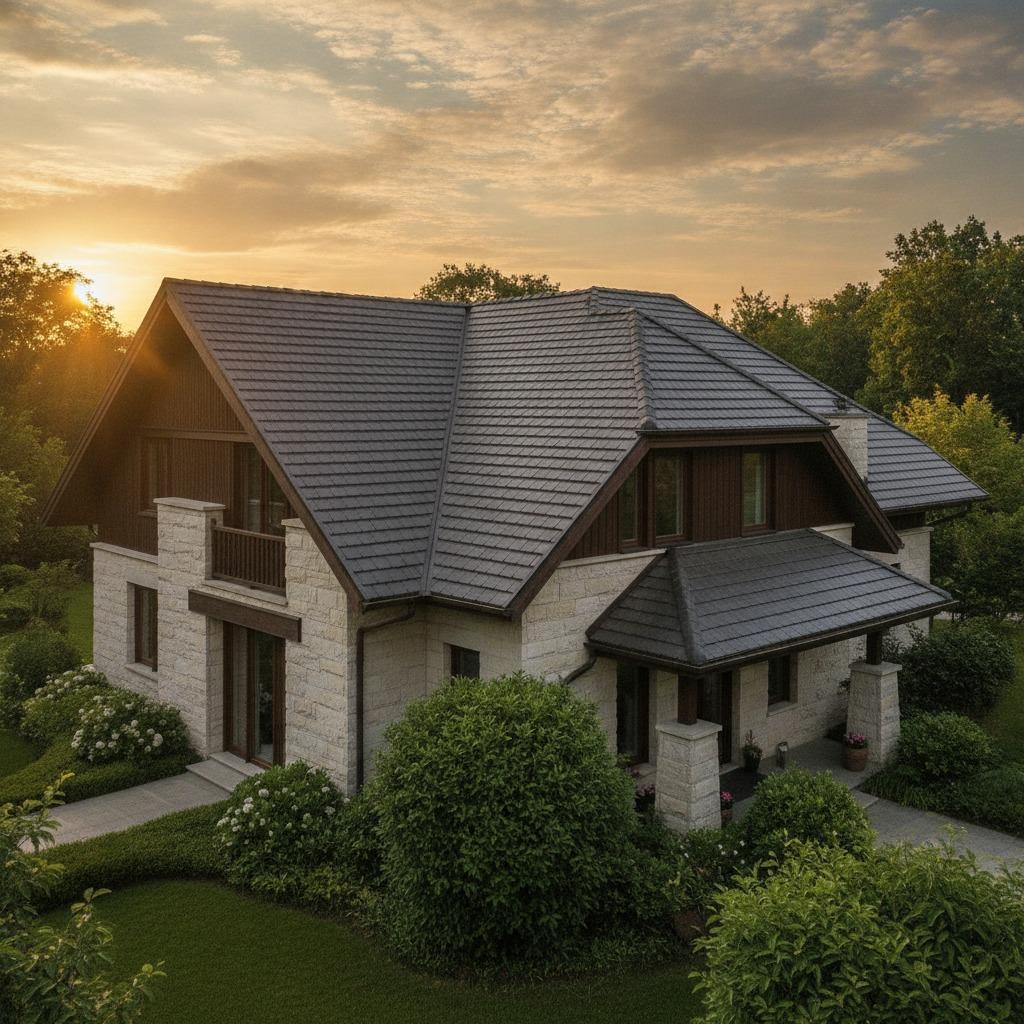
When people start comparing roofing materials, the search often comes down to a simple question: which product will hold up without turning the project into a maintenance headache? An ASA PVC roof tile is usually part of that conversation because it is designed to combine the weathering strength of ASA with the lightweight, practical forming of PVC. For specifiers, contractors, and procurement teams, the real issue is not just whether a roof looks good on day one. It is whether the system stays stable under heat, sunlight, rain, wind, and ordinary handling on site.
That matters more than it sounds. A roof is one of the least forgiving parts of a building envelope. Once installed, it is expensive to revisit. So the decision is less about chasing the “best” material in a vacuum and more about choosing the material that fits the climate, structure, budget, and installation method.
Why ASA-PVC Roof Products Are Used
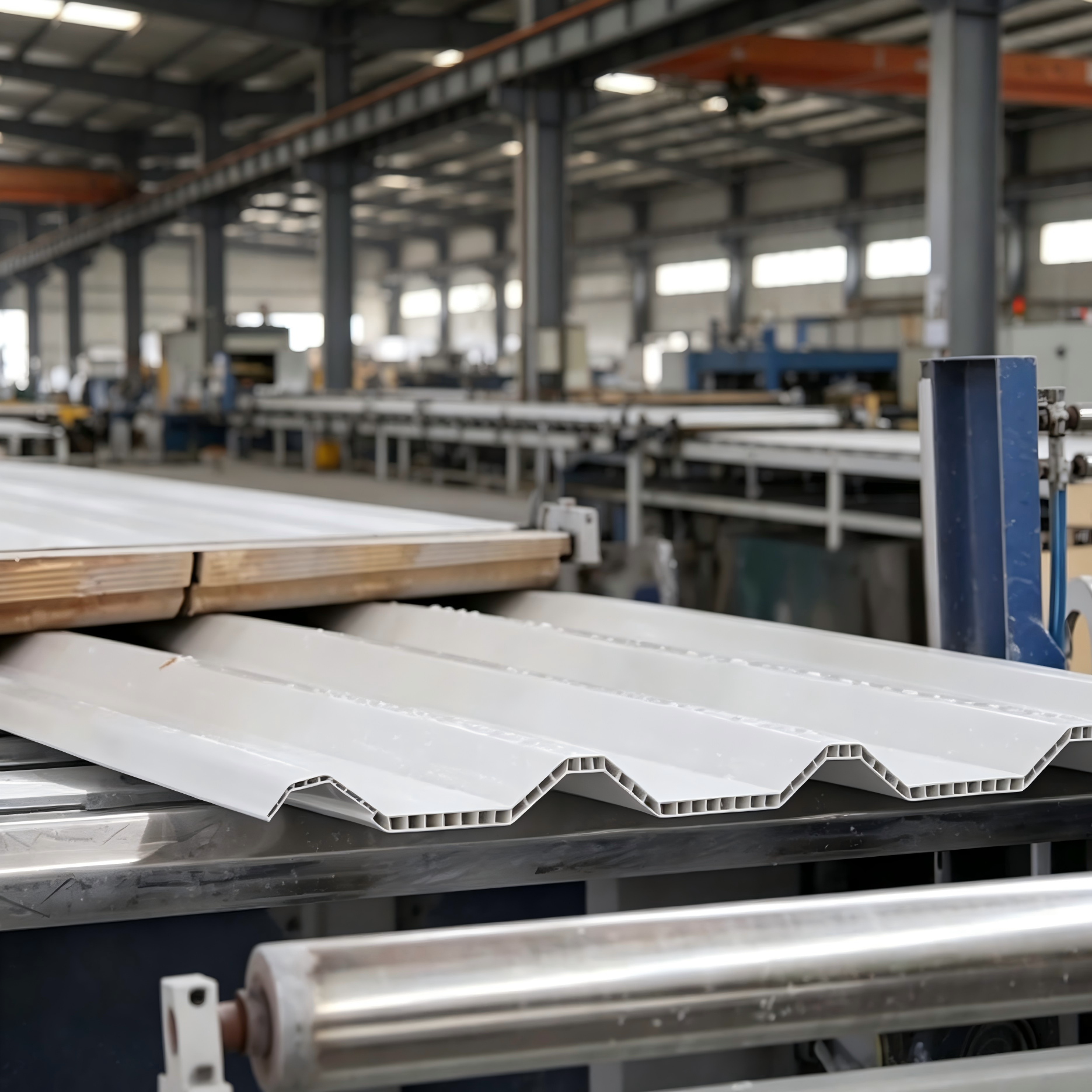
ASA is valued for weather resistance, especially where UV exposure is a constant concern. PVC contributes formability and a familiar manufacturing base. Put together, the material family is often used for roofing products that need to be lightweight, corrosion-resistant, and easier to handle than traditional heavy roofing options.
In practical terms, a PVC roof tile can be attractive for projects where the supporting structure should not carry unnecessary load. That is one reason these tiles are often considered for residential roofing, prefabricated buildings, farm structures, and light industrial applications. The surface finish can also be more consistent than many site-applied alternatives, which helps when appearance matters across large roof areas.
Still, buyers should keep expectations grounded. A polymer roof product is not a magic shield. Performance depends on formulation, thickness, profile design, fastening method, and installation quality. A good material can be undermined by a poor fixing pattern or a roof deck that moves too much.
Quick Comparison: What to Look At Before You Choose
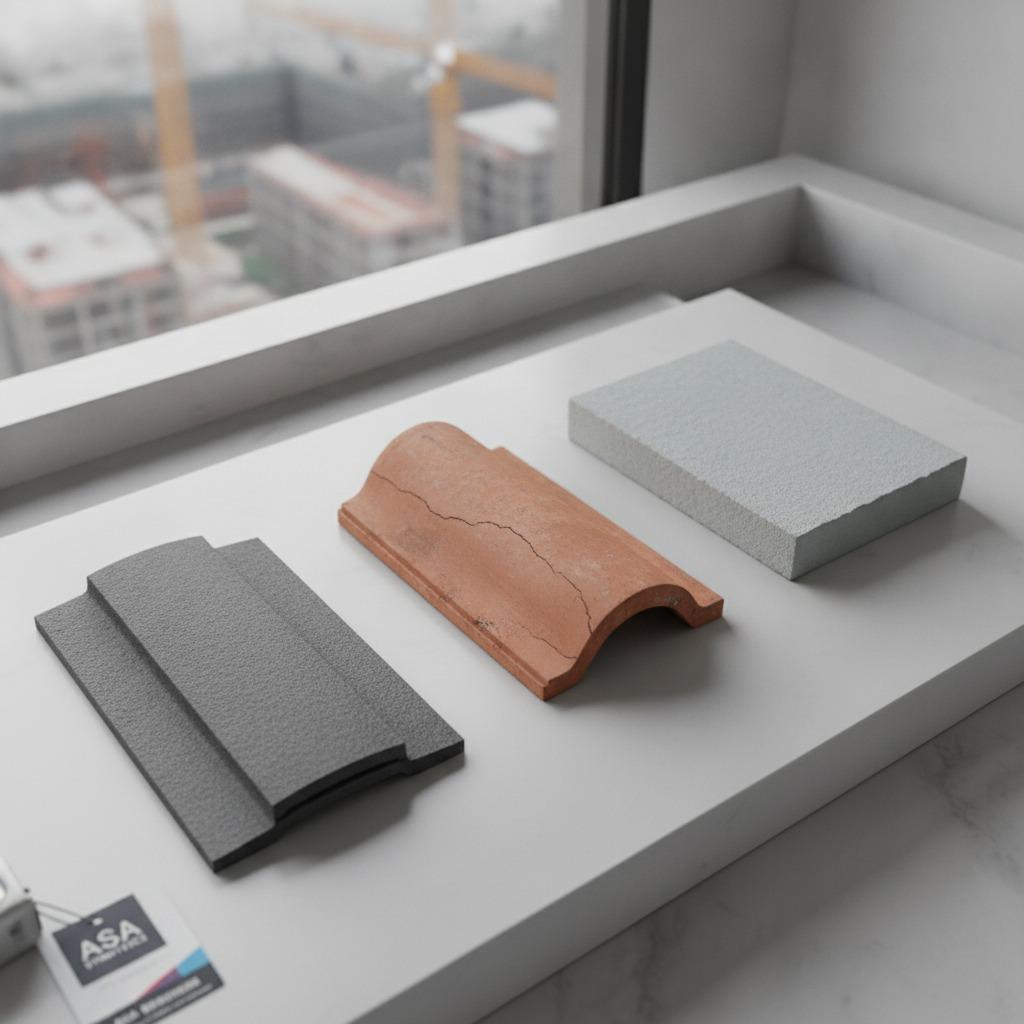
If you are comparing an ASA PVC roofing tile with other roofing options, these are the points that tend to matter most:
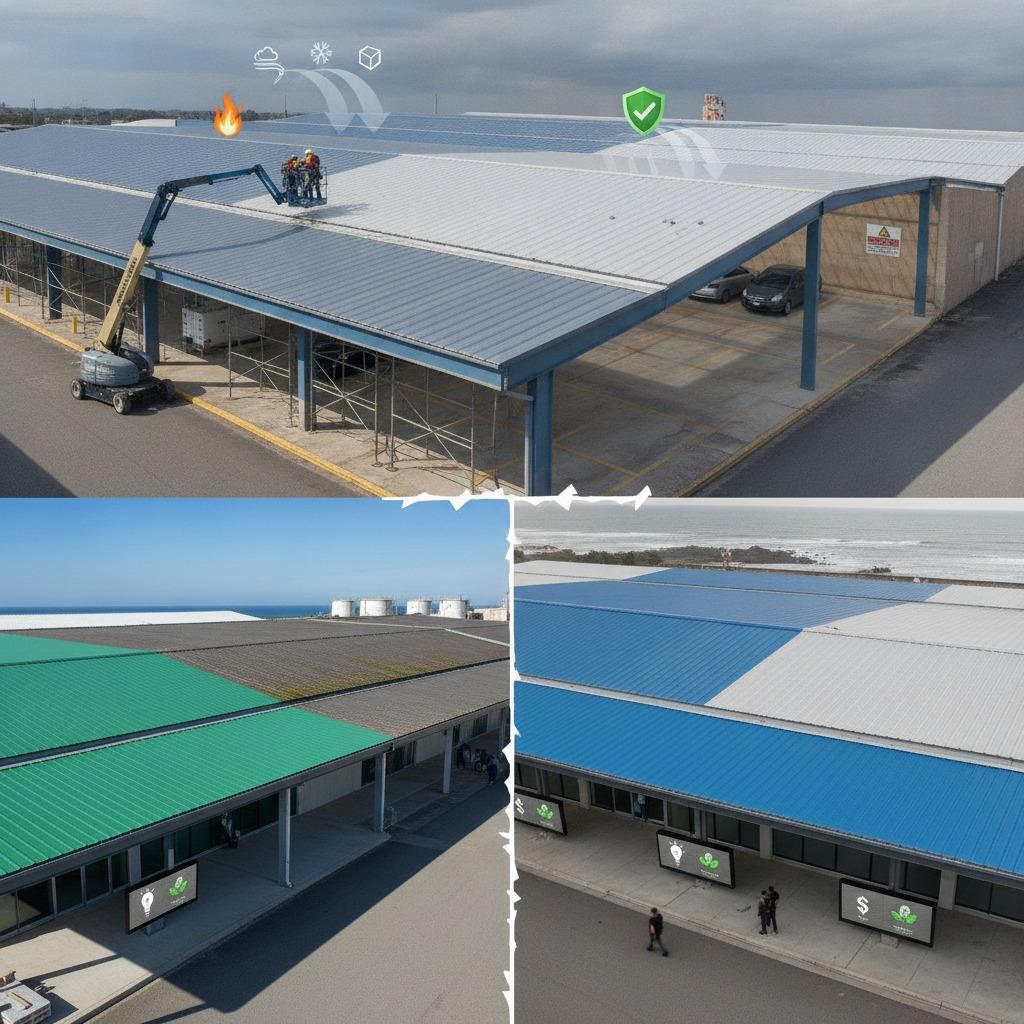
- Weathering resistance: especially in strong sun, coastal air, or repeated wet-dry cycles.
- Weight: important for retrofit jobs and lighter framing.
- Appearance retention: whether the surface is likely to look presentable over time.
- Installation ease: tile geometry, overlap design, and fastening access.
- Noise and feel: a common buyer concern in heavy rain, although expectations should be realistic.
- Compatibility with local practice: installers work faster when the profile is familiar.
That last point is easy to overlook. A technically sound roof product can still be a nuisance if the crew has never seen that profile before and the detailing is not well documented.
Where a PVC Roofing Tile Fits Best
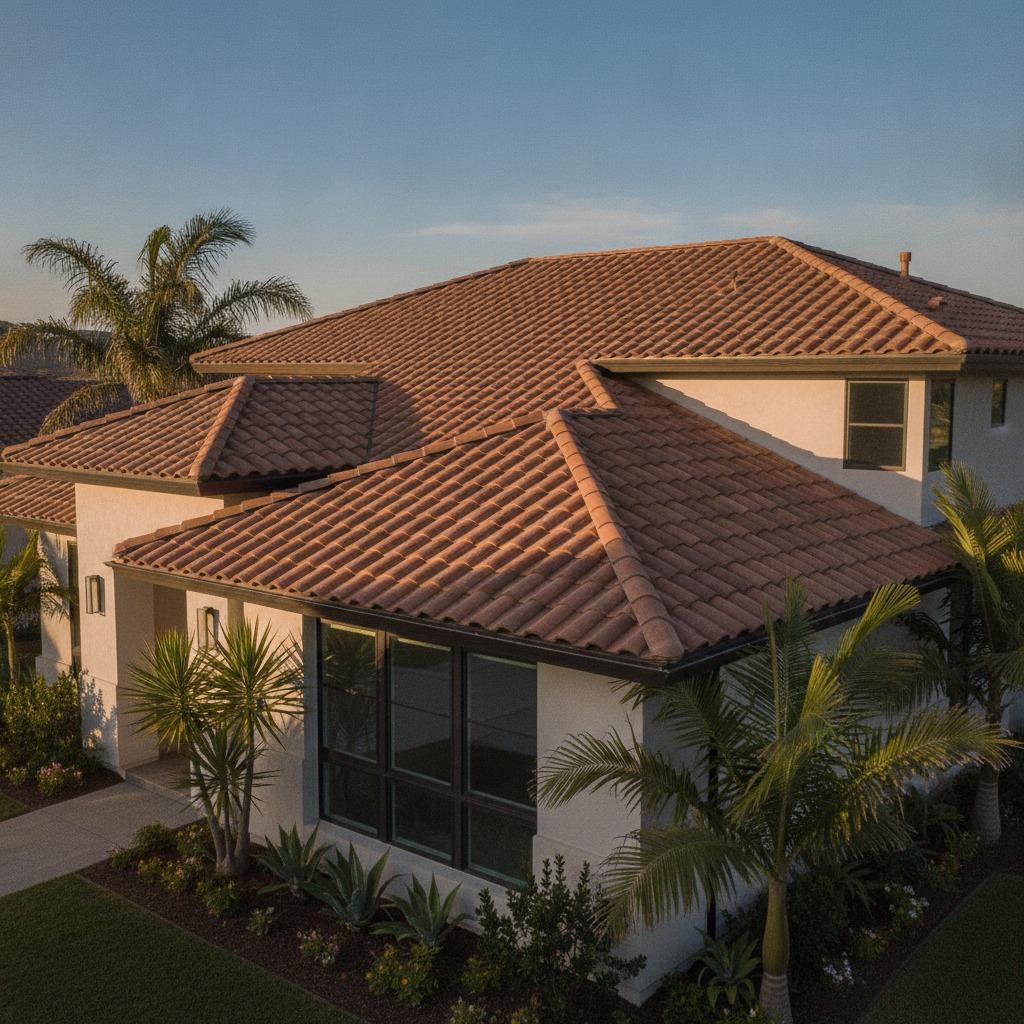
A pvc roofing tile is usually chosen when a project needs a balance of durability, low weight, and a more traditional tile-like appearance without the mass of clay or concrete. The profile can help the roof read as a finished architectural surface rather than a purely utilitarian skin.
There are, however, tradeoffs. Very steep roofs, unusual spans, or buildings exposed to severe wind may require more careful engineering than a buyer expects at first glance. Even a well-made pvc roofing product needs the right substructure and accessories to perform properly. Ridge caps, fasteners, underlayment, and edge details are not decorative extras; they are part of the roof system.
Common Buyer Mistakes
One frequent mistake is assuming all plastic-based roof tiles behave the same. They do not. Surface formulation, reinforcement, and profile design can change how a roof ages and how it handles temperature movement.
Another mistake is comparing products only on price. That can be shortsighted, because cheap material may bring hidden costs in installation time, warranty risk, or replacement frequency. Also, if the roof is being used on a commercial or public-facing building, appearance after a few seasons can matter almost as much as the original purchase order.
A third issue is ignoring the installer’s feedback. If the fastening pattern is awkward or the overlap detail traps water, that will show up later, usually at the worst possible time.
Practical Advice for Sourcing Teams and Engineers
Ask for the product structure, not just the marketing name. An ASA PVC roof tile should be discussed in terms of layer composition, recommended accessories, and intended application. Request installation guidance early, because the best procurement decision can still fail if the crew receives vague instructions.
For engineers, the key is to look beyond the product image and into the roof assembly. For sourcing managers, the key is consistency: profile match, color stability expectations, and supply continuity matter more than a flashy brochure. For product teams, especially those selecting materials for modular or export-oriented projects, local climate and transport conditions should be considered before final approval.
FAQ: Short Answers Buyers Usually Need
Is an ASA PVC roof tile suitable for hot climates?
It can be, provided the formulation and roof design are intended for those conditions. Always verify the supplier’s application guidance.
Is it lighter than traditional tile?
Generally yes, which is one of the reasons buyers consider it.
Does it need special accessories?
Typically yes. Ridge, edge, and fastening details should be part of the system, not treated as afterthoughts.
Next Step
If you are evaluating an ASA PVC roof tile for a new project, start with the roof conditions first and the catalog second. That sequence saves time. Match the material to the climate, the structure, and the installer’s working method, then compare suppliers on product consistency and support documentation. The roof will thank you later, even if nobody notices on opening day.