PVC Corrugated Roofing Sheet: What Buyers Should Know Before Specifying It
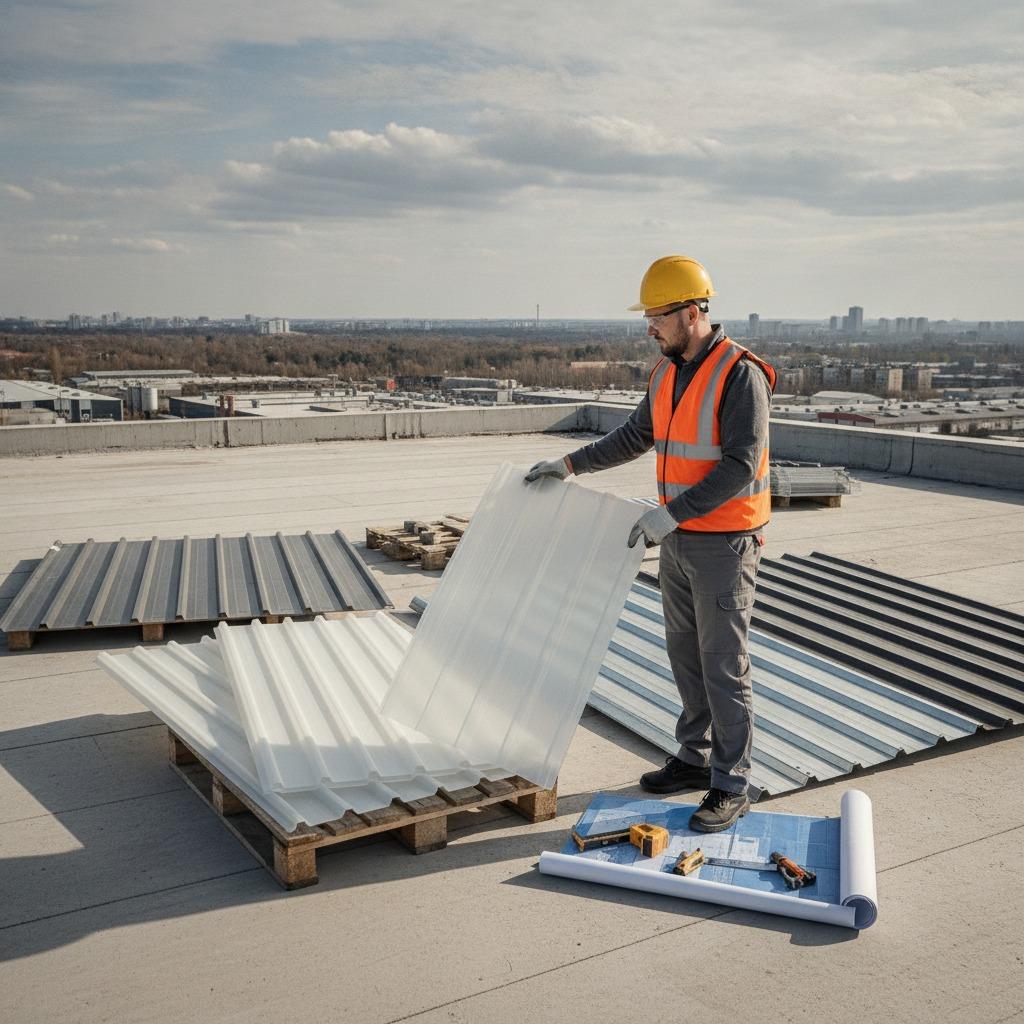
A PVC corrugated roofing sheet is often chosen for the same reason many plant managers reach for simple, proven components: it solves a basic job without asking for much maintenance. For workshops, farm buildings, warehouses, walkways, and light industrial shelters, the appeal is obvious. You get a lightweight roof covering that is easier to handle than heavier alternatives, and the corrugated profile helps move water off the roof with less fuss.
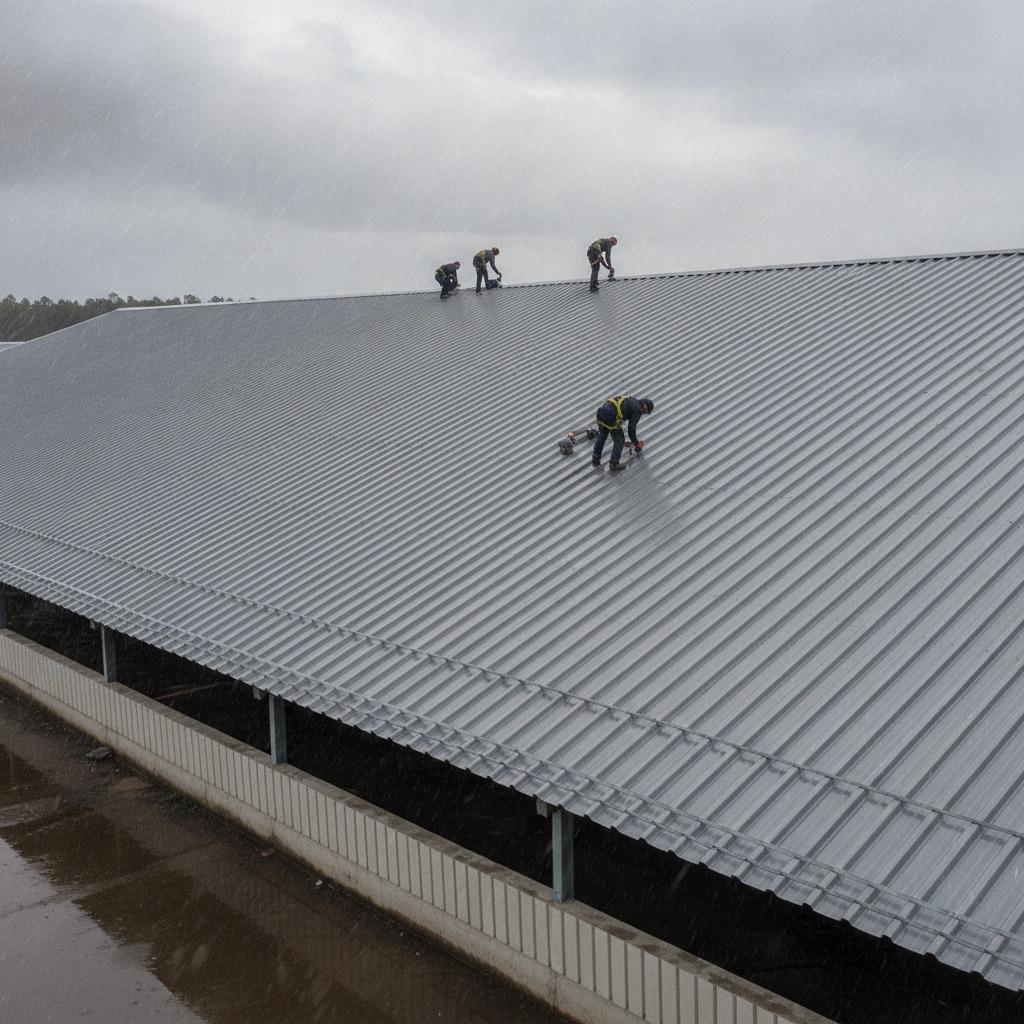
That said, the real buying decision is not just “Will it cover the roof?” It is “Will it stand up to the local weather, the building’s use, and the expected service life?” That is where buyers should slow down. A roofing sheet PVC product can look similar on paper while behaving very differently once it is exposed to heat, wind, and long hours of sunlight.
Why the Profile Matters
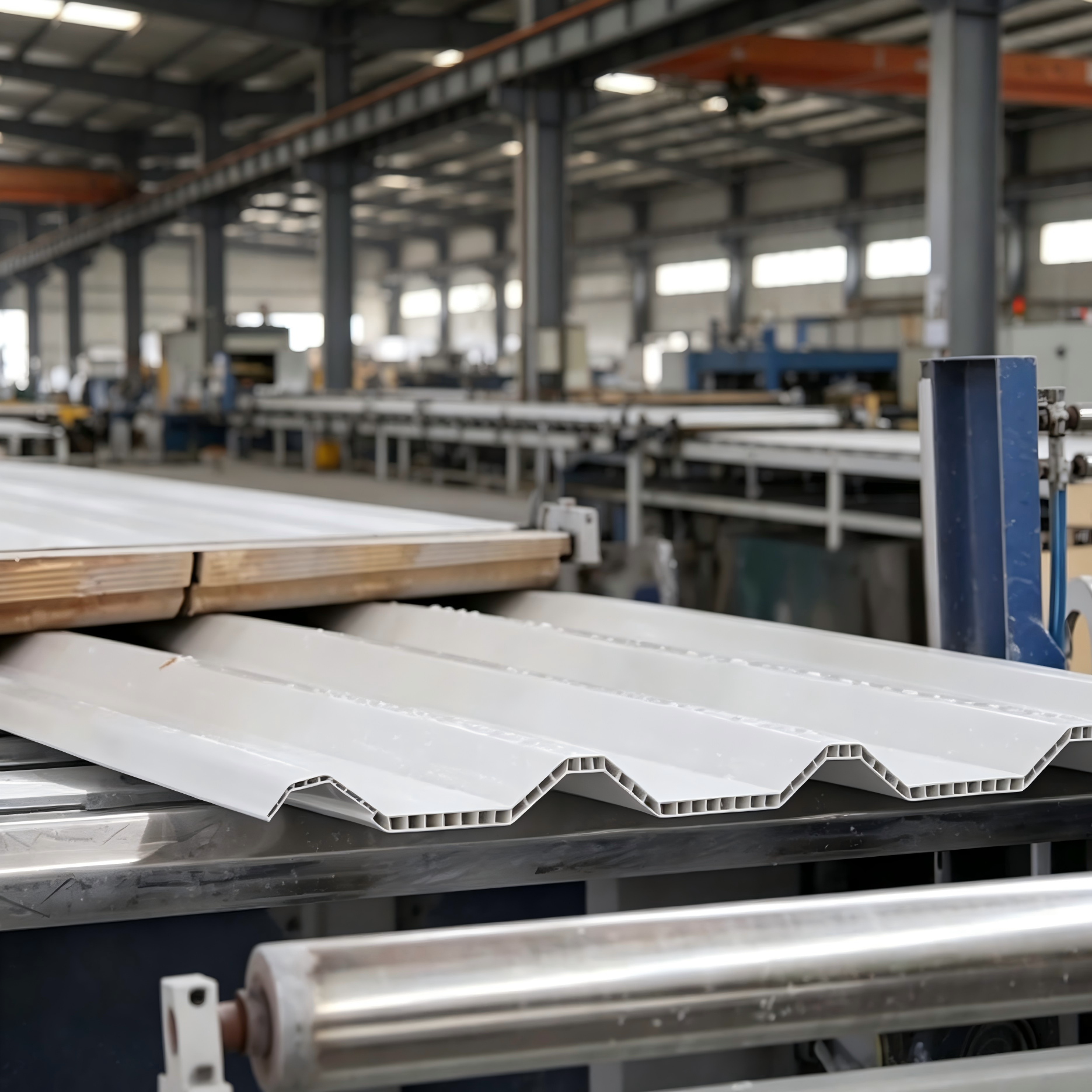
The corrugated shape is doing real work. It gives the sheet stiffness, helps distribute loads, and creates a familiar overlap pattern that installers understand. In practical terms, this can mean faster installation and fewer headaches on simple roof spans. The sheet also tends to shed rain efficiently, which is one reason a PVC roof sheet remains common in utility buildings and secondary structures.
Still, corrugation is not a cure-all. If the structure has wide spacing, heavy snow, or strong uplift conditions, the buyer needs to check the full roof design, not just the sheet itself. A thin, low-cost option may be fine for a covered passage but weak for a roof that sees real exposure.
Where ASA-Based Options Enter the Picture
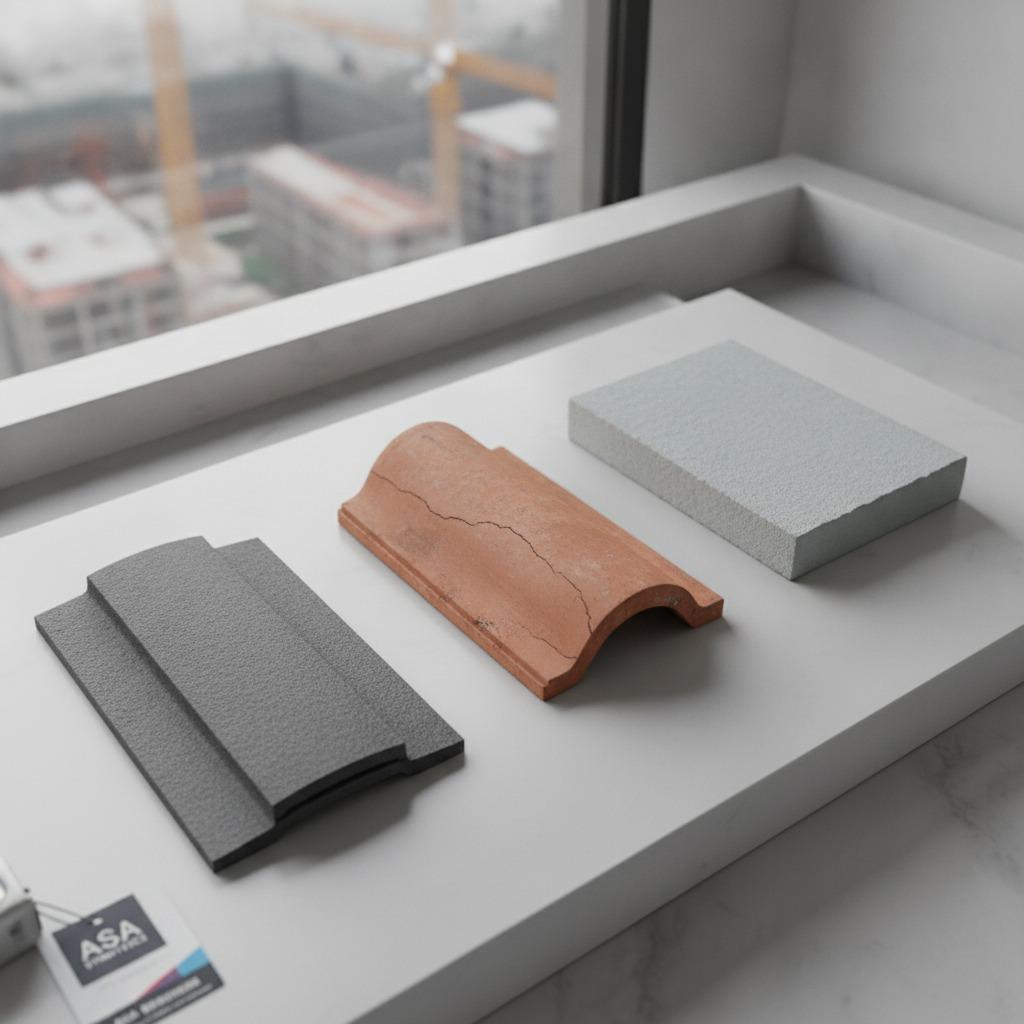
For projects that need more weather resistance, buyers often compare standard PVC roofing sheet options with ASA PVC roof sheet products. ASA is typically used as a weatherable surface layer, which can improve appearance retention and outdoor durability. In the market, you may also see terms like ASA PVC roofing sheet or ASA PVC corrugated roof sheet used for similar layered products. The label matters because the surface layer can influence how the roof ages in sunlight and harsh environments.
That does not automatically make one product “better” in every case. A covered storage bay, for example, may not need the same surface performance as a fully exposed roof over a customer-facing area. The right answer depends on the building, not the brochure.
Selection Criteria That Actually Help
1. Exposure to weather
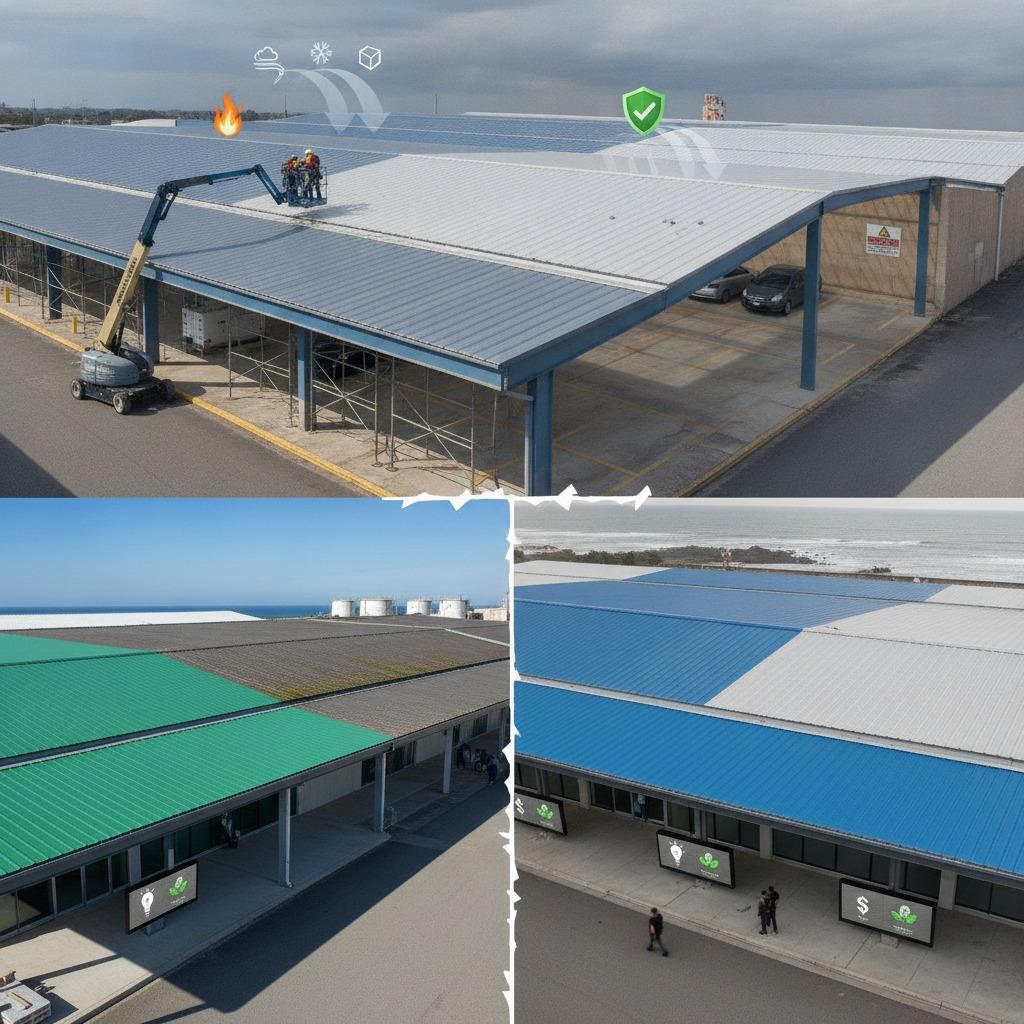
If the roof faces strong UV, frequent rain, or wide temperature swings, surface durability should move up the list. If the site is sheltered, simpler construction may be enough.
2. Installation conditions
Look at slope, fastening method, and overlap detail. A well-made sheet can still leak if the roof geometry is poor or the installer treats it like a metal panel.
3. Building function
A livestock shelter, a machine shed, and a pedestrian canopy all ask different things of a roof. Noise, light transmission, and heat build-up may matter as much as raw strength.
4. Maintenance expectations
Buyers who want a “fit and forget” roof should be realistic. Any roof covering needs periodic checks, especially at fasteners, laps, and edges.
Common Mistakes Buyers Make
The most common mistake is choosing by price alone. Another is assuming every PVC roof sheet will behave the same outdoors. The third, and perhaps the most expensive in the long run, is ignoring installation details. A roofing sheet PVC product with decent material quality can still perform poorly if the support spacing is wrong or the fixings are rushed.
It is also easy to over-specify. Not every project needs premium weathering layers, and not every project can tolerate a basic sheet. The useful middle ground is to match the roof to the building’s real exposure and service expectations.
Practical Buyer Advice
When sourcing a PVC corrugated roofing sheet, ask for the product structure, recommended application, and any installation guidance the supplier provides. If ASA-based products are under review, ask how the surface layer is intended to improve outdoor performance, and whether the sheet is meant for full exposure or more moderate conditions. Those are ordinary questions, but they separate serious suppliers from glossy catalogs.
For engineering and purchasing teams, the best decision usually comes from comparing the roof’s environment, the project budget, and the cost of replacement if the first choice falls short. A roof is not a decorative item. It is a working component, and it should be treated that way.
FAQ
Is a PVC corrugated roof sheet suitable for all buildings?
No. It works well for many light and medium-duty structures, but the roof design and exposure conditions still matter.
What is the difference between standard PVC and ASA PVC roofing sheet products?
ASA-based products typically use a weatherable surface layer, which may improve outdoor durability and appearance retention. Exact performance depends on the product construction.
What should I confirm before placing an order?
Confirm the intended application, installation method, roof support requirements, and whether the product is standard PVC or an ASA PVC corrugated roof sheet type.
Next Step for Sourcing Teams
If you are comparing roofing sheet PVC options for a project, start by matching the sheet type to the roof environment rather than the catalog headline. That single step usually prevents the most common buying mistakes and leads to a roof that behaves as expected once it is on the structure.