Why a PVC hollow roof tile is getting attention in roofing decisions
A PVC hollow roof tile is usually considered when a project needs more than basic weather protection. Buyers are often comparing heat buildup, corrosion risk, weight, and installation speed, especially on workshops, farm buildings, warehouse annexes, and light industrial roofs. That mix of concerns is where this roofing type starts to make sense. It is not a universal answer, but it can be a practical one when the job calls for a lighter sheet and a roof surface that helps lower temperature instead of trapping it.
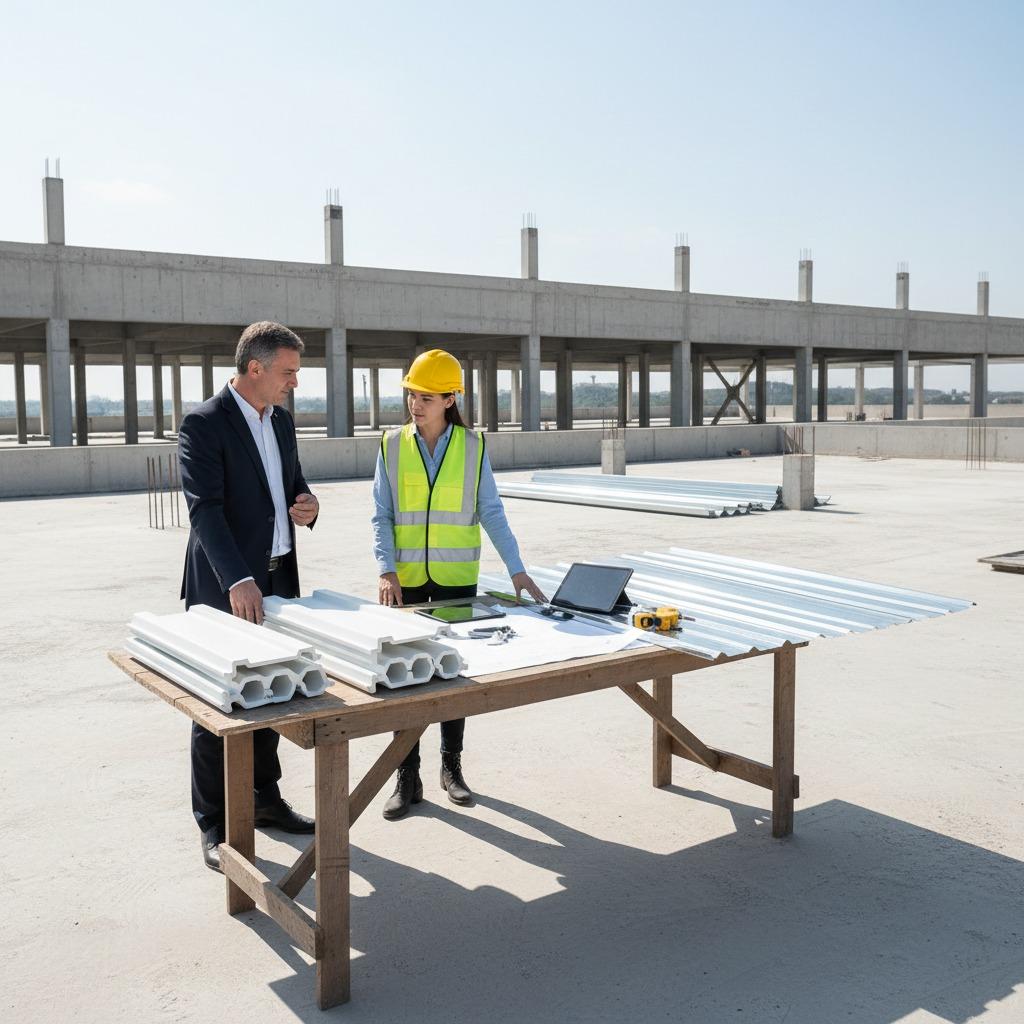
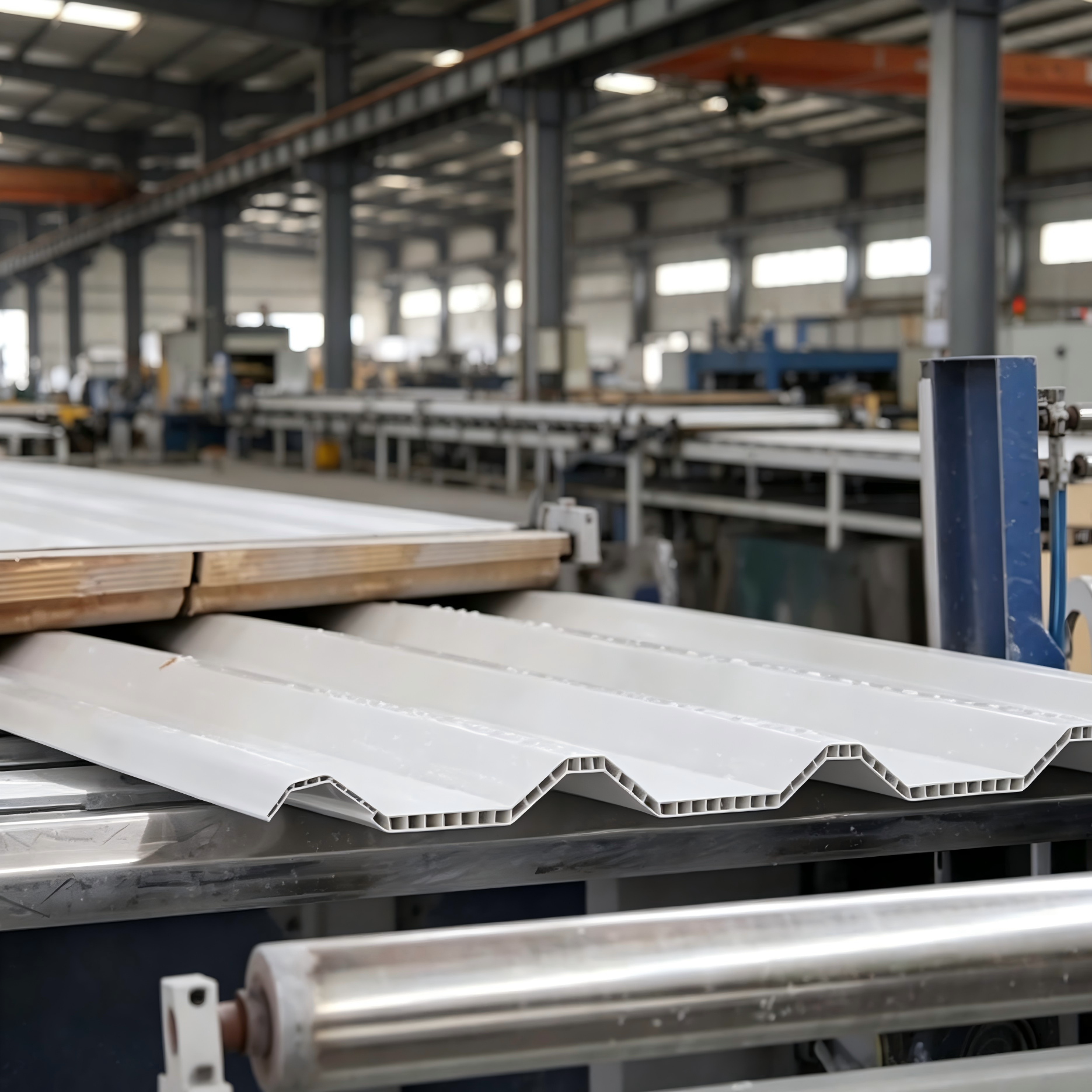
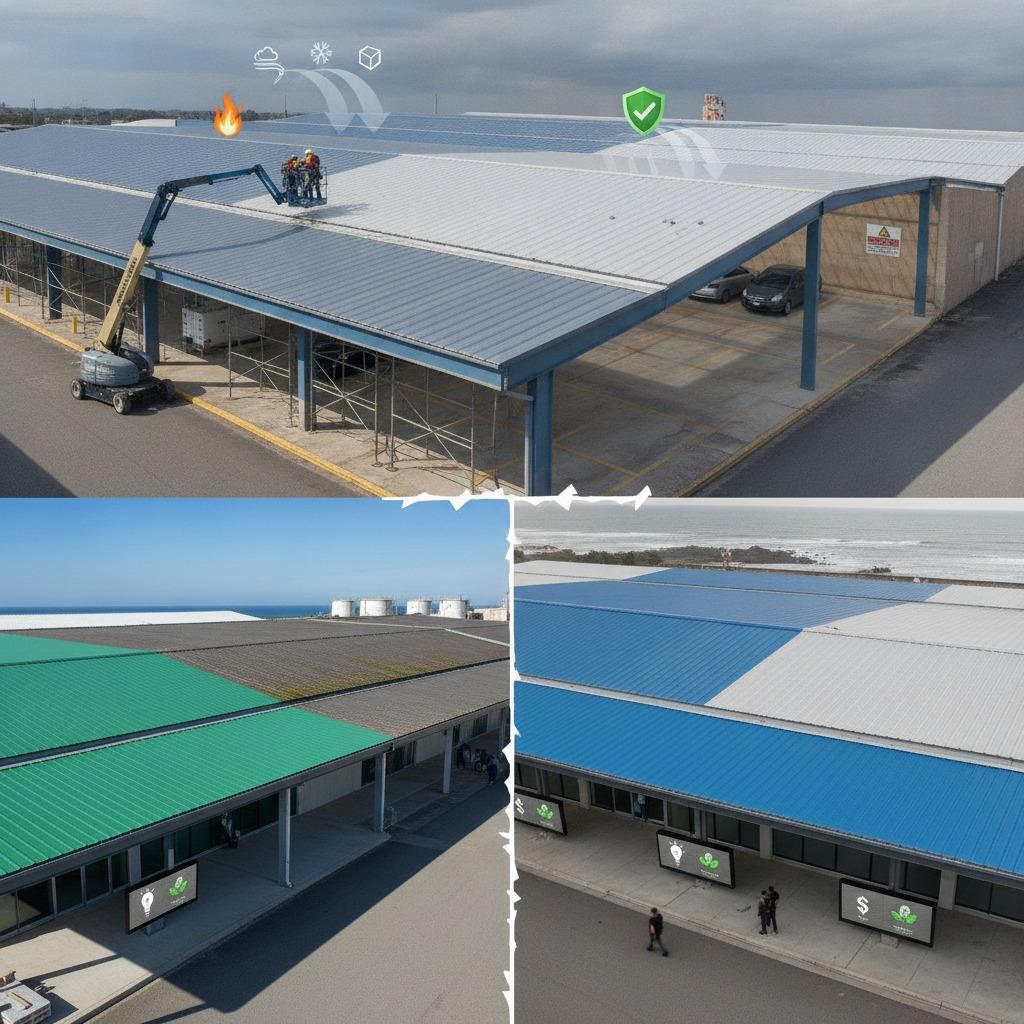
The idea behind the hollow section is simple enough. Air space inside the panel can help reduce heat transfer, which is why hollow PVC roof tile products are often discussed alongside cooling solutions for buildings in hot, sun-exposed areas. For buyers, the question is less about novelty and more about whether that extra layer of structure improves day-to-day comfort, protects stored goods, or eases the load on the frame. On coastal or chemical-exposed sites, the anti-corrosive nature of PVC also matters. Metal may still be the right answer in some cases, but not every roof lives an easy life.
What these roof tiles are trying to solve
Most roof decisions come down to a short list of headaches: heat, rust, noise, weight, and maintenance. A hollow roof tile made from PVC or uPVC is typically chosen to address several of those at once. The material is not conductive in the way metal is, so it is often favored where anti corrosion performance matters. The hollow profile can also help soften the interior temperature profile, which is why some buyers compare it directly with other lower temperature roof options.
That does not mean the panel is magically cooler in every setting. Roof color, slope, insulation beneath the sheet, and local climate all affect results. A darker sheet under full sun will behave differently from a reflective one. It is worth saying plainly: buyers should treat temperature reduction claims as part of a broader roofing system, not as a standalone promise.
Quick selection points for engineers and sourcing teams
Where it tends to fit
These tiles are often considered for simple-span structures, retrofit projects, and buildings where corrosion resistance is more valuable than high-end architectural finish. They can be a sensible choice for agricultural sheds, storage areas, and covered walkways. If the roof has unusual structural demands, heavy foot traffic, or a complex fire specification, the evaluation needs to be more careful.
What to check before buying
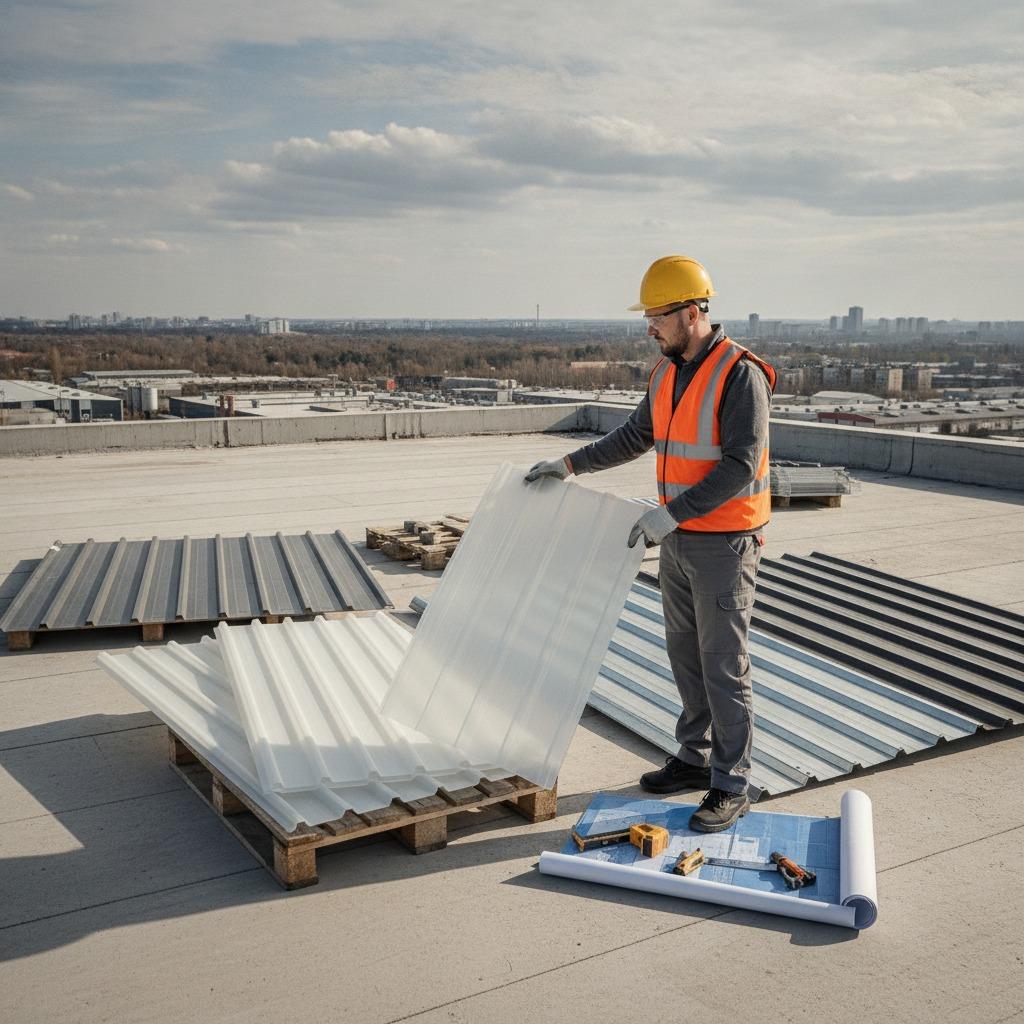
Look at the sheet profile, thickness, translucency or opacity, UV exposure expectations, fixing method, and compatibility with the existing roof frame. Also check whether the project needs a truly hollow panel or a different upvc hollow roof tile construction. Small wording differences in catalogs sometimes hide meaningful differences in structure, and that can turn into installation trouble later.
Common buyer mistakes
The most common mistake is comparing only price per sheet. That can be misleading. A cheaper panel that warps, ages poorly, or performs badly in heat is not actually cheap once labor and replacement are counted. Another frequent issue is assuming all hollow roof tiles behave the same. They do not. Profile depth, wall structure, and material formulation can change stiffness and thermal behavior quite a bit.
Another practical caution: if the project sits in a high-wind area, fixing details matter as much as the sheet itself. A lightweight panel can be an advantage, but only if the fastening system and roof structure are designed to hold it properly.
What a sensible buying decision looks like
If your priority is anti-corrosive performance, reduced heat gain, and a straightforward installation path, a PVC hollow roof tile may deserve a close look. If the roof must support heavy maintenance traffic or strict structural loading, it may not be the first choice. The right decision comes from matching the panel to the building’s actual use, not to a brochure headline.
For sourcing teams, the best next step is to compare the roof environment, structural requirements, and thermal expectations side by side. Ask suppliers for the profile details, application guidance, and any limits they recommend for span or fixing. That simple discipline often saves more trouble than a round of price negotiation.
FAQ
Is a PVC hollow roof tile the same as a uPVC hollow roof tile?
Not always. The terms are sometimes used loosely, but the exact formulation and structure can vary by supplier. It is safer to confirm the material description and section design.
Can hollow PVC roof tile products help reduce temperature?
They can help in some roof assemblies because the hollow structure may slow heat transfer. Actual performance depends on climate, color, roof build-up, and ventilation.
Are these tiles only for industrial buildings?
No. They are often used in industrial and agricultural settings, but the broader criteria are exposure, budget, structural needs, and maintenance expectations.
If you are comparing roofing options for a project, start with the site conditions first. The right sheet is usually the one that fits the building quietly and keeps doing its job without demanding attention.