What buyers usually mean when they search for a pvc hollow roof tile
A search for pvc hollow roof tile usually signals a buyer who wants a light, practical roofing panel that is easier to handle than traditional heavy tile. The term can be a little loose in the market. In some cases, people are looking for PVC-based roof sheets with a hollow or chambered structure; in others, they may be comparing it with corrugated sheet panels that achieve stiffness through profile rather than mass. Either way, the buying question is similar: how do you get a roof covering that sheds water well, installs cleanly, and does not burden the structure?
That matters because roofing decisions are rarely just about appearance. A panel that looks fine in a sample photo can become a nuisance if it is too brittle, too flexible, or awkward to fasten. For engineers, sourcing managers, and product teams, the real job is to match the panel form to the structure, the environment, and the expected service life.
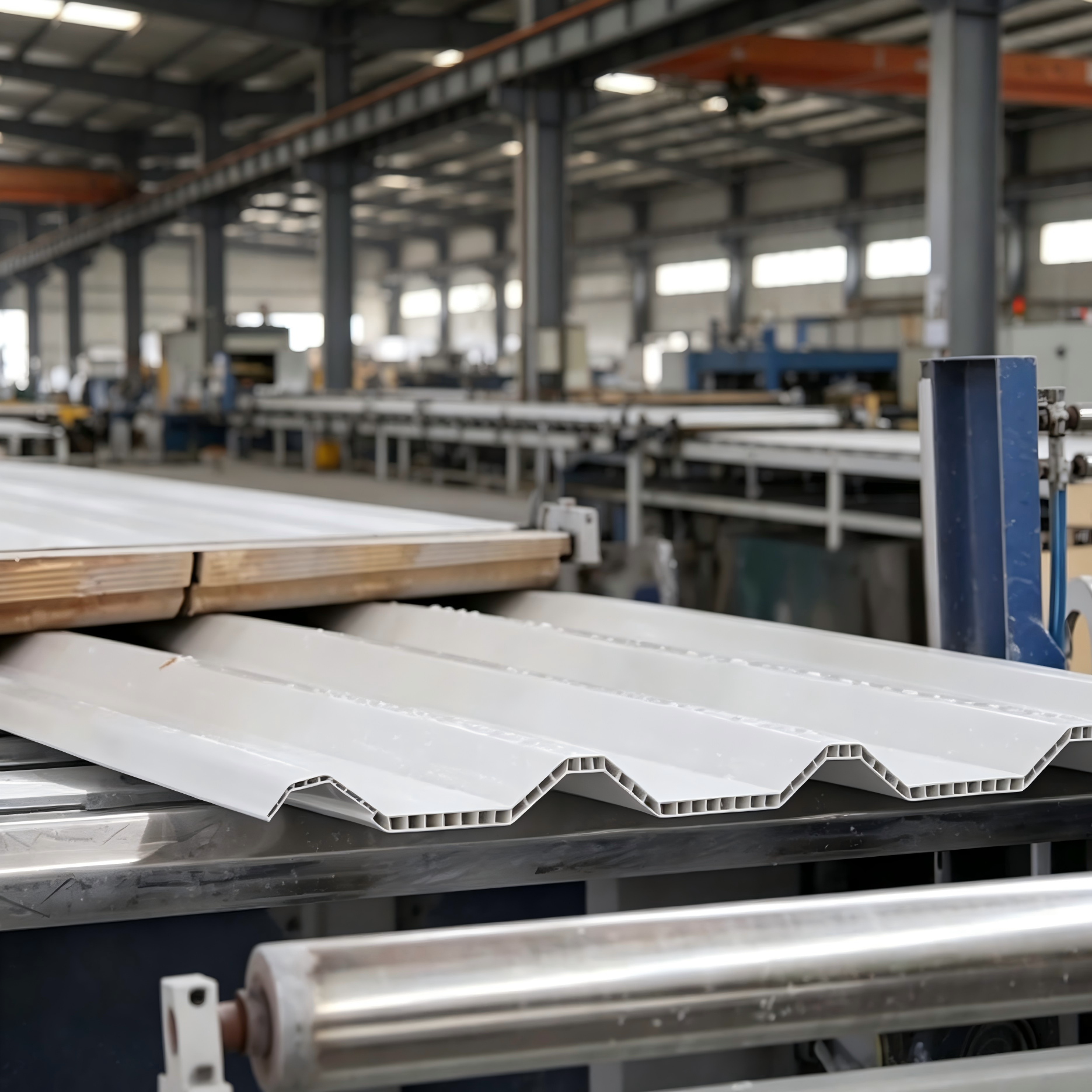
Why the hollow profile matters
The phrase hollow roof tile points to a structural idea more than a decorative one. A hollow or chambered section can add stiffness without adding much weight. The same is true of a repeating corrugated profile. Those waves and ribs are not there for style alone; they help the panel resist bending and move water off the surface. In practical terms, that means a wider span between supports may be possible than with a flat sheet, though the exact performance depends on thickness, material, and fixing method.
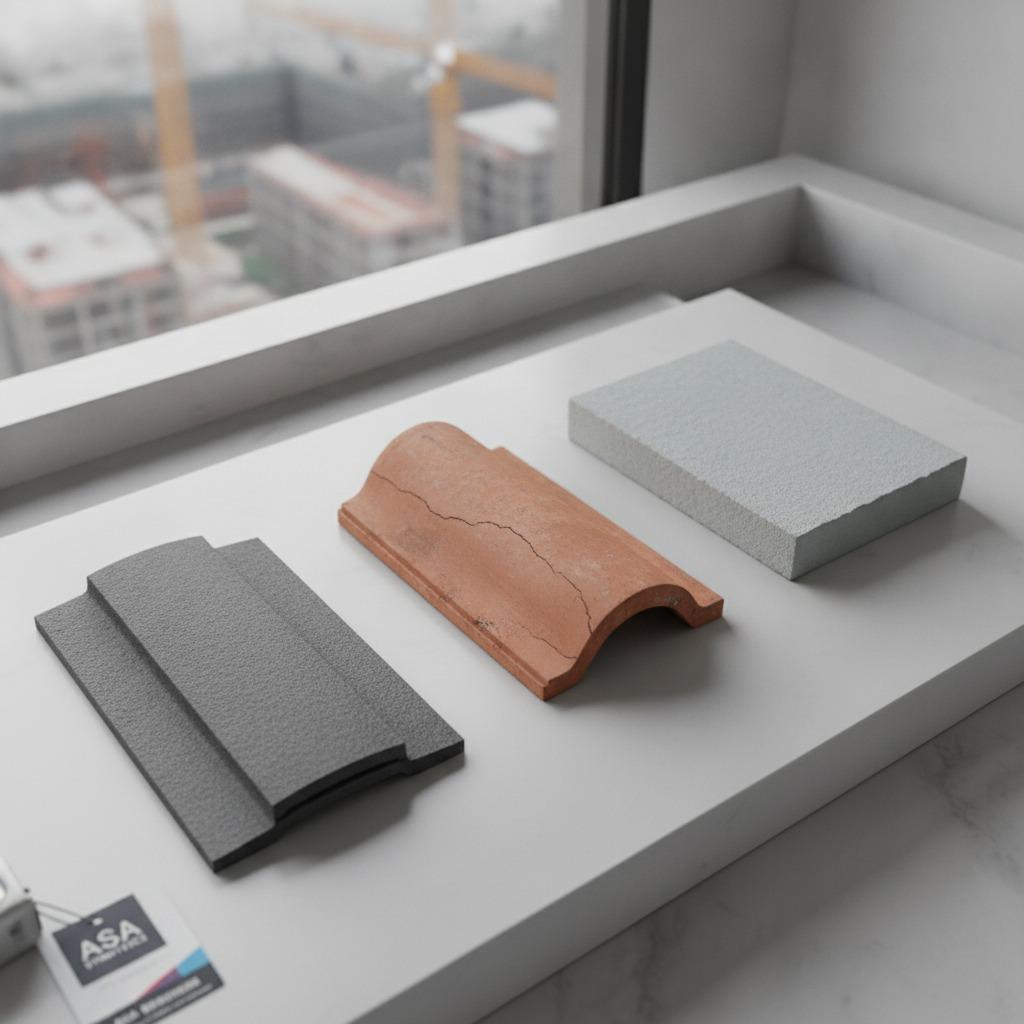
The visible product category here looks closer to a corrugated sheet panel than to a molded decorative tile. That distinction is worth keeping in mind. Buyers often compare products that are not truly interchangeable. A formed sheet for roofing or wall cladding may give a very different balance of rigidity, appearance, and installation speed than a molded tile-style product.
Quick buyer comparison: where this type of panel fits
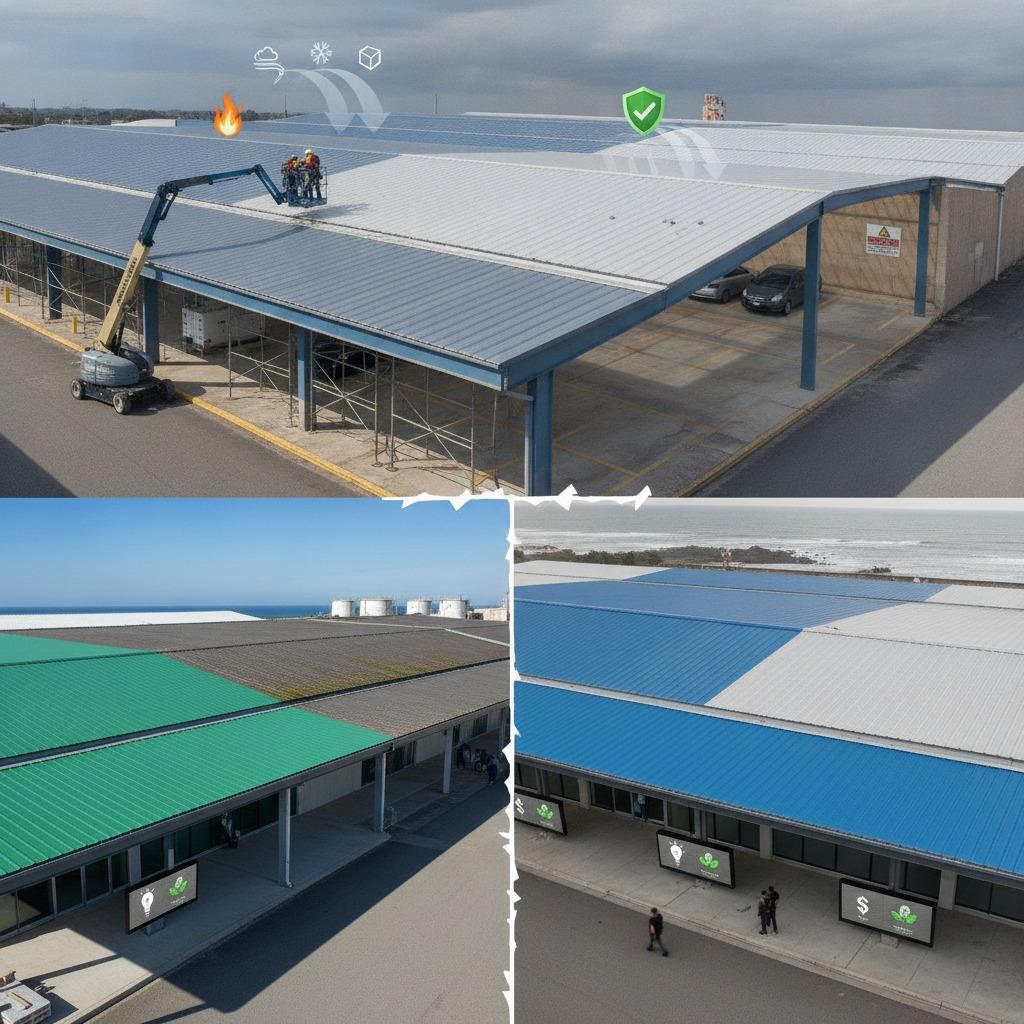
For sheds, warehouses, agricultural buildings, and general exterior cladding, a light formed panel can be a sensible choice. It is usually chosen when the priorities are coverage, drainage, and manageable installation rather than the visual weight of a traditional roof tile. A chambered or corrugated panel also tends to stack and transport more efficiently than bulky tile formats, which is one reason it keeps showing up in commercial purchasing conversations.
That said, not every project should go this route. If the design calls for strong thermal performance, a buyer should not assume the hollow shape alone will solve it. Insulation, underlayment, fastening system, and building envelope details still carry the load. A panel can be smart and simple, but it is not a substitute for the whole roof assembly.
Material and surface: what to ask before you buy
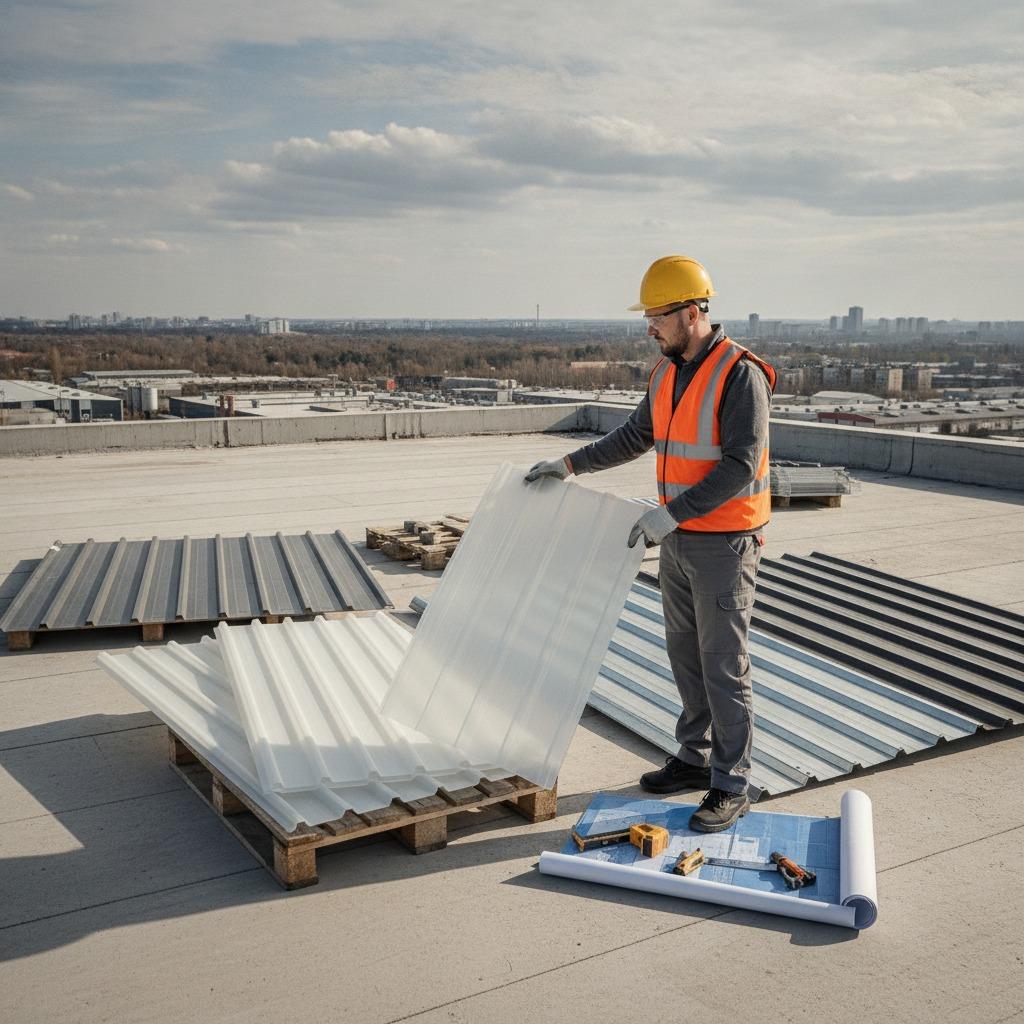
The product shown in the provided material appears to be a light-colored coated metal sheet with a uniform corrugated form and a chambered edge profile. The smooth reflective surface suggests a painted or coated finish, though the exact material grade is not confirmed. For a sourcing team, that uncertainty is not a footnote; it is the first thing to clear up.
Before approving a purchase, ask for the actual base material, thickness, coating type, dimensions, and application recommendation. Those details shape everything from corrosion behavior to fastening choice. A panel that looks similar in photos can perform very differently depending on whether it is galvanized steel, coated steel, or a different polymer-based product. The market name may stay the same while the engineering reality changes completely.
What the profile does well
The repeating wave form and chambered edge give the sheet visible rigidity. That helps during handling and installation, especially on longer runs where flatter materials can drum or sag. The geometry also supports water shedding, which is one of the most basic and most valuable jobs a roof panel has to do.
Selection criteria that actually matter on the shop floor
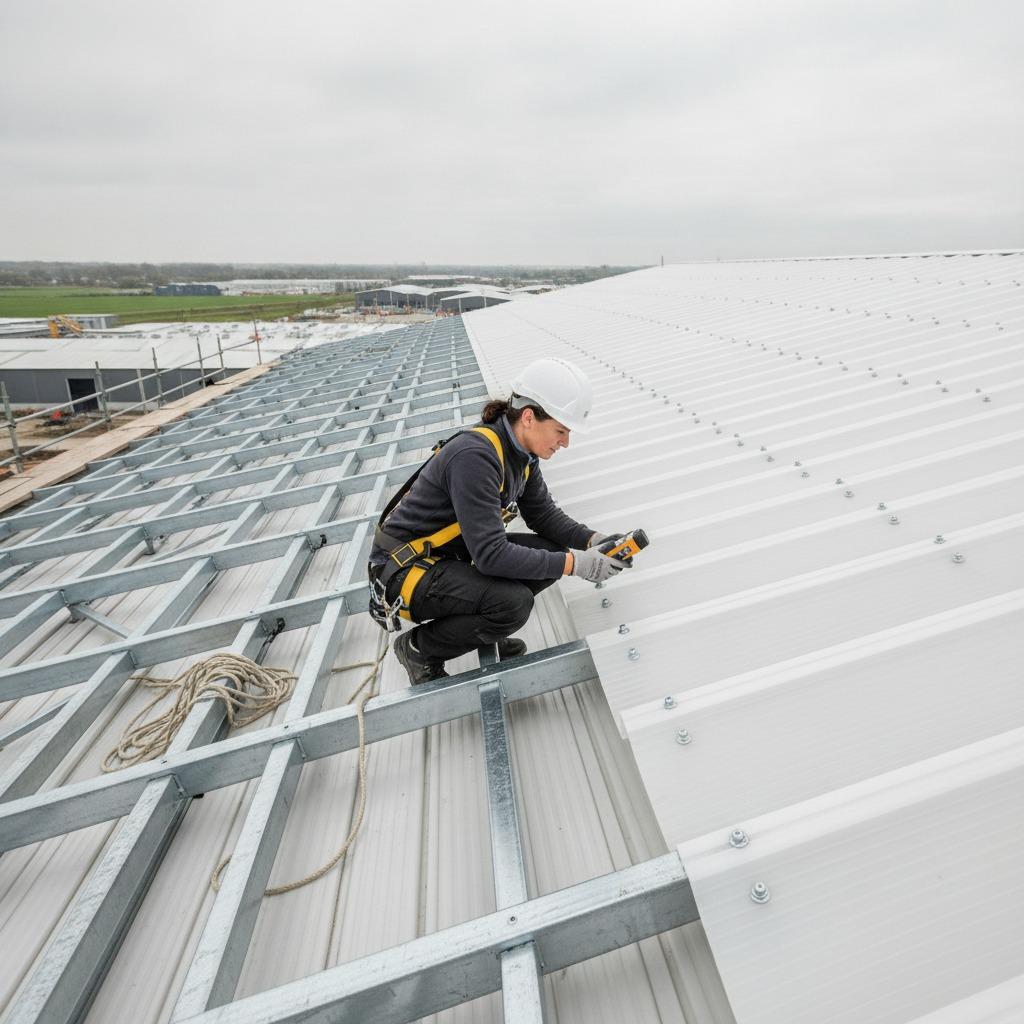
Buyers sometimes fixate on color or surface gloss first, but the more useful questions are mechanical and practical. How easy is the panel to align? Does the profile interlock cleanly? Can the crew fasten it without distorting the shape? Is the edge detail forgiving enough for real-world installation, or does everything have to be perfectly square?
For industrial and agricultural buildings, speed matters too. Panels that come in a wide format can reduce the number of seams and shorten installation time. Fewer seams often mean fewer opportunities for leaks, though flashing and lap details still need proper attention. That small caveat matters more than glossy product sheets admit.
Common mistakes when specifying roof panels like this
One mistake is treating all corrugated or hollow-profile products as equivalent. Another is assuming a light panel automatically means easy performance. Weight reduction is useful, but light materials can be more sensitive to support spacing, thermal movement, and edge damage. A third mistake is overlooking the end use. A warehouse roof, a wall facade, and a farm shed all ask different things from the same basic geometry.
It is also worth checking whether the product is meant for roofing, siding, or both. The image suggests a building envelope panel, but the exact application should be confirmed before ordering. A panel that works well on a facade may not be the best fit for a sloped roof exposed to standing water, wind lift, or heavy debris.
Practical advice for sourcing teams
If you are comparing a pvc hollow roof tile against other roof covering options, request enough technical information to compare apples with apples. Material composition, panel dimensions, profile depth, and fixing guidance should be on the table early. If a supplier cannot explain the panel construction clearly, that is a warning sign, however attractive the sample looks.
For product teams, the better question is often not “Which roofing product is cheapest?” but “Which one makes the building easier to build and maintain?” A panel with a clean corrugated geometry, a uniform profile, and a coated surface may be the right fit when the project values speed, drainage, and moderate structural efficiency.
What to ask the supplier next
Ask for the exact material specification, recommended support spacing, fixing method, and whether the panel is intended for roofing, wall cladding, or both. If the supplier uses the term hollow roof tile, ask them to define it in technical terms. In this category, vague language is common. Clear drawings and datasheets are better than marketing phrases.
If your team is weighing options for sheds, warehouses, or agricultural structures, this is the point to compare the panel against the rest of the roof system, not just against another sample. The shape is only the starting point. The real value shows up when the roof is on the building and doing its job day after day.