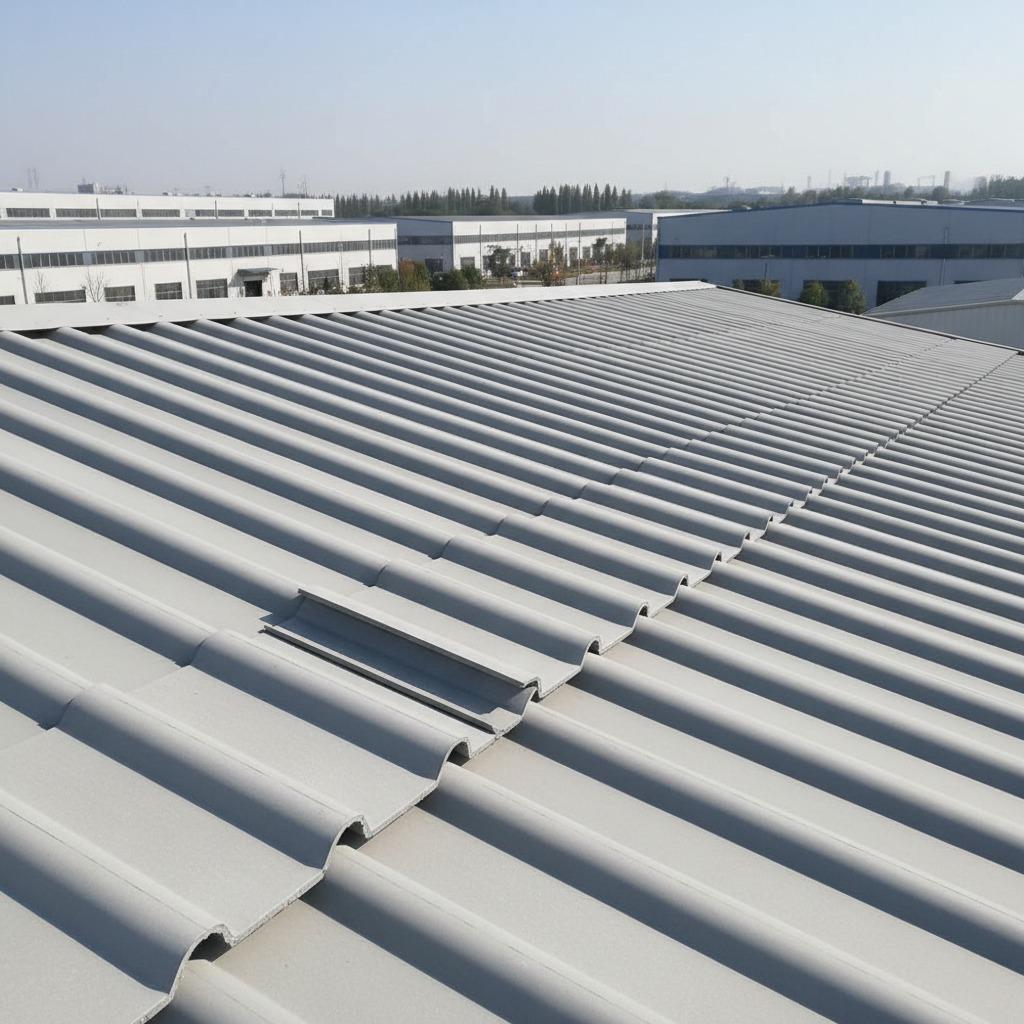
Why a uPVC Roof Panel Is More Than a Simple Covering
A uPVC roof panel is often chosen for the same reason many buyers start looking for roofing materials in the first place: the roof needs to do a lot of work without demanding much attention back. It should shed water, resist weather, keep weight down, and avoid turning routine maintenance into a recurring job. That sounds straightforward until you are comparing sheet materials, checking spans, and trying to decide whether the roof is serving a utility space, a light industrial bay, or a residential extension.
For engineers, sourcing teams, and product planners, the real question is rarely “what is the cheapest panel?” It is closer to “what roof panel can handle the environment, the installation method, and the long-term service expectations without creating hidden cost later?” That is where uPVC earns a serious look. It is lightweight, corrosion-resistant, and suitable for applications where metal may need more upkeep or where natural light, moisture resistance, or cleaner handling matters.

What Buyers Usually Want to Know First
Before getting lost in profiles and fixings, it helps to step back and define the job. A roof panel is doing at least four things at once: carrying load between supports, sealing against water, coping with thermal movement, and surviving exposure. If one of those factors is underestimated, the project may still look fine on day one and then become troublesome after the first hard season.
That is why buyers tend to compare a uPVC roofing panel not just on appearance, but on practical service behavior. Will it suit high humidity? Can it reduce maintenance visits? Is it appropriate for small-span structures or more controlled installations? Those are the questions that usually separate a safe specification from a rushed one.
Where uPVC Roof Panels Fit Best
In everyday use, uPVC roof panels are often considered for lightweight roofing and cladding-style applications where chemical resistance, moisture tolerance, and straightforward installation matter. They are commonly discussed for canopies, walkways, utility structures, agricultural buildings, and secondary roofing areas. In some projects they are chosen because the structure cannot carry much additional weight. In others, the priority is avoiding rust and reducing repainting or surface treatment over time.
That said, they are not a universal answer. A buyer who needs extreme impact resistance, very high structural loading, or specialized fire performance may need a different material family altogether. The sensible move is to match the panel to the site conditions rather than assuming one plastic-based roofing product can cover every case.
Key Selection Points That Actually Matter
1. Support spacing and structural assumptions
A roof panel may look rigid in the warehouse, but once installed, span and support layout decide much of the real performance. If the framing is not designed around the panel’s allowable spacing, deflection and fastening issues can appear quickly.
2. Weather and exposure
UV exposure, wind uplift, rainfall intensity, and local temperature swings all shape service life. This is one reason buyers should ask how the material behaves outdoors over time, not just what it looks like in a catalog photo.
3. Thermal movement
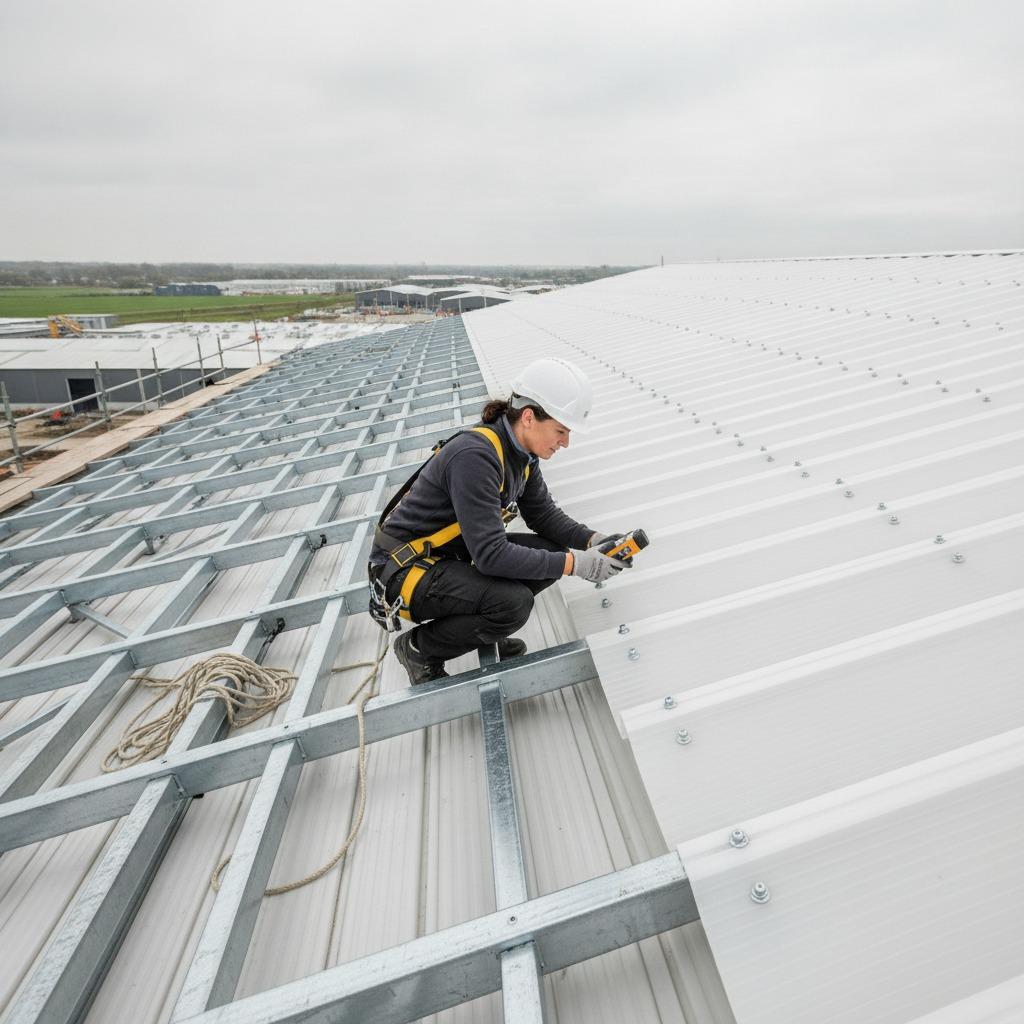
uPVC moves with temperature. That is not a flaw; it is a fact of the material. But installers need to allow for it. Over-tight fixings or ignored expansion gaps can create distortion, noise, or joint stress. A panel that is good on paper can still disappoint if the installation practice is careless.
4. Maintenance expectations
One reason teams choose a uPVC roof panel is to avoid routine surface treatment. Still, “low maintenance” does not mean “no inspection.” Fasteners, edges, and seals deserve periodic checks, especially after storms or in harsher industrial settings.
Common Mistakes Buyers Make
The most common mistake is comparing only thickness. Thickness matters, but profile, support conditions, fastening method, and environmental exposure matter just as much. Another frequent problem is treating all roofing plastics as interchangeable. They are not. The material choice should reflect the structure, not a generic assumption.
Another practical caution: do not let appearance drive the decision too early. A cleaner-looking panel is not automatically the better engineering choice. If the roof is part of a working building, serviceability usually wins over cosmetics after the first year.
A Practical Buyer’s Way to Narrow the Choice
Start with the structure: span, slope, fixing pattern, and expected load. Then define the environment: indoor-outdoor transition, coastal air, chemical exposure, or simply normal rain and sun. After that, compare how each panel system handles installation and maintenance. If you are sourcing for multiple sites, standardization may be valuable, but only if the panel suits the worst conditions in the group.
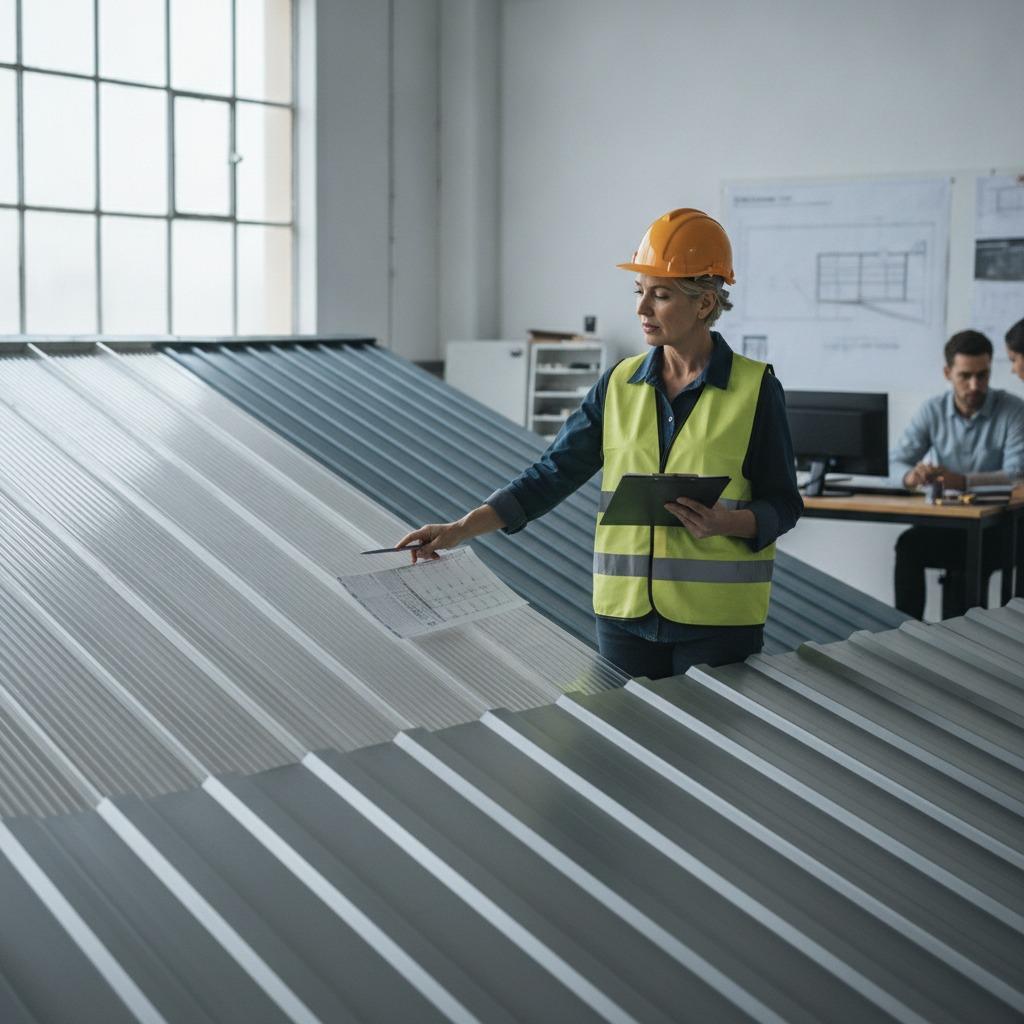
If a project team is still weighing a uPVC roofing panel against metal or other sheet options, a sample review and installation trial can save trouble later. It is better to find out on a test bay that the fixing approach is awkward than to discover it after 2,000 square meters are ordered.
FAQ: Short Answers Buyers Often Need
Is uPVC roof panel suitable for outdoor use?
Yes, provided the product is intended for exterior service and the installation allows for exposure, movement, and proper support.
Does it replace metal roofing everywhere?
No. It is a practical alternative in many lightweight and moisture-prone applications, but not every structural or performance requirement will suit uPVC.
What should procurement teams ask suppliers?
Ask about recommended support spacing, fixing method, thermal movement allowances, and the intended application range. Those answers usually reveal whether the panel is a fit or a gamble.
What to Do Next
If your project is still at the comparison stage, put the roof panel choice back into context: the building type, the site exposure, and the maintenance plan. That is the fastest way to avoid overbuying a material that is too heavy, too demanding, or simply mismatched to the job. For many lightweight roofing applications, uPVC remains a sensible, disciplined option—so long as it is specified with the structure in mind, not just the brochure.