PVC Roof Panel Buying Guide: What Engineers and Buyers Should Look At First
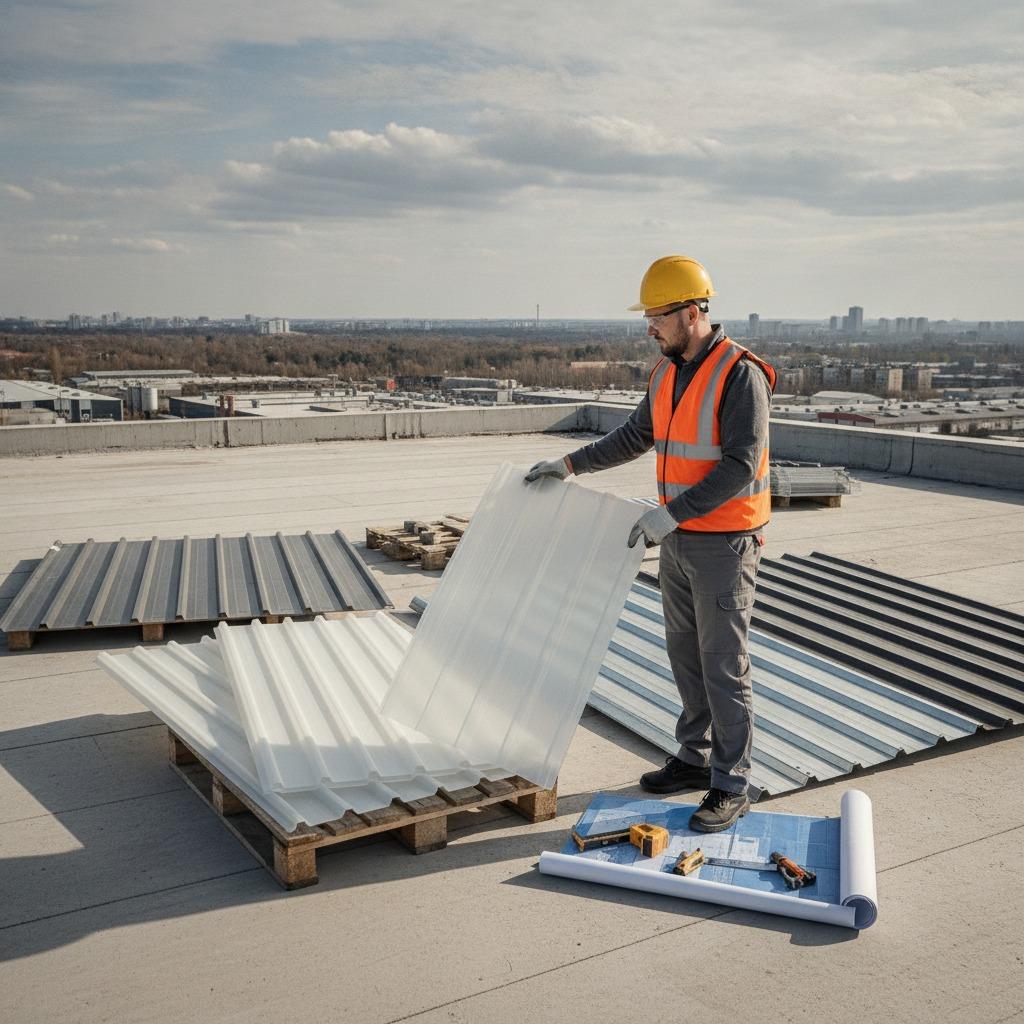
A pvc roof panel is often chosen for one simple reason: it has to survive where ordinary sheet materials start to fail. On sheds, covered walkways, light industrial buildings, and agricultural structures, the roof is exposed to rain, heat, wind, and in some cases chemical vapors or salty air. That makes material choice more than a cost decision. It affects maintenance, service life, and how often a facility team gets called back for repairs.
If you are comparing roofing options for a new project or a retrofit, the real question is not just whether the panel is waterproof. It is whether the panel can keep its shape, shed water reliably, and hold up in the specific environment you are building for. That is where PVC earns attention, especially where an anti-corrosive surface is useful and metal roof panels may need heavier protection.
Why PVC roof panels are used
PVC panels are valued because they are lightweight, easy to handle, and generally resistant to moisture and many common corrosive conditions. In practical terms, that can reduce installation strain and simplify replacement work on existing frames. For sourcing teams, the attraction is often a balance of performance and installation convenience rather than a single technical feature.
That said, not every roof application is a fit. Heat exposure, structural span, impact risk, and local weather all matter. A panel that performs well on a warehouse side canopy may not be the right answer for a roof with long unsupported runs or frequent foot traffic.
How to evaluate a pvc roof panel
1. Check the environment first
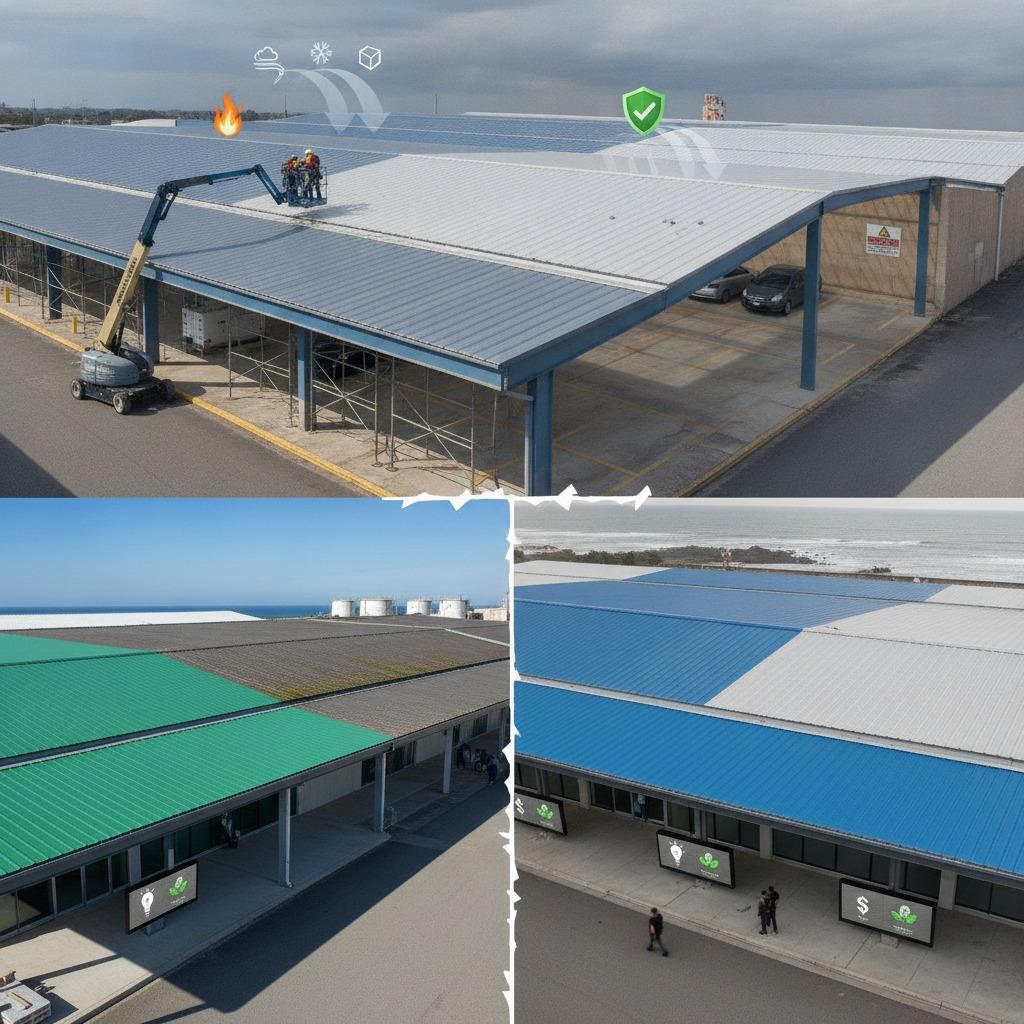
Start with exposure. If the building is near coastal air, fertilizer handling, washdown zones, or other corrosive conditions, the anti-corrosive advantage becomes more relevant. In cleaner indoor-adjacent settings, the decision may lean more toward light transmission, appearance, and budget.
2. Look at profile and panel thickness
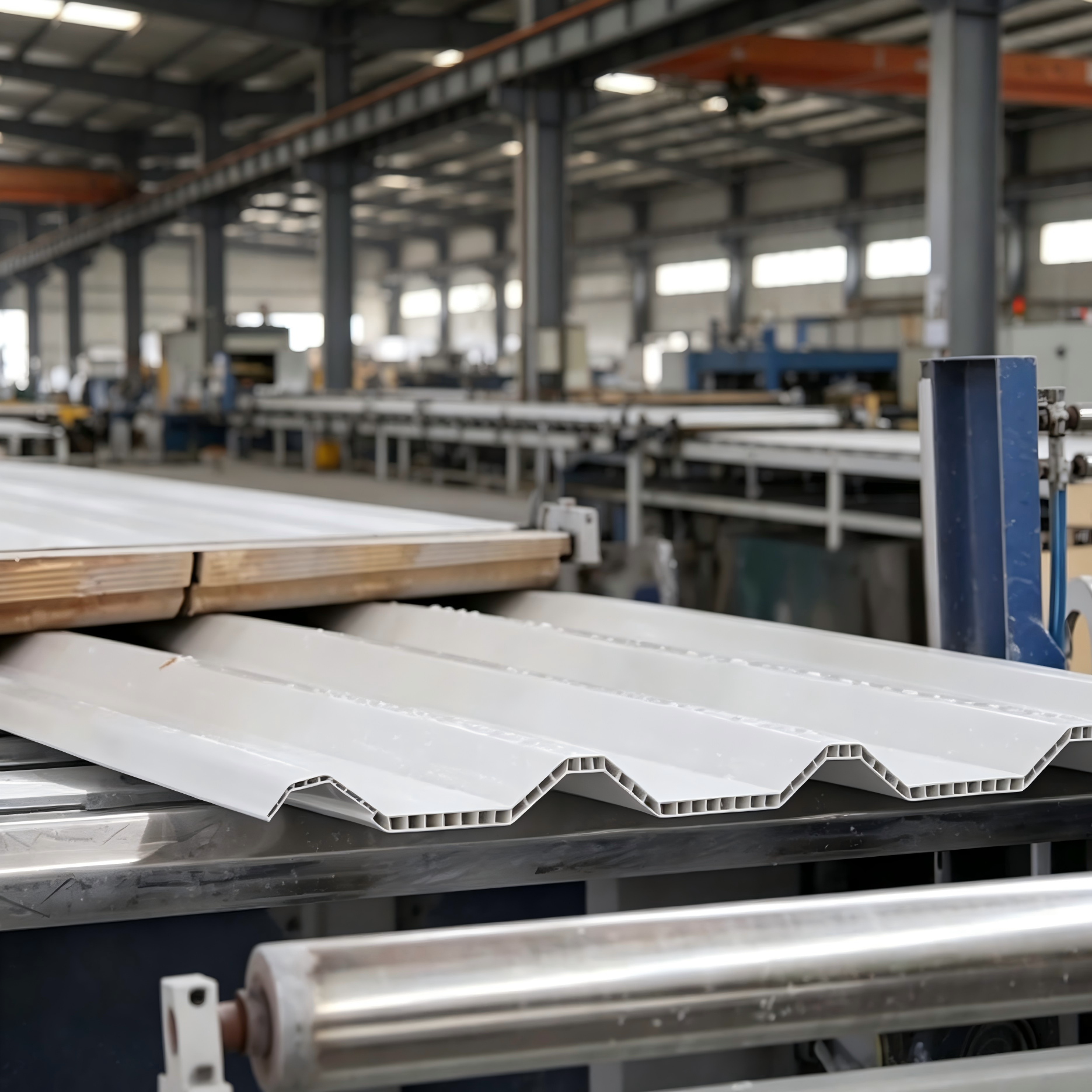
Panel geometry affects stiffness, drainage, and how the roof handles rain noise and wind uplift. Thickness also matters, but buyers should avoid assuming thicker is always better. The profile, support spacing, and fastening method are part of the same system. A weak support layout can ruin a good panel selection.
3. Confirm compatibility with the structure
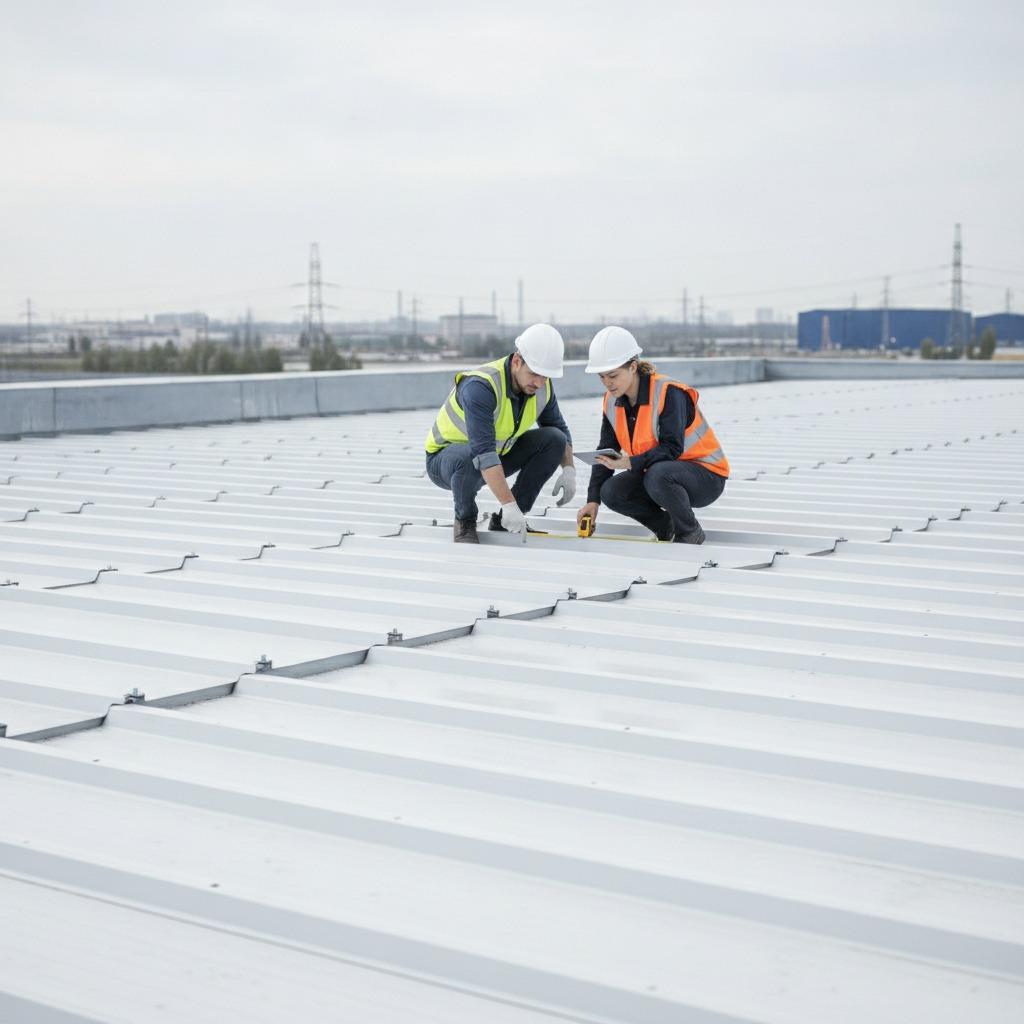
Before ordering, verify the panel width, overlap method, and framing details against the existing structure. Retrofitting is where mistakes happen. A panel may look suitable on paper and still create headaches if the roof pitch, purlin spacing, or edge details are mismatched.
Common mistakes buyers make
One common error is treating all plastic roofing as interchangeable. Another is focusing on initial price while ignoring installation complexity and replacement access. Some teams also forget that transparency, color, and surface finish can influence both daylighting and heat gain. Those are small details until the building is in use every day.
It is also worth asking whether the application needs impact resistance, flame behavior information, or special fasteners. Those requirements are often project-specific, and they should be checked early instead of discovered on site.
Step-by-step selection process
First, define the use case: shelter, daylighting, enclosure, or replacement roofing. Second, map the environment: weather, chemicals, cleaning routines, and UV exposure. Third, compare panel profile, thickness, and support requirements. Fourth, review installation details, including overlaps, sealing, and fastening. Finally, confirm that the panel choice matches the long-term maintenance plan, not just the purchase order.
Buyer advice before you place an order
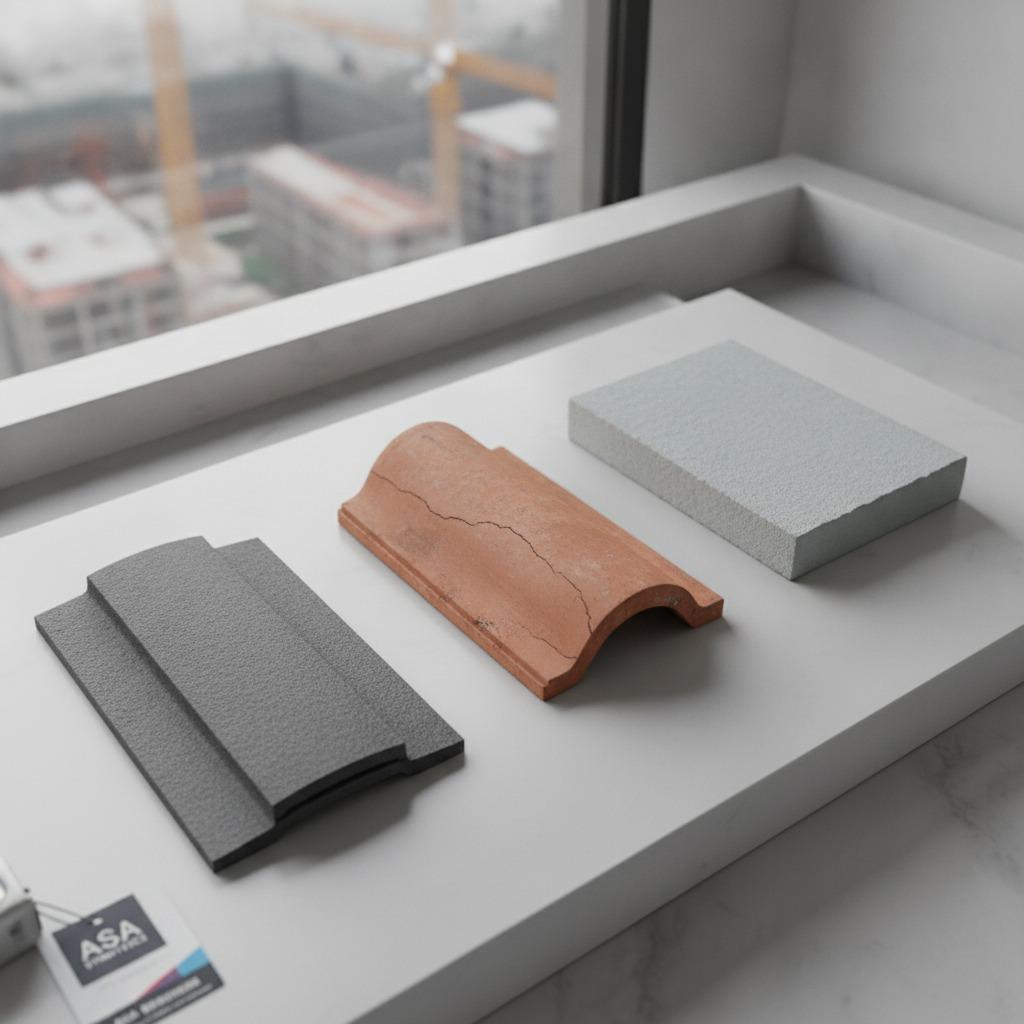
Ask suppliers for the exact panel construction, recommended support spacing, and installation guidance. If the project depends on corrosion resistance, make sure the wording is specific enough to be useful; “anti-corrosive” should be supported by the material description and application limits, not left as a vague label. And if the roof is part of a mission-critical production area, it is usually worth requesting a sample or mockup before committing to the full run.
What decision this guide helps you make
The choice is not simply PVC versus another roofing sheet. It is whether a pvc roof panel fits the environment, the structure, and the maintenance expectations of the building. That is the decision that keeps a low-cost roof from becoming an expensive replacement project later.
If you are specifying for a new build or a retrofit, start with the exposure conditions and the roof geometry. The rest becomes easier once those two facts are clear.