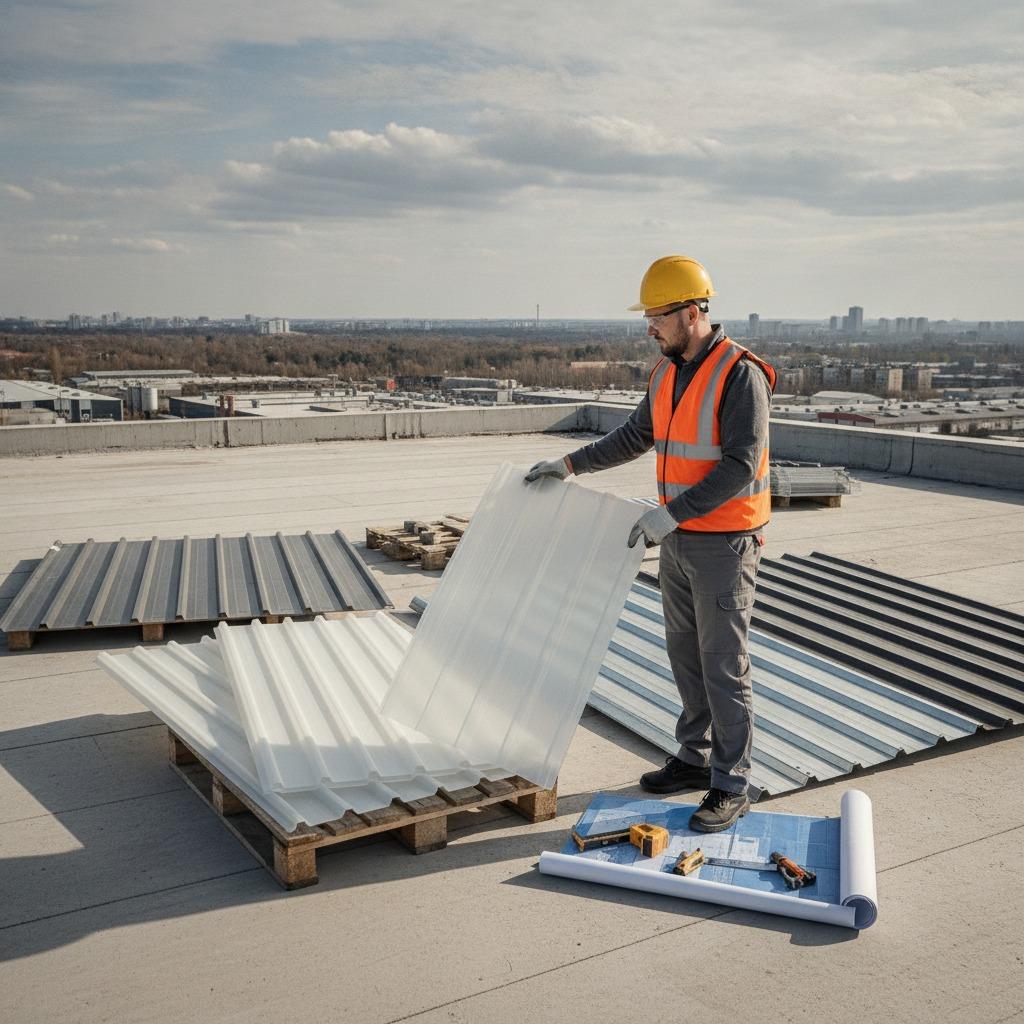
Why PVC roof tile keeps showing up on shortlists
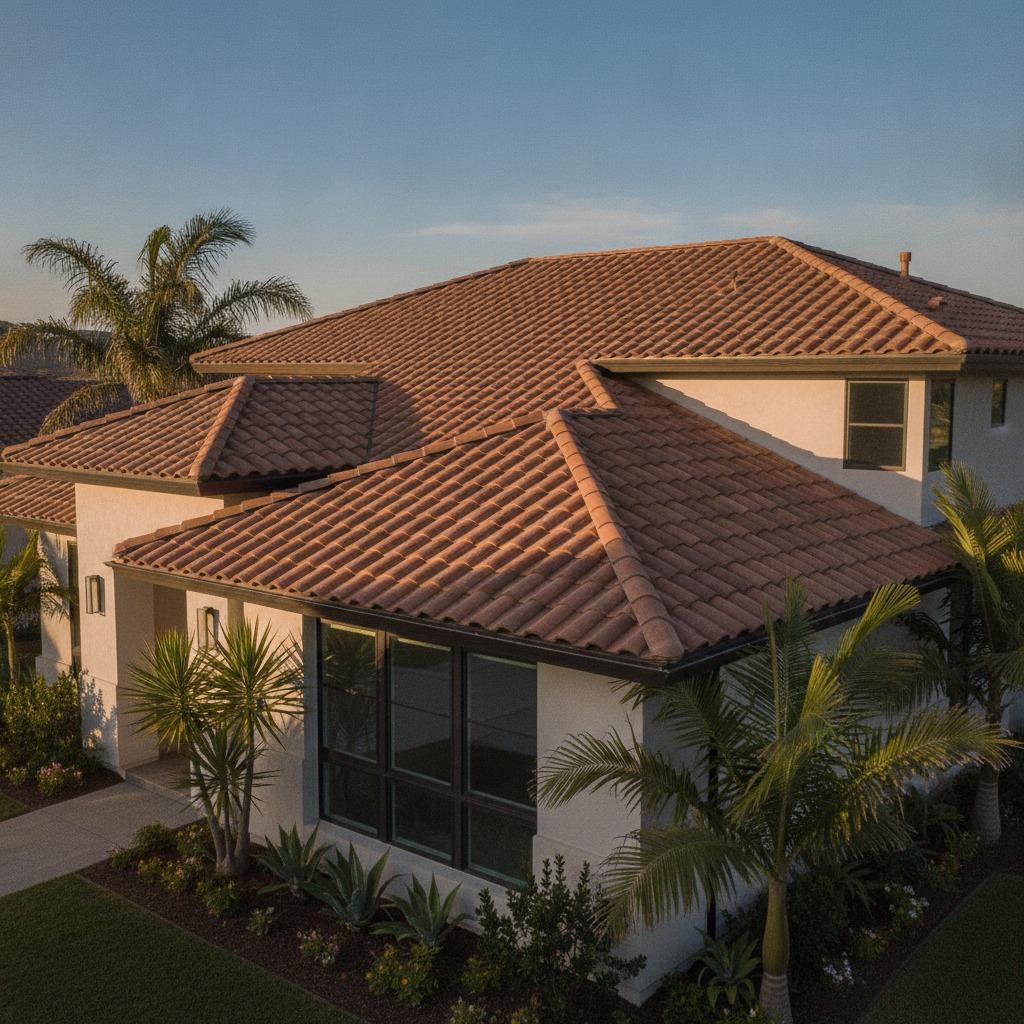
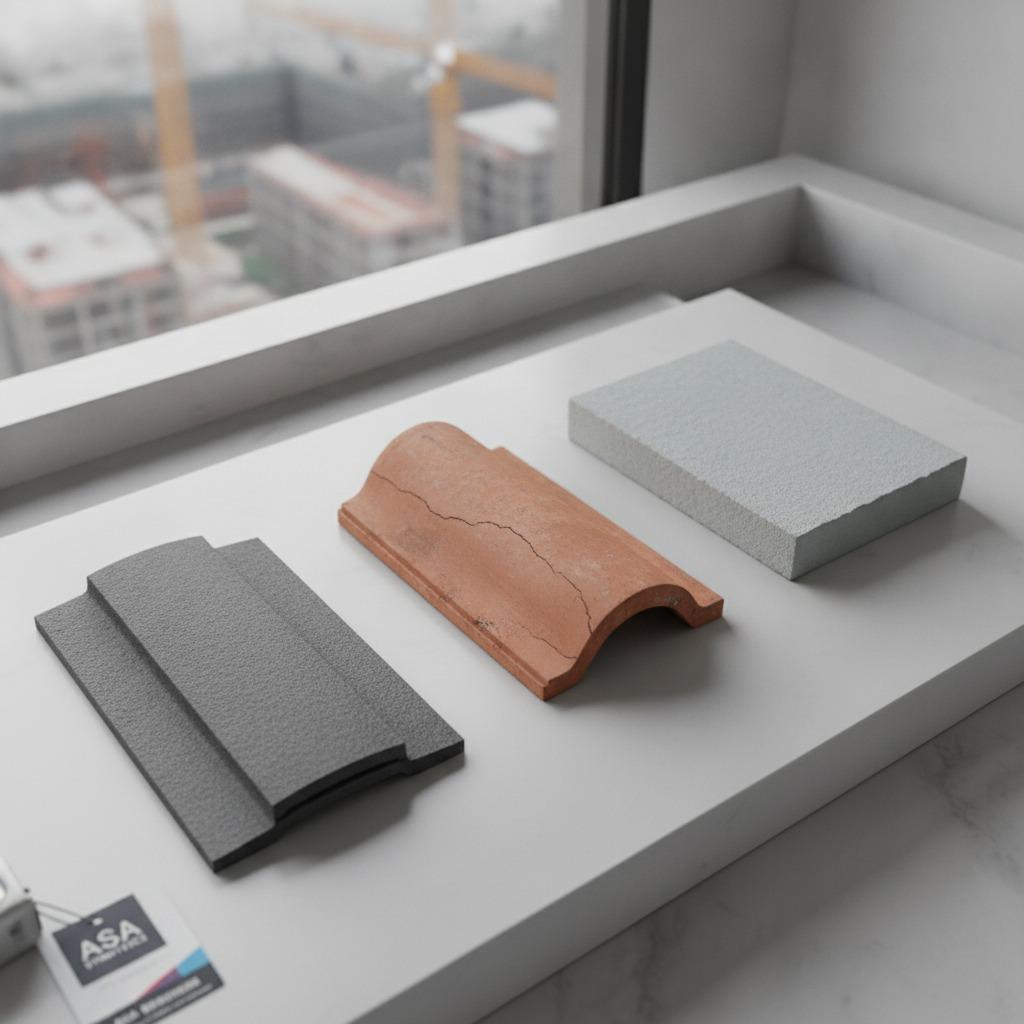
For buyers comparing plastic roofing options, pvc roof tile often lands in the same conversation as metal sheet, clay tile, and fiberglass profiles. That is usually because the decision is not only about appearance. It is about weather resistance, maintenance, noise, weight, and whether the roof will survive a harsh industrial environment without turning into a recurring repair item.
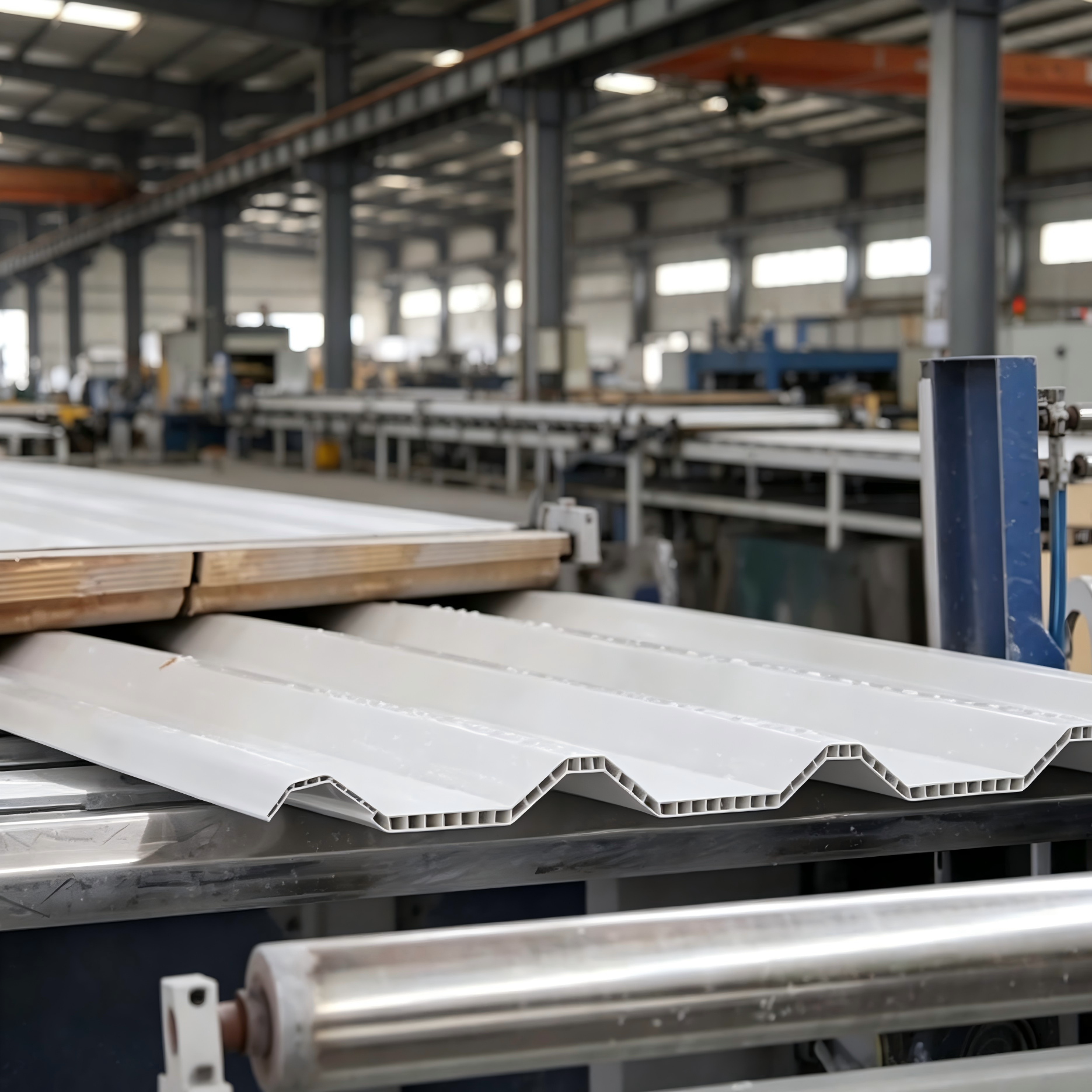
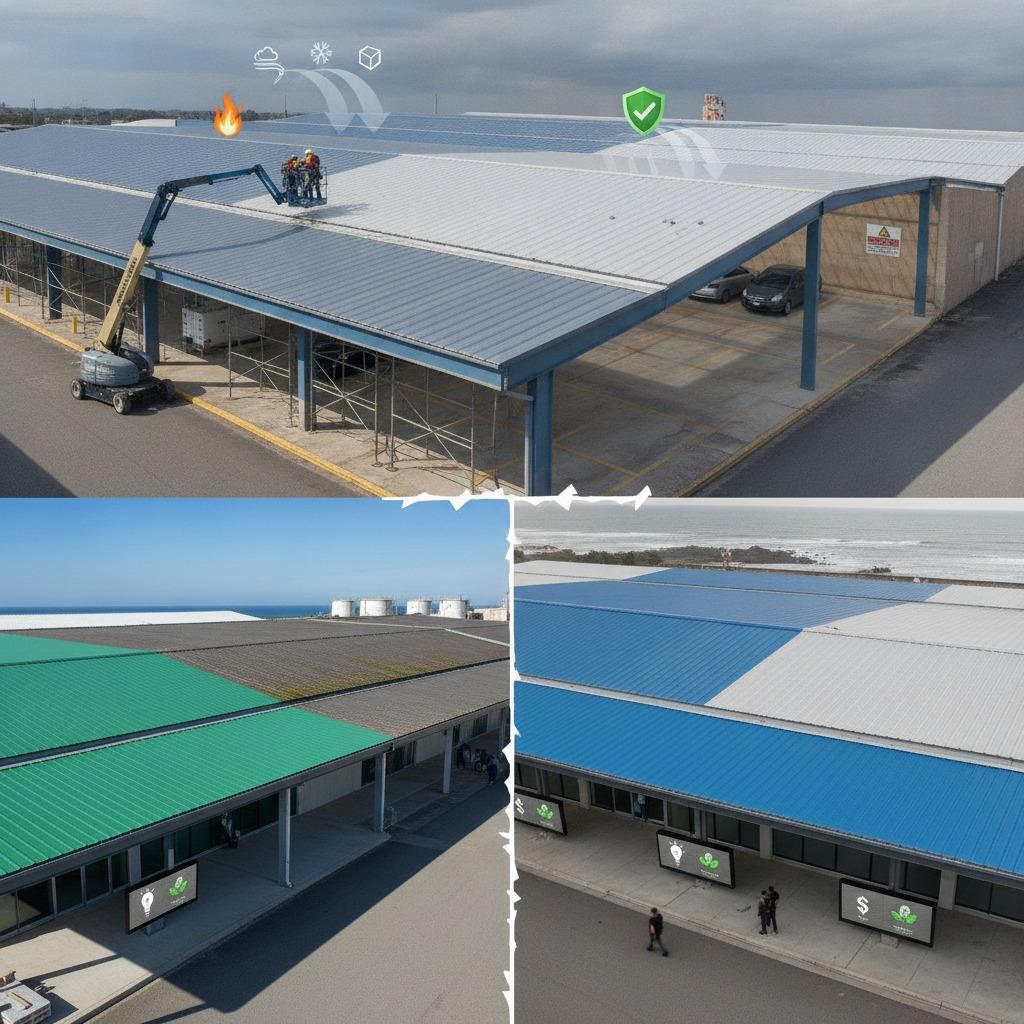
In practice, PVC roofing is attractive when a project needs a lighter roof covering with straightforward installation and decent resistance to corrosion. That matters on factories, workshops, farm buildings, and warehouse extensions where airborne chemicals, damp air, or coastal conditions can punish conventional materials. The right choice can reduce long-term headaches; the wrong one can leave a buyer dealing with brittle panels, leaks, or premature discoloration.
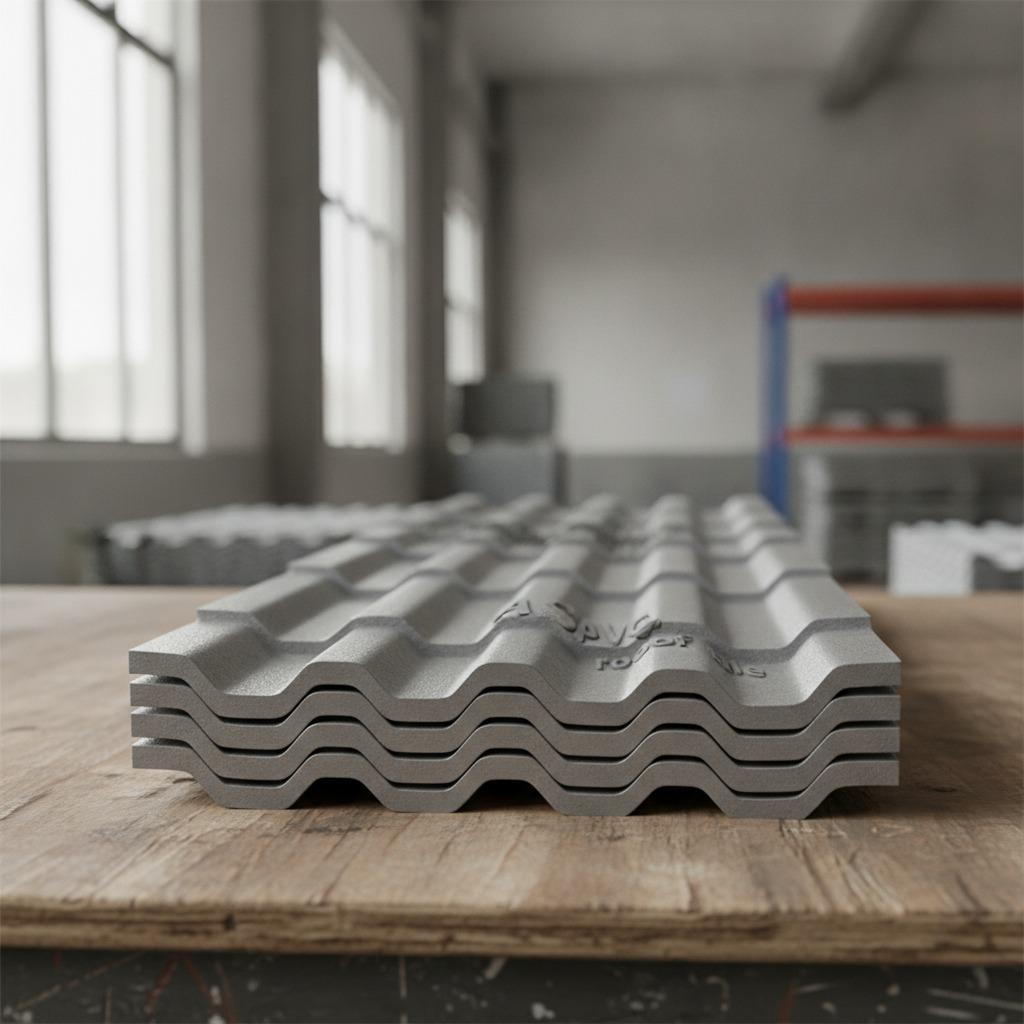
What buyers usually compare first
The biggest questions are not fancy ones. They are practical: Will the panel hold up in sun and rain? Is the profile stiff enough for the span? Does the surface finish help with heat and aging? And, just as important, does the material fit the budget without creating hidden costs later?
That is why terms like PVC roofing tiles and PVC roof products are often judged alongside lifespan expectations and installation convenience. A roof that looks economical on paper may become expensive if it demands frequent replacement or extra structural support. Weight, fixing method, and roof pitch all matter more than many first-time buyers expect.
ASA PVC roof tile and the role of the outer layer
When the specification calls for a more durable surface, buyers often look at ASA PVC roof tile options. ASA is typically used as a weather-resistant surface layer, which can improve outdoor performance compared with simpler plastic roof sheets. For projects exposed to strong sunlight or aggressive weather, that outer layer becomes more than a marketing detail.
The phrase ASA PVC roofing tiles usually signals that the buyer wants a roof that is still light and easy to handle, but with better surface stability. In plain terms, that can mean a more confident purchase for builders who need a balance between appearance, durability, and corrosion resistance. It is not a magic shield, though. Thickness, installation quality, and support spacing still affect the final result.
Selection criteria that actually matter on site
Environmental exposure
If the roof faces salt air, chemical fumes, or constant moisture, anti-corrosive performance becomes a major factor. This is one reason PVC roofing is frequently reviewed for industrial and agricultural buildings.
Load and structure
Lightweight material does not mean structural design can be ignored. Panels still need proper support, especially where wind uplift or thermal movement is a concern.
Supplier consistency
For sourcing teams, the phrase ASA PVC roof tiles supplier should trigger questions about batch consistency, profile accuracy, and surface appearance from shipment to shipment. A roof project does not tolerate surprises well.
Common mistakes buyers make
The most common mistake is treating every PVC roof tile as interchangeable. They are not. Another is focusing only on unit price while ignoring installation behavior and long-term maintenance. A third is assuming a more decorative profile automatically means stronger performance. It may look better from the yard, but the roof still has to drain properly and stay fixed in bad weather.
One practical caution: ask how the material behaves in the actual climate, not just in a brochure description. Heat, UV exposure, and chemical atmosphere can change the picture quickly.
What a sensible buying decision looks like
If the project needs a roof that is anti-corrosive, relatively light, and suitable for demanding environments, PVC roofing deserves a close look. If the application is more decorative or the climate is especially severe, ASA-faced options may be worth considering. The best choice is usually the one that matches the building’s exposure, structural limits, and maintenance expectations—not the one with the flashiest sales pitch.
For sourcing managers and engineers, the next step is straightforward: compare product structure, profile fit, and supplier consistency against the actual job conditions. That is where the real value sits.