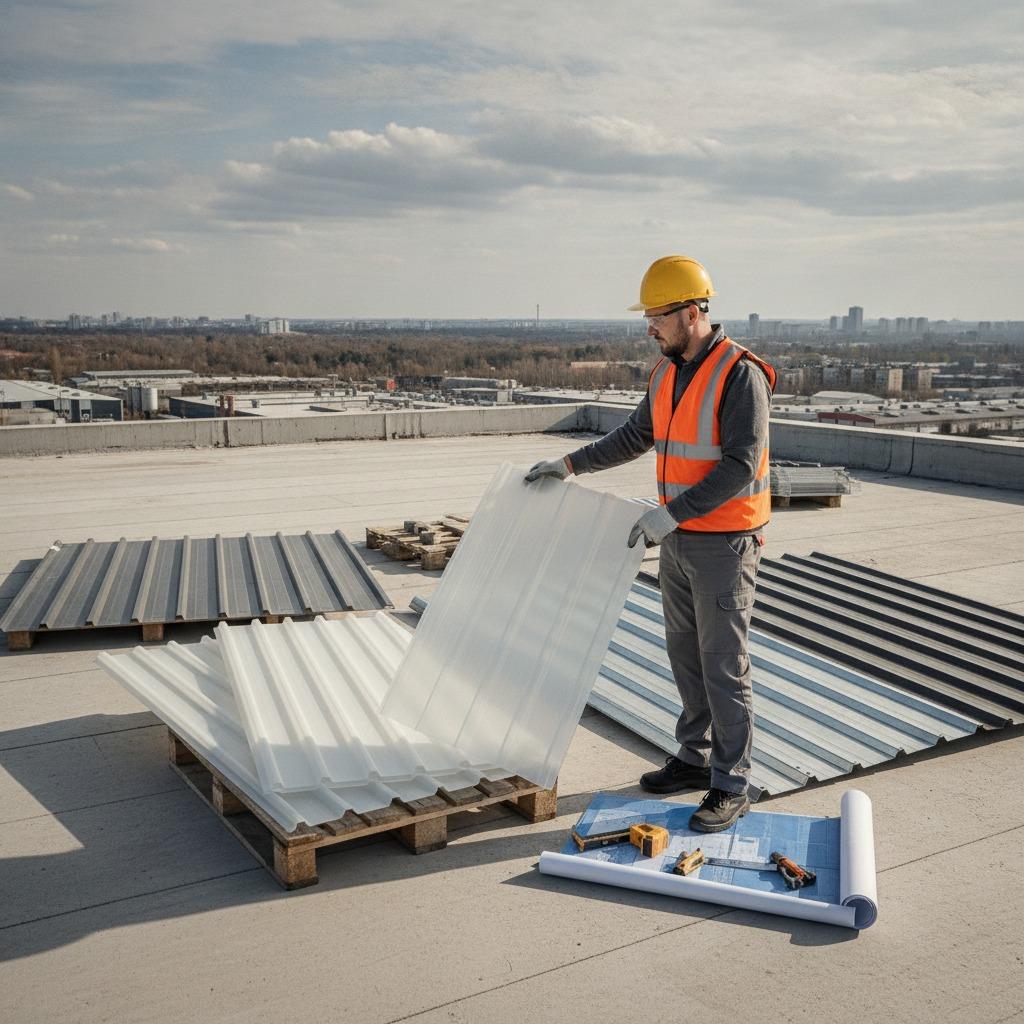
Why resin roof sheet choices matter on the shop floor and on the roof
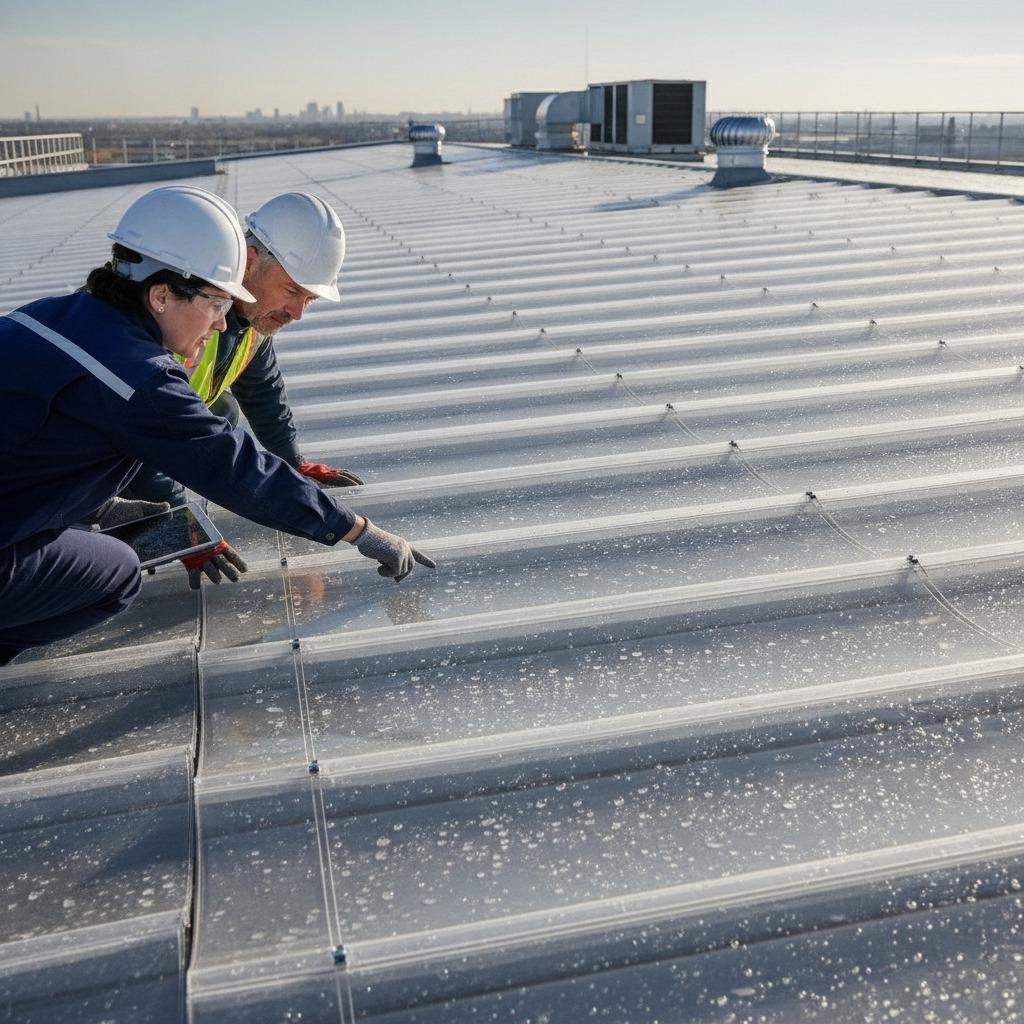
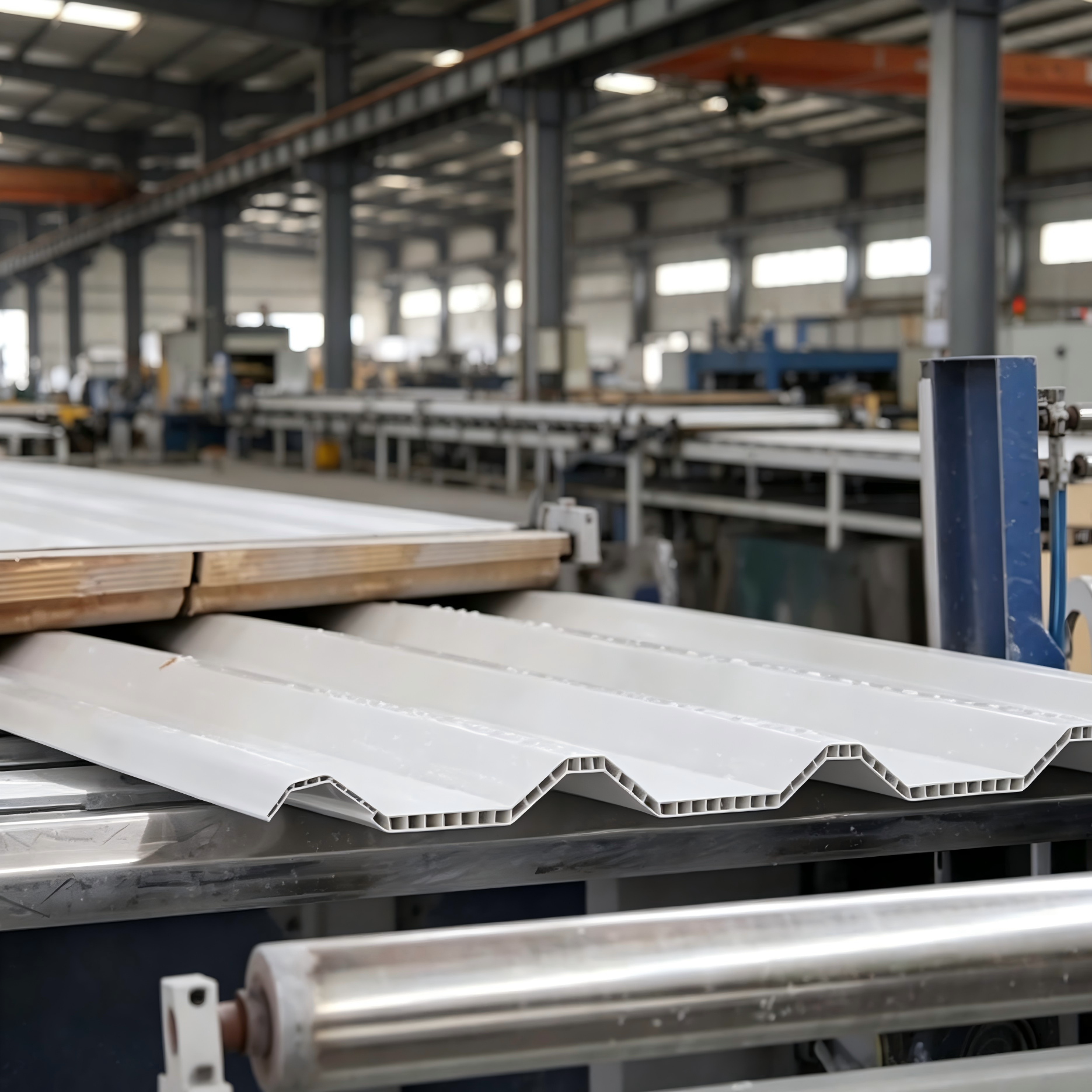
A resin roof sheet is not just another cover panel. For many industrial buildings, agricultural sheds, and light commercial structures, it is the difference between a roof that quietly protects assets and one that starts causing maintenance calls within a few seasons. Buyers usually look for the panel itself, but the real decision is broader: weather exposure, chemical atmosphere, installation method, and the shape profile all affect how well the roof performs.
That is why a resin roofing sheet deserves a careful look before purchase. If you are replacing aged metal panels, building a new enclosure, or comparing translucent and opaque roof solutions, you need a material that fits the environment rather than simply the budget.
What these sheets are typically chosen for
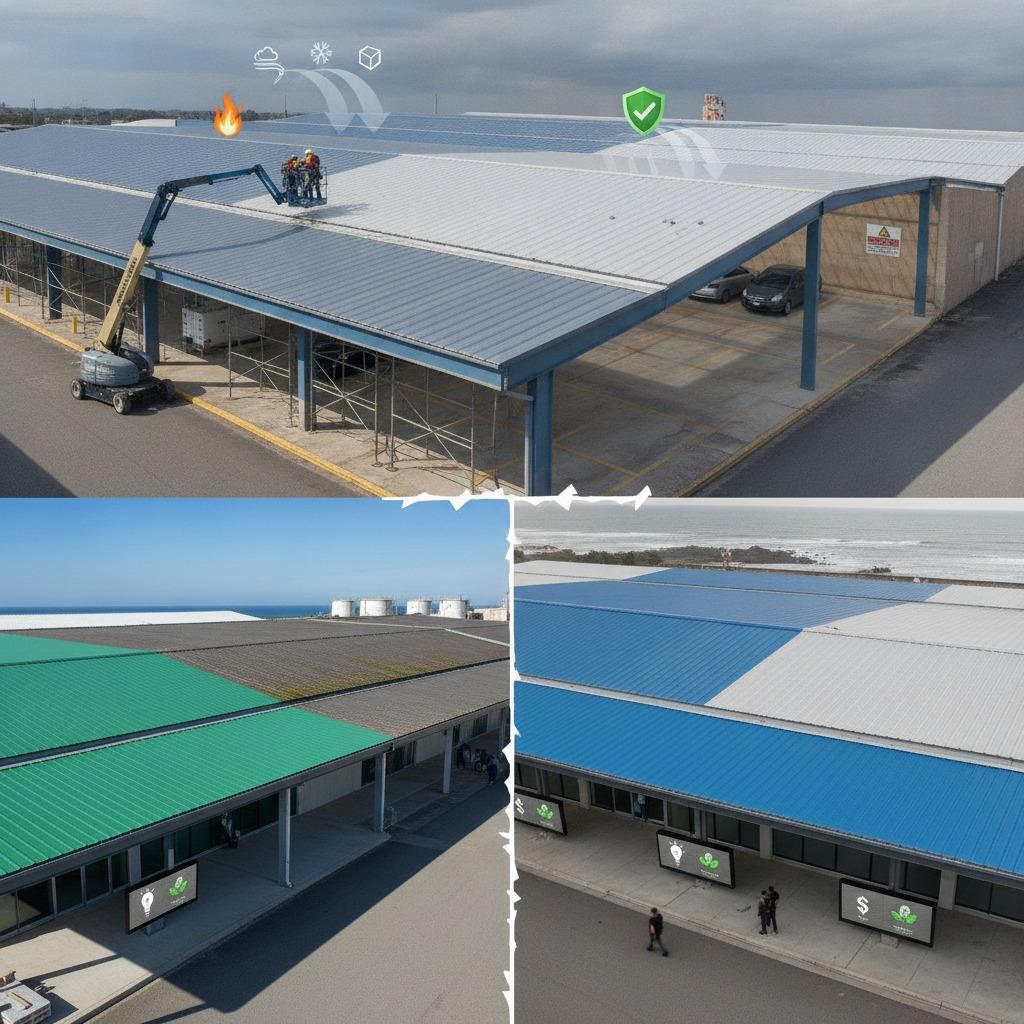
In practical terms, resin roofing sheet products are often selected where corrosion, sunlight, and moisture are constant concerns. Warehouses near coastal zones, farms with humid interiors, and processing facilities with airborne chemicals all push a roof harder than a standard dry indoor environment.
The appeal is straightforward: a resin-based sheet can offer Anti-corrosive performance and UV resistance, which are two of the first things procurement teams usually ask about. In exposed buildings, UV resistant performance is not a luxury feature; it helps the sheet keep its appearance and serviceability when sunlight is relentless. That matters because roof failures are expensive, but so is premature replacement of large roof areas.
Profile matters more than many buyers expect
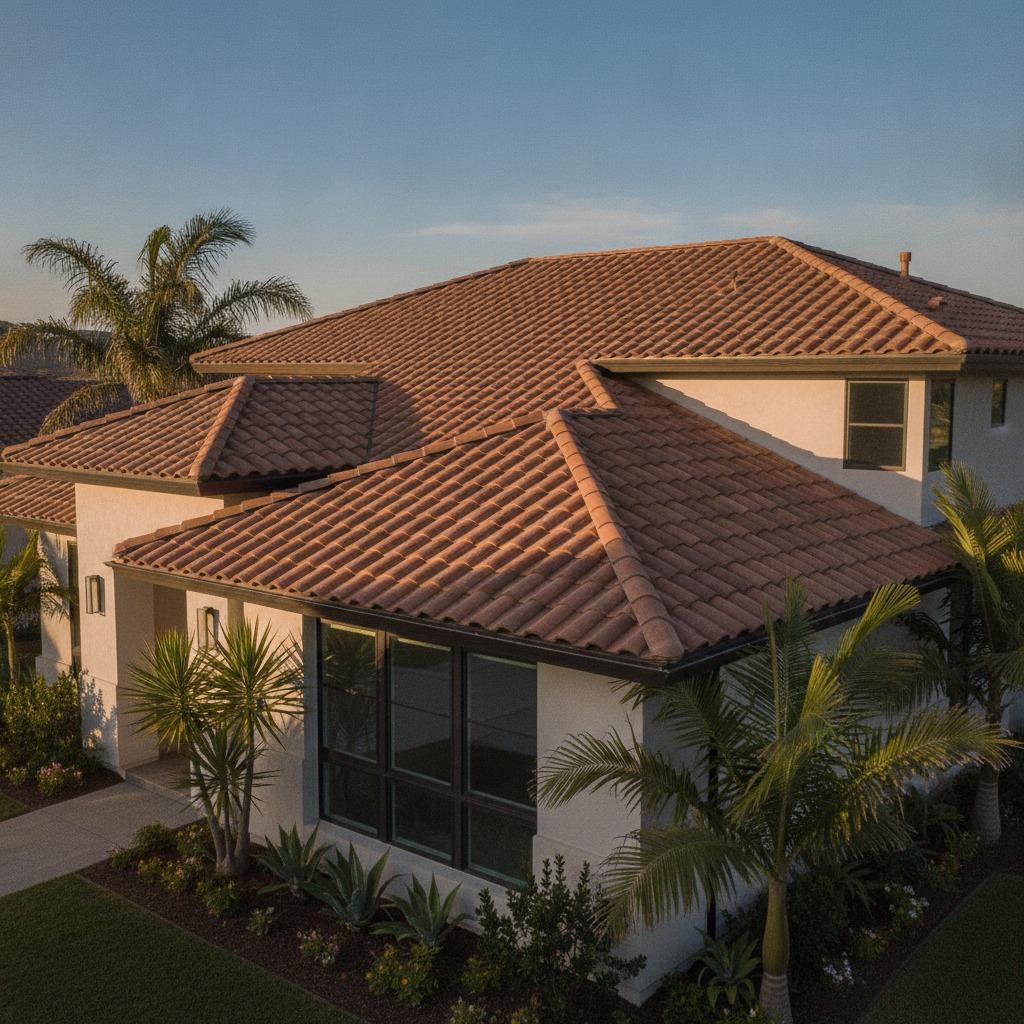
Sheet shape affects overlap, drainage, installation speed, and how the roof handles wind and runoff. One common option is the Spanish profile, sometimes referred to in product literature as perfil en español. Buyers working across regions may see that terminology and assume it is purely cosmetic, but it often indicates a profile style that influences fit and water shedding.
That is worth checking early. A panel can have good material properties and still be a poor fit if the profile does not match the building design or replacement section. Contractors know this, but sourcing teams sometimes discover it only when installation starts.
Selection criteria that actually help
If you are comparing options, focus on the environment first and the catalog second.
- Corrosive exposure: fertilizer storage, coastal air, or industrial fumes may make Anti-corrosive performance a priority.
- Sun exposure: strong sunlight pushes the need for UV resistance and stable appearance.
- Roof geometry: profile compatibility can affect sealing and water flow.
- Maintenance access: a roof that is easy to inspect is usually cheaper over time.
- Replacement strategy: matching an existing Spanish profile can reduce installation surprises.
A small caution: not every supplier uses the same terminology for resin roof sheet products. Ask what the term means in that specific catalog, then confirm the profile drawing, fixing method, and any recommended accessories.
Common mistakes buyers make
The biggest mistake is treating every resin roofing sheet as interchangeable. They are not. A panel that works well on a shaded shed may age differently on a sun-blasted roof. Another frequent error is focusing only on upfront cost and ignoring profile fit. If the roofing crew has to improvise at installation, the project gets slower and riskier.
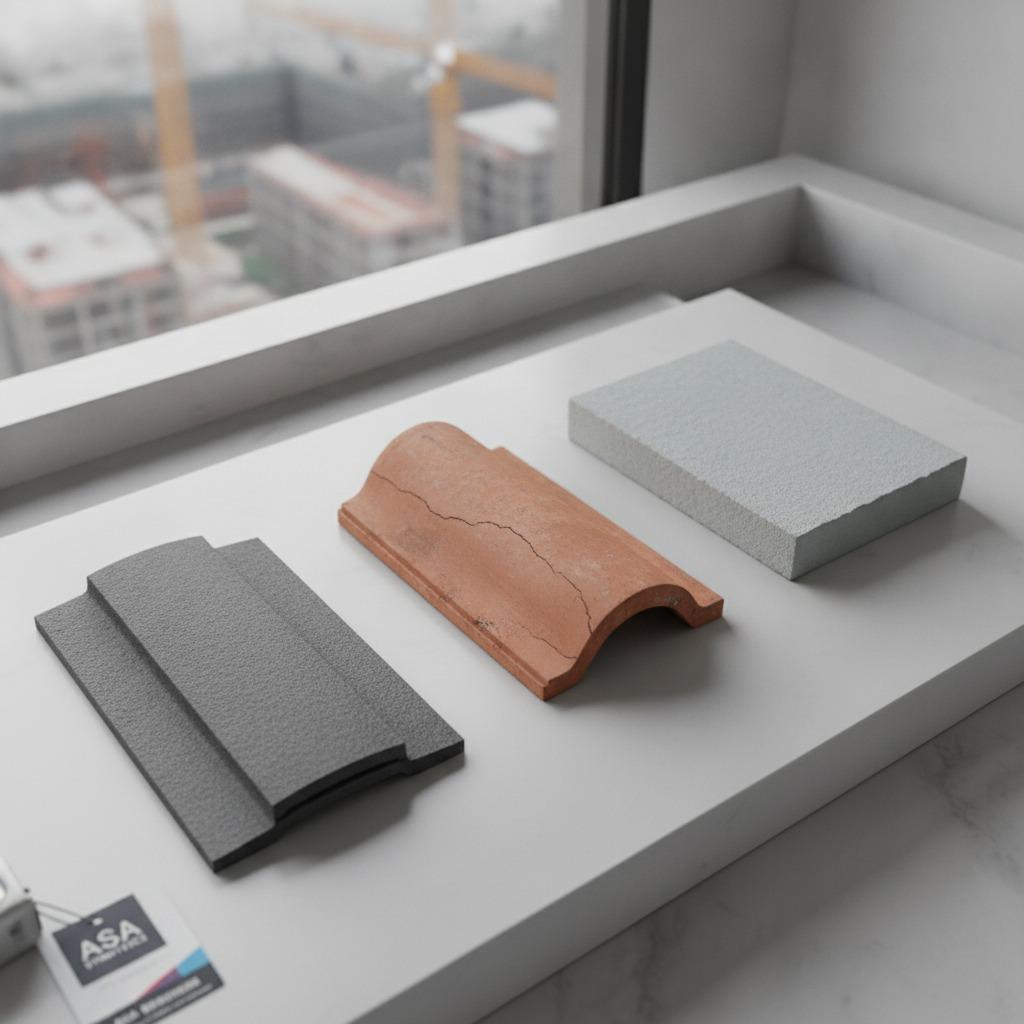
It is also easy to overstate one property and ignore the rest. UV resistance matters, but so do drainage, compatibility with fasteners, and the practical reality of maintenance. Good roofing is usually a system, not a single feature.
Buyer-facing takeaway
For specifiers and sourcing managers, the right resin roof sheet is the one that matches the building’s exposure, the roof profile, and the expected maintenance window. If your application involves sunlight, moisture, or chemical contact, ask for evidence of UV resistant and Anti-corrosive suitability, then confirm whether the Spanish profile or perfil en español is the correct fit for the project.
What to ask before you place an order
Before buying, request the profile drawing, installation guidance, and any material notes that explain where the sheet is intended to be used. If the supplier cannot clearly explain the difference between their resin roofing sheet options, that is usually a sign to keep shopping.
For engineers and buyers alike, a roof decision should reduce uncertainty, not create it. That is the standard worth holding.