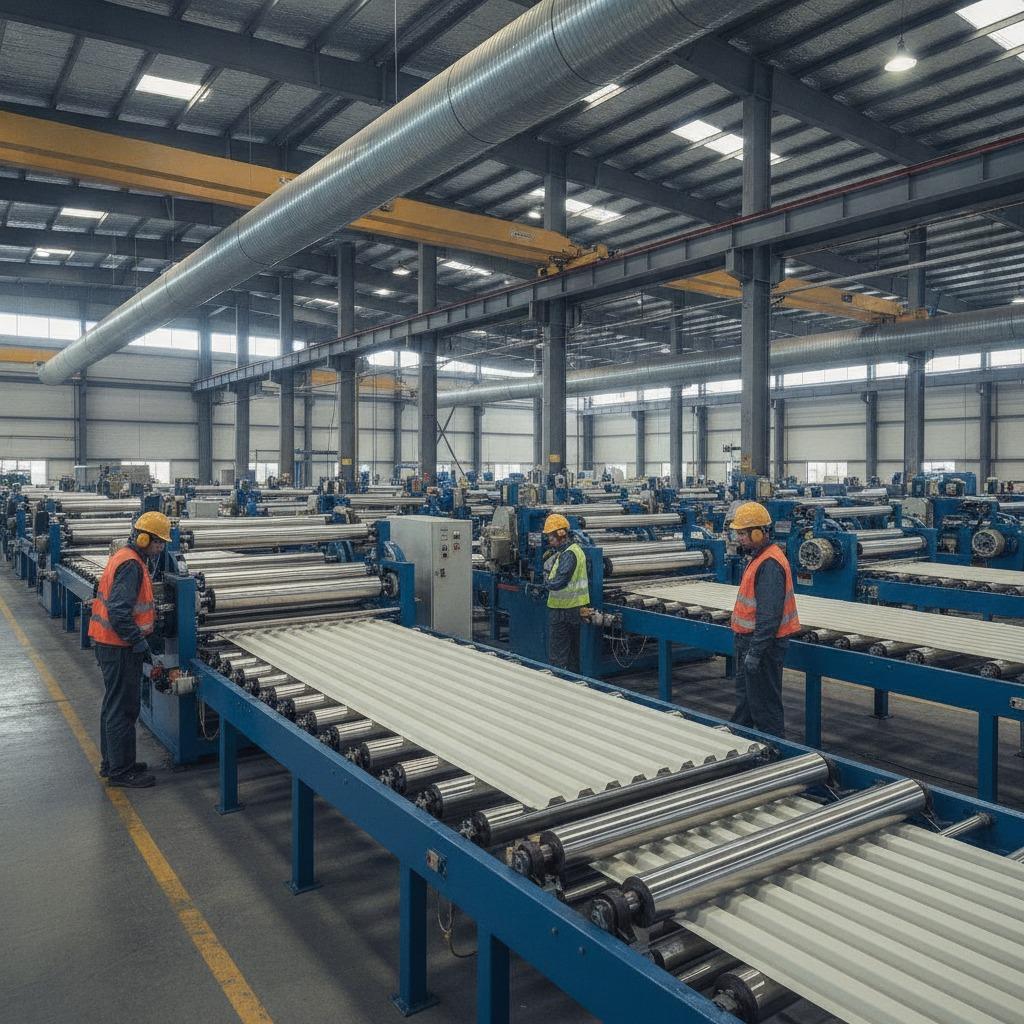
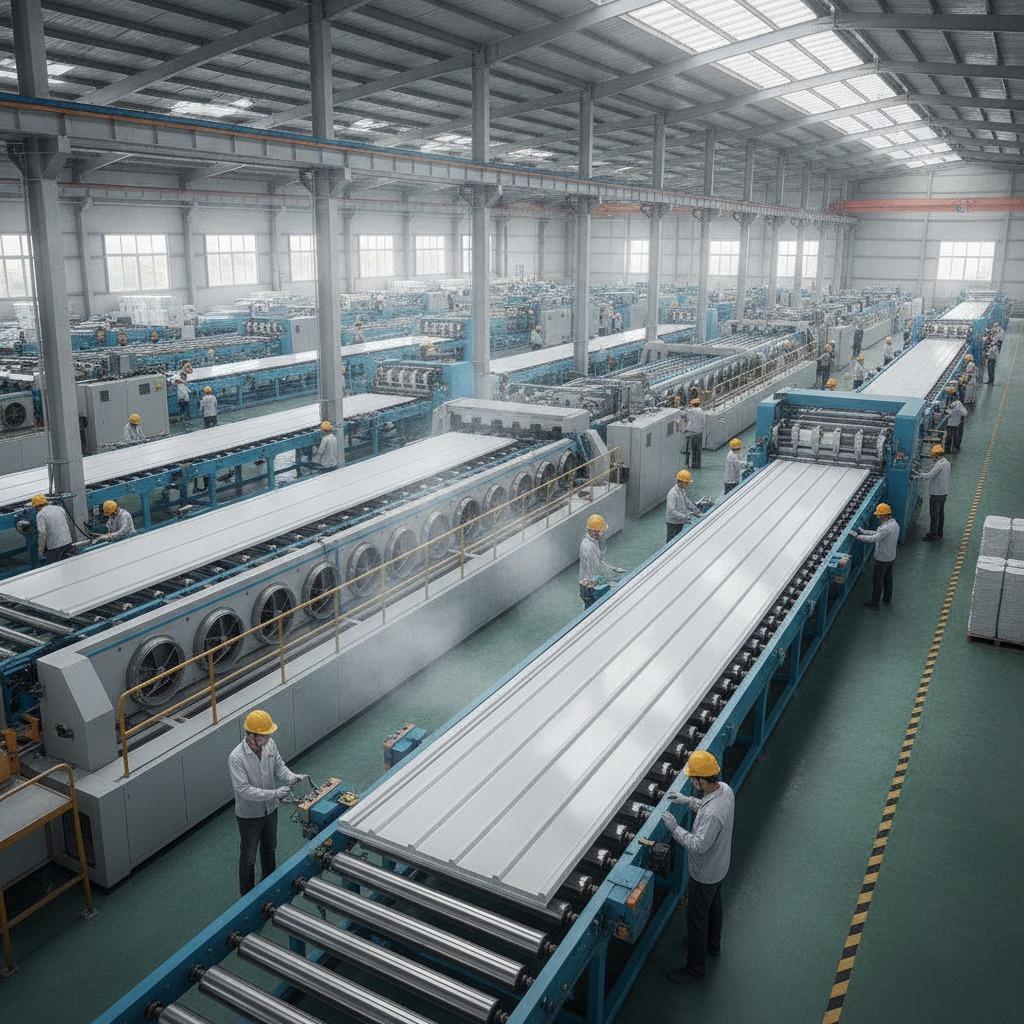
Why buyers keep searching for a resin roof sheet factory
A resin roof sheet factory is usually not the first thing a buyer thinks about until a project starts to slip: a warehouse needs weather protection, a retrofit needs lighter roofing, or a contractor needs a material that will not fight back with corrosion, noise, or unnecessary structural load. At that point, the factory behind the sheet matters almost as much as the sheet itself. For engineers, sourcing managers, and project teams, the real question is not simply which roof sheet looks right on paper. It is whether the maker can turn a resin formulation into a predictable, consistent product that performs under heat, rain, UV exposure, and installation stress.
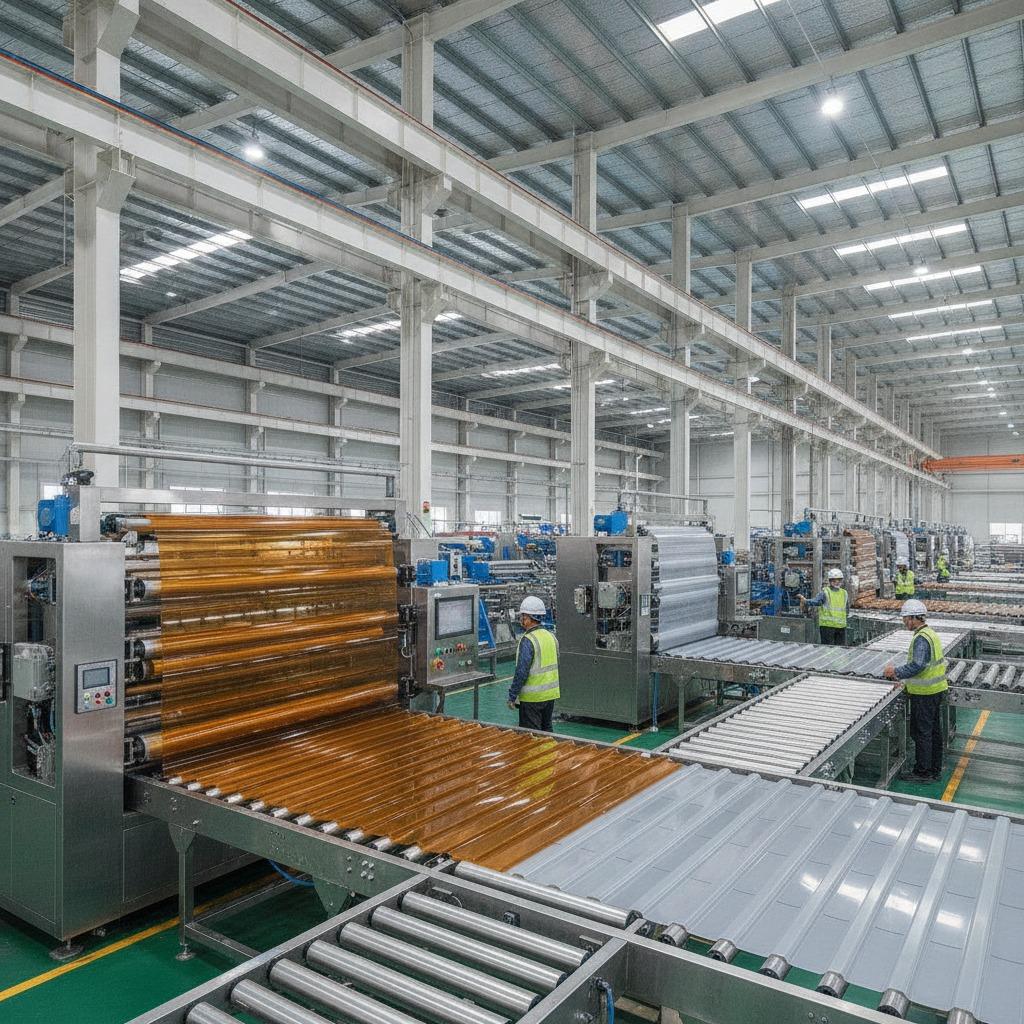
That is why this topic deserves more than a quick supplier search. The right supplier can help reduce maintenance calls and avoid awkward site changes. The wrong one can leave you with sheets that warp, crack, discolor, or arrive with uneven quality across batches. If you are comparing options, the decision is less about glossy product claims and more about process control, material selection, and whether the factory understands roofing as an outdoor engineering product rather than just a plastic item.
What buyers should judge first
Before talking prices or color options, focus on three basic issues: material stability, production consistency, and application fit. A synthetic resin roof sheet factory may offer products for different climates or building types, but not every sheet is appropriate for every roof. Industrial sheds, agricultural buildings, covered walkways, and commercial extensions all place different demands on a roof surface.
Material stability
Resin-based roofing is often chosen because it can be lightweight and resistant to common environmental exposure. Even so, not all resin systems behave the same way. A buyer should ask how the material is intended to handle sunlight, moisture, temperature changes, and chemical exposure. If the factory cannot explain the base material in plain language, that is a warning sign.
Production consistency
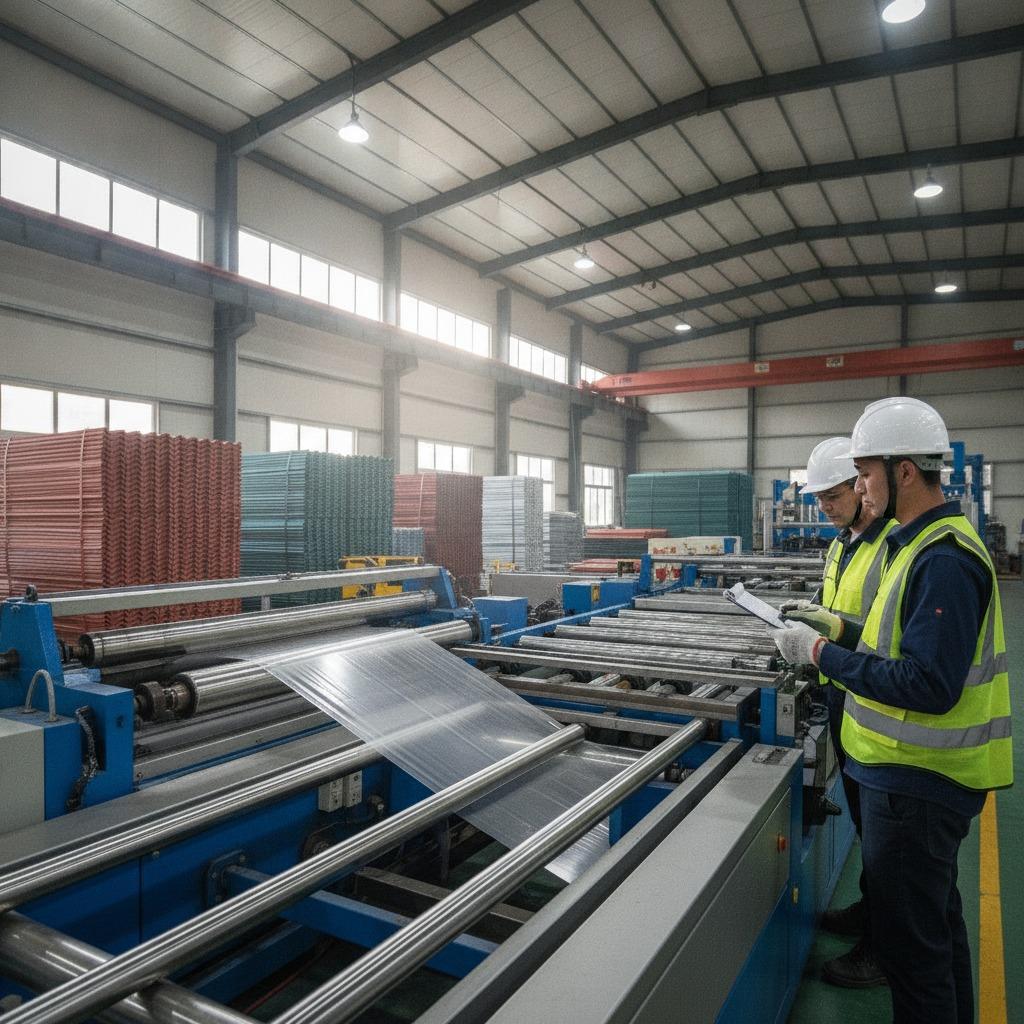
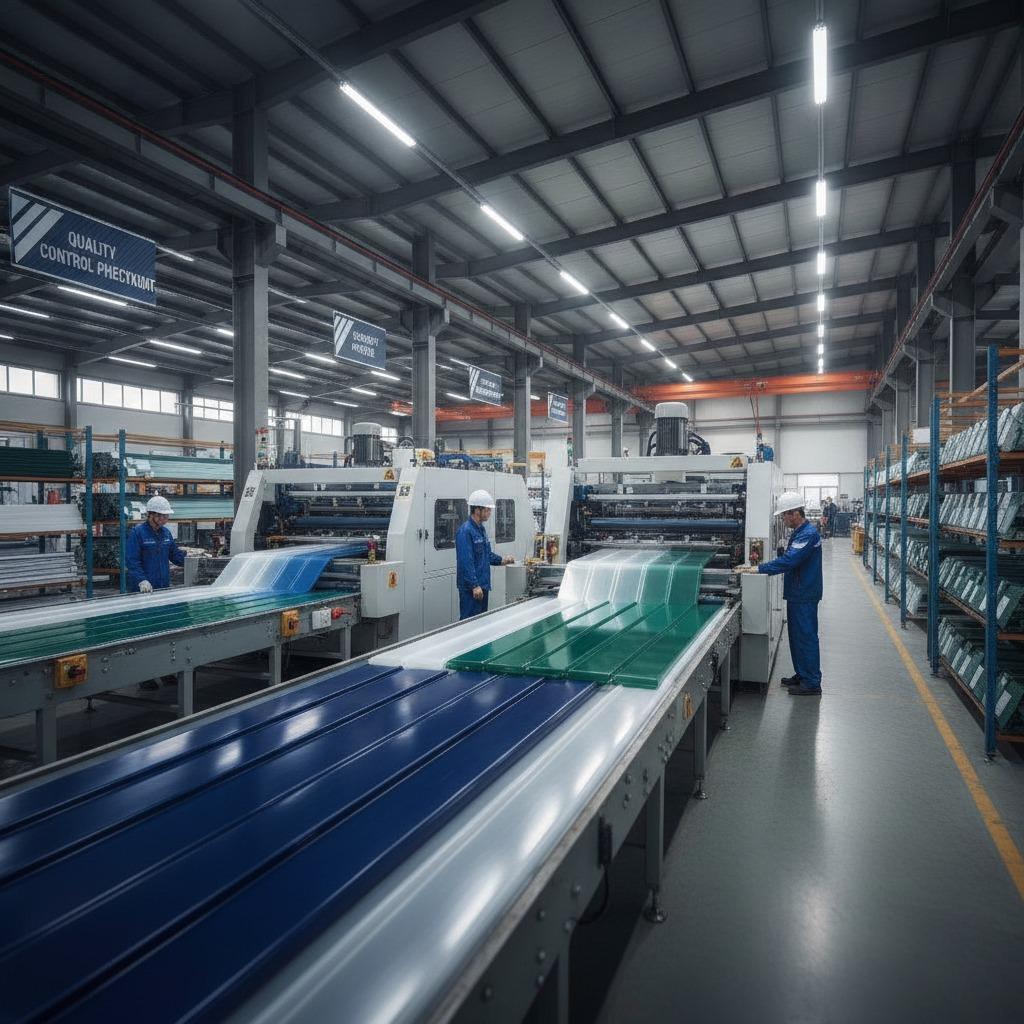
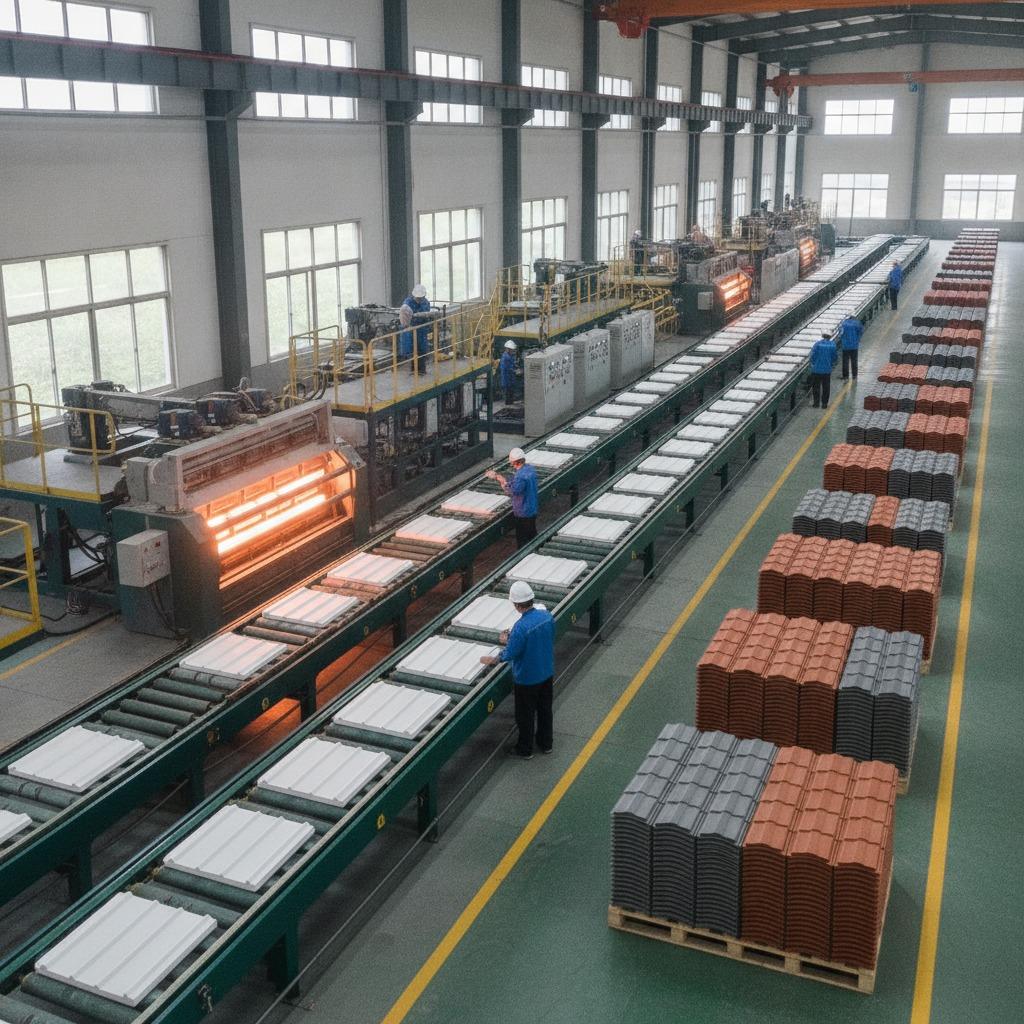
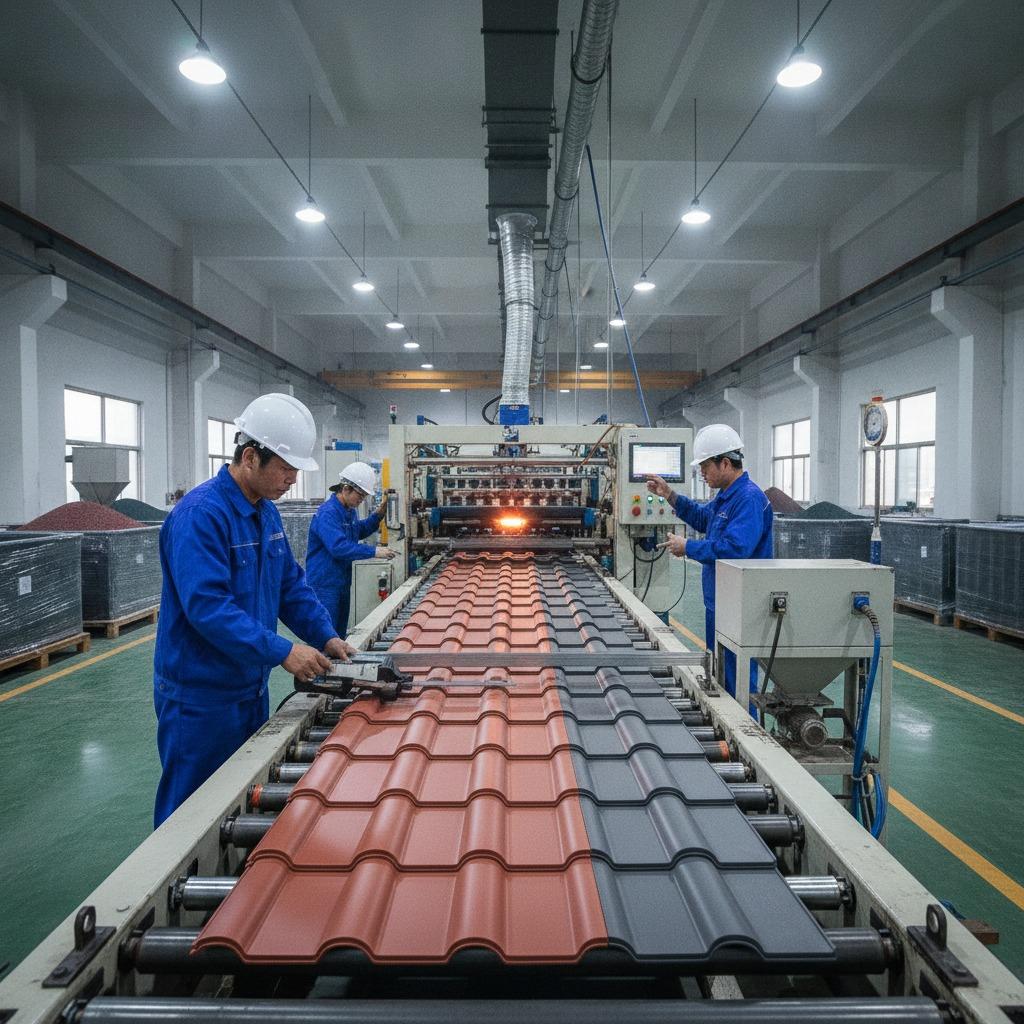
Roofing sheets are not a place for loose process control. Dimensional variation, surface defects, or inconsistent thickness can create installation problems fast. A credible factory should be able to speak about its manufacturing workflow, inspection points, and how it keeps output stable from run to run. Exact tolerances and test values should be requested directly rather than assumed.
Application fit
Some buyers need translucency for daylighting. Others need opaque coverage, better acoustic behavior, or a profile that matches existing roof lines. The factory should be able to discuss profile shape, sheet size options, and installation compatibility without pushing a one-size-fits-all answer. That flexibility often separates a serious manufacturing partner from a basic trader.
What a good resin roof sheet factory should help you decide
A strong supplier does more than sell sheets. It helps the buyer decide whether the project needs a particular resin formulation, a specific profile, or a different installation approach. That matters because roofing failures are often system failures. The sheet may be fine, but if flashing, fasteners, slope, or spacing are wrong, the roof will still leak or move.
Practical buyers usually compare factories on a few points that are easy to overlook:
How they explain the product without overpromising. Whether they can support repeat orders with the same specification. Whether they understand regional weather conditions. And whether they answer technical questions directly instead of hiding behind vague marketing language.
Common mistakes when sourcing roof sheets
One common mistake is assuming all resin roof sheet products are interchangeable. They are not. Another is choosing purely on price, which can create problems later when the sheet is harder to install or does not hold up in service. A third mistake is treating outdoor roofing like indoor plastic fabrication. Roofing lives a rougher life.
Buyers also sometimes skip sample review and ask only for a catalog photo. That is risky. The surface finish, rigidity, and edge quality tell you more than a product description ever will. Even small defects can become visible once the sheet is installed across a large roof span.
Questions worth asking before you place an order
Ask what resin system is used, what roof environments the sheet is intended for, and how the factory handles batch consistency. Ask whether the product is meant for new construction, retrofit work, or both. If daylighting matters, ask how translucency behaves over time. If thermal or acoustic performance matters, ask for practical guidance instead of generic claims.
It is also worth asking about packaging and transport. Roof sheets are long, awkward, and easy to damage in transit. A factory that understands packing discipline can save the buyer from unnecessary site damage and rework. That detail sounds minor until the truck arrives and half the shipment needs sorting by hand.
Why the factory relationship matters after the first order
For recurring projects, the best resin roof sheet factory becomes part of your sourcing system. That is useful when project schedules shift, drawings change, or a replacement order needs to match an earlier batch. A factory that understands continuity can reduce risk in a way that a purely transactional supplier cannot. In roofing, continuity is worth money.
If you are evaluating suppliers now, the next step is simple: request product specifications, ask how the material is produced, and compare real sample sheets under working conditions. Use the factory conversation to test how carefully they think, not just how confidently they sell. That is usually where the better decision reveals itself.