What buyers really need from a synthetic resin roof panels factory
Searching for a synthetic resin roof panels factory is usually less about curiosity and more about avoiding a costly mismatch. Roof panels have to do several jobs at once: shed water, resist weathering, handle thermal movement, and keep their shape after years of sun and seasonal stress. If you are sourcing for a warehouse, a farm building, a plant extension, or a light industrial project, the decision is rarely just about price per sheet. It is about whether the factory can produce a panel that fits the climate, the span, the installation method, and the service life you have in mind.
That is why buyers often end up comparing factories rather than products alone. One supplier may be strong in profile consistency and surface finish. Another may offer more flexible production or better support for custom dimensions. A resin roofing panels factory is not simply a place where material is extruded or formed; it is a place where raw polymer, additives, profile design, and process control all meet. Miss one of those variables and the roof starts reminding everyone of the mistake.
What synthetic resin roof panels are used for
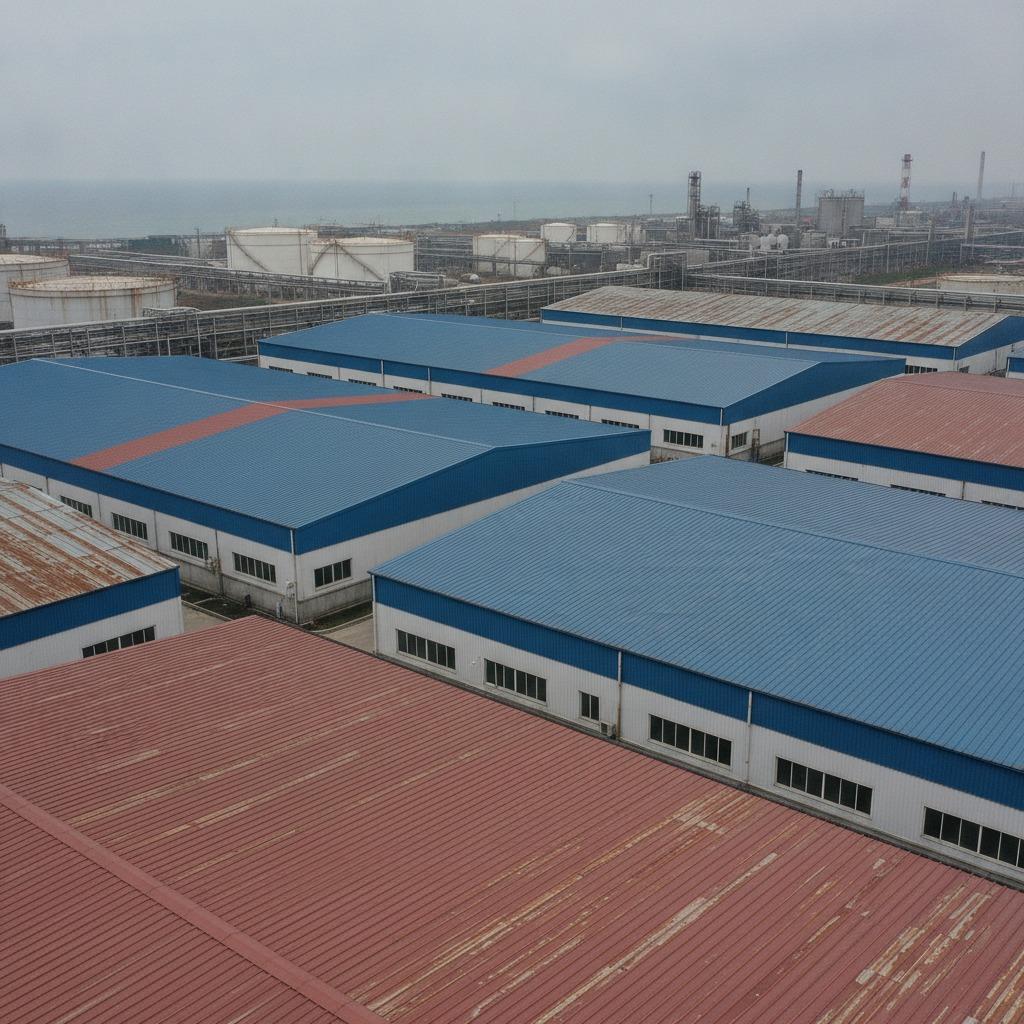
Synthetic resin roof panels are common on buildings that need lightweight coverage without the mass of traditional roofing systems. In practical terms, they are often selected for corrosive environments, daylighting-related applications, agricultural structures, and fast-installation projects. Depending on the resin type and profile, they may offer a balance of impact resistance, chemical resistance, weatherability, and ease of handling that metal or mineral-based systems cannot always match.
The phrase covers a few material families, and buyers should not treat them as interchangeable. Different resins behave differently under heat, UV exposure, and mechanical load. That sounds obvious, but it is a common source of specification trouble. A panel that looks similar in a catalog may behave very differently once installed on a hot roof in a windy location.
Quick buyer comparison: what to check first
Material behavior
Start with the resin type and the environmental demands of the project. Some applications need better UV stability. Others care more about impact resistance or resistance to chemicals and moisture. If the factory cannot clearly explain the intended use range of its panels, keep looking.
Profile and thickness consistency
Uniform profile matters because roof panels overlap, fasten, and drain as a system. Inconsistent thickness or waviness can create installation headaches and long-term leak risk. Good factories usually discuss profile geometry with the same seriousness they give to material formulation.
Surface finish and light performance
Depending on the application, the finish may affect light transmission, glare, or dirt retention. This matters more than many buyers expect. A roof that collects grime quickly can lose visual appeal and performance faster than the original datasheet suggests.
How factory capability affects the final roof
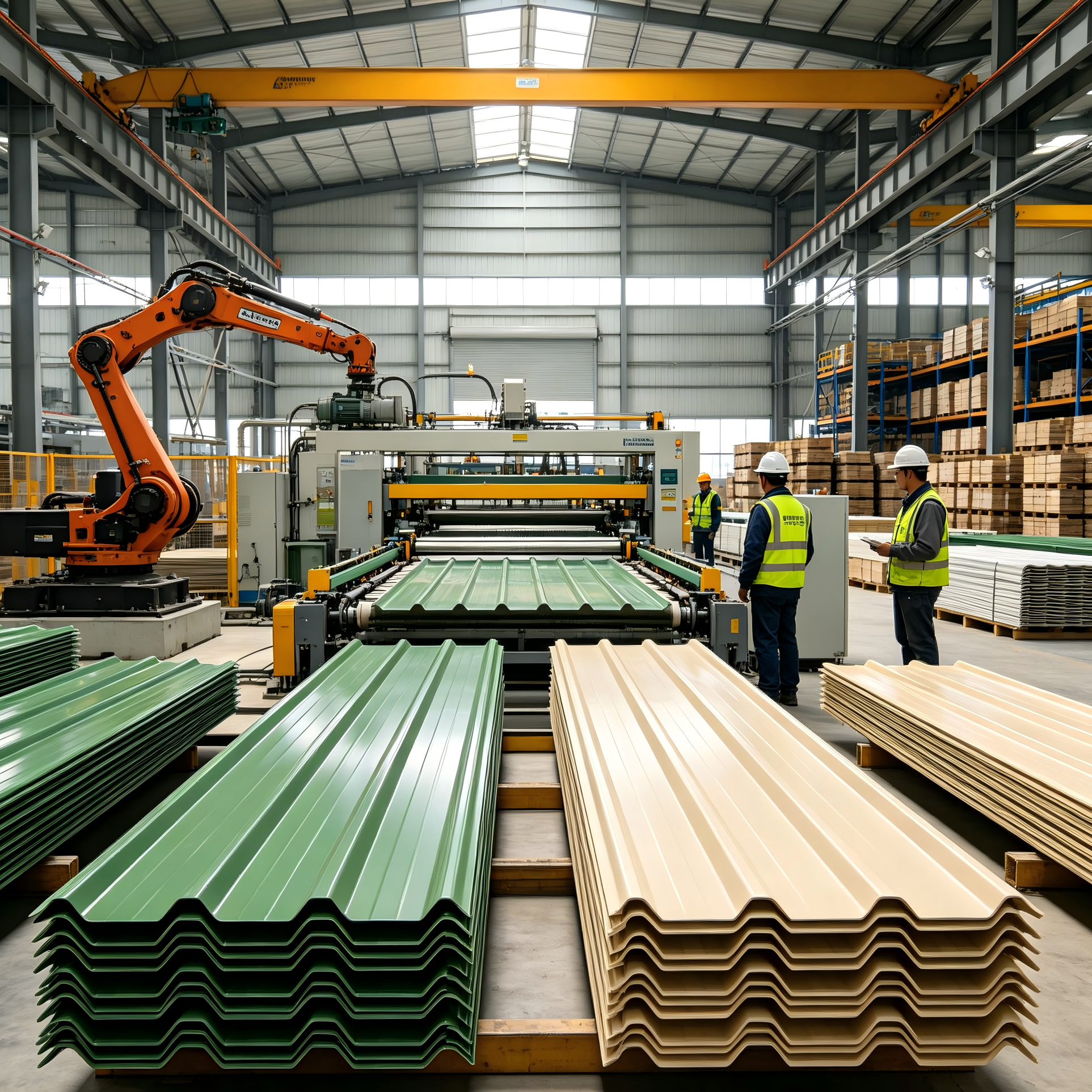
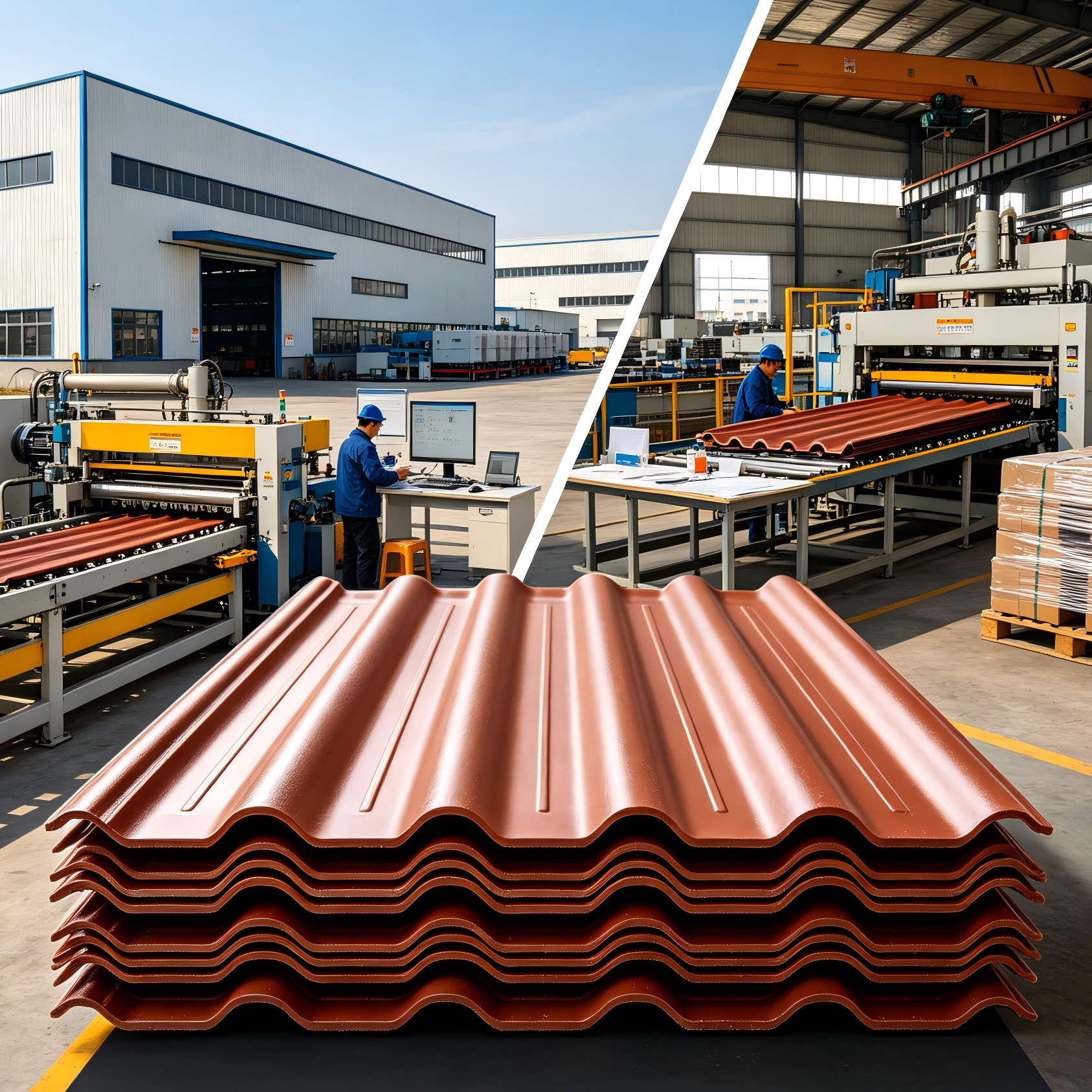
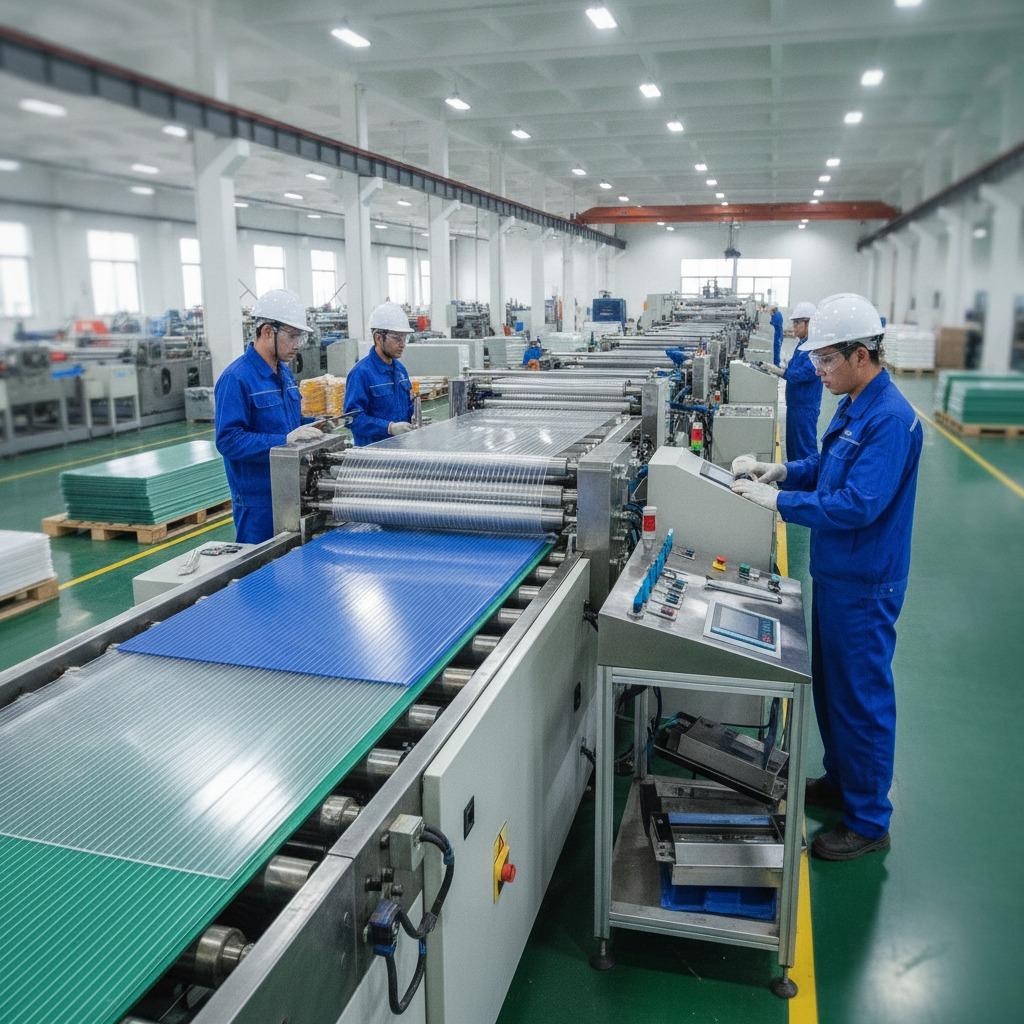
When people say “factory,” they often picture scale. Scale matters, but process discipline matters more. A resin roof panels factory that controls temperature, forming conditions, and quality checks is more likely to produce stable output sheet after sheet. That stability helps installers work faster and reduces site adjustments.
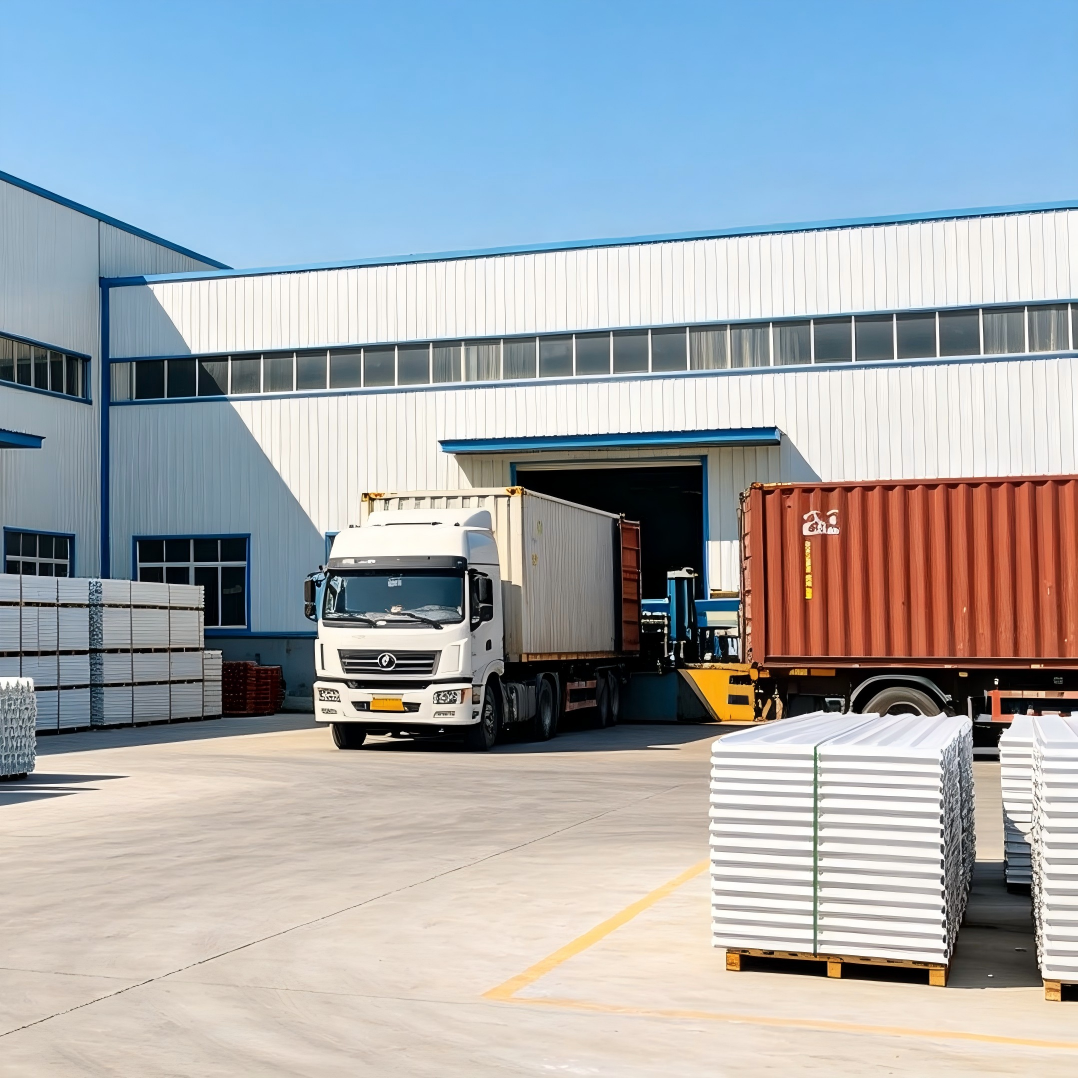
Another overlooked issue is packaging and transport. Roof panels are long, sometimes awkward, and not especially forgiving if handled badly. A factory’s packing method can determine whether panels arrive straight or with edge damage. Buyers sometimes chase a slightly lower unit cost, only to spend the savings on damaged goods and installation delays. A familiar story, unfortunately.
Choosing between suppliers: the practical questions
Ask how the panels are intended to perform in your climate, not just what the brochure says. If your project sits under intense sunlight, near salt air, or in an area with heavy rain and thermal cycling, the factory should be able to discuss those conditions without hand-waving.
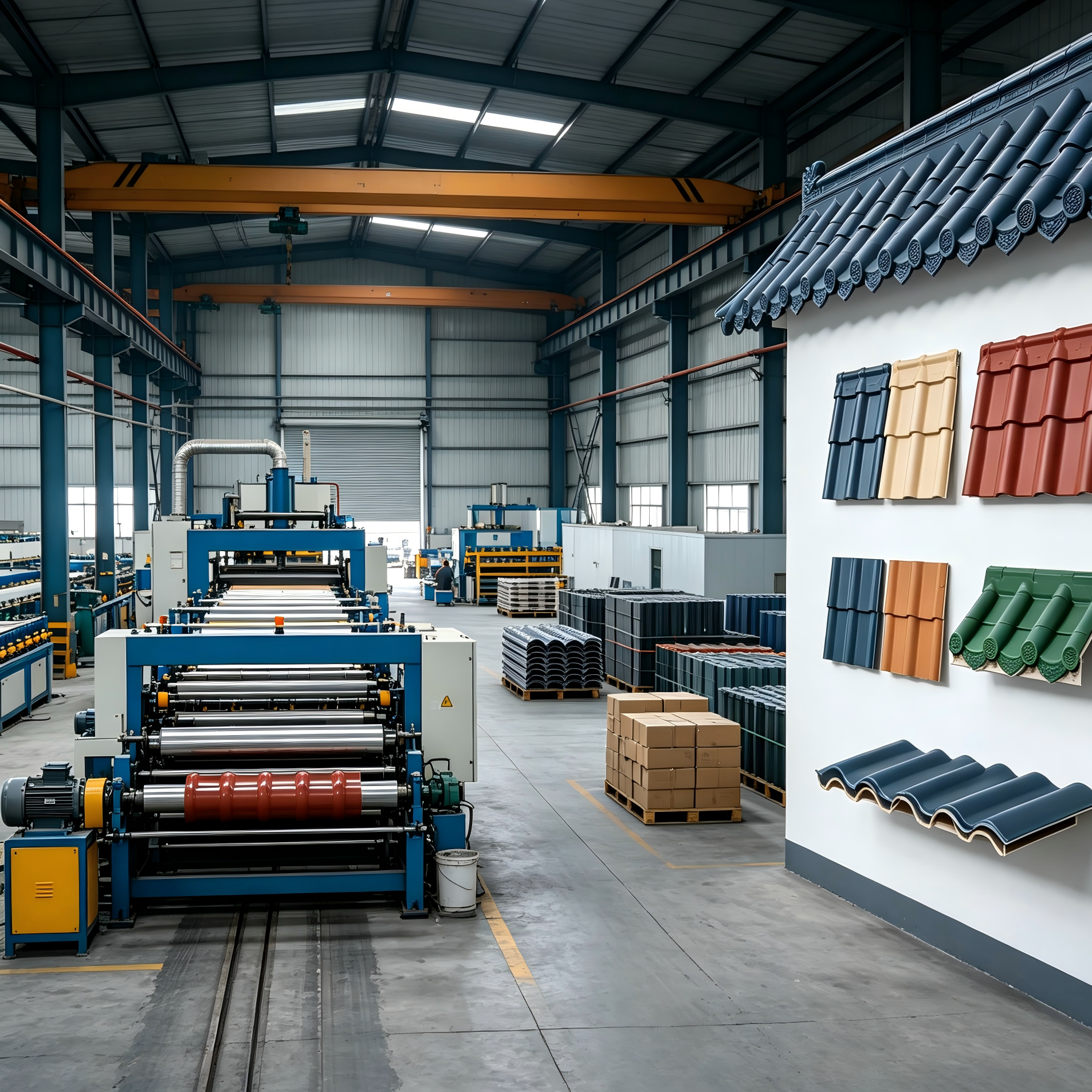
It also helps to ask for clarity on customization. Some projects need specific lengths, widths, colors, or profile shapes. A resin roof panels factory with flexible production may save trimming time on site and reduce waste. But custom work should still be governed by clear specifications. Sloppy customization is just standardized trouble in a different outfit.
For engineering and sourcing teams, the useful decision is not simply which supplier can ship fastest. It is which supplier can keep dimensions, appearance, and material behavior consistent across the life of the project. That is where factories separate themselves.
Common mistakes buyers make
The first mistake is buying by appearance. Smooth surface and bright color are easy to sell, but they do not guarantee weather performance. The second is ignoring installation conditions. A panel that performs acceptably in one region may struggle in another because of heat, wind, or chemical exposure. The third mistake is failing to match the panel to the supporting structure. If the spans, fasteners, or supports are not aligned with the panel’s design, the roof ends up carrying stress it was never meant to absorb.
Another quiet problem is treating all resin products as equally durable. They are not. This is where discussing real project conditions with the manufacturer matters more than comparing generic product names.
Buyer advice for RFQs and sourcing reviews
When you prepare an RFQ for a synthetic resin roof panels factory, keep it concrete. Include the building type, expected weather exposure, target dimensions, preferred profile, installation method, and any constraints on weight or light transmission. The better the brief, the less time everyone wastes quoting the wrong thing.
If possible, request samples or profile drawings before committing to a larger order. For larger projects, ask how the supplier handles batch consistency and packaging. Those details are not glamorous, but they often decide whether the job runs smoothly.
FAQ: short answers buyers usually want
Are resin roof panels all the same?
No. Resin type, additives, profile design, and production control all affect performance.
Why work with a factory instead of a trading source?
A factory is better positioned to explain production details, custom options, and consistency controls. That matters when roof performance is tied to dimensions and material behavior.
What should matter most in supplier selection?
Match the panel to the environment, check manufacturing consistency, and confirm that the factory understands your installation and transport constraints.
A sensible next step
If you are comparing a resin roofing panels factory against other options, start with the roof’s actual operating conditions and work backward. That simple step filters out a lot of weak quotes. The right supplier should be able to talk clearly about material choice, profile stability, packaging, and application fit. When they can do that, you are not just buying sheets; you are buying fewer surprises on site.