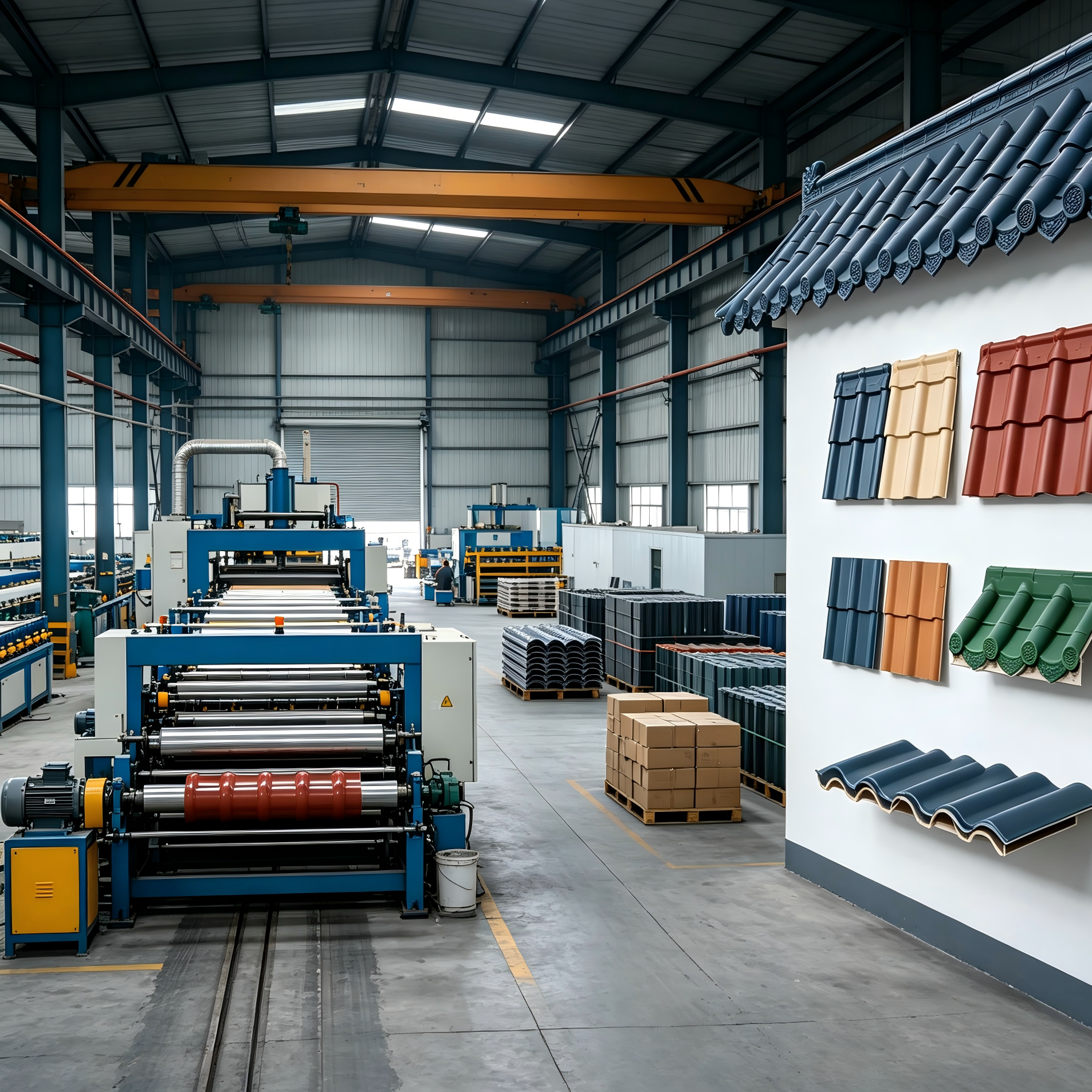
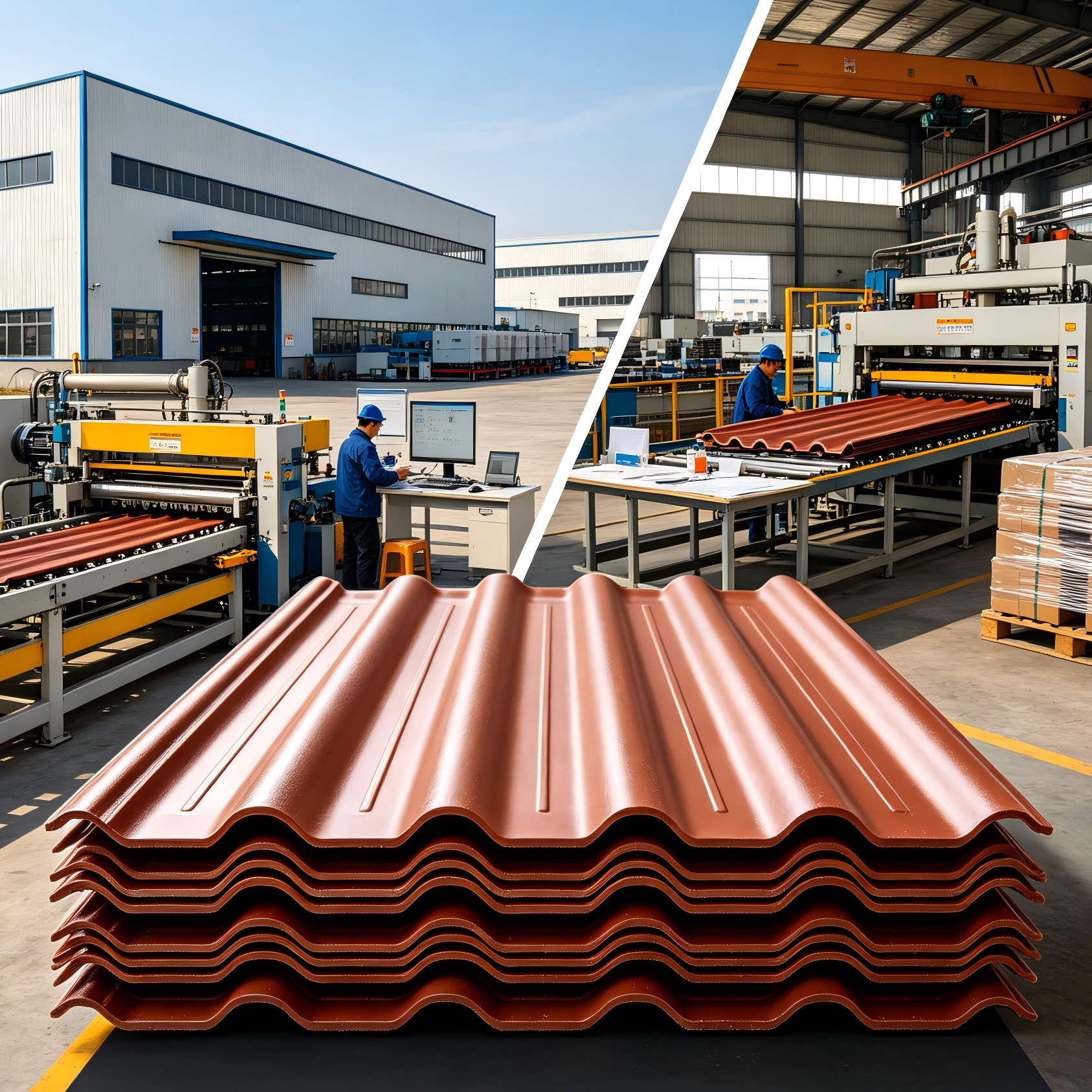
What buyers really need from a PVC synthetic resin plastic roof tile factory
When engineers or sourcing teams start comparing roofing suppliers, the phrase PVC synthetic resin plastic roof tile factory usually points to a very practical question: who can make a roof tile that will hold up outdoors, install cleanly, and stay consistent from batch to batch? That sounds simple, but roof systems are one of those categories where small material choices matter. Color retention, weather resistance, impact behavior, and installation geometry can all affect long-term performance. If a factory gets the formulation or processing wrong, the roof may look fine on day one and disappoint later under heat, UV, or repeated wind loading.
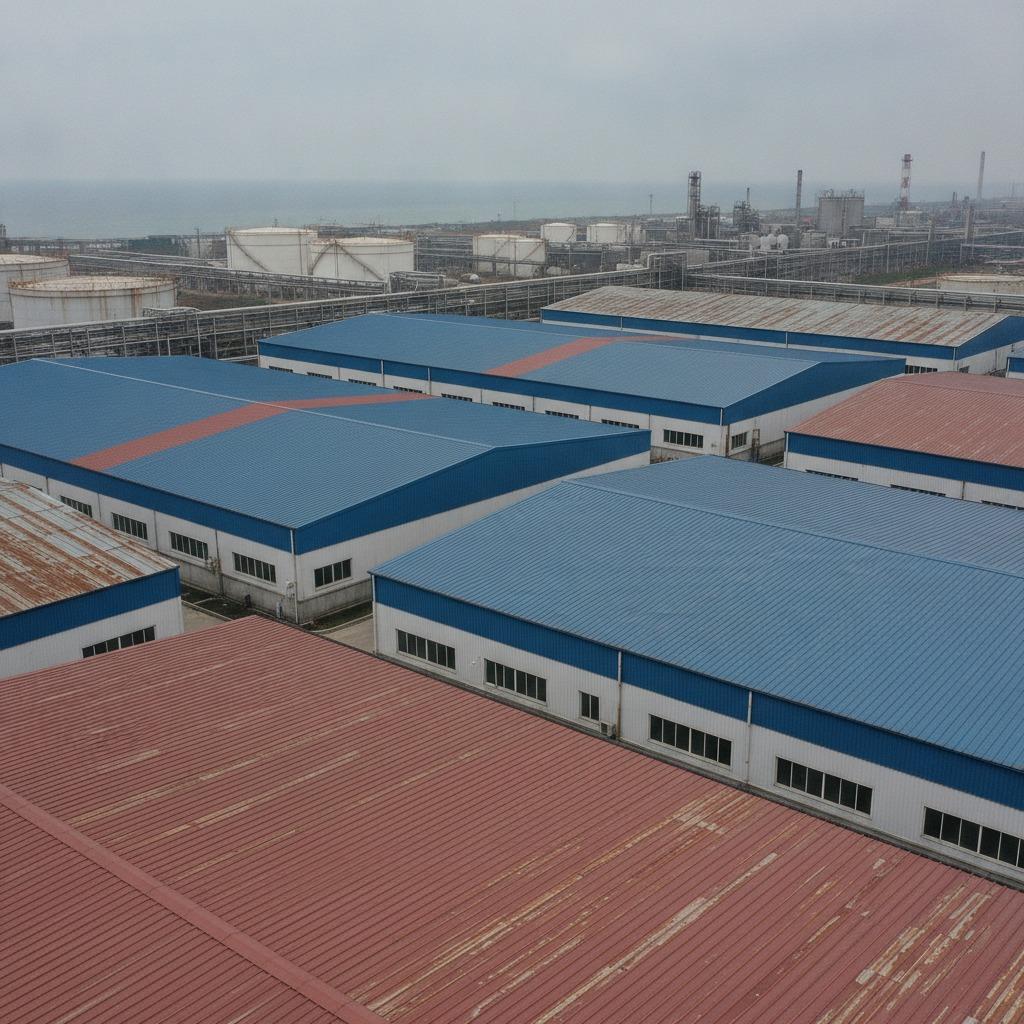
For a buyer, the real decision is not just “can they produce tiles?” It is whether the factory can match the application. A warehouse, a small commercial building, a rural housing project, and a decorative structure all place different demands on the product. That is why the search for a PVC synthetic resin roof tile factory or an ASA synthetic resin roof tile factory should always start with use case, not just price.
Why synthetic resin roof tiles keep showing up in procurement discussions
Synthetic resin roof tiles have become popular because they combine a lightweight profile with a finished appearance that is more refined than basic corrugated plastic sheets. In many projects, that means easier handling on site and less structural burden than heavier roofing options. The tiles are also chosen for their resistance to moisture and their ability to present a uniform surface color across a roof plane.
PVC-based tiles are often discussed for their balance of cost and utility. ASA-based options are often preferred when stronger weathering performance is the priority. In practice, buyers often compare the two side by side, especially when the building will face strong sun or long service exposure. A synthetic resin roof tile factory worth its name should be able to explain those tradeoffs clearly rather than hiding behind product brochures.
Quick comparison points buyers should ask about
PVC versus ASA
PVC synthetic resin products are often evaluated for affordability and broad usability. ASA synthetic resin roof tile factory offerings, by contrast, are commonly associated with better weather resistance and color stability. That does not automatically make ASA the right answer for every project. It does mean the buyer should ask whether the extra weathering margin is worth the added cost in that specific climate or building type.
Profile, thickness, and fit
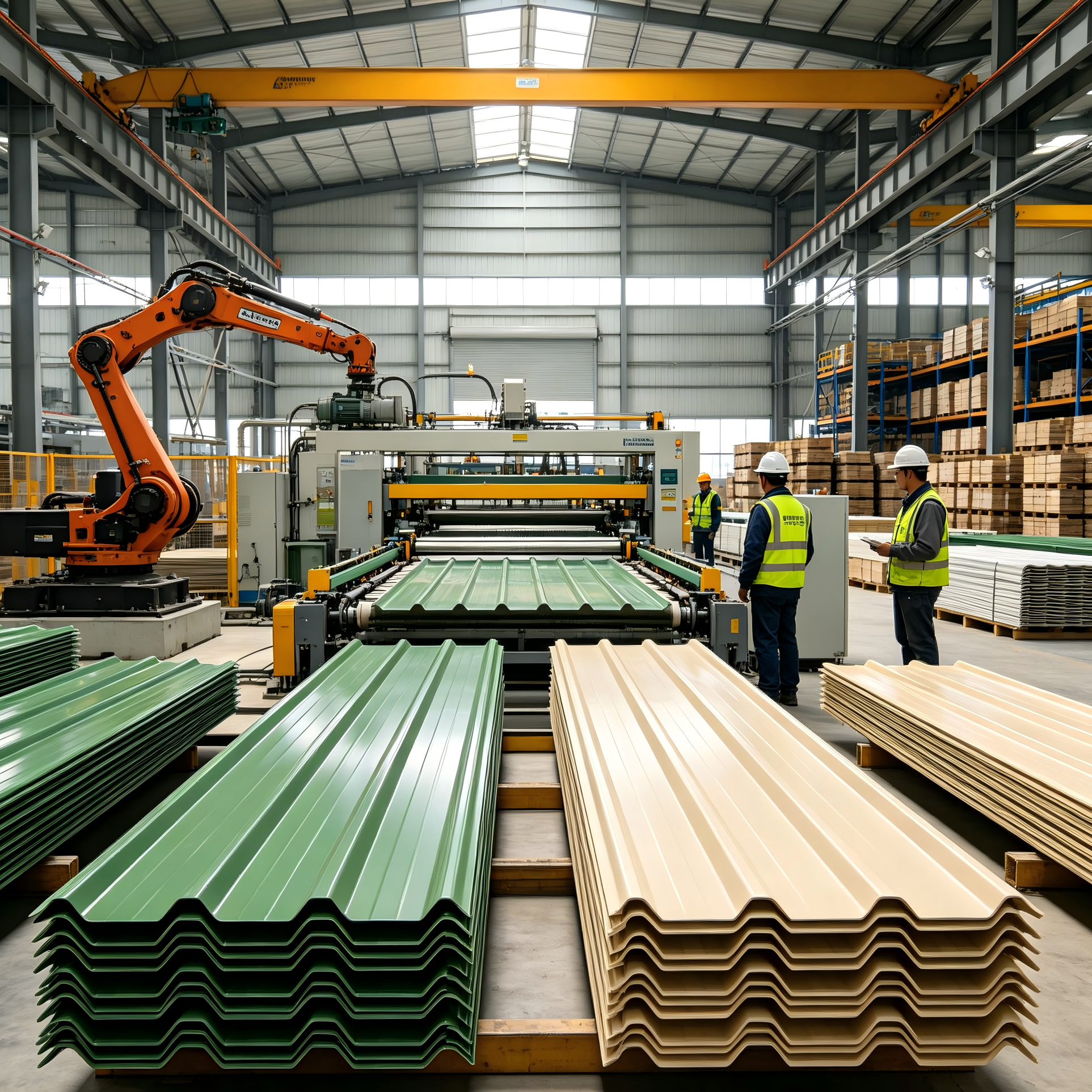
Roof tile performance is not only a chemistry question. The profile shape, overlap design, and thickness consistency affect installation speed and water shedding. A factory should be able to talk about how its forming process controls dimensional uniformity. If the tiles vary too much, installers may spend extra time on alignment, and that kind of labor creep is easy to miss during procurement.
Surface finish and visual consistency
Many buyers focus on strength first and appearance second, but on exposed roofs the two are linked. Uneven gloss, mottled color, or a chalky surface can suggest formulation or processing issues. A reliable PVC synthetic resin plastic roof tile factory should be able to show stable surface quality across production lots.
What a capable factory usually pays attention to
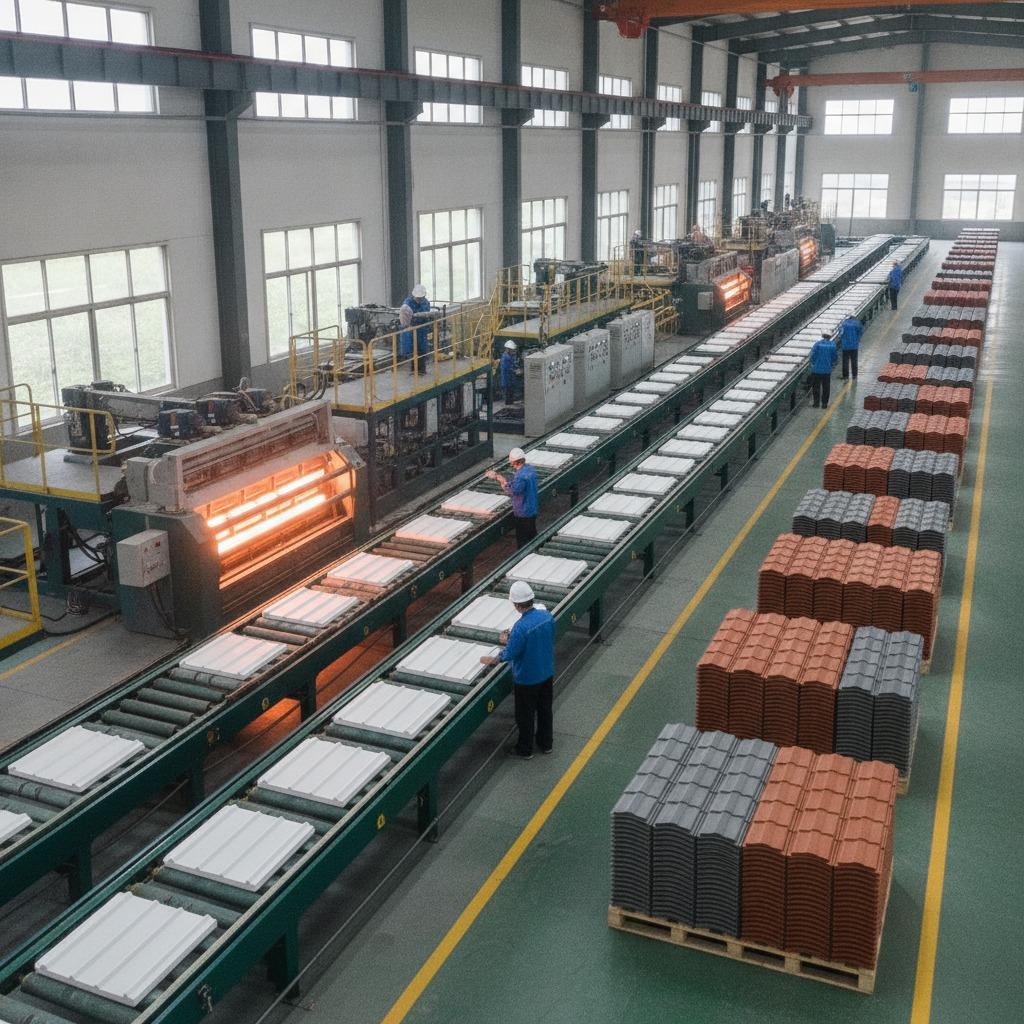
A serious manufacturer will treat roofing as a system product, not a simple extruded shape. That usually means attention to raw material blending, temperature control during forming, and post-processing checks that reduce visible defects. It also means understanding that roof tiles need to survive more than storage and shipping. They must tolerate installation handling, thermal movement, seasonal weather changes, and ordinary wear.
Buyers should also ask how the factory manages consistency between runs. The same product name means little if one shipment feels rigid and another feels brittle. For sourcing managers, this is where vendor discipline becomes visible. Good manufacturing practice often looks boring on paper, but it shows up as fewer complaints later.
Common mistakes when selecting a roof tile supplier
One common mistake is comparing suppliers only by unit price. That can lead to false savings if the product requires more labor, generates waste on site, or performs poorly under local weather conditions.
Another mistake is treating all synthetic resin roof tiles as interchangeable. They are not. The material system, the profile, and the intended exposure environment all matter.
A third mistake is failing to ask for application guidance. Even a capable factory may not have the exact answer for every project, but it should be able to help identify whether PVC or ASA is a better fit, what kind of roof span is practical, and what installation cautions matter most.
Buyer-facing questions that separate strong factories from weak ones
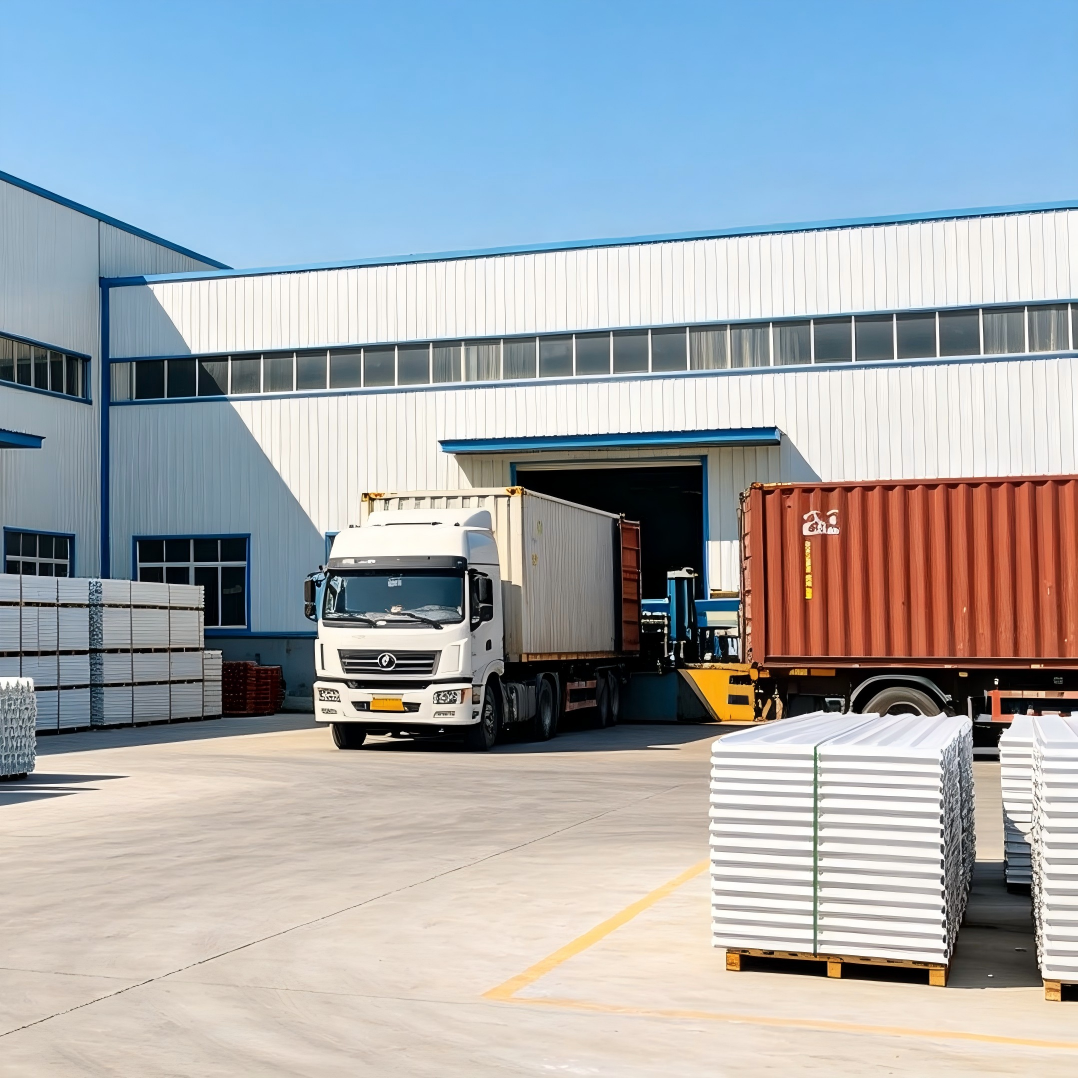
Ask the factory how it defines suitable use cases for its roof tiles. Ask what differences it sees between PVC synthetic resin roof tile factory output and ASA synthetic resin roof tile factory output. Ask how it monitors dimensional stability and appearance. Ask what packaging method it uses to reduce transit damage. These are simple questions, but they quickly reveal whether the supplier understands the product as a building component rather than a generic plastic article.
If the supplier cannot explain the practical difference between a synthetic resin roof tile factory product intended for decorative use and one intended for harsher outdoor exposure, proceed carefully.
Practical next step for sourcing teams
Before placing a volume order, narrow the shortlist to factories that can explain material choice, profile design, and outdoor performance in plain language. Request product specifications, sample tiles, and installation recommendations, then compare them against the actual project environment. That approach is slower than buying on price alone, but roof products reward caution. A roof is visible every day, and it is expensive to fix after the fact.
If you are evaluating a PVC synthetic resin plastic roof tile factory, start with the climate, the building use, and the installation conditions. The right supplier should help you connect those dots, not just ship cartons.