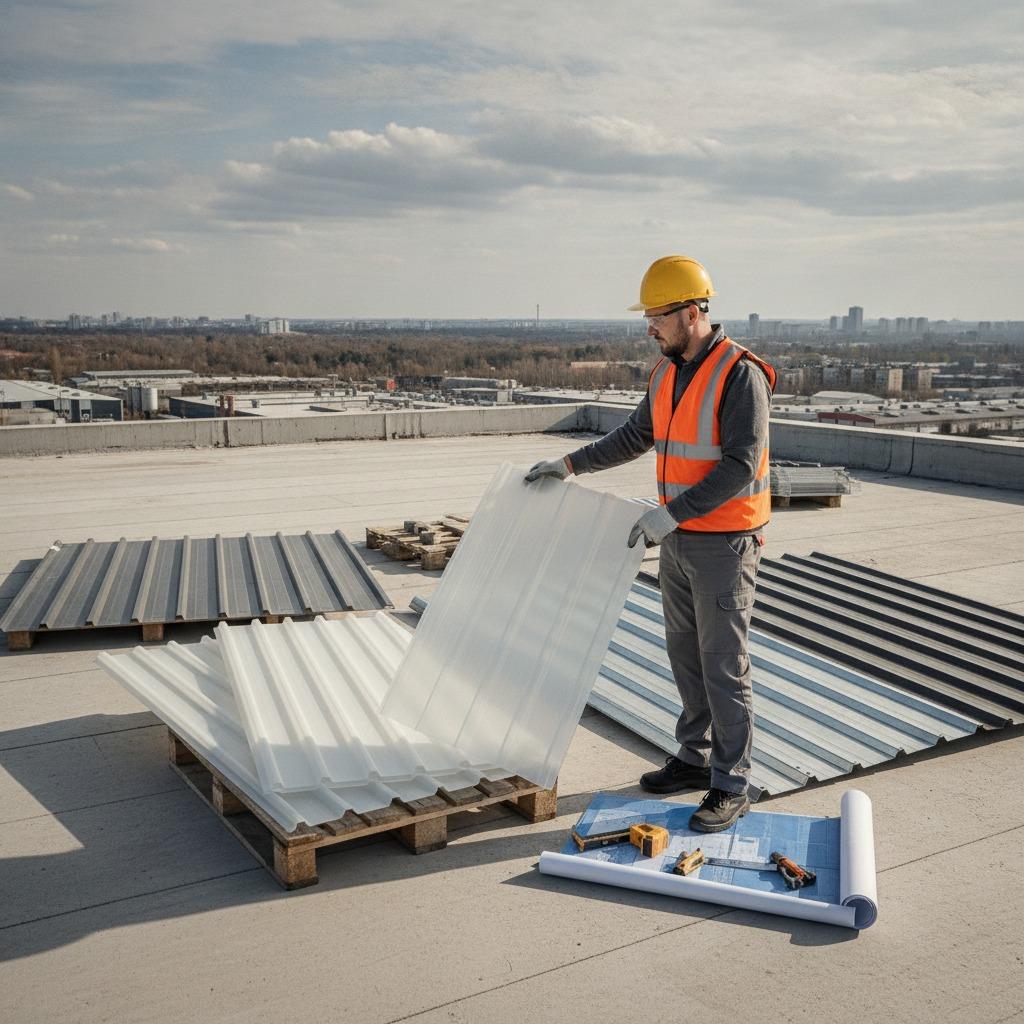
Why buyers keep comparing UPVC corrugated roof sheet options
If you are sourcing roofing for a warehouse, workshop, or light industrial building, the comparison often comes down to one question: will an UPVC corrugated roof sheet give you the weather protection, corrosion resistance, and installation practicality you need without creating new maintenance headaches later? That is a fair question, because roof decisions tend to look simple on paper and expensive in service.
For many buyers, the real issue is not the material name itself. It is whether the roof covering will handle water runoff, sun exposure, chemical air, and routine maintenance access while keeping the structure below dry. In industrial settings, a roof that resists anti-corrosive stress can matter as much as strength. A panel that installs quickly but deteriorates early is a poor trade, no matter how attractive the initial price looks.
What the corrugated profile changes in practice
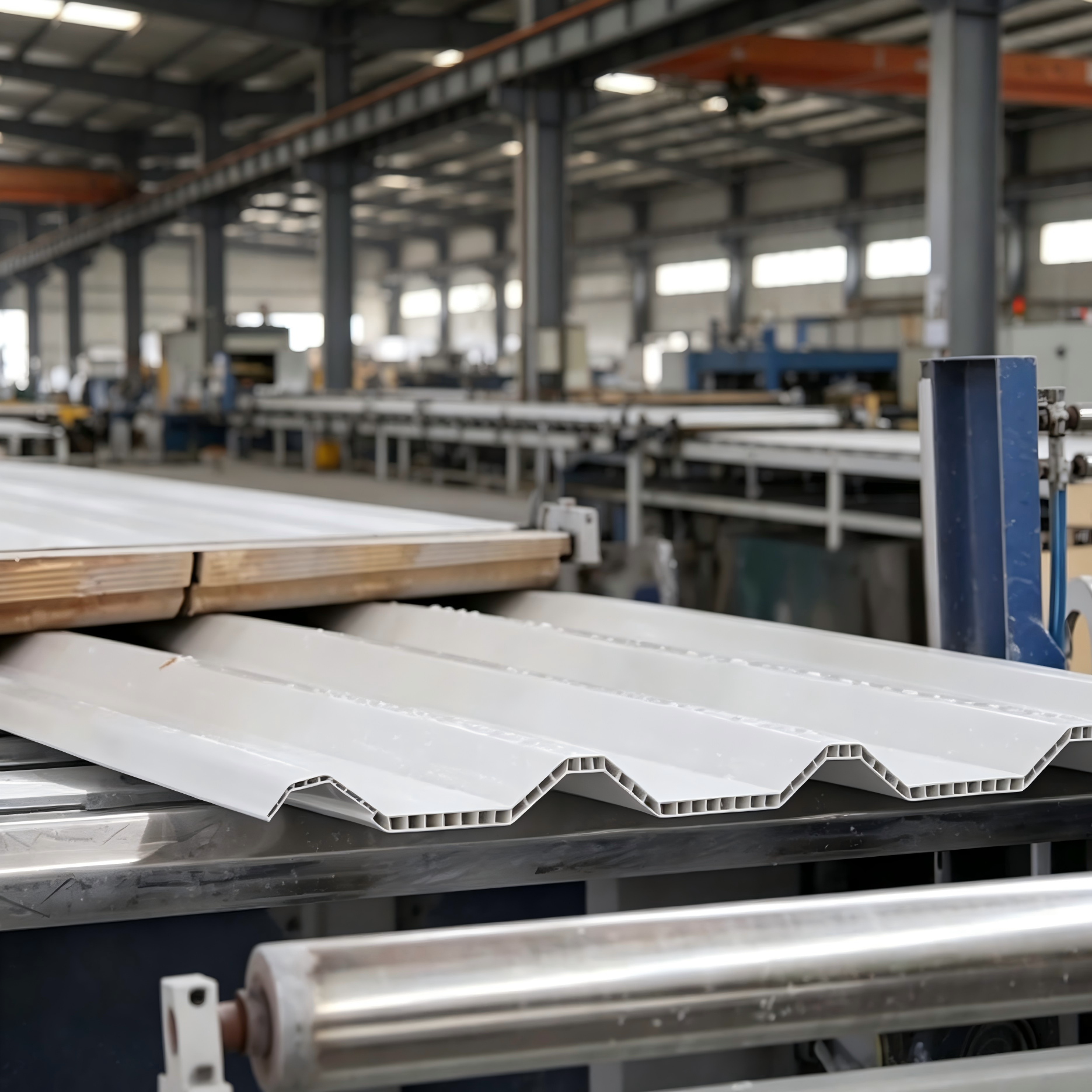
Corrugation is not just a visual feature. The ribbed shape helps shed water, supports spanning behavior, and gives the sheet enough stiffness for wide-area roof coverage. That is why corrugated roofing remains common on commercial and industrial buildings. It is a straightforward geometry, but it works.
In many projects, buyers evaluate whether a uPVC roof sheet corrugated format suits the roof slope, fixing layout, and expected exposure better than flat panels or other cladding styles. A lighter roof can simplify handling and reduce labor strain. Still, the detail work matters: overlaps, fasteners, edge treatment, and waterproof continuity decide whether the roof performs well over time.
Where uPVC roofing is usually considered
The term UPVC roofing sheet is often discussed for buildings that need a practical, low-maintenance covering rather than a decorative roof finish. Typical use cases include warehouses, factories, logistics buildings, farm structures, and auxiliary commercial roofs. In those settings, buyers usually value ease of installation, resistance to moisture, and stable performance in service.
That said, not every roof needs the same specification. A humid coastal site, a chemical-processing area, and a dry inland warehouse do not place identical demands on a roof sheet. If the environment is aggressive, the anti-corrosive behavior of the chosen system deserves close attention. Do not assume every product advertised as anti-corrosion will perform the same way once it is on the roof.
Selection points that actually affect the purchase
When comparing an UPVC roof sheet or broader uPVC sheet roofing solution, buyers should look beyond the headline material name. The important questions are practical ones:
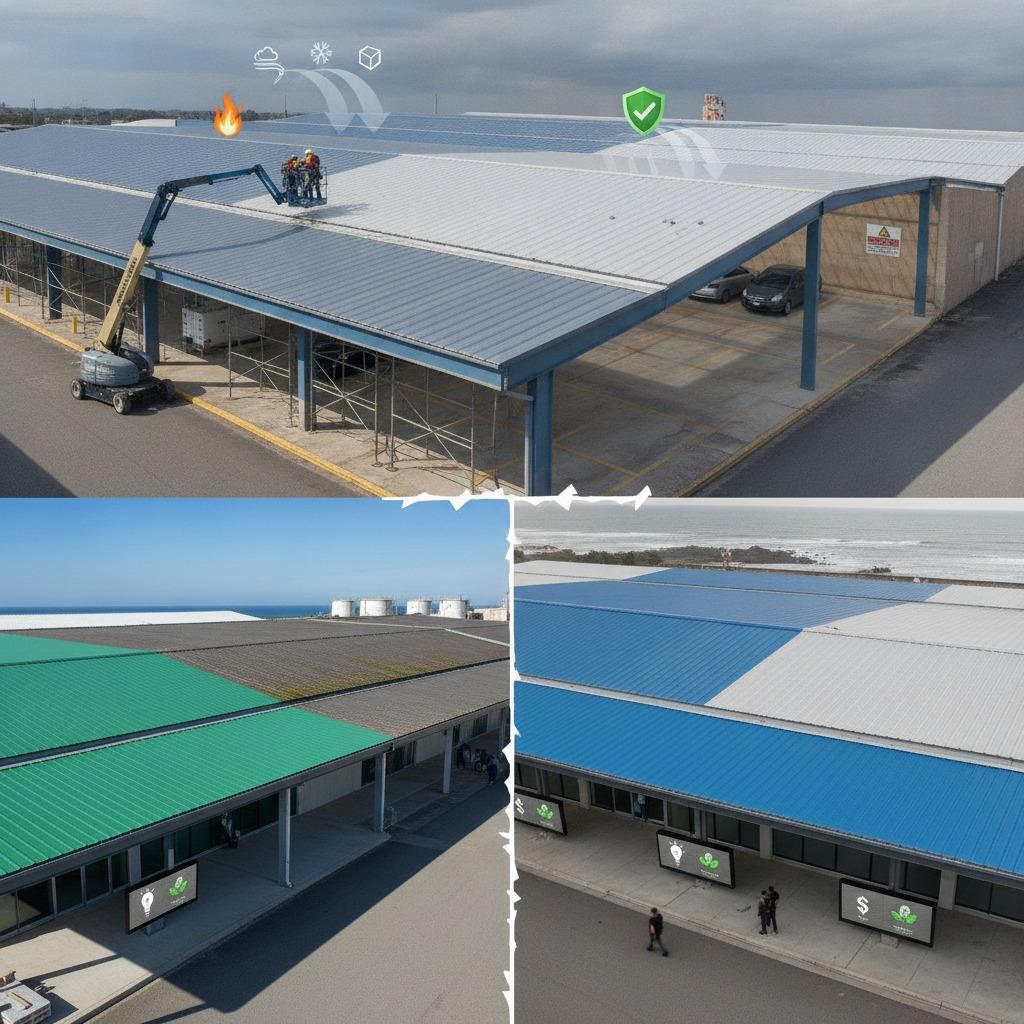
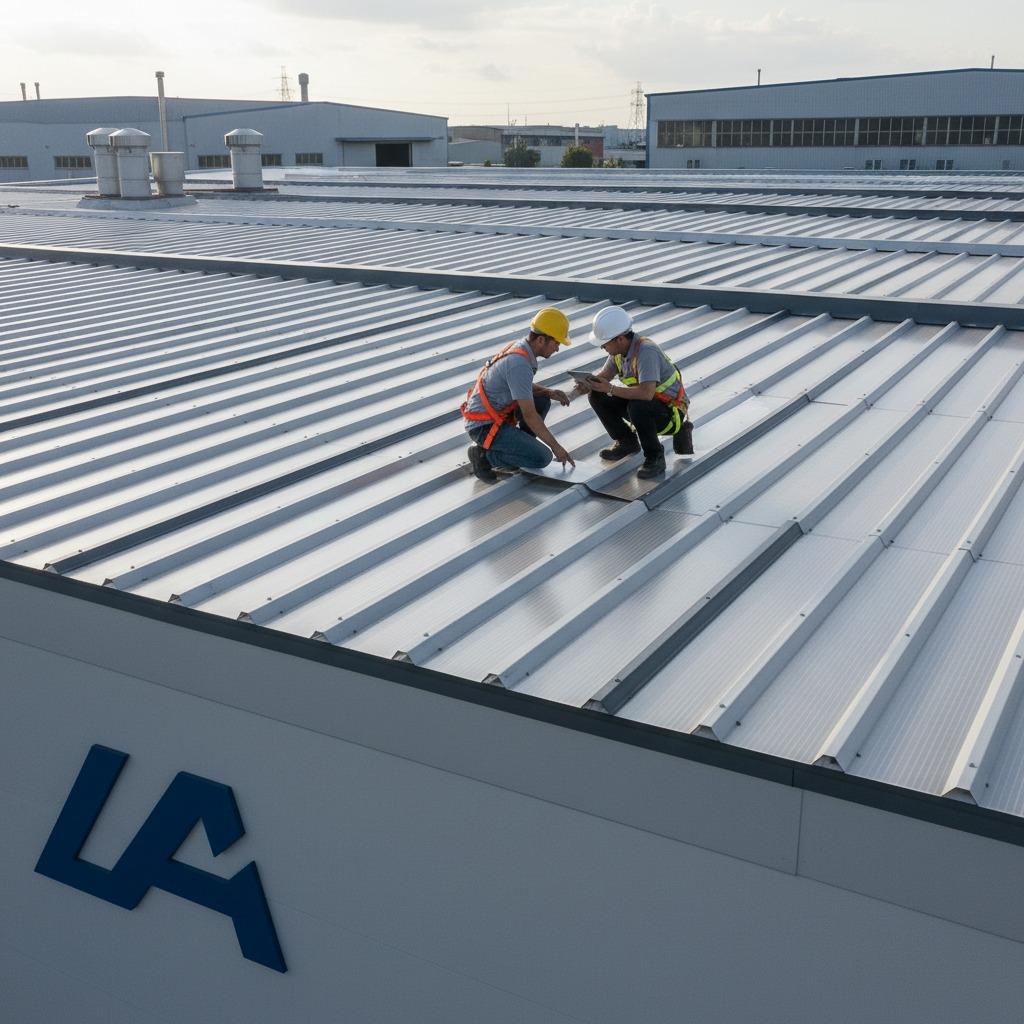
How will the roof be fixed? How will thermal movement be handled? What happens at overlaps and penetrations? Is the surface intended to reflect sunlight, or is that just a side effect of the finish? The image context here shows a large roof with visible seams and fasteners, which is a reminder that installation quality is part of the product, not separate from it.
A cautious buyer will also ask for the exact material description, coating or surface treatment, panel thickness, and any available performance documentation. If those details are unclear, pause. Roofing is not a place for vague answers.
Common mistakes that cause trouble later
One frequent mistake is treating all corrugated sheets as interchangeable. They are not. Another is choosing on price alone and discovering too late that the panel profile, fastening system, or corrosion resistance is wrong for the building environment.
Another practical misstep is ignoring maintenance access. Roofs fail faster when people cannot inspect them properly or when repairs are awkward. The presence of workers measuring and checking the roof in the image is a small but useful reminder: inspection is part of the lifecycle, not an afterthought.
What to ask before you place an order
Ask the supplier for the exact panel specification, including the sheet profile, intended application, and any available installation guidance. If the product is being used in an industrial roof system, confirm compatibility with the structure, the fixing method, and local environmental exposure. If you need an upvc corrugated roofing sheet for a specific building type, be clear about slope, span, and whether the roof must prioritize reflectivity, corrosion resistance, or ease of replacement.
That conversation may feel detailed, but it is cheaper than correcting a mismatch after installation.
Buying takeaway
If your project needs a roof covering that is practical, modular, and suited to large industrial surfaces, a corrugated sheet format is worth serious consideration. The right choice depends less on slogans and more on whether the product fits the environment, the structure, and the maintenance plan. If you are comparing options now, start with the exposure conditions and the fixing details, then work outward from there.