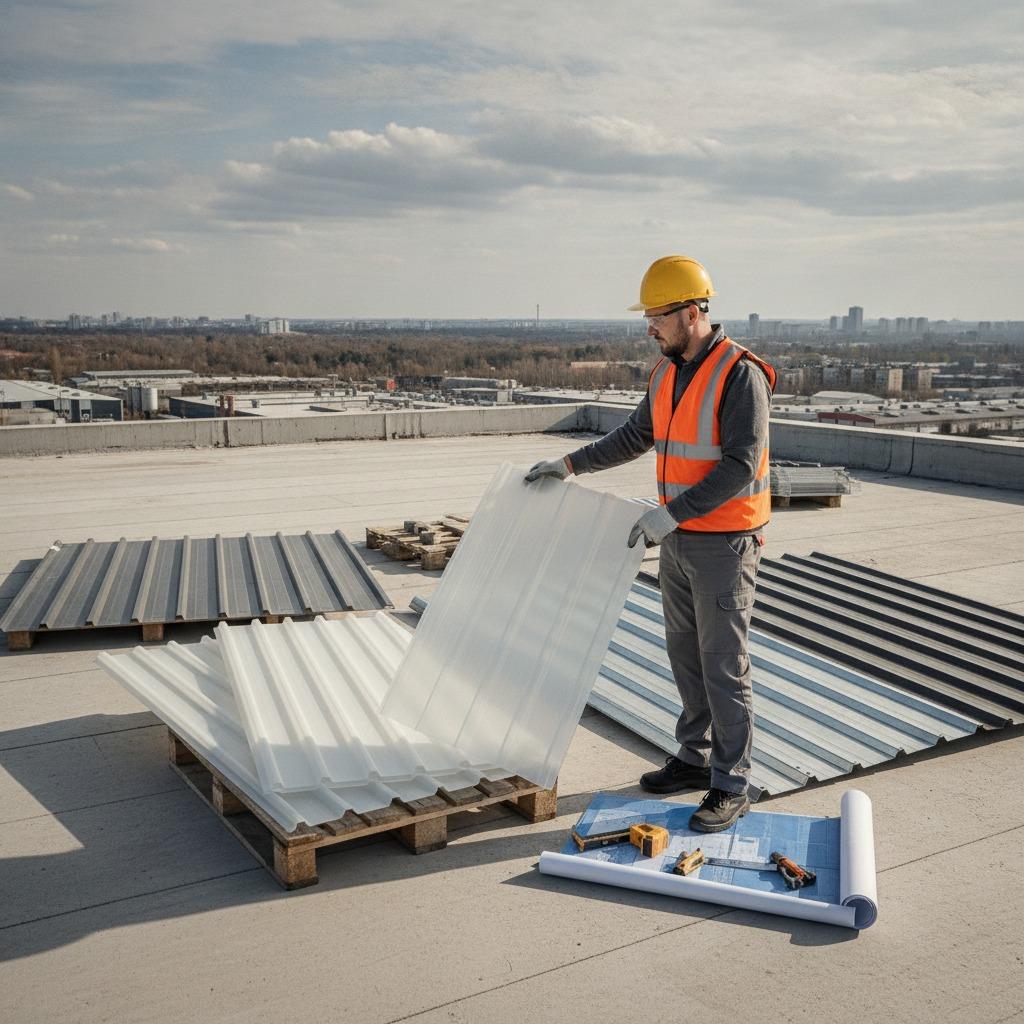
Why uPVC roof sheet selection matters on real job sites
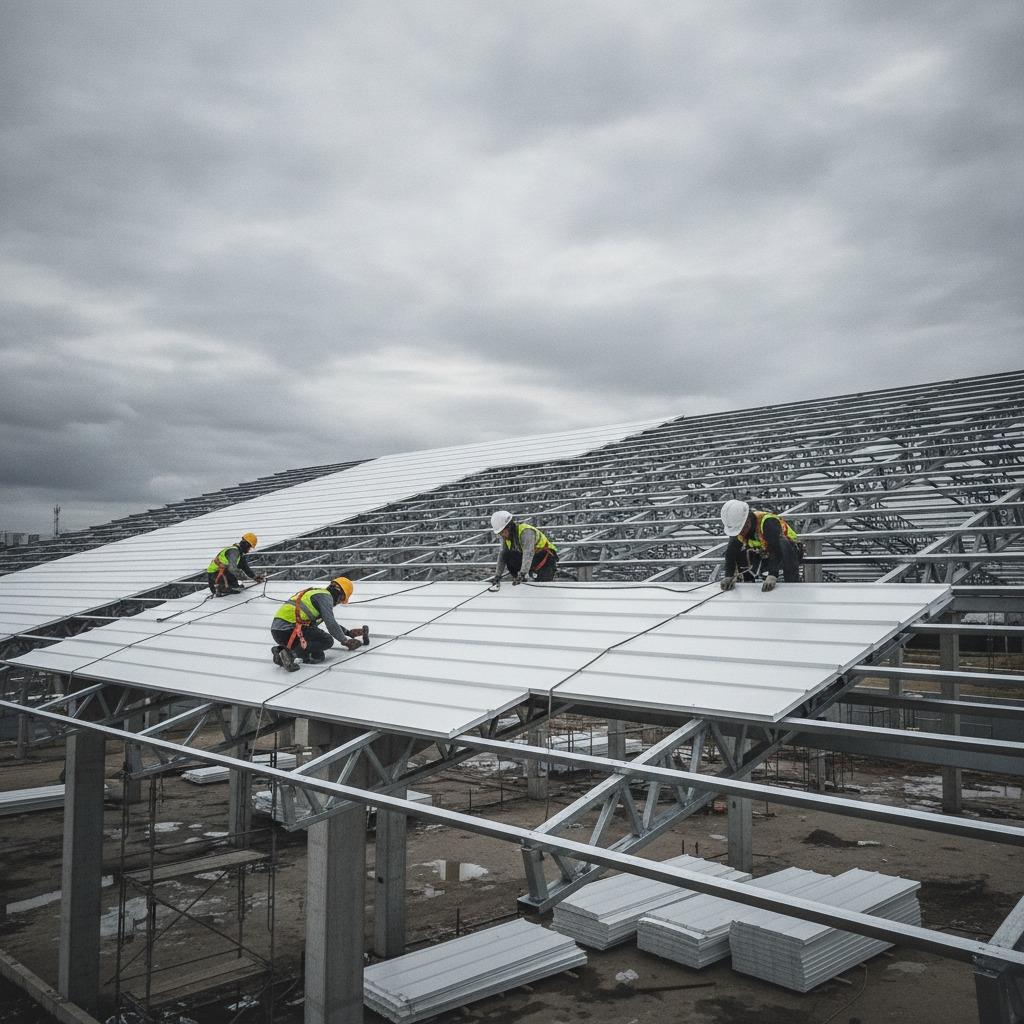
A uPVC roof sheet is often chosen for one simple reason: it has to survive weather, moisture, and chemical exposure without turning into a maintenance problem. That sounds straightforward, but the decision is rarely simple on an actual project. Engineers and sourcing teams usually need to balance daylight, thermal comfort, corrosion resistance, impact behavior, and the look of the finished roof. Get one of those wrong and the building may still function, but it will be noisier, dimmer, hotter, or more expensive to maintain than expected.
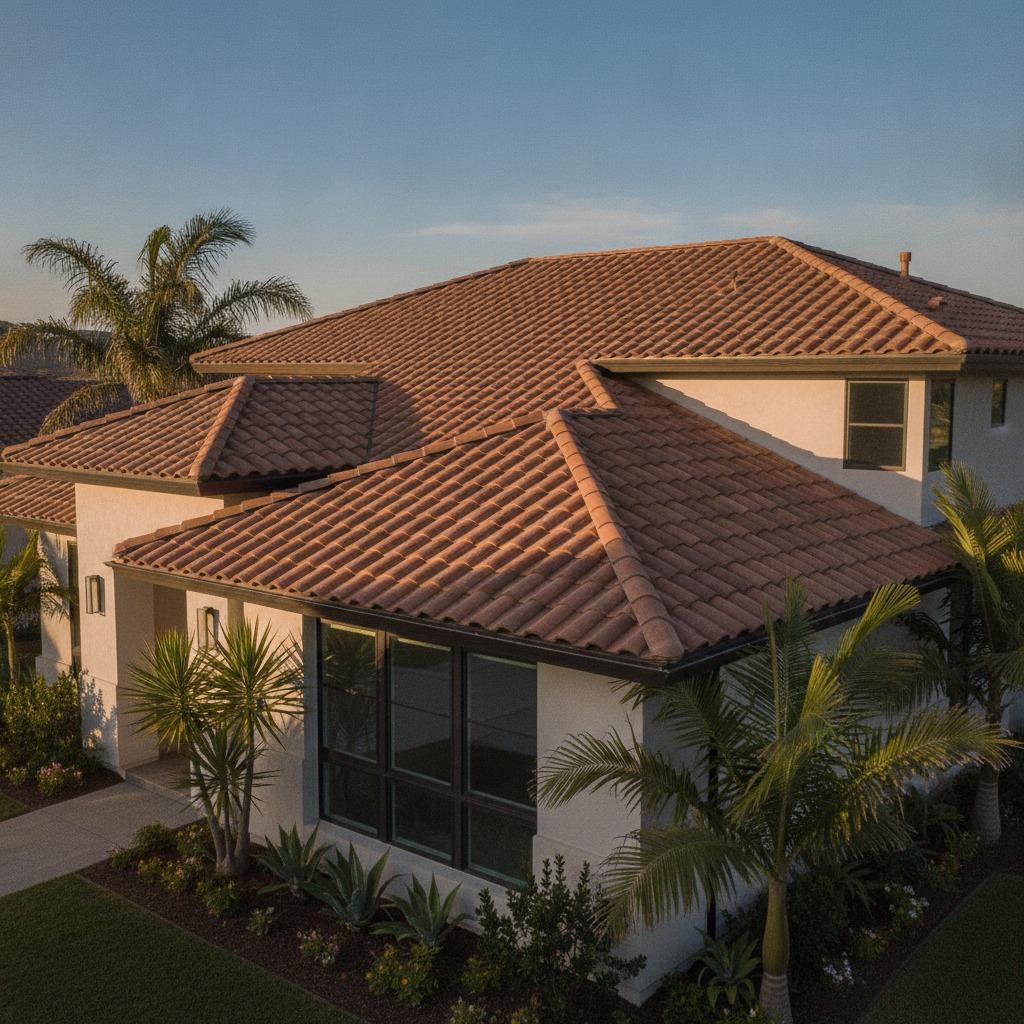
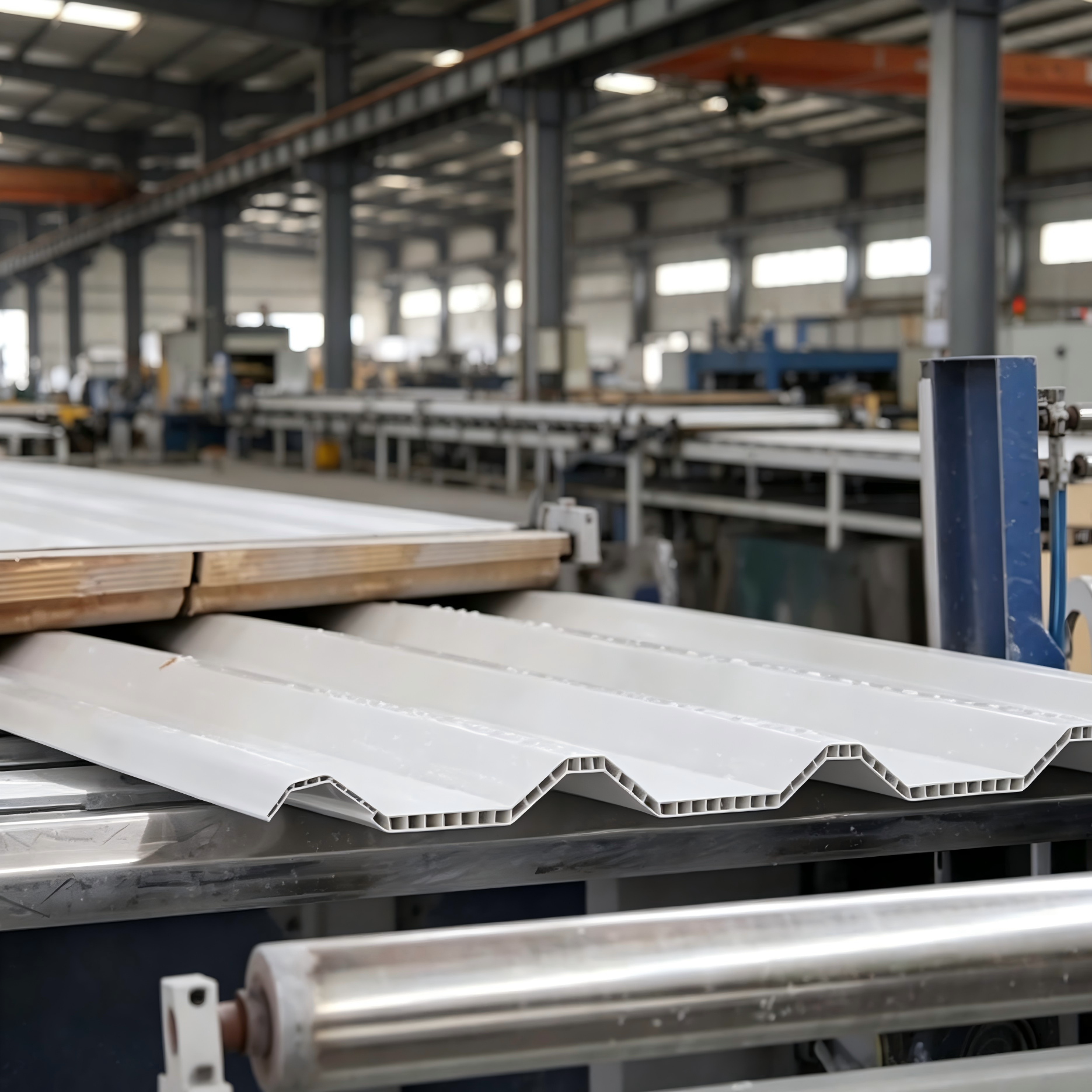
The appeal of uPVC roofing sheet products is that they can handle demanding environments while remaining relatively easy to work with. In agricultural buildings, workshops, industrial sheds, and certain commercial structures, that practical mix matters more than brochure language. The roof is not just a cover; it is part of the building’s operating cost.
What buyers usually compare first
When people compare uPVC sheet roofing options, they are usually trying to answer three questions: how much weather protection they need, whether the roof should admit light, and how the sheet will hold up near corrosive conditions. Those are sensible priorities. A roof over a coastal facility, a fertilizer store, or a wet processing area has different demands from a roof over a dry warehouse.
A transparent upvc roofing sheet can be useful where daylight reduces dependence on artificial lighting. That said, buyers should be careful not to treat transparency as the default answer. More light can also mean more heat gain or glare, depending on the building layout and the climate. The better choice is often a mix of opaque and light-transmitting panels rather than a fully transparent roof.
Where anti-corrosive performance becomes the deciding factor
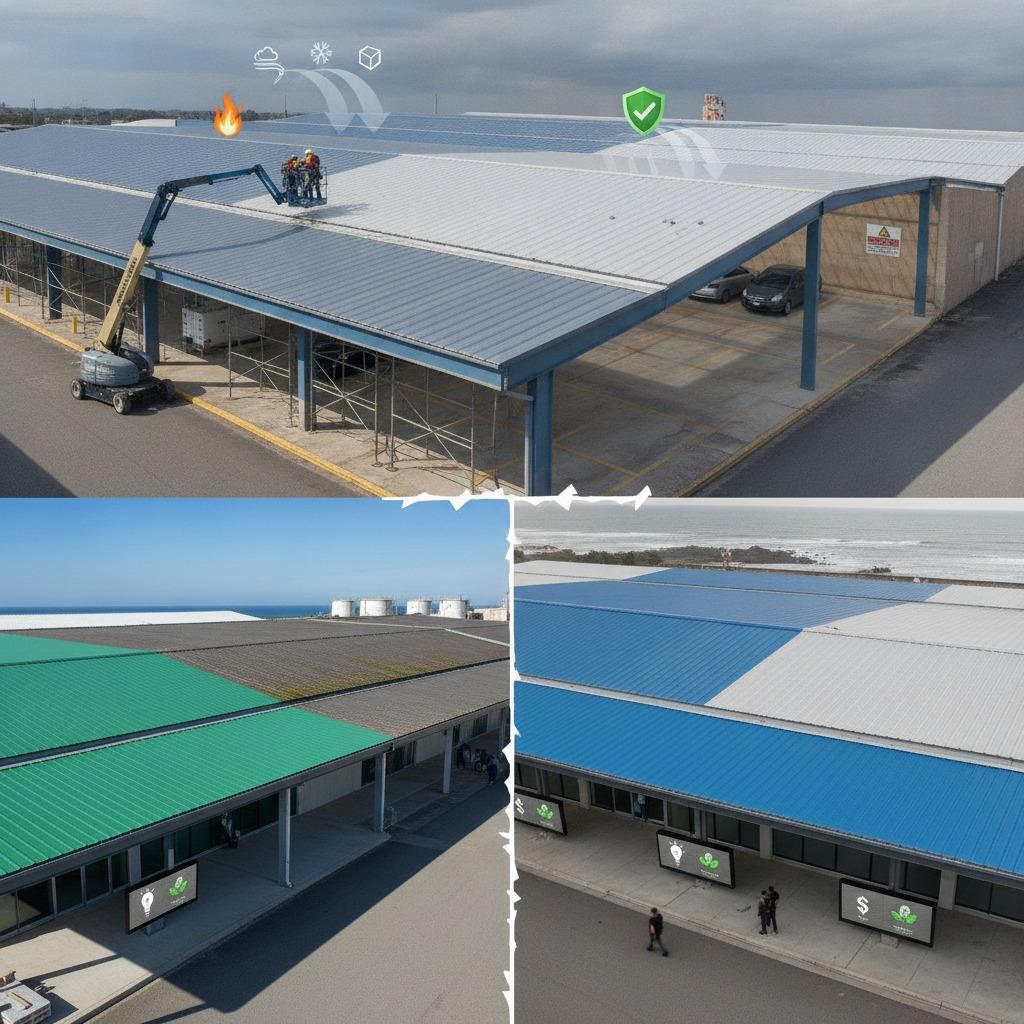
One of the strongest reasons to specify an anti-corrosive roof covering is environment. Metal roofs may struggle in places with humidity, salt air, chemical fumes, or regular washdown cycles. In those settings, uPVC roof sheet products are attractive because the material does not face the same corrosion pathway as metal. That does not make the roof indestructible, of course, but it can reduce the maintenance burden and help extend service life in the right application.
There is a practical caution here: “anti-corrosive” is not a magic word. A roofing system still depends on correct fixing, compatible fasteners, suitable support spacing, and sensible installation practice. If the surrounding hardware is poorly chosen, the roof assembly can fail around the sheet rather than through it.
Choosing the right type for the job
Opaque vs. light-transmitting
Opaque sheets are usually chosen for maximum shade and thermal control. Light-transmitting panels are selected when daylight is part of the building strategy. For many buyers, the most workable design is a combination, with the transparent sections placed where natural light is useful and not punishing.
Single-skin vs. system thinking
It is easy to focus only on the sheet itself, but roofing performance comes from the full assembly. Substructure, slope, fastening method, and overlap details all matter. A well-made uPVC roofing sheet can still underperform if the roof pitch is too low or drainage is poorly handled.
Common mistakes buyers still make
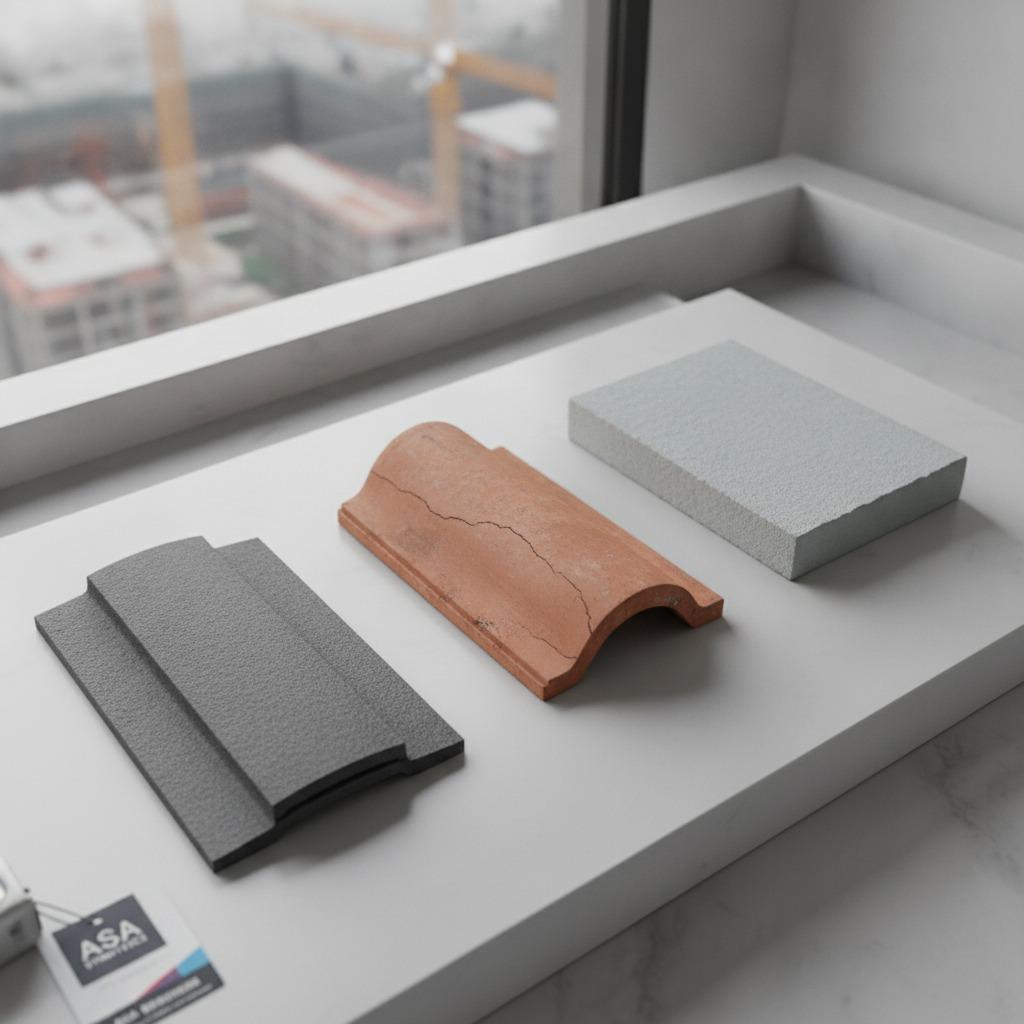
The most common mistake is choosing solely on price. A cheaper sheet that needs earlier replacement, more frequent inspection, or constant leak chasing is rarely cheaper in the long run. Another mistake is assuming all “roofing plastic” products behave the same way. Thickness, profile, translucency, and UV exposure tolerance can vary widely by product family and application.
Another quiet problem is overlooking heat and light balance. A roof that brings in too much sun may save on lamps but create discomfort below the roofline. On the other hand, a fully shaded roof may increase lighting costs. The decision should be made with the building’s use, not just the sheet catalog, in mind.
Practical buyer advice before you issue a spec
Ask how the sheet will perform in the actual environment, not only in general use. Consider chemical exposure, rainfall intensity, cleaning method, roof slope, and whether workers will need occasional access above the roof deck. If the project includes transparent upvc roofing sheet sections, think about placement first and aesthetics second.
It also helps to request clear installation guidance from the supplier. Details on overlap, fastening points, and compatible accessories often save more trouble than a polished product description ever will.
A short decision guide
If the main concern is corrosion resistance in a wet or aggressive setting, uPVC roofing sheet products are worth a close look. If daylight is part of the plan, transparent sections may make sense, but only where glare and heat are manageable. If the roof is expected to do hard work for years with limited maintenance, the whole system—not just the sheet surface—needs to be checked carefully.
For sourcing teams, the next step is straightforward: compare environmental exposure, lighting needs, and installation requirements side by side before you commit to a roof specification.