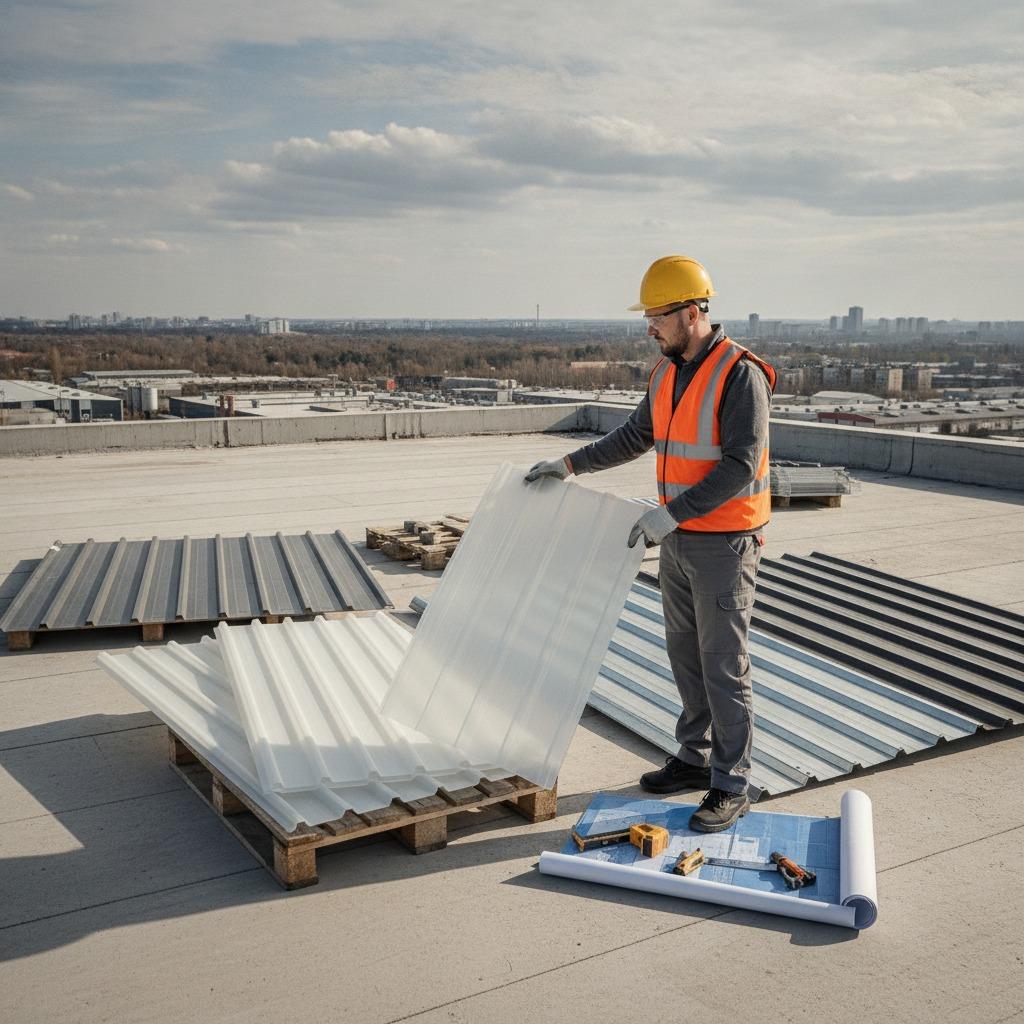
Why a pvc corrugated roofing sheet still has a place on the shop floor and the job site
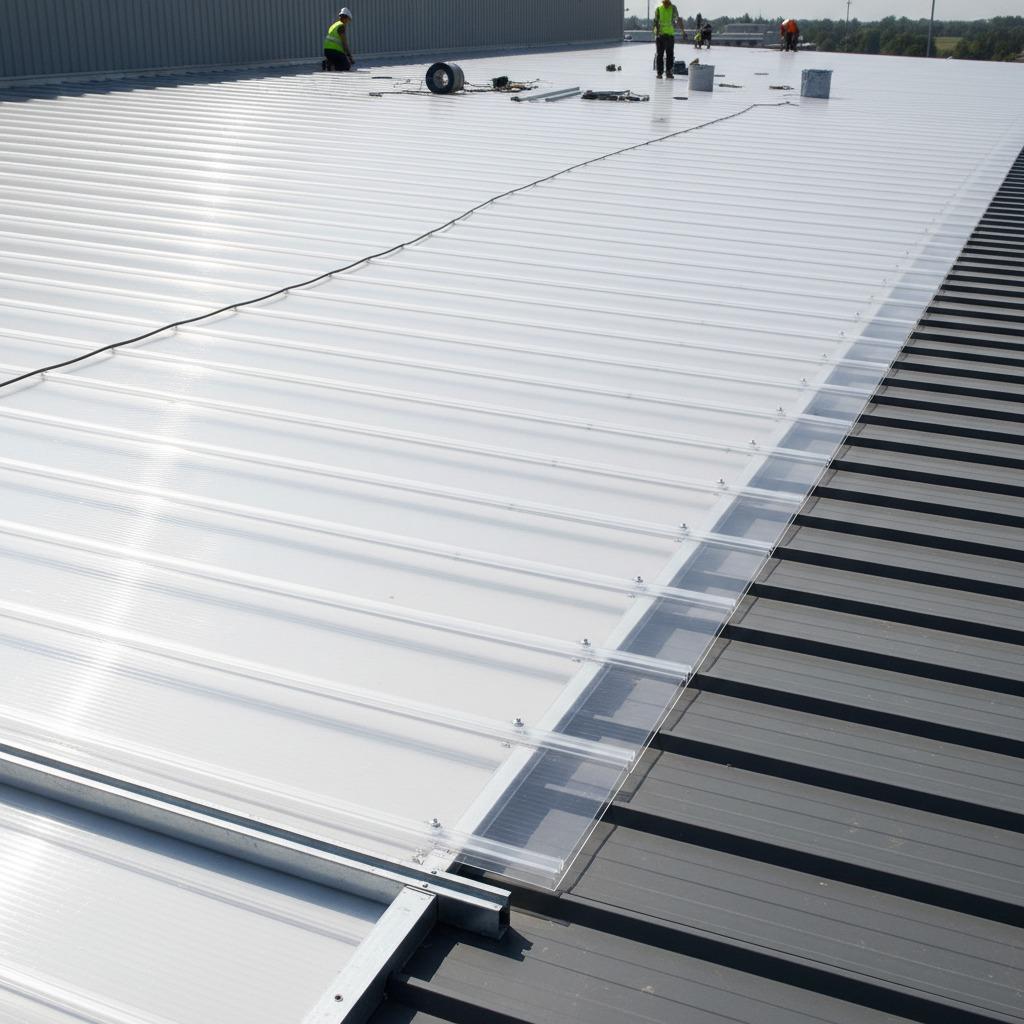
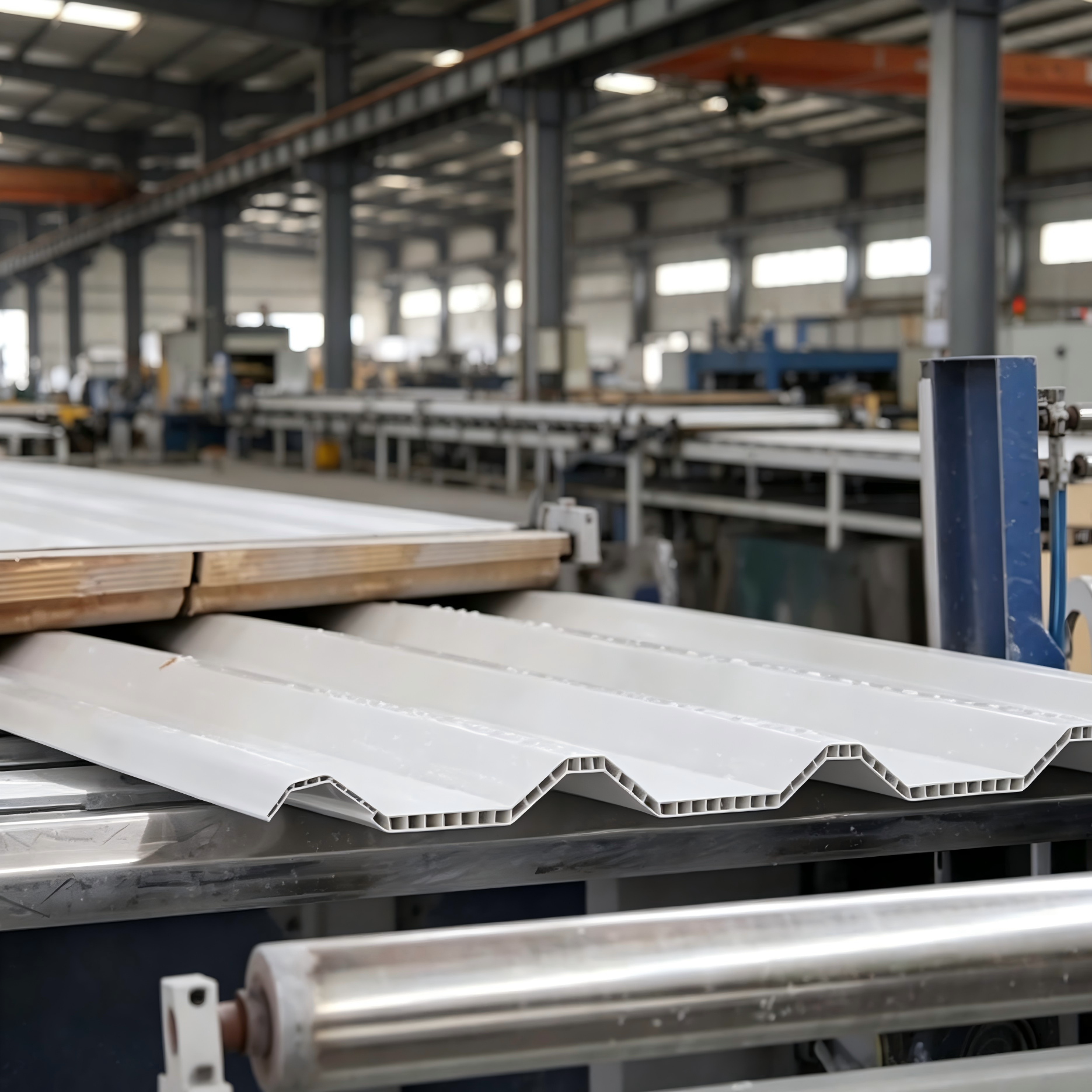
A pvc corrugated roofing sheet is not the flashiest roofing option, but it solves a very practical problem: how to cover a structure where moisture, light weight, and basic weather resistance matter more than prestige. For sheds, walkways, storage bays, small workshops, and similar buildings, it often makes more sense than heavier roof systems. That is especially true where installers want a material that can be handled quickly, cut on site, and fastened without complicated equipment.
The appeal is straightforward. Corrugated profiles add stiffness, the PVC base helps with water resistance, and the material is often chosen when buyers want an anti-corrosive roof surface that will not react the way some metals do in damp or chemical-prone environments. That said, this is not a universal answer. If the building sees high heat, severe impact, or demanding structural loads, the buyer should slow down and check the full specification rather than assuming any plastic roof sheet will do the job.
What buyers are really comparing
When teams evaluate roofing materials, they are usually balancing a few familiar questions: weight, durability, appearance, maintenance, and installation cost. A pvc corrugated roofing sheet tends to score well on ease of handling and day-to-day practicality. The profile sheds water efficiently, and the translucent or colored variants often used in light-duty construction can help manage daylight without adding complex skylights.
For sourcing managers, the decision is rarely about one headline feature. It is about whether the roof needs to stand up to ordinary weather, occasional cleaning, and a service life that matches the building’s purpose. In low-rise industrial settings, that can be enough. On a more demanding site, it may not be.
Where this material fits best
This kind of sheet is commonly considered for:
h3>Light industrial and storage roofs
Warehouses, open-sided shelters, and utility structures often benefit from a lightweight sheet that reduces load on the framing.
h3>Agricultural and semi-outdoor buildings
Barn extensions, feed storage areas, and covered work zones often need simple water protection and some daylight management.
h3>Canopies and passage covers
Where people need protection from rain but not a fully insulated envelope, corrugated PVC can be a practical option.
Selection points that matter more than the brochure
Buyers should look beyond shape and color. Sheet thickness, profile geometry, UV exposure conditions, and fastening method can all affect performance. Even a decent sheet can disappoint if it is installed with poor overlap, wrong spacing, or mismatched accessories. A roof failure often starts at the edges, not the center.
Another point worth watching is thermal movement. Plastic sheets expand and contract, so the installation details matter. If the crew treats them like rigid metal panels, trouble usually follows. It is a small caution, but one that saves a lot of site frustration.
Common mistakes
A frequent mistake is buying only on price and ignoring the actual environment. Another is assuming “anti-corrosive” means “indestructible.” It does not. The roof still needs sensible support, proper slope, and regular inspection, especially after storms or heavy seasonal heat.
A second mistake is underestimating how much light transmission or opacity is needed. If the space depends on daylight, the wrong sheet can turn a practical roof into a gloomy one. If privacy or heat control matters more, that same choice can backfire in the opposite direction.
What to ask before you place an order
Before committing, ask how the sheet is intended to be used, what kind of exposure it will face, and what fastening or overlap guidance comes with it. For procurement teams, that is usually the difference between a clean installation and repeated callbacks.
If you are comparing roofing options for a new project, start with the building’s real conditions, then match the sheet to those conditions—not the other way around. That simple discipline tends to produce better roofs than chasing the cheapest pallet.
Next step
If you are shortlisting roof materials for a shed, canopy, or light industrial structure, review the framing, weather exposure, and installation method first. Then decide whether a pvc corrugated roofing sheet is the right fit for the application, or whether a heavier system is warranted.