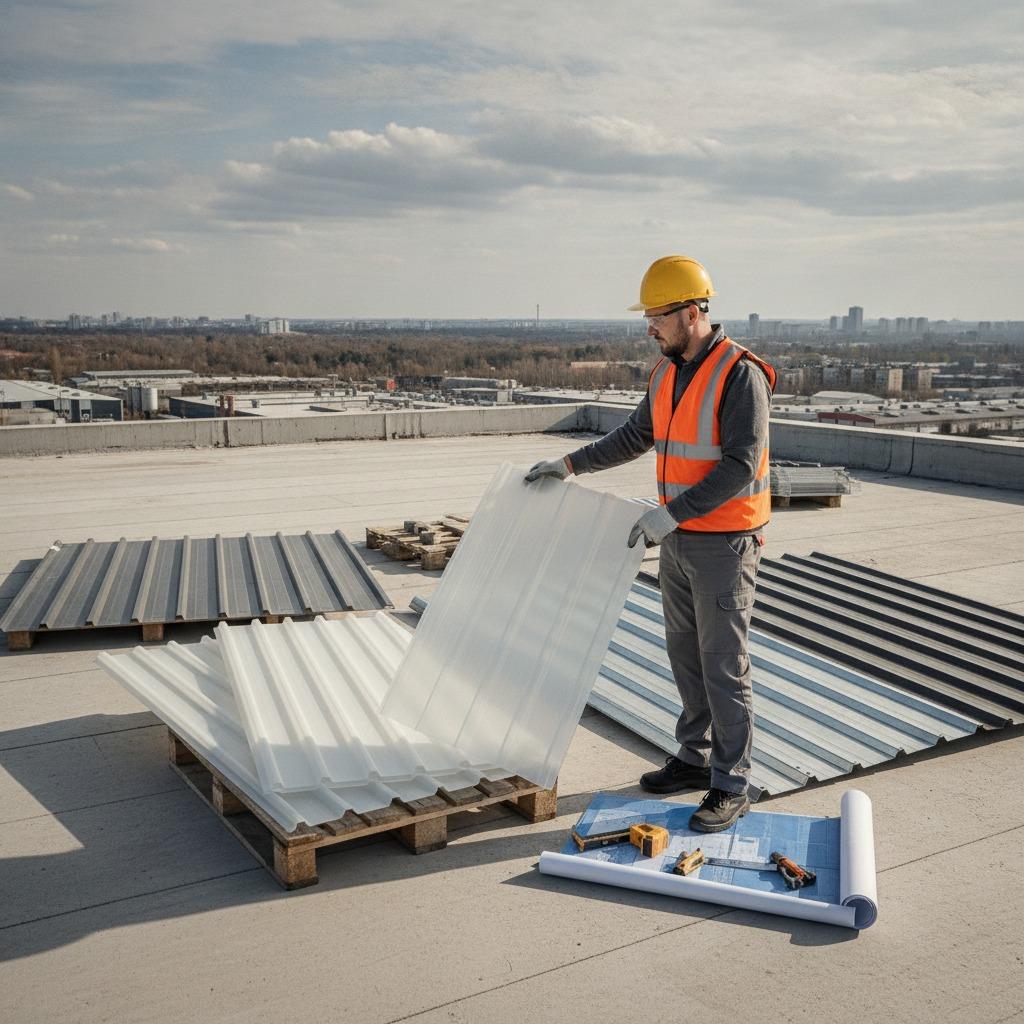
Why an UPVC roof keeps showing up in buyer conversations
An UPVC roof is often discussed for one simple reason: it gives buyers a practical way to handle heat, moisture, and corrosion without moving into more complicated roofing systems. In factories, warehouses, farm buildings, and light industrial sheds, roofing is not just a cover. It affects internal temperature, noise, maintenance cost, and how long the building stays serviceable before repairs start stacking up.
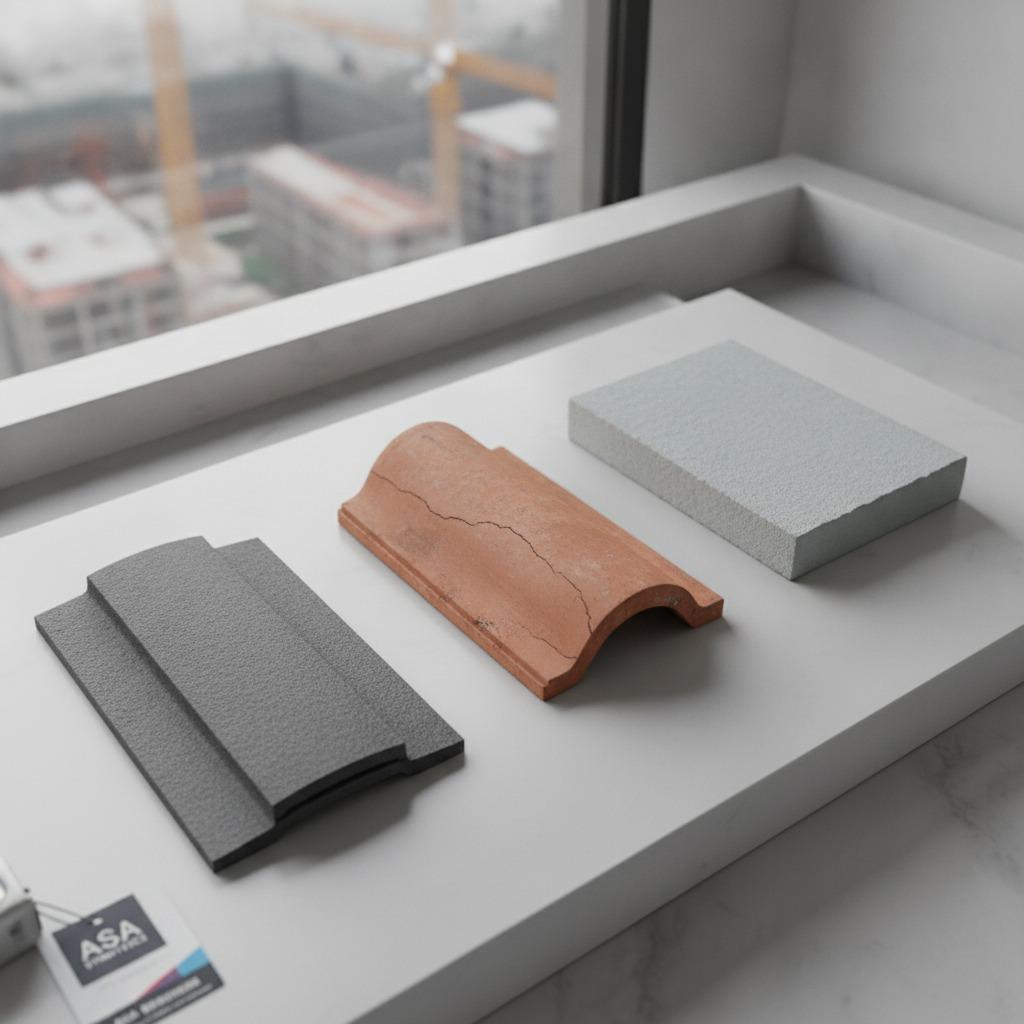
That is why UPVC roofing is usually evaluated alongside metal, fiber-cement, and other plastic-based options. The decision is rarely about appearance. Engineers and sourcing teams are usually asking a more grounded question: which roof system gives reliable protection without creating problems later?
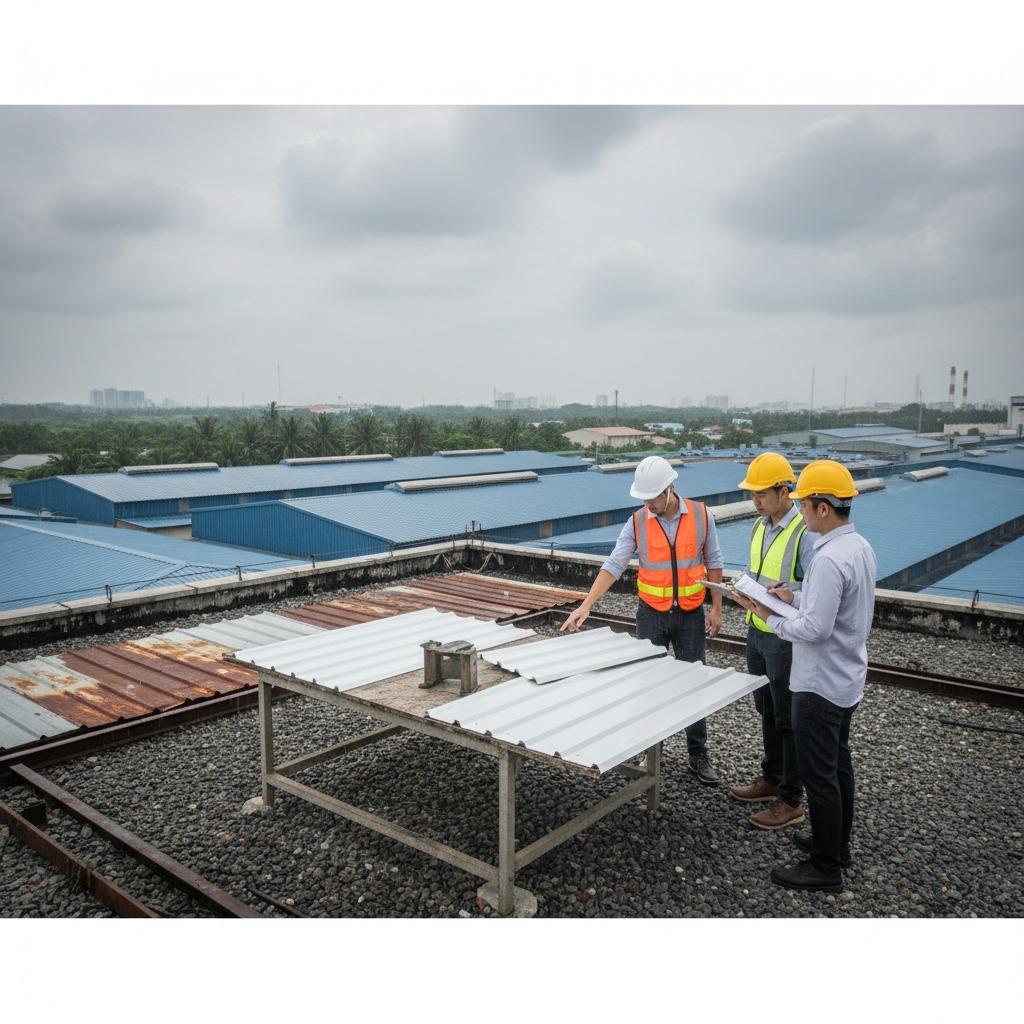
What buyers are really comparing
When teams look at UPVC roof panels or UPVC roof sheets, they are usually trying to balance a few practical concerns: weather resistance, installation simplicity, weight, and the risk of corrosion in humid or coastal environments. That matters in the Thailand industry context as well, where heat, seasonal rain, and moisture exposure can make ordinary roofing choices age faster than expected.
A lightweight roof can reduce structural load and sometimes speed installation. But light weight alone is not a buying argument. The better question is whether the material will hold up under actual operating conditions, including UV exposure, wind uplift, and repeated thermal cycling. A roof that looks economical on day one can become expensive if it needs frequent patching or creates condensation problems inside the building.
Where UPVC roof systems make the most sense
Industrial and commercial buildings
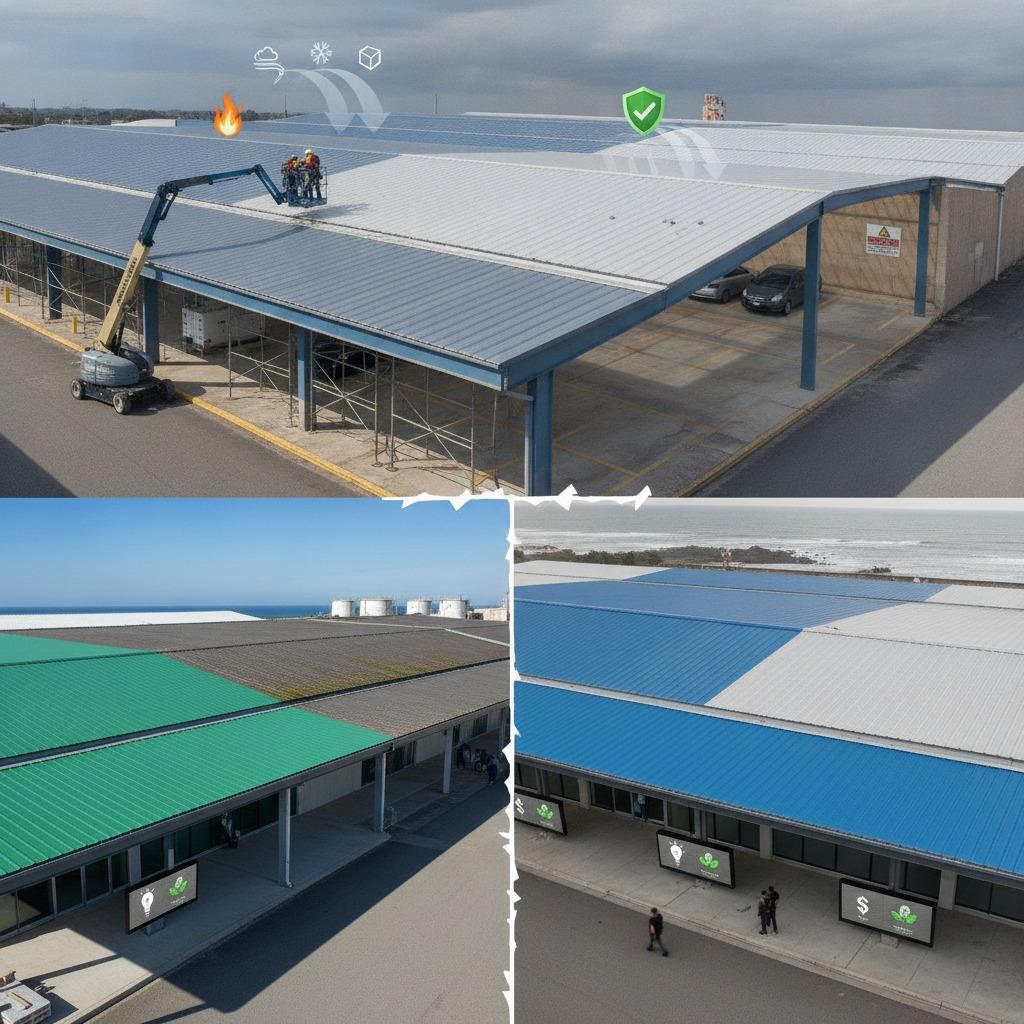
Factories, storage buildings, and workshops often need roofing that is easier to maintain than metal in corrosive settings. In those cases, UPVC can be a sensible shortlist item, especially where chemical fumes or salty air are part of the environment. It is not a universal answer, and it should not be treated like one.
Agricultural and utility structures
Farm sheds, animal housing, and utility shelters may also benefit from roofing that handles moisture well and does not demand frequent coating or repainting. For buyers in these segments, the real value is often operational simplicity rather than technical novelty.
Selection criteria that matter more than brochure claims
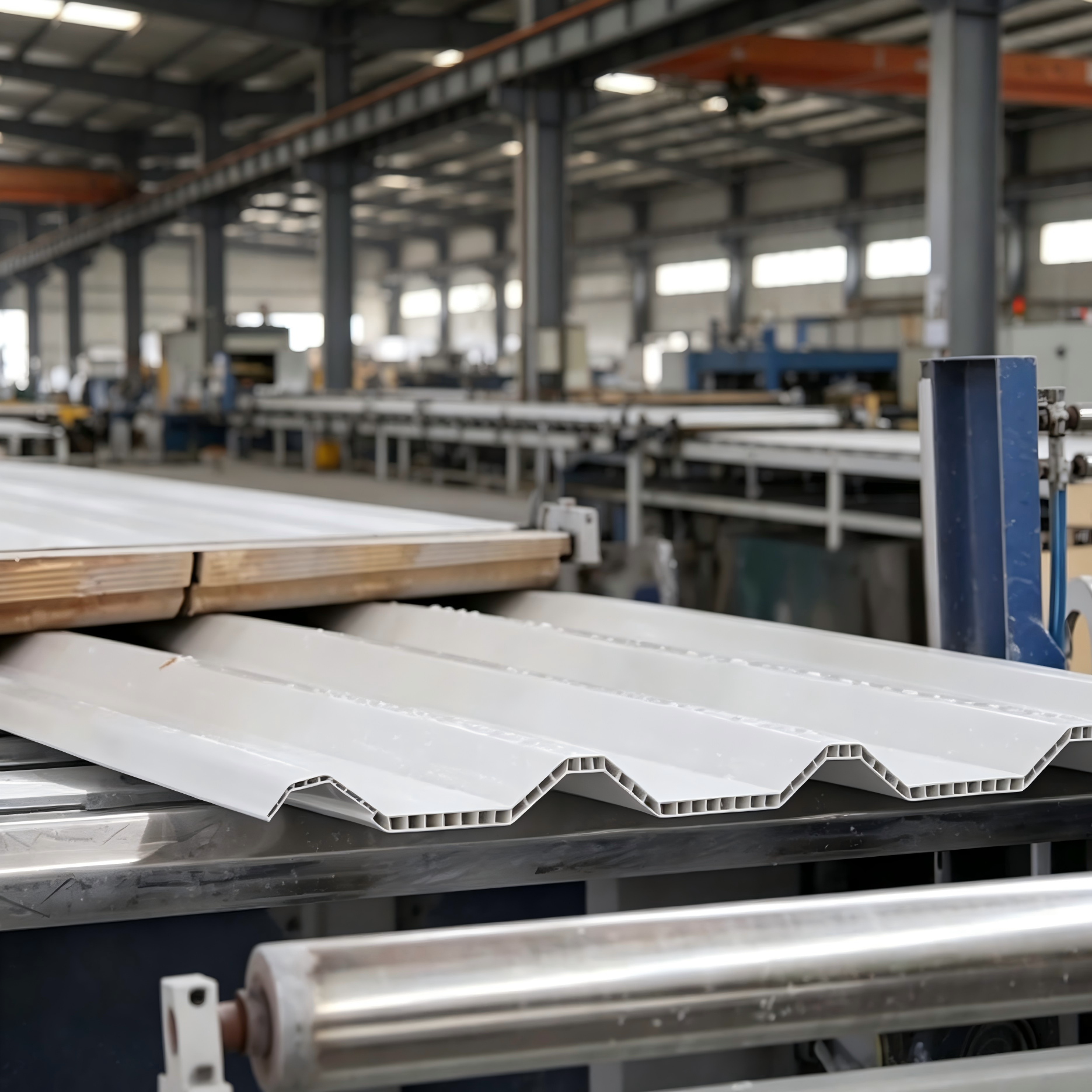
Before approving UPVC roofing, sourcing managers should ask for the basics: panel thickness, profile shape, UV resistance approach, and installation guidance. If the supplier cannot explain how the roof handles expansion, fastening, and drainage, that is a warning sign. Roof failure is often a systems problem, not a product-only problem.
Also pay attention to compatibility with local structure design. A roof sheet that performs well in one climate or span condition may be a poor fit elsewhere. This is especially relevant in the Thailand industry, where heat and rainfall patterns can expose weak assumptions very quickly.
Common mistakes buyers still make
One common mistake is choosing only on price. Another is assuming all UPVC roof sheets perform the same. They do not. Profiles, surface treatment, and installation quality can change the outcome significantly. A third mistake is ignoring accessories and fixings, which sounds minor until leaks begin around the fasteners.
Buyers should also be cautious about overselling the material’s strengths. UPVC can be useful, but no roofing material is perfect. The sensible goal is to match the roof system to the building’s actual working conditions, not to chase a generic “best material” label.
Practical buyer advice before you source
If you are comparing suppliers, ask for application examples, installation instructions, and product data that clearly identifies how the panels are intended to be used. For larger projects, it is worth checking whether the roof design has been considered as part of the full building envelope, not as an afterthought. That detail often separates a workable installation from a recurring maintenance headache.
For teams in procurement, the strongest case for an UPVC roof is usually not drama or innovation. It is a straightforward combination of durability, manageable installation, and suitability for difficult climates.
What to do next
Shortlist the roof material against your building’s environment, structural requirements, and maintenance targets. Then compare UPVC roof panels and UPVC roof sheets on the details that affect long-term performance, not just the upfront quote. If the project is in a hot, wet, or corrosive setting, that comparison is worth doing carefully.