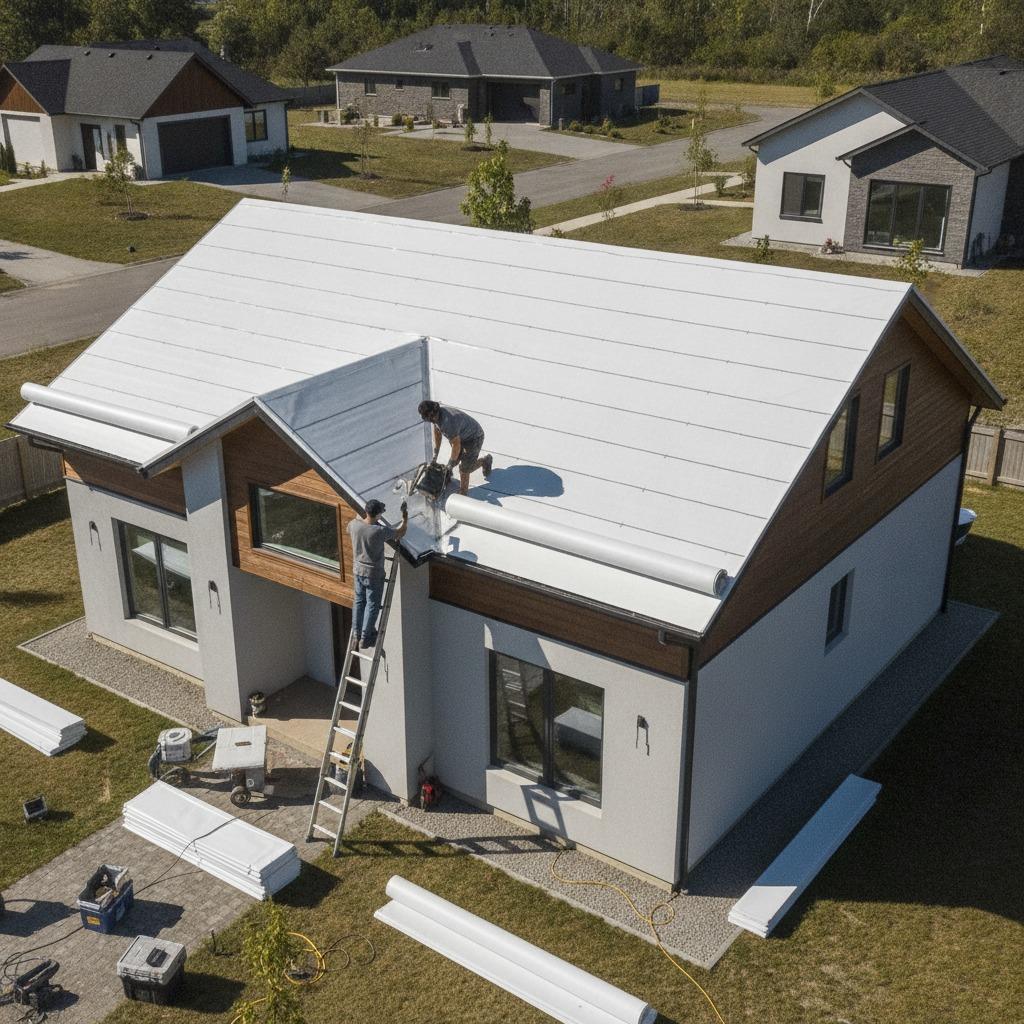
Why an upvc roofing sheet still deserves attention in real-world projects
For buyers comparing lightweight roof options, an upvc roofing sheet often ends up in the shortlist for a reason: it is simple to install, resists many common weathering problems, and can suit buildings where metal heat gain or fragile fiber-based materials are a concern. That sounds straightforward, but the decision is rarely just about price per square meter. Engineers, sourcing managers, and project teams usually need to know how the sheet will behave in heat, noise, impact, and long-term maintenance before they commit.
That is where the practical question begins. If a roof needs to cover a shed, workshop, farm building, carport, temporary structure, or other low-to-mid-rise application, the buyer is not just selecting a panel. They are choosing a roofing system that affects installation labor, load handling, drainage behavior, and how often someone has to go back on site to fix leaks or replace damaged sections.
What buyers usually want to know first
When people search for UPVC roof sheet options, they are often trying to compare three things quickly: weather resistance, ease of installation, and lifecycle cost. That is a sensible order. A cheap sheet that buckles under heat or cracks after repeated handling is not cheap for long.
Compared with heavier or more brittle alternatives, uPVC is valued for being lightweight and relatively easy to handle on site. That can reduce installation effort, especially on projects where labor access is limited or the roof area is awkward. It also helps where the supporting structure should not carry excessive weight. Still, buyers should be careful not to treat lightweight as a free advantage. Thin or poorly specified panels can be vulnerable to impact, especially during transport and installation.
Where uPVC sheet roofing fits best
uPVC sheet roofing is commonly considered for functional buildings rather than premium architectural roofs. In practice, that often means structures where the roof must do a job reliably without demanding much upkeep. Agricultural buildings, utility shelters, storage spaces, and certain industrial enclosures are typical examples.
The material’s appeal is partly practical. It does not rust in the same way as metal, and it can be easier to clean or replace in sections. For buyers managing recurring maintenance budgets, that matters. A roof system that is simple to inspect and repair is often more valuable than one with a glamorous specification sheet.
Key characteristics that affect purchasing decisions
Weathering and exposure
Sun, rain, wind, and temperature swings all matter. Any roofing sheet used outdoors has to tolerate seasonal expansion and contraction. Buyers should ask how the product is intended to handle local climate conditions, especially where heat is intense or weather changes are abrupt. The wrong choice can lead to fastener stress, noise, or visible warping over time.
Profile and coverage
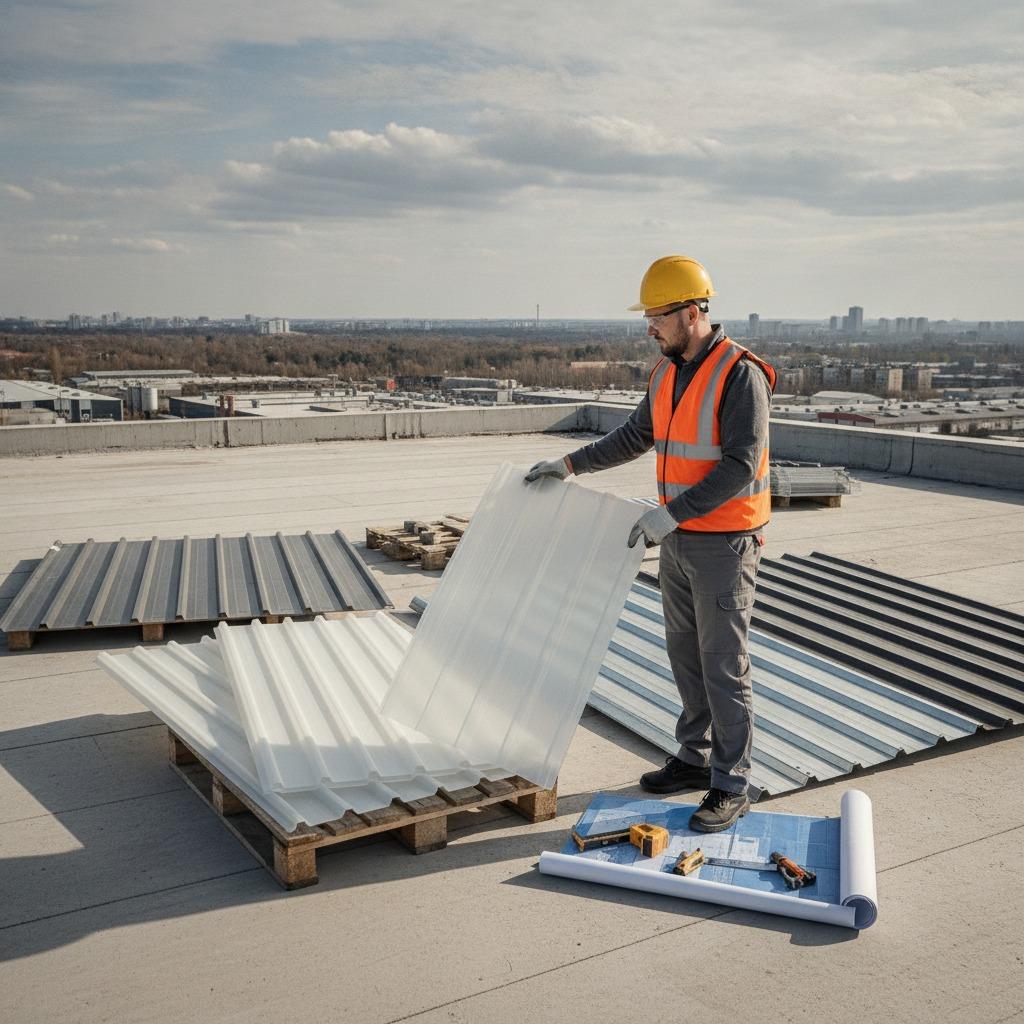
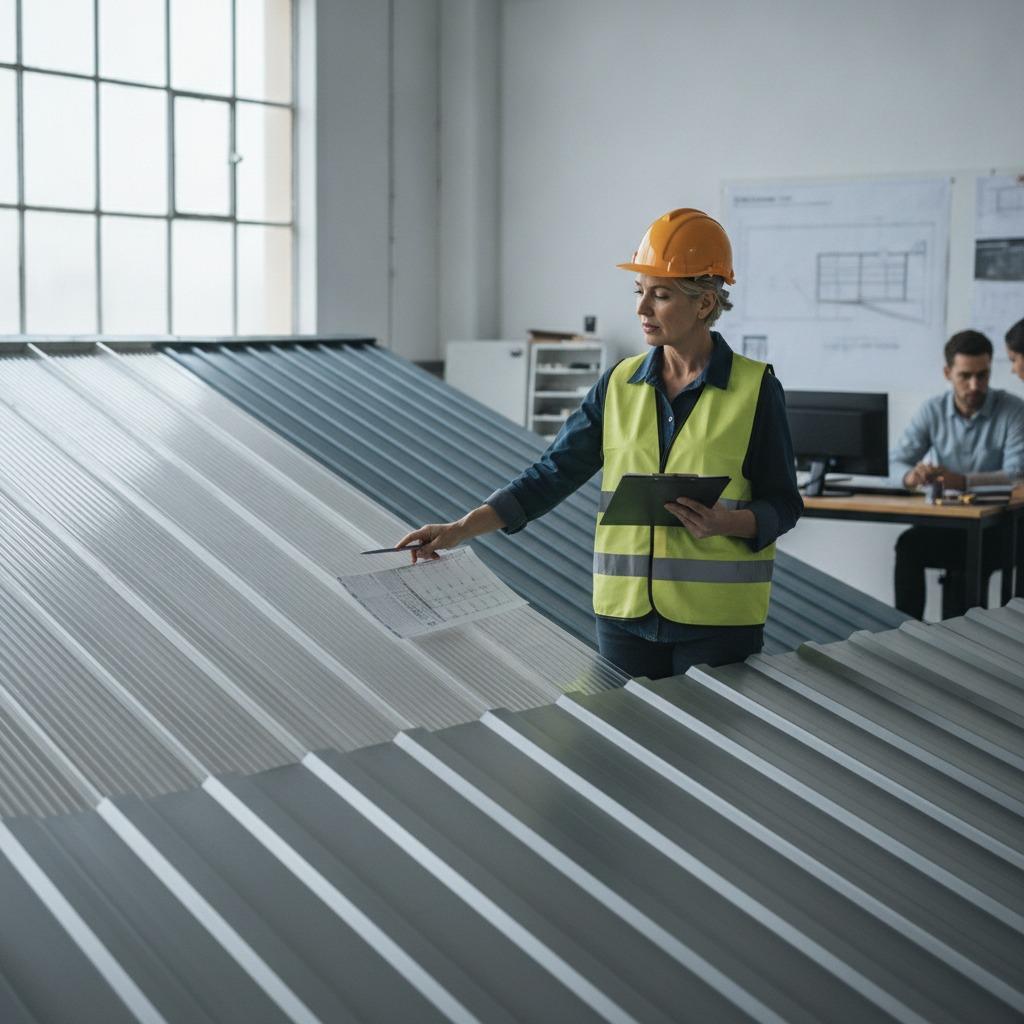
An upvc corrugated roof sheet is often selected where water shedding and structural stiffness are important. Corrugation can help the sheet span supported areas more effectively than a flat panel, though the exact performance depends on thickness, profile geometry, and installation practice. That means the sheet profile should be matched to purlin spacing and roof slope, not picked by appearance alone.
Noise and comfort
Roof noise is a small detail until the first heavy rainstorm arrives. For workshops and occupied service buildings, that practical concern can affect acceptance. uPVC may be favored in some projects because it can be less noisy than certain metal roofing systems, though site conditions and fixing methods still play a role.
Common mistakes buyers make
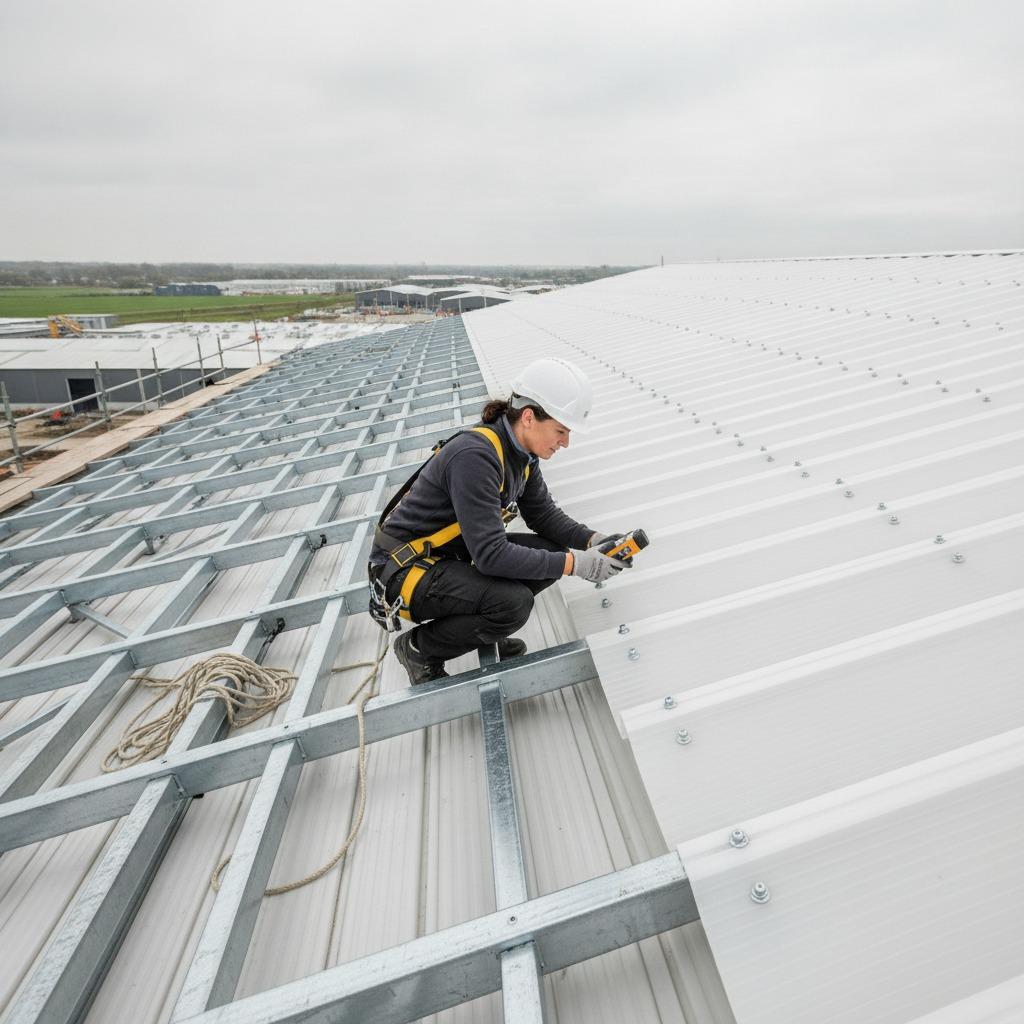
The most common mistake is choosing a roofing sheet by material name only. Two sheets can both be labeled as uPVC roofing and still perform very differently depending on thickness, reinforcement, profile shape, and accessory compatibility. Another frequent issue is underestimating fastener and overlap requirements. A roof fails at the joints far more often than in the middle of the panel.
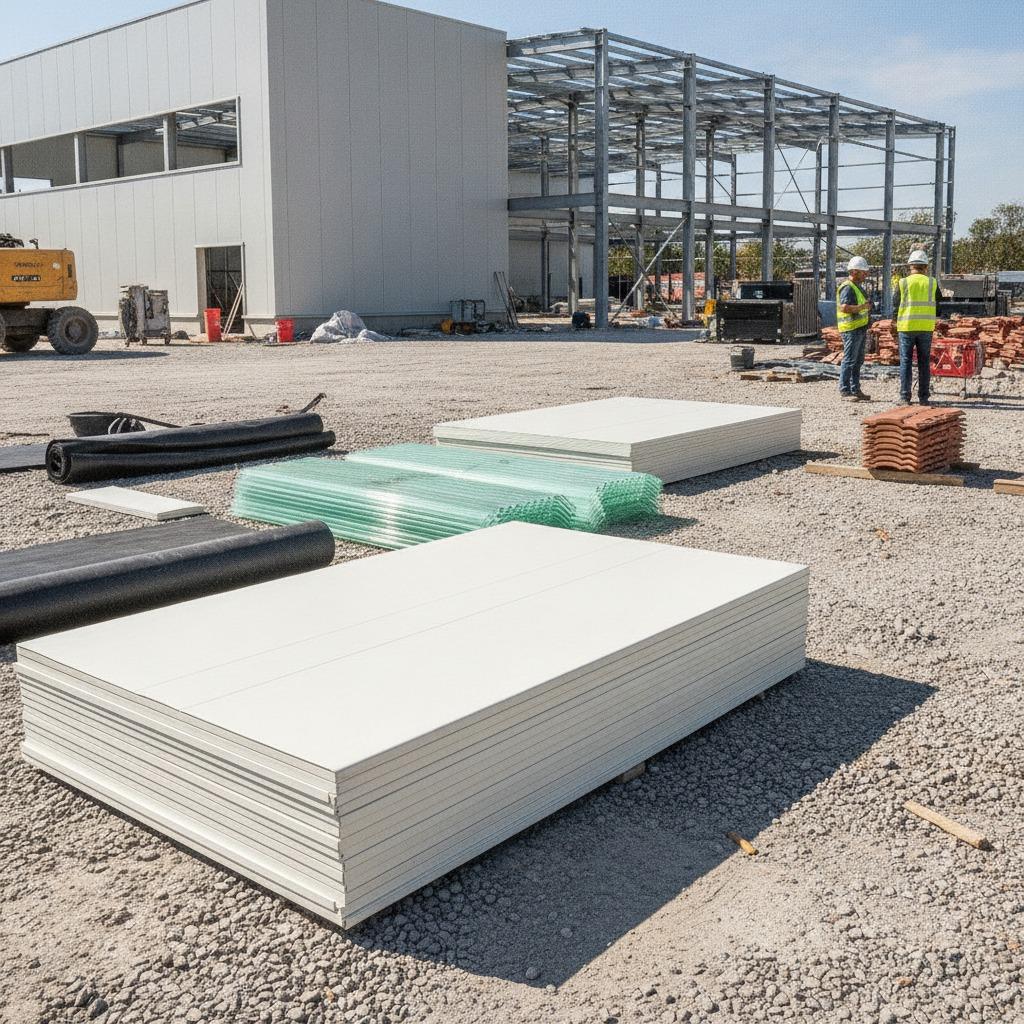
Buyers should also avoid treating storage and handling as minor issues. Sheets left exposed on uneven ground, dragged across hard surfaces, or installed with poor alignment can be damaged before the building is even finished. That is an avoidable cost, and it usually shows up as leaks or cosmetic complaints later.
Selection checklist for sourcing and engineering teams
Before approving an upvc roofing sheet order, it helps to confirm a few practical points:
Is the roof meant for new build or replacement work? What span conditions will the sheet cover? Is the environment hot, coastal, dusty, or chemically exposed? Will the roof need frequent access for maintenance? Are matching fixings, ridge details, and accessories available?
Those questions sound basic, but they prevent a lot of expensive guessing. In many projects, the best roofing choice is not the one with the boldest claims. It is the one that fits the structure, the site, and the maintenance reality.
Buyer-facing advice that tends to save money
If the roof is part of a broader procurement package, ask suppliers to describe the sheet profile, recommended fixing method, and acceptable support spacing in plain language. If they cannot do that without drifting into vague marketing talk, take that as a warning sign. Roofing failures often start where documentation is thin.
It is also worth thinking beyond the sheet itself. A well-matched roofing system includes proper overlaps, fixings, edge treatment, and drainage planning. That may sound obvious, but projects still go wrong when teams focus too much on the panel and too little on the installation details around it.
FAQ
Is an upvc roofing sheet suitable for industrial use?
It can be, depending on the environment and structural requirements. It is often better suited to utility and low-to-medium demand roofing applications than to heavy-duty or high-traffic roof zones.
What makes a UPVC roof sheet different from other roofing materials?
The main advantages are light weight, ease of handling, and resistance to some common outdoor deterioration issues. The tradeoff is that buyers need to pay attention to product quality, profile, and proper installation.
Should I choose corrugated profile over a flat sheet?
Often, yes, if water runoff and spanning performance are priorities. An upvc corrugated roof sheet is frequently used where those practical benefits matter more than a flat architectural look.
A sensible next step
If you are comparing roofing materials for a project, start by defining the structure, span, climate, and maintenance expectations. Then ask suppliers for the exact sheet profile and installation guidance, not just a catalog name. That one habit usually separates a roof that stays serviceable from one that becomes a recurring site problem.