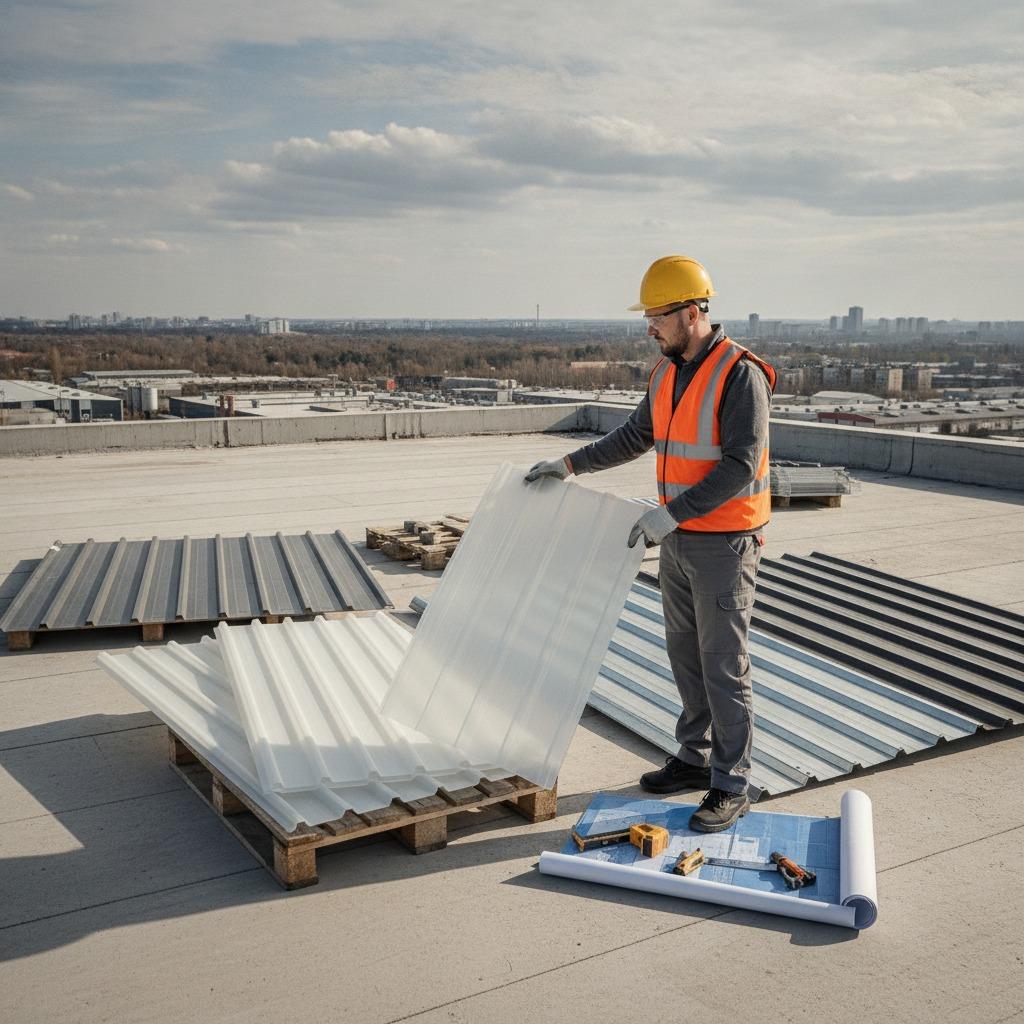
Why a resin roof sheet often enters the conversation first
When a plant manager, contractor, or purchasing team starts comparing roof options, the discussion usually turns to the resin roof sheet early on. That is not accidental. Roof failures are expensive in ways that do not show up on the first invoice: downtime, water ingress, corrosion at the fasteners, and maintenance calls that keep coming back. For light industrial buildings, warehouses, farm structures, and covered walkways, the real question is not just what looks decent on day one, but what keeps performing after sun, rain, chemicals, and seasonal temperature swings start doing their work.
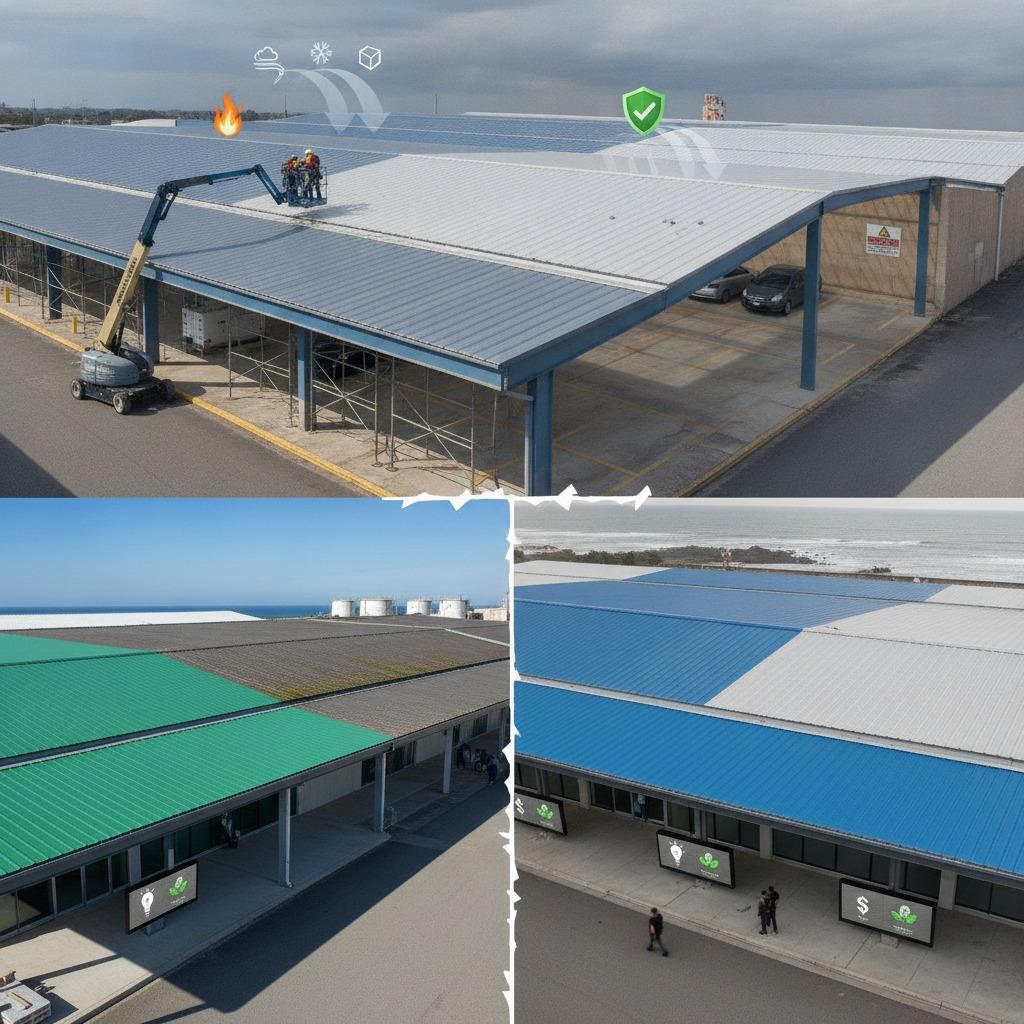
This is where buyers often separate marketing language from practical value. A roofing panel may be described as a synthetic resin roof sheet, a synthetic resin roofing sheet, or even a synthetic resin ASA roof sheet, but the label alone does not tell you whether it suits your environment. The decision usually comes down to three things: weather exposure, corrosive conditions, and the level of maintenance your team can realistically support.
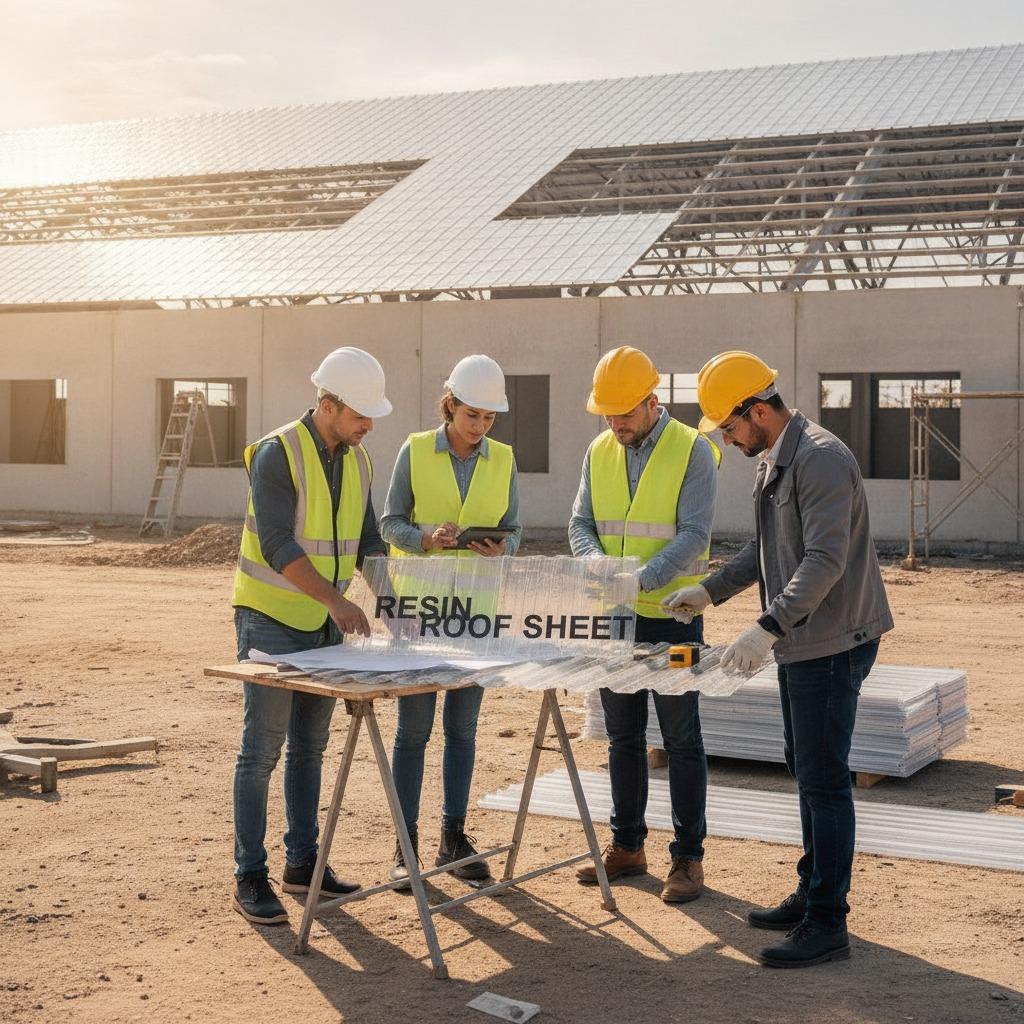
What buyers are really comparing
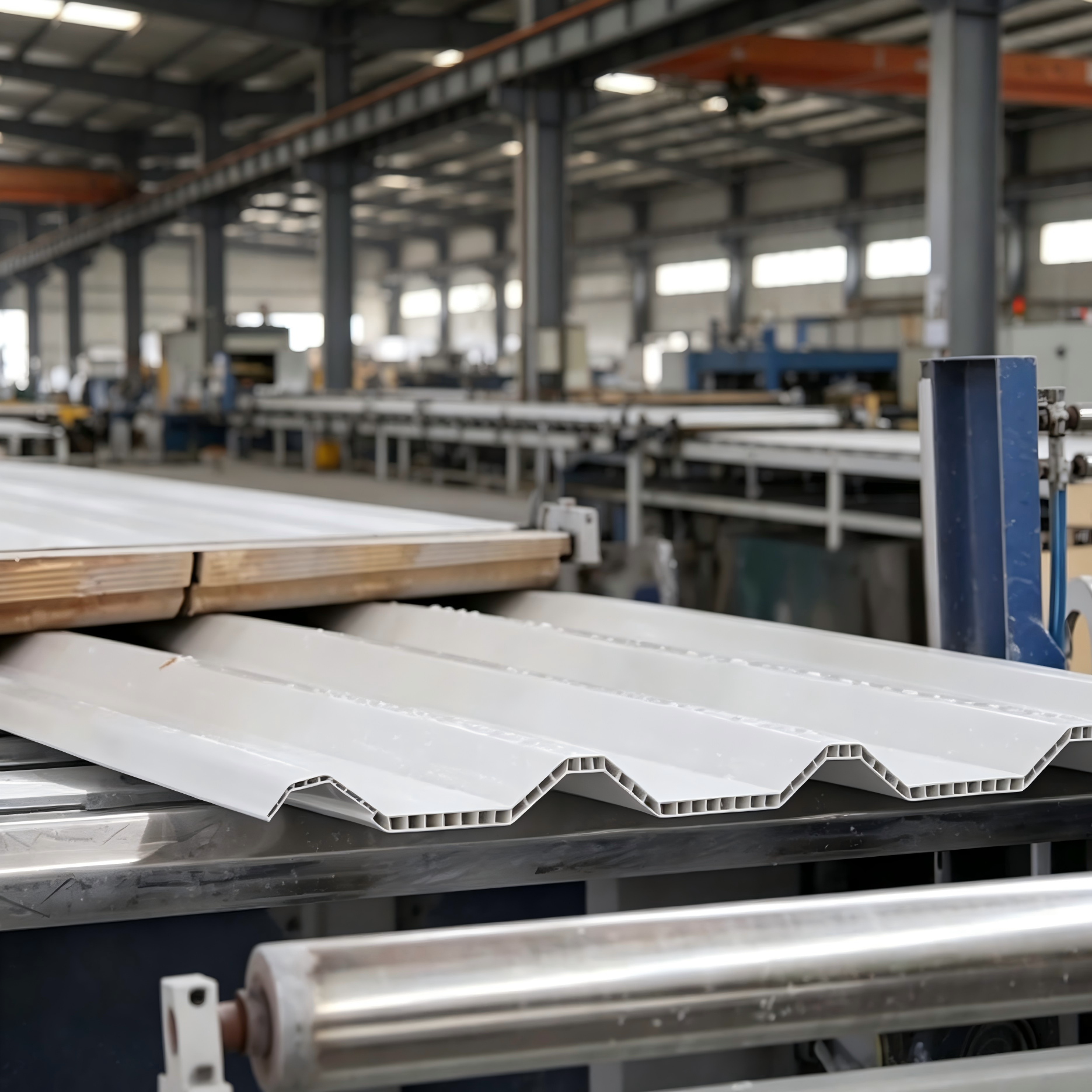
In many projects, a resin roofing sheet is chosen because it sits in a middle ground between basic economy panels and more expensive specialty roofing systems. It can be light, straightforward to install, and easier to handle on site than heavier alternatives. That matters in retrofit work, where the structure may not be built to carry much extra load.
The phrase anti-corrosive comes up often for a reason. In coastal, chemical, or agricultural settings, metal roofing can age quickly if coatings are damaged or if fasteners are not maintained carefully. A synthetic resin roofing sheet is often considered because it avoids some of those corrosion pathways. Still, that does not mean every product behaves the same. Formulation, surface layer quality, and installation details all matter.
Where UV resistance matters more than people expect
One of the most practical selection points is UV resistance. Roofs are exposed longer than most building components, and sunlight slowly changes materials that looked perfectly fine at delivery. A resin roof sheet marketed for outdoor use should be evaluated not only by color retention, but also by how it holds up in heat, glare, and long-term exposure. In hotter regions, this can affect both service life and internal comfort.
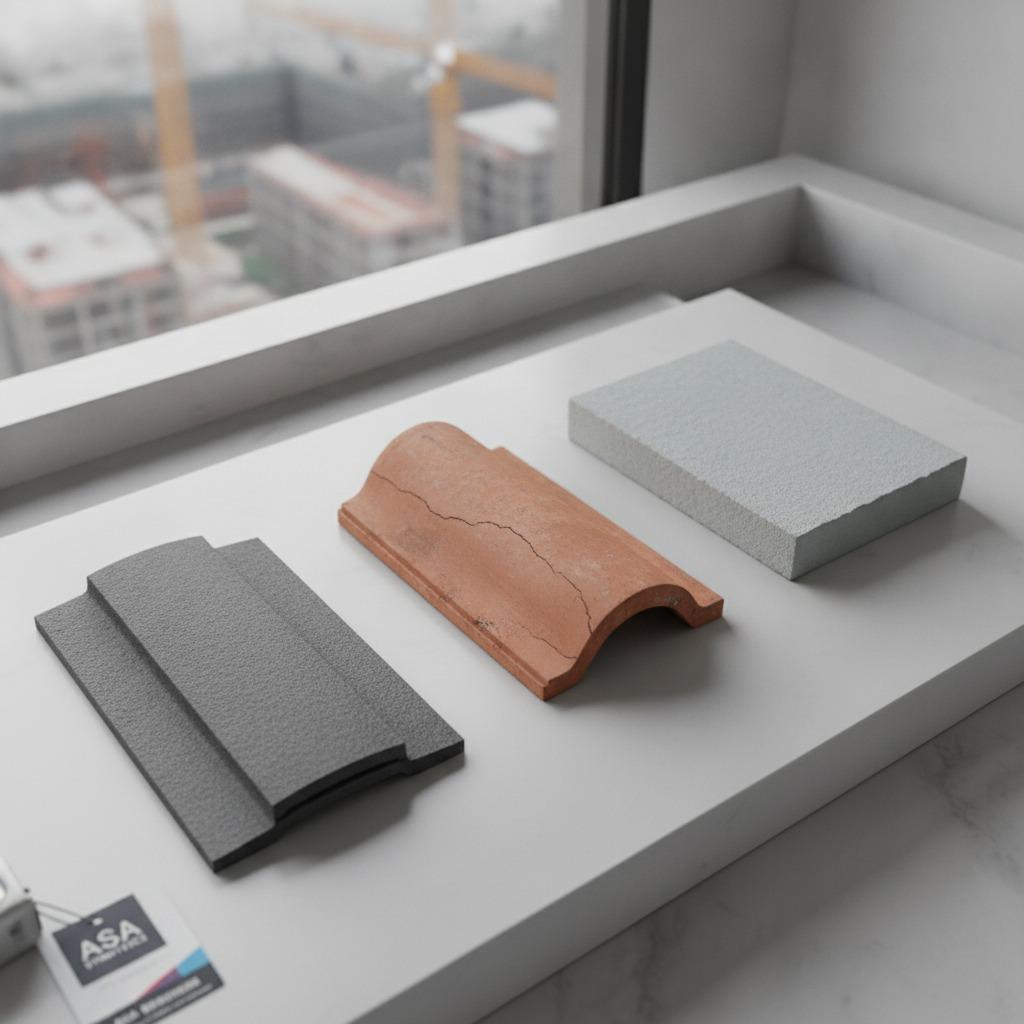
That is why some buyers lean toward a synthetic resin ASA roof sheet, since ASA-based surfaces are commonly associated with better outdoor weathering. The important caution here is simple: do not assume a generic “resin” description guarantees the same performance. Ask how the sheet is intended to be used, what climate it is meant for, and whether the supplier can explain the product build in plain language.
A practical buyer’s checklist
Start with the environment
If the building sits near salt air, fertilizer, or chemical fumes, anti-corrosive performance should be treated as a core requirement, not a nice-to-have.
Check handling and installation needs
Lightweight panels can reduce labor and simplify transport, but they still need correct fixing, overlap, and flashings. A good panel installed badly is just an expensive problem with clean edges.
Think about maintenance access
If roof access is difficult, choose a product with stronger weathering tolerance rather than assuming future maintenance will be easy.
Common mistakes that lead to disappointment
One mistake is selecting solely on appearance. Another is assuming all synthetic resin roof sheet products are interchangeable. Buyers also sometimes overlook the effect of structure spacing and fastener choice, which can matter more than the headline material type. A roof system is only as reliable as its details.
There is also the familiar sourcing trap: choosing a sheet that sounds suitable for every application. It rarely is. A warehouse roof, a livestock building, and a coastal storage shed do not ask for the same performance profile.
What this choice helps you decide
If you are evaluating a resin roof sheet now, the real decision is whether you need a roofing material optimized for weathering, reduced corrosion concerns, and manageable installation. For many projects, that is exactly the balance being sought. For others, especially where structural loads, fire requirements, or unusual chemical exposure dominate, another system may be more appropriate.
Before issuing a purchase order, compare the roof environment, expected service life, and maintenance plan. If the supplier can explain the product in those terms, you are more likely to end up with a roof that performs like a piece of infrastructure, not just a purchase.