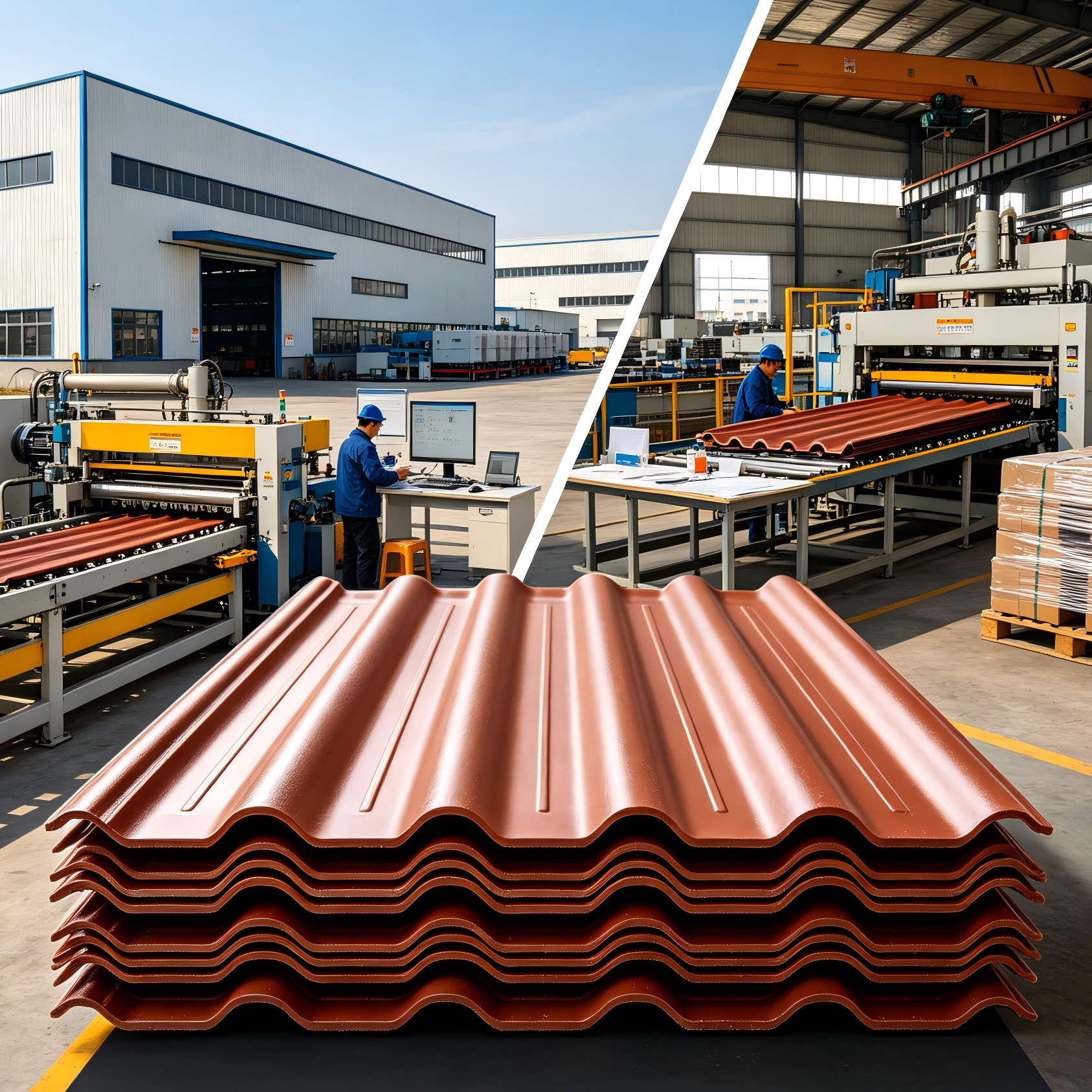
Navigating the Sourcing of Industrial PVC Corrugated Roofing
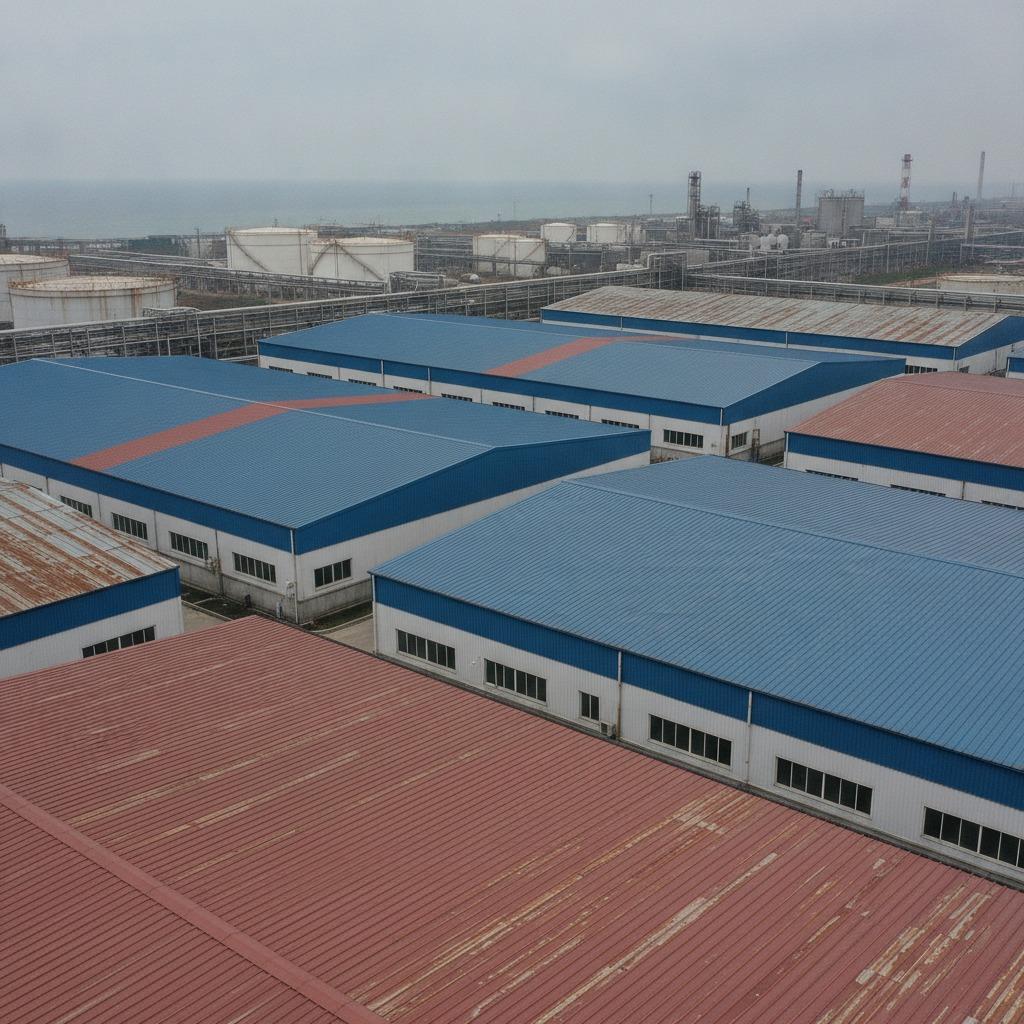
For plant engineers and procurement teams retrofitting chemical storage yards, coastal warehouses, or livestock facilities, metal cladding is often an expensive mistake in disguise. While coated steel offers predictable tensile figures out of the crate, aggressive environments—ranging from sulfuric acid vapors to salt-laden marine air—eat through zinc layers in months. This persistent corrosion cycle has driven industrial buyers toward polymer roofing. However, vetting a dependable pvc corrugated roofing sheet supplier requires looking well beyond simple per-square-meter price tags. The real differentiators lie in polymer compounding, extrusion control, and anti-aging topcoats.
Material Architecture: Unplasticized PVC vs. ASA Co-extrusion
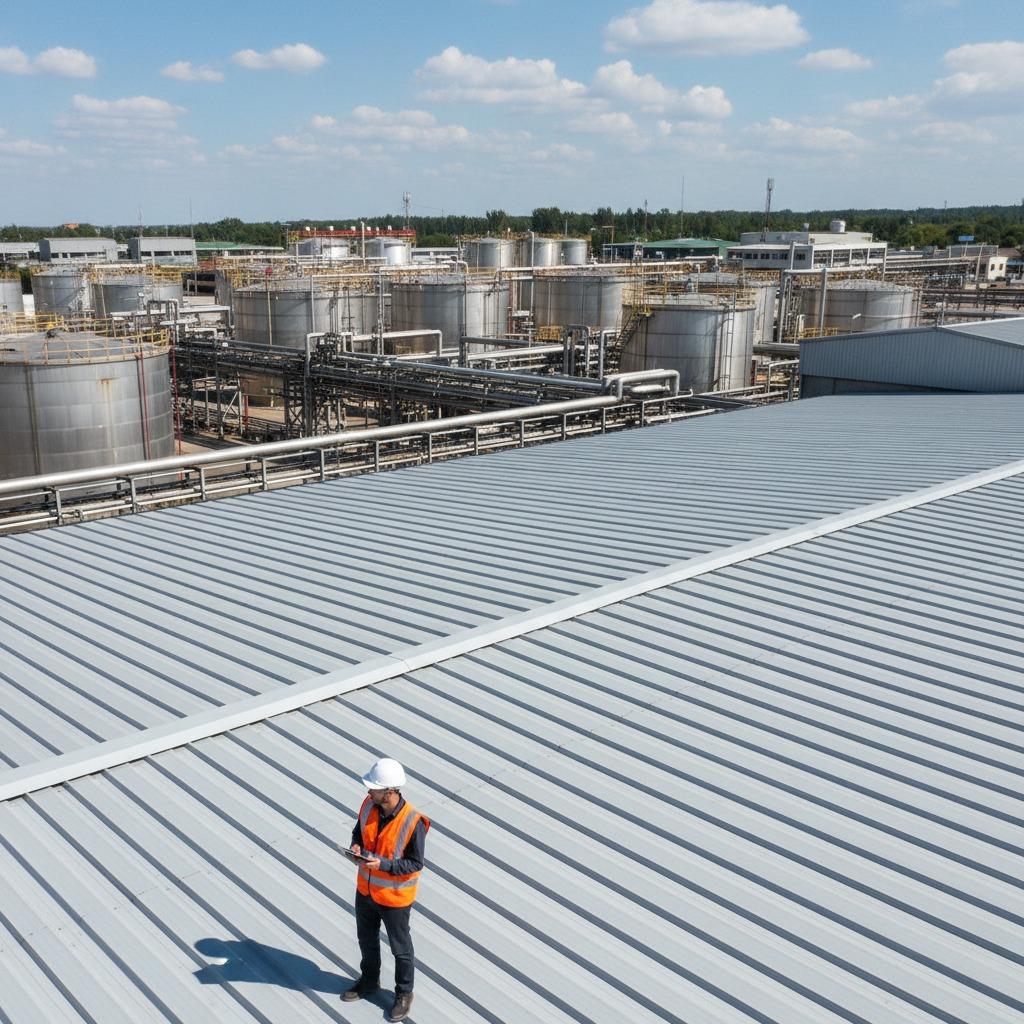
Not every PVC panel leaves the factory with identical chemical resistance or mechanical longevity. Standard industrial PVC corrugated panels use rigid, unplasticized PVC (uPVC) compounded with heat stabilizers and impact modifiers. When sourced for moderate industrial shade or indoor partitioning, standard formulations hold up fine. But outdoor installations subjected to high solar radiation demand a surface layer capable of resisting photo-oxidation.
This is where partnering with an experienced ASA PVC roof sheet supplier becomes critical. In co-extruded panels, an Acrylonitrile Styrene Acrylate (ASA) cap is bonded directly to the structural PVC core during extrusion. ASA delivers superior color retention and weatherability compared to standard PVC, shielding the load-bearing substrate from embrittlement caused by UV breakdown. If your project sits in an area with high UV index ratings or requires a specific facade color that cannot fade, evaluating the supplier’s co-extrusion thickness consistency is far more important than testing the tensile strength of the base PVC alone.
The Calcium Carbonate Trap: What Suppliers Cut to Drop Costs
In the plastics extrusion world, the easiest way for a manufacturer to lower quotes is by loading the resin formulation with heavy mineral fillers, most notably calcium carbonate (CaCO3). A small percentage of filler aids dimensional stability and helps keep tooling cycles clean. Excessive filler, however, turns an otherwise ductile polymer brittle.
When you evaluate a prospective PVC roof sheet supplier, examine the density and flexural recovery of their raw samples. An over-filled sheet feels noticeably heavy, has poor impact resistance under sub-zero handling, and will micro-fracture around fastener holes during seasonal thermal shifts. A reliable manufacturer should readily provide ash test data or filler percentage ranges rather than brushing off resin composition as proprietary data.
Key Technical Parameters to Specify Before RFQ
Before issuing requests for quotation, locking down your profile geometry and thermal tolerances will prevent mismatched bids. Industrial corrugated sheets are not universally swappable.
- Effective Width vs. Total Width: Factor in side-lap geometry. Wave (sinusoidal) profiles behave differently under wind-uplift than trapezoidal (box-rib) designs, and overlapping configurations directly dictate your actual covered square meterage.
- Nominal Wall Thickness: Typically between 1.5 mm and 3.0 mm for structural roof applications. Never accept "average thickness" tolerances that allow valley sections to run thinner than the crests.
- Thermal Expansion Allowance: PVC has a relatively high coefficient of thermal expansion compared to mild steel. A qualified PVC roofing sheet supplier should supply matched fastening hardware—such as oversized drill bits, self-tapping screws with broad EPDM washers, and thermal expansion saddles—to keep panels from buckling across wide purlin spans.
Practical Red Flags During Supplier Factory Audits
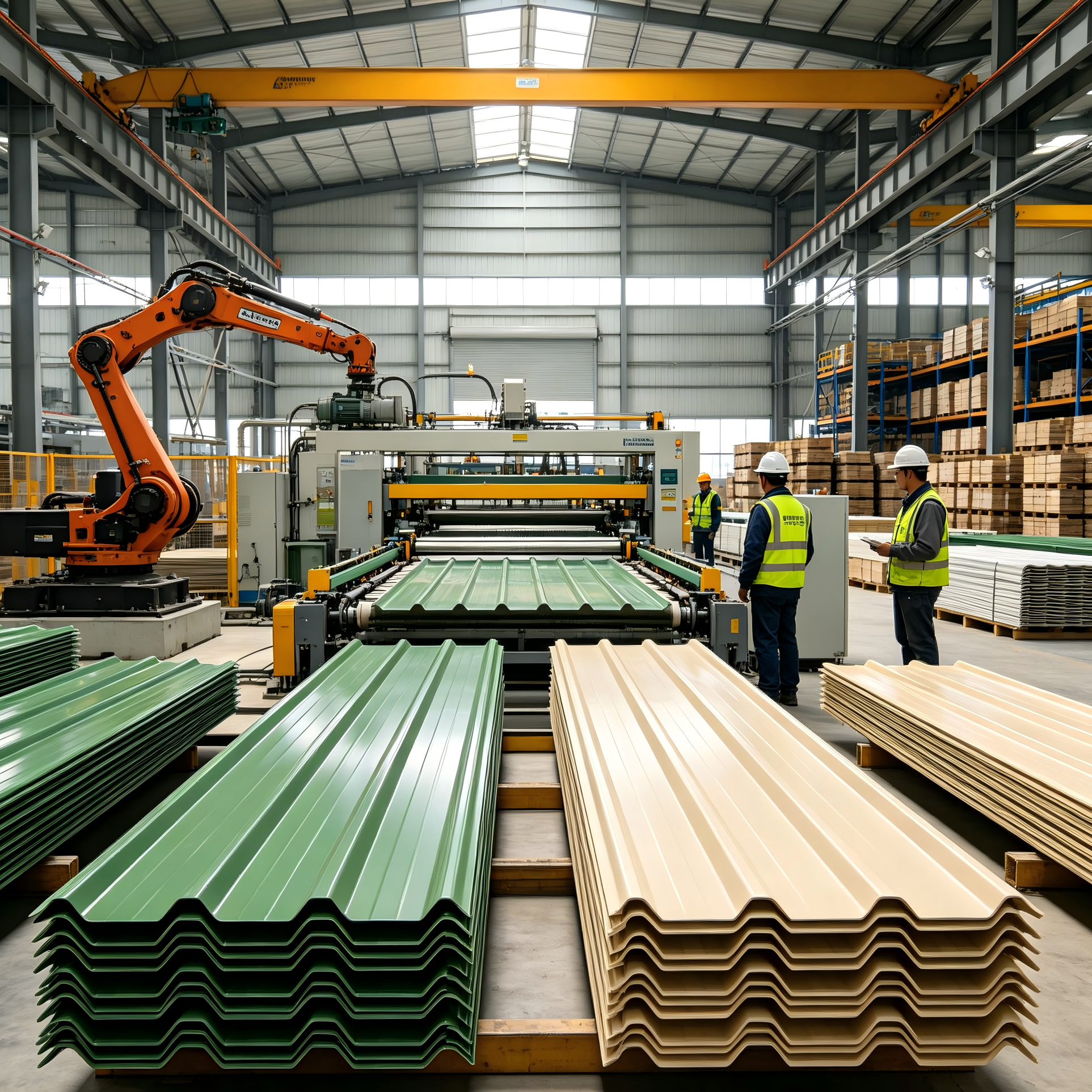
If your procurement volume justifies an on-site audit or third-party inspection, pay close attention to the regrind collection area. Reputable extruders manage post-industrial scrap internally, re-introducing known off-cuts in controlled ratios into the middle layer of three-layer sheets. What you do not want to see is unsorted, discolored post-consumer regrind fed straight into single-layer production runs.
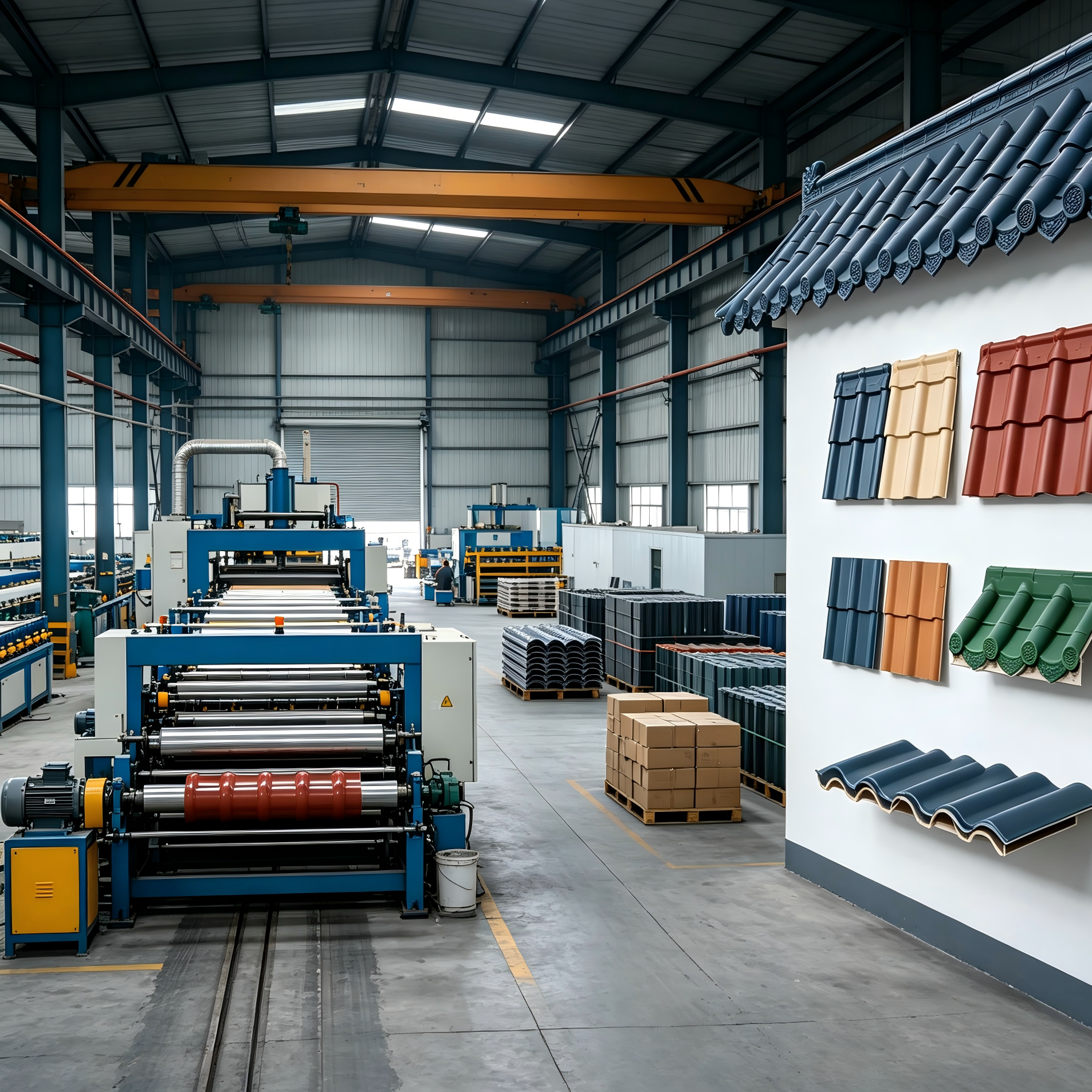
Similarly, inspect the calibration cooling tanks and haul-off pullers. Irregular cooling rates cause internal stresses in corrugated profiles, leading to panels that warp or banana along their length after being unbundled on-site. Ask to see their retention samples from recent production batches to verify edge-to-edge color consistency.
Frequently Asked Questions
Can PVC corrugated sheets be used alongside fiberglass skylights?
Yes, provided the profiles match exactly. However, differential thermal expansion between FRP (fiberglass) and PVC means lap joints should use non-hardening mastic tape rather than rigid bonding adhesives, allowing the panels to slide slightly without cracking.
What purlin spacing is recommended for 2.0 mm to 2.5 mm corrugated PVC?
Purlin spans typically run between 600 mm and 900 mm depending on local design wind loads and snow accumulation. Spanning beyond 1,000 mm without mid-span support usually causes excessive deflection, even on higher-profile trapezoidal sheets.
Next Steps for Sourcing Teams
Begin by requesting unweathered cut samples, mechanical property sheets, and fastener recommendations. Do not finalize purchase orders until you verify that the supplier’s tooling matches your required profile and purlin layout, and ensure their quality guarantee covers colorfastness and impact retention under real operational temperatures.