Beyond the Color Chip: What to Demand from a Synthetic Resin Roof Panels Manufacturer
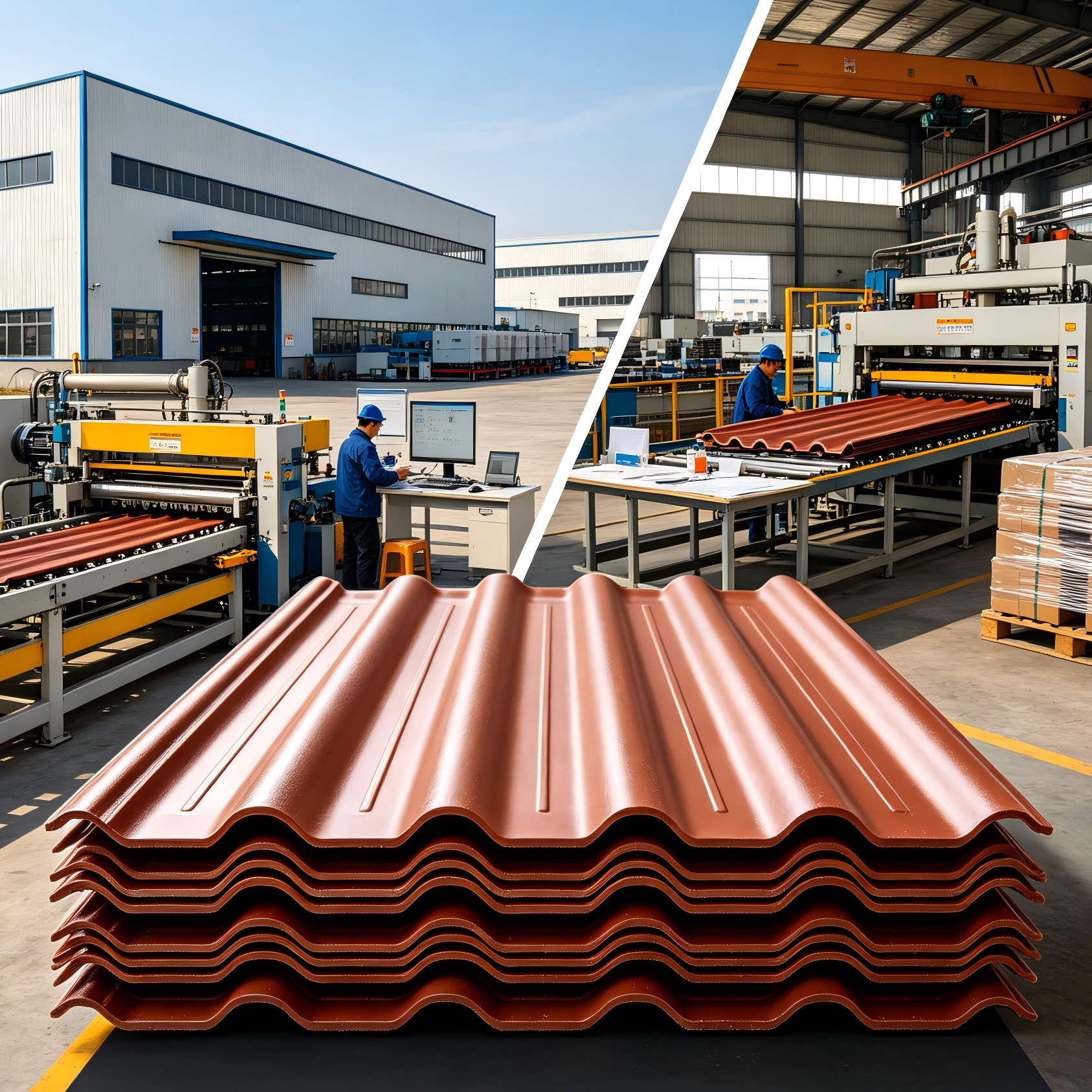
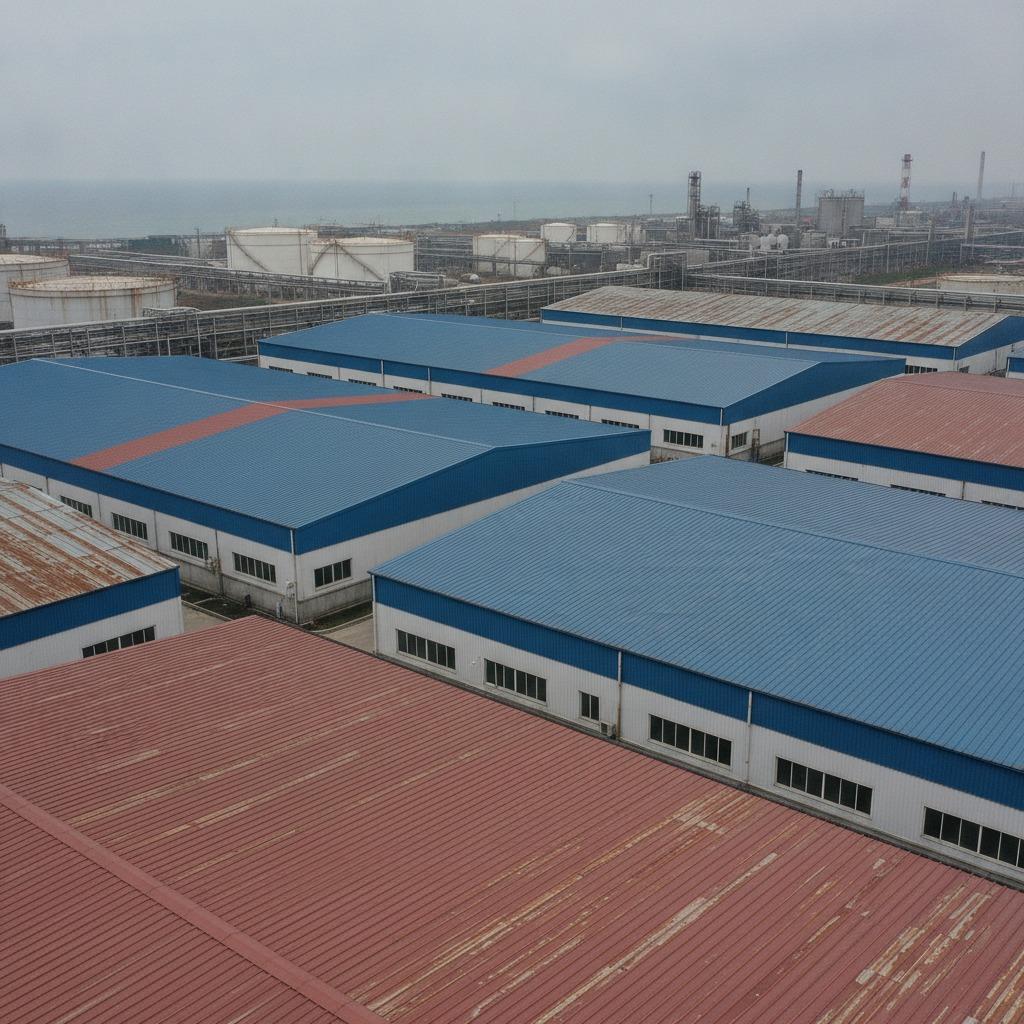
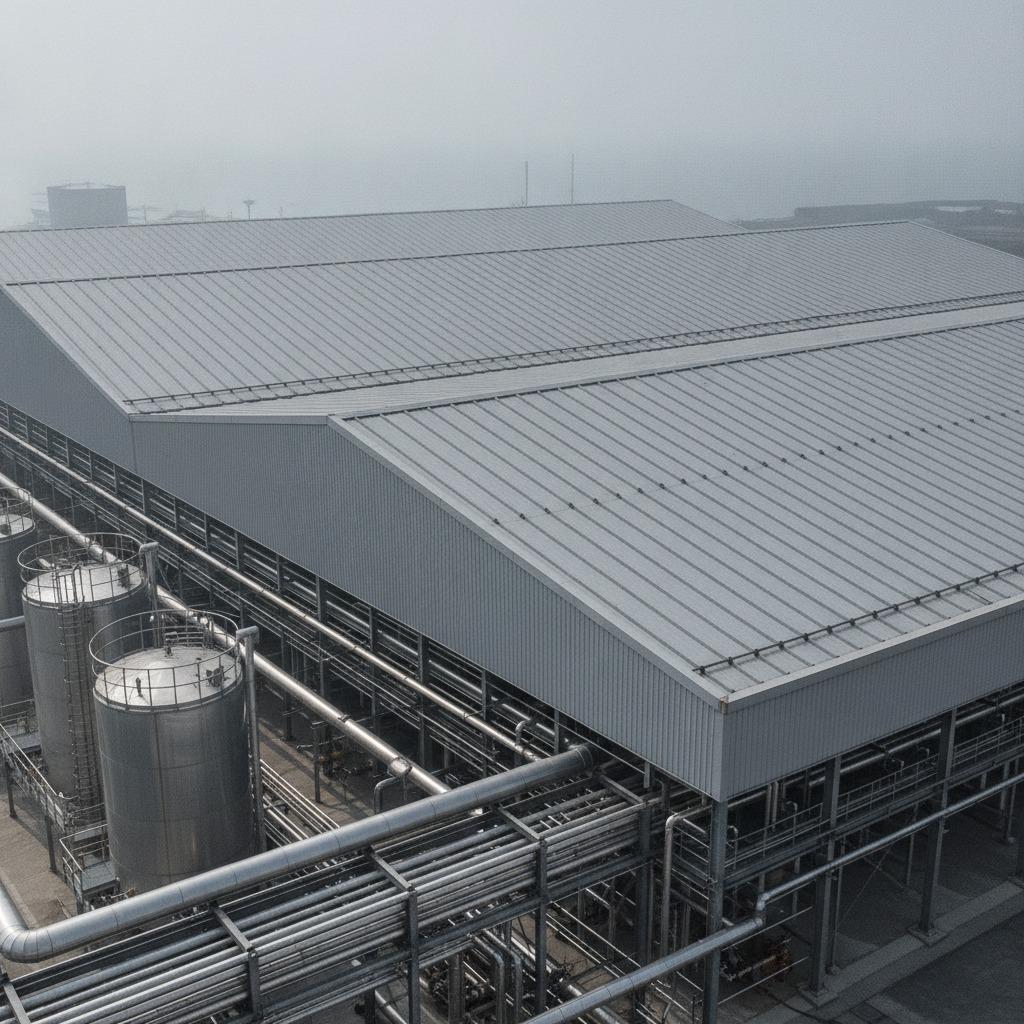
Walk through a coastal fertilizer depot or a plating facility in midsummer, and you can smell the failure of conventional cladding before you see it. Bare galvanized purlins sweat rust; pre-painted steel sheets blister and peel along sheared edges where salt or chemical vapours exploit microscopic raw margins. For industrial roofing contractors and plant engineers faced with these aggressive microclimates, partnering with a competent synthetic resin roof panels manufacturer is less about finding a lightweight corrugated sheet and more about sourcing a stable, multi-layer polymer composite that will not embrittle under relentless ultraviolet assault.
Yet the market for resin tiles and industrial profiles is notoriously uneven. Two panels can leave an extrusion line looking identical—deep terracotta or slate grey, embossed with a crisp Spanish-tile texture or rolled into high-rib trapezoidal runs. Five years later, one remains structurally sound while the other develops chalky surface erosion, micro-cracks, and visible sagging between purlins.
The Architecture of Co-Extrusion: What Happens at the Die Head
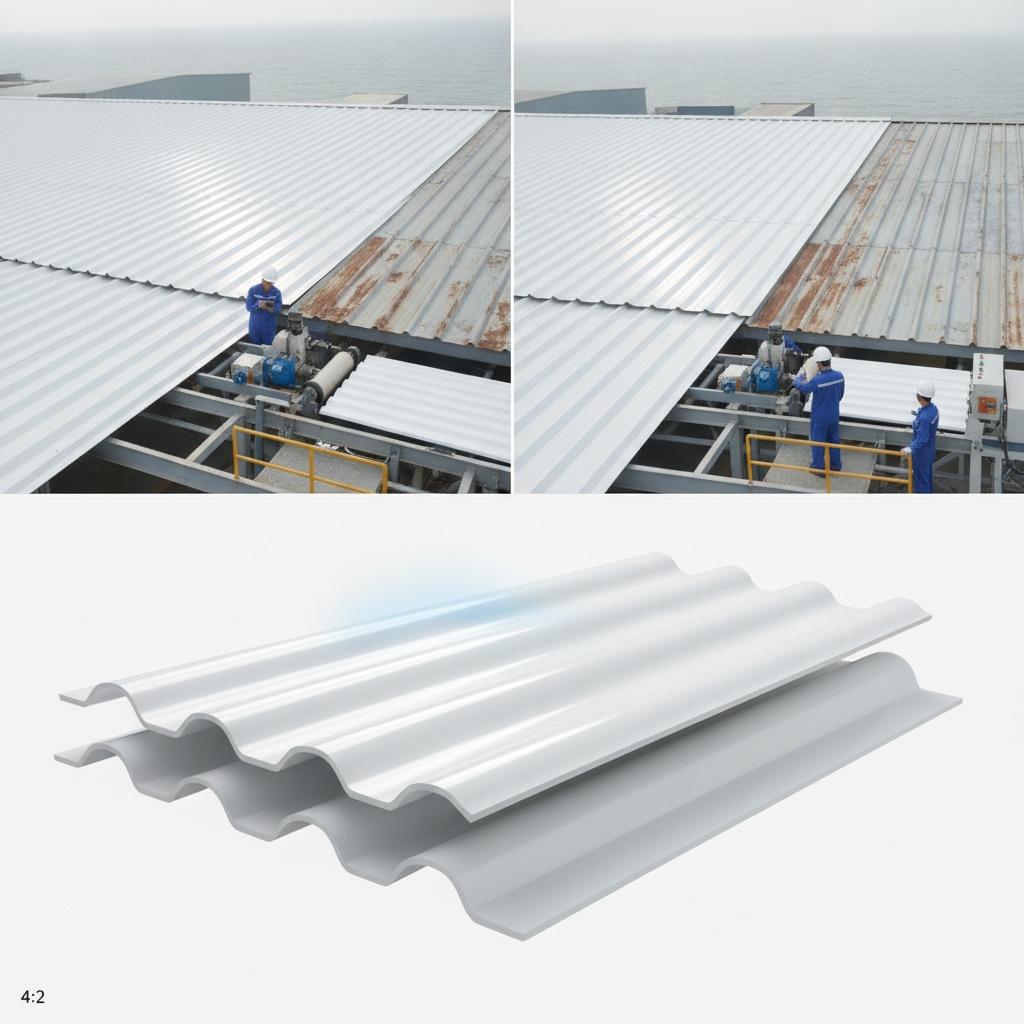
True structural resin panels rely on multi-layer co-extrusion, typically marrying an engineered ASA (Acrylonitrile Styrene Acrylate) weathering skin to a modified PVC or polymer blend base. This is not a superficial paint coat; it is a thermal molecular bond achieved inside a feedblock distributor before the molten polymer exits the flat die.
The outer ASA layer acts as a sacrificial shield against photolytic degradation. ASA retains the impact resistance of ABS while substituting an acrylic ester elastomer for polybutadiene, drastically reducing vulnerability to UV-induced free radical breakdown. When an experienced resin roof panels manufacturer calibrates this top layer properly—usually at a controlled thickness of 0.15 mm to 0.2 mm—the polymer resists color shift even when exposed to intense subtropical irradiation.
Beneath this barrier lies the skeletal workhorse: a formulation laden with impact modifiers, thermal stabilizers, and calcium carbonate filler. Here is where manufacturing compromises show up. If a mill overloads the substrate with inexpensive calcium carbonate to trim resin costs, the sheet loses ductile flexure. Instead of absorbing thermal movement across long purlin spans, the panel turns notch-sensitive, snapping cleanly around fastener shanks during sudden freeze-thaw cycles or high-velocity wind gusts.
Evaluating the Manufacturing Line: Four Critical Checkpoints
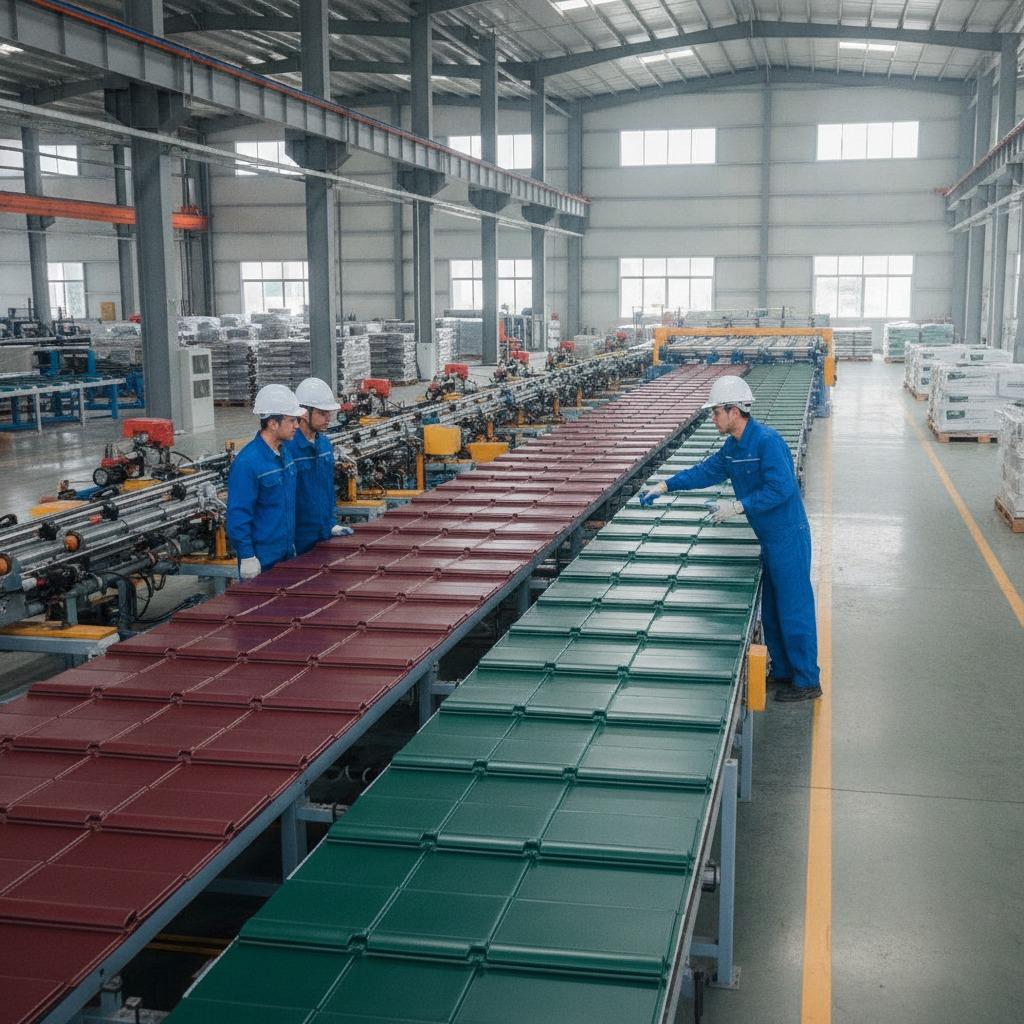
When auditing a potential supplier's technical sheet or production floor, broad commercial promises matter far less than these four processing parameters:
1. Core-to-Skin Thickness Consistency
In low-tier operations, die swell variations cause the ASA cap layer to fluctuate wildly across the panel's width. The crests of the profile often end up stretched thin, while the troughs accumulate surplus polymer. Sourcing teams should ask for microscopic cross-section micrographs across three points of the profile: crest, web, and valley.
2. Regrind and Virgin Resin Ratios
Edge trim and startup scrap are standard byproducts in any extrusion hall. Reputable extruders meter closed-loop regrind exclusively into the center core layer at strictly qualified percentages (typically under 15–20%). If uncalibrated post-consumer scrap creeps into the mix, moisture and organic contaminants create internal micro-voids that turn into fracture paths under structural load.
3. Thermal Expansion Profiling
Synthetic polymers expand and contract significantly more than cold-rolled steel. A reliable synthetic resin roof panels manufacturer does not just ship crates of panels; they provide verified Linear Thermal Expansion Coefficient (CLTE) data alongside slotted washer hardware and ridge-cap installation clearances designed to handle seasonal expansion without buckling.
4. Fire Retardant Integration
Because base polymers react predictably to open flame, halogenated additives or phosphorus-based flame retardants must be blended homogeneously. The target is an intrinsically self-extinguishing sheet that prevents vertical flame propagation without leaching plasticizers into drainage runoffs over a ten-year exposure period.
Synthetic Resin vs. Alternative Corrugated Cladding
Choosing resin over coated steel or bare fiberglass depends strictly on atmospheric chemistry and acoustic constraints:
- Compared to Pre-painted Galvanized Iron (PPGI): Resin panels offer total immunity to electrochemical corrosion, making them indispensable in marine ports, composting barns, and chemical processing sheds where salt fog and acidic vapors destroy metal within years. They also deaden rain drumming by up to 30 decibels compared to bare sheet metal.
- Compared to Standard FRP (Fiberglass): While continuous-strand FRP handles massive structural spans exceptionally well, ungelcoated variants suffer from fiber bloom over time as UV degrades the polyester matrix. ASA-capped synthetic resin retains surface gloss and prevents water ingress without fiber exposure.
- The Trade-off: Structural spans must be tighter. Resin panels generally require purlin spacings of 660 mm to 800 mm depending on corrugation depth, whereas heavy-gauge steel can comfortably span 1.2 to 1.5 meters under comparable load conditions.
Questions Your Procurement Team Should Ask
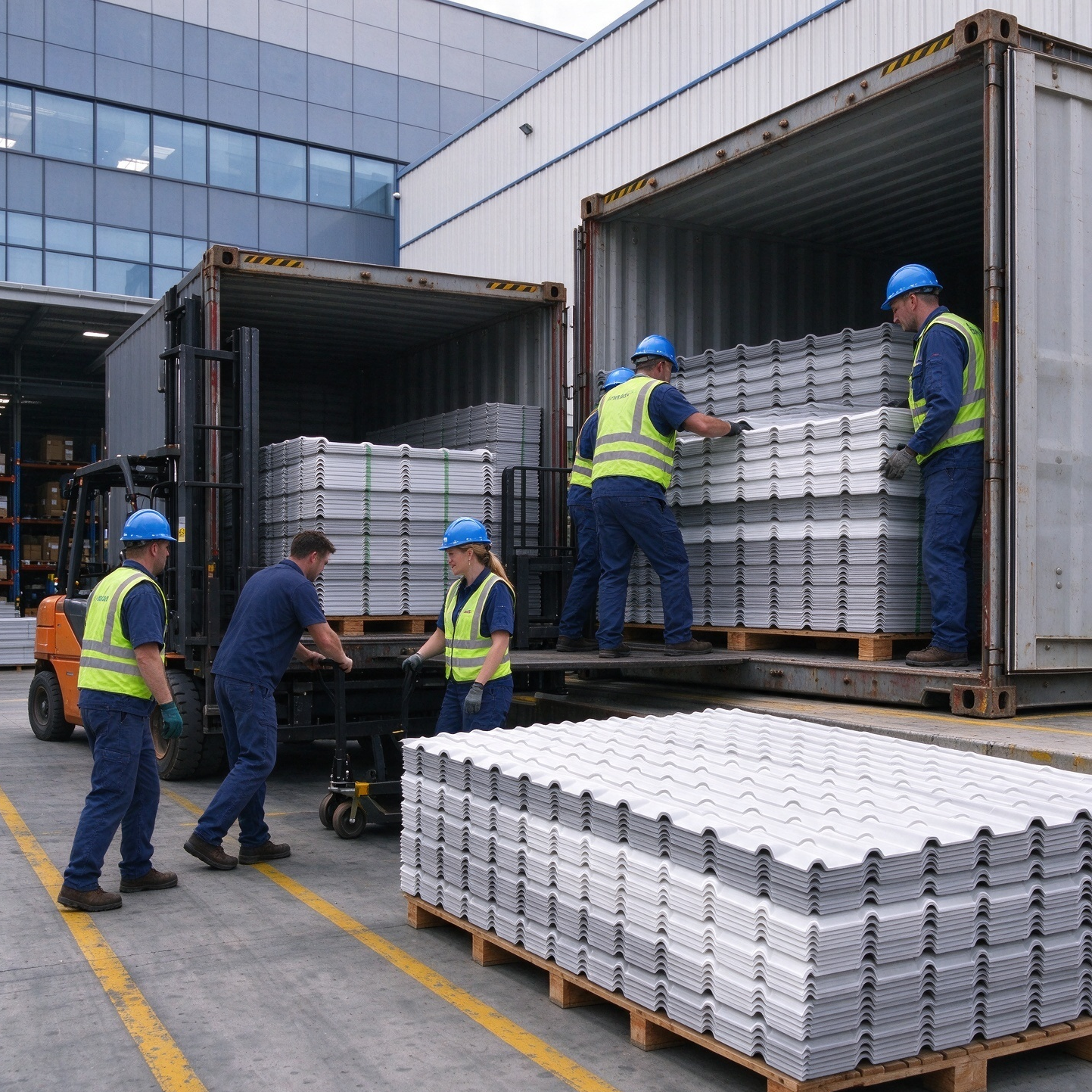
Before issuing a purchase order for multiple shipping containers of material, push past basic catalog specs:
What specific resin grade is entering the upper feedblock? Ask for the specific polymer brand and compound index of the weathering skin. If the manufacturer refers vaguely to "UV-resistant polymer" without naming ASA chemistry, step back.
How are color batches controlled? In continuous multi-line extrusions, subtle shifts in masterbatch metering yield panels that mismatch visibly when installed side-by-side across a 5,000-square-meter warehouse roof. Ask about their delta-E color variance thresholds across distinct extrusion runs.
What accessories come with the system? Long-term waterproofing fails at the fasteners before it fails in the sheet field. A complete resin roofing package should include color-matched, UV-stabilized waterproof caps, EPDM sealing gaskets, and specialized self-drilling screws engineered to allow thermal float.
Frequently Asked Questions
Can synthetic resin panels be installed over existing flat or corrugated roofs?
Yes, provided the underlying substructure can accept light sub-purlins (battens). Their lightweight nature (typically under 5 to 6 kg per square meter) minimizes dead-load penalties, making them common for over-roofing retrofits on aging industrial buildings.
How do these panels perform in extreme freeze-thaw environments?
Performance in sub-zero climates hinges entirely on the quality of chlorinated polyethylene (CPE) or acrylic impact modifiers used in the PVC substrate. Virgin-grade formulations withstand sub-freezing temperatures without cold-shatter during hail events; high-filler sheets, however, will crack under minimal hail impact once temperatures drop below freezing.
Taking the Next Step in Procurement
If you are planning an overhaul of corrosive chemical storage, marine warehousing, or high-humidity agricultural housing, verify real-world samples before locking in specifications. Request unweathered test cutouts alongside naturally aged exposure samples from projects installed at least three to five years ago. Evaluate the edge profile with a loupe, test the flexibility of the cut sheet, and review project-specific purlin calculations tailored to your local wind and snow load requirements.