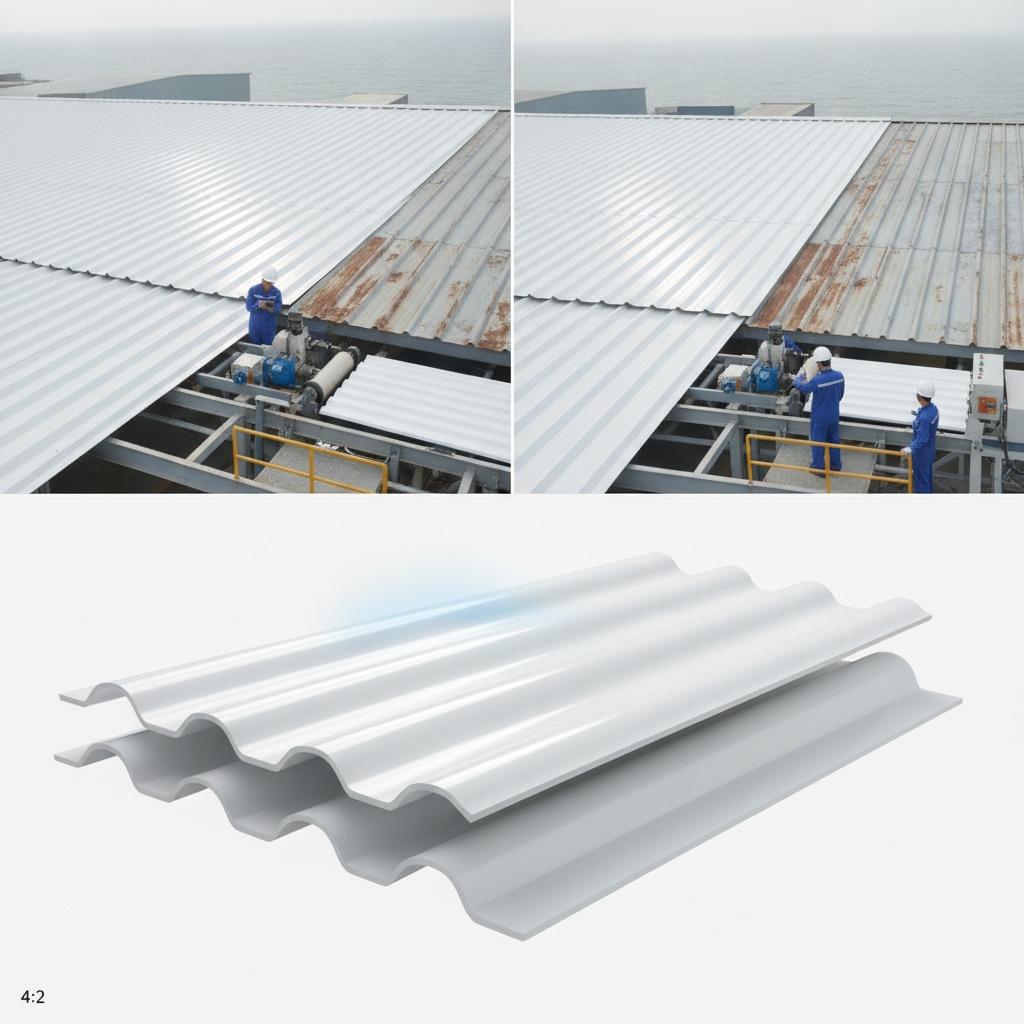
Beyond Sheet Metal: Evaluating a PVC Hollow Roof Tile Manufacturer
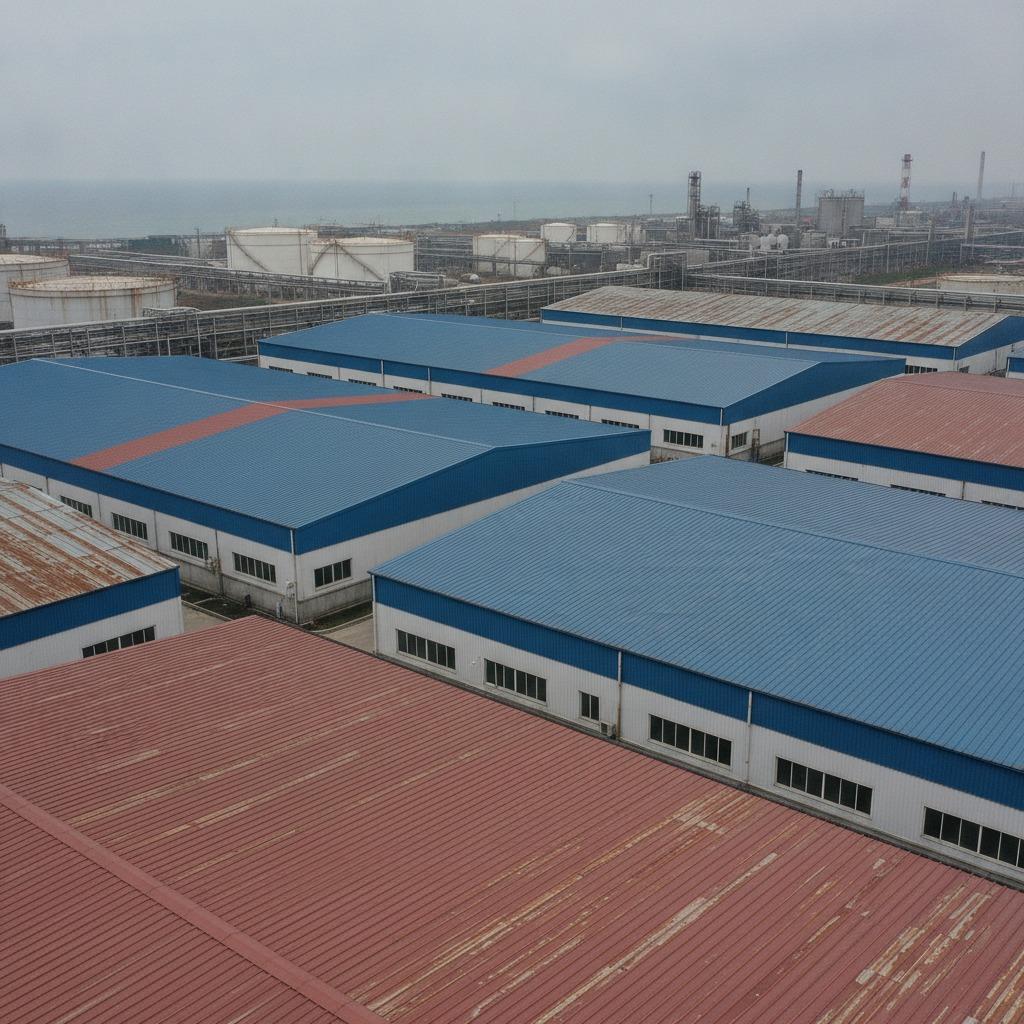
Walk through an aging chemical processing facility or an electroplating workshop, and the ceiling tells an immediate story. Where standard galvanized or pre-painted steel sheets surrender to rust within four to five years, leaves of reddish-brown oxide flake away, dripping rust stains onto production lines below. For facility managers and structural engineers navigating aggressive, high-humidity, or coastal environments, sourcing a capable PVC hollow roof tile manufacturer has shifted from a cost-saving curiosity to a defensive structural strategy. The hollow-core design brings an intriguing balance of dead-air thermal insulation and chemical immunity, but not every extrusion line delivers the same standard of structural integrity.
Specifying these cellular polymer profiles requires looking beyond simple aesthetic swatches. Sourcing teams need to understand the mechanical behavior of the internal truss ribs, the longevity of co-extruded cap layers, and the manufacturing discipline required to pull a consistent, stress-free hollow profile through vacuum calibration tanks.
The Cellular Advantage: Thermal R-Values and Chemical Armor
Unlike standard corrugated single-layer plastic sheets that can buckle under midday heat or amplify torrential rain into a deafening roar, hollow PVC tiles rely on a twin-wall, multi-cavity cross section. These longitudinal chambers trap stagnant air, forming a built-in thermal cushion. On an exposed warehouse deck where the midday sun beats down relentlessly, that trapped air pocket disrupts radiant heat transfer, cutting interior temperatures by several degrees without the need for secondary glass wool blankets.
From a corrosion perspective, unplasticized PVC (uPVC) is practically inert against sulfur dioxide, ammonia, industrial acids, and maritime salt spray. Where an agricultural livestock barn creates high concentrations of animal uric acid and damp vapor that strip zinc coatings in months, hollow PVC panels retain their structural shape. The interior remains dry, the fasteners sit protected under engineered caps, and the structural trusses avoid premature moisture load.
What to Inspect on the Factory Floor
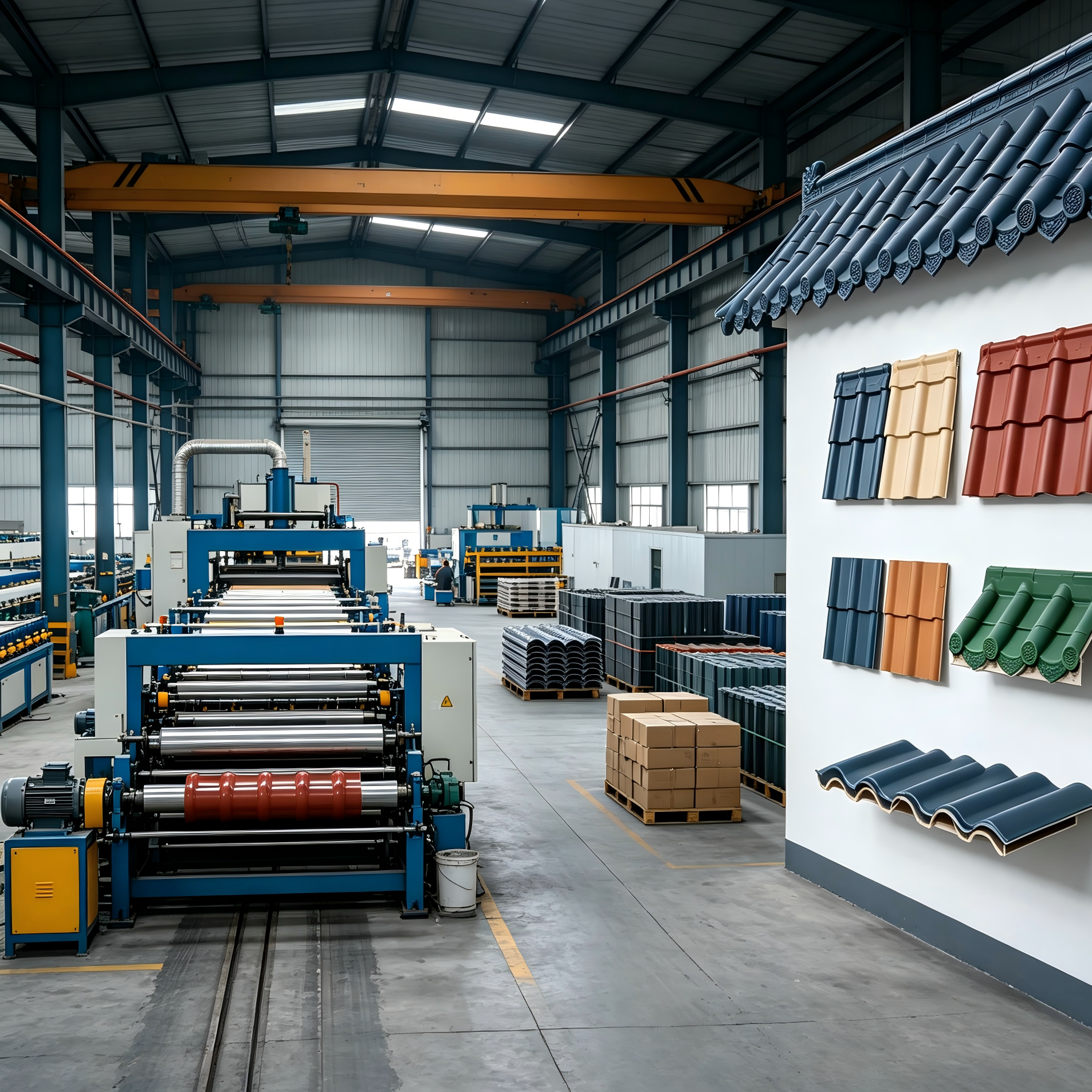
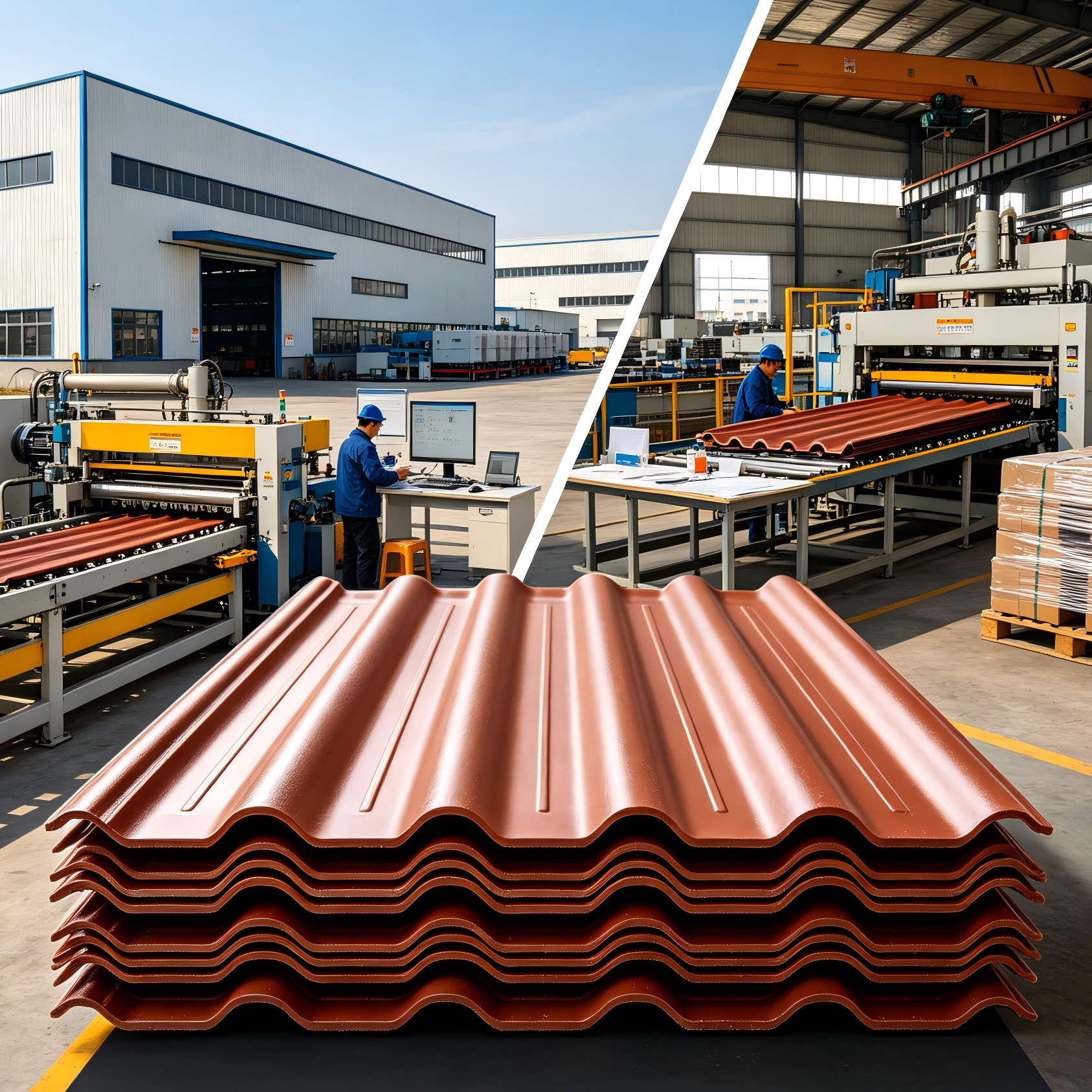
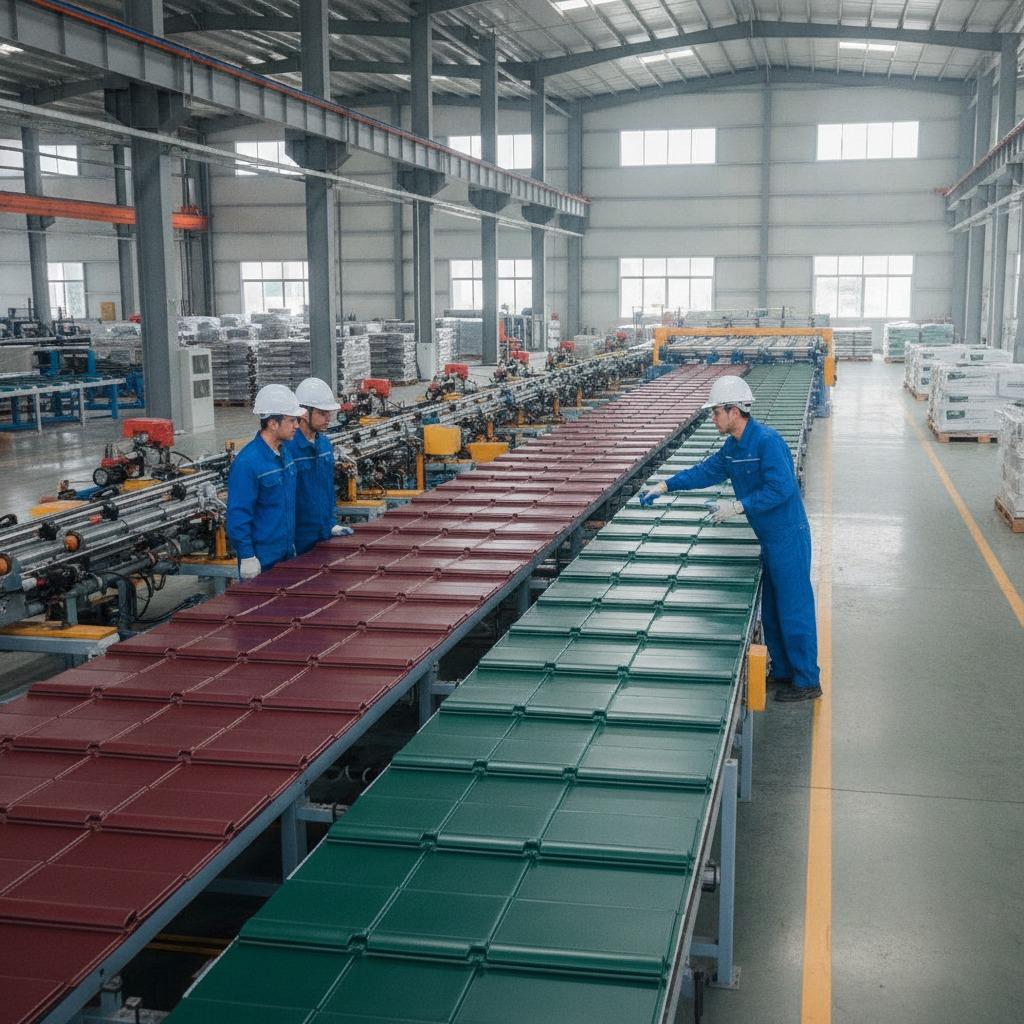
Evaluating a supplier goes far beyond receiving a glossy PDF brochure with generic loading charts. When auditing a PVC hollow roof tile manufacturer, your focus belongs directly on the blending equipment and the extrusion hall.
1. The Co-Extrusion Cap Layer (ASA or PMMA)
Raw PVC degrades under relentless ultraviolet radiation; without proper surface stabilization, sunlight chalks the resin, leading to micro-cracking and brittleness over several seasonal cycles. High-performance manufacturers run co-extrusion tooling that layers a weatherable resin—frequently ASA (acrylonitrile styrene acrylate)—directly onto the outer crown of the tile. Verify the cap layer thickness. A paper-thin flash will erode within two summers, leaving the base resin exposed to yellowing and surface embrittlement.
2. Regrind Ratio and Core Consistency
Extrusion plants always generate internal scrap from edge trimming and profile startups. While a calibrated percentage of clean, in-house regrind is standard practice, unscrupulous suppliers often load the core mix with excessive post-consumer scrap or heavy calcium carbonate fillers to drive resin costs down. The warning sign is readily apparent in the cross section: if the internal ribs feel brittle between your fingers, or if the hollow chambers show varying wall thicknesses and porous, chalky fracture edges, the formulation has been compromised.
3. Vacuum Calibrator Maintenance and Wall Uniformity
Pulling a hollow profile through a vacuum cooling tank requires steady haul-off tension and immaculate water temperature control. If cooling is uneven, residual stress remains trapped inside the polymer matrix. When installed in the field, these stressed sheets tend to twist or bow unevenly under the sun, opening seams and shearing screw points. Look down the profile: the vertical webs between the top and bottom walls should be strictly perpendicular and straight, not curved like collapsed arches.
Practical Installation Realities: Avoiding Field Failures
Even panels delivered from a premier PVC hollow roof tile manufacturer will fail if treated like ductile corrugated steel. Polyvinyl chloride exhibits a significantly higher thermal expansion coefficient than structural purlins. Sourcing managers must make sure their installation specifications address this physical property directly:
- Oversized Pilot Holes: Fasteners must never be driven straight through the tile without pre-drilling. The pilot hole needs to be 2 to 3 millimeters wider than the screw shank to allow seasonal thermal sliding.
- Over-Torquing Hazards: Impact drivers with uncontrolled clutches will crush the upper hollow wall, creating immediate indentations that pool rainwater and compromise the structural web underneath. Self-drilling screws should use broad EPDM washers and saddle clips that cradle the corrugation crown without flattening it.
- Purlin Spacing Limitations: While the hollow profile improves longitudinal rigidity, pushing purlin spans beyond manufacturer recommendations invites sagging under heavy snow or localized wind suction.
Frequently Asked Questions
How does hollow PVC compare to insulated sandwich panels?
Polyurethane or EPS sandwich panels offer superior outright thermal insulation, but they introduce risk in chemical environments: caustic air often penetrates through lap joints, corroding the inner sheet or causing glue delamination. Hollow PVC tiles provide a moderate, uniform insulation level with zero risk of delamination, and they are significantly lighter to handle across high-bay retrofits.
Can hollow PVC sheets survive foot traffic during maintenance?
No polymer hollow tile should ever be walked on directly. While they support wind loads and distributed snow weight, point loads from human boots can punch through the upper skin. Maintenance crews must always employ crawl boards or walking ladders that bridge across the underlying purlins.
What fire rating can one realistically expect?
Rigid PVC is naturally flame-retardant with a high limiting oxygen index (LOI). Most reputable formulations achieve self-extinguishing behavior (often Class B1 in national fire classifications), meaning that once the ignition flame source is pulled away, the plastic ceases burning rather than sustaining open flame propagation.
Securing Reliable Production Runs
Before issuing a bulk purchase order, request full-width extrusion cross-sections rather than small hand samples cut from idealized display panels. Inspect the internal webs under bright cross-lighting for voids, verify the outer cap layer bonding through peel testing, and review third-party accelerated weathering data. When you partner with a manufacturer that controls its polymer compounding and vacuum calibration with tight tolerances, hollow PVC roofing stops being an experimental alternative and becomes a dependable, maintenance-free envelope for your most demanding assets.