Choosing the Right Synthetic Resin Roof Sheet Manufacturer for Industrial Infrastructure
When evaluating building materials for large-scale industrial projects, the search for a reliable synthetic resin roof sheet manufacturer often feels like navigating a crowded market of conflicting performance claims. These materials, typically composed of advanced PVC-based formulations and ASA coatings, have become the standard for facilities requiring superior chemical resistance, thermal insulation, and longevity. However, the quality gap between various suppliers is significant, and choosing the wrong partner can lead to premature material degradation or structural failure in harsh environments.
Understanding the Material Composition
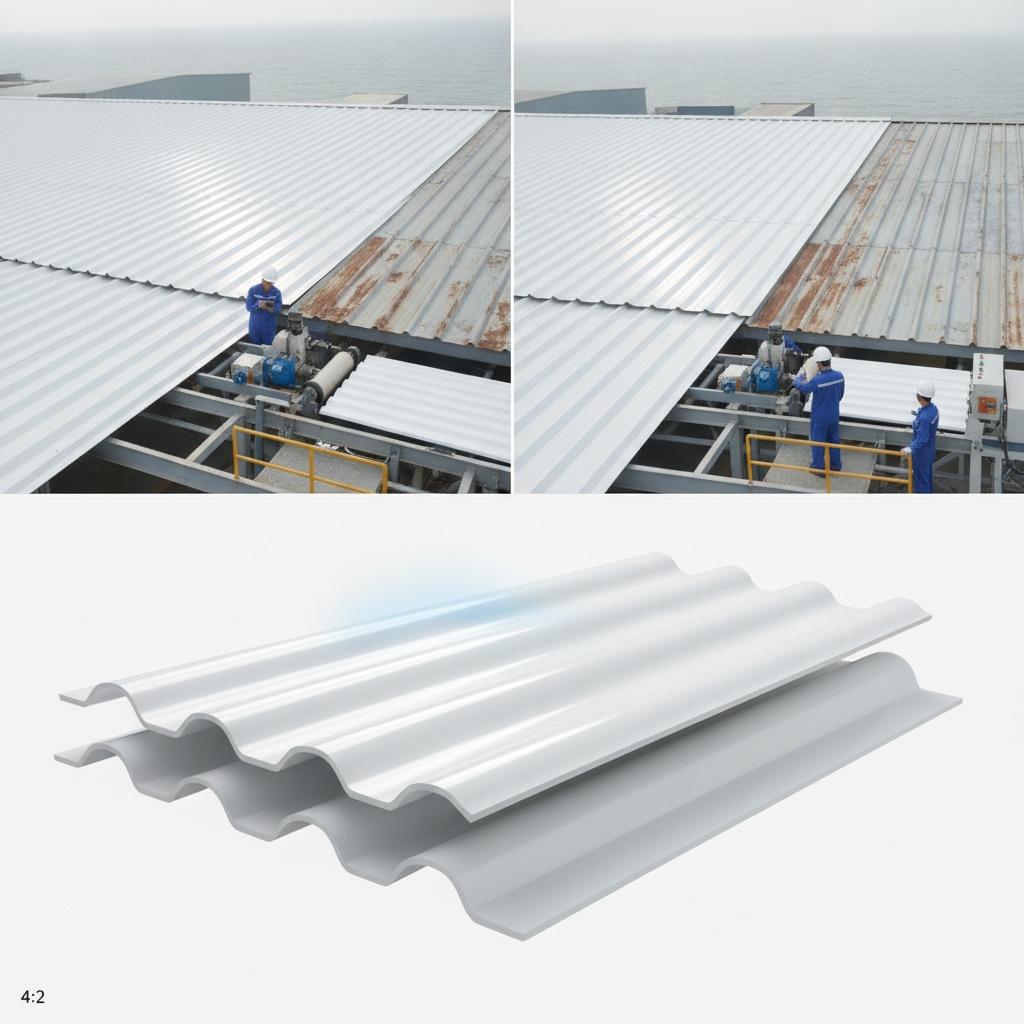
The industry standard for these roofing products revolves around multi-layer co-extrusion. A high-quality resin roofing sheet manufacturer will prioritize the outer layer, which usually features an ASA (Acrylonitrile Styrene Acrylate) resin. This specific layer acts as a barrier against ultraviolet radiation, preventing the color fading and surface brittleness that typically plague inferior plastic-based roofing products. Beneath this protective shield, the core is generally composed of PVC resin materials modified for impact resistance. Engineers must look for manufacturers who maintain consistent wall thickness and uniform dispersion of modifiers, as these factors directly dictate the load-bearing capacity and longevity of the sheets under heavy snow or wind loads.
Key Selection Criteria for Sourcing Managers
Beyond basic product data sheets, a prospective buyer should evaluate a synthetic resin roofing sheet manufacturer based on their quality control processes. Do they use virgin raw materials, or is the core composed of excessive recycled fillers? Recycled fillers often compromise the flexural strength of the sheet. Ask to see physical samples and request independent laboratory reports regarding heat deflection temperatures and fire resistance ratings.
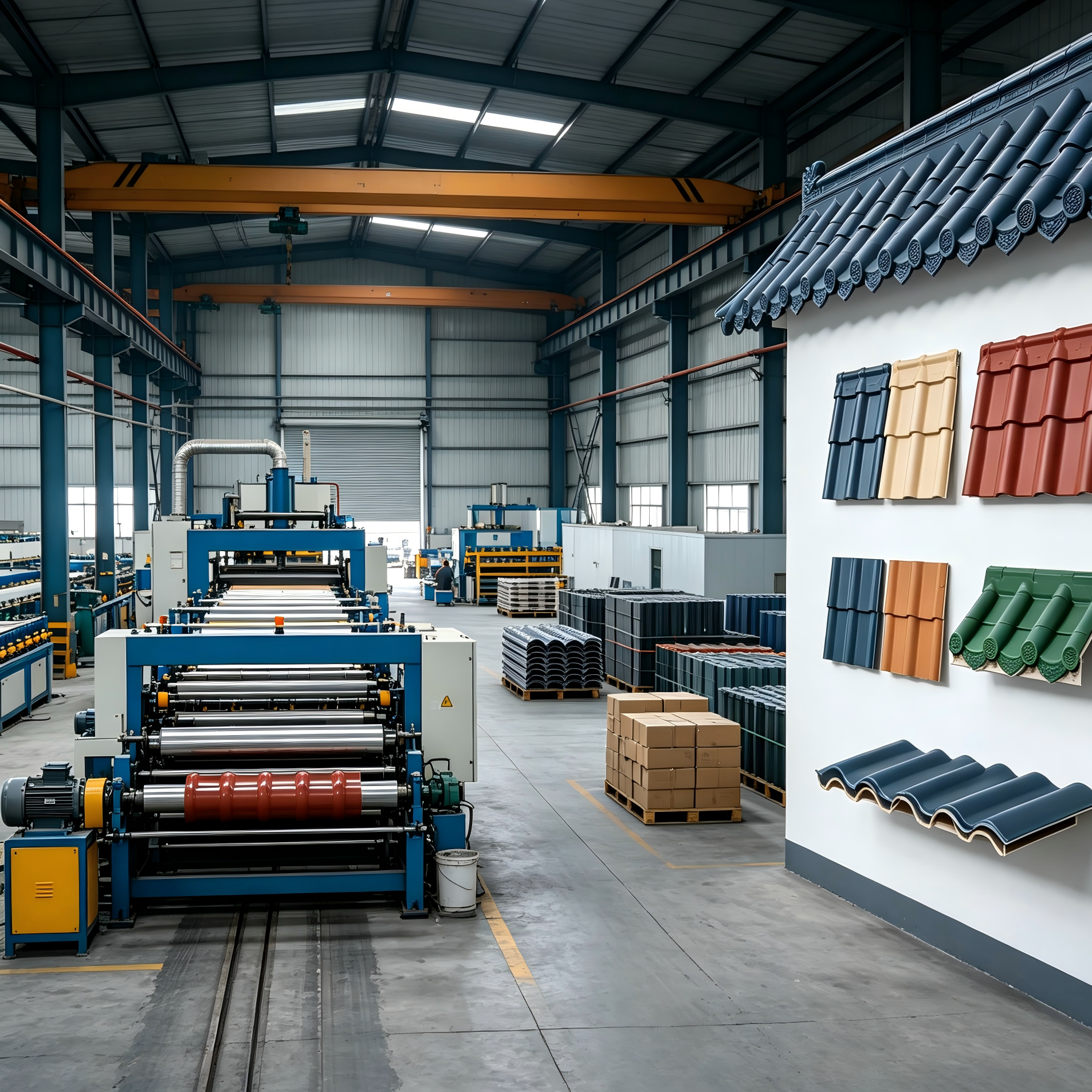
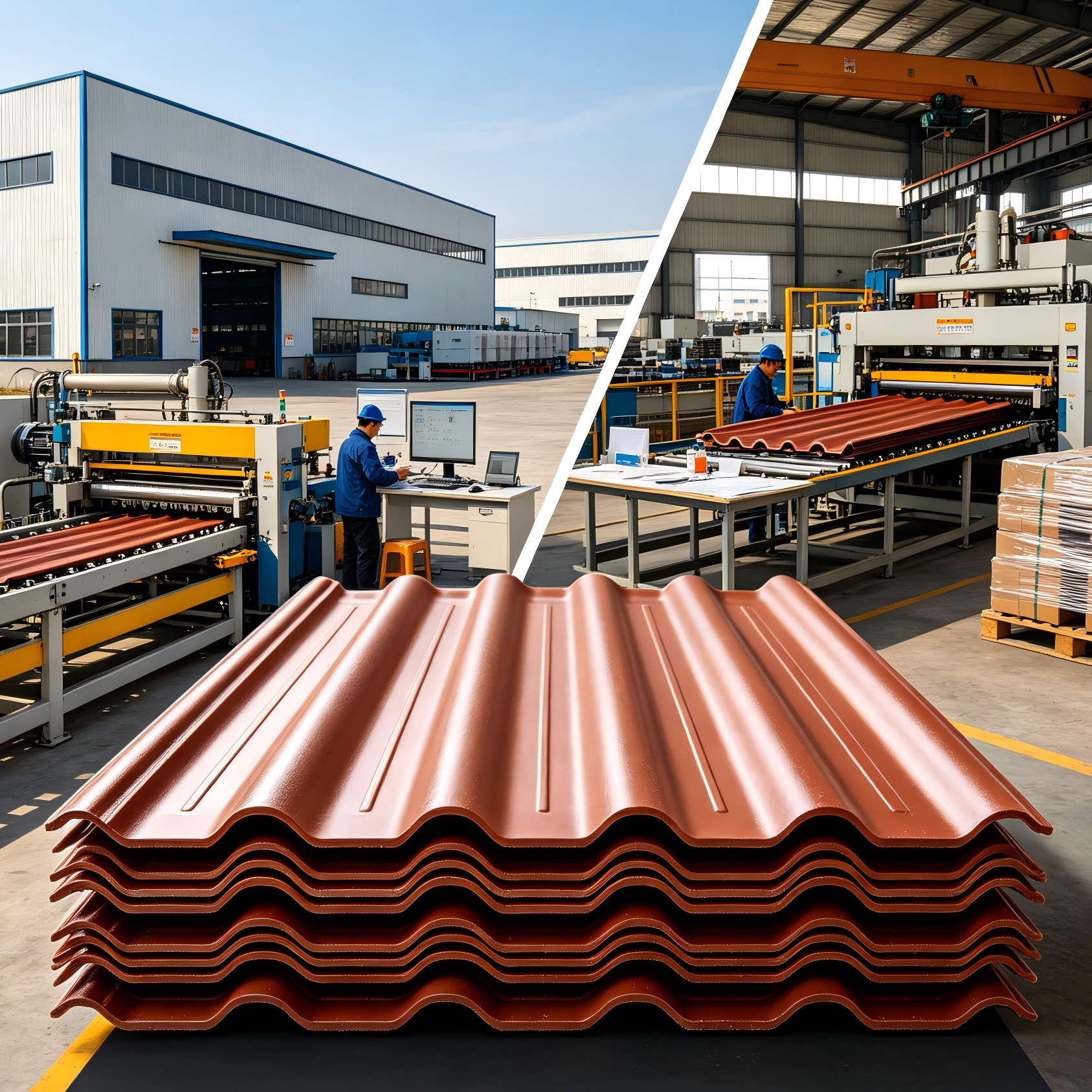
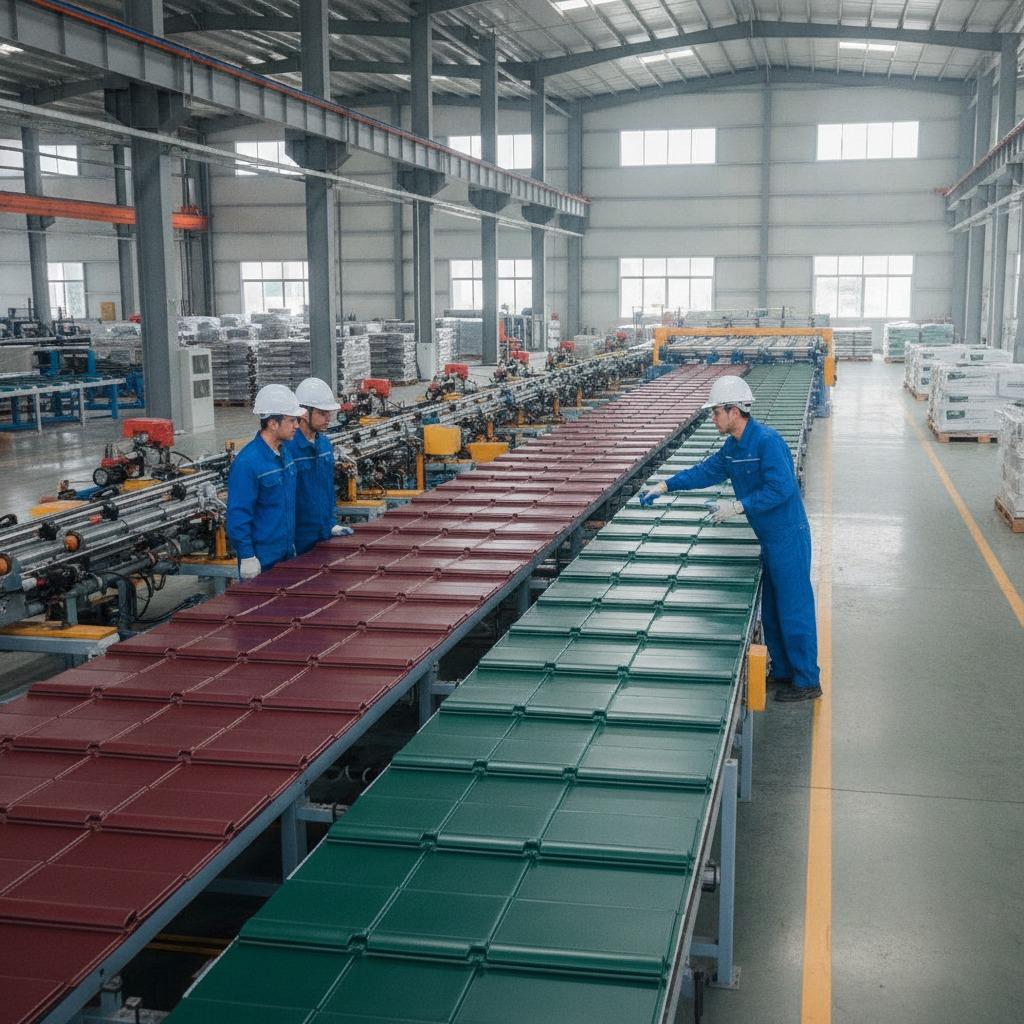
Another critical factor is the manufacturing equipment itself. The transition from manual extrusion to fully automated computer-controlled production lines has fundamentally changed the consistency of sheet dimensions. If the thickness varies by more than a fraction of a millimeter across the width of the sheet, you will face significant challenges during installation, particularly when trying to achieve a watertight seal at the overlaps.
Common Pitfalls in Procurement
One of the most frequent mistakes made during the procurement process is prioritizing price per square meter over the lifecycle cost. A PVC roofing resin manufacturer might offer a lower price by reducing the percentage of UV stabilizers in the top coat. While the sheet may look identical to a premium product upon installation, it may begin to crack or delaminate within three years of exposure to direct sunlight. When reviewing quotations, always ask for the specific weather-resistance testing duration in the manufacturer's own quality assurance protocols.
Practical advice for sourcing managers: if the manufacturer cannot provide documentation regarding raw material provenance or if their technical support team cannot explain how their formulation handles the specific thermal expansion coefficients relevant to your region's climate, treat that as a red flag. Installation methods vary significantly, and the best resin roof sheet manufacturer will provide detailed, project-specific technical guidelines, not just a generic installation pamphlet.
Evaluating Long-Term Performance
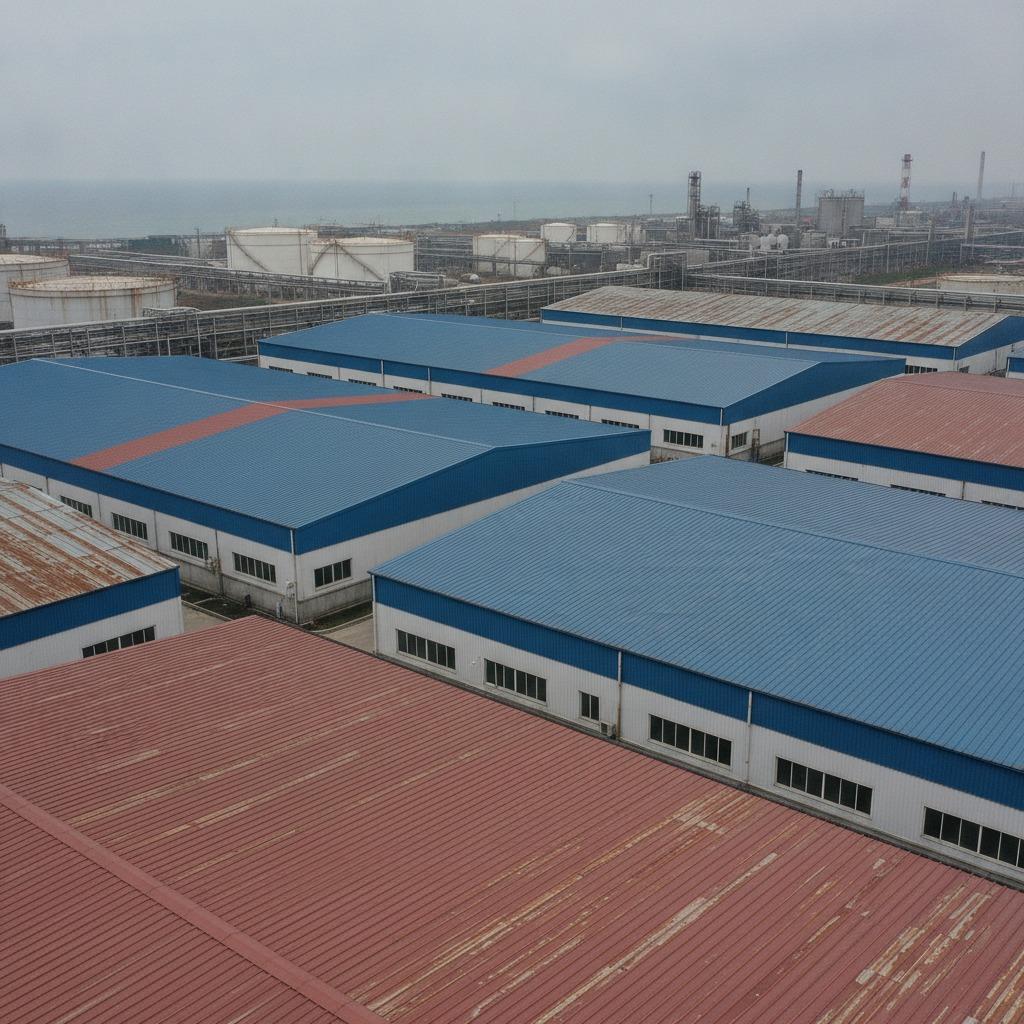
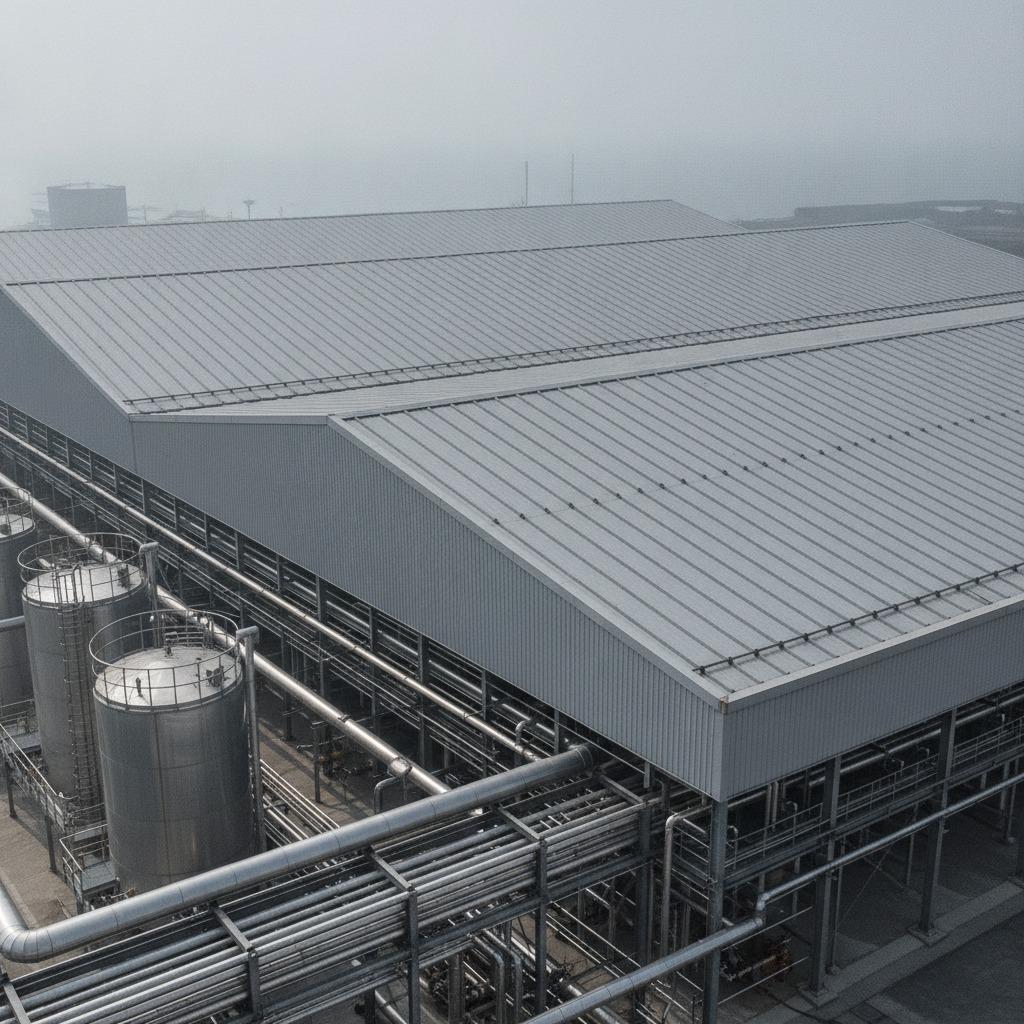
Ultimately, your choice of manufacturer is a bet on the building's maintenance-free lifespan. Industrial environments often involve corrosive vapors, high humidity, or extreme temperature fluctuations. A reputable manufacturer will have a proven track record in these specific sectors. Before finalizing any purchase, ensure that the manufacturer provides clear guidance on the proper fastener specifications, as using incompatible screws or improper washers can lead to corrosion even if the roofing material itself is superior. A thoughtful manufacturer cares as much about the integrity of the fastening system as they do about the roof sheet itself.