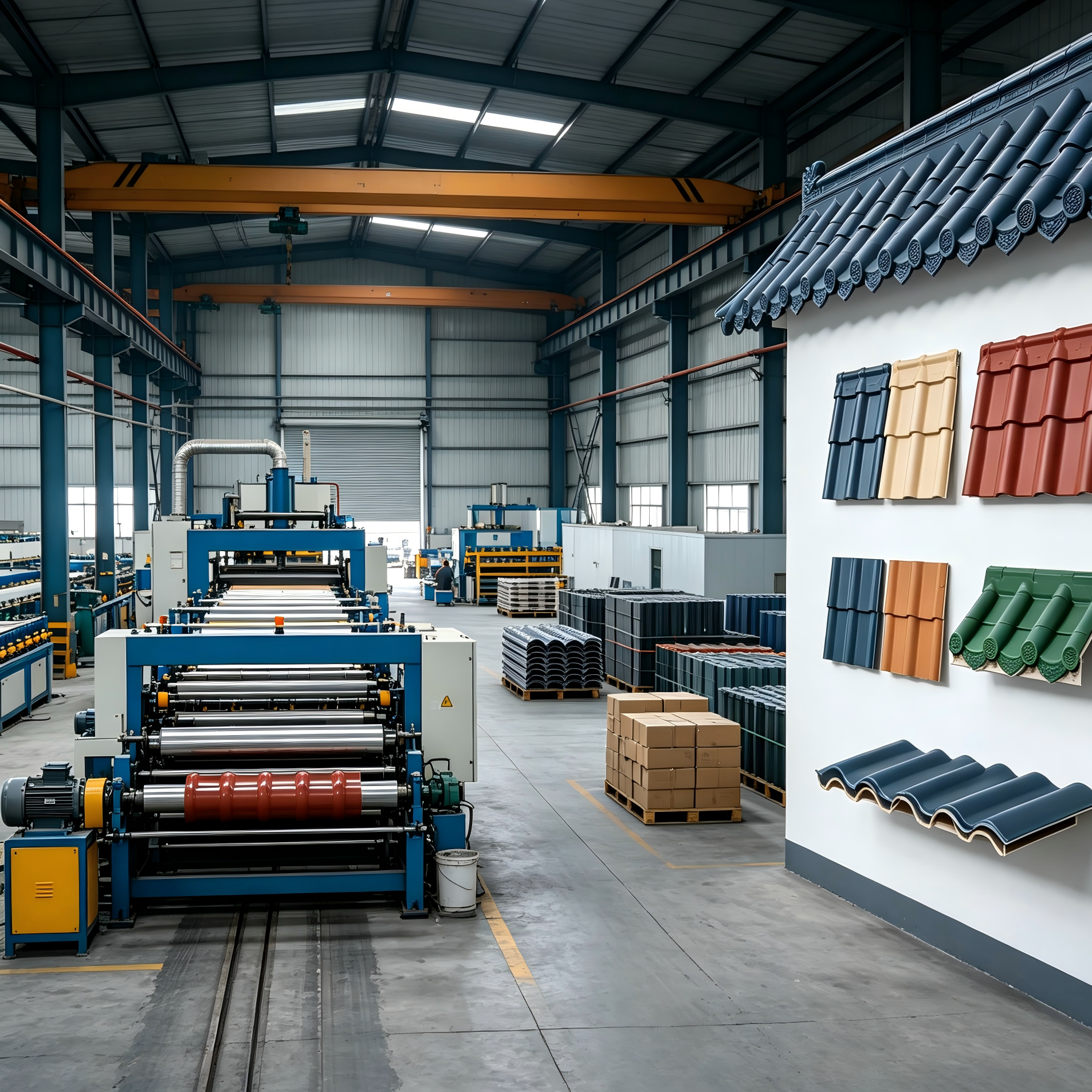
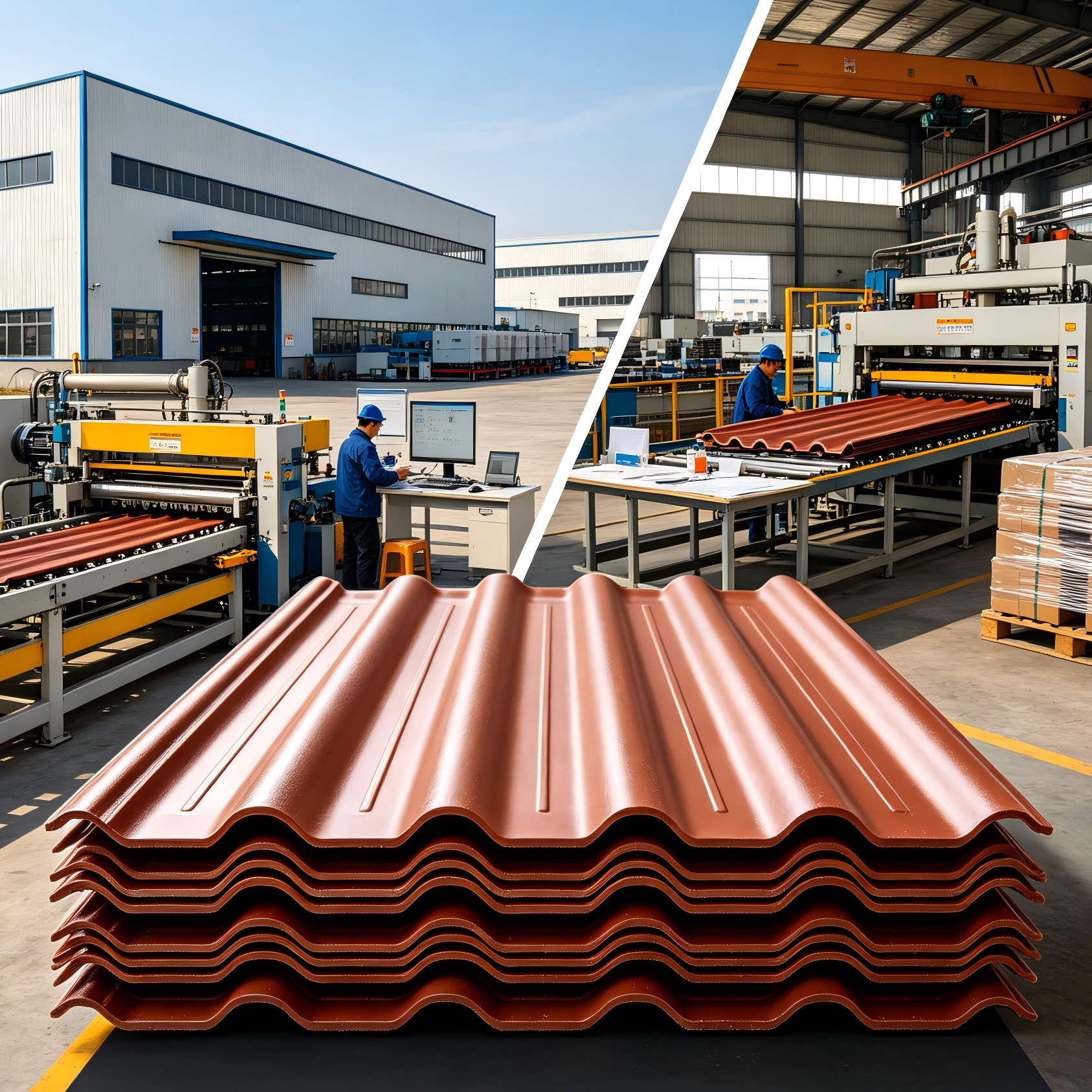
What buyers really need to know about an UPVC corrugated roof sheet factory
If you are sourcing from an UPVC corrugated roof sheet factory, you are usually trying to solve more than a price question. You are balancing weather resistance, roof span, installation speed, and the risk of premature cracking or fading. For industrial sheds, agricultural buildings, warehouses, and light commercial projects, the sheet itself becomes part of the building’s performance, so the factory behind it matters almost as much as the profile on the drawing.
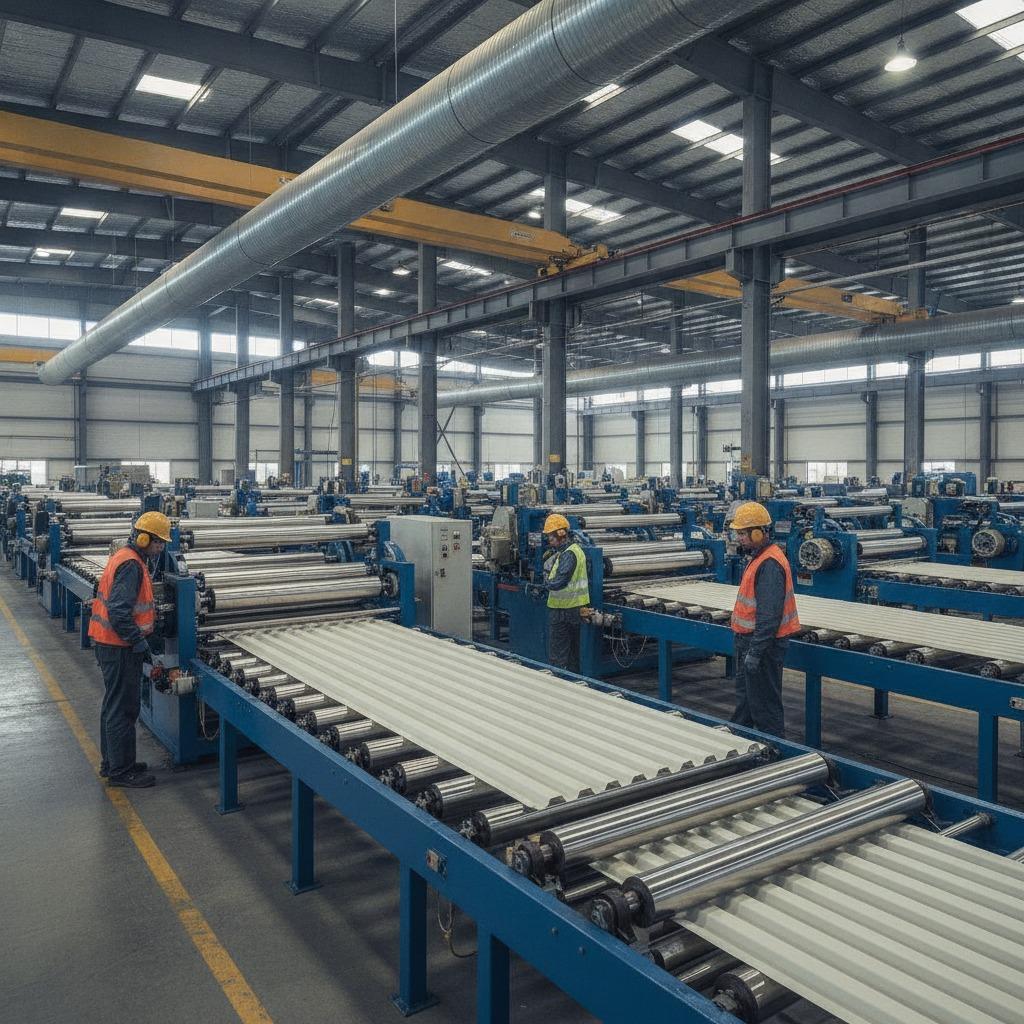
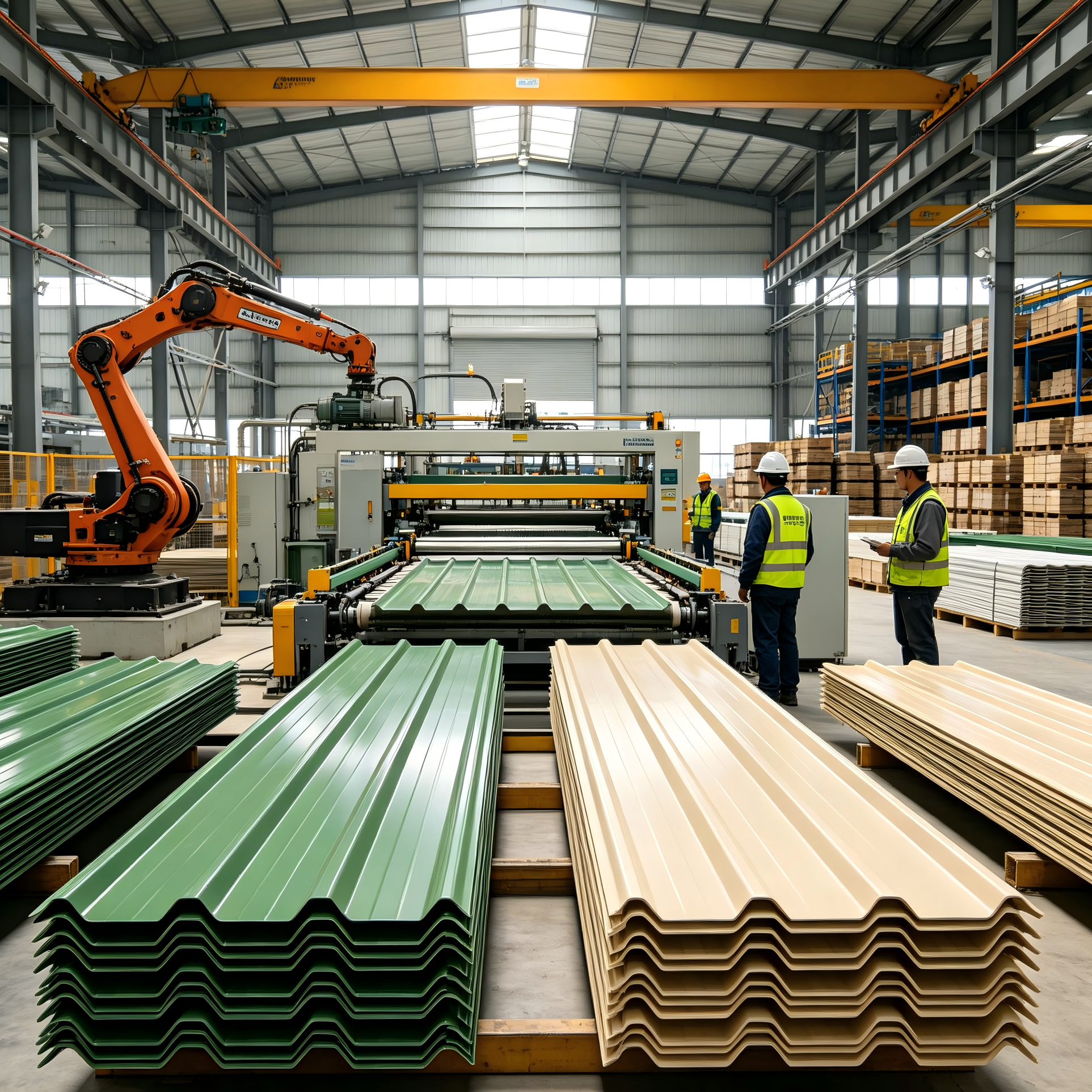
The practical question is not simply whether the material is UPVC. It is whether the supplier can make a stable corrugated sheet consistently, with the thickness, profile, and surface quality your project needs. That is where a good factory differs from a casual converter. The better the process control, the fewer problems you see on site: sheets that align properly, fasteners that seat cleanly, and a roof that does not turn into a maintenance item too early.
Why this product category keeps showing up in spec discussions
UPVC corrugated roofing is widely used because it combines lightweight handling with resistance to corrosion and many common chemicals. That makes it attractive in environments where metal roofing may need more upkeep, or where moisture and fumes shorten service life. The corrugated form also helps with drainage and stiffness, which is why buyers often compare it with other sheet roofing options rather than with flat panels.
For sourcing teams, the real value is often operational. A lighter sheet can reduce handling effort and simplify installation. A consistent corrugation profile can improve overlap and fastening. And because roof replacement is expensive once the building is in service, many buyers would rather spend more attention up front than troubleshoot leaks later. That is sensible, though it does not mean every premium claim is worth paying for.
Key factors to compare when evaluating suppliers
When people say they are looking for a UPVC roofing sheet factory, they may be referring to very different manufacturing setups. Some suppliers focus on high-volume standard profiles. Others can offer more customization in width, thickness, color, or surface treatment. The right choice depends on how standardized your project is.
1. Profile consistency
Corrugated sheets must match their own geometry from batch to batch. If the crest height or pitch drifts, overlaps become difficult and the roof looks uneven. That may sound cosmetic, but on a large roof, cosmetic issues often become installation issues.
2. Material stability
UPVC is valued for durability, but the actual service behavior depends on formulation and processing. Buyers should ask how the factory manages raw material selection and production stability. If the answer is vague, treat that as a warning sign.
3. Weather exposure expectations
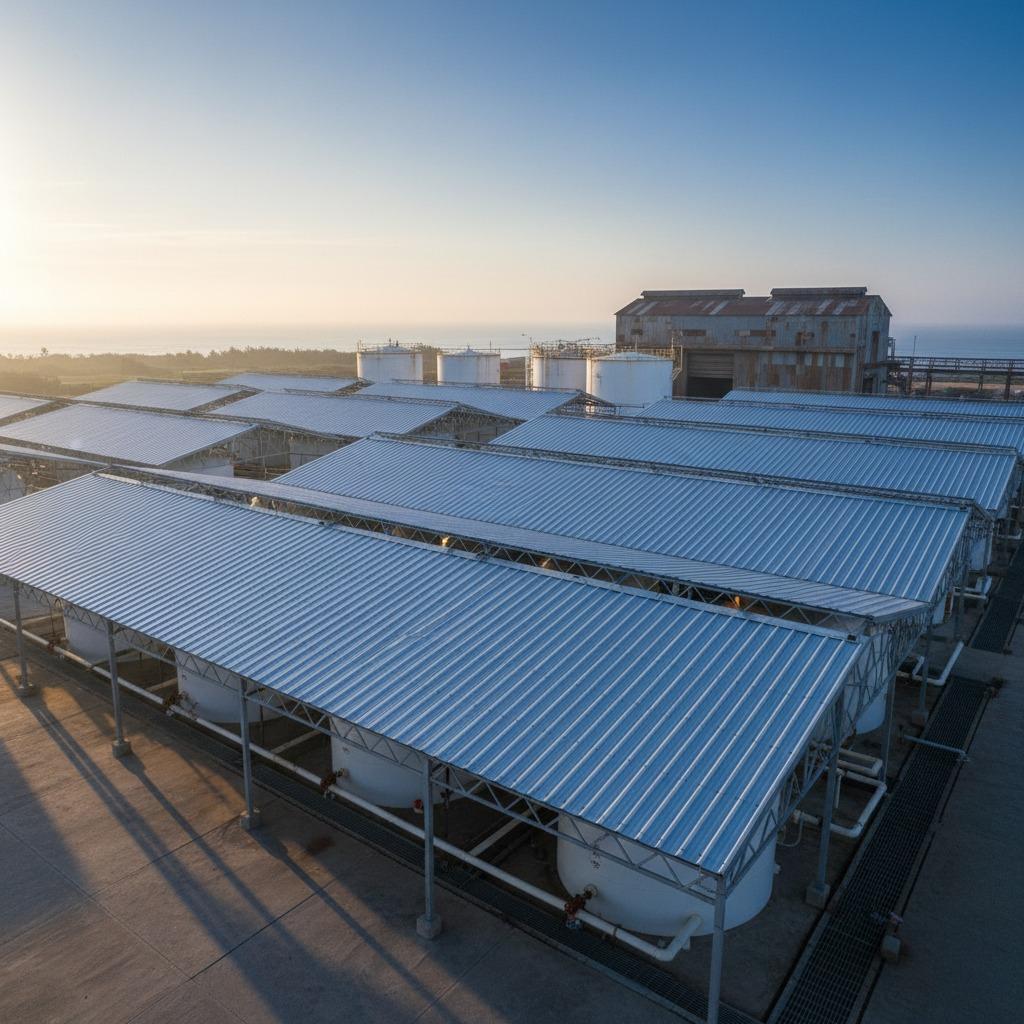
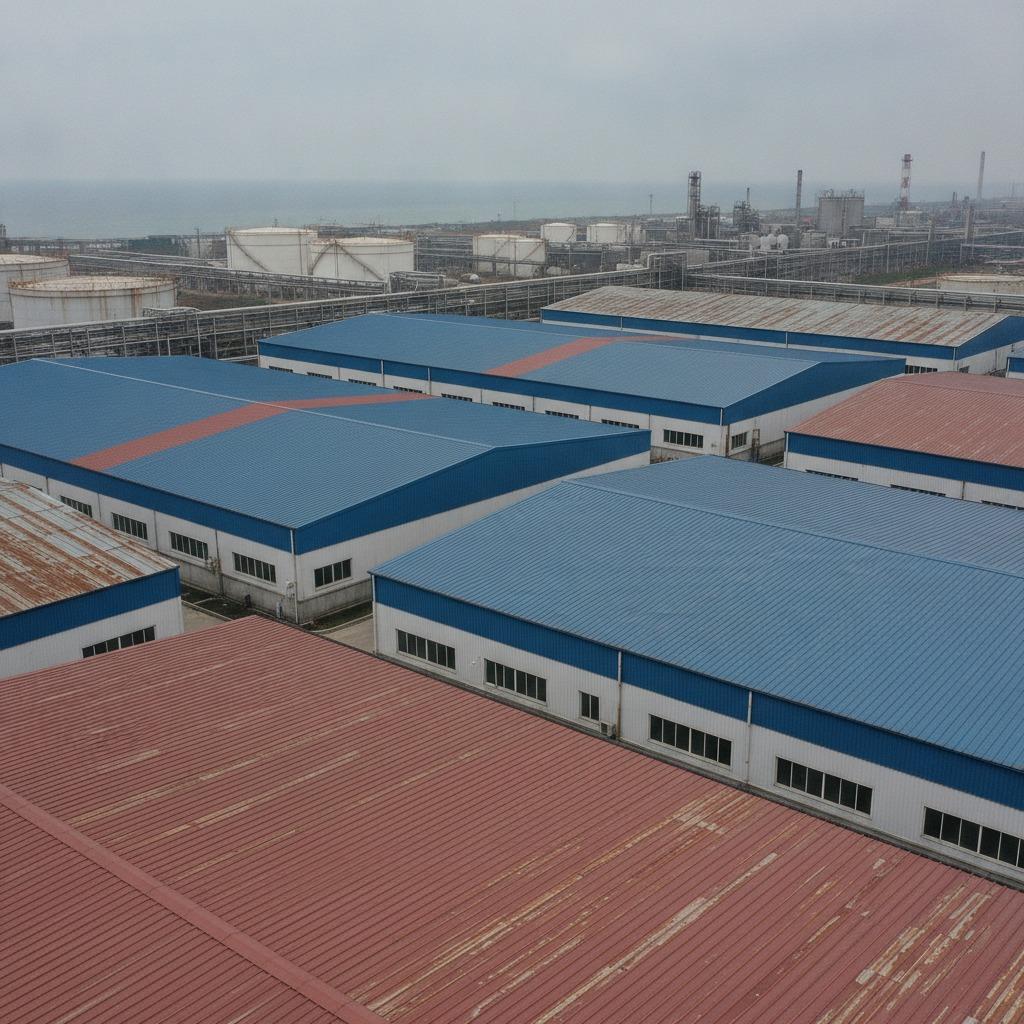
Roofing is a harsh application. Sun, rain, wind uplift, and temperature swings all matter. An UPVC sheet roofing factory should be able to explain intended use conditions in plain language. If the building is in a hot, high-UV, or heavy-rain region, those details matter more than glossy catalog language.
4. Installation compatibility
Even a decent sheet can perform badly if fastening and overlap are not well matched to the roof structure. Buyers should confirm screw location, support spacing, and accessory compatibility early. This is one of those small, annoying issues that often gets pushed to the installation crew after the purchase order is already signed.
Common mistakes buyers make
One frequent mistake is treating all UPVC corrugated sheets as interchangeable. They are not. Differences in wall thickness, profile shape, and finishing can affect rigidity and appearance. Another mistake is ordering based only on unit price without asking how the roof will be used. A low-cost sheet that performs adequately on a simple farm structure may be a poor fit for a large industrial roof where visual consistency and long-term performance matter more.
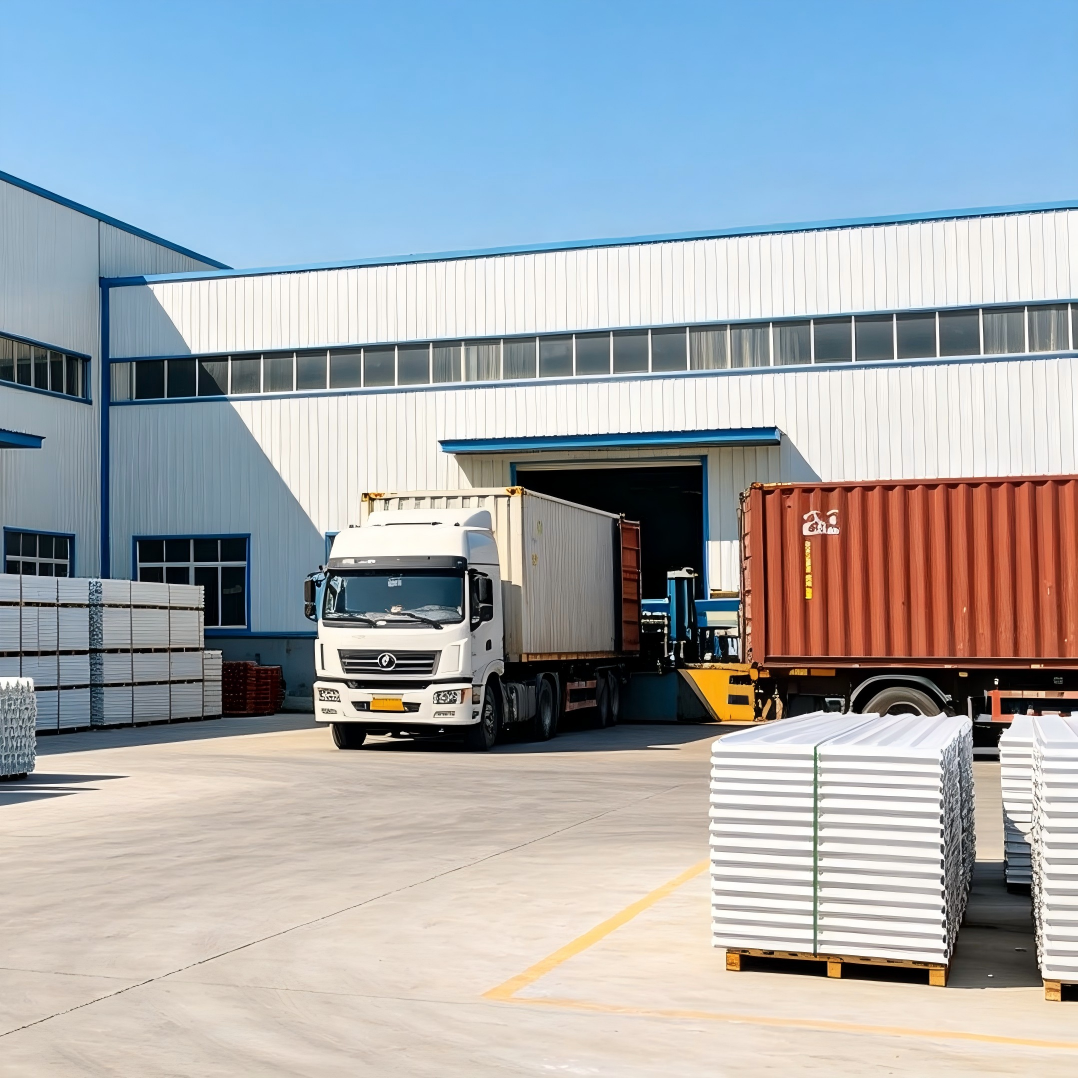
It is also easy to overlook packaging and transport. Roofing sheets can be damaged in transit if they are not stacked and protected properly. A factory that pays attention to loading and shipment details is usually easier to work with overall, even if its brochure does not sound especially impressive.
Quick buyer checklist before you place an order
Before committing to an UPVC corrugated roof sheet factory, ask for the basic production details that affect real-world performance: available profiles, thickness range, color options if relevant, recommended applications, and installation guidance. Then compare those answers against your project conditions. A factory that can speak clearly about product use, rather than only about output capacity, is usually the better sourcing partner.
If you are building a shortlist, ask for samples or profile drawings and compare them under the same light. That may seem old-fashioned, but roofing products are visual as well as technical. Small differences are easier to spot in person than in a brochure.
FAQ for project teams
Is UPVC roofing suitable for industrial buildings?
Often, yes, especially where corrosion resistance and light weight are useful. The exact suitability depends on the building environment and structural design.
What should I ask a UPVC sheet roofing factory before buying?
Ask about profile consistency, thickness options, recommended fastening methods, and how the sheets are packed for shipment. Those questions reveal more than marketing language does.
Should I choose the cheapest factory?
Usually not. Roofing is a long-duration component, and small quality differences can create expensive site problems later. Price matters, but only after basic performance and fit are confirmed.
Next step for sourcing teams
If your project depends on reliable roof performance, start by narrowing suppliers that can explain their products in practical terms. A credible UPVC corrugated roof sheet factory should make it easy to understand the sheet, the roof, and the installation implications without forcing you to decode vague claims. That is the kind of supplier worth a second look.