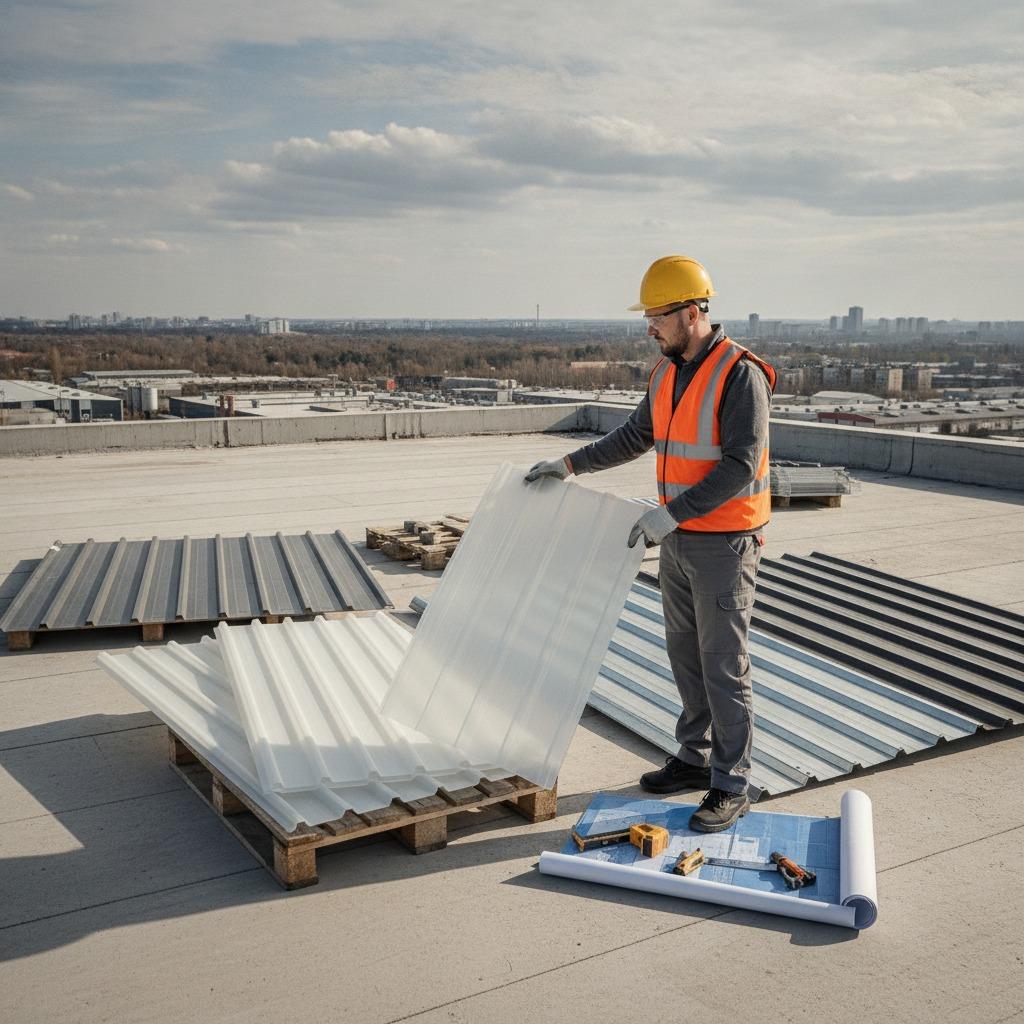
What a uPVC Hollow Roof Sheet Actually Solves
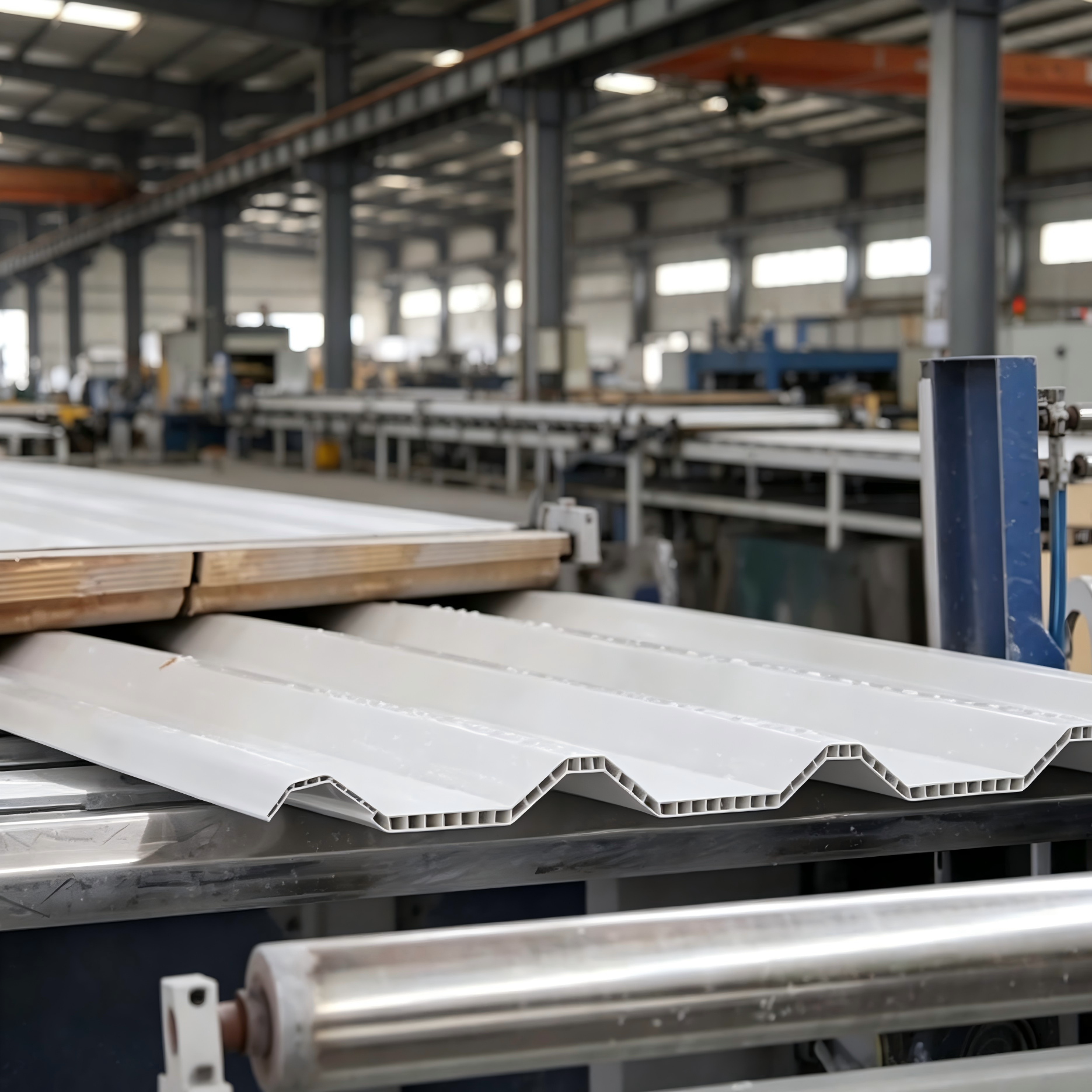
A uPVC hollow roof sheet is usually chosen for one simple reason: a building needs light, weather protection, and better durability than a basic metal or fiber sheet can offer in a harsh environment. For warehouses, agricultural sheds, walkways, and lightweight industrial covers, the appeal is practical. The sheet lets daylight through or softens it, while the hollow structure improves insulation and keeps the panel from feeling flimsy.
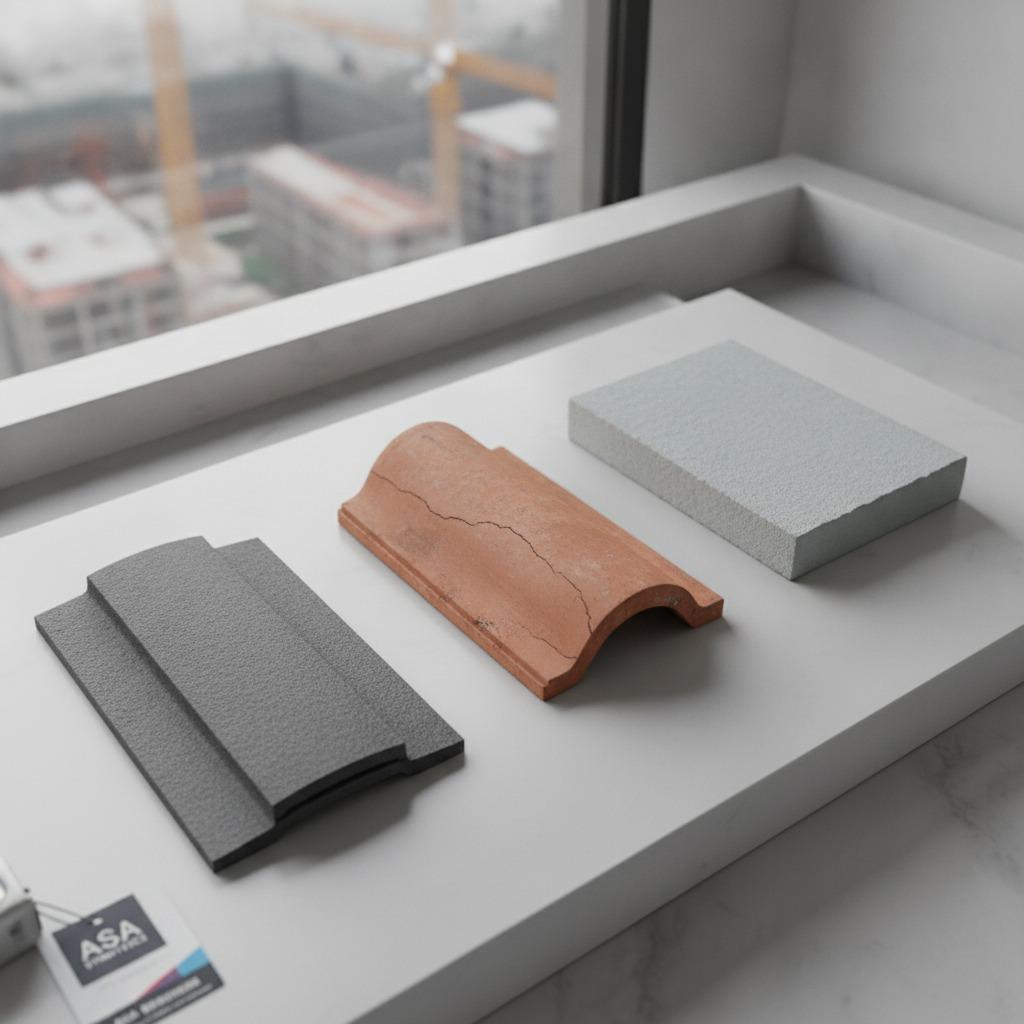
That matters more than it first appears. Buyers are often balancing heat, noise, condensation, and corrosion risk at the same time. A roof covering that looks acceptable on day one can still become a headache after a few seasons if the site sees humidity, salt air, chemical fumes, or repeated temperature swings. That is why many engineers and sourcing teams compare uPVC options against metal and polycarbonate before making a call.
Why Buyers Look at uPVC Instead of Metal or Plain Plastic
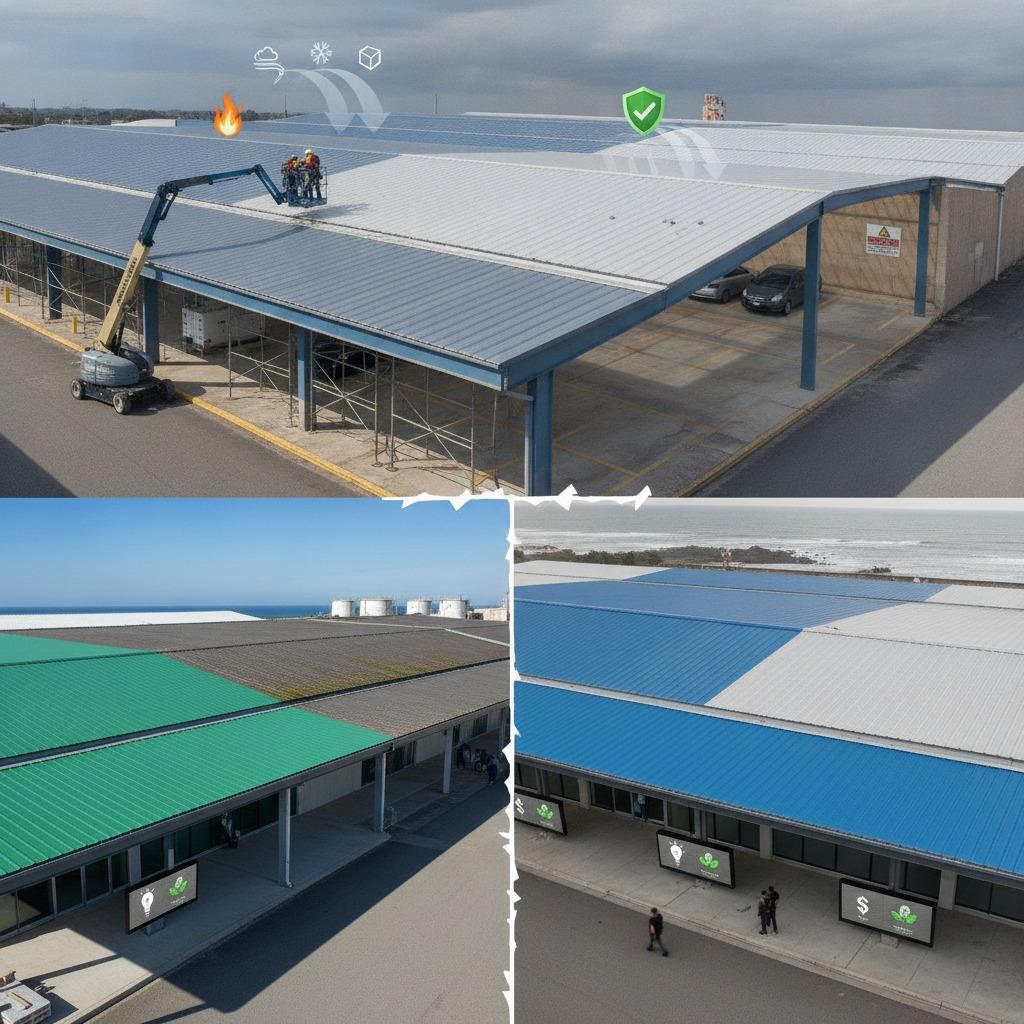
The main attraction is performance in tough environments. uPVC is generally valued for being anti-corrosive, which makes it suitable where conventional sheets may rust or degrade faster. In coastal or chemical-exposed locations, that can be a deciding factor rather than a nice-to-have.
It is also worth watching how the roof behaves in low temperature conditions. Some coverings become less forgiving when the weather turns cold, so a buyer should ask how the sheet is expected to perform across the full seasonal range of the site. That is not a small detail if the roof is part of a production area or a storage line that cannot afford sudden maintenance interruptions.
Key Selection Points Before You Order
Light transmission and heat control
Not every project wants the same amount of daylight. A loading bay may need brightness; a stock room may not. The right profile and sheet thickness depend on whether the goal is illumination, shielding, or a middle ground between the two.
Corrosion exposure
If the roof sits near fertilizer, cleaning agents, humidity, or coastal air, anti corrosion performance should be treated as a core requirement, not a marketing phrase. Ask how the sheet is intended to behave over time, especially around fasteners, laps, and cut edges, where failures often start.
Thermal movement and installation
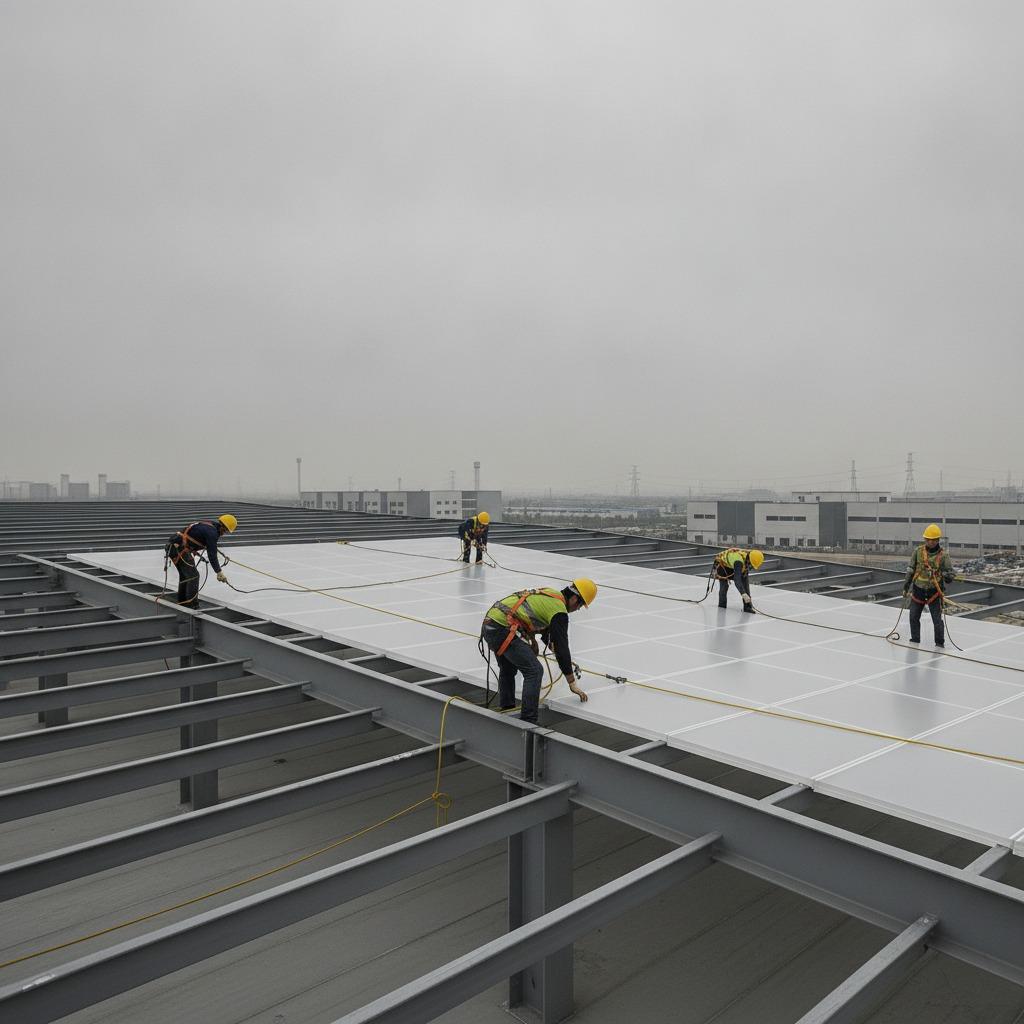
Even a well-made sheet can underperform if the installation ignores expansion, fixing method, or support spacing. This is where practical caution pays off. A modestly priced material can become expensive if it is installed too tightly and begins to stress, bow, or leak.
Common Buyer Mistakes
One common mistake is choosing only by initial appearance. Another is assuming all hollow roof sheets are interchangeable. They are not. Panel geometry, wall structure, and intended environment all matter. A second mistake is forgetting to check whether the roof needs daylight, acoustic softness, or simply a longer service life in a corrosive setting.
It also helps to avoid vague specifications. Ask for the exact product description, sheet structure, and recommended application. If a supplier cannot explain where the panel fits best, that is usually a warning sign.
Practical Buyer Takeaway
If your project needs a roof panel that combines lightness, weather protection, and better resistance to corrosion, a uPVC hollow roof sheet is worth serious consideration. The best choice depends on the site conditions, especially low temperature exposure and corrosion risk, plus the installation method you are prepared to support.
For sourcing teams, the next step is straightforward: compare the intended environment, review the sheet structure, and confirm how the product is expected to perform in real use. That small bit of discipline usually saves a larger repair bill later.