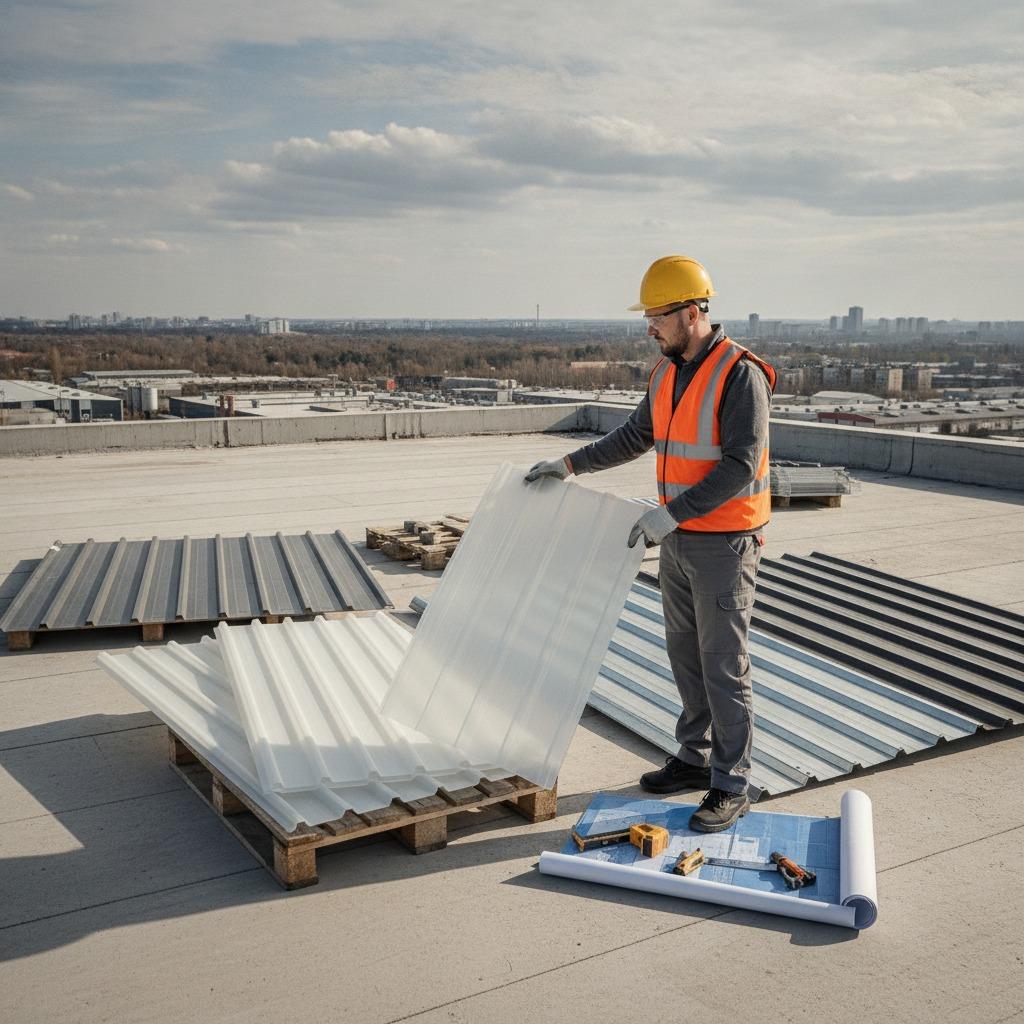
Why synthetic resin roof tile keeps showing up in spec meetings
When buyers compare roofing options for warehouses, farm buildings, workshops, or lightweight industrial sheds, the synthetic resin roof tile often enters the conversation for one simple reason: it solves a few problems that traditional materials can make expensive or awkward. Weight matters. Corrosion matters. So does how a roof behaves after years of sun, rain, and chemical exposure. For engineers and sourcing teams, the real question is not whether a roof tile looks good on day one, but whether it stays stable, serviceable, and cost-conscious over the long run.
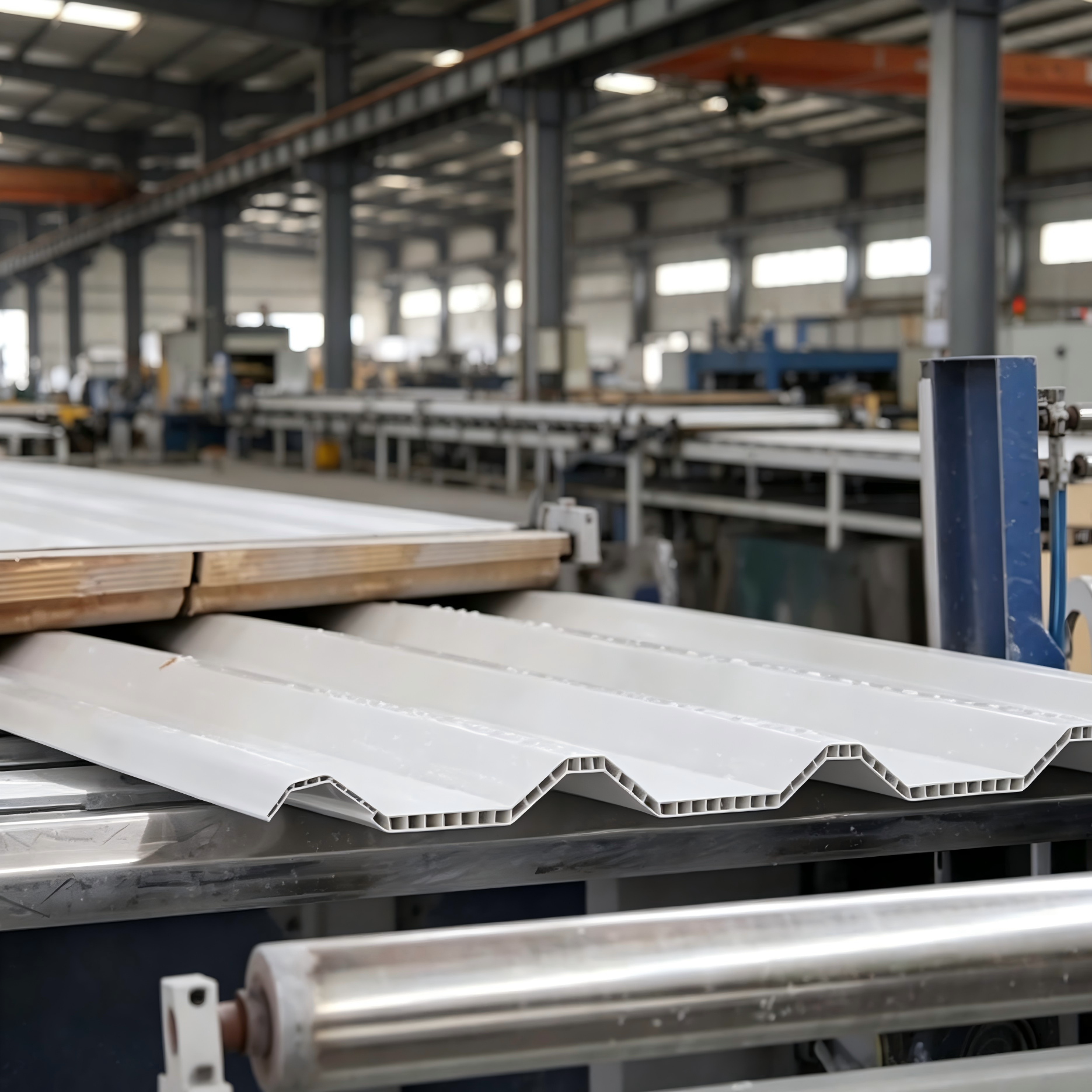
That is where this category earns attention. Synthetic resin products are typically selected when the project needs a lighter roof profile, easier handling on site, and a material that can be engineered for weather exposure. They are not a magic answer for every building. But in the right application, they can reduce structural load and simplify installation, which is why they are often evaluated alongside metal sheets and other composite roofing options.
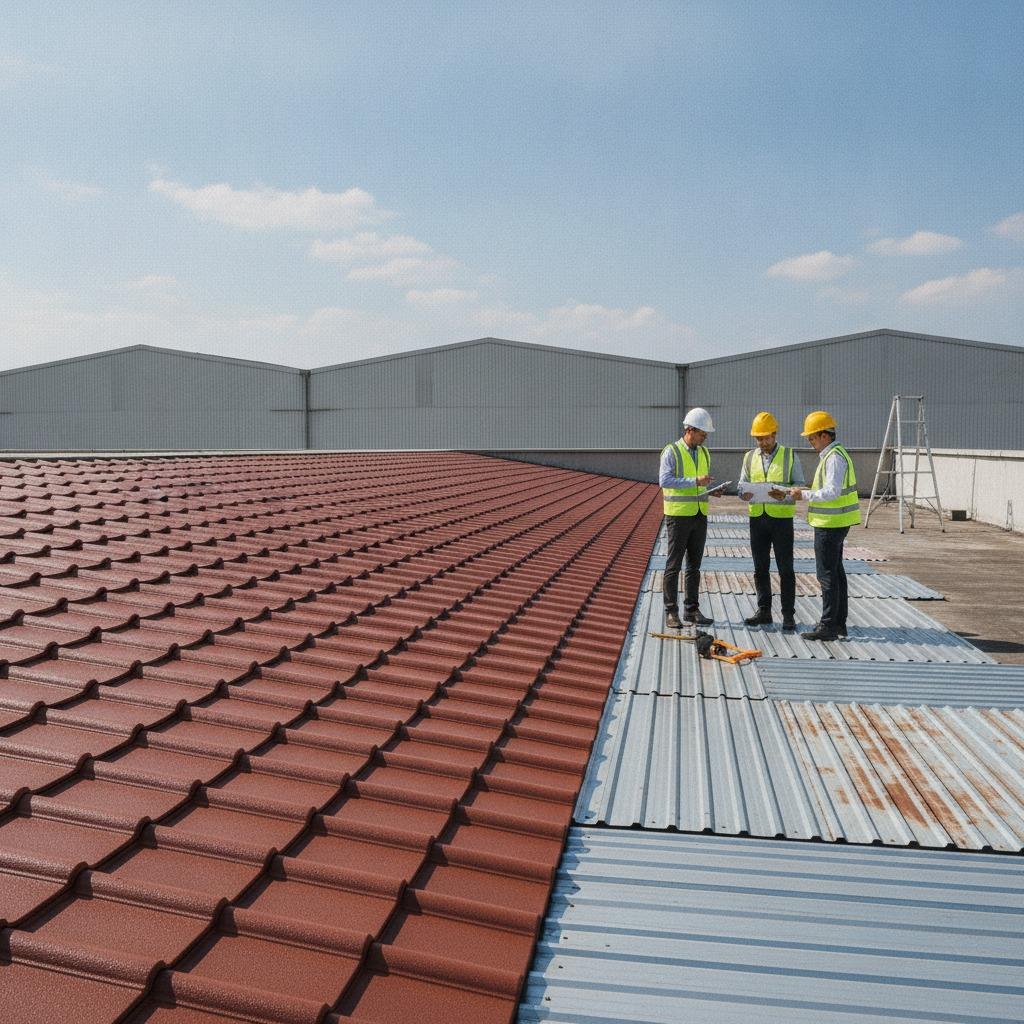
What buyers usually want to know first
In practical terms, the decision often comes down to three questions: Will it resist the environment? Will it install cleanly? And will it hold up better than a cheaper option once the building is in service? For many projects, UV resistance and anti-corrosive performance are the features that separate a usable roofing solution from one that starts aging too early.
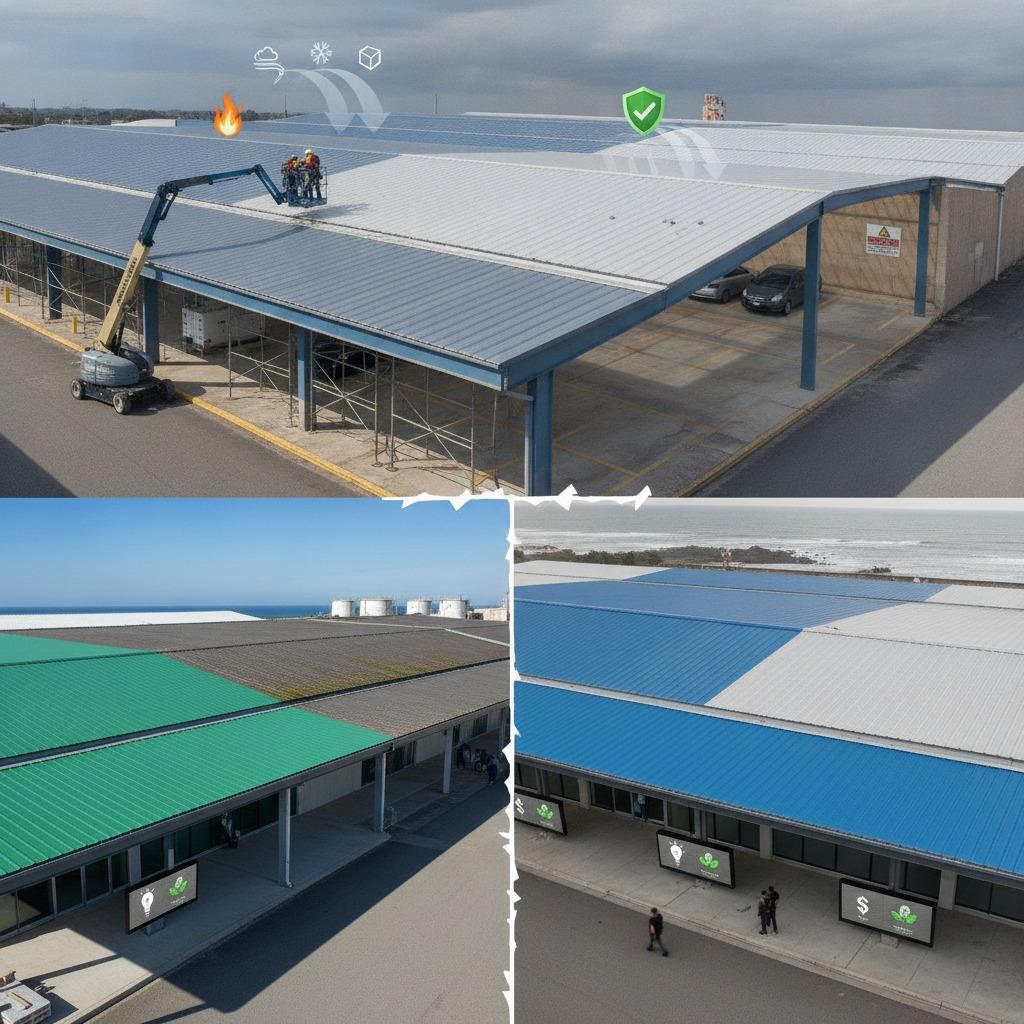
That matters especially in coastal areas, agricultural sites, chemical storage zones, and buildings with frequent temperature swings. A roof may not fail dramatically; more often it slowly loses appearance, stiffness, or sealing performance. That gradual decline is what buyers want to avoid.
Key performance points to compare
Weathering and sunlight
Any resin-based roof product should be checked for how it handles long exposure to sunlight. UV stability is not just about color retention. Over time, sunlight can also affect surface integrity and the way the panel or tile behaves under stress. If a supplier cannot explain the UV package or outdoor application limits, that is a warning sign worth taking seriously.
Corrosion environment
Unlike metal roofing, a synthetic resin roof tile is often considered where rust is a concern. That does not mean every resin product is suitable for every chemical atmosphere, but the anti-corrosive advantage can be meaningful in damp or aggressive environments. Buyers should still ask what substances, vapors, or washdown conditions the material is meant to tolerate.
Weight and installation
Lightweight roofing can lower the burden on the supporting structure and make site work easier. That can be valuable on retrofit projects, where the existing frame may have limited reserve capacity. In practice, lighter components also reduce handling strain and can speed installation, though the final result still depends on proper fasteners, overlaps, and detailing around edges and penetrations.
Selection criteria that are easy to overlook
The most common mistake is treating roofing as a simple commodity. It rarely is. Two products that look similar may behave very differently once exposed to wind uplift, thermal cycling, or standing moisture. Buyers should ask for the intended application, recommended support spacing, and any installation constraints. If the roof will cover a noisy production area, acoustic performance may matter too, even if it is not the first line item on the RFQ.
Another practical point: appearance can drift over time. Some fading is normal in outdoor materials, but the question is how quickly that change happens and whether it affects the owner’s acceptance of the building. A roof that performs mechanically but looks tired in a short period can still create complaints.
Where this material makes sense
Synthetic resin roofing is often considered for agricultural structures, storage buildings, covered walkways, and light industrial facilities. It can also be useful in retrofit work where reducing roof weight is valuable. The product is less about prestige and more about solving a set of functional problems without overcomplicating the project.
For sourcing managers, the buying decision should focus on environment, load requirements, and installation reality rather than on brochure language. A sensible spec will usually outperform an attractive one.
Practical buyer advice before placing an order
Ask for material composition details, outdoor exposure guidance, and installation recommendations in writing. Confirm whether the roof tile is intended for direct sun, humid air, or corrosive settings. If the supplier only offers vague claims about durability, keep digging. Good roofing products come with specific application boundaries; that is a sign of maturity, not weakness.
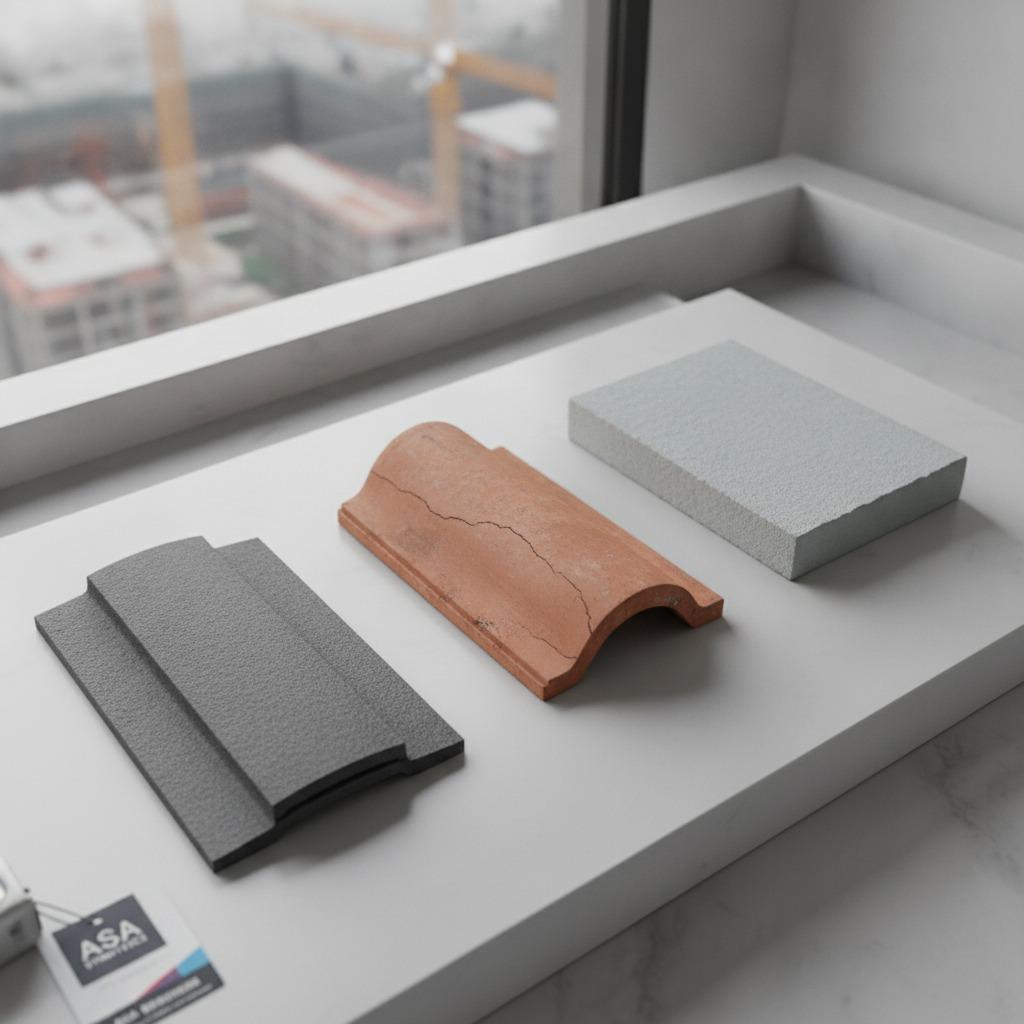
If you are comparing a synthetic resin roof tile against metal or other composites, look beyond unit price. Roof life, maintenance, structure weight, and replacement risk tend to matter more than the first invoice.
A simple next step
Start with the building environment, then match the roofing material to that environment. Once that is clear, the shortlist becomes much smaller and the purchasing decision becomes far less painful.