Why buyers look for a PVC hollow roof tile factory in the first place
When contractors, distributors, or project buyers start comparing roofing options, the search for a pvc hollow roof tile factory usually comes down to one thing: they want a roofing product that is lighter to handle, easier to install, and more practical for certain building envelopes than traditional heavy materials. That search is not just about price. It is about whether the supplier can deliver consistent profiles, stable material performance, and enough production capacity to keep a project moving.
PVC hollow roof tiles sit in an interesting middle ground. They are not trying to imitate ceramic tile in every respect, and they are not the same as metal roofing either. Their value is often in the balance of weight, weather resistance, installation speed, and cost control. For buyers, the decision is less about finding “the cheapest roof” and more about finding a product line that fits the structure, climate, and project schedule without causing avoidable headaches later.
What PVC hollow roof tiles are meant to solve
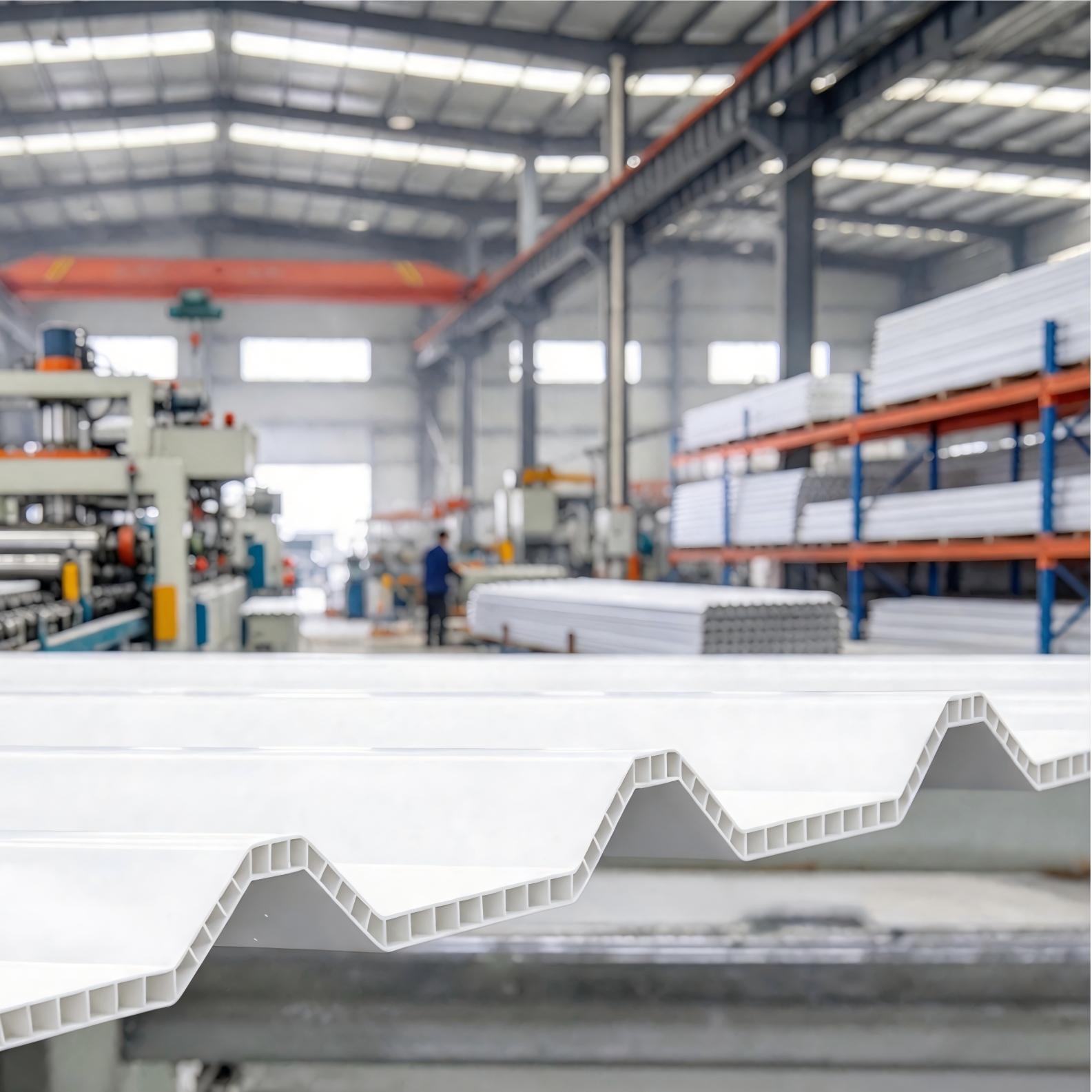
A hollow-profile PVC roof tile is designed to reduce dead load while maintaining a roof covering that performs well in practical, everyday use. The hollow structure can help lower material consumption and may improve handling on site. That matters on projects where labor is tight, roof framing is sensitive to load, or installation speed affects overall cost.
For many buyers, the attraction is straightforward: less weight often means simpler transport, easier lifting, and fewer structural concerns. But the useful question is not whether the product is light. It is whether the tile is built for the actual service conditions of the building. Sun exposure, wind, rain, thermal movement, and installation method all affect whether the roof feels like a smart buy or a maintenance problem waiting to happen.
How a factory should be evaluated, not just the product
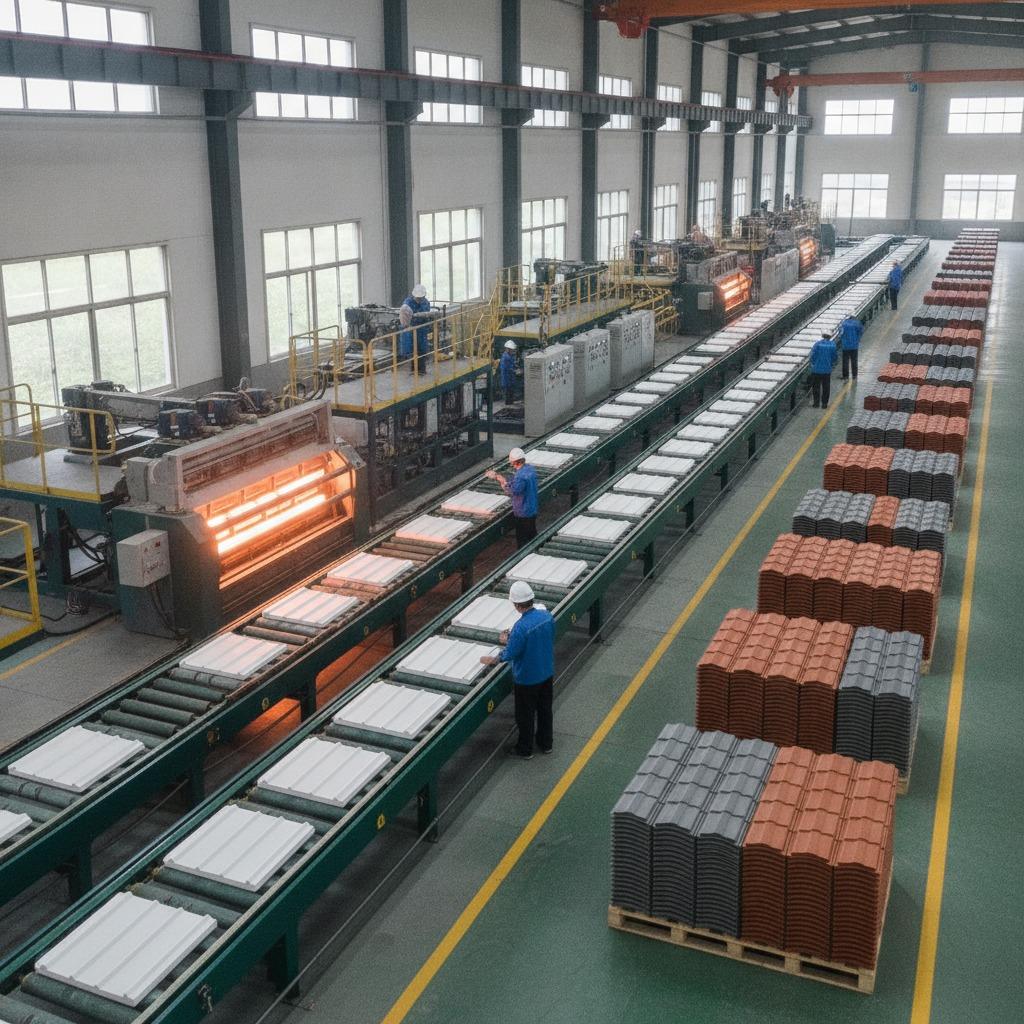
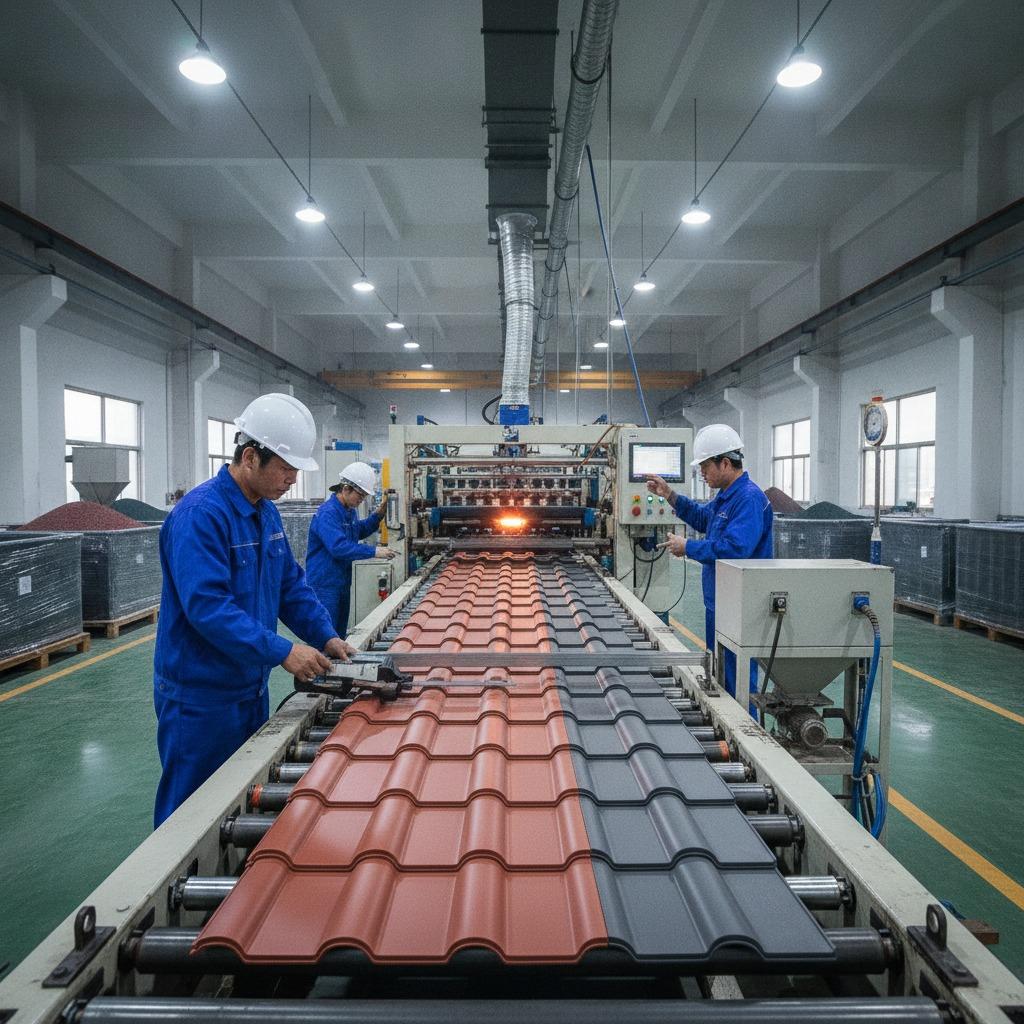
A pvc hollow roof tile factory should be judged on more than a sample tile and a sales sheet. Buyers should look closely at process control, raw material consistency, profile accuracy, and how the factory manages batch-to-batch variation. In roofing, small changes in thickness, geometry, or surface finish can create real issues during installation.
A practical buyer will ask:
What resin system is used, and is the formulation suited to outdoor exposure?
How is dimensional consistency maintained across production runs?
Does the factory provide clear installation guidance for overlapping, fastening, and expansion allowance?
Can the supplier support color matching or product continuity if a project is phased?
Those questions may sound basic, but they are exactly where sourcing decisions are won or lost. A polished brochure tells you very little about long-term reliability.
Why production stability matters more than marketing claims
Roof tiles are installed in visible, repetitive sequences. If one batch behaves differently from the next, the problem becomes obvious very quickly. Misaligned overlaps, inconsistent locking, or uneven appearance can slow crews down and raise complaint risk. That is why factory discipline matters so much in this category.
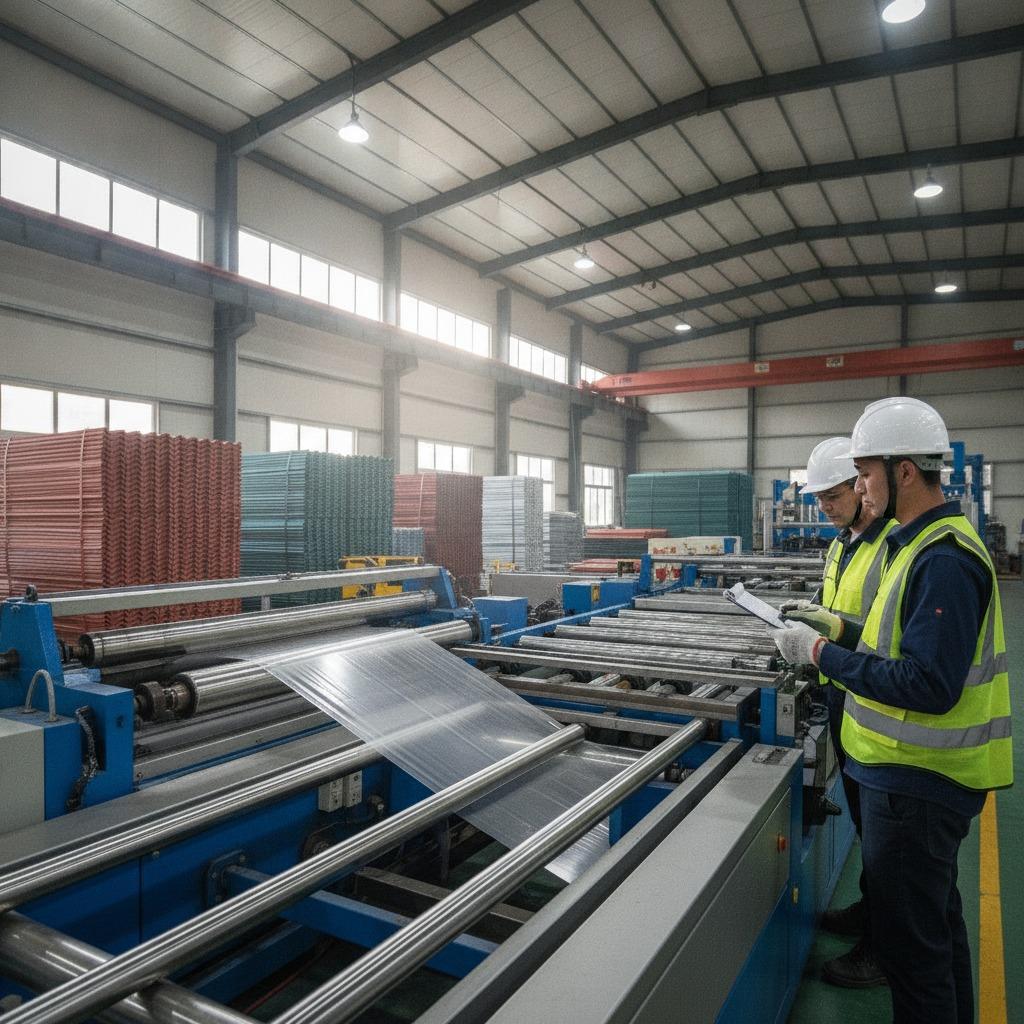
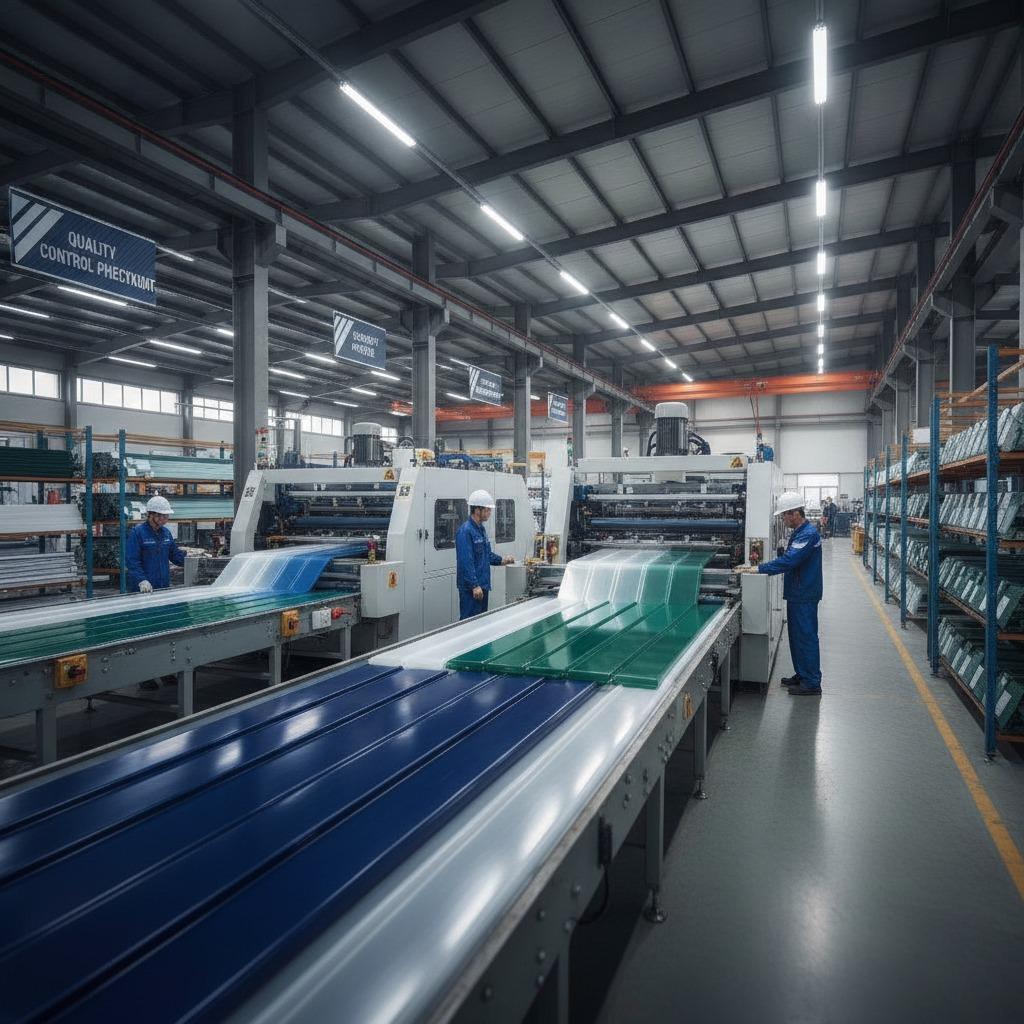
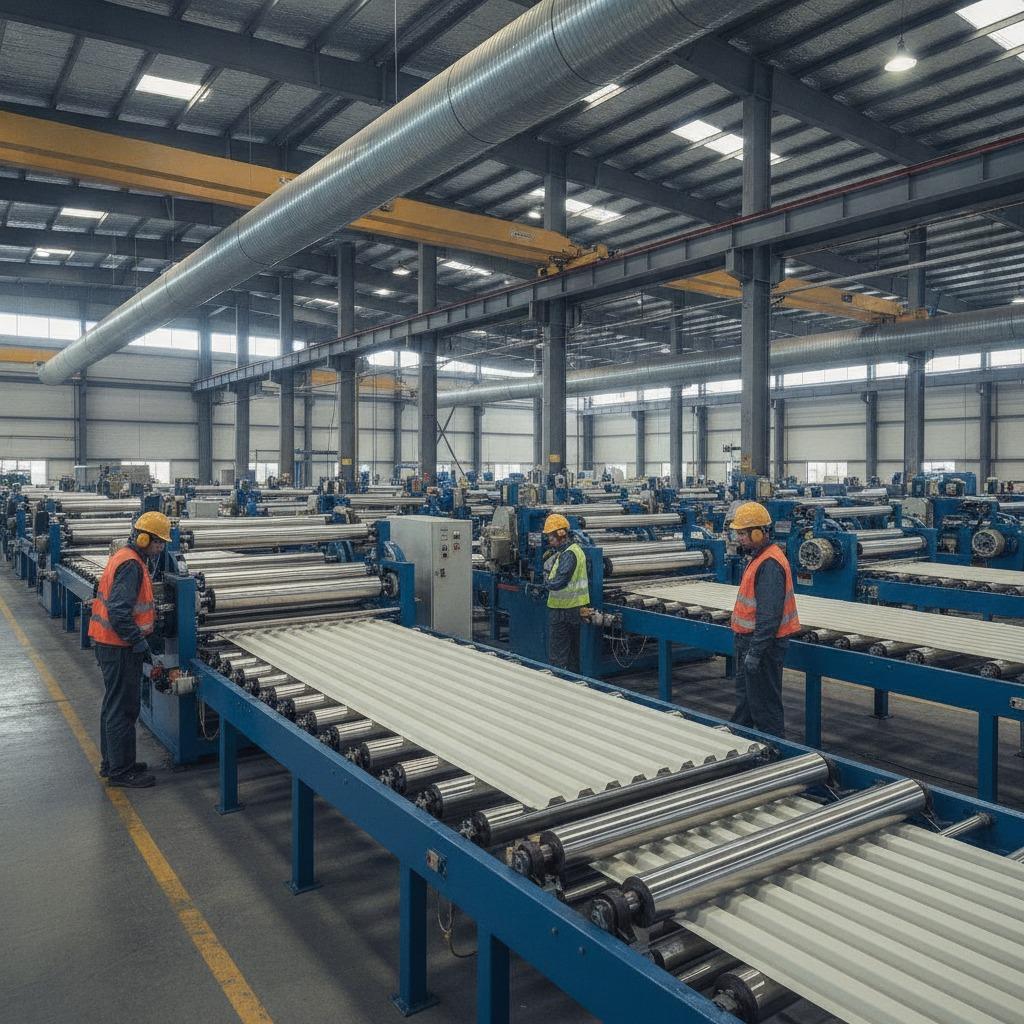
A dependable supplier should be able to explain how they monitor extrusion quality, what inspections happen before shipment, and how they handle rejected material. Buyers do not need laboratory theatrics. They need evidence that the factory can make the same useful product repeatedly.
Selection criteria that actually help sourcing teams
The best purchase decisions usually come from matching product characteristics to the project, not from chasing one universal “best” tile. Start with the roof geometry. Steeper roofs, longer spans, and exposed locations can create different demands. Then consider climate, UV intensity, and local installation habits.
It also helps to think about the crew that will install the material. A product that is theoretically sound but awkward on site can cost more in labor than it saves in materials. That is a common mistake: buyers focus on unit price and ignore the real installation cost.
A second mistake is treating every PVC roof product as interchangeable. Formulation, profile design, and hollow structure can vary enough to change performance. Another small but important caution: if the project is in a high-wind or high-heat area, do not rely on assumptions. Ask for product suitability in plain language and verify it against the site conditions.
What a good buyer-supplier conversation should cover
A serious sourcing discussion should move beyond “Can you make it?” and into “Can you make it consistently for this application?” That is the difference between buying a commodity and buying something fit for purpose.
Useful topics include packaging for long-distance transport, handling instructions to reduce breakage, compatibility with accessories, and whether the factory can support repeat orders without shifting the product appearance or profile. Even a small change in tooling or raw material sourcing can matter when the roof area is large.
FAQ buyers tend to ask
Is PVC hollow roof tile suitable for all buildings?
No. It is a practical option for many projects, but suitability depends on roof design, climate, and structural requirements.
Is a hollow profile always better than a solid one?
Not automatically. Hollow structure can reduce weight and material use, but buyers still need to confirm strength, durability, and installation behavior.
What should I request from a factory before placing an order?
Ask for product specifications, installation guidance, batch consistency information, and clear communication on packaging and delivery expectations.
A sensible next step
If you are comparing suppliers, build your shortlist around factories that can explain their production process clearly and back up their product claims with practical details. For roofing products, that kind of transparency is usually worth more than a low quote. The right pvc hollow roof tile factory should help you reduce risk, not add another layer of uncertainty to the job.