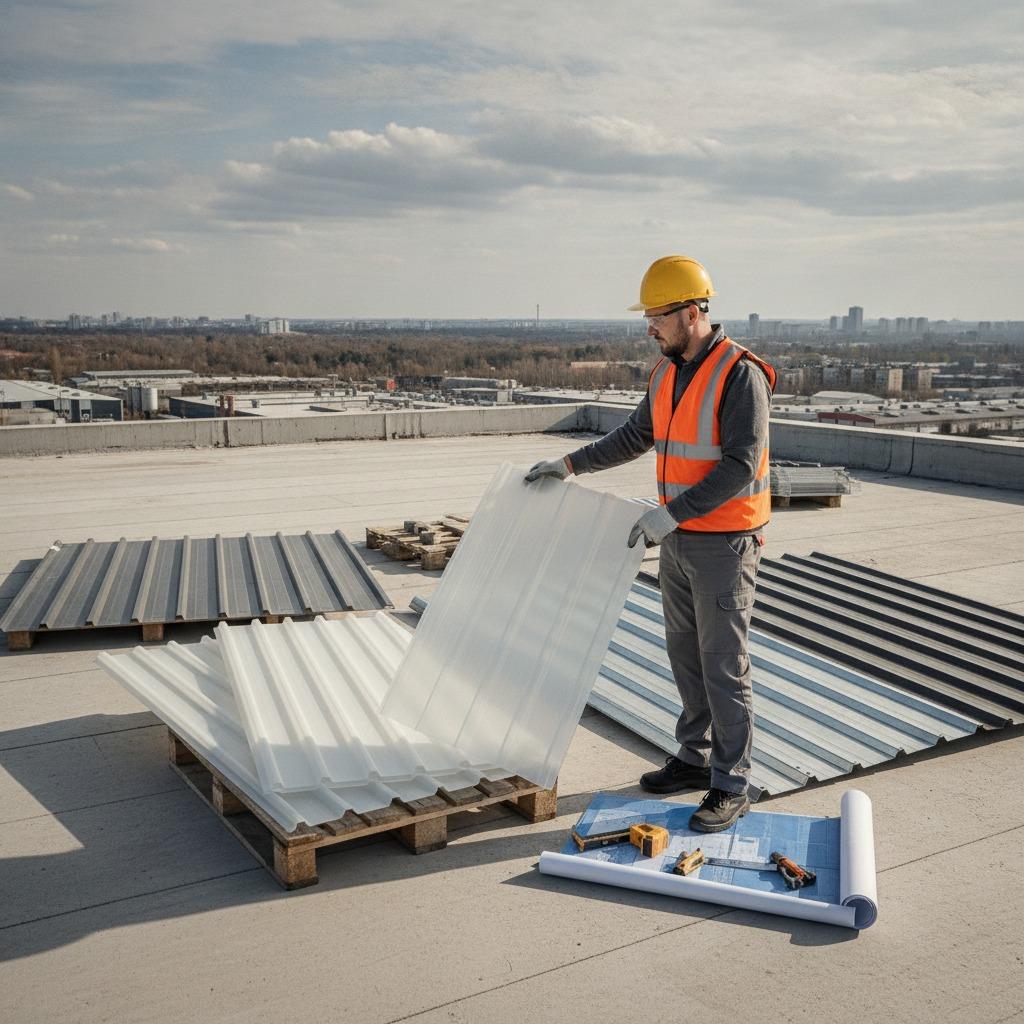
What a PVC Roof Is, and Why Buyers Keep Asking About It
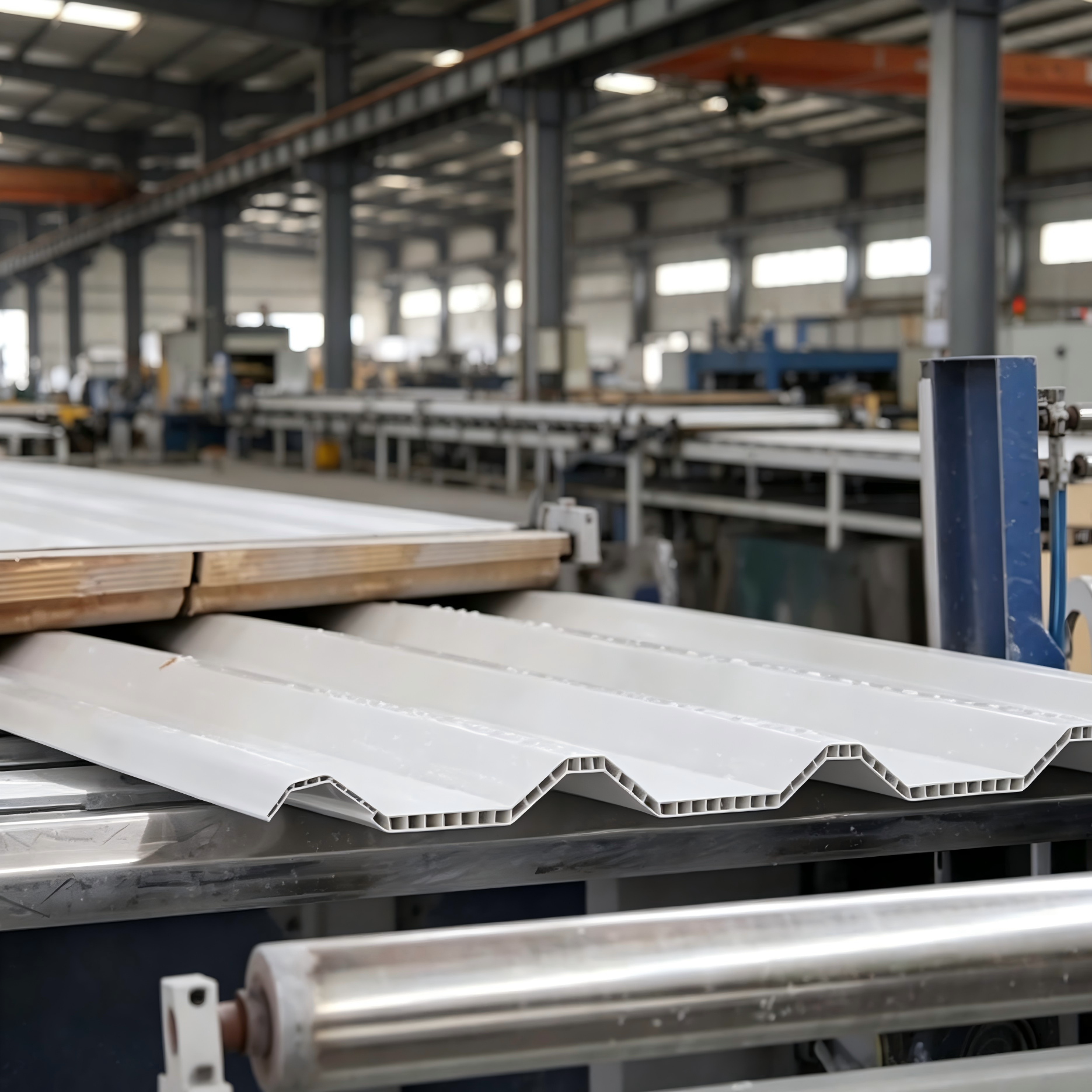
A PVC roof is usually chosen when a project needs a lightweight, weather-resistant covering that is easier to handle than many traditional roof materials. In practice, buyers often compare PVC roofing with other synthetic options because they want a roof that can cope with rain, sun exposure, and routine installation without turning the job into a structural headache. That matters whether you are sourcing for housing, light commercial work, or a refurbishment where weight and speed both affect the final decision.
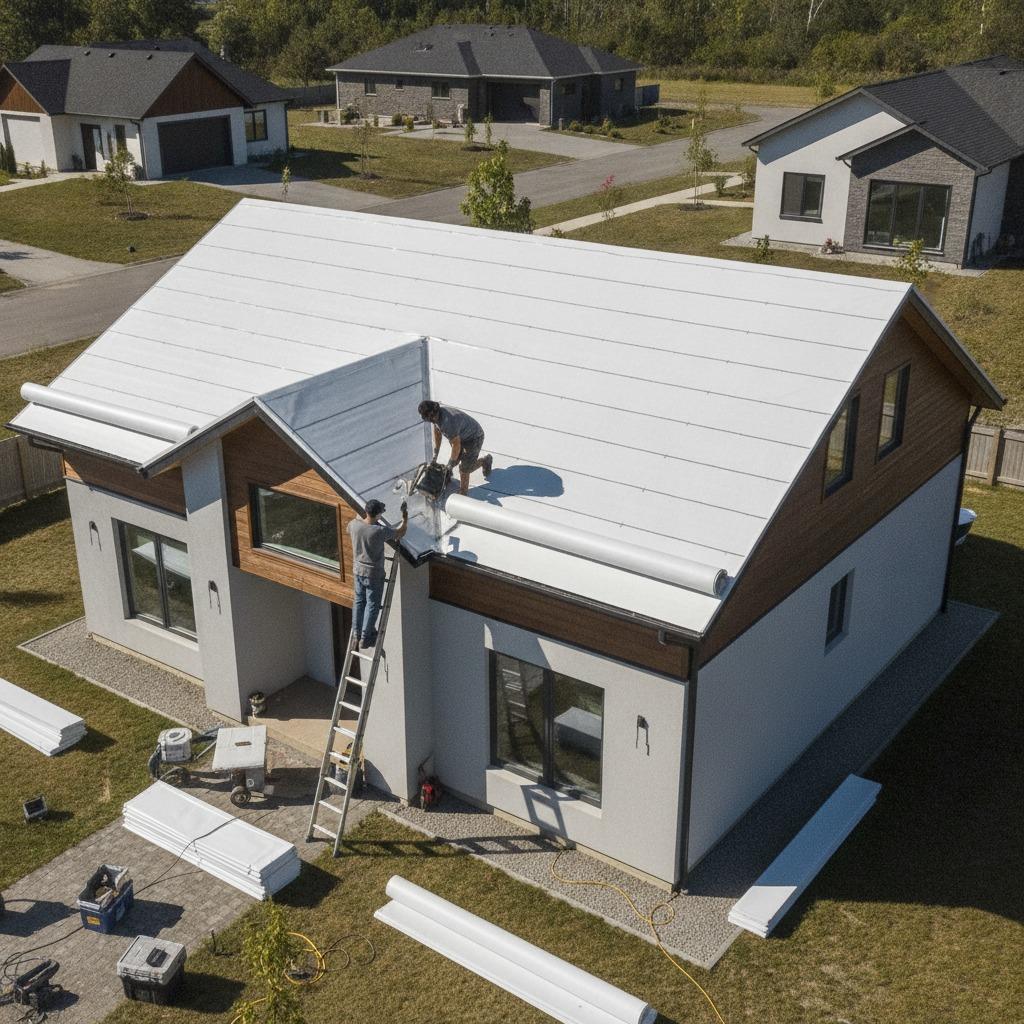
The real question is not simply whether PVC roofing works. It is where it works best, what supporting structure it needs, and how the chosen profile affects installation and long-term maintenance. Those are the points that separate a sensible purchase from a costly mismatch.
Start With the Application, Not the Material
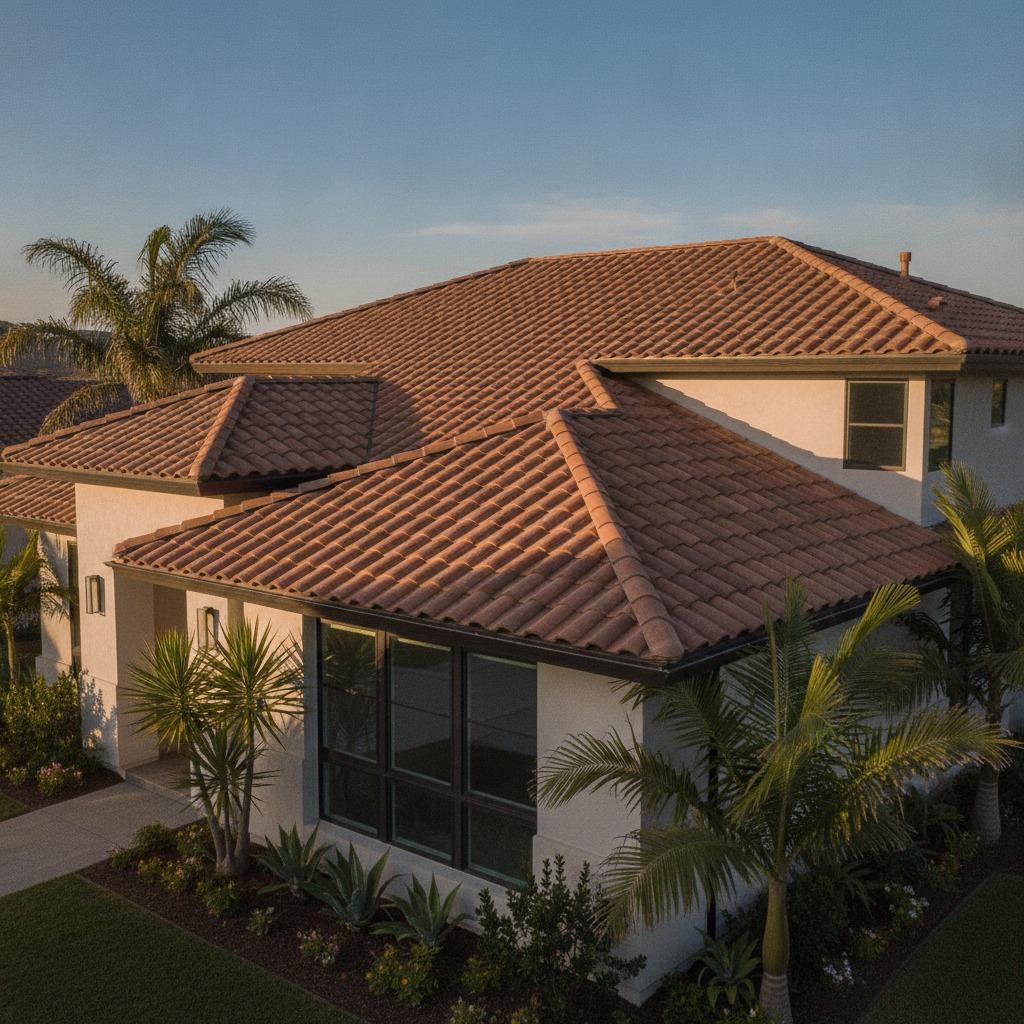
Before you compare products, define the roof’s job. Is it for decorative residential use, a utility building, a workshop, or a project that needs a tile-like appearance? A pvc roof tile may suit one project better than a flat panel system, while PVC roofing tiles can be more attractive where appearance matters alongside weather protection.
Buyers sometimes fixate on the material name and overlook the system around it. That is a mistake. Roof slope, local climate, fastening method, and the underlying deck all affect performance. A product that looks ideal on paper can become difficult if it is not matched to the structure underneath.
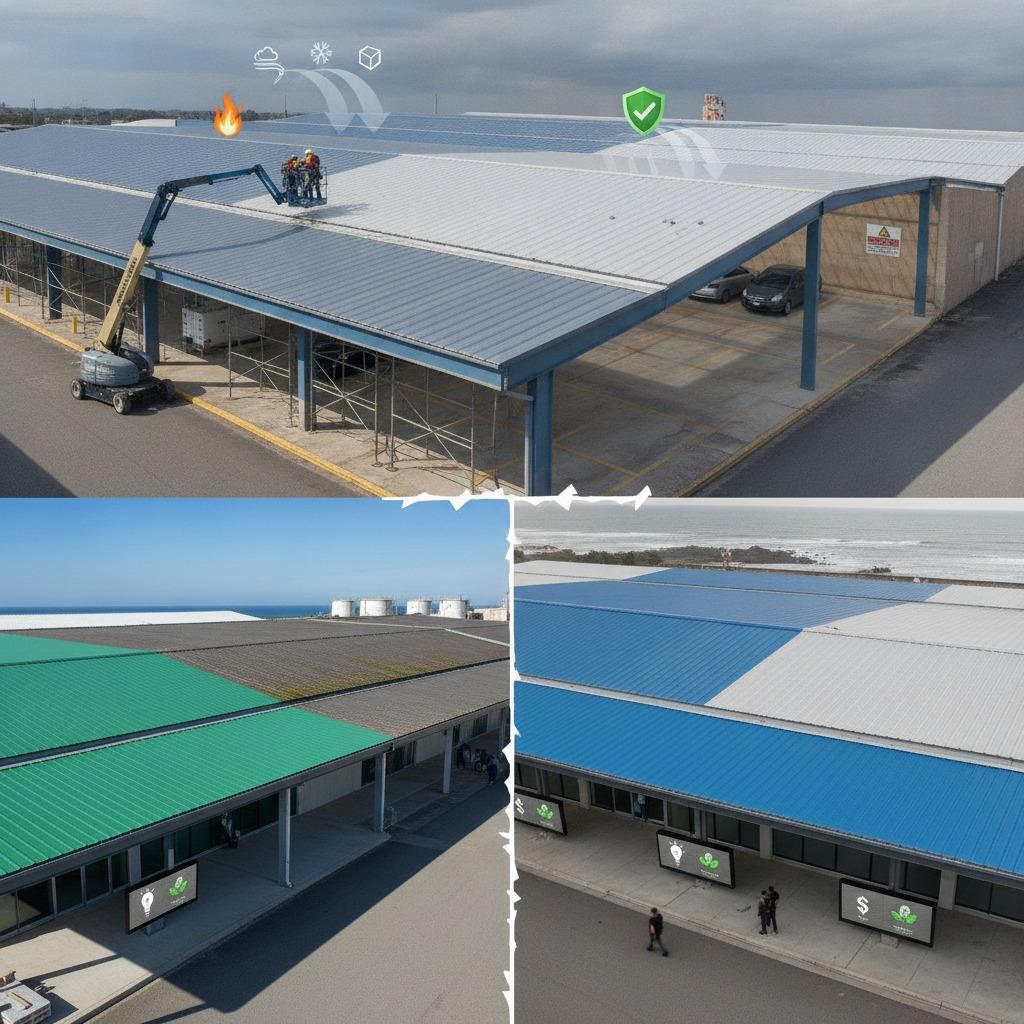
Compare the Main Synthetic Roof Options
PVC Roofing Versus Tile-Look Products
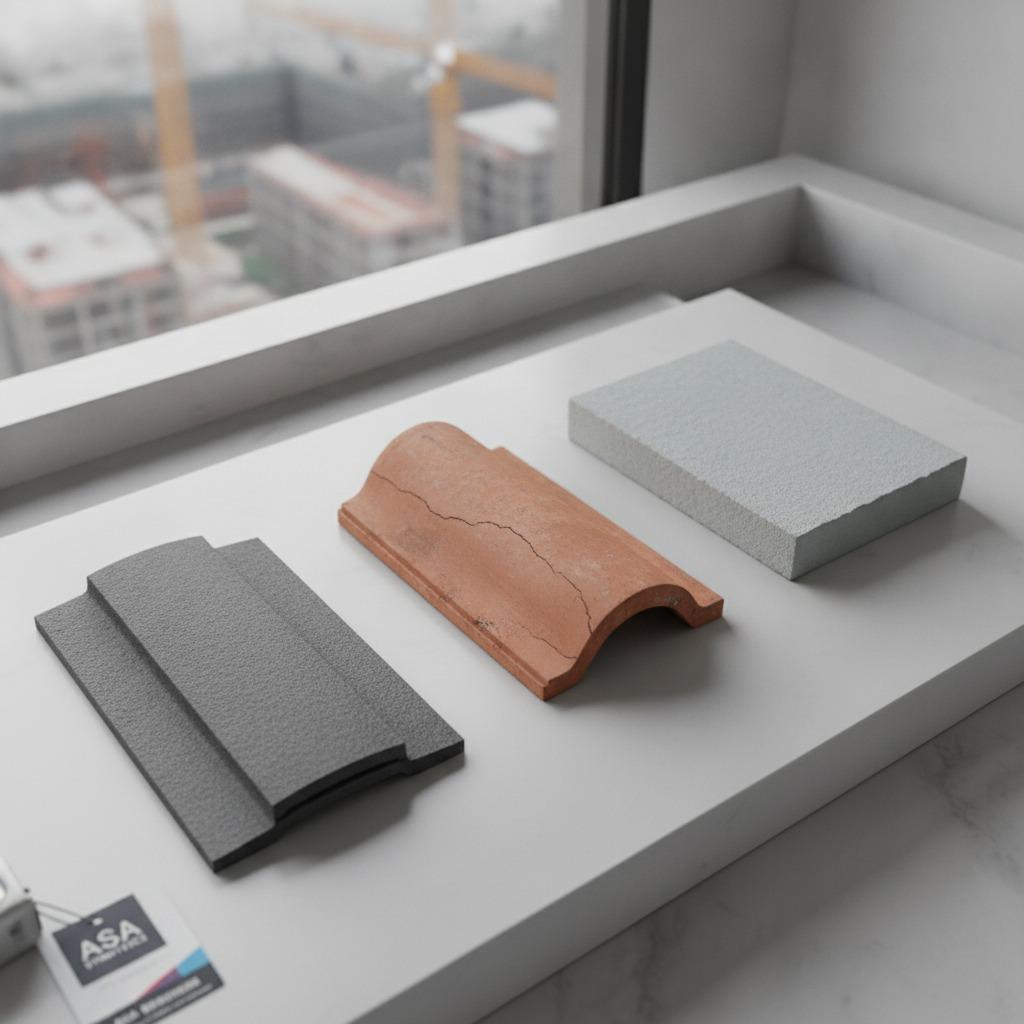
For projects that want a classic roof profile without the mass of clay or concrete, tile-shaped synthetic products are often considered. An ASA PVC roof tile is one example of a multi-layer approach used in some markets, where a weatherable outer layer is paired with a PVC-based body. That kind of design is typically chosen to improve outdoor durability and keep the appearance stable over time. An ASA synthetic roof tile may appeal to buyers who want the look of traditional roofing with a lighter structural load.
Still, appearance is only part of the equation. Ask how the material handles expansion, fastening, and exposure. A product that is easy to specify but difficult to install can quickly erase the savings.
A Practical Selection Process for Buyers
When choosing a PVC roof system, work through the decision in order:
First, confirm the roof structure can support the intended covering. Lightweight does not mean structure-free.
Second, decide whether the priority is appearance, speed of installation, or durability under local weather conditions. One product rarely wins every category.
Third, check compatibility with accessories such as ridge pieces, fasteners, and edge details. A roof is only as good as its weakest junction.
Fourth, ask for clear installation guidance. Buyers often overlook this, but a good instruction sheet can save more time than a small price difference.
Common Mistakes to Avoid
The most common error is treating all PVC roofing as interchangeable. Profiles vary, surface finishes vary, and the way a roof sheds water varies as well. Another frequent issue is specifying based on appearance alone. A pretty roof that cannot be installed correctly is just a future complaint.
There is also a tendency to under-specify the supporting details. If your team is buying roofing for a new build, it helps to confirm how the product will be fixed, ventilated, and finished at the edges before purchase, not after the first delivery.
What Engineers and Sourcing Teams Should Ask Suppliers
Ask for the product’s intended use, the available profiles, and whether the roof is designed more for decorative or structural performance. If you are comparing pvc roof tile options with ASA PVC roof tile or ASA synthetic roof tile formats, request clear information on the layer structure and recommended application. If those details are vague, treat that as a warning sign rather than a minor sales gap.
It also helps to ask how the product behaves during installation and what accessories are required. Roof systems fail at the edges, around penetrations, and at the points where different trades meet. That is where sourcing decisions become real.
Next Step
If you are planning a new project or updating an existing specification, build the selection around the roof’s purpose, structure, and installation method. That is the fastest way to narrow the field and avoid buying a PVC roofing product that looks suitable but does not fit the job.