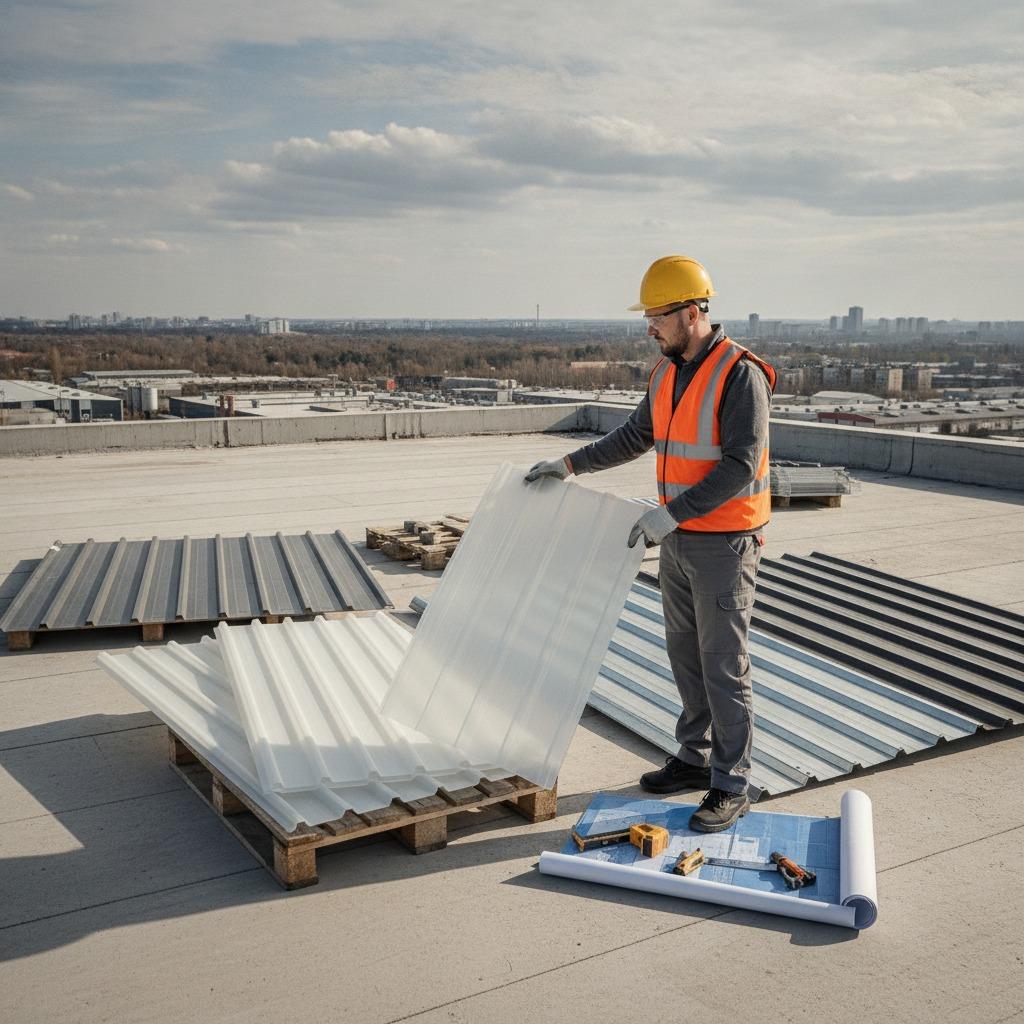
Why a PVC roof panel still shows up in serious factory projects
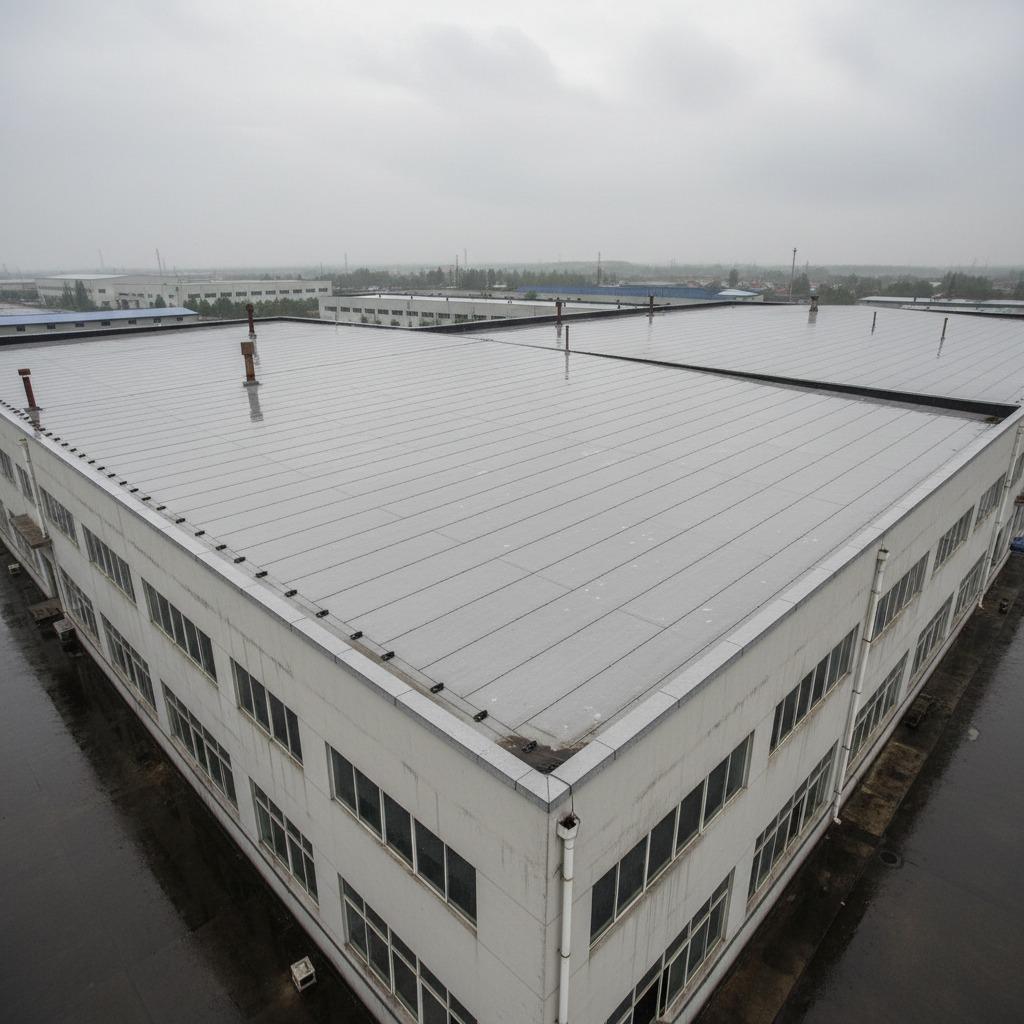
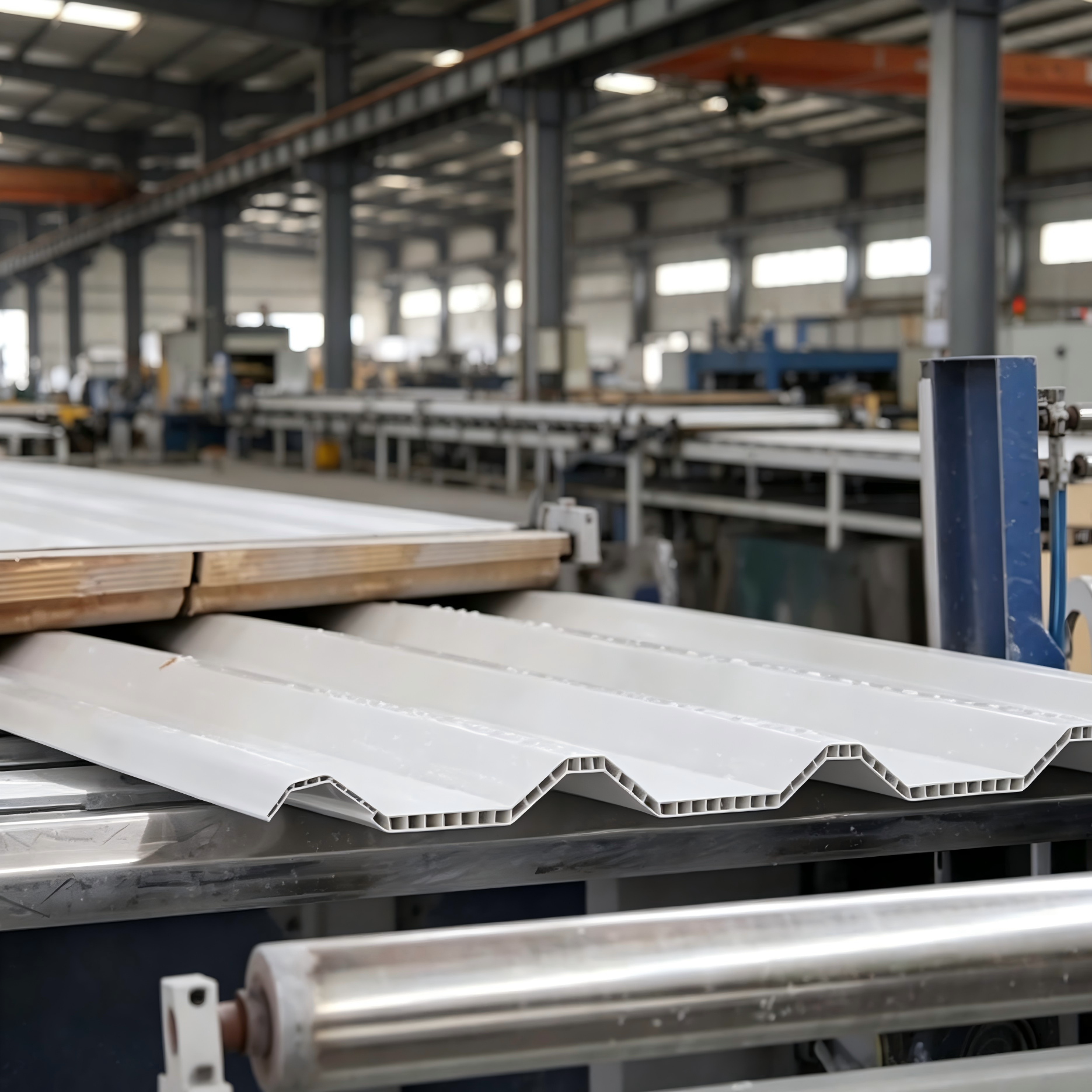
A PVC roof panel is not the flashiest material in the building envelope market, but it keeps earning a place on spec sheets for one simple reason: it solves a practical problem. When a roof must handle moisture, chemical exposure, or coastal air, many conventional materials start to look expensive over time. That is where a PVC roofing panel often gets considered—not as a universal answer, but as a sensible option for sheds, workshops, processing areas, and light industrial buildings where durability matters more than architectural drama.
For sourcing managers and project engineers, the real question is not whether the panel looks good on day one. It is whether it stays serviceable after repeated exposure to weather, splash, vapors, and routine maintenance traffic. In that sense, the buyer is comparing service life, corrosion resistance, installation effort, and replacement risk, not just sheet price.
What the material is usually bought for
In practice, buyers tend to look at PVC roof panel options when metal roofing creates concerns about rust or chemical attack. The anti-corrosive appeal is the main draw. That said, “anti-corrosive” is a useful shorthand, not a blanket guarantee. The exact performance depends on formulation, thickness, support structure, fastening method, and the actual environment the roof will face.
A good procurement decision here is often made by asking a few grounded questions: Will the roof sit over a wet process area? Is the building near salt air? Will cleaning chemicals or airborne fumes be present? If the answer is yes, the case for a PVC roofing panel becomes stronger.
How buyers should compare options
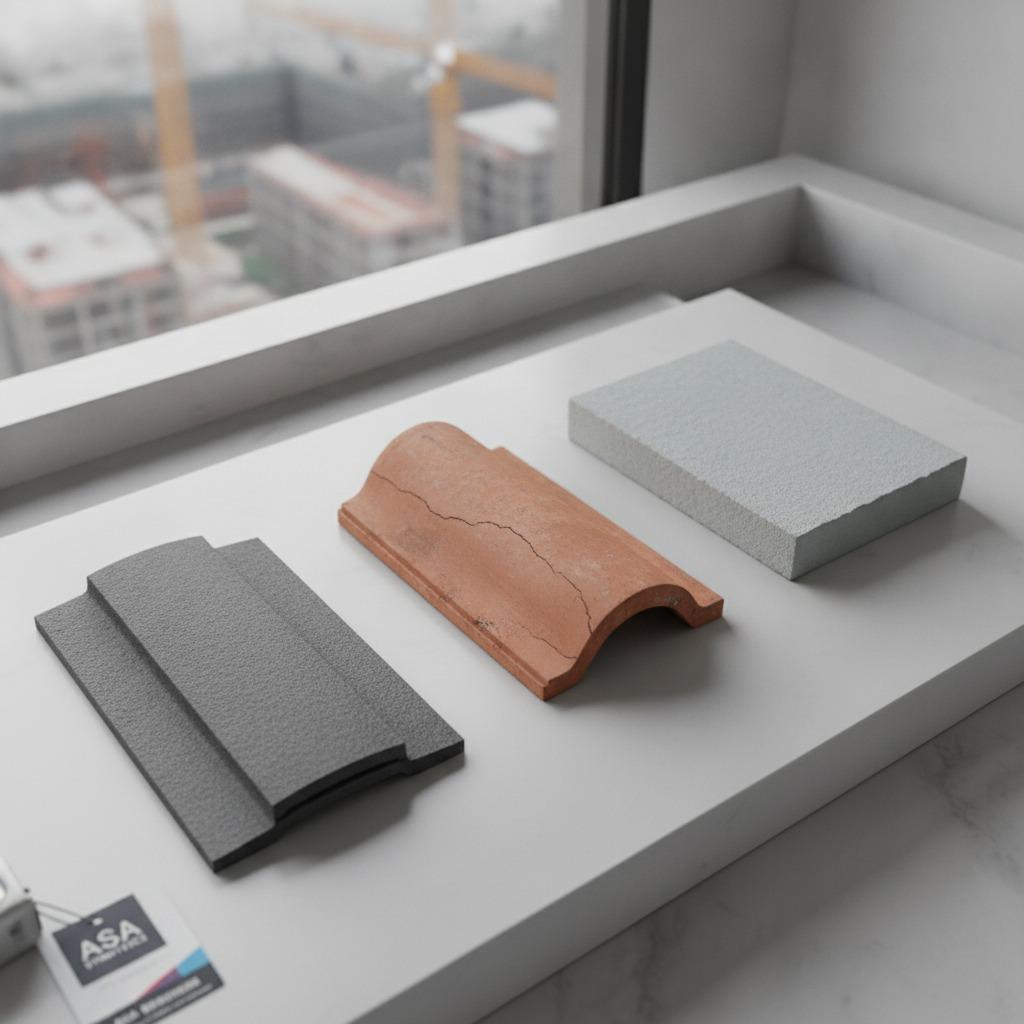
The easiest mistake is to compare only by surface appearance. That rarely ends well. A roof panel should be judged as part of a system.
1. Environmental exposure
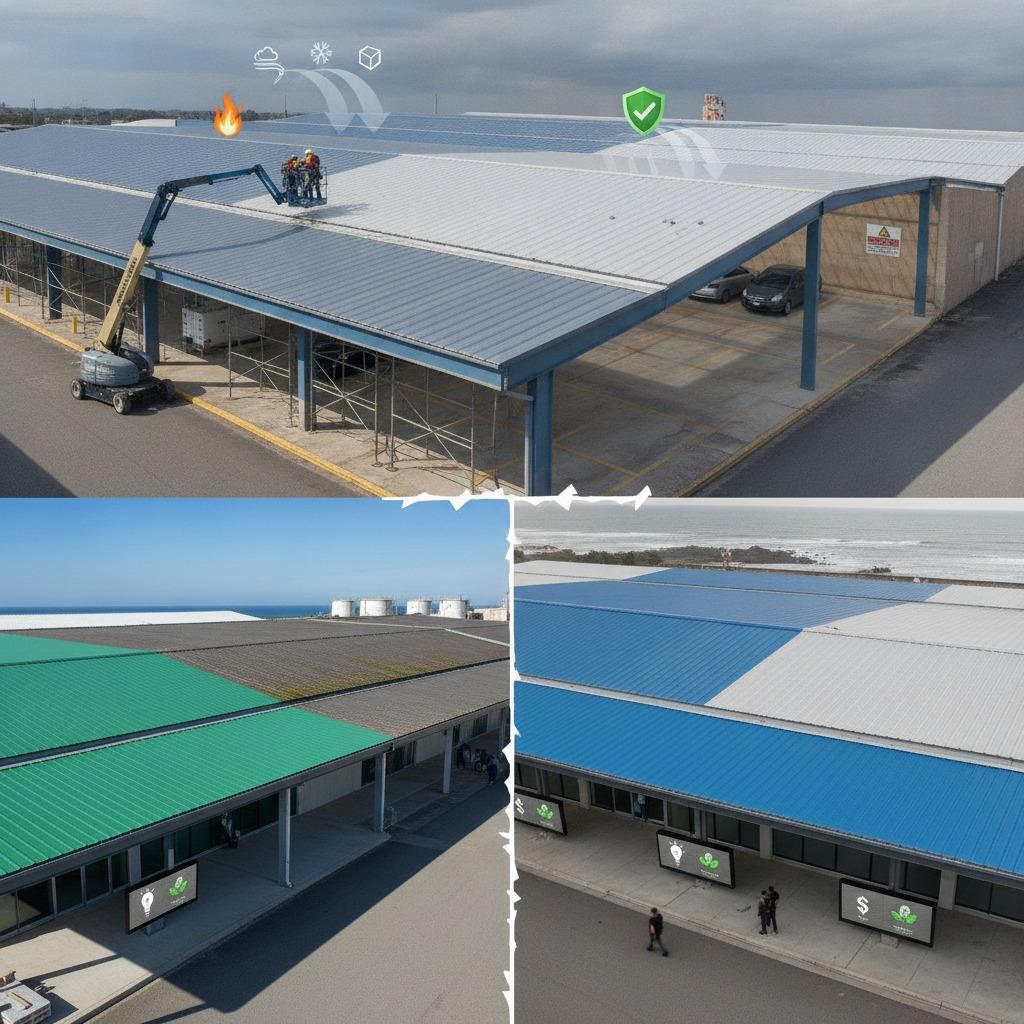
If the building is in a humid inland site, the need may be modest. If it is coastal or exposed to industrial vapors, material resistance becomes much more important.
2. Structural demands
Panels still need proper support spacing and fastening. A product that resists chemicals but flexes too much under wind load is not a bargain.
3. Maintenance reality
Some buyers want a roof that can be cleaned without fuss. That matters, especially where dust, residue, or washdown routines are common.
4. Installation fit
The right panel is the one the contractor can actually install correctly on schedule. A theoretically strong material loses value if details are awkward or crews are unfamiliar with it.
Common buying mistakes
One recurring problem is assuming all PVC roof panel products behave the same. They do not. Another is specifying for corrosion resistance but ignoring heat, UV exposure, or load conditions. I have seen teams overfocus on a single feature and then discover the roof needs more support, different accessories, or a revised fixing pattern. That is the kind of mistake that usually costs more to correct later than it would have cost to specify properly at the start.
Practical advice before you order
Ask suppliers for the exact application range they recommend, and make them describe the limits, not just the advantages. If the seller cannot explain where the panel should not be used, that is a small warning sign. Also, coordinate roofing material with the rest of the building envelope. Gutters, fasteners, and flashing details matter more than people admit in the bid stage.
What decision this article should help you make
If you are choosing between conventional roofing and a PVC roofing panel, the real decision is whether the building’s exposure profile justifies the switch. For moisture-heavy or anti-corrosive applications, the answer is often yes. For dry, low-risk structures, another material may be simpler and more economical.
If you are preparing a short list, start with the environment, then the structure, then the installation plan. That order usually saves time, and it avoids the familiar trap of buying a roof by catalog image instead of by operating conditions.