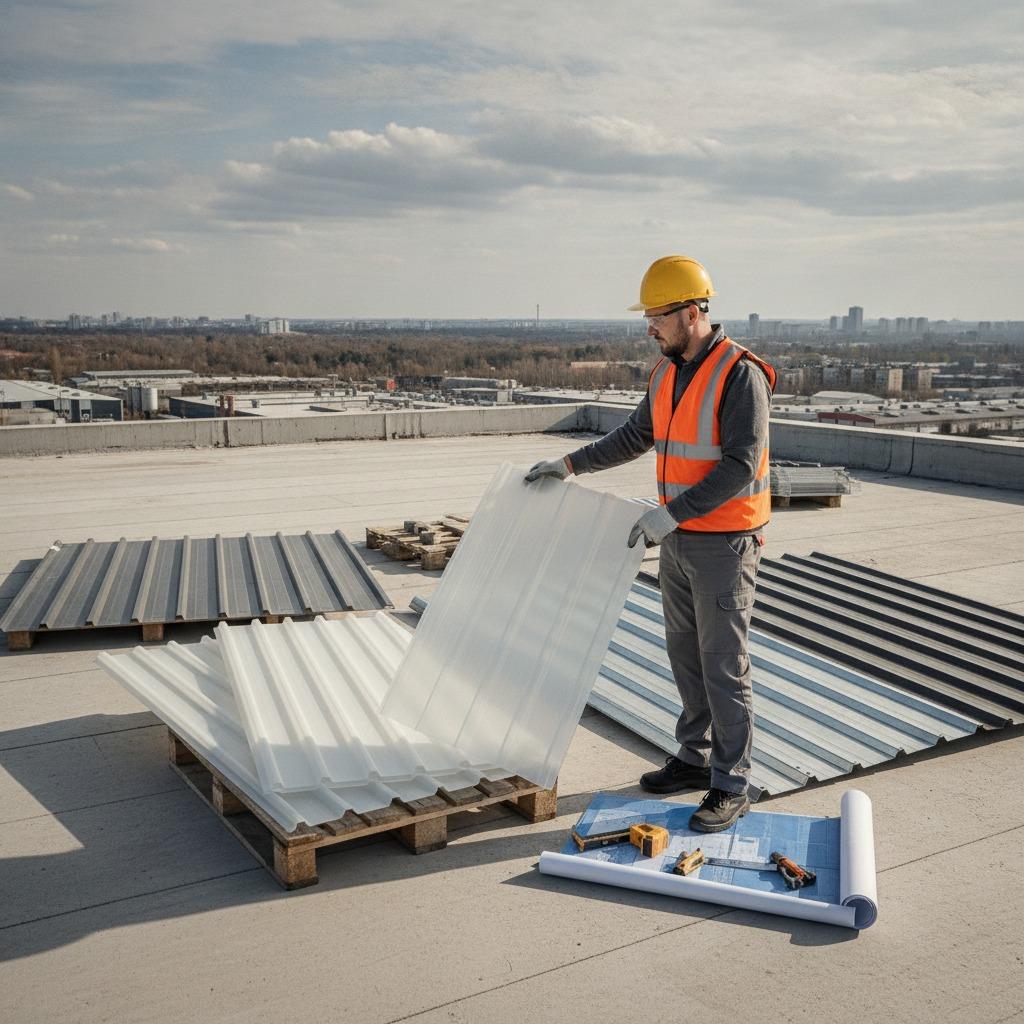
Why buyers keep coming back to a pvc roof panel
A pvc roof panel often gets specified only after a building has already been leaking, overheating, or costing too much to keep dry. That is usually when the conversation changes from what looks cheapest on paper to what will actually hold up on the roof. For sourcing teams and project managers, the real question is not whether a panel is plastic or metal. It is whether the roof system can manage weather, light, moisture, and maintenance without turning every season into a repair cycle.
I have seen this come up on small workshops, enclosed walkways, farm structures, and light industrial additions. In each case, the buyer was trying to solve a different problem. One wanted daylight without the fragility of glass. Another wanted something lighter than conventional cladding. A third needed a roof surface that would not rust in a damp environment. That is where a PVC roofing panel starts to make sense. It is not magic, and it is not right for every span or climate, but it gives planners a practical middle ground when the roof has to do more than simply keep rain out.
What the material is really being asked to do
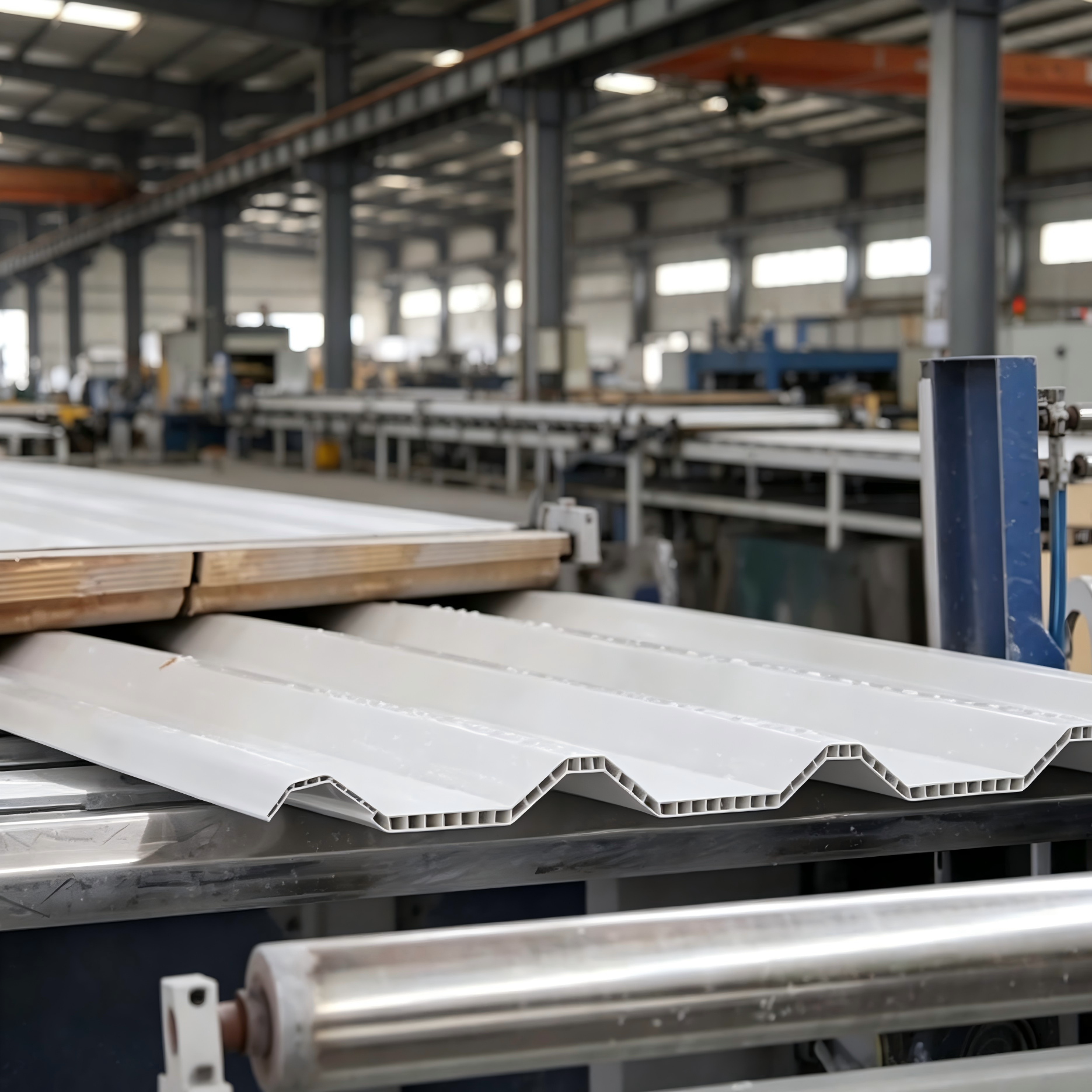
At a basic level, PVC roof panel products are chosen for a mix of weather resistance, light transmission options, and relatively straightforward installation. Depending on the profile and thickness, they can be used for daylighting, protective coverings, or full roof areas where the load demands are moderate. The appeal is simple: you get a lightweight panel that is easier to handle than many traditional roofing materials, and you can often reduce structural demands at the same time.
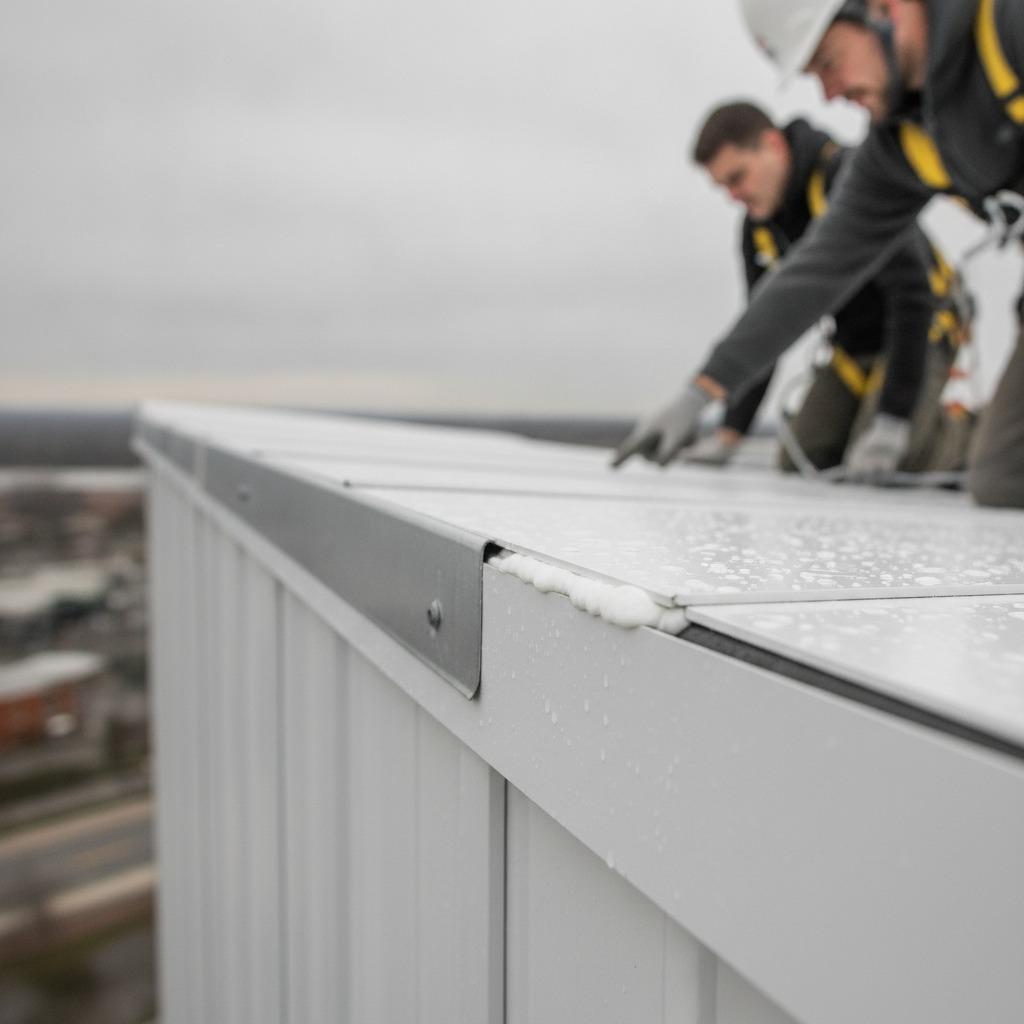
That said, the roof is still a system. The panel is only one part of it. Fasteners, overlaps, support spacing, sealants, and thermal movement all matter. Buyers who focus only on sheet price tend to discover the hard way that small installation details decide whether the roof performs well or starts to weep at the joints.
Where a pvc roof panel tends to fit best
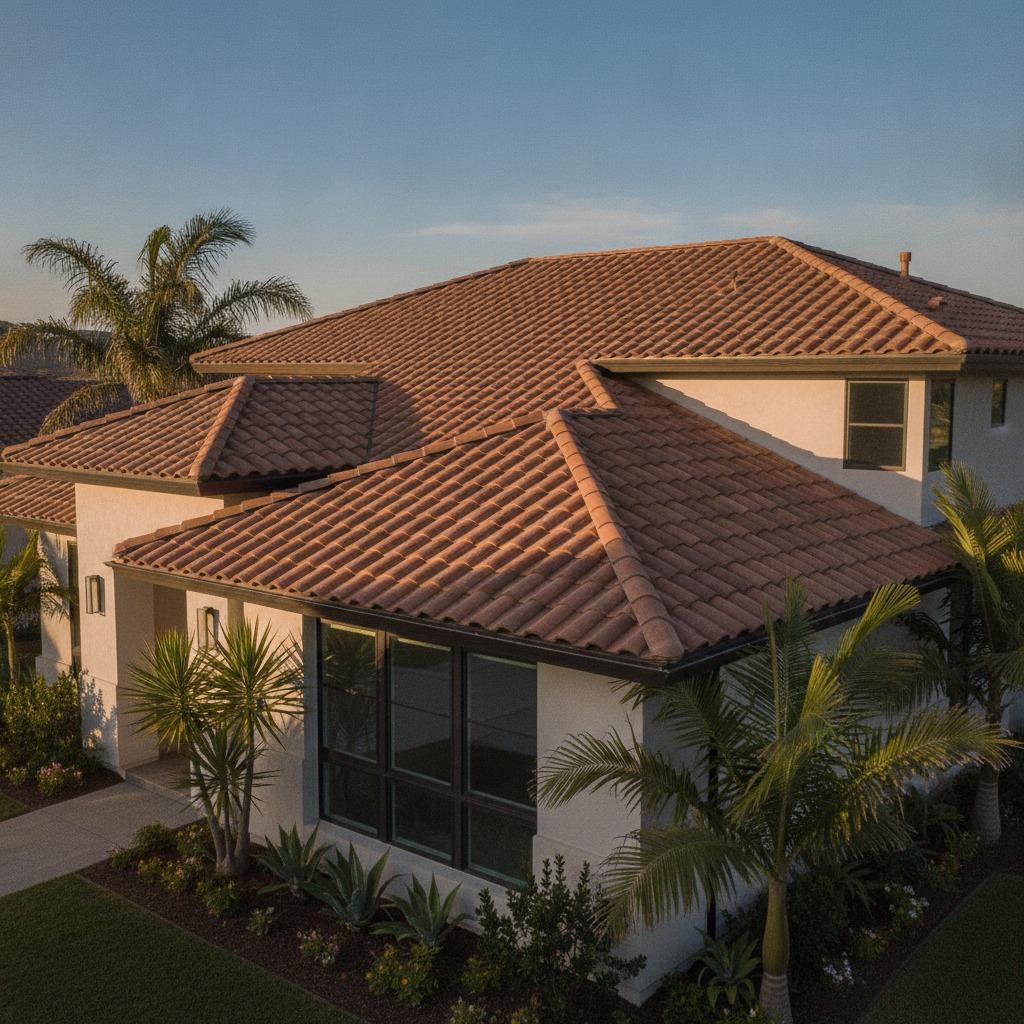
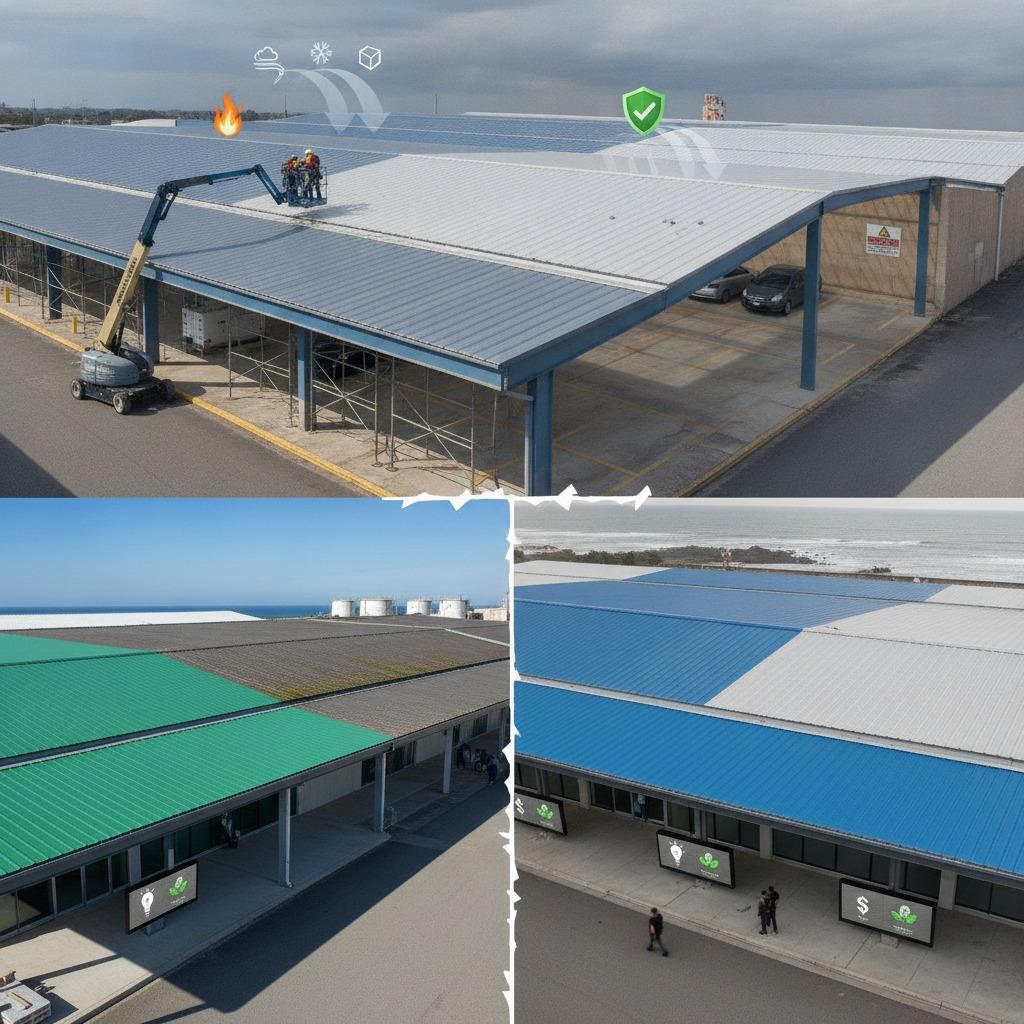
In practice, these panels are often considered for utility buildings, agricultural enclosures, covered storage, awnings, corridors, and retrofit daylight sections. They can also be useful where corrosion is a concern or where a building needs a lighter roof covering for a secondary structure. If the application involves heavy foot traffic, severe impact, or very high heat, the review gets more cautious and the design should be checked carefully before anyone commits.
Selection criteria that matter in procurement
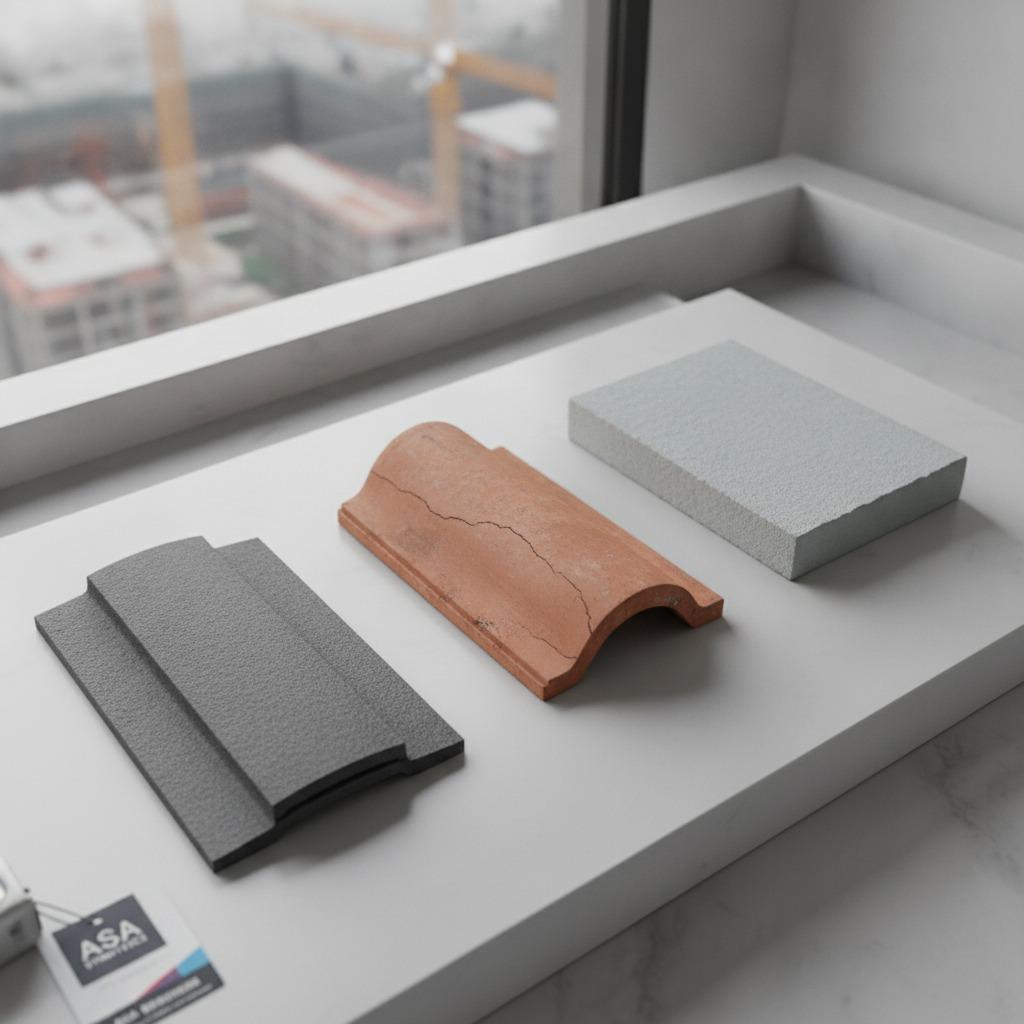
When a team compares roof materials, the first mistake is usually treating every panel as if it performs the same. It does not. The profile, thickness, surface treatment, and installation method change how the roof behaves in service.
Start with the environment. Is the site exposed to strong sun, frequent rain, wind-driven debris, or chemical fumes? Then look at the roof geometry. A steeper pitch sheds water differently from a shallow one, and span spacing can change the panel choice more than people expect. The support structure also matters. A panel that looks fine in a catalog can behave very differently if the framing is inconsistent or the fastener pattern is sloppy.
Also ask how the roof will be used after installation. A light industrial shed with occasional service access is not the same as a production area where maintenance staff may walk on the roof. Even a durable panel can be damaged by repeated point loads. It is a small caution, but an important one: the wrong access habit can ruin a decent installation faster than bad weather.
Common mistakes buyers still make
One frequent error is assuming a lower-cost roof panel saves money if the accessories are ignored. Fasteners, edge trims, closures, and seal materials are not optional extras; they are part of the performance package. Another mistake is mixing expectations. A panel that is selected for daylighting may not be the best choice for full opaque coverage, and a general-purpose sheet may not solve a condensation issue by itself.
Buyers also underestimate lead time for coordination. Roof replacements often touch structural work, drainage, and interior operations. If the panel dimensions are not checked early, the job can stall while everyone waits for a mismatch to be fixed. That delay is usually more expensive than choosing the right specification in the first place.
Practical buyer advice before you place an order
Ask for the panel profile drawing, installation guidance, and recommended support spacing. If your project uses a PVC roofing panel alongside other cladding materials, confirm how the interfaces will be sealed and how thermal expansion will be handled. It is worth checking whether the panel will be used for partial daylighting or full coverage, because that changes the performance conversation entirely.
If you are comparing options from different suppliers, do not stop at surface appearance. Look at consistency of profile, clarity of documentation, and whether the supplier can explain how the panel should be stored and installed. A supplier who gives practical answers about handling and fastening usually understands the product better than one who only talks about price.
FAQ from project teams
Is a pvc roof panel meant for every roof?
No. It works well in many light- to moderate-duty applications, but the final choice depends on structure, climate, span, and service conditions.
Is PVC roofing panel installation straightforward?
Usually yes, but straightforward does not mean careless. Alignment, overlap, and fastening details still decide the result.
What should a buyer prioritize first?
Start with the application, not the catalog. Determine whether the roof needs daylight, corrosion resistance, reduced weight, or simple weather protection, then match the panel to that job.
A sensible next step
If you are sourcing roof materials for a new build or a retrofit, build the shortlist around the real service conditions, not just the initial sheet cost. A pvc roof panel can be a practical choice when the design calls for light weight, usable daylight, and reasonable weather resistance, but the final result depends on the full assembly, not a single sheet in isolation.
Before releasing the order, review the roof layout, support spacing, fastening plan, and accessory list with the installer or engineering contact. That extra round of checking is rarely glamorous, but it is usually what keeps a simple roof from becoming a recurring maintenance item.