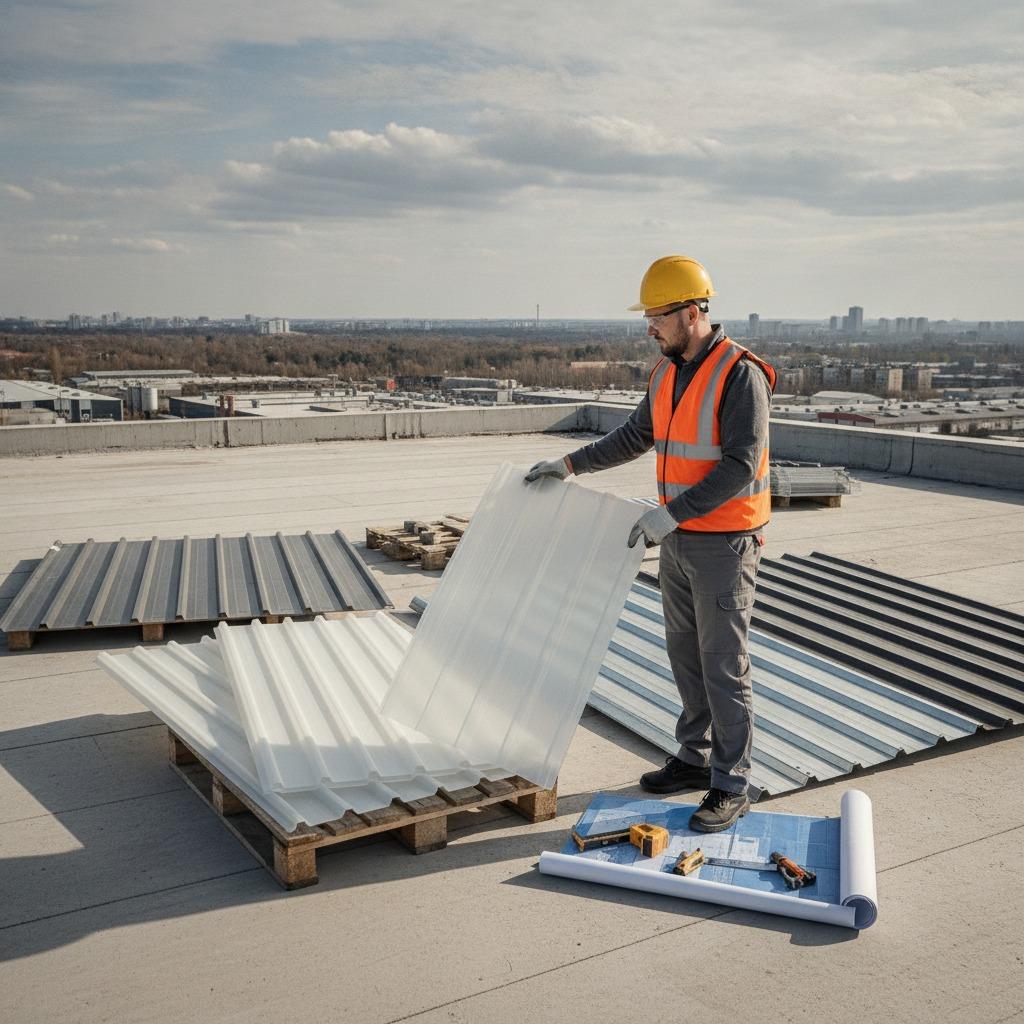
Why a PVC roofing sheet still earns a place on real jobsites
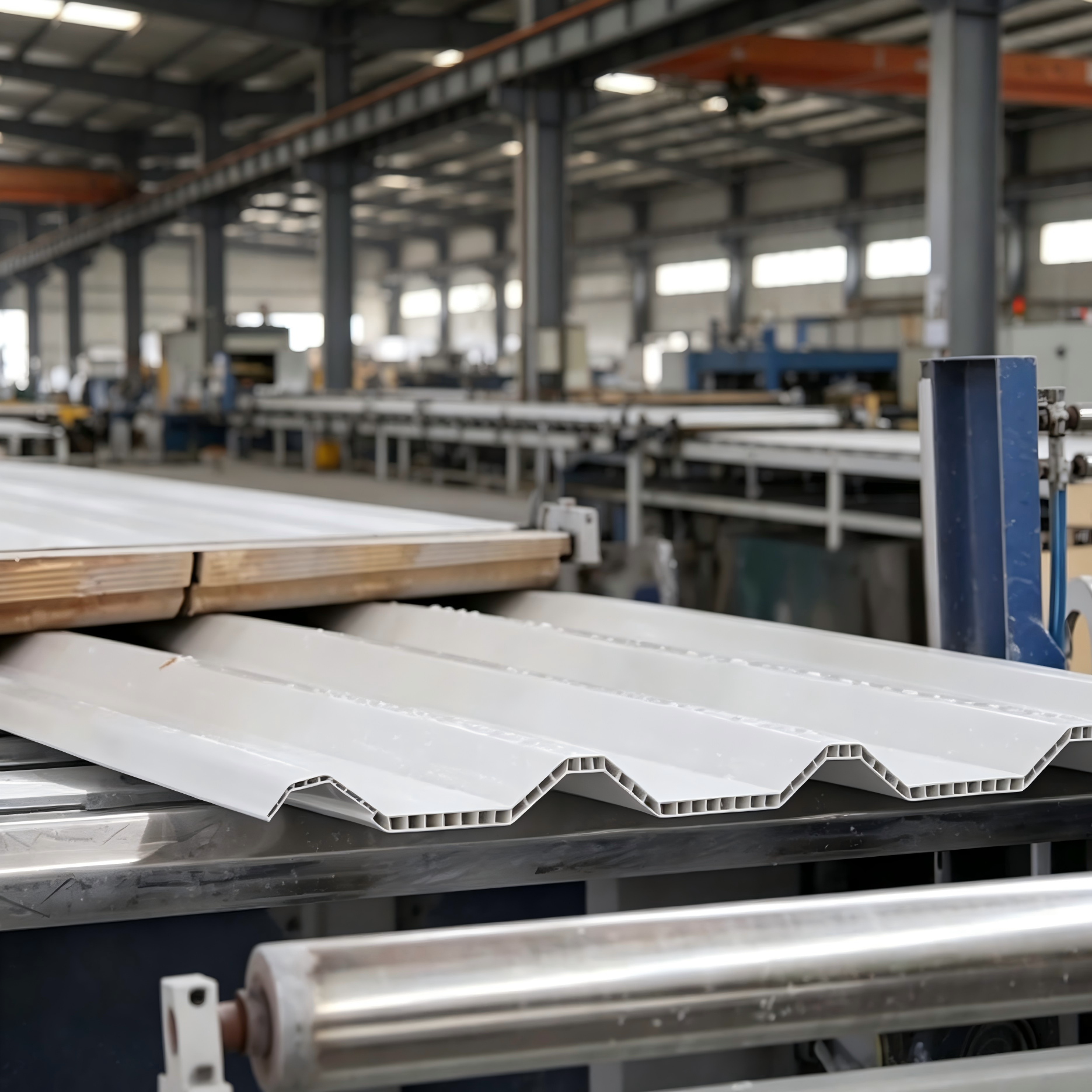
A PVC roofing sheet is often chosen for one simple reason: it has to stand up to environments that punish ordinary roofing. In factories, warehouses, farm buildings, and chemical-sensitive areas, roof panels are not just weather barriers. They are part of the building’s operational reliability. When a roof starts reacting to moisture, fumes, or repeated cleaning, the costs show up as corrosion, maintenance, and avoidable downtime.
That is why buyers compare PVC roof sheet options with more than just price or color. The better question is whether the sheet can handle the roof’s actual exposure, support the structure below it, and remain practical to install and maintain. For many projects, the appeal is less about novelty and more about a straightforward, anti-corrosive roofing choice that behaves predictably over time.
What buyers usually want to know first
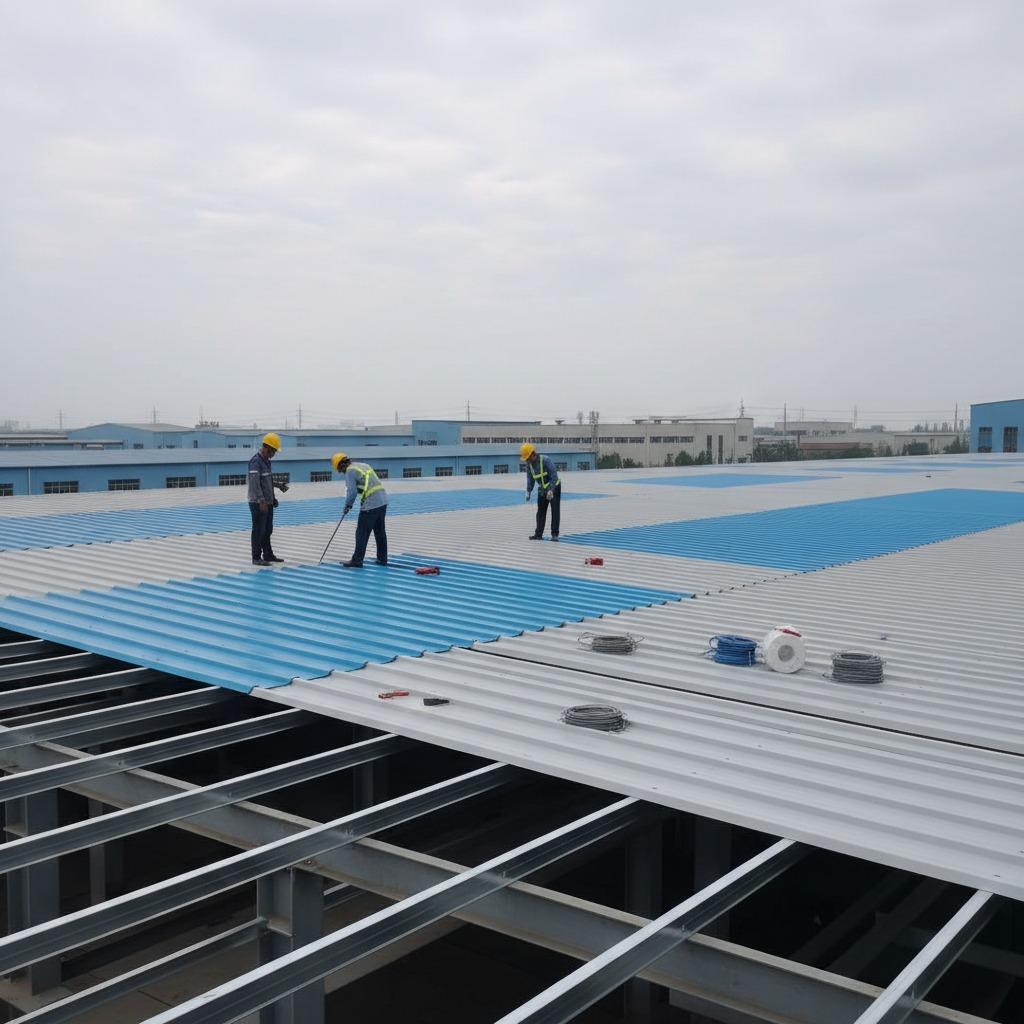
Before anyone signs off on a roofing specification, they usually want to know three things: how the sheet performs against corrosion, how it handles weathering, and how much installation complexity it adds. A PVC roofing sheet is often valued because it can suit corrosive or damp environments where metal roofing may need more protective treatment. That said, the sheet is not a universal answer. Roof slope, support spacing, fastening method, and local climate all affect whether it performs well in the field.
There is also a practical issue that gets overlooked: the roof is not just a product, it is a system. If the substructure, fixings, and overlaps are poorly specified, even a good sheet will disappoint. Buyers who treat the panel as a standalone item usually learn that lesson the hard way.
Where a PVC roof sheet tends to fit best
Corrosive or moisture-heavy environments
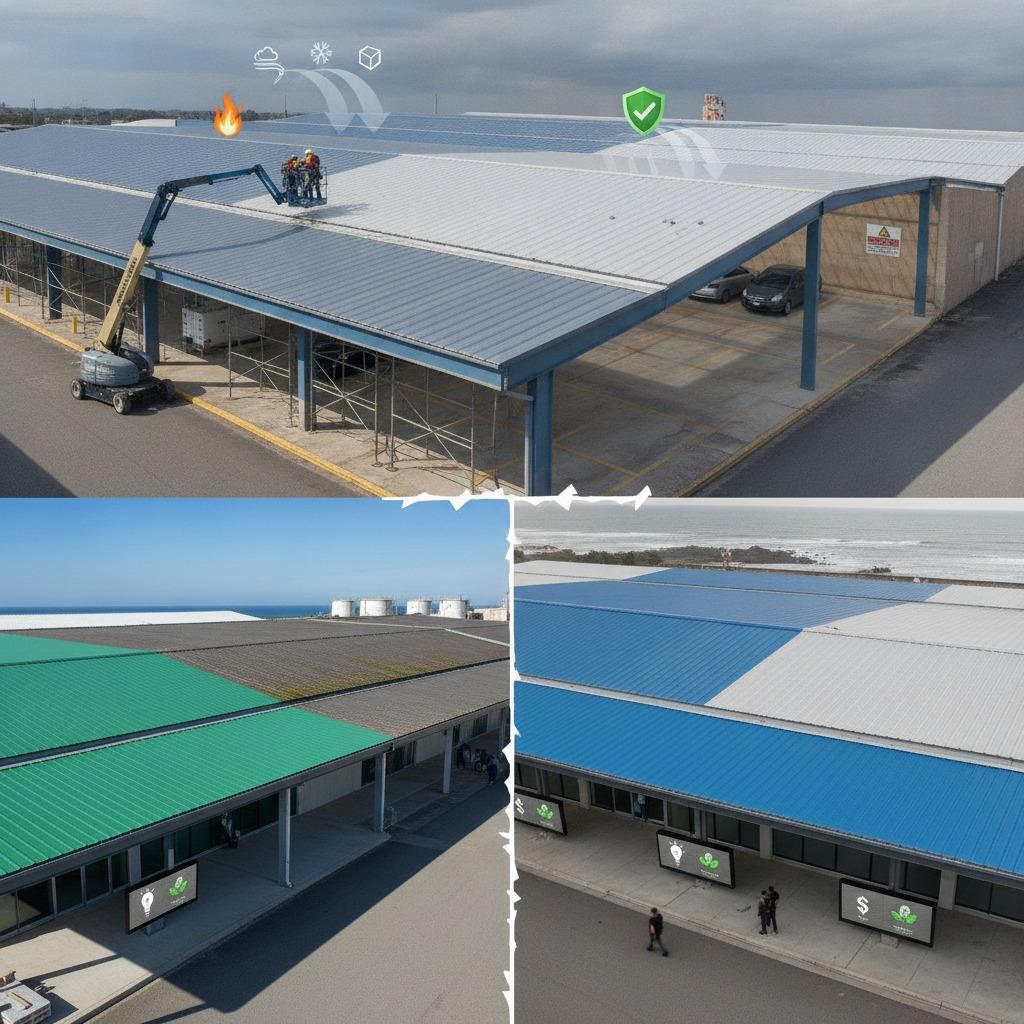
Sites with chemical exposure, humid interiors, salt-laden air, or regular washdown conditions often push project teams toward anti-corrosive roofing materials. In those cases, a PVC roof sheet can be a practical option because it avoids the rusting behavior associated with many metal systems.
Light industrial and utility buildings
For workshops, storage buildings, agricultural structures, and utility enclosures, the roofing priority is often durability with manageable upkeep. A PVC roofing sheet can fit that brief when the structure calls for a lightweight, serviceable covering rather than a heavy architectural roof build-up.
Selection criteria that matter more than sales talk
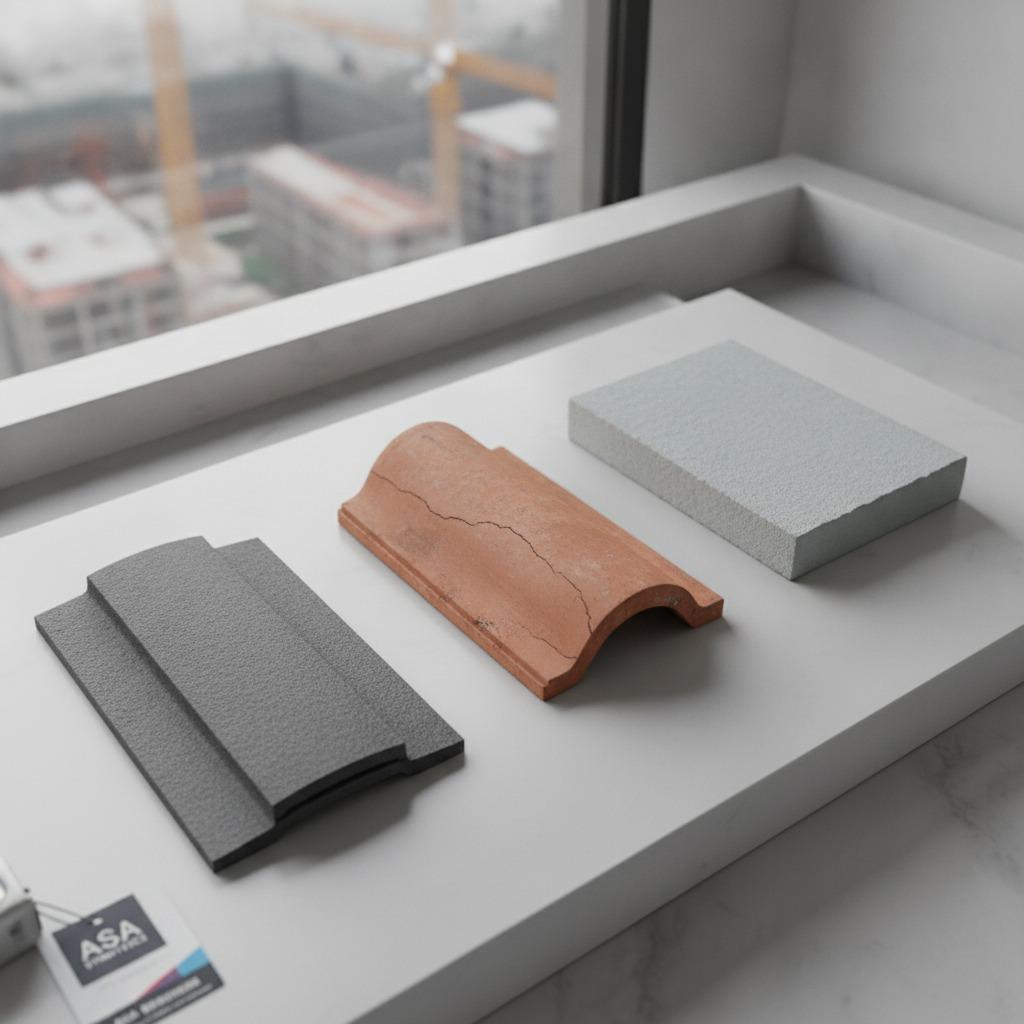
Thickness, surface finish, profile shape, and color all influence how a roofing sheet behaves, but not always in obvious ways. A thicker sheet may feel safer on paper, yet the wrong profile or support layout can still lead to poor load performance. Likewise, a bright finish might improve appearance but offer no advantage if the building spends its life under harsh chemicals or high heat.
Buyers should also ask about compatibility with the roof pitch and expected maintenance routine. If workers will walk the roof regularly, that changes the conversation. If the roof must carry insulation layers or be paired with specific fasteners, those details need to be settled early. This is where a short technical review saves more trouble than a long warranty claim later.
Common mistakes on the purchasing side
One common mistake is assuming every PVC roof sheet will behave the same way. It will not. Profiles, formulations, and installation requirements vary. Another is focusing only on anti-corrosive performance and ignoring heat, impact, or wind conditions. A sheet that resists chemical attack may still be a poor fit if the building sees strong uplift or frequent mechanical abuse.
Another buyer-facing warning: do not let a roof quote hide the small components. Fasteners, edge details, overlaps, and sealing practices can decide the outcome as much as the panel itself. In roofing, the tiny things are rarely tiny once water finds them.
Practical buyer advice
If you are comparing roofing options, start by defining the exposure: moisture, fumes, salt, heat, UV, or a combination. Then match the sheet to the building type and service conditions. That approach is more reliable than starting with color charts or headline price.
For specifiers and sourcing teams, the safest path is to request clear product data, installation guidance, and compatibility notes before purchase. If a supplier cannot explain how the PVC roofing sheet should be fixed, supported, and maintained, the risk usually shifts downstream to the installer.
A quick decision rule
If the building needs a roofing material that is relatively light, practical, and suited to anti-corrosive service, a PVC roof sheet deserves a serious look. If the project faces unusually high mechanical loads, thermal extremes, or highly specialized structural demands, the decision should be checked against the full roof system, not just the panel material.
Next step for project teams
For the cleanest result, compare the sheet against your actual site conditions, roof structure, and maintenance plan. That is usually where the right choice becomes obvious, and where the wrong choice starts to show its cracks long before installation is finished.