Why resin roof panels keep showing up in industrial specs
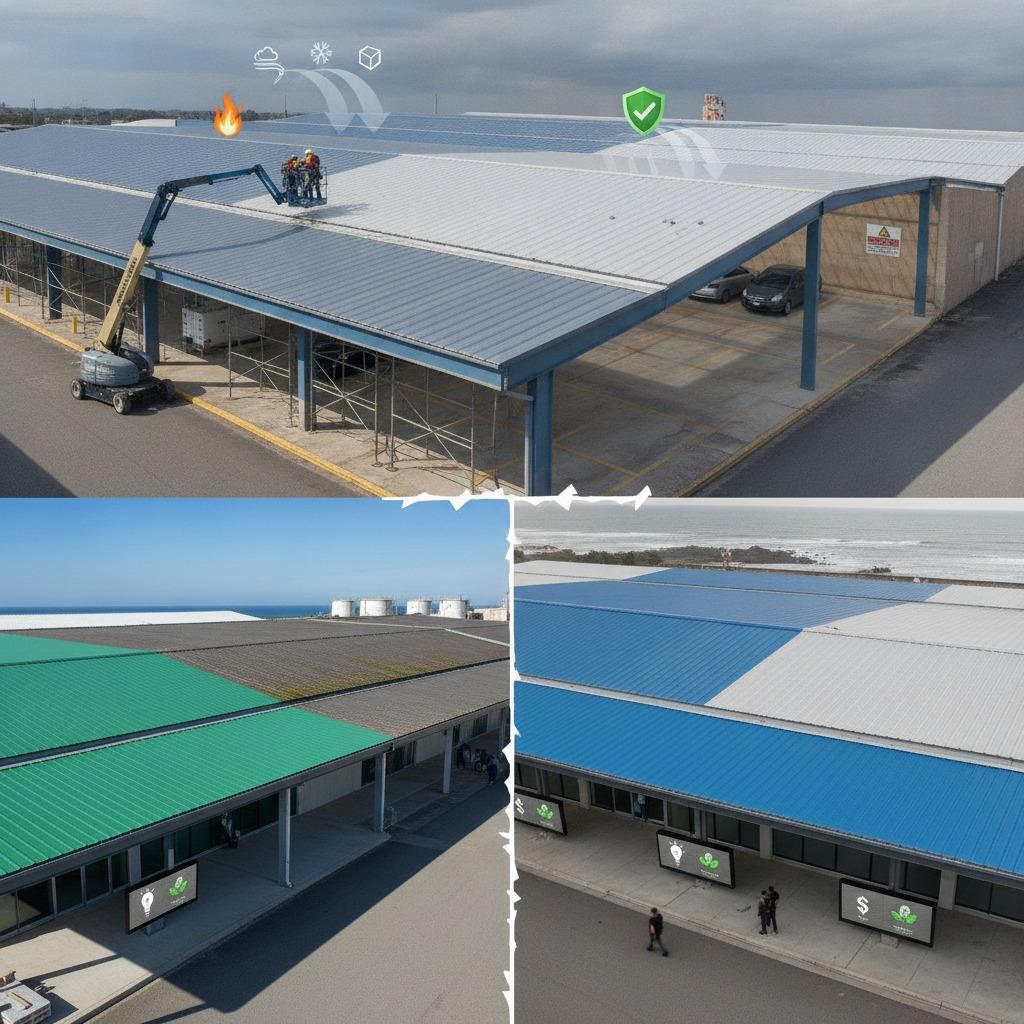
Resin roof panels are not a fashion choice; they are usually a response to a problem. In plants, warehouses, agricultural buildings, and coastal facilities, the roof is often the first part of a structure to suffer from moisture, chemicals, salt air, and constant sunlight. When a buyer starts comparing roof systems, the real question is rarely just cost. It is how long the roof can keep doing its job without leaking, fading, cracking, or turning into a maintenance headache.
That is where resin-based roof systems earn attention. Compared with some traditional sheet materials, they are often selected for corrosion protection, lighter handling, and better performance in wet or chemically aggressive environments. The trade-off is that not all resin roofing panels are built the same, and not every project needs the most robust option. A sourcing manager or engineer has to match the panel to the environment, the span, and the expected service life, not just the catalog description.
What buyers are really comparing
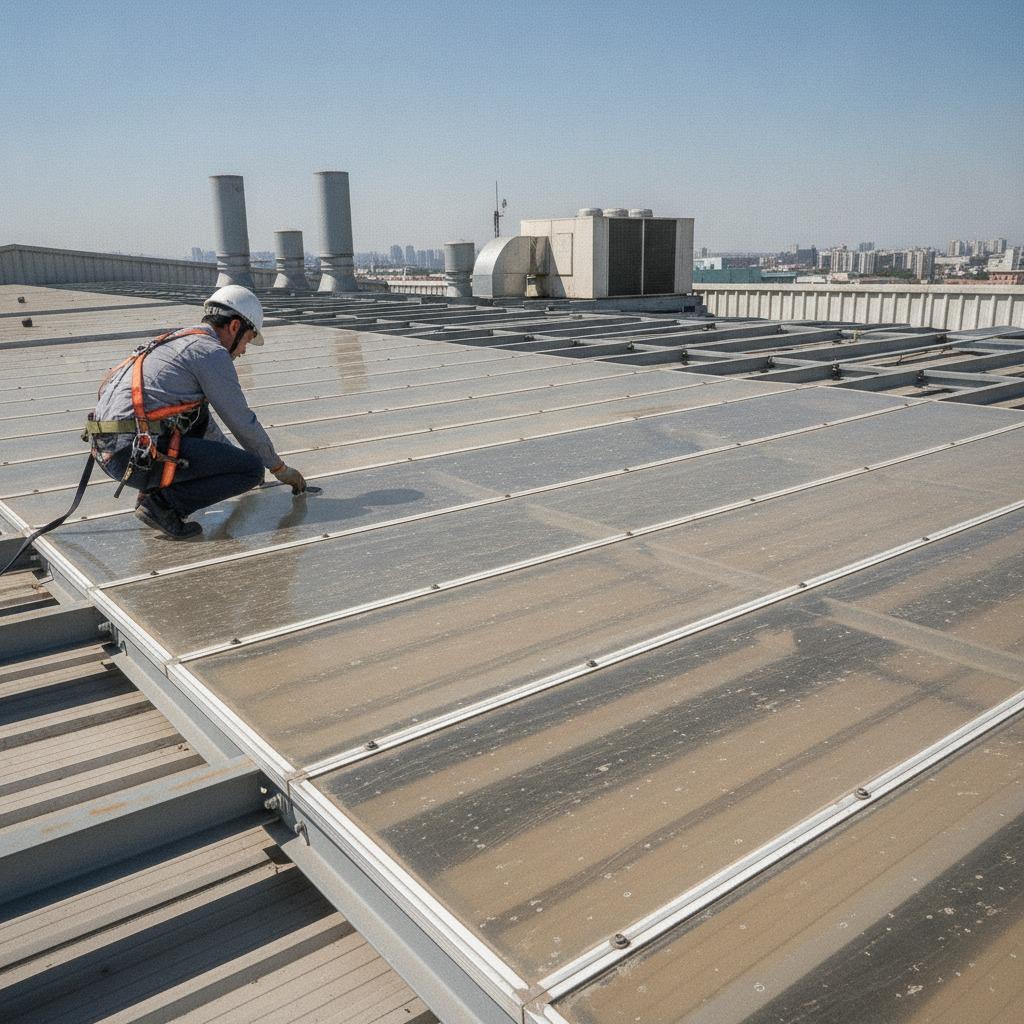
When teams evaluate resin roof panels, they are usually balancing a few practical factors: weather exposure, chemical exposure, installation ease, and long-term appearance. UV resistance matters more than many people expect. Sunlight can gradually weaken some materials, so UV resistant materials are worth paying attention to in exposed roofs, skylights, and canopies. If the roof sits above corrosive processes, anti-corrosive performance becomes even more important than aesthetics.
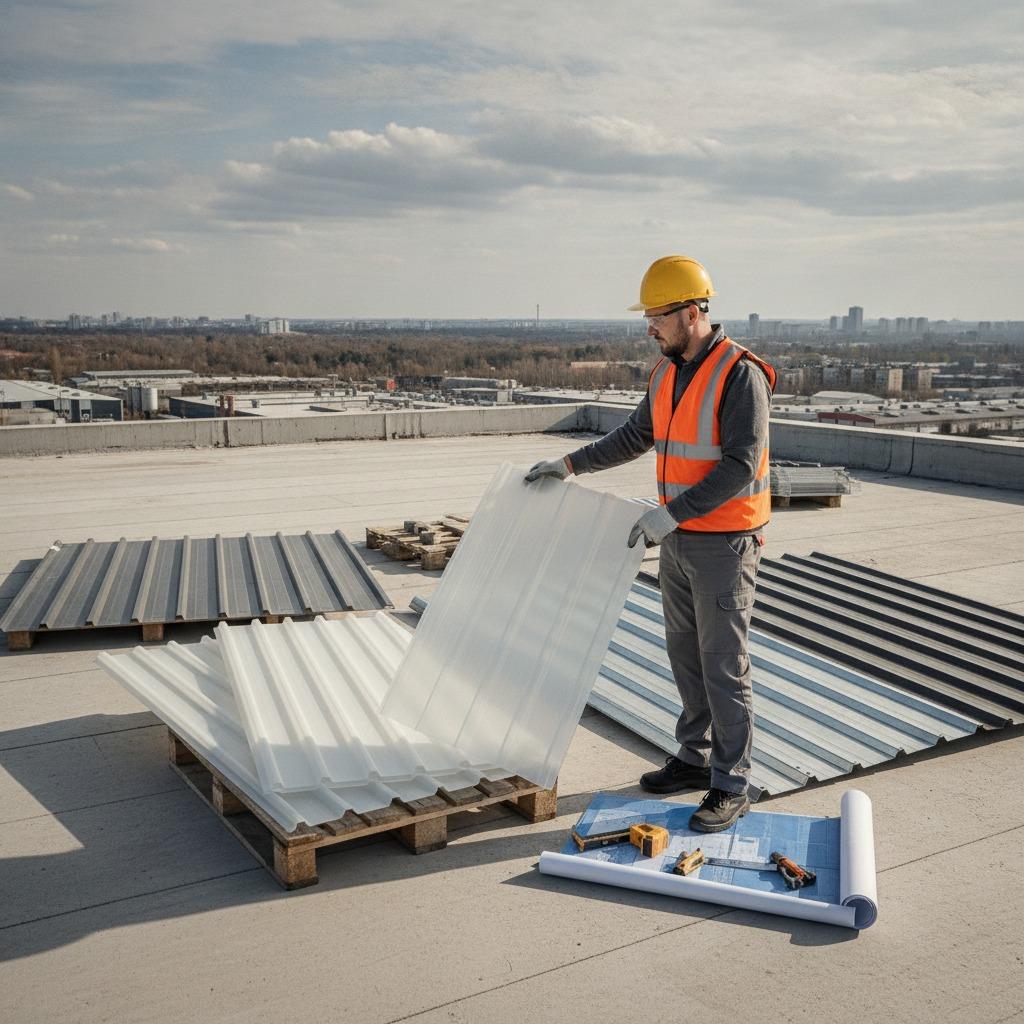
Another point that gets overlooked is how the panel behaves during installation and service. Some products may be easy to cut and fit, but that does not automatically make them the better choice. A panel that saves an hour on install can cost far more if it ages poorly or needs early replacement. Buyers should ask what the roof will face in five years, not only on delivery day.
Where resin roofing panels make the most sense
These panels are commonly considered for industrial buildings, agricultural sheds, storage areas, and facilities that need daylighting or weather protection without the weight of heavier roof systems. In environments with splash, fumes, or persistent humidity, corrosion protection is often a deciding factor. That is especially true where metal components are prone to rust or where maintenance access is difficult.
They can also be a sensible option in projects that want a balance of light transmission and durability. Still, buyers should be careful not to assume every resin product is automatically UV resistant or suitable for harsh outdoor use. The material family matters, and so does the manufacturing quality behind it.
Selection criteria that deserve attention
Exposure
Start with the environment. Is the roof facing strong sun, chemical vapors, salt air, or standing moisture? The harsher the exposure, the more important UV protection and anti-corrosive performance become.
Service expectations
Think about how long the panel must last and whether the building can tolerate frequent maintenance. A remote site will have different priorities than a facility with easy roof access.
Compatibility
The panel should work with the supporting structure, fasteners, and adjoining materials. Mismatched components can create leaks or stress points even when the panel itself is sound.
Common buyer mistakes
The biggest mistake is treating all resin roof panels as interchangeable. Another is focusing only on initial price while ignoring sunlight exposure and corrosion risk. A third is underestimating installation detail. Poor fastening, incorrect overlaps, or careless handling can undermine even a good product. That is the part of the conversation people sometimes skip because it is less exciting than material claims, but it tends to decide the outcome.
Practical advice before you order
Ask suppliers for a clear material description, intended application, and any stated UV resistance or corrosion protection characteristics. If the roof will face aggressive weather, request confirmation that the panel is suitable for that environment rather than assuming it is. For engineering teams, it is also worth checking whether the product can integrate cleanly with the rest of the roof assembly.
If you are comparing resin roofing panels for an industrial project, the safest approach is to tie the material choice to the environment first and the purchase price second. That usually leads to a better roof and fewer surprise maintenance calls later.
Next step for sourcing teams
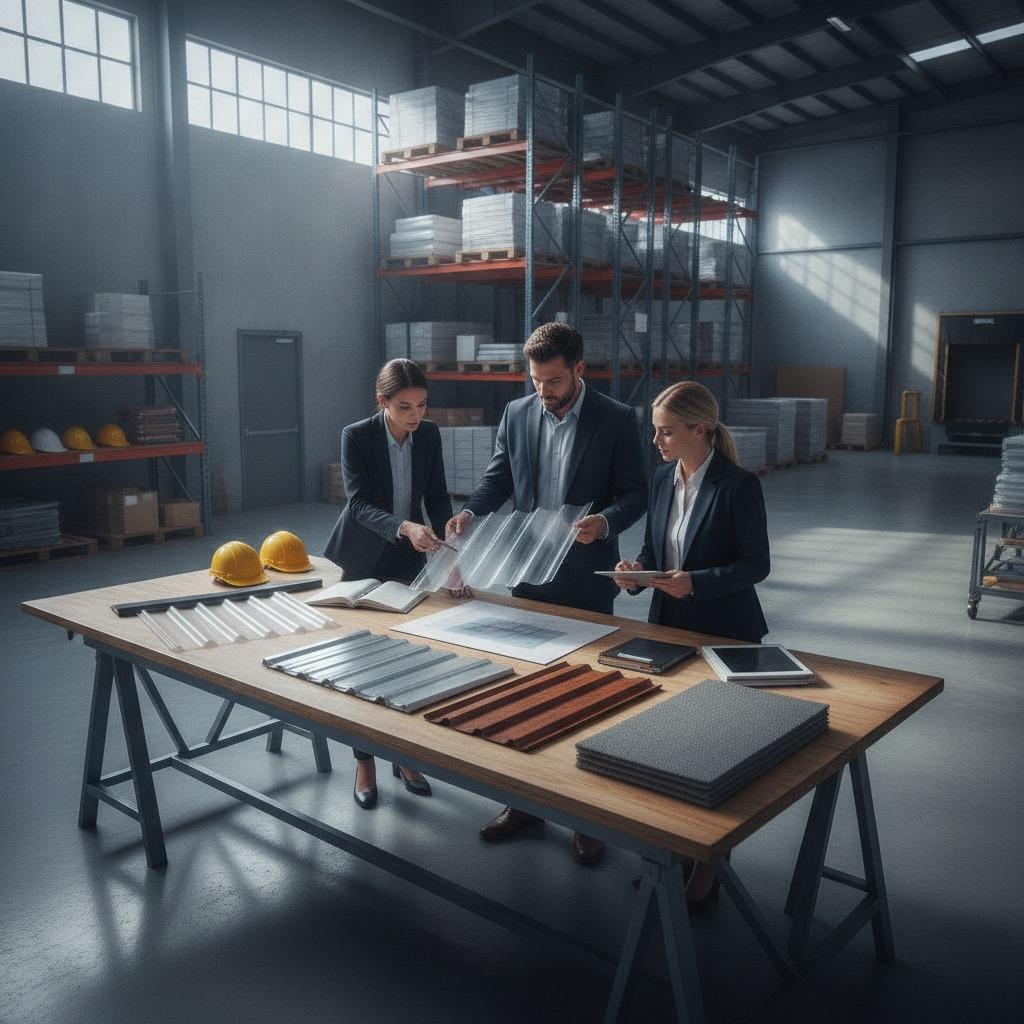
Build a short comparison sheet for the exact site conditions, then ask each supplier to answer against that sheet. It is a simple exercise, but it filters out a lot of unsuitable options quickly and helps the team choose resin roof panels with fewer assumptions.