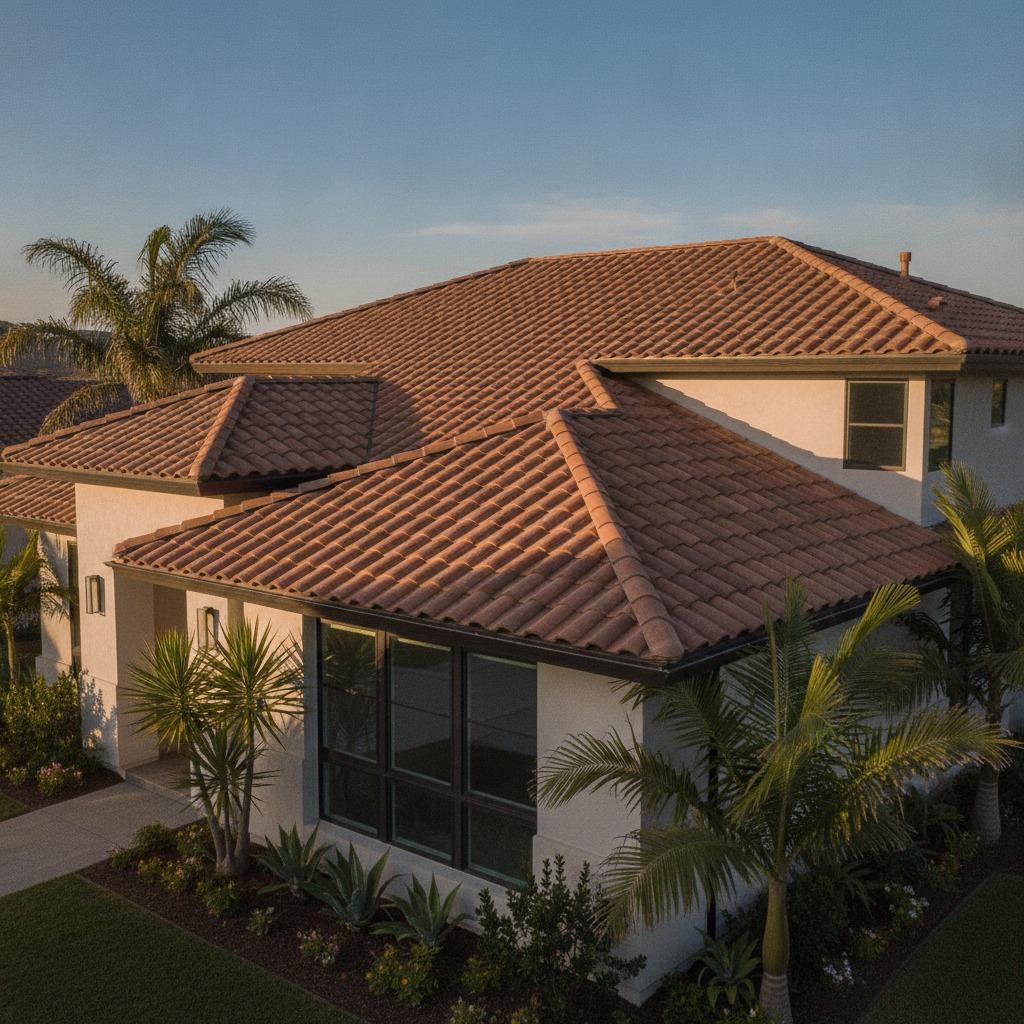
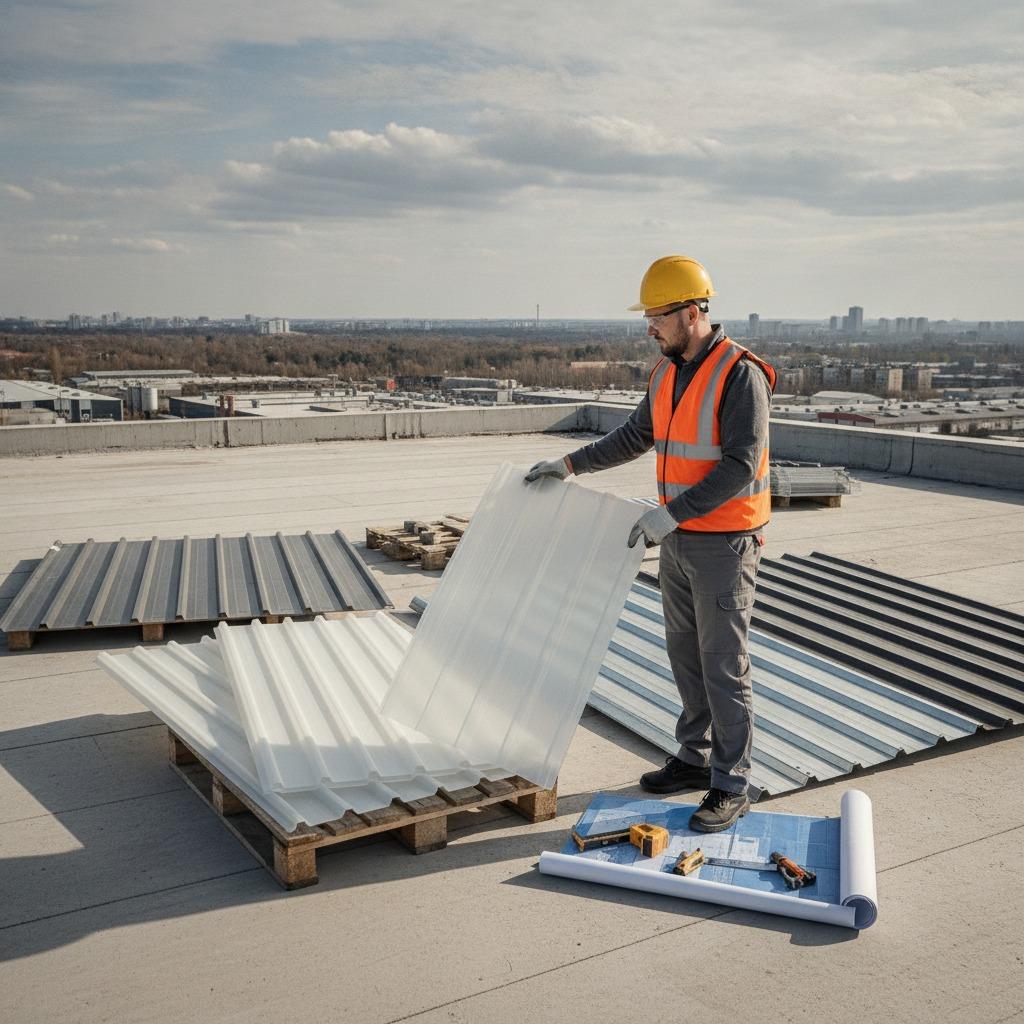
Why a roofing sheet PVC choice is rarely just a roofing choice
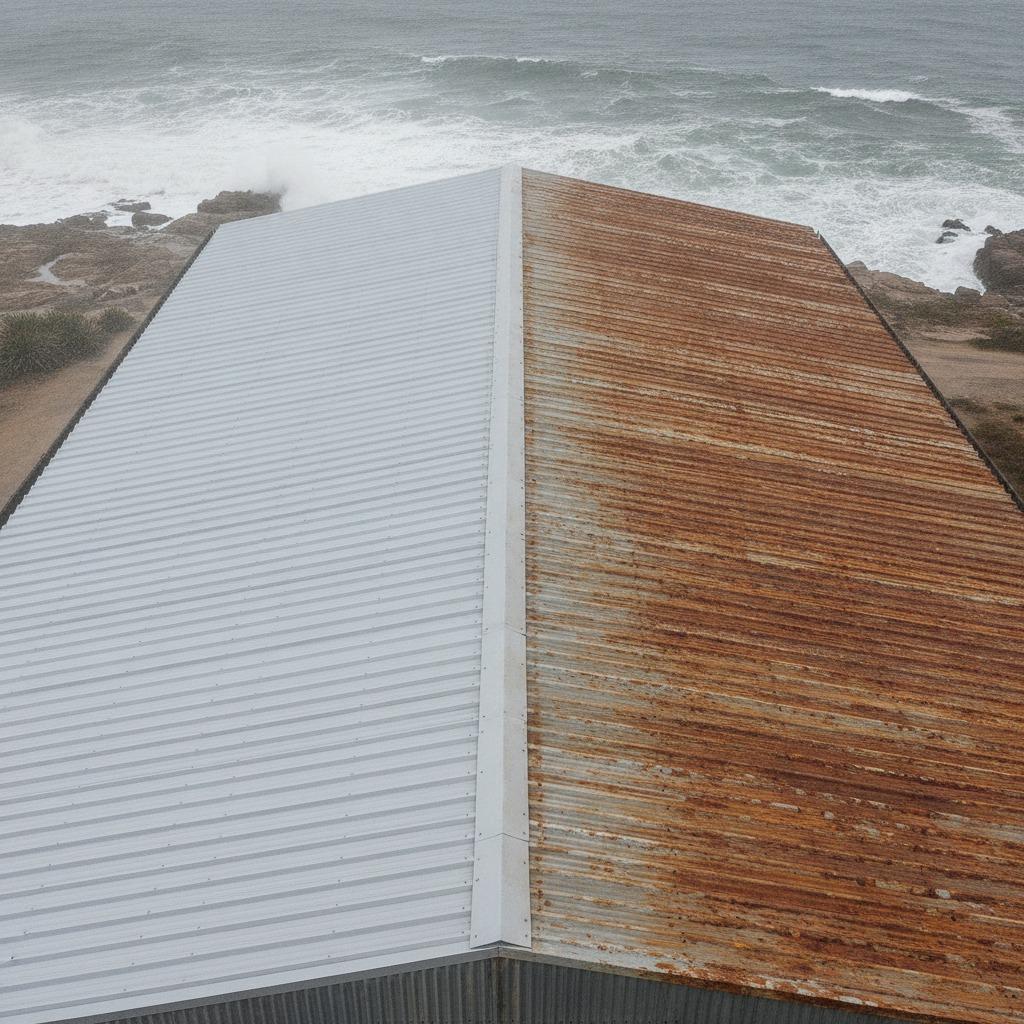
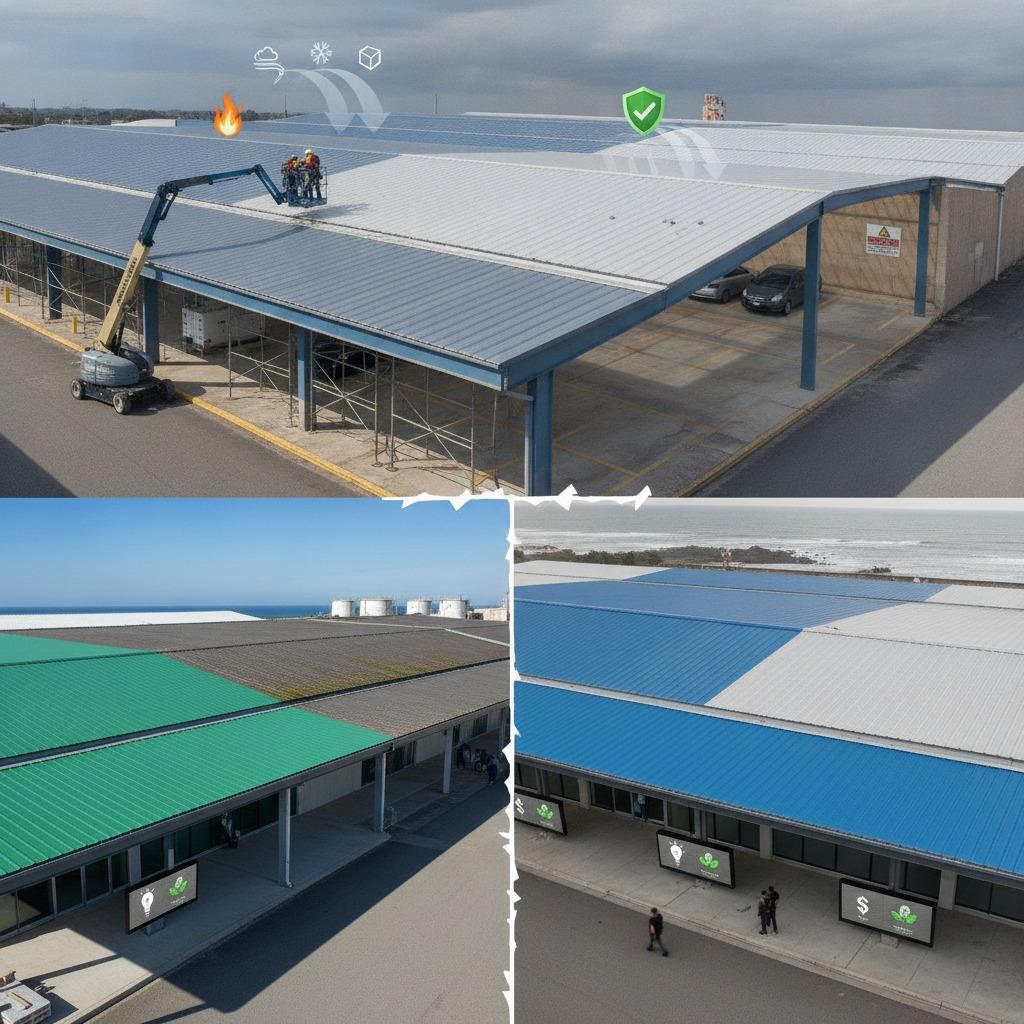
When buyers start comparing a roofing sheet PVC option against metal, fiber cement, or other plastic profiles, the real question is usually less about the sheet itself and more about the building below it. A warehouse in a coastal zone, a livestock shelter, a light industrial canopy, and a chemical storage area do not ask the roof for the same thing. Some need corrosion resistance first. Others need daylight control, lower noise, or a lighter load on the structure. That is why the decision matters: the wrong roof can turn into maintenance work that no one budgeted for.
A PVC roofing sheet is often considered when the environment is harsh, moisture is constant, or corrosion is a known risk. In practical terms, the buyer is trying to avoid rust streaks, frequent replacement, and the slow damage that comes from aggressive weather or fumes. It is not a miracle material, and it should not be treated like one, but it does solve a very real problem for many industrial and agricultural projects.
What buyers usually compare first
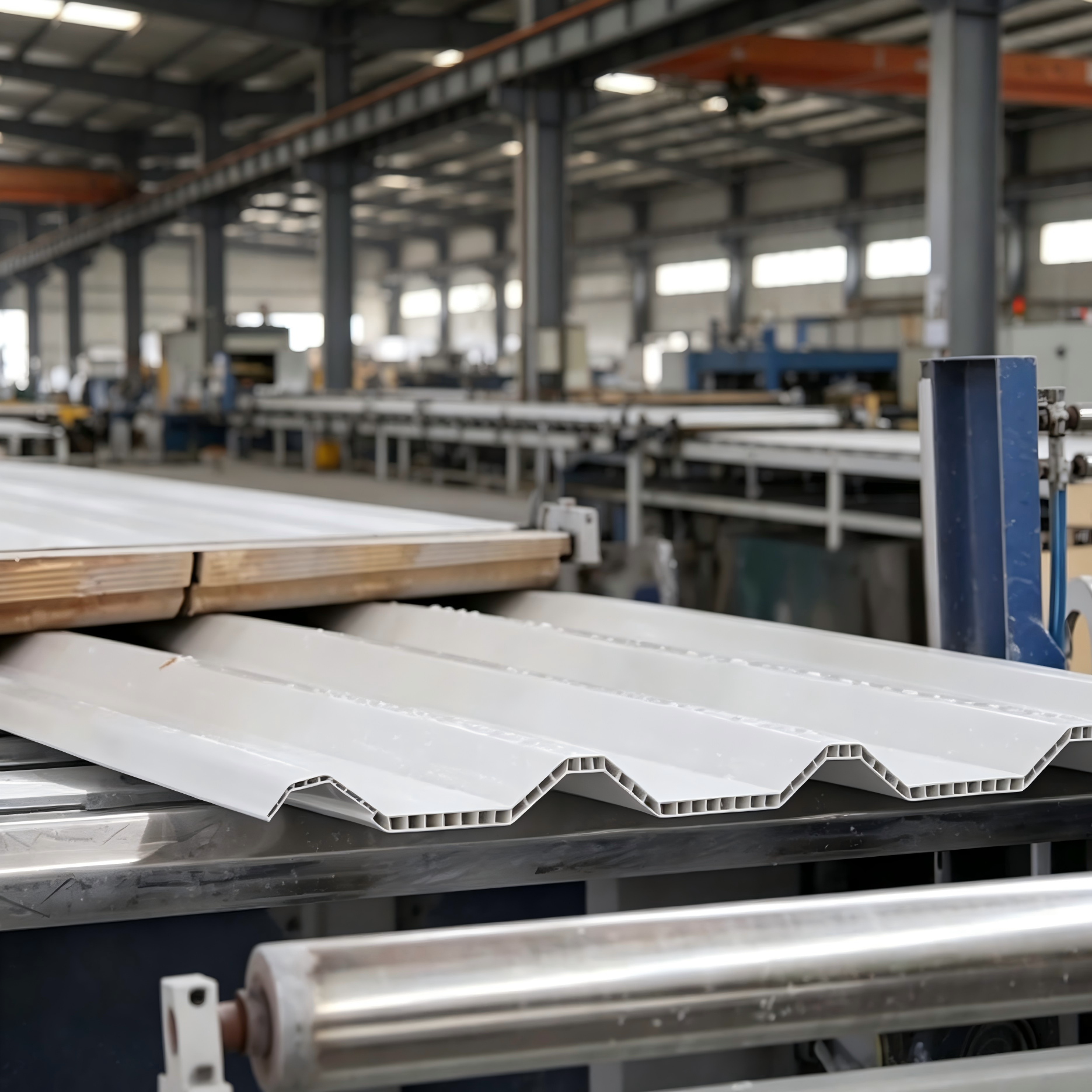
The first comparison is usually between a standard PVC roofing sheet and a PVC corrugated roofing sheet. The corrugated profile is familiar because it sheds water well and handles simple roof structures without drama. For sheds, farm buildings, and utility spaces, corrugated sheets are often chosen because they are easy to install and easy to source in matching profiles.
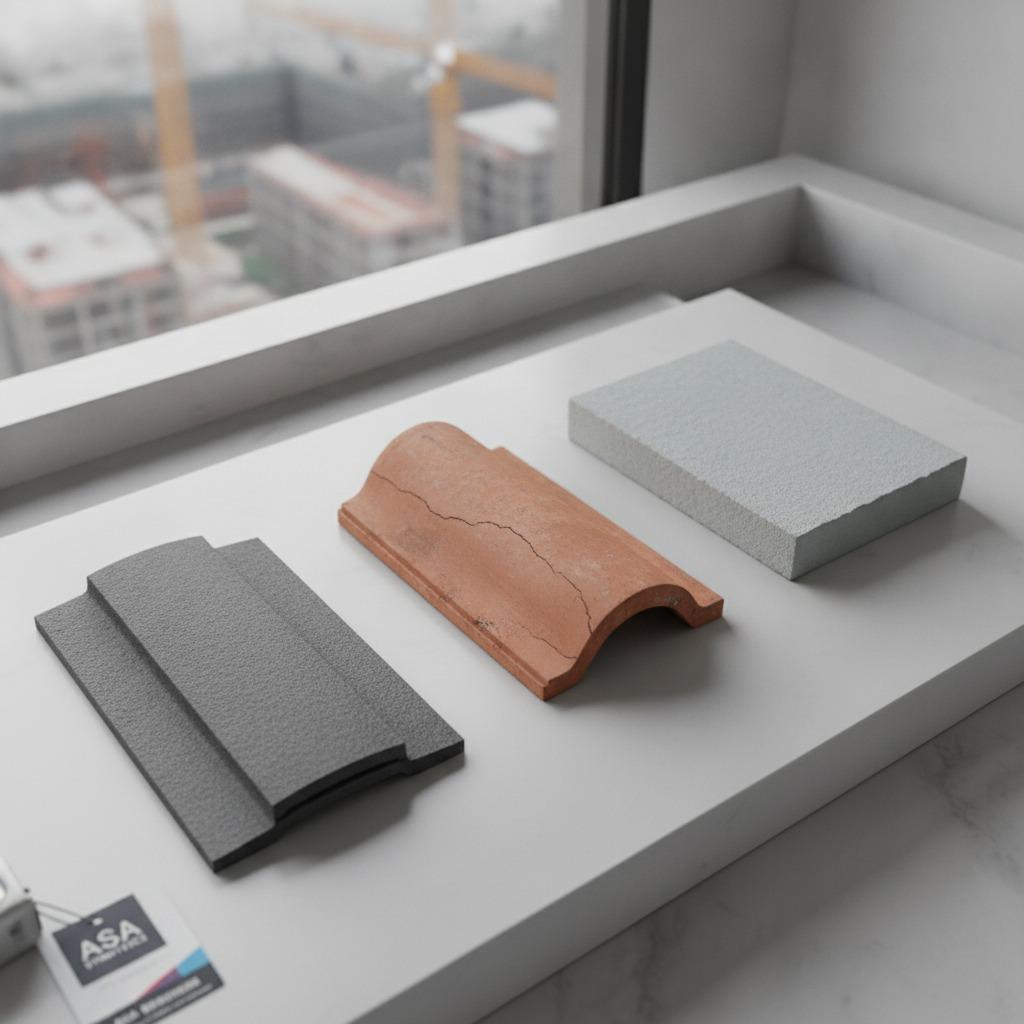
If the project calls for extra weathering performance, an ASA PVC roof sheet or ASA PVC roofing sheet may come into the discussion. ASA is typically considered when surface durability and long-term appearance matter more than the cheapest possible purchase price. That can matter on roofs that face strong sun, regular rain, or a visible frontage where fading would be noticed quickly.
Where anti-corrosive performance matters most
Anti-corrosive roofing is not just a marketing phrase in certain plants. If the air carries salt, humidity, fertilizer dust, or mild chemical exposure, metal roofs can become a maintenance item faster than expected. That is where PVC corrugated roof sheets often earn their keep. The value is in delay avoidance: fewer patches, fewer callouts, fewer complaints from operations staff.
Still, a buyer should be careful. “Anti-corrosive” does not mean immune to poor design. Fasteners, laps, support spacing, and drainage details still matter. A sheet can only do so much if the roof geometry traps water or the installer treats the job casually.
Selection points engineers and sourcing teams should not skip
The practical questions are straightforward, even if the answers are not.
Will the roof be exposed to sustained heat or direct sun? Then surface formulation and long-term stability become more important.
Will the structure carry workers during maintenance? Then profile choice, support spacing, and installation practice need attention.
Will the site be noisy-sensitive, such as a school or plant office? Then the acoustic behavior of the roof assembly may matter more than many buyers first expect.
Will the environment be humid, saline, or chemically active? Then anti-corrosive performance moves to the top of the list.
One common mistake is buying only by sheet thickness or appearance. Another is assuming every PVC corrugated roof sheet behaves the same across suppliers. In real projects, small differences in formulation, profile geometry, and installation detail can change the result enough to matter.
A quick buyer’s rule of thumb
If the job is a simple, weather-exposed roof with moderate performance demands, start with the profile and local exposure conditions. If the building sits in a tougher environment, move toward an ASA PVC roof sheet discussion sooner rather than later. And if the application is corrosive, do not compare only initial cost; compare maintenance burden over the roof’s useful life.
Questions worth asking before you place the order
What is the roof trying to protect, and for how long?
Is the main risk corrosion, heat, noise, or light transmission?
Does the structure and purlin layout suit the chosen profile?
Are the accessories, fasteners, and installation method compatible with the sheet material?
Those are simple questions, but they prevent expensive surprises. In sourcing, that is usually where the savings hide.
What to ask the supplier next
Request the full profile description, application guidance, and any available material data tied to the specific product line you are evaluating. If you are comparing a roofing sheet PVC option with an ASA PVC roofing sheet, make sure you are comparing the same roof duty, not just the same color or width. That small discipline saves a lot of back-and-forth later, especially when the project is already on site and waiting.