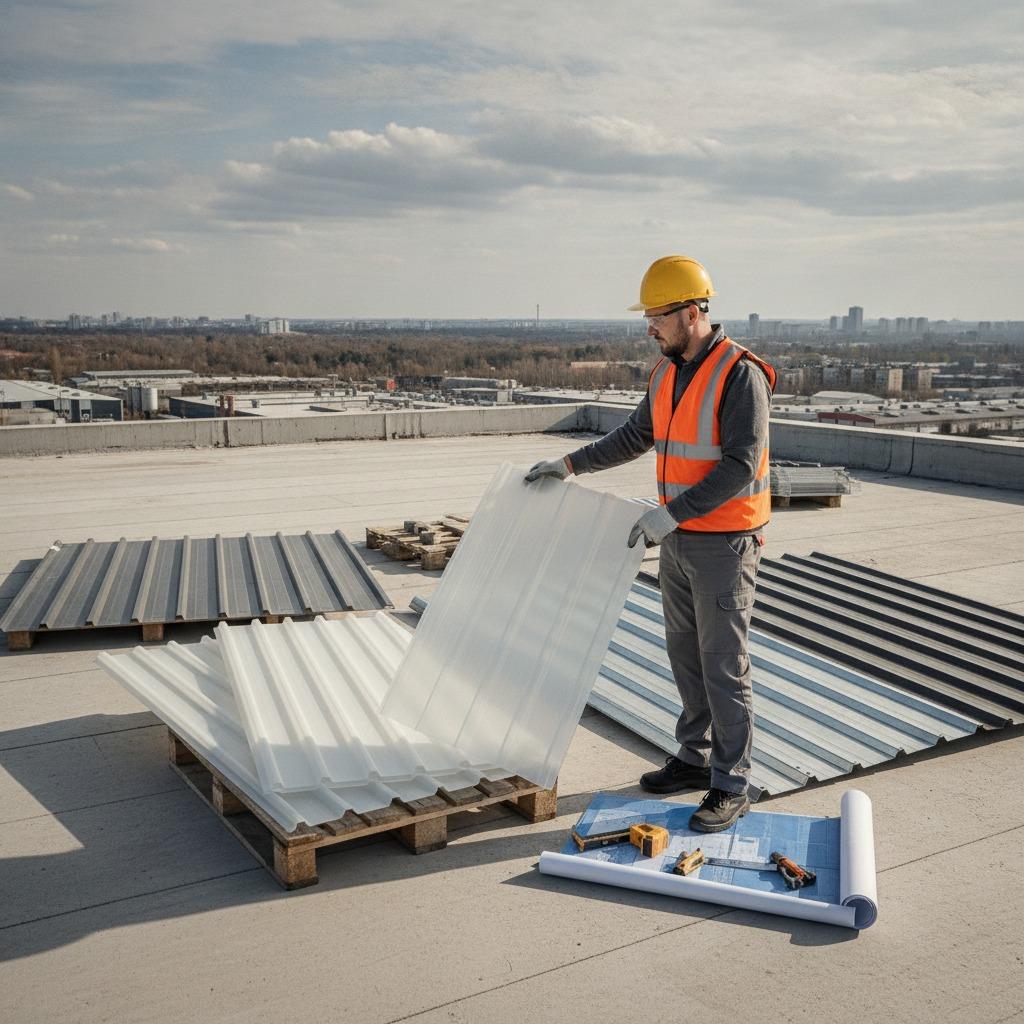
Why a uPVC roof panel is often the practical choice for industrial buildings
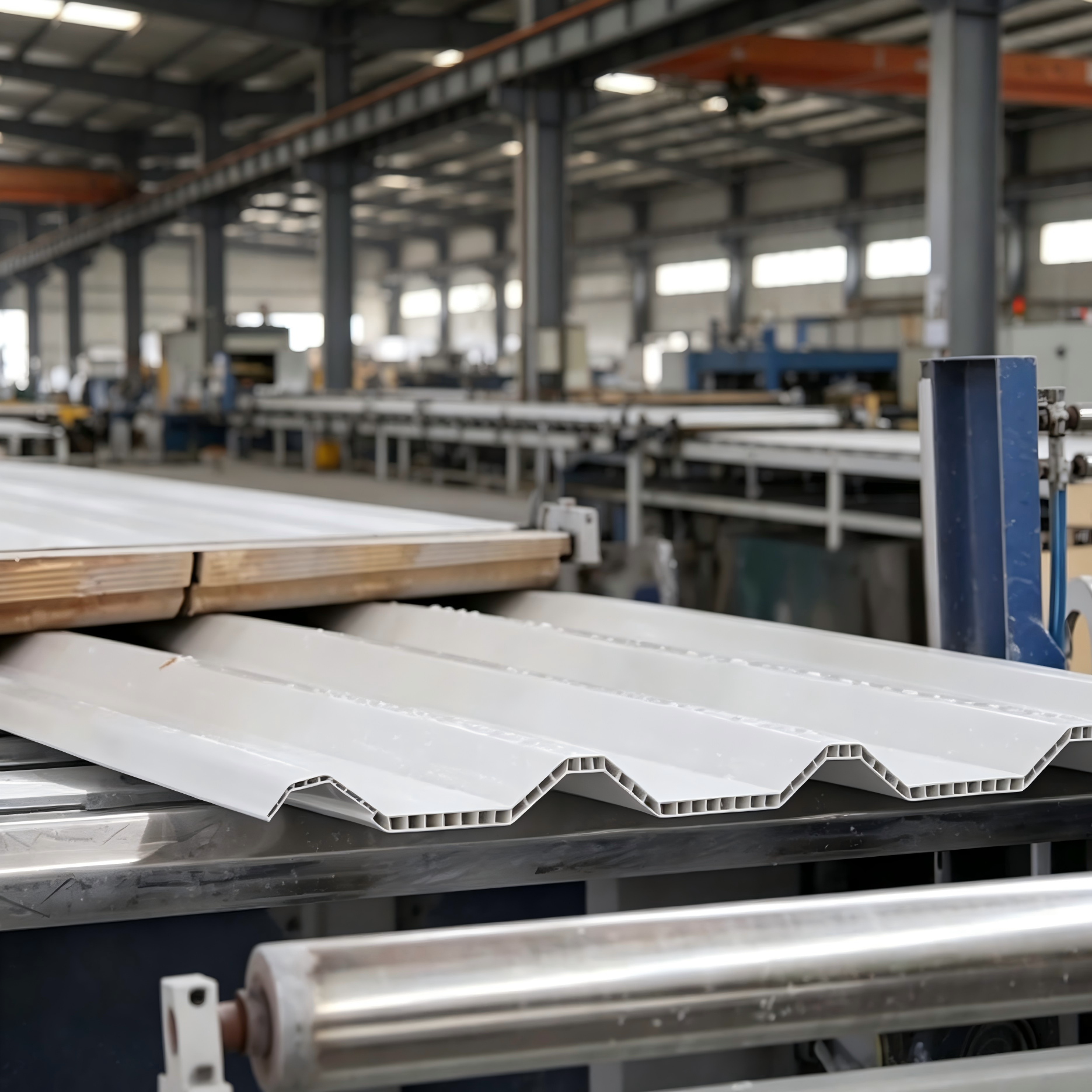
For warehouses, workshops, farm structures, and utility buildings, a uPVC roof panel can solve several problems at once: moisture, corrosion, and maintenance fatigue. Buyers usually start looking because metal sheets are rusting, sunlight is degrading older plastics, or the building needs a lighter roofing option that does not demand constant attention. That is the real decision here—not just what looks tidy on day one, but what keeps performing after years of heat, rain, and chemical exposure.
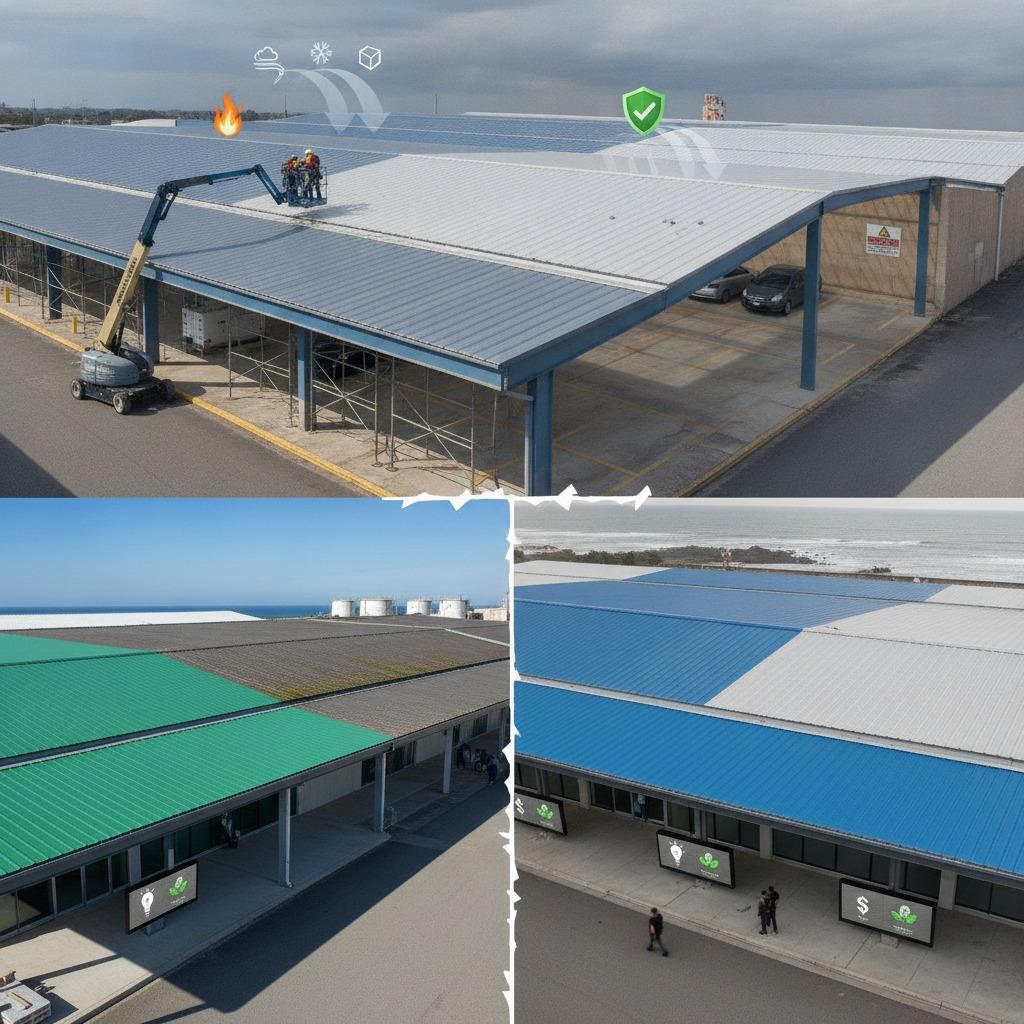
Compared with many conventional roofing materials, a uPVC roofing panel is valued for its anti-corrosive behavior and its resistance to weathering in aggressive environments. That makes it relevant for coastal sites, food-processing auxiliary buildings, fertilizer storage, and other places where condensation and airborne chemicals can shorten the life of standard roof coverings. Still, the right panel is not a universal answer; roof pitch, span, load conditions, and local climate all matter.
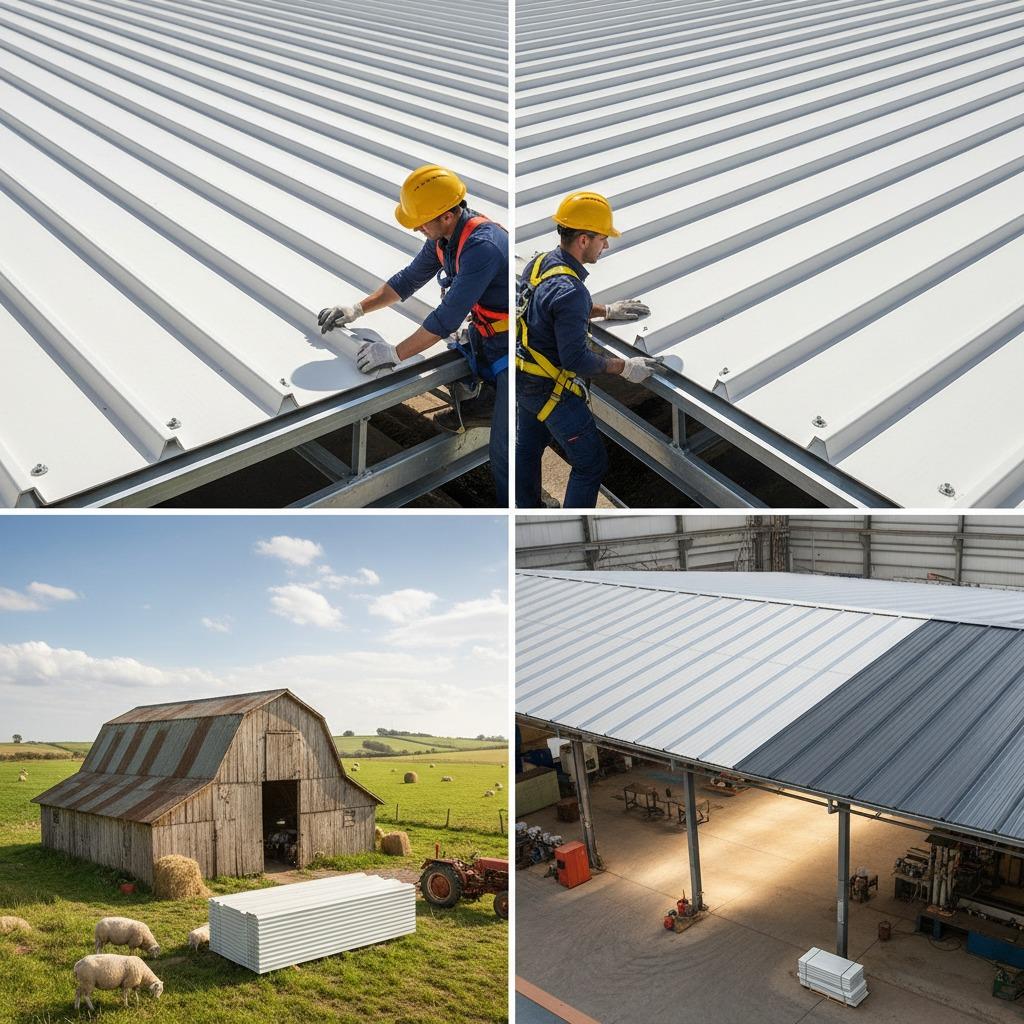
What buyers are really comparing
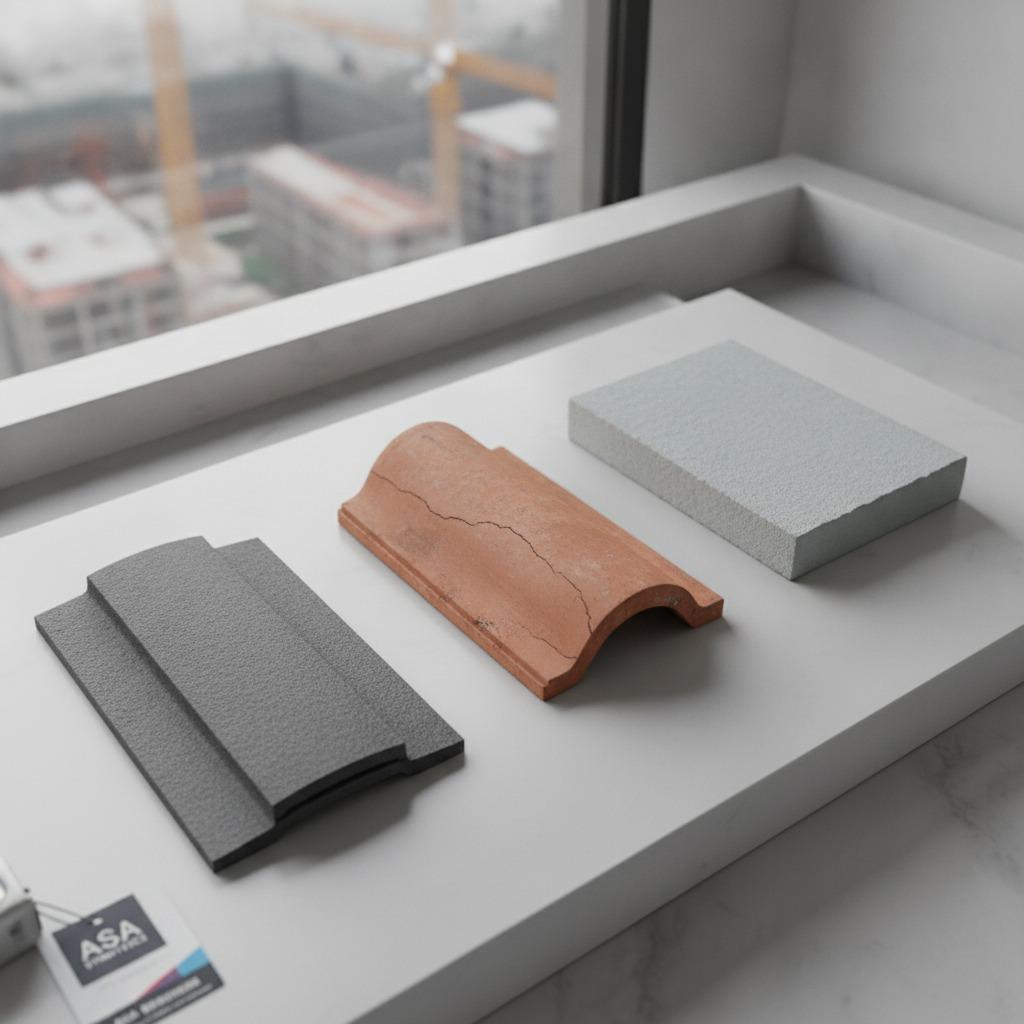
Most sourcing teams are not choosing between “good” and “bad” roofing. They are comparing service life, installation effort, acoustic performance, and replacement risk. A lighter panel can reduce structural demand, while a corrosion-resistant surface can lower long-term upkeep. But if the roof sees heavy impact, unusual heat, or very long spans, those details need checking before anyone signs off.
Key selection points before you order
Environment first
If the building sits near salt air, chemical vapors, or persistently wet conditions, anti-corrosive performance becomes more than a marketing term. It is a practical filter for narrowing the material list.
Panel profile and installation method
Profile shape affects water shedding, overlap behavior, and how forgiving the system is on site. A panel that installs quickly but leaves poor detailing at fasteners can cost more later, so the connection method deserves as much attention as the sheet itself.
Transparency and daylight needs
Some projects want daylight through the roof; others need privacy or temperature control. That basic question should be settled early, because it influences panel selection more than many buyers expect.
Common mistakes that create avoidable cost
One frequent mistake is treating all uPVC roof panel products as interchangeable. They are not. Another is assuming a roof problem is purely a materials problem when the real issue is poor slope, inadequate fixings, or bad ventilation. And if a purchaser only asks for the lowest price, the project can end up paying for it in seal failures or premature replacement.
Practical buyer advice
Request a clear data sheet, confirm the intended application, and match the panel to the building’s exposure. If the supplier cannot explain how the panel performs in corrosive or high-moisture settings, that is a warning sign. A credible uPVC roofing panel should be presented as part of a system, not a loose sheet sold on price alone.
FAQ
Is uPVC suitable for harsh environments?
Often, yes—especially where anti-corrosive behavior matters. But exposure level, temperature, and installation quality still decide the outcome.
Does a uPVC roof panel replace structural design checks?
No. It may reduce weight and maintenance, but the roof structure still needs proper engineering review.
Next step for buyers
If you are comparing roofing options for an industrial or utility project, start with environment, load, and maintenance expectations. That gives you a clearer basis for selecting a uPVC roof panel that solves the actual problem instead of just filling the roof opening.