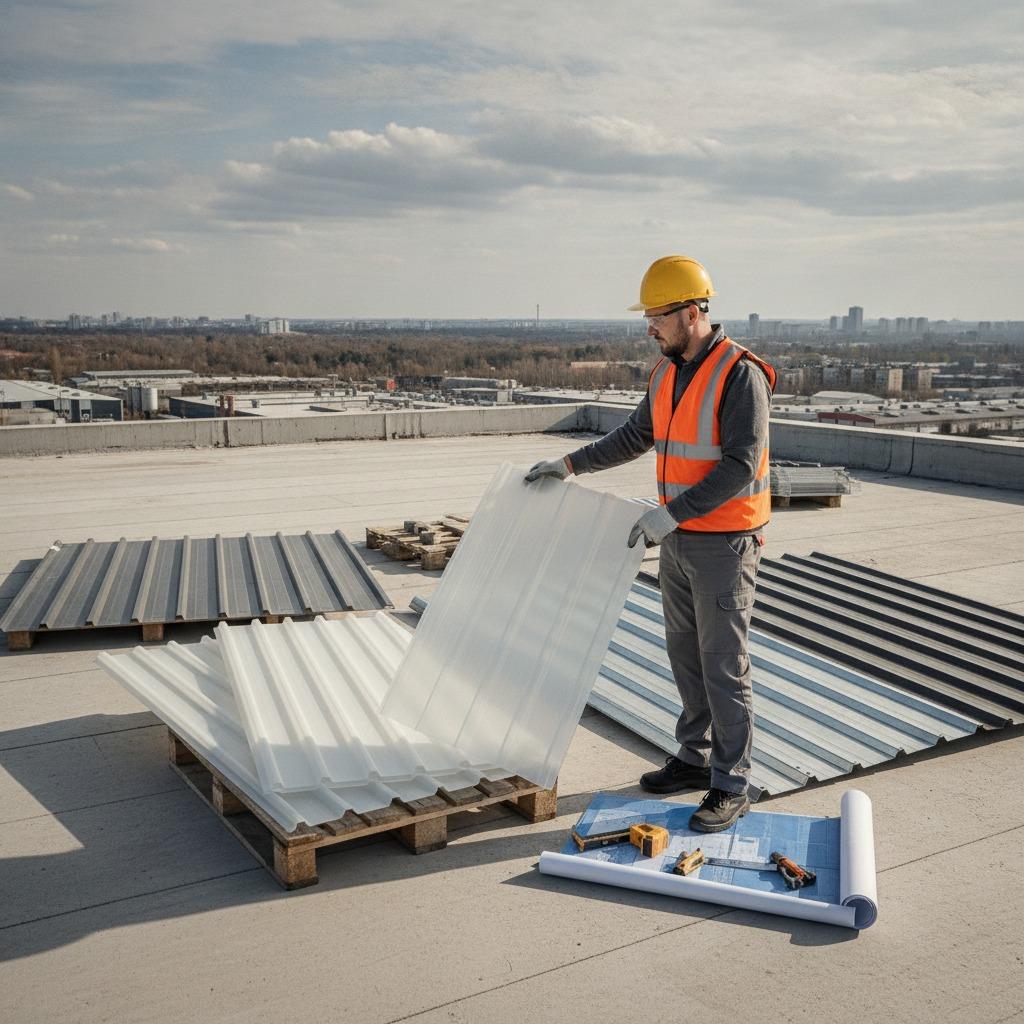
Why an UPVC Roof Panel Still Gets Attention in Industrial and Commercial Projects
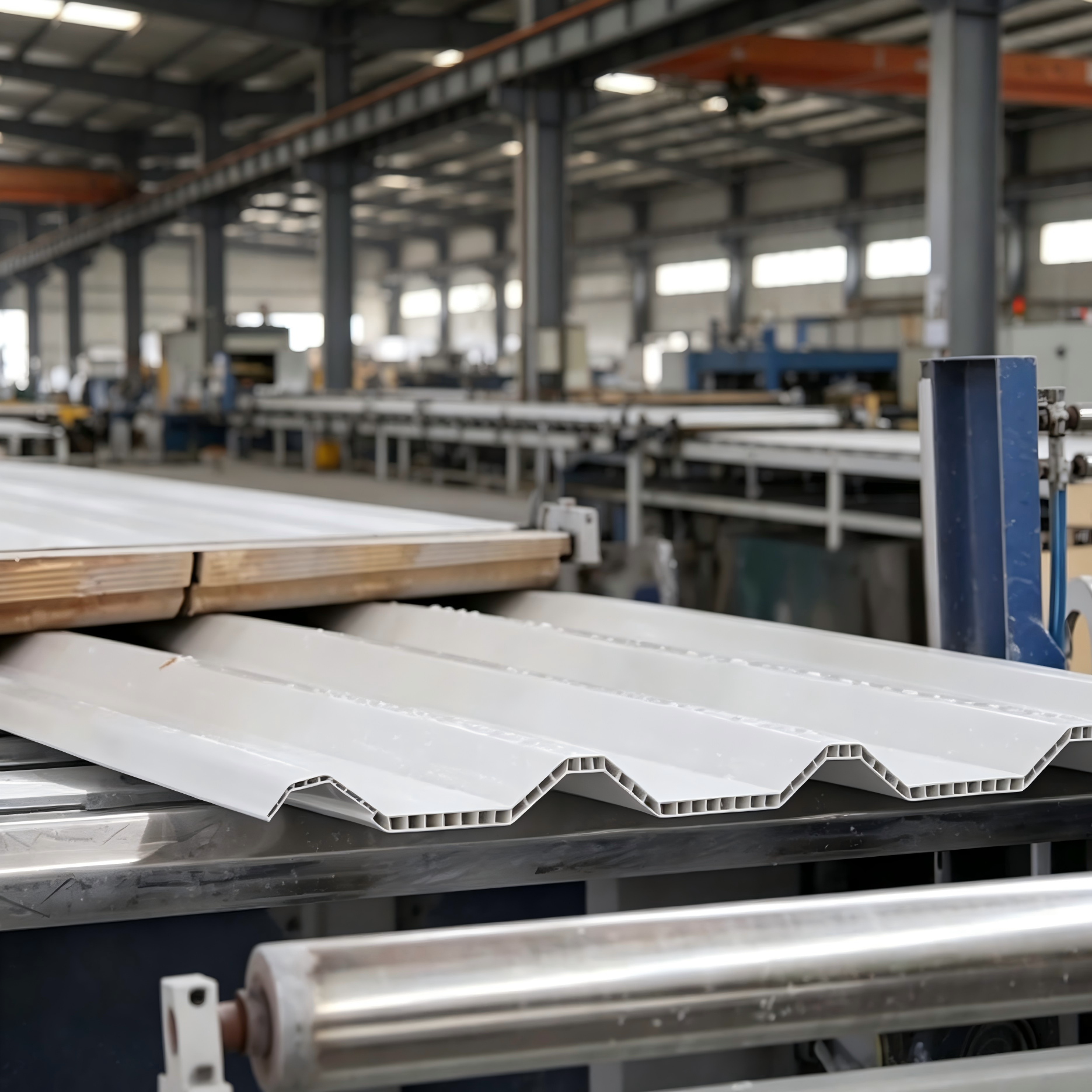
An UPVC roof panel is often chosen for a simple reason: it has to stand up to weather, moisture, and day-to-day abuse without turning into a maintenance headache. For warehouses, farm buildings, light industrial sheds, and utility structures, roofing is rarely just a cover. It affects corrosion risk, interior comfort, noise, and long-term upkeep. That makes the panel choice more than a line item on a purchase order.
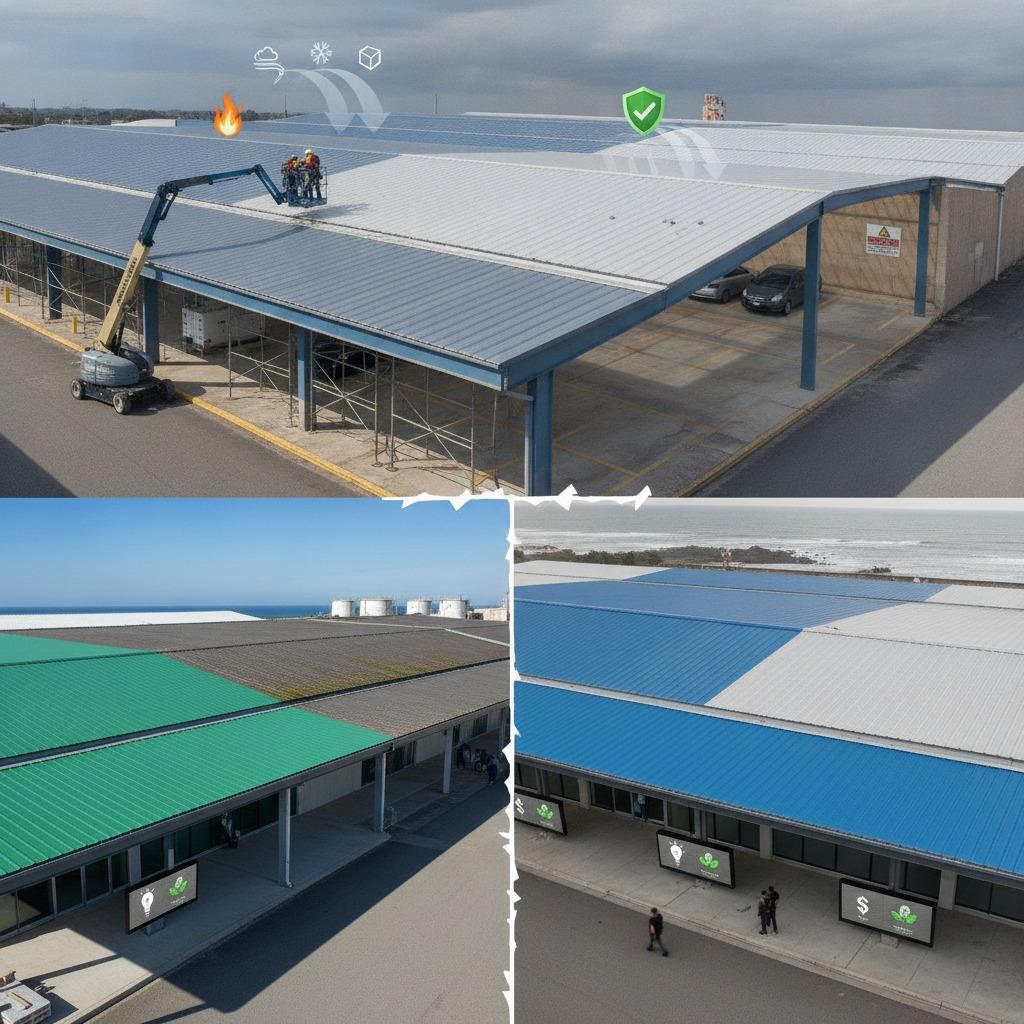
Buyers usually compare cost first, but the better question is whether the roof system suits the environment. A panel that performs well in dry storage may behave very differently in a humid plant or a coastal site. That is where the appeal of a UPVC roofing panel becomes clearer. It is often discussed as an anti-corrosive option, and while that phrase gets used loosely in the market, the basic idea is practical: reduce degradation from moisture and chemical exposure, and you reduce trouble later.
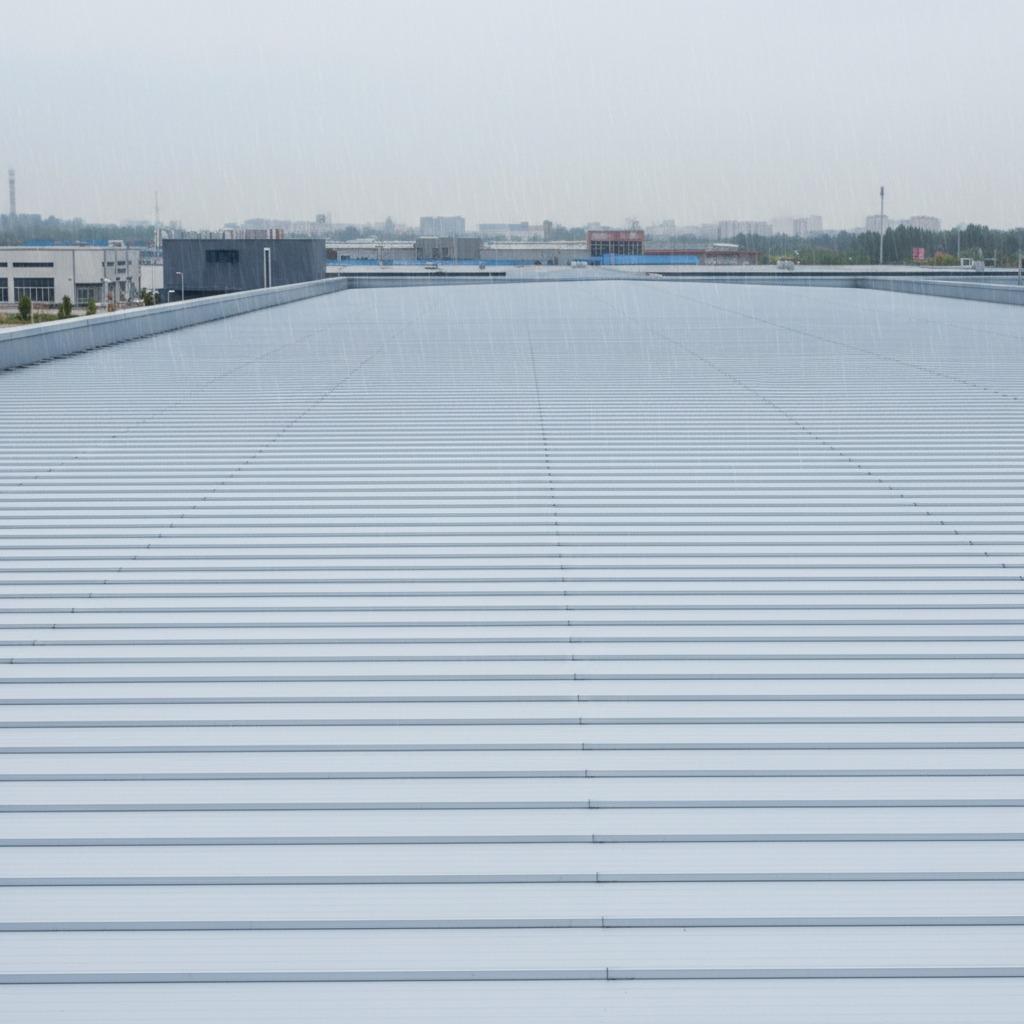
What Buyers Are Really Solving For
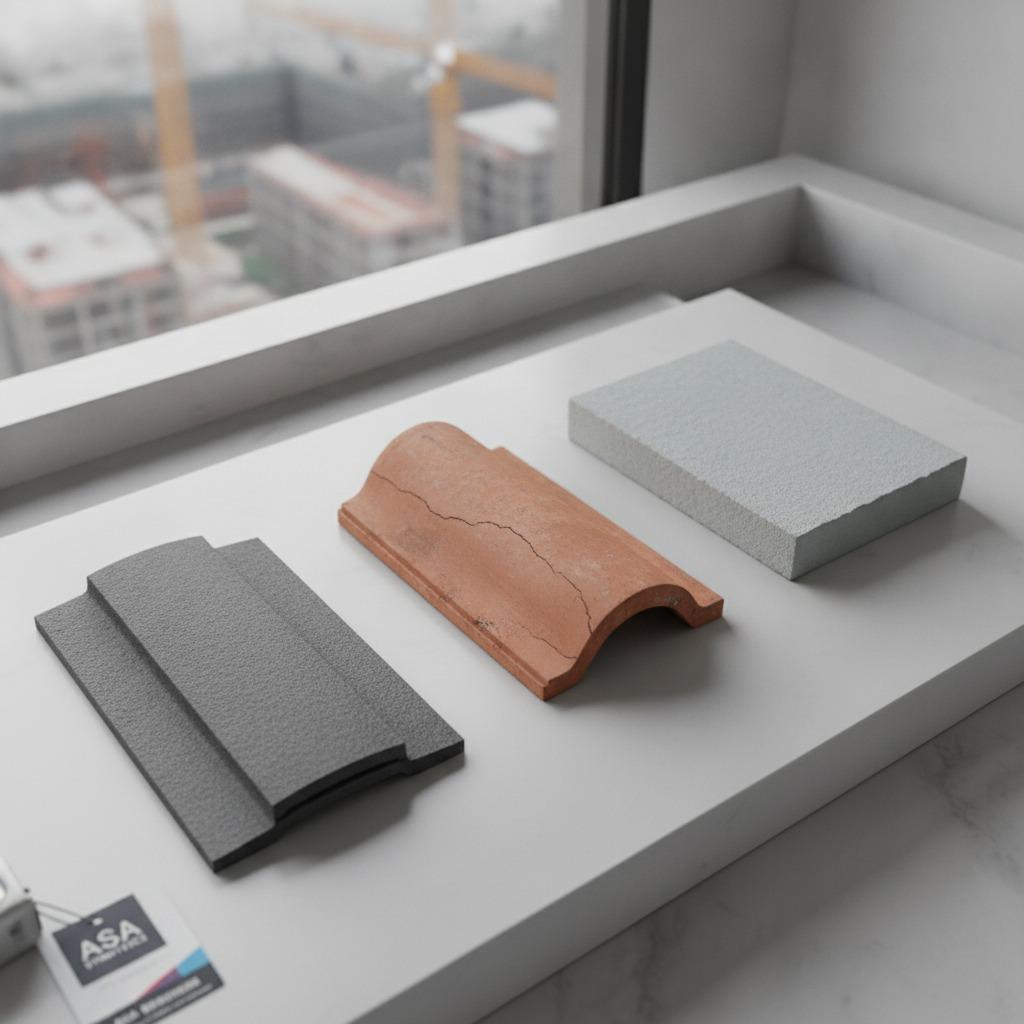
In many projects, the roof is expected to do three jobs at once: keep water out, limit heat gain, and last long enough that replacement does not disrupt operations. Metal sheets can be strong, but in the wrong setting they may need more attention to corrosion. Other materials may offer better insulation but feel too fragile or too expensive for large spans. That is why buyers often end up weighing a UPVC roof panel against other common roof cladding choices rather than treating it as a standalone purchase.
Practical concerns usually include:
• exposure to rain, humidity, and washdown routines
• chemical vapors or salty air that can accelerate surface damage
• light transmission needs for daytime working conditions
• acoustic comfort during heavy rain, which is easy to overlook until installation is complete
Where the Material Makes Sense
UPVC is typically valued for its resistance to moisture-related damage and its lower maintenance profile. In plain terms, it is a material many teams look at when they want an anti-corrosive roofing option without going into a more specialized or costly system. That said, the best fit depends on the building. A roof panel for a livestock house faces different demands than one used over a storage corridor or a production annex.
It also helps to remember that roofing performance is not just about the panel itself. Fasteners, supports, overlaps, slope, and installation quality all influence whether the roof behaves as expected. A good sheet installed badly can still leak, rattle, or degrade early. Buyers sometimes focus on the material and forget the details that actually keep the roof serviceable.
Selection Criteria That Matter on the Buying Floor
1. Environment first
If the site has persistent dampness, chemical exposure, or coastal air, corrosion resistance becomes a serious selection factor rather than a marketing claim.
2. Building function
Storage buildings, processing spaces, and agricultural structures do not share the same priorities. Light, sound, thermal comfort, and durability all shift with the use case.
3. Installation practicality
Large roof areas reward materials that install cleanly and predictably. If the roofing crew has to fight the panel during fit-up, that friction often shows up later as inconsistent results.
Common Mistakes to Avoid
One frequent mistake is buying only on surface appearance. Another is assuming every anti-corrosion claim means the same thing. Buyers should ask what the panel is designed to resist, how it behaves under prolonged exposure, and whether the surrounding system is compatible. It is also wise to confirm the profile and thickness arrangement suits the span and local weather conditions. Those details are not glamorous, but they are the difference between a roof that feels settled and one that becomes a maintenance story.
FAQ
Is an UPVC roof panel only for industrial buildings?
No. It is often used in industrial and agricultural settings, but it can suit any structure where moisture resistance, ease of maintenance, and weather protection matter.
Is anti-corrosive the same as maintenance-free?
Not quite. Anti-corrosive performance may reduce upkeep, but no roofing system should be treated as maintenance-free. Inspection still matters.
What to Ask Before You Order
Before committing to a UPVC roofing panel, ask about the intended environment, installation method, and the supporting accessories needed for the job. If the application is demanding, request the technical details in writing and compare them against the actual site conditions. That simple step prevents optimistic assumptions, which is where a lot of roofing purchases go sideways.
If you are evaluating options now, compare the panel against the building’s exposure, service expectations, and installation realities. The right roof is not the most talked-about one. It is the one that quietly does its job after the crew leaves.