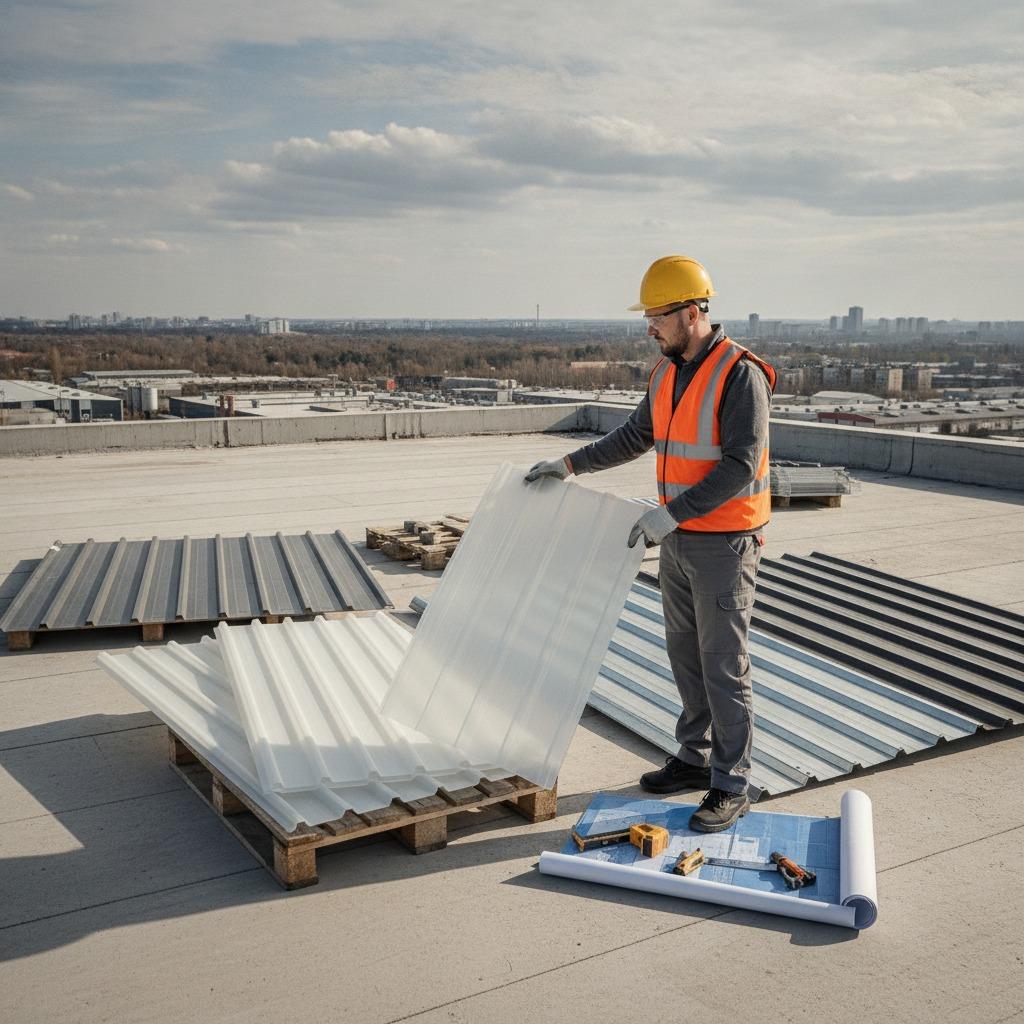
Why uPVC roof tiles are showing up in more spec sheets
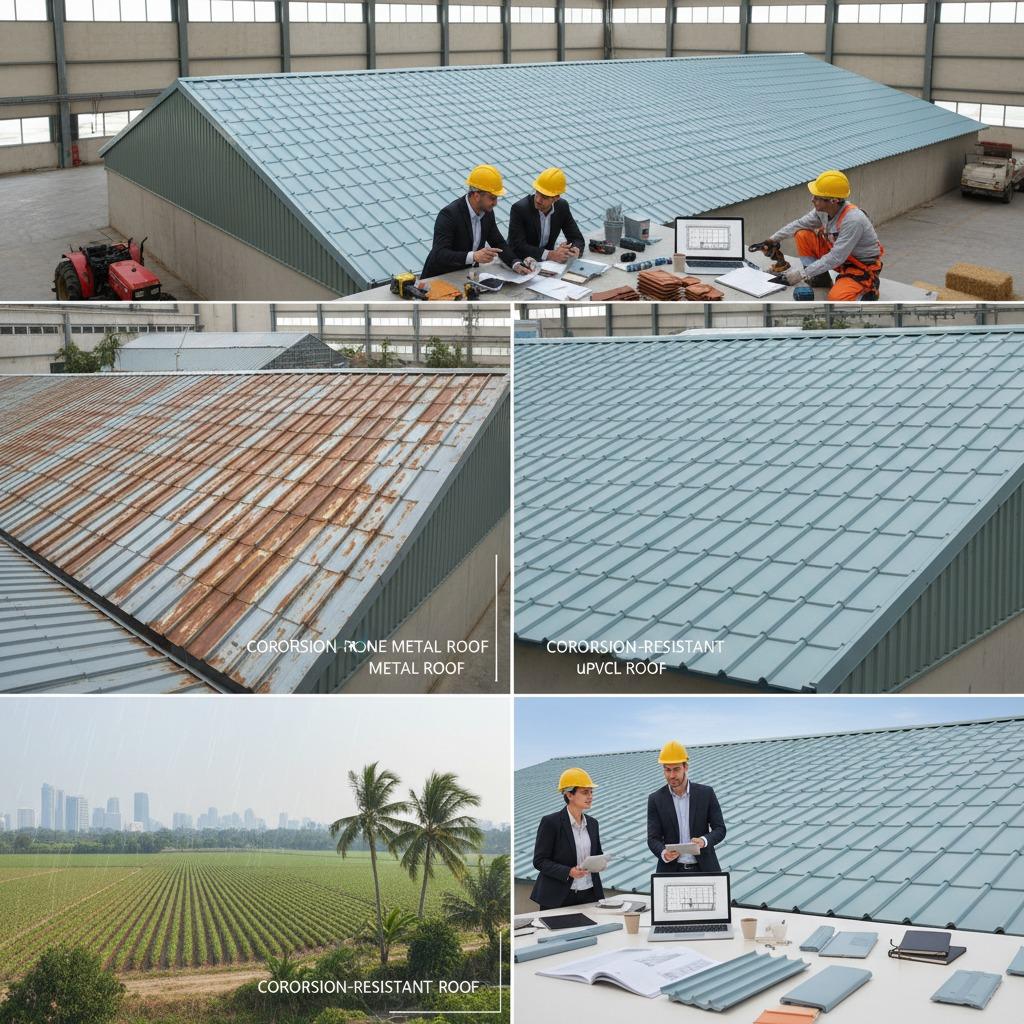
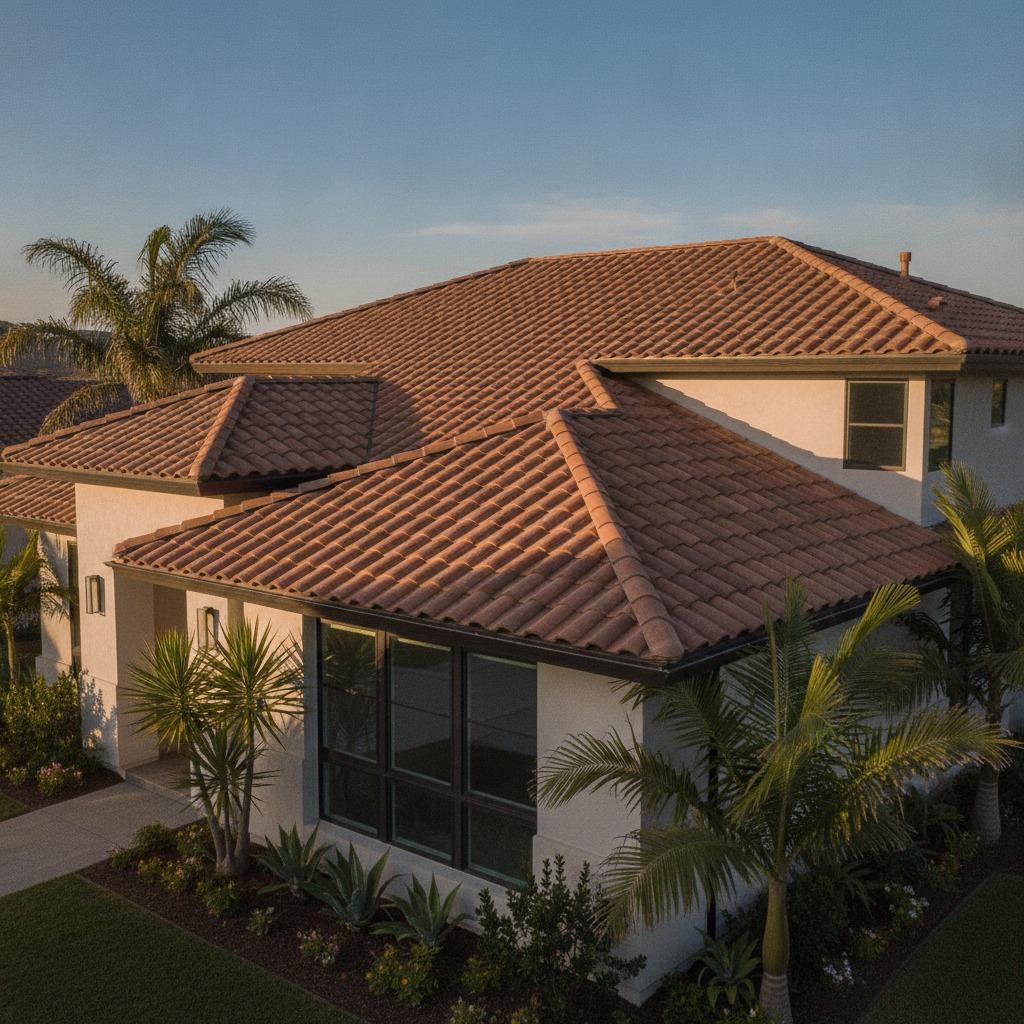
uPVC roof tiles have become a practical option for projects where weather, moisture, and long service life all matter at the same time. For buyers comparing roofing materials, the real question is not whether the roof should look good on day one. It is whether it will keep its shape, keep water out, and avoid the slow damage that comes with rust, salt air, and repeated exposure to harsh weather.
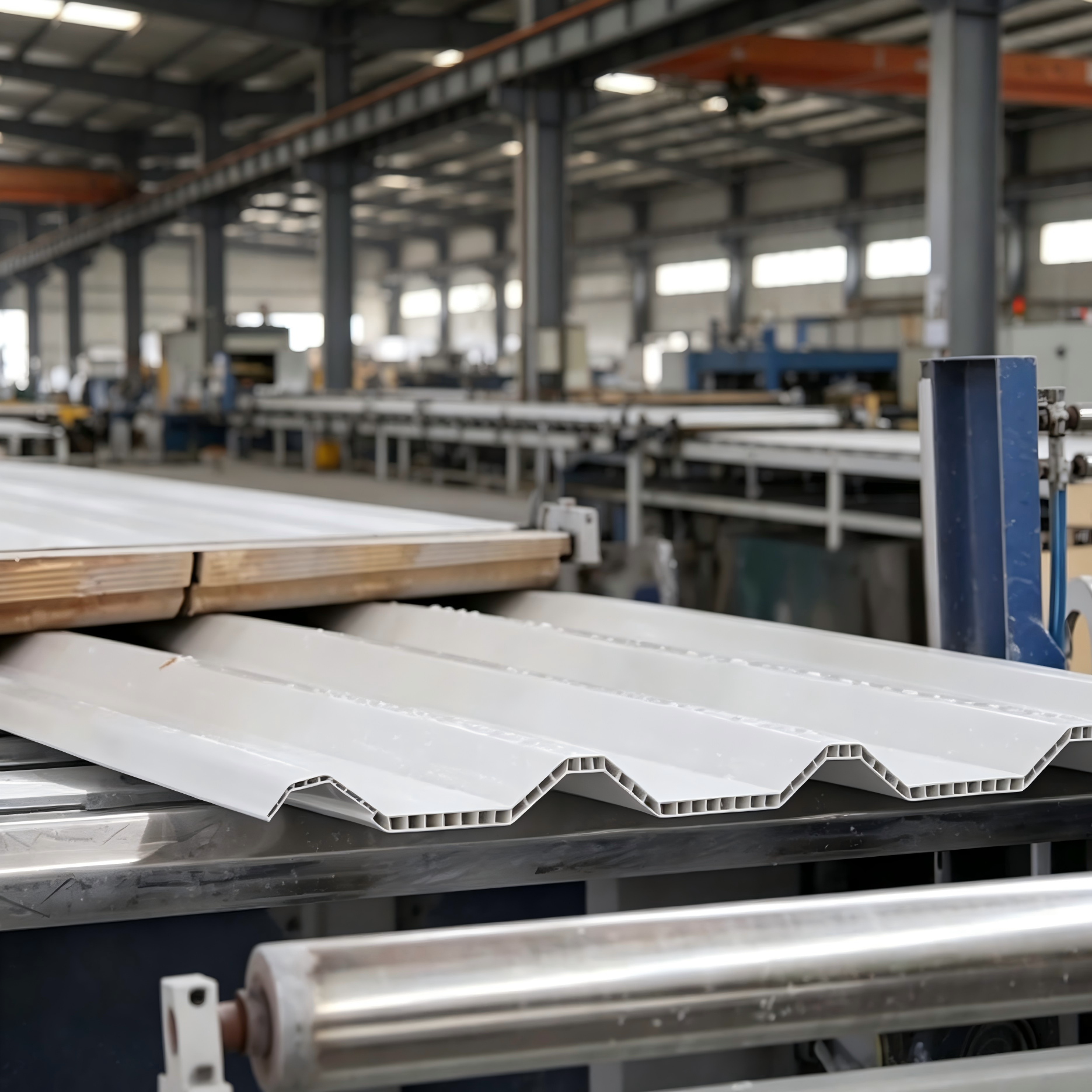
That is why uPVC roofing tiles are getting attention in agricultural buildings, light industrial structures, storage facilities, and some residential applications. They are often discussed for anti-corrosive performance, but that phrase can be too broad on its own. What matters is how the material behaves in the actual environment: does it resist chemical exposure, does it handle rain and humidity well, and does it reduce maintenance compared with metal alternatives?
What buyers are really comparing
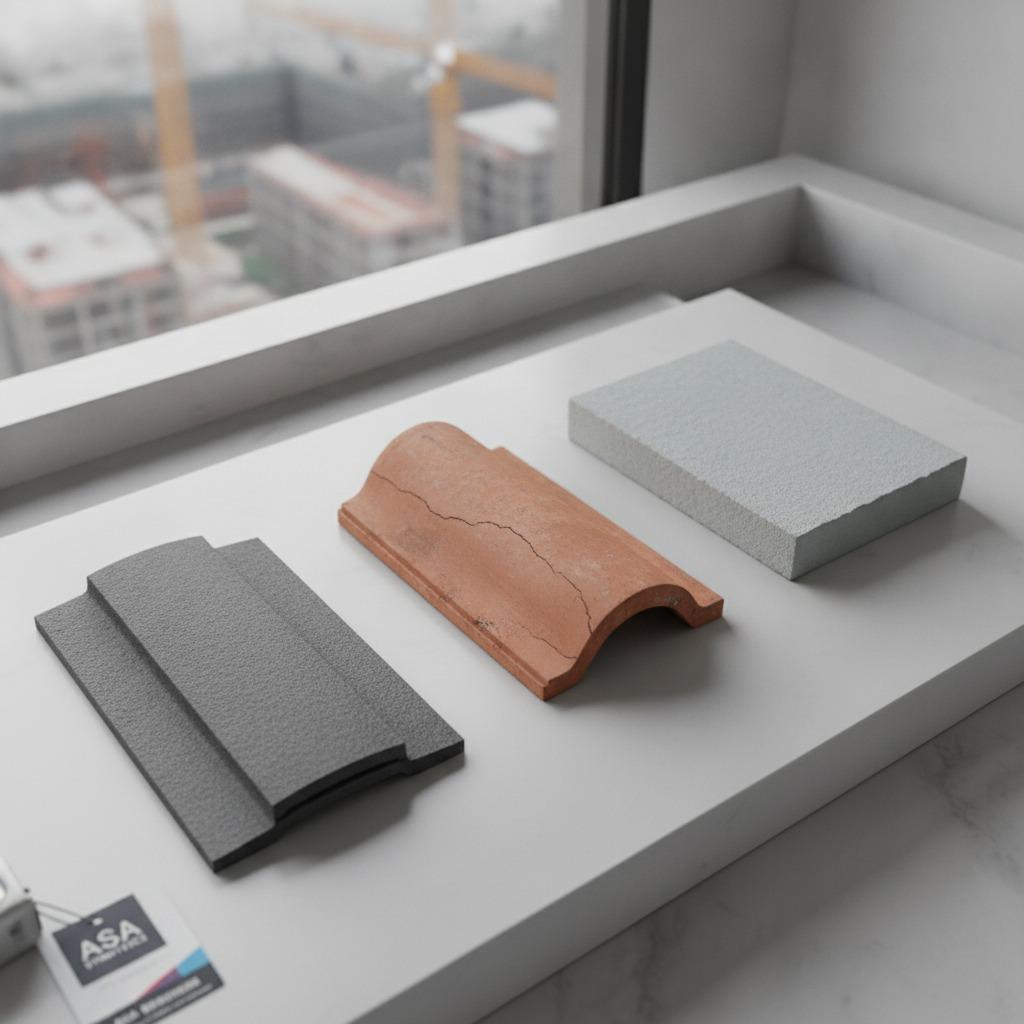
In most purchasing decisions, the comparison is less about “best material” and more about fit. Metal roofing may offer strength and familiar installation methods, but it can require extra corrosion protection in aggressive environments. Traditional tiles bring their own weight and structural demands. uPVC roof tiles sit in a different lane: lighter, visually tidy, and easier to consider where corrosion resistance is a priority.
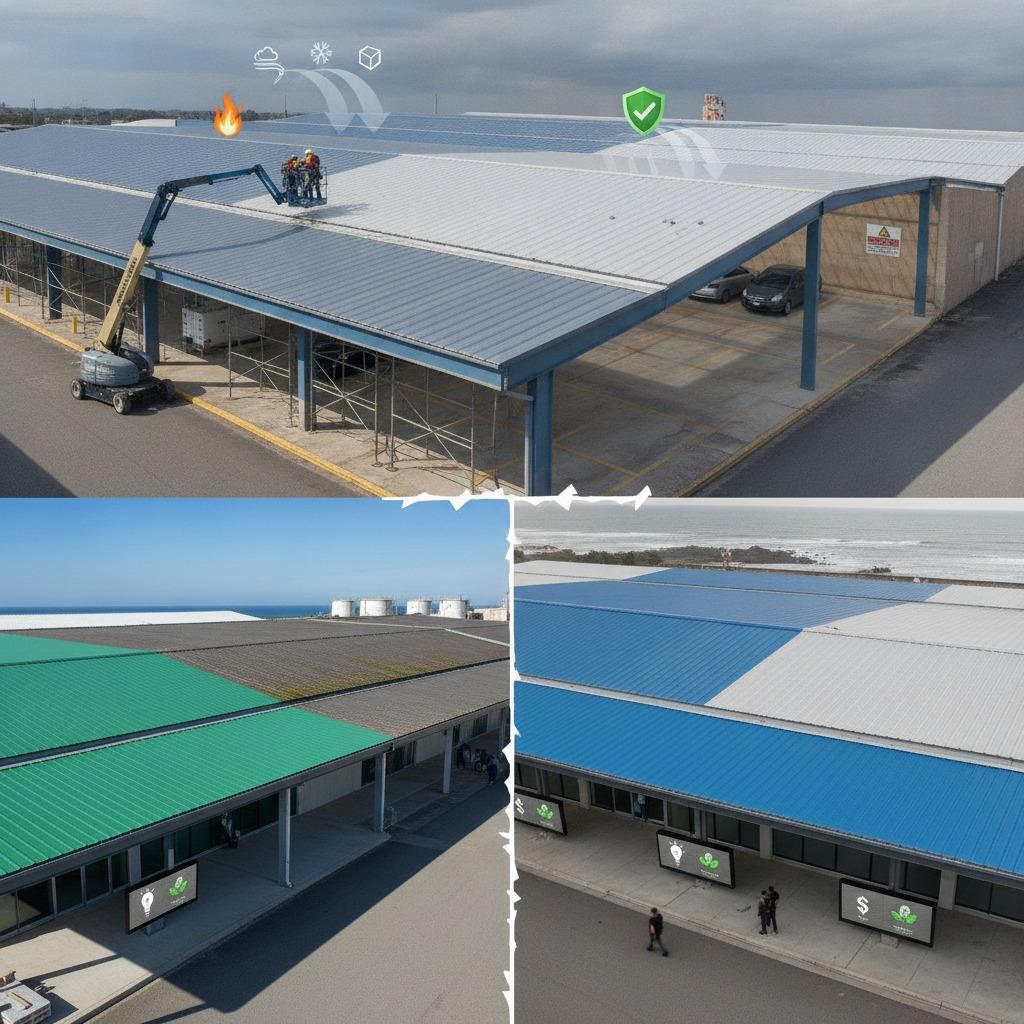
That does not make them universal. Roof pitch, wind conditions, installation details, and local climate still matter. A roof panel or tile that performs well in a sheltered warehouse may be the wrong choice for a coastal facility. Buyers sometimes overlook that point and focus only on the material label.
Why corrosion resistance matters in practice
Corrosion is a slow thief. It starts with small weaknesses—fasteners, edges, overlaps, or constant moisture—and then spreads. Once it begins, maintenance costs rise, and downtime tends to follow. For that reason, corrosion resistant roofing materials are often chosen not just to avoid visible damage, but to protect the whole building envelope.
uPVC roofing tiles are often selected for this reason because the material is inherently anti-corrosive in many common conditions. That can be useful in humid environments, near the coast, or around buildings exposed to chemicals or fertilizers. Still, the detailing matters. If the fixing system, underlayment, or flashing is poorly chosen, the roof can fail at the joints even if the tile itself remains sound.
Selection points that deserve attention
For engineers and sourcing teams, a useful shortlist looks like this:
1. Environmental exposure
Consider salt, moisture, UV, and airborne chemicals first. The harsher the environment, the more valuable corrosion protection becomes.
2. Structural load
Lighter roofing can simplify design, but the complete system still has to meet the building’s load and wind requirements.
3. Installation quality
A corrosion resistant material is not a substitute for good installation practice. Poor overlaps and weak fastening choices can shorten service life.
4. Maintenance expectations
If the site has limited access or high downtime costs, a low-maintenance roofing choice may be worth more than a cheaper upfront option.
Common mistakes buyers make
One common mistake is assuming all anti-corrosive materials perform equally in every environment. Another is treating the roof tile as a standalone part instead of part of a system. The roof only works as well as the trim, fasteners, seal points, and installation details around it.
A second mistake is buying on appearance alone. A neat profile can be useful, but appearance should follow performance, not replace it.
What to ask before you source
Before committing to uPVC roof tiles, ask how the product is intended to perform under your site conditions, what accessories are recommended, and whether the installation method is suitable for your structure. If the project is in a severe environment, request material and system information rather than stopping at a basic catalog description.
Next step for buyers
If you are evaluating uPVC roof tiles for a project, start with the environment, then the structure, then the installation details. That order usually saves time and avoids expensive surprises later. A roofing choice that looks simple on paper can become difficult once corrosion, weather, and maintenance are part of the equation.